Endodontic treatment is usually carried out over 2–3 appointments. This is because the canals require thorough cleaning and disinfection, and the tooth must be checked for residual infection before permanent filling. This approach makes the treatment safe and long-lasting.
Diagnosis: X-ray and CT Imaging
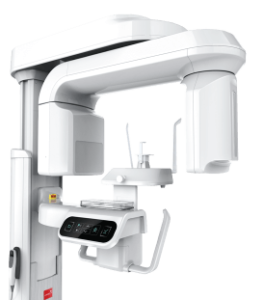
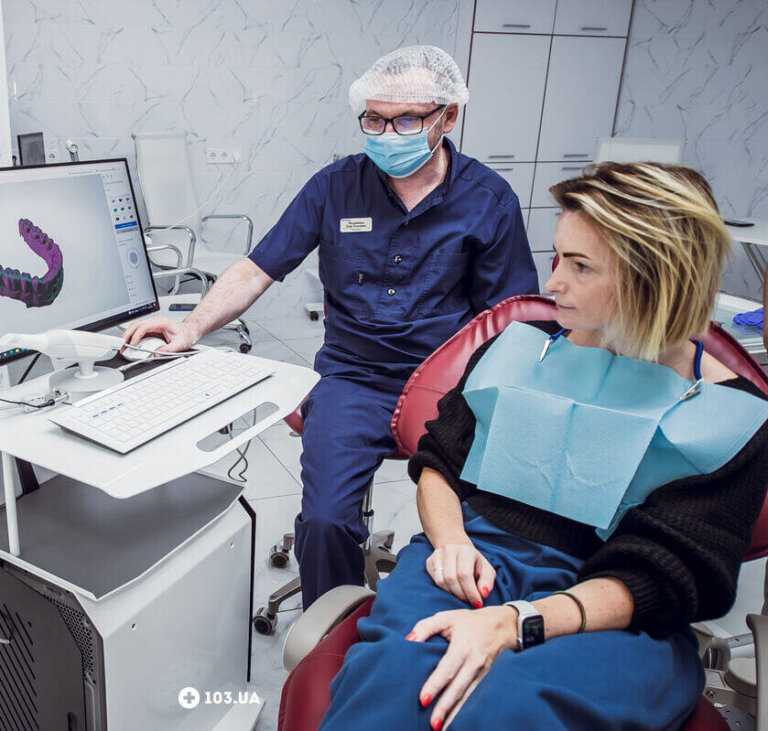
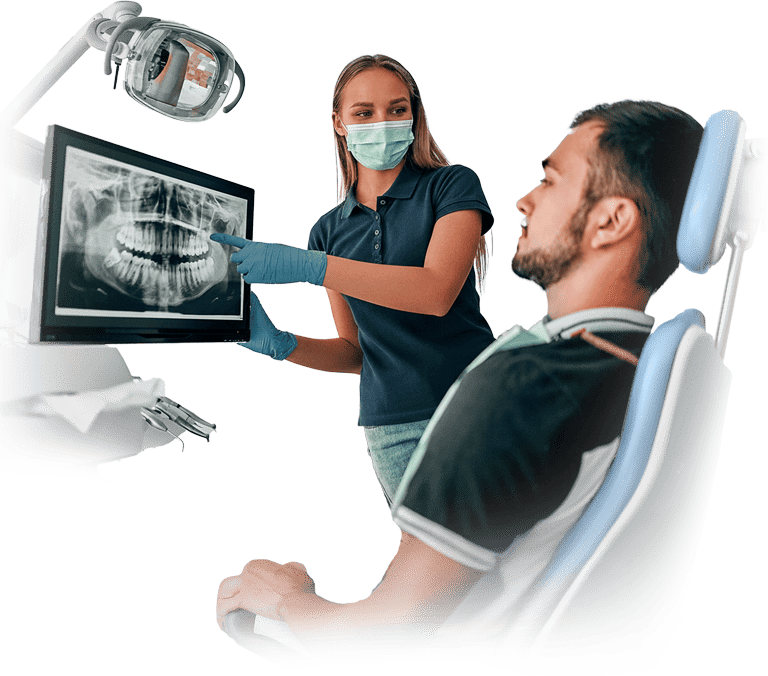
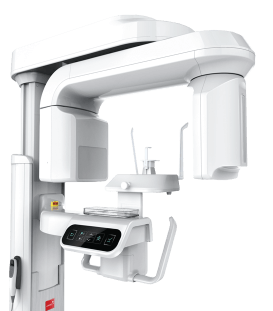
The procedure begins with diagnosis. The dentist examines the tooth and takes a periapical X-ray; in complex cases, a cone-beam CT scan is performed. The 3D image shows the shape of the canals, their curves, and allows precise treatment planning.
Anaesthesia and Tooth Isolation (Rubber Dam)
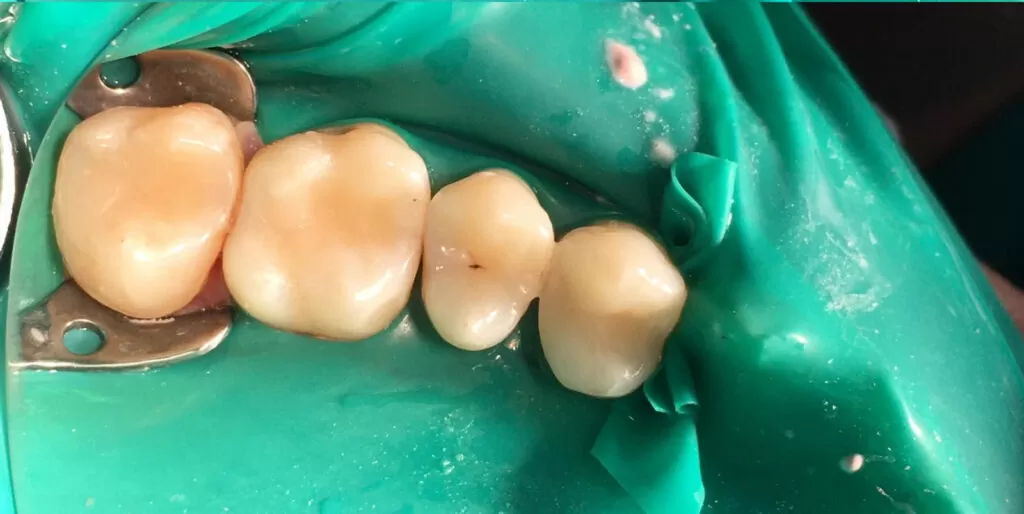
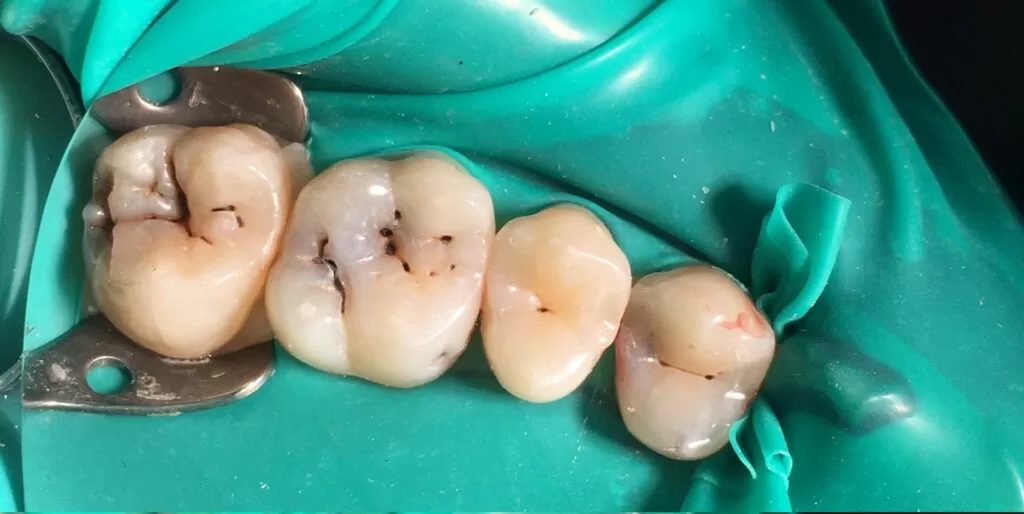
Local anaesthesia makes the procedure pain-free. To protect the canals from saliva and bacteria, a rubber dam is used — a thin latex sheet that creates sterile conditions and helps the filling bond more effectively.
Mechanical Preparation of the Canals
At this stage the dentist cleans and shapes the canals to prepare them for filling. A combination of hand and rotary instruments is used. The canals are irrigated with antiseptic solutions such as sodium hypochlorite. Canal length is measured using an apex locator to ensure nothing is missed. Mechanical preparation is one of the key stages of endodontic treatment.
Temporary Filling and Medicament Dressing
After the first appointment, a medicament dressing (often based on calcium hydroxide) is placed in the canal and a temporary filling is applied. This protects the tooth and canals between visits and supports tissue healing.
Permanent Root Canal Obturation
The canals are tightly filled with gutta-percha using lateral or vertical compaction techniques, or sometimes Thermafil. A follow-up X-ray is then taken to confirm that the filling is dense, the correct length, and free of voids.
Tooth Restoration Following Endodontic Treatment
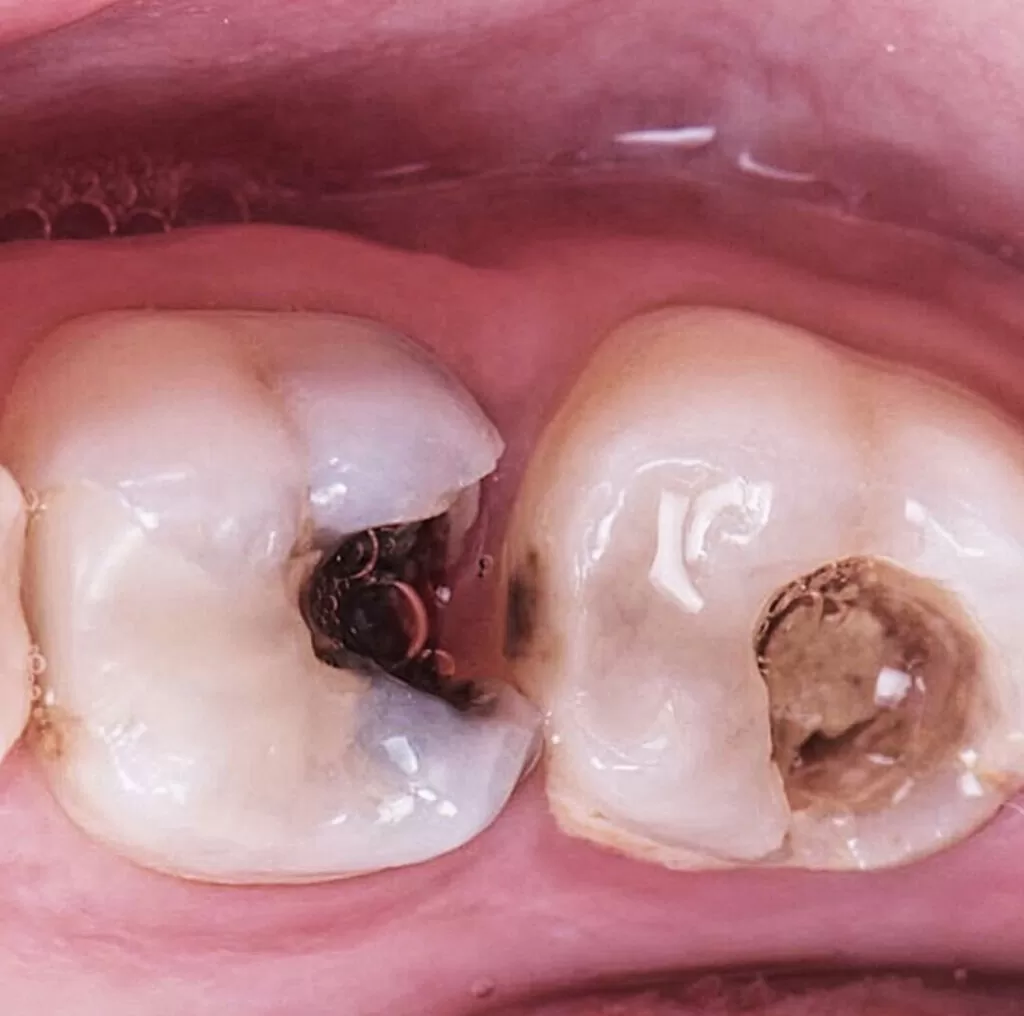
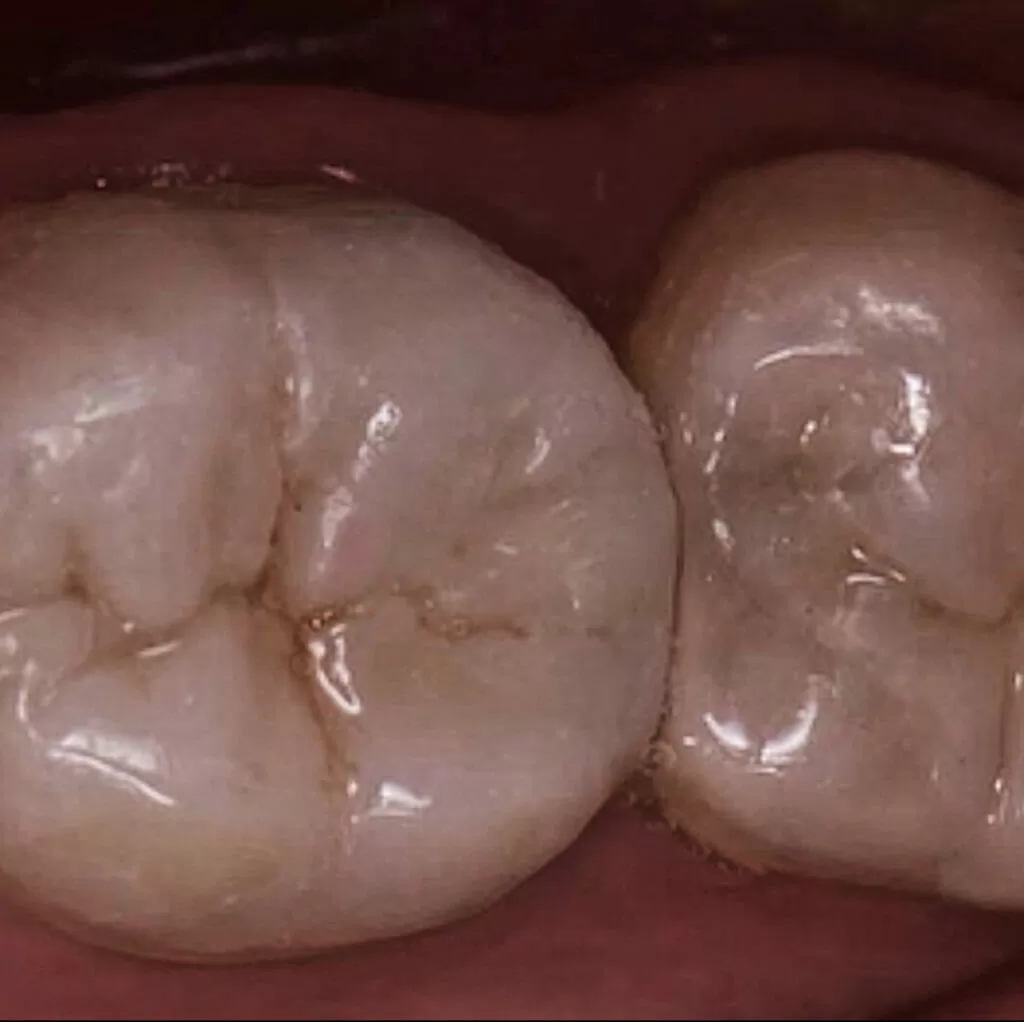
After treatment the tooth becomes more brittle, so restoration is essential. Options include a filling, a dental post with a direct composite filling, or a post and core with a crown. The choice depends on the extent of the tooth’s destruction.
This step-by-step approach allows the tooth to be preserved long-term, reduces the risk of reinfection, and ensures the most effective outcome.
 (044) 394 90 94
  Holosiivska/Demiivska metro station































Your email will not be published on the site.