Special offer! Comprehensive professional teeth cleaning for only 1699 UAH.
Special offer! Comprehensive professional teeth cleaning for only 1699 UAH.
Special offer! Comprehensive professional teeth cleaning for only 1699 UAH.
Special offer! Comprehensive professional teeth cleaning for only 1699 UAH.
Special offer! Comprehensive professional teeth cleaning for only 1699 UAH.
Special offer! Comprehensive professional teeth cleaning for only 1699 UAH.
Special offer! Comprehensive professional teeth cleaning for only 1699 UAH.
Special offer! Comprehensive professional teeth cleaning for only 1699 UAH.
Special offer! Comprehensive professional teeth cleaning for only 1699 UAH.
Special offer! Comprehensive professional teeth cleaning for only 1699 UAH.
Sign up
 (044) 394 90 94
(044) 394 90 94  Holosiivska/Demiivska metro station
Sign up
(044) 394 90 94
(044) 394 90 94
Doctors


 Prices
Blog
Contacts
Prices
Blog
Contacts
пр.Лобановського, 130, Київ, Україна
Temporarily closed
Opening soon
78A, Irpinska St., Kyiv, Ukraine
Temporarily closed
Opening soon
32A, Heroiv Dnipra St., Kyiv, Ukraine
Temporarily closed
Opening soon
9B, Yevhena Chykalenko St. (Pushkinska), Kyiv, Ukraine
Temporarily closed
Opening soon
(044) 394 90 94
Back
Dentistry
General Dentistry
Dental surgery
Dental Implants
Maxillofacial Surgery
Dental prosthetics
Cosmetic dentistry

Professional Dental Hygiene

Periodontics
Orthodontic dentistry

Gnathology & TMJ Therapy
Pediatric Dentistry

Dental X-Rays
Back
Orthodontic Center
Orthodontic dentistry
Gnathology & TMJ Therapy
Back
Prosthodontic Center
Dental prosthetics
Back
MED-DEO Center for Maxillofacial Surgery & Facial Plastics
Maxillofacial Surgery
Plastic surgery
Back
Surgical Dental Center
Dental surgery
Dental Implants
Search on the site


Popular requests
Teeth whitening
Treatment of caries
Wisdom tooth extraction
Bracket system
Dental veneers
Tooth restoration
Pediatric dentist
Consultation with a dentist-therapist
Search results by: «».
Unfortunately, no results were found for your search: “Pediatric Endocrinologist”, nothing was found.
You may find these links useful:
Clinics "MED-DEO"
пр.Лобановського, 130, Київ, Україна
Temporarily closed
Opening soon
78A, Irpinska St., Kyiv, Ukraine
Temporarily closed
Opening soon
32A, Heroiv Dnipra St., Kyiv, Ukraine
Temporarily closed
Opening soon
9B, Yevhena Chykalenko St. (Pushkinska), Kyiv, Ukraine
Temporarily closed
Opening soon
Services
Dentistry Orthodontic Center Prosthodontic Center MED-DEO Center for Maxillofacial Surgery & Facial Plastics Surgical Dental CenterGeneral Dentistry
Dental surgery
Dental Implants
Maxillofacial Surgery
Dental prosthetics
Cosmetic dentistry
Professional Dental Hygiene
Periodontics
Orthodontic dentistry
Gnathology & TMJ Therapy
Pediatric Dentistry
Dental X-Rays
Orthodontic dentistry
Gnathology & TMJ Therapy
Dental prosthetics
Maxillofacial Surgery
Dental surgery
Dental Implants
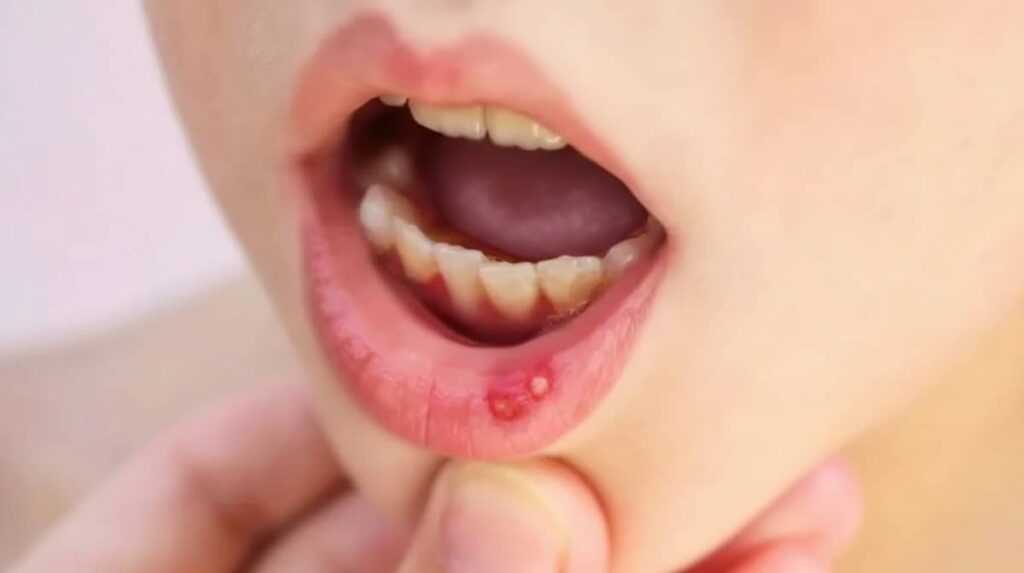

What Is Herpetic Stomatitis?
Herpetic stomatitis is an infectious disease that affects the oral cavity. It’s one type of viral stomatitis. The causative agent is the herpes simplex virus type 1 (HSV-1), which can remain dormant in the body for life and become activated when triggered by certain factors.
Initial infection typically occurs during childhood through close contact—via shared household items, saliva, toys, and so on. The virus then reactivates, or “awakens,” when the immune system weakens. This can happen during colds, stress, fatigue, nutritional deficiencies, and even pregnancy.
What sets herpetic stomatitis apart from other types (bacterial or aphthous) is its distinctive symptoms. This particular viral stomatitis causes oral herpes in the form of painful blisters (vesicles). Other characteristic symptoms include swollen lymph nodes, elevated temperature, general weakness, and high contagiousness.
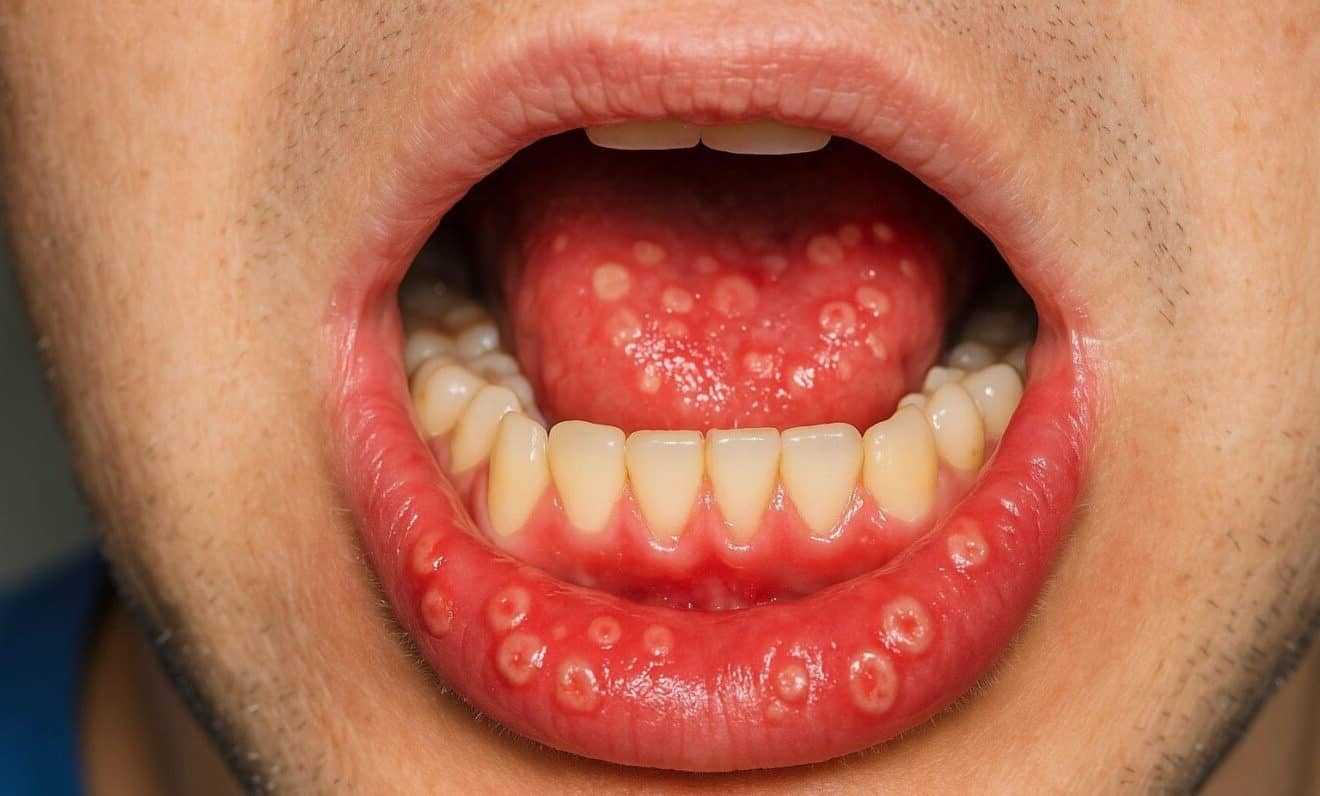
Causes of Herpetic Stomatitis
The cause of primary infection is the herpes virus itself. It directly triggers viral stomatitis after first contact. The virus spreads through close household contact with an infected person, their saliva, and sharing personal items (kissing, shared utensils and towels). In other words, transmission occurs through airborne droplets and direct contact.
However, even after the virus enters the body, it may not immediately cause oral herpes. The virus activates when immunity is compromised, which in turn happens due to certain factors. These factors include:
- Weakened immune system
- Stress
- Exposure to cold
- Micro-injuries to the mucous membrane
- Vitamin deficiency (avitaminosis)
- Chronic diseases
Types and Forms of Herpetic Stomatitis
Viral stomatitis includes such forms as herpetic stomatitis and herpetic gingivostomatitis. Herpetic stomatitis, in turn, has subtypes: acute herpetic stomatitis and chronic. Below we’ll discuss all these forms and types, their characteristics, and clinical manifestations.
Acute Herpetic Stomatitis
Acute herpetic stomatitis has distinctive characteristics of primary infection. These include:
- Sudden temperature spike
- General body weakness
- Rapid appearance of painful multiple blisters in the mouth (vesicles)
- Swollen gums and enlarged local lymph nodes
- Severe course especially in children—also high fever, refusal to eat
- Typical disease duration—active symptoms for 7-14 days, followed by resolution without a trace
Chronic Herpetic Stomatitis
This is a recurrent form with a different character than acute herpetic stomatitis. Chronic herpetic stomatitis develops after HSV-1 establishes itself in the body and when triggering factors are present. Specifically—due to weakened immunity from stress, common colds, other illnesses, injuries, and so forth. Recurrences typically happen a couple times a year.
The course of the chronic form is significantly milder than the acute. Only isolated vesicles appear, with minimal systemic toxicity and overall shorter duration. The most common triggers that provoke recurrence and, consequently, chronic-type herpetic stomatitis include exposure to cold, stress, and oral mucosa diseases or injuries.
Herpetic Gingivostomatitis
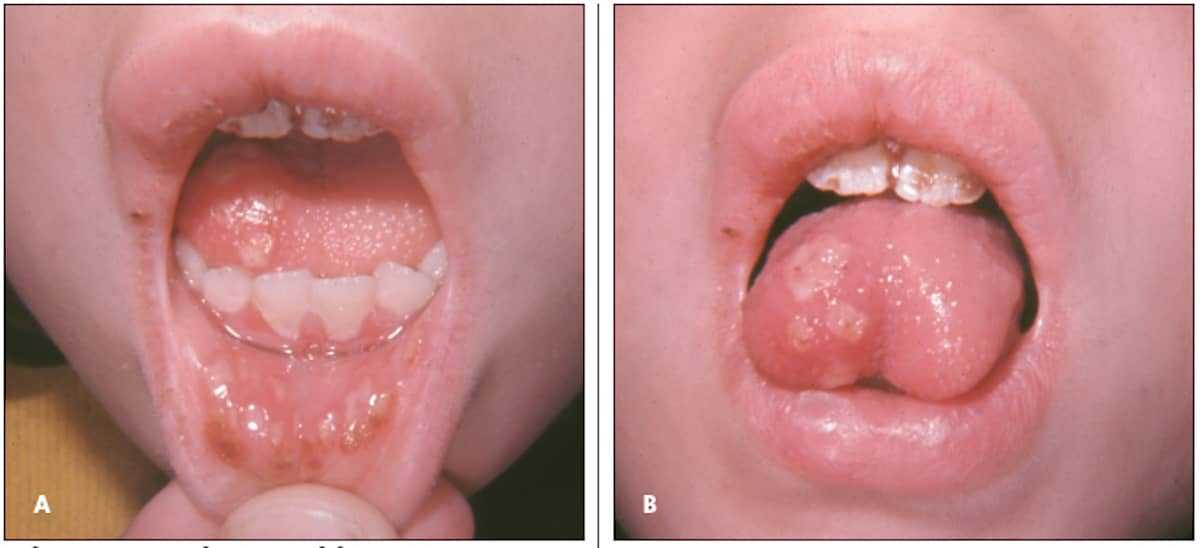
This form is particularly common in children aged 1-3 years. Additionally, herpetic gingivostomatitis affects not only the oral mucosa but also the gums. The blisters in this case can also involve the fold between the lip and cheek, the inner surface of the cheeks, and even the tonsils (sometimes mimicking tonsillitis).
Herpetic gingivostomatitis has its own specific symptoms. These include pronounced swelling and redness of the gums, as well as pain and bleeding, for example, when brushing teeth. Children require special treatment approaches for this form. These involve targeted therapy focused on pain control and preventing dehydration in the child’s body.
Symptoms and Signs of Herpetic Stomatitis
Let’s take a detailed look at the clinical picture of herpetic stomatitis. After all, it’s not just about the characteristic herpes rash, but broader symptoms as well.
General Symptoms
Oral herpes causes the following symptoms:
- Elevated temperature of 38-40°C—usually with acute onset
- General weakness and malaise—severe fatigue, reduced work capacity
- Headache—due to viral intoxication of the body
- Enlarged and tender lymph nodes—specifically in the submandibular area
- Loss of appetite—usually due to pain when swallowing and throat discomfort
- Muscle weakness—as the body’s systemic response to the virus
Local Manifestations in the Oral Cavity
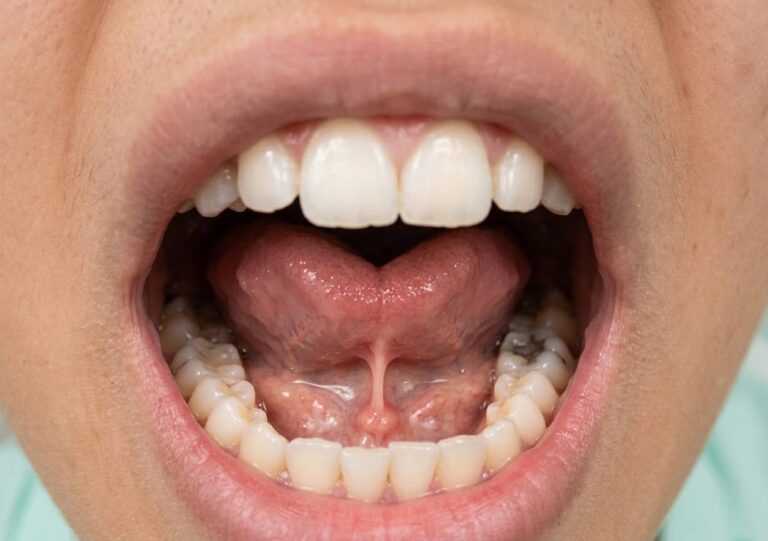
During the development stage, oral herpes manifests as redness and vesicles—these are blisters on the mucous membrane. Later, ulcers may form after these vesicles burst. Additionally, herpetic stomatitis has symptoms such as:
- Pain and burning in the mouth when eating—especially with hot and acidic foods
- Increased salivation—as a reaction to pain and mucosal irritation
- Bad breath—due to the inflammatory process and tissue breakdown in the affected area
- Swelling of the mucosa—lip stomatitis makes it puffy, irritated, and very sensitive
- Characteristics of lesion location—oral herpes most often appears on the inner surface of the cheeks and palate, as well as on the tongue, gums, and lips
Stages of Disease Development
Incubation Period
The incubation period lasts 2-17 days. This is the time from initial infection to first symptoms. Its duration depends on the person’s immune status. Herpetic stomatitis shows no external signs during this period, yet the virus is already actively multiplying in the body. Active viral replication means it’s accumulating and essentially preparing the body for subsequent visible manifestations.
Prodromal Period
During this period, herpetic stomatitis already shows the first non-specific symptoms. Oral herpes here causes redness of the mucosa, tingling and dryness, discomfort, and deterioration of the person’s general condition. Possible symptoms include irritability, muscle weakness, and even low-grade fever (approximately 37.1-38.0°C). The prodromal period passes in 1-2 days, as it then transitions to the active outbreak stage.
Outbreak Period
The herpetic rash begins with the mass formation of blisters (vesicles), which then increase in size. During this outbreak stage, oral herpes is also accompanied by mucosal pain and peak elevated body temperature. This stage lasts approximately 2 to 4 days. This period is considered the most acute in the course of the disease and most contagious to others.
Healing Period
During the healing stage, herpetic stomatitis is characterized by vesicles beginning to shrink, dry out, and heal. They seem to form a crust. Temperature also normalizes and mucosal pain decreases. Overall, the rash gradually disappears and appetite is restored. The duration of this final period is usually 3 to 5 days.
Diagnosis of Herpetic Stomatitis
To properly diagnose herpetic stomatitis, the main methods used are dental examination and laboratory tests. In other words, the appropriate diagnosis is made based on characteristic clinical presentation (rash and other symptoms) and/or with the help of special tests. Differential diagnosis is extremely important here. It helps determine whether this is truly herpetic stomatitis and not something else—for example, not candidal, not aphthous, or not bacterial. Below is more detail about the diagnostic stages.
Dental Examination
A dental examination includes:
- Visual assessment of characteristic elements—what the blisters and erosions on the mucosa look like
- Determining the location and number of lesions—the placement and grouping of vesicles is an important diagnostic signal
- Assessing the condition of the mucosa and gums—for swelling, bleeding, redness, and overall degree of inflammation
- Taking a medical history—considering previous recurrences and history of contact with virus carriers
Laboratory Tests
Laboratory tests for oral herpes include:
- PCR diagnostics to detect the virus (mucosal swab)—the most accurate method for confirmation
- Blood test for IgM and IgG antibodies—shows whether this is primary or secondary herpes infection
- Virological examination of mucosal swab—performed less frequently but can also detect the virus’s presence
Cases when tests are needed: atypical forms of herpes, severe course, or some doubt about the diagnosis.
Treatment of Herpetic Stomatitis
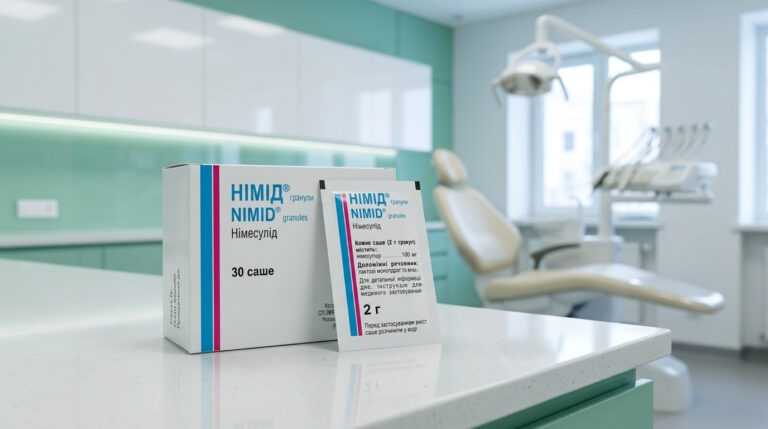
When viral stomatitis is present, treatment is comprehensive. This approach allows for quick symptom relief, effective antiviral action, and overall immune system support. In other words, the best way to treat oral herpes is systemic therapy (antiviral medications) combined with local treatment (antiseptic agents, pain-relieving gels or ointments).
It’s very important to start therapy in the early stages of herpetic stomatitis. This significantly shortens the disease duration, reduces the intensity of outbreaks, and lowers the risk of any complications.
Antiviral Therapy
Speaking in more detail about how to treat oral herpes with antiviral therapy, it’s worth noting the main medication: all drugs based on acyclovir. They come in tablets, ointments, and suspensions. The choice of form depends on the location of the lesion and the patient’s age. The application regimen is usually 3-5 times a day, preferably prescribed by a doctor. Treatment duration is approximately 5-7 days; if it’s a severe form, up to 10 days inclusive. Such antiviral therapy is most effective when oral herpes is still in the early stages. In advanced stages, it only reduces symptom duration.
Local Treatment
Local treatment includes antiseptic agents for rinsing and reducing bacterial contamination—Chlorhexidine, Miramistin, various herbal decoctions. This also includes pain-relieving gels for treating ulcers, as well as healing agents for better epithelialization and drying of blisters (vesicles). Treatment with these options usually needs to be done 3-5 times a day or after each meal. The proper application technique is as follows:
Rinses:
- Small amount; rinse for 30-60 seconds; don’t swallow; after rinsing, don’t eat or drink for 20-30 minutes
Ointments, gels:
- Apply pointwise and in a thin layer; apply to dried mucosa using a napkin; let dry for 1-2 minutes; after rinsing, don’t eat or drink for 20-30 minutes
Symptomatic Therapy
Symptomatic therapy includes the following:
- Fever reducers for high temperature—usually when higher than 38°C
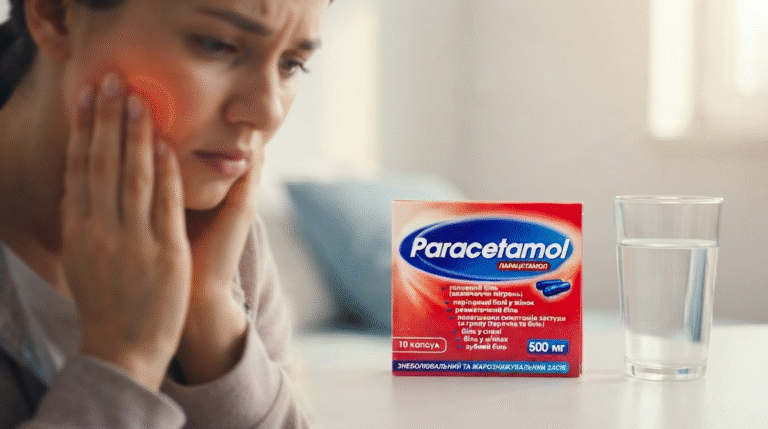
- Pain relievers—for pain control and easier eating
- Antihistamines to reduce swelling—eliminate allergic manifestations in the mouth
- Immunomodulators—to shorten disease duration and support the body overall
- Vitamin complexes—to strengthen immunity and restore micronutrient balance
Special Considerations for Different Groups
Treating Herpetic Stomatitis in Children
Herpetic gingivostomatitis in children, or simply put, oral herpes in a child, may have the following nuances in treatment:
- Adapting medication doses—should be selected according to age and weight, as indicated in the instructions
- Safe medication forms for young children—usually suspensions or syrups, and gels if topical. Tablet forms are recommended to be avoided
- Care features—the child’s oral cavity condition must be constantly monitored and regular hygiene ensured
- Ensuring adequate fluid intake—this helps avoid dehydration and speeds up mucosal healing
- Diet during illness—give non-fatty, not hot, and soft foods. Don’t give anything that could injure or irritate the mucosa
Treatment in Adults
If there’s oral herpes in an adult, treatment nuances are, of course, fewer. But they still exist. Usually, herpetic stomatitis in adults is treated with standard therapy regimens, as it runs much milder than in children. In therapy here, a combination of medications is important, which brings together pain relievers, antivirals, and healing agents. Adult treatment usually takes place at home. Hospitalization is rarely required—in cases of severe bodily intoxication, very high temperature, and severe dehydration.
Herpetic Stomatitis During Pregnancy and Breastfeeding
If herpetic stomatitis is being treated during pregnancy or breastfeeding, the nuances are as follows:
- Safe medications for pregnant women—use only approved and doctor-prescribed. These are usually only systemic and topical agents
- Risks to the fetus in different trimesters—the first trimester is most critical, so it’s best to avoid treatment during this period. Only when absolutely necessary and by medical indication. In subsequent trimesters, risks decrease, but treatment should still be cautious and under medical supervision
- Features of treatment while breastfeeding—it’s important to use agents that won’t pass into breast milk in toxic doses
- When breastfeeding can continue—also best coordinated with the doctor. Often, if stomatitis medications are selected safely, no break in feeding is required
- Gynecologist consultation as a mandatory condition—taking any systemic medications, even those safe from a dental standpoint, should be coordinated with your obstetrician-gynecologist
The main thing when treating herpetic stomatitis during pregnancy and breastfeeding is the safety of both woman and child!
Folk Remedies: What Works and What’s Dangerous
Not all folk remedies for oral herpes are effective and safe. This should be taken seriously, as sometimes they can even worsen the condition of the mucosa and ulcers on it.
Safe options for folk remedies include chamomile, calendula, and sage decoctions. These can be used to rinse the oral cavity. Also safe is treating ulcers with sea buckthorn oil. It promotes faster healing.
What definitely doesn’t work in this case are baking soda, brilliant green (so-called “zelenka”), and other alcohol solutions. They can irritate the mucosa, intensify pain, and increase infection risk. Lip stomatitis is also categorically unsafe to treat with strong alkalis or any aggressive preparations. These only destroy the epithelium and provoke complications.
Better and more reliable than folk methods is still medication treatment. The most acceptable alternative of all is a very light, non-concentrated, and barely warm saline solution or chamomile decoction for rinsing. For quick and safe recovery—see a doctor! And remember: self-treatment can be risky.
Complications of Herpetic Stomatitis
Possible complications and negative consequences with improper or untimely treatment of herpetic stomatitis:
- Secondary bacterial infection—this will intensify pain and inflammation
- Generalization of the process—when the virus spreads to other areas of mucosa and even skin
- Dehydration in children—often provoked by severe pain and, accordingly, increased salivation
- Mucosal scarring—due to prolonged erosions and lack of proper oral care
- Chronicity with frequent recurrences—happens with improper treatment. Then herpetic stomatitis transitions to a recurrent chronic form
- Eye damage when infection is transferred by hands—serious conjunctivitis can develop
- Severe cases—nervous system damage due to herpes spreading into the blood and then to nerves and brain. Rare, but this can lead to encephalitis, meningitis, or meningoencephalitis
Prevention of Herpetic Stomatitis
Primary Prevention
Primary prevention of herpetic stomatitis consists of the following measures:
- Avoiding contact with infected individuals
- Individual utensils and hygiene products
- Strengthening immunity: hardening, vitamin therapy, complete nutrition
- Hand hygiene compliance: regular washing, especially after being outside
- Limiting visits to children’s groups during outbreaks, as transmission among children is significantly faster than among adults
Preventing Recurrences
Recurrence prevention consists of the following measures:
- Supporting immunity: daily routine, adequate sleep, balanced nutrition
- Avoiding triggering factors: stress, exposure to cold, mucosal injuries
- Timely treatment of chronic diseases. They weaken overall immunity
- Regular dental check-ups and oral sanitation
- For frequent recurrences: preventive antiviral courses (for example, Acyclovir, prescribed by a doctor)
When You Must See a Doctor
It’s important to know the criteria requiring immediate medical attention with herpetic stomatitis. These are:
- Temperature above 39°C that doesn’t come down
- Child refusing to drink—there’s a risk of serious dehydration
- Massive mucosal damage—a sign of severe course
- Signs of bacterial infection—pus, bad breath
- No improvement after 3-4 days
- Eye involvement
- Severe general condition—pale skin, severe weakness, seizures, and vomiting
Self-treating children with herpetic stomatitis, especially with the above signs, is unacceptable!
Questions and Answers (FAQ)
How many days is herpetic stomatitis contagious?
Herpetic stomatitis is contagious for approximately 4-7 days from the onset of symptoms, and most of all during the outbreak period.
Can herpetic stomatitis be cured at home?
Herpetic stomatitis can be cured at home—usually with topical agents and gentle folk methods. But only if it’s a mild stage. A consultation with a dentist is still mandatory, especially if it involves children, pregnant women, or an already severe course.
How can you distinguish herpetic stomatitis from aphthous?
You can distinguish herpetic stomatitis from aphthous by characteristic features. Herpetic has blisters (vesicles), clusters of these lesions, and is often accompanied by fever. Aphthous has only isolated ulcers (aphthae), no blisters, and no elevated temperature.
Can you brush your teeth with herpetic stomatitis?
You can brush your teeth with herpetic stomatitis. But this should be done carefully, preferably with a soft brush and non-aggressive, non-irritating toothpaste.
Written by Dr. Elena Tomashevskaya, Prosthodontist and Restorative Dentist


Make an appointment
You can make an appointment by filling out the application form on the website, as well as using instant messengers:
Make an appointment
You can make an appointment by filling out the application form on the website, as well as using instant messengers:


Make an appointment easily using chatbots:
Also, call the numbers:
Modern dentistry and medical centre "MED-DEO"
Choose a clinic whose location is more convenient for you.
Kyiv, Holosiivska/Demiivska metro station
130 Lobanovskoho Avenue


Working hours:
Mon - Sun: 8:00 AM - 9:00 PM
No days off!
Call the numbers:
How to get to us? Create a route
Create a route
Kyiv, Akademistechko metro station
78A, Irpinska str.


Working hours:
Mon-Sun: 8.00-21.00
Without days off!
Call the numbers:
How to get to us?
Create a route
Create a route
Kyiv, Heroiv Dnipra metro station
32A, Heroiv Dnipra str.
Working hours:
Mon-Sun: 8.00-21.00
Without days off!
Call the numbers:
How to get to us?
Create a route
Create a route
Kyiv, Teatralna metro station
9B, E. Chykalenko (Pushkinska) str.



Working hours:
Mon-Sat: 8.00 - 21.00. Sun: by appointment.
Without days off!
Call the numbers:
How to get to us?
Create a route
Create a route
Відгук від клієнта
0:00
0:00


Your email will not be published on the site.