40191
Services Doctors
Clinics

пр.Лобановського, 130, Київ, Україна

Temporarily closed

Opening soon

стоматологія на лобановського

78A, Irpinska St., Kyiv, Ukraine

Temporarily closed

Opening soon

IMGP4938

32A, Heroiv Dnipra St., Kyiv, Ukraine

Temporarily closed

Opening soon

2024-10-23 11.56.42

9B, Yevhena Chykalenko St. (Pushkinska), Kyiv, Ukraine

Temporarily closed

Opening soon

IMGP5161
Prices Blog Contacts
Back Dentistry

Clinics "MED-DEO"

пр.Лобановського, 130, Київ, Україна

Temporarily closed

Opening soon

стоматологія на лобановського

78A, Irpinska St., Kyiv, Ukraine

Temporarily closed

Opening soon

IMGP4938

32A, Heroiv Dnipra St., Kyiv, Ukraine

Temporarily closed

Opening soon

2024-10-23 11.56.42

9B, Yevhena Chykalenko St. (Pushkinska), Kyiv, Ukraine

Temporarily closed

Opening soon

IMGP5161

Services

Dentistry

Service statistics

icon

More and more clients choose «MED-DEO»

124

Number of services provided

120

Number of patients who received the service

Initial doctor consultation

The cost of a consultation: 1000 UAH.

Appointment by phone:

(044) 394 90 94

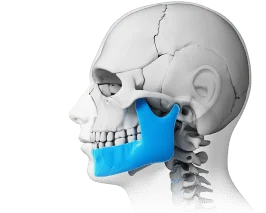
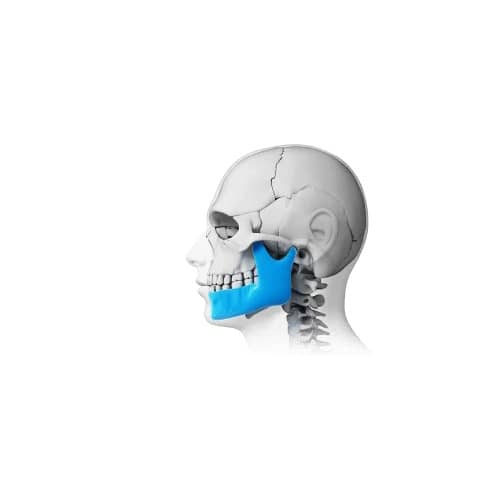
Osteomyelitis of the jaw is a dangerous purulent, infectious-inflammatory lesion of bone tissue with subsequent necrotic changes.

Osteomyelitis most often develops when an infection from a tooth, gum, or nearby tissue spreads to the bone. The condition can occur after trauma or surgery in the maxillofacial region.

Sequestrectomy for osteomyelitis price 2026

Service name

Price, UAH.

Initial consultation with a maxillofacial surgeon with a PhD in medical sciences

1200

Sign up

Repeated consultation of a maxillofacial surgeon, candidate of medical sciences

800

Sign up

Initial consultation with an oral and maxillofacial surgeon

800

Sign up

Repeated consultation with an maxillofacial surgeon

600

Sign up

Treatment under sedation

from 5800

Sign up

CT scan of the upper and lower jaw

1200

Sign up
Frequently asked questions on the topic:

What is osteomyelitis of the jaw?

Osteomyelitis of the jaw is an inflammatory infection of the jaw bone that can lead to pain, swelling, fever, and bone destruction if left untreated.

How does osteomyelitis manifest itself?

Osteomyelitis is manifested by pain in the jaw, swelling of the gums and face, fever, deterioration of well-being, possible appearance of pus, and mobility of the teeth in the affected area.

How to understand that a bone is rotting?

If the bone is affected by pus or necrosis, there will be severe pain, swelling, bad breath, pus discharge, fever, and general weakness. This is often seen on an X-ray or CT scan, where the bone appears porous or destroyed.

How to understand that osteomyelitis has begun?

Osteomyelitis begins with pain, swelling of soft tissues, and hyperemia. These symptoms are accompanied by an increase in body temperature and deterioration of health.

How is the disease diagnosed?

Signs of osteomyelitis of the jaw include pain in the affected area, swelling, redness of the skin, pus discharge, impaired chewing function, and general malaise.


Sequestrectomy for osteomyelitis at the Med-Deo clinic: high-quality and affordable

Treatment of osteomyelitis includes both conservative methods of therapy and surgical treatment. The main task of the dental surgeon is to eliminate the initial focus of infection. Osteomyelitis of the jaw is a serious disease that can lead to the spread of infection, sepsis, bleeding and even death. It also contributes to tooth loss and facial deformation, which negatively affects the life and health of the patient. Therefore, it is important to consult a doctor in a timely manner if there are relevant symptoms for examination and therapy.

Make an appointment
icon icon Group 1258

Reviews about sequestrectomy for osteomyelitis at the Med-Deo clinic

Leave a review
5

Based on reviews

Based on reviews

Микола

2025-04-01

Довго терпів біль у щелепі, думав, що це просто запалення зуба, але потім з’явився сильний набряк, температура піднялася до 39°C. Лікарі швидко діагностували остеомієліт та почали лікування. Завдяки професіоналізму спеціалістів мені вдалося уникнути серйозних ускладнень. Дуже вдячний за кваліфіковану допомогу!

Вікторія

2024-10-10

Сильно боліла щелепа, потім помітила, що один зуб почав розхитуватися, а з ясен з’явилися виділення. Температура різко піднялася, і я терміново звернулася до лікаря. Діагноз – остеомієліт. Лікування було непростим, але лікар усе пояснив і допоміг пройти цей непростий період. Дуже вдячна за допомогу!

Classification of osteomyelitis

Depending on various criteria, osteomyelitis can have different types and forms of progression.

Based on the route of infection spread, the following types can be identified:
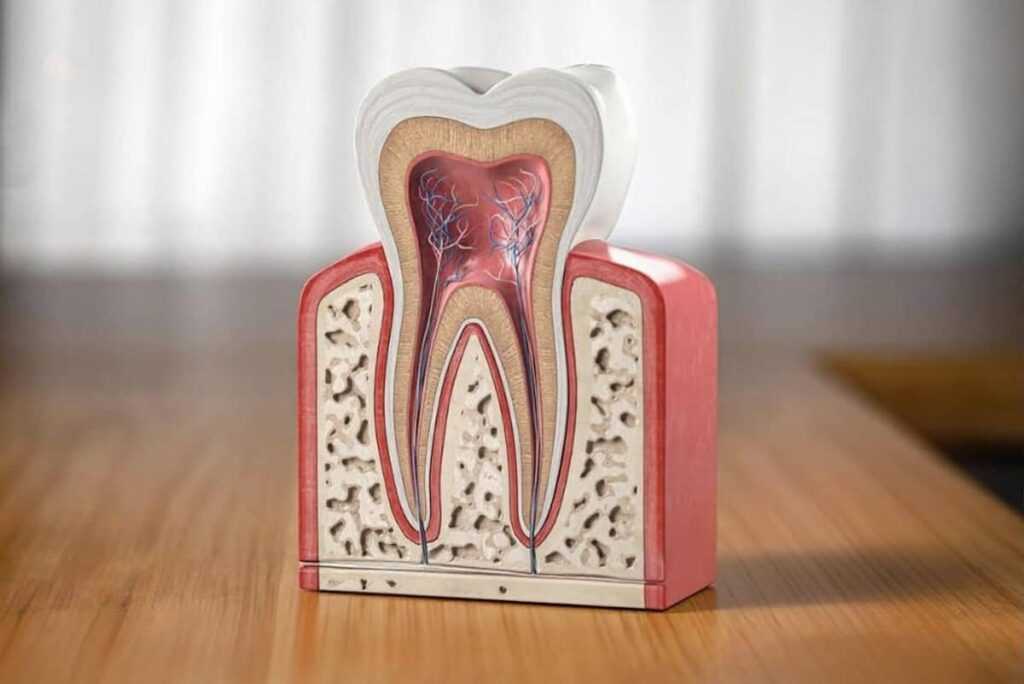
  • Odontogenic osteomyelitis of the jaws (occurs as a result of dental diseases such as caries, pulpitis, periodontitis, etc.);
  • Hematogenous (associated with the spread of infection from distant foci via the bloodstream);
  • Traumatic (associated with direct injury to the jaws).

Based on the nature of the clinical course, acute, subacute, and chronic osteomyelitis of the jaw are distinguished. Acute osteomyelitis is characterized by the rapid development of a purulent-necrotic process with pronounced general and local symptoms. Subacute has a more prolonged course with periods of exacerbation and remission. Chronic osteomyelitis progresses with the constant presence of a purulent focus in the bone, accompanied by the formation of fistulas, sequestra, and abscesses.

Depending on the spread of the purulent-necrotic process, the following are classified:

  • Limited osteomyelitis (localized within the alveolar process or the body of the jaw in the region of 2-4 teeth);
  • Diffuse (widespread involvement of a significant part or the entire jaw).

Osteomyelitis of the jaw: symptoms

The main symptoms of jaw osteomyelitis may include:
  • Pain in the affected area, which can be intense and worsen with touch or eating;
  • Swelling and redness of the surrounding tissues;
  • Discharge of purulent fluid or blood;
  • Elevated body temperature up to 39°C and general malaise;
  • Body weakness, fatigue;
  • Limited jaw mobility, difficulty opening the mouth, chewing, and speaking;
  • Loosening of a tooth;
  • Bad breath (halitosis);
  • Sensitivity of teeth and gums;
  • A feeling of stiffness in the affected area.

Diagnosis of osteomyelitis of the jaw

Diagnosis of jaw osteomyelitis includes various methods that allow for determining the presence of the disease and its form.
The following methods are used for diagnosis:
  1. Clinical examination. The doctor evaluates the condition of the teeth, gums, and oral mucosa, and determines the presence of swelling, hyperemia, pain, fistulas, sequestra, and abscesses. The general condition of the patient is also assessed.
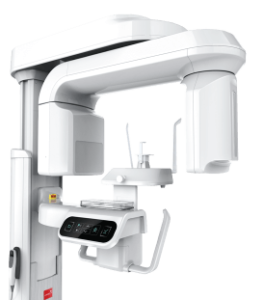
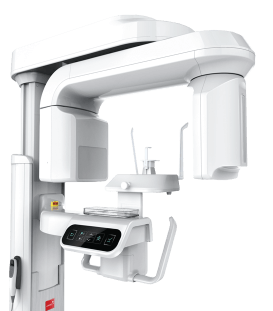
  2. Radiological examination. X-rays allow for the visualization of structural changes in the bone tissue caused by jaw osteomyelitis. Radiographic signs of jaw osteomyelitis may appear on the 7th–10th day of the disease.
  1. Laboratory tests. These include a complete blood count (CBC), blood biochemistry, and bacteriological culture of an oral swab or purulent discharge.
  2. Additional methods. In some cases, computed tomography (CT), magnetic resonance imaging (MRI), or radionuclide bone scanning may be used for a more accurate diagnosis.
Need
Diagnostics?

Phone registration:

(044) 394-90-94

Sign up
icon icon
imgp4956 1024×683

Complications of osteomyelitis of the jaw

Purulent inflammation of the jaw can cause various complications that pose a threat to the health and life of the patient.

The most common complications of jaw osteomyelitis include:

  • Spread of infection;
  • Abscess (purulent inflammation followed by the formation of a localized, pus-filled cavity resulting from tissue dissolution);
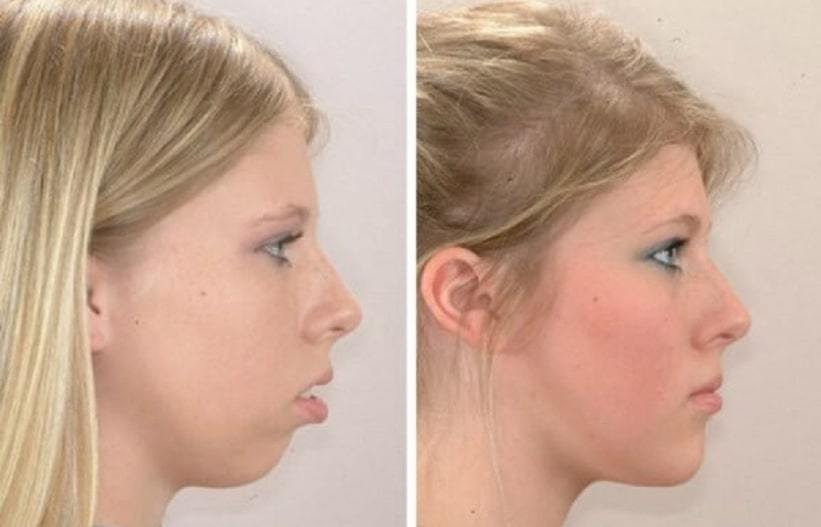
  • Bone deformities (destruction of bone tissue can lead to bone deformity and loss of its functionality);
  • Damage to blood vessels and nerves in the affected area;
  • Sepsis (a life-threatening condition in which pathogenic microorganisms enter the systemic bloodstream);
  • Chronic osteomyelitis (if the disease is not fully cured, it can transition into a chronic form, leading to prolonged treatment and complications).

How to treat osteomyelitis of the jaw?

Treatment of acute osteomyelitis of the jaw is carried out in a hospital setting under the supervision of a dentist or an oral and maxillofacial surgeon.

In general, therapy includes the following measures:

Prescription of antibiotics: The primary method of treating jaw osteomyelitis, aimed at destroying the causative agent of the infection. Medications are administered intravenously, intramuscularly, or orally. Medication therapy: Nonsteroidal anti-inflammatory drugs (NSAIDs), analgesics, antihistamines, vitamins, immunomodulators, and infusion solutions are used to reduce inflammation, alleviate pain, and improve blood circulation and metabolic processes in the bone tissue.Surgical intervention: Surgery for jaw osteomyelitis is performed in the presence of purulent foci or abscesses. Surgical treatment may include the extraction of the infected tooth or tooth root, as well as the drainage of a subperiosteal abscess or fistula. Necrotic tissues cannot participate in healing processes and serve as a source of infection, making their removal a necessary condition for the successful treatment of osteomyelitis.

Recommended articles:
We cooperate with all insurance companies

On this page Contents of the page

icon

Dental services