38597
Services Doctors
Clinics

пр.Лобановського, 130, Київ, Україна

Temporarily closed

Opening soon

стоматологія на лобановського

78A, Irpinska St., Kyiv, Ukraine

Temporarily closed

Opening soon

IMGP4938

32A, Heroiv Dnipra St., Kyiv, Ukraine

Temporarily closed

Opening soon

2024-10-23 11.56.42

9B, Yevhena Chykalenko St. (Pushkinska), Kyiv, Ukraine

Temporarily closed

Opening soon

IMGP5161
Prices Blog Contacts
Back Dentistry

Clinics "MED-DEO"

пр.Лобановського, 130, Київ, Україна

Temporarily closed

Opening soon

стоматологія на лобановського

78A, Irpinska St., Kyiv, Ukraine

Temporarily closed

Opening soon

IMGP4938

32A, Heroiv Dnipra St., Kyiv, Ukraine

Temporarily closed

Opening soon

2024-10-23 11.56.42

9B, Yevhena Chykalenko St. (Pushkinska), Kyiv, Ukraine

Temporarily closed

Opening soon

IMGP5161

Services

Dentistry

Service statistics

icon

More and more clients choose «MED-DEO»

1237

Number of services provided

1003

Number of patients who received the service

for free* * subject to treatment in the clinic

Appointment by phone:

(044) 394 90 94

Prices for gingivoplasty

Service name

Price, UAH.

Gingival plastic surgery in the area of ​​one tooth

650

Sign up

Injectable anesthesia (use)

350

Sign up

Computer-aided injection anesthesia (use)

600

Sign up

Suturing

440

Sign up

Initial consultation of the ENT specialist, Ph.D.

1200

Sign up

Repeated consultation of the ENT specialist, Ph.D.

800

Sign up

Anesthesiologist consultation

1000

Sign up

Primary consultation of the ENT specialist

700

Sign up

Repeated consultation of the ENT specialist

500

Sign up

Suturing with atraumatic thread

900

Sign up

Stitch removal

200

Sign up
Popular questions about gingivoplasty

How much does gum correction cost?

Gum correction costs on average from 1,500 to 5,000 UAH per area, depending on the method and clinic.

How is gum surgery performed?

Gingival plastic surgery is performed under local anesthesia: the dentist removes or adds tissue to form an even and aesthetic gum contour.

What is gum correction?

Gum correction is a dental procedure aimed at aligning the gum line to improve smile aesthetics and dental health.

How are gums enlarged?

Gum augmentation is performed using a graft of the patient’s own tissue or a special artificial material that is sewn to the area with gum deficiency.

Gingivoplasty is becoming an increasingly popular procedure among patients who want to improve the appearance of their smile.

It allows you to correct uneven gums, emphasize teeth, and restore aesthetics after injuries or illnesses. It is performed under local anesthesia, so it is painless.

Reviews about tooth extraction at Med-Deo

Leave a review
5

Based on reviews

Based on reviews

Тетяна

2025-09-06

У мене була асиметрія ясен, яка псувала зовнішній вигляд зубів. Лікар все виправив під час гінгівопластики. Усмішка стала набагато привабливішою, все зажило гарно.

Валерія

2025-09-04

Мені зробили гінгівопластику перед встановленням коронок. Процедура пройшла швидко, під анестезією — болю зовсім не було. Результат перевершив усі очікування

What is gingivoplasty or gum plastic surgery?

гінгівопластика Мед-део

Gingivoplasty is a procedure that helps make a smile more harmonious and attractive by aligning the gum contour and emphasizing the teeth. It is performed not only for aesthetic purposes—for instance, when too much of the gums is visible during a smile (gummy smile) or to align uneven gum margins—but also for therapeutic reasons: the procedure allows for restoring the gum shape after injuries, inflammatory processes, or periodontal diseases.

During gingivoplasty, the doctor works very carefully, and everything takes place under local anesthesia, so the patient experiences minimal discomfort. After the procedure, the gums heal quickly, and the result is visible in just a few days: the smile becomes even, natural, and aesthetically appealing. Furthermore, a proper gum contour makes it easier to care for the teeth, which reduces the risk of developing tooth decay and inflammatory processes in the oral cavity.

In addition to conventional gum contouring, there is also laser gingivoplasty. This is a modern method where the doctor carefully shapes or removes gum tissue using a laser instead of a scalpel.

This method offers many advantages: the procedure is almost painless thanks to local anesthesia, the gum contour turns out even and neat, there is almost no bleeding, and the tissues heal faster. Additionally, the laser disinfects the treated area, so the risk of infection is minimal.

Laser gingivoplasty is performed both for aesthetic purposes—to align the gum line or conceal a “gummy smile”—and for treatment, when it is necessary to restore the gums after injuries or inflammation.

What problems does gingivoplasty solve?

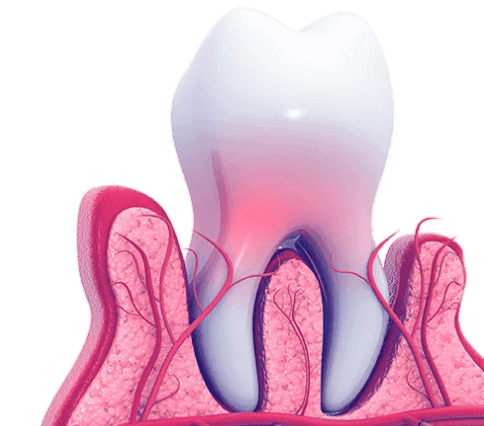
Gingivoplasty helps to solve several common problems with the gums and smile. It allows you to correct uneven or asymmetrical gums, raise or reduce their height if they cover too many teeth or, conversely, expose their necks. The procedure is also useful after injuries, inflammatory processes or periodontal diseases – this way you can restore the natural shape of the gums and protect your teeth from further problems. In addition, gingivoplasty improves the aesthetics of the smile, makes it more harmonious, and thanks to the even edges of the gums, it is easier to care for your teeth, which has a positive effect on the overall health of the oral cavity.

Need a
Diagnostic?

Call to book an appointmen

(044) 394-90-94

Sign up
icon icon
дагностика 1

Indications and contraindications

Gingivoplasty is indicated in cases where there is a need to improve the appearance of the smile or restore the shape of the gums after diseases or injuries. The main indications include:
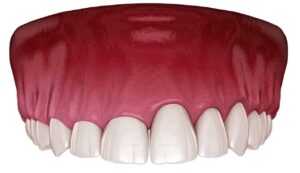
  • Aesthetic issues: uneven, asymmetrical gums, excessively high or low gum lines, or a “gummy smile” where too much of the gums is visible when smiling.
  • Gum diseases: periodontitis and inflammatory processes that have altered the shape of the gums.
  • Gum injuries or defects: following mechanical damage or surgical interventions.
  • Preparation for prosthodontics or crown placement: to ensure the gums have the correct shape and provide secure fixation for the restorations.

Contraindications, when the procedure cannot be performed or should be postponed:

  • Acute inflammatory processes in the oral cavity — any infection must be treated first.
  • Systemic blood disorders or poor blood clotting — as this increases the risk of bleeding.
  • Serious heart diseases or uncompensated diabetes mellitus — which increase the risk of complications during and after the procedure.
  • Pregnancy or breastfeeding — due to the use of anesthesia and potential stress on the body.
  • Psychological unreadiness of the patient — if a person is not ready for oral manipulations or suffers from severe dental phobia, it is advisable to consult and prepare beforehand.
The bottom line: prior to gingivoplasty, the doctor always evaluates the condition of the oral cavity, the patient’s overall health, and potential risks to ensure the procedure is safe and maximally effective.

Types of gum surgery

There are several main types of gum contouring, and each is chosen depending on the specific problem that requires correction and the goals the patient wishes to achieve.

  • Gingivectomy — this is the removal of excess tissue, i.e., gum trimming. This method is used if the gums are too prominent or uneven, partially covering the teeth or creating a so-called “gummy smile.” After the procedure, the teeth become more exposed, and the smile looks more natural.
  • Gingivoplasty — the shaping of the correct gum contour without removing a large amount of tissue. It helps align the gum line and make the smile more harmonious. It is often used for minor aesthetic corrections or to achieve a smoother gum margin before prosthodontics or crown placement.
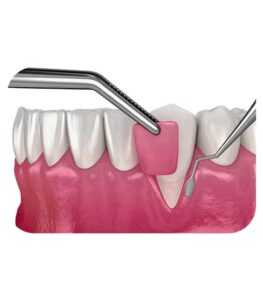
  • Gum grafting (gum augmentation) — used when the gums do not sufficiently cover the teeth or when there are defects after injuries, inflammatory processes, or periodontal diseases. The tissue can be taken from the patient (autograft) or a special artificial material can be used and suturing it to the required area. This allows for restoring the natural shape of the gums and protecting the teeth from further problems.
  • Combined methods — a combination of removal, shaping, and augmentation of gum tissue to achieve the most aesthetic and functional result. This approach is often used in complex cases when several problems need to be corrected simultaneously.
All types of procedures are performed under local anesthesia, so discomfort is minimal. After healing, the gums look even and natural, and the smile becomes harmonious. In addition to aesthetics, a proper gum contour makes tooth care easier and supports overall oral health.
Would you like to undergo treatment?

Make an appointment with a doctor!

Sign up
icon icon
photo

Areas for taking materials for gum augmentation

To perform a gum graft, the doctor can use the patient’s own tissue or a special artificial material. Most often, preference is given to the patient’s own tissues, as they integrate better and reduce the risk of complications.

The most common donor sites for tissue harvesting:

  • The palate — this site is chosen most frequently because the tissue here is dense, strong, and integrates well at the grafting site. This area allows for obtaining a sufficient amount of material for most gum defects.
  • The lateral part of the gums — used for small areas or spot correction when specific teeth or minor sections of the gums need to be adjusted.
  • The buccal mucosa (inside of the cheek) — sometimes used as an additional tissue source, especially if a small piece is needed for correction or if other areas are not suitable.

The choice of a specific area depends on the volume of work and the condition of the oral cavity. The procedure is always performed under local anesthesia, so the patient experiences virtually no pain. After tissue harvesting and grafting, the gums heal quite quickly, resulting in even, natural, and healthy gums that ensure a harmonious smile contour.

Recommendations after gingivoplasty

гінгівопластика Мед-деоAfter gingivoplasty, it is crucial to properly care for the oral cavity to ensure the gums heal quickly and the result is maximized.
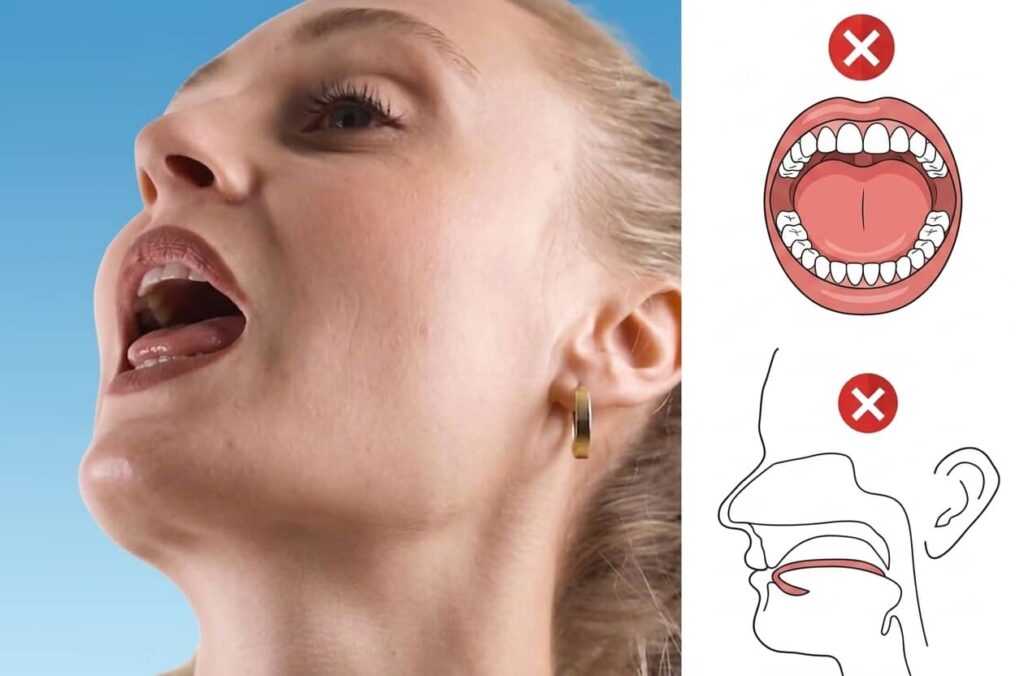
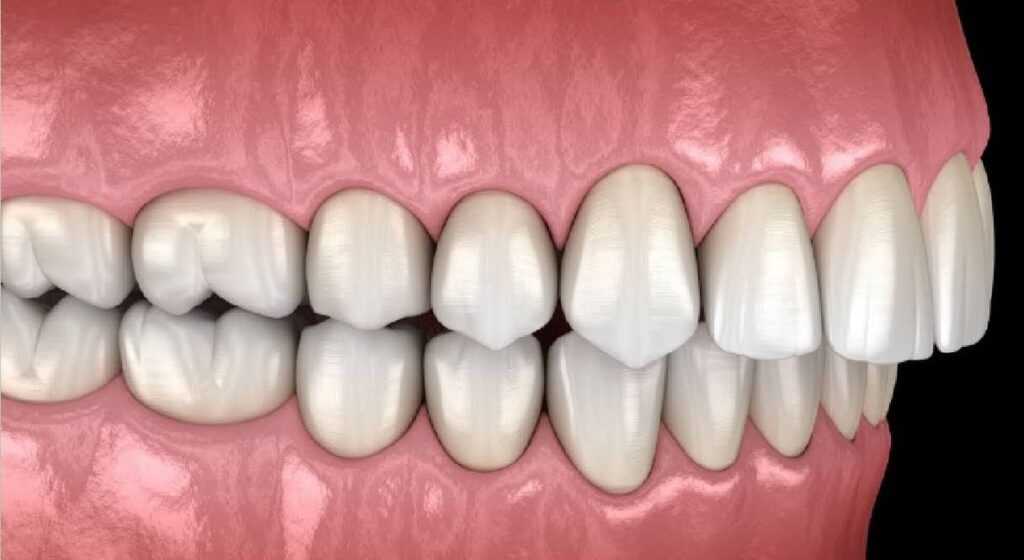
  • Do not touch the gums with your hands or tongue — this helps prevent trauma and infection.
  • Light food and room-temperature liquids — in the first few days, it is better to avoid hot, spicy, and hard foods.
  • Careful hygiene — brush your teeth with a soft toothbrush, avoiding the sutured area; you can rinse with antiseptic solutions recommended by your doctor.
  • Quit smoking and give up alcohol — these delay healing and increase the risk of complications.
  • Monitor the condition of the gums — if severe pain, swelling, bleeding, or an unpleasant odor occurs, be sure to consult your dentist.
  • Follow-up appointment — after the procedure, the doctor usually schedules a follow-up visit to evaluate healing and remove sutures, if necessary.
By following these recommendations, the gums heal quickly, and the smile becomes beautiful and healthy.

Sources:

We work with all insurance companies

On this page Contents of the page

icon

Dental services