Special offer! Comprehensive professional teeth cleaning for only 1699 UAH.
Special offer! Comprehensive professional teeth cleaning for only 1699 UAH.
Special offer! Comprehensive professional teeth cleaning for only 1699 UAH.
Special offer! Comprehensive professional teeth cleaning for only 1699 UAH.
Special offer! Comprehensive professional teeth cleaning for only 1699 UAH.
Special offer! Comprehensive professional teeth cleaning for only 1699 UAH.
Special offer! Comprehensive professional teeth cleaning for only 1699 UAH.
Special offer! Comprehensive professional teeth cleaning for only 1699 UAH.
Special offer! Comprehensive professional teeth cleaning for only 1699 UAH.
Special offer! Comprehensive professional teeth cleaning for only 1699 UAH.
Sign up
 (044) 394 90 94
(044) 394 90 94  Holosiivska/Demiivska metro station
Sign up
(044) 394 90 94
(044) 394 90 94
Doctors


 Prices
Blog
Contacts
Prices
Blog
Contacts
пр.Лобановського, 130, Київ, Україна
Temporarily closed
Opening soon
78A, Irpinska St., Kyiv, Ukraine
Temporarily closed
Opening soon
32A, Heroiv Dnipra St., Kyiv, Ukraine
Temporarily closed
Opening soon
9B, Yevhena Chykalenko St. (Pushkinska), Kyiv, Ukraine
Temporarily closed
Opening soon
(044) 394 90 94
Back
Dentistry
General Dentistry
Dental surgery
Dental Implants
Maxillofacial Surgery
Dental prosthetics
Cosmetic dentistry
Professional Dental Hygiene

Periodontics
Orthodontic dentistry

Gnathology & TMJ Therapy

Pediatric Dentistry
Dental X-Rays
Back
Orthodontic Center
Orthodontic dentistry
Gnathology & TMJ Therapy
Back
Prosthodontic Center
Dental prosthetics
Back
MED-DEO Center for Maxillofacial Surgery & Facial Plastics
Maxillofacial Surgery
Plastic surgery
Back
Surgical Dental Center
Dental surgery
Dental Implants
Search on the site


Popular requests
Teeth whitening
Treatment of caries
Wisdom tooth extraction
Bracket system
Dental veneers
Tooth restoration
Pediatric dentist
Consultation with a dentist-therapist
Search results by: «».
Unfortunately, no results were found for your search: “Pediatric Endocrinologist”, nothing was found.
You may find these links useful:
Clinics "MED-DEO"
пр.Лобановського, 130, Київ, Україна
Temporarily closed
Opening soon
78A, Irpinska St., Kyiv, Ukraine
Temporarily closed
Opening soon
32A, Heroiv Dnipra St., Kyiv, Ukraine
Temporarily closed
Opening soon
9B, Yevhena Chykalenko St. (Pushkinska), Kyiv, Ukraine
Temporarily closed
Opening soon
Services
Dentistry Orthodontic Center Prosthodontic Center MED-DEO Center for Maxillofacial Surgery & Facial Plastics Surgical Dental CenterGeneral Dentistry
Dental surgery
Dental Implants
Maxillofacial Surgery
Dental prosthetics
Cosmetic dentistry
Professional Dental Hygiene
Periodontics
Orthodontic dentistry
Gnathology & TMJ Therapy
Pediatric Dentistry
Dental X-Rays
Orthodontic dentistry
Gnathology & TMJ Therapy
Dental prosthetics
Maxillofacial Surgery
Dental surgery
Dental Implants
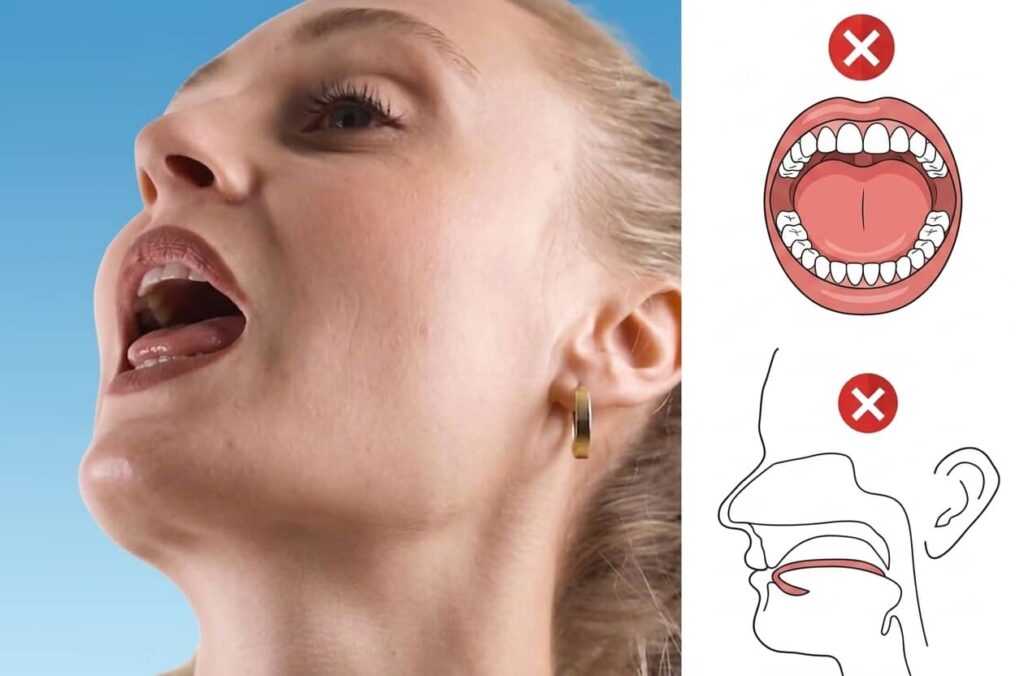
Correct tongue position matters far beyond speech. The tongue is a powerful muscle that, even at rest, continuously influences your teeth, jaws, and facial shape. Its proper resting posture supports the upper jaw, promotes nasal breathing, and helps maintain a healthy bite.
Most people never stop to think about where their tongue should rest when the mouth is relaxed. Yet this seemingly minor detail plays a significant role in dental health and facial aesthetics.
Anatomy and Structure of the Tongue: What Makes This Organ Unique
The tongue is a remarkable muscular organ — one that contains no bones whatsoever. It is composed of eight muscles working in concert to provide strength, flexibility, and precise movement. Its upper surface is covered by a mucous membrane that protects the organ and plays an essential role in taste perception.
The anatomy of the tongue identifies three primary sections. The root is the posterior portion attached to the hyoid bone; it is less mobile but critical for swallowing and breathing. The body is the largest and most mobile section, maintaining constant contact with the palate and teeth. The tip is the most agile part, responsible for fine motor movements and the clarity of speech.
The tongue’s surface is covered with taste papillae — small specialized structures that detect flavor and respond to touch. Thanks to its dense network of nerve endings, the tongue is exquisitely sensitive to both position and pressure. Understanding how the tongue is built makes it immediately apparent why its correct positioning matters so profoundly, given that it exerts a continuous influence on the teeth, jaws, and the overall function of the oral cavity.
Tongue Innervation: Nerve Supply and Its Clinical Significance
The tongue moves, feels, and tastes thanks to the coordinated activity of several distinct nerves, each serving a specific function.
Motor control of tongue movement is governed by the hypoglossal nerve, which innervates all the tongue’s intrinsic and extrinsic muscles. Without its proper function, clear speech, chewing, and swallowing become impossible. Sensory perception — including touch, pain, and temperature — is distributed across different nerve pathways depending on the region. The anterior portion of the tongue transmits these sensations via the trigeminal nerve, while the posterior portion relies on the glossopharyngeal nerve.
Taste perception follows a similar regional distribution. The anterior two-thirds of the tongue receive gustatory signals through a branch of the facial nerve (the chorda tympani), while the posterior third is served by the glossopharyngeal nerve. When tongue innervation is disrupted, patients may experience difficulties with movement, swallowing, articulation, or altered taste. A thorough understanding of tongue innervation therefore allows clinicians to more accurately identify the root cause of functional disorders.
Functions of the Tongue: Far More Than Taste and Speech
The tongue performs a considerably broader range of functions than is commonly appreciated. It participates continuously in processes without which normal eating, speech, and even proper jaw development would be impossible. The tongue muscles themselves constitute a complex, well-developed group of 16 striated muscles that collectively ensure its remarkable mobility.
During chewing, the tongue moves food between the teeth, blends it with saliva, and shapes it into a bolus suitable for swallowing. It then plays a central role in the act of swallowing itself — a highly coordinated neuromuscular process in which the tongue’s correct position is absolutely decisive. The tongue is equally indispensable for speech, as the vast majority of phonemes are produced through its precise movements and its contact with the palate and teeth. Beyond this, the tongue enables taste perception and triggers salivation, both of which support digestion and protect the teeth from decay.
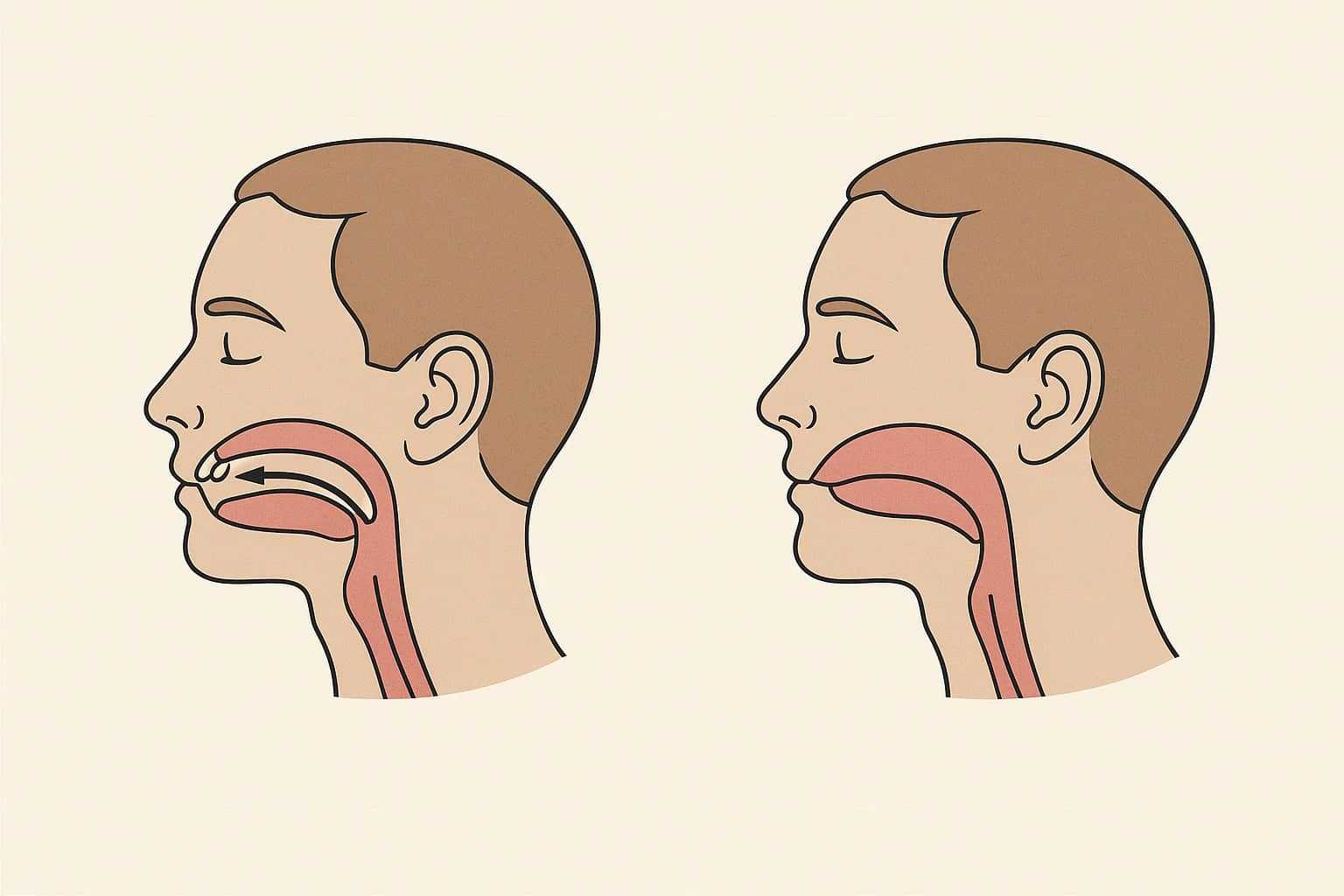
At rest, the tongue maintains the shape of the upper jaw by gently resting against the palate, and its position directly influences breathing and airway patency. All of these tongue functions are deeply interconnected: the way the tongue is positioned affects chewing, swallowing, speech, breathing, and even the bite — which is precisely why correct tongue posture carries such profound significance.
Correct Tongue Position at Rest: What Normal Looks Like
At rest, the tongue should lie naturally and in a fully relaxed state, supporting the proper architecture of the jaws and healthy breathing patterns.
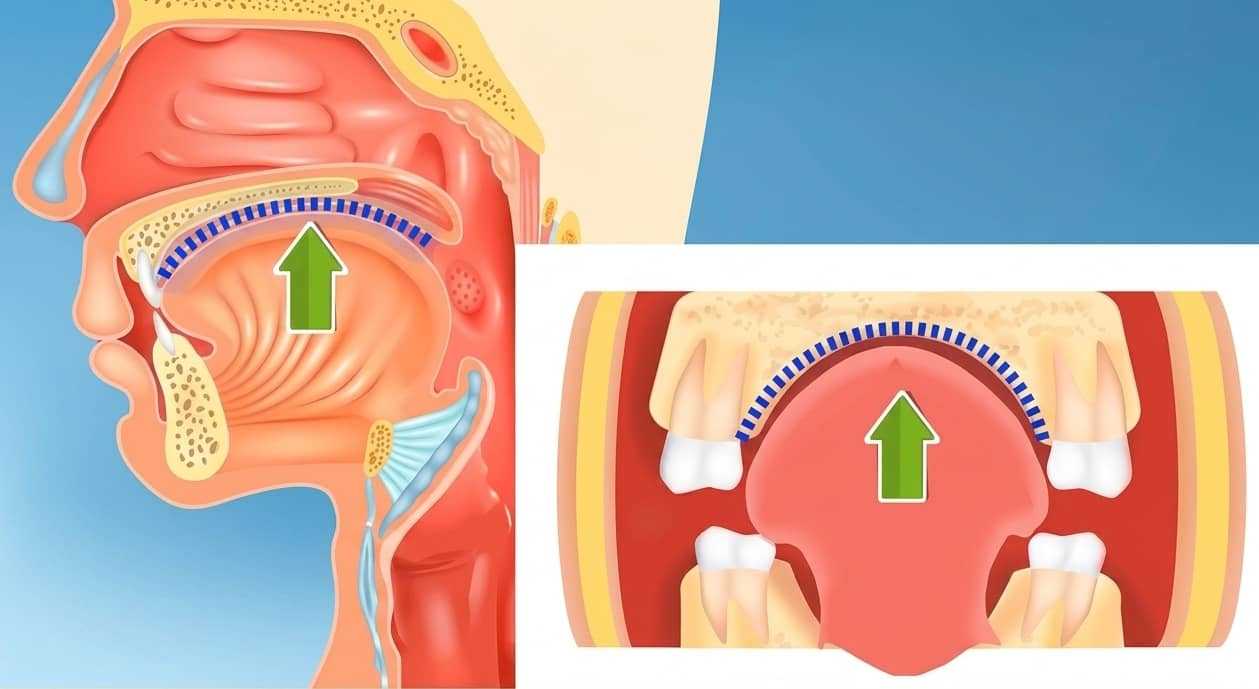
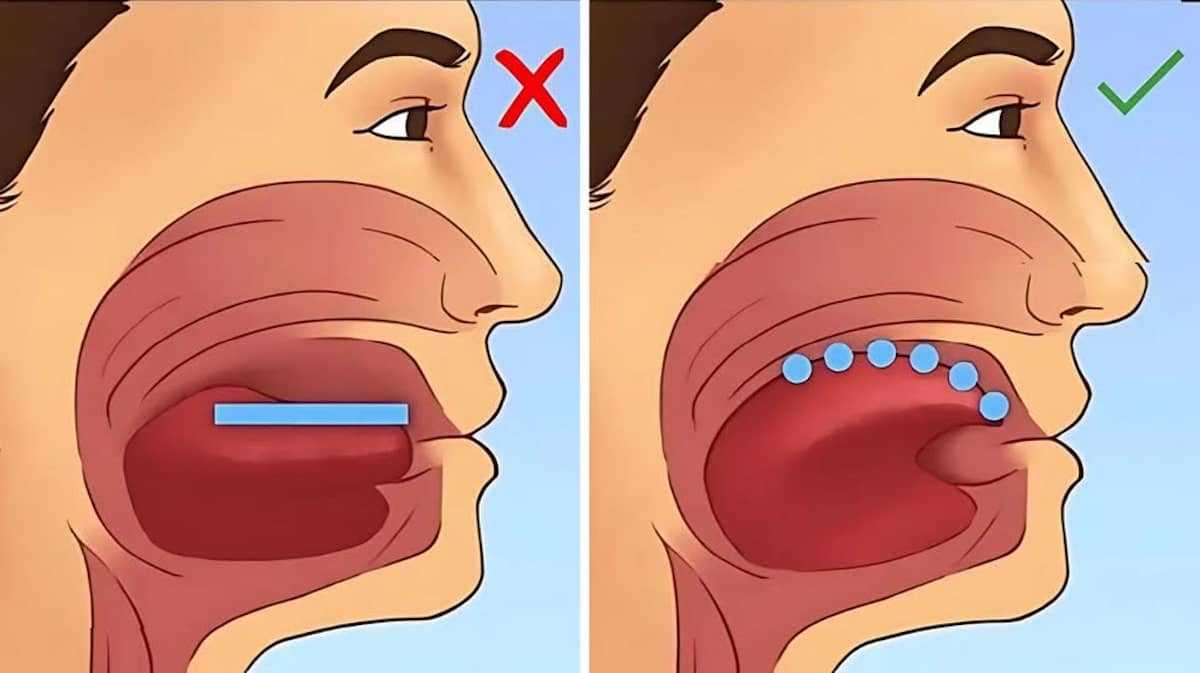
The correct resting tongue position is characterized by the following: the tip of the tongue rests gently on the palate just behind the upper incisors; the middle and posterior portions of the tongue lie softly against the roof of the mouth; the tongue is broad and completely relaxed rather than tense; the lips are lightly closed while the teeth remain slightly apart with a small interocclusal gap; and breathing occurs exclusively through the nose.
This posture is sometimes referred to as the “cobra” or “jellyfish” position, because the tongue softly spreads against the palate and supports it from within. This position is considered physiologically ideal because it applies even, gentle pressure across the palate, encourages the upper jaw to develop into a broad, harmonious U-shaped arch, creates sufficient space for the teeth, promotes a healthy bite, and supports nasal breathing.
Incorrect Tongue Position: Patterns and Consequences
The tongue can rest incorrectly in several distinct ways, each of which affects the bite, breathing, and facial appearance. The primary patterns include the following.
Low tongue posture occurs when the tongue rests on the floor of the mouth and presses against the lower teeth. Interdental tongue posture involves the tongue tip thrusting between the teeth, often leaving visible tooth impressions on the tongue’s surface. Lateral deviation describes a tongue that is consistently displaced to one side. Protruding tongue posture refers to the tongue habitually extending beyond the dental arch.
Each of these patterns can generate both short-term discomfort and long-term structural problems, ranging from difficulties with swallowing and speech to alterations in the bite, breathing function, and facial appearance.
Effects on the Jaws and Bite
Correct tongue posture applies gentle, distributed pressure to the palate, encouraging the upper jaw to form a broad U-shaped arch. When the tongue rests low, the palate narrows and assumes a V-shaped form, which can lead to an open bite, a crossbite, and dental crowding. A narrowed palate simultaneously restricts the nasal passages, making nasal breathing more difficult. In children from birth through approximately age 12, the jaws are still actively developing, making early correction of tongue position particularly critical during this window.
Breathing Problems
A low-resting tongue frequently forces the individual to breathe through the mouth. This cascade of consequences includes drying of the oral mucosa with a corresponding increase in the risk of caries and periodontal disease, narrowing of the upper airway with resulting snoring, and in severe cases, obstructive sleep apnea — a condition in which breathing repeatedly pauses for several seconds, significantly degrading sleep quality and overall health.
Aesthetic Consequences
Incorrect tongue posture exerts a measurable influence on facial appearance. A low tongue can create the appearance of a double chin, alter the oval of the face, contribute to soft tissue ptosis, and vertically elongate the face. Lateral deviations may produce facial asymmetry, while an open bite changes the facial profile and the appearance of the nasolabial folds.
Effects on Orthodontic Treatment
When the tongue continues to exert incorrect pressure, teeth treated with braces may relapse toward their original positions, compromising the stability of results and prolonging treatment duration. For this reason, orthodontists frequently incorporate myofunctional therapy and, where indicated, correction of the lingual frenum to achieve a durable and healthy long-term outcome.
Scalloped Tongue: What Tooth Impressions Mean and Why They Matter
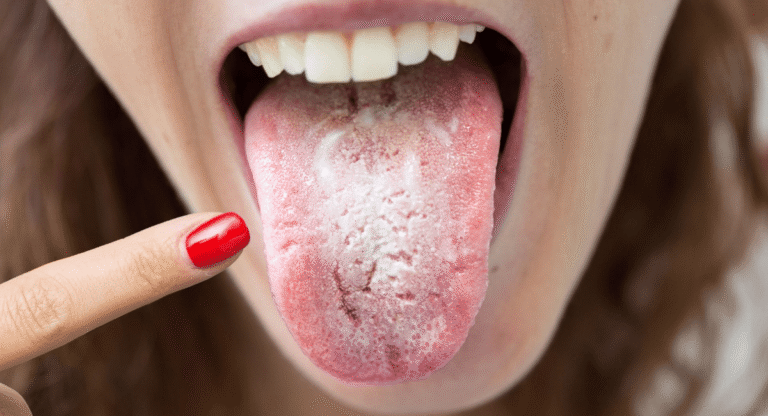
Tooth impressions along the lateral margins of the tongue — a phenomenon often described as a scalloped tongue edge — appear when the tongue habitually presses against the teeth. This finding may represent a normal anatomical variant or may signal an underlying problem.
The causes of a scalloped tongue include the following. Tongue swelling (macroglossia) may arise from fluid retention, allergic reactions, thyroid dysfunction, or electrolyte imbalance. Narrowed jaws leave the tongue insufficient space, causing it to press outward against the teeth. A habitual tongue thrust or oral parafunctional behavior involves the persistent pressing of the tongue against the dentition. Dental crowding means the teeth are positioned so tightly that the tongue inevitably leaves impressions.
Mild scalloping is common among the general population and typically requires no treatment. However, when the impressions are pronounced, accompanied by discomfort, pain, or bite problems, medical evaluation is warranted. Assessment may include thyroid function testing, evaluation of fluid and electrolyte balance, and consultations with a dentist or an ear, nose, and throat specialist.
Protruding Tongue in Children: Normal Development or Cause for Concern
In infants, a protruding tongue is frequently normal. Up to three to four months of age, tongue protrusion often represents a residual sucking reflex or a means of exploring the surrounding environment.
Pathological causes include macroglossia, a shortened lingual frenum that restricts tongue mobility, reduced muscle tone, neurological disorders, Down syndrome, and congenital hypothyroidism. In older children, a protruding tongue may be associated with habitual behavior, adenoid hypertrophy, mouth breathing, or malocclusion.
Specialist evaluation is recommended if the tongue remains persistently protruded beyond six months of age, or if the child demonstrates difficulties with swallowing, speech development, or shows signs of developmental delay. The appropriate specialist depends on the presenting symptoms and may include a pediatrician, an ENT physician, a dentist, a speech-language pathologist, or a neurologist.
Diagnosing Tongue Position
To determine whether a patient maintains correct tongue posture, the clinician performs a comprehensive intraoral examination. The clinical assessment evaluates the resting position of the tongue, its mobility — including whether it can reach the palate, the nose, or the chin — the length and attachment site of the lingual frenum, the patient’s swallowing pattern and articulation, the occlusion and jaw morphology, and the breathing pattern, specifically whether the patient breathes through the nose or the mouth.
Supplementary diagnostic tools may include lateral cephalometric radiography for analysis of the craniofacial profile, three-dimensional jaw scanning, video-assisted swallowing analysis, and speech-language assessment. This comprehensive diagnostic approach enables precise identification of tongue positioning issues and allows early detection of problems that may affect the bite, breathing, and speech.
Correction of Tongue Position: Contemporary Methods
Incorrect tongue posture can be addressed through several approaches, ranging from targeted exercises to surgical intervention and orthodontic treatment.
Myofunctional Therapy: Exercises and Training
Myofunctional therapy (MFT) is a safe, non-invasive method of training the tongue and orofacial musculature to function correctly. A comprehensive program typically includes strengthening exercises for the tongue, instruction in correct swallowing technique, breathing exercises designed to transition the patient to nasal breathing, exercises for correct head and neck posture, and the use of myofunctional trainers — soft silicone oral appliances designed to train the tongue and lip musculature. The standard course duration is six to twelve months, and consistent daily practice is essential. When exercises are performed regularly, clinically meaningful improvement is observed in approximately 70 to 85 percent of cases.
Surgical Correction of the Lingual Frenum (Frenuloplasty)
When the tongue is restricted by a short or anteriorly attached lingual frenum, it cannot achieve correct elevation to the palate. This limitation may cause speech difficulties, impaired swallowing, or feeding problems in infants. The procedure is performed under local anesthesia, either with a scalpel or with a laser, and typically takes 15 to 20 minutes as an outpatient procedure. Post-operative rehabilitation involves prescribed tongue exercises to prevent adhesion of the frenum, followed by a course of MFT to restore normal tongue function. Frenuloplasty can be performed at any age, although earlier diagnosis and treatment generally produce more favorable outcomes.
Orthodontic Treatment and Functional Appliances
Orthodontic intervention creates the necessary space for the tongue and corrects the underlying malocclusion by expanding the upper jaw, aligning the teeth, and addressing the bite. Functional appliances used in this context include myofunctional trainers, palatal expanders, and removable orthodontic plates. The combination of orthodontic treatment with MFT consistently produces the most stable and lasting results by preventing relapse of the tongue into its incorrect resting posture.
When to Seek Professional Evaluation
Incorrect tongue posture or bite problems may sometimes indicate more serious underlying conditions. Professional evaluation is recommended when a child presents with persistent mouth breathing, snoring or breathing pauses during sleep, delayed speech development, difficulty producing specific sounds, persistent tongue protrusion beyond six months of age, visible tooth impressions on the tongue, an open bite or other malocclusion, swallowing difficulties, frequent headaches or jaw pain, dissatisfaction with facial appearance, or relapse of teeth following orthodontic treatment.
The appropriate specialists to involve include an orthodontist for evaluation of the bite and jaw structure, a speech-language pathologist for assessment and remediation of speech, an ENT physician to exclude adenoid hypertrophy and upper airway pathology, a myofunctional therapist for specialized tongue and orofacial muscle training, and a neurologist when neurological involvement is suspected. Timely referral helps prevent complications and leads to meaningful improvements in bite function, speech, and the child’s overall quality of life.
About the Author
This article was written by Vitalina Zubrii (Ryzhuk), a certified pediatric dentist and restorative dentist with hands-on clinical experience in diagnosing and treating dental conditions in both children and adults. Her professional focus includes early occlusal development, tongue posture assessment, and myofunctional disorders.



Make an appointment
You can make an appointment by filling out the application form on the website, as well as using instant messengers:
Make an appointment
You can make an appointment by filling out the application form on the website, as well as using instant messengers:


Make an appointment easily using chatbots:
Also, call the numbers:
Modern dentistry and medical centre "MED-DEO"
Choose a clinic whose location is more convenient for you.
Kyiv, Holosiivska/Demiivska metro station
130 Lobanovskoho Avenue


Working hours:
Mon - Sun: 8:00 AM - 9:00 PM
No days off!
Call the numbers:
How to get to us? Create a route
Create a route
Kyiv, Akademistechko metro station
78A, Irpinska str.

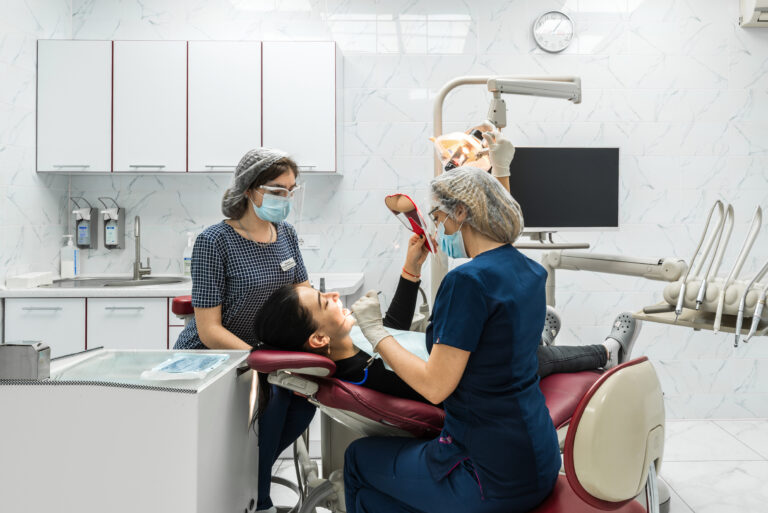

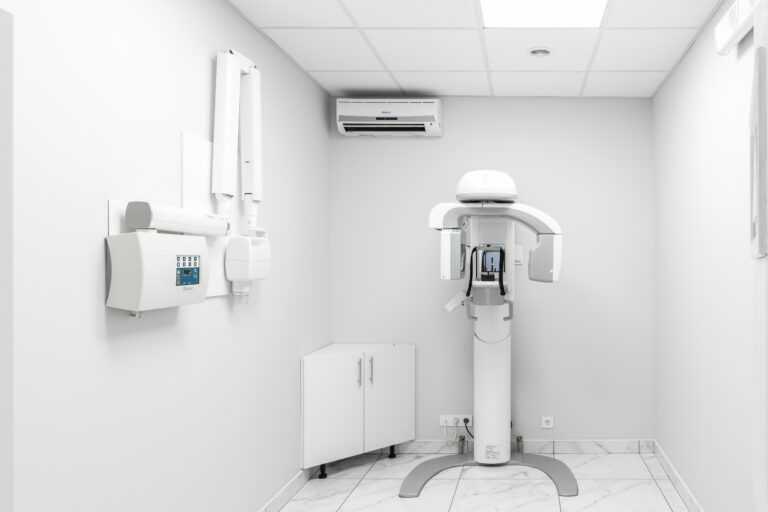
Working hours:
Mon-Sun: 8.00-21.00
Without days off!
Call the numbers:
How to get to us?
Create a route
Create a route
Kyiv, Heroiv Dnipra metro station
32A, Heroiv Dnipra str.
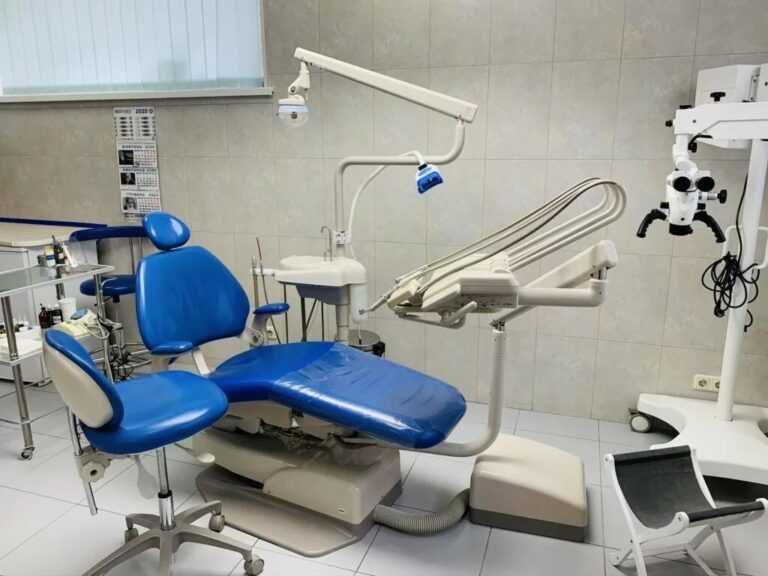
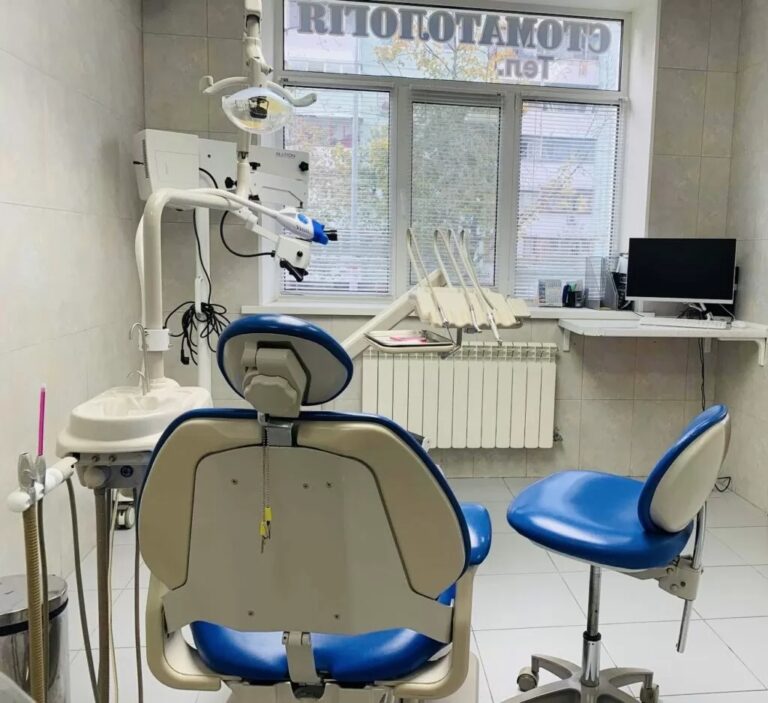
Working hours:
Mon-Sun: 8.00-21.00
Without days off!
Call the numbers:
How to get to us?
Create a route
Create a route
Kyiv, Teatralna metro station
9B, E. Chykalenko (Pushkinska) str.



Working hours:
Mon-Sat: 8.00 - 21.00. Sun: by appointment.
Without days off!
Call the numbers:
How to get to us?
Create a route
Create a route
Відгук від клієнта
0:00
0:00


Your email will not be published on the site.