Special offer! Comprehensive professional teeth cleaning for only 1699 UAH.
Special offer! Comprehensive professional teeth cleaning for only 1699 UAH.
Special offer! Comprehensive professional teeth cleaning for only 1699 UAH.
Special offer! Comprehensive professional teeth cleaning for only 1699 UAH.
Special offer! Comprehensive professional teeth cleaning for only 1699 UAH.
Special offer! Comprehensive professional teeth cleaning for only 1699 UAH.
Special offer! Comprehensive professional teeth cleaning for only 1699 UAH.
Special offer! Comprehensive professional teeth cleaning for only 1699 UAH.
Special offer! Comprehensive professional teeth cleaning for only 1699 UAH.
Special offer! Comprehensive professional teeth cleaning for only 1699 UAH.
Sign up
 (044) 394 90 94
(044) 394 90 94  Holosiivska/Demiivska metro station
Doctors


 Prices
Blog
Contacts
Prices
Blog
Contacts
пр.Лобановського, 130, Київ, Україна
Temporarily closed
Opening soon
78A, Irpinska St., Kyiv, Ukraine
Temporarily closed
Opening soon
32A, Heroiv Dnipra St., Kyiv, Ukraine
Temporarily closed
Opening soon
9B, Yevhena Chykalenko St. (Pushkinska), Kyiv, Ukraine
Temporarily closed
Opening soon
Sign up
En
(044) 394 90 94
Back
Dentistry
General Dentistry
Dental surgery
Dental Implants
Maxillofacial Surgery
Dental prosthetics
Cosmetic dentistry

Professional Dental Hygiene

Periodontics
Orthodontic dentistry
Gnathology & TMJ Therapy

Pediatric Dentistry
Dental X-Rays
Back
Orthodontic Center
Orthodontic dentistry
Gnathology & TMJ Therapy
Back
Prosthodontic Center
Dental prosthetics
Back
MED-DEO Center for Maxillofacial Surgery & Facial Plastics
Maxillofacial Surgery
Plastic surgery
Back
Surgical Dental Center
Dental surgery
Dental Implants
Search on the site


Popular requests
Teeth whitening
Treatment of caries
Wisdom tooth extraction
Bracket system
Dental veneers
Tooth restoration
Pediatric dentist
Consultation with a dentist-therapist
Search results by: «».
Unfortunately, no results were found for your search: “Pediatric Endocrinologist”, nothing was found.
You may find these links useful:
Clinics "MED-DEO"
пр.Лобановського, 130, Київ, Україна
Temporarily closed
Opening soon
78A, Irpinska St., Kyiv, Ukraine
Temporarily closed
Opening soon
32A, Heroiv Dnipra St., Kyiv, Ukraine
Temporarily closed
Opening soon
9B, Yevhena Chykalenko St. (Pushkinska), Kyiv, Ukraine
Temporarily closed
Opening soon
Services
Dentistry Orthodontic Center Prosthodontic Center MED-DEO Center for Maxillofacial Surgery & Facial Plastics Surgical Dental CenterGeneral Dentistry
Dental surgery
Dental Implants
Maxillofacial Surgery
Dental prosthetics
Cosmetic dentistry
Professional Dental Hygiene
Periodontics
Orthodontic dentistry
Gnathology & TMJ Therapy
Pediatric Dentistry
Dental X-Rays
Orthodontic dentistry
Gnathology & TMJ Therapy
Dental prosthetics
Maxillofacial Surgery
Dental surgery
Dental Implants
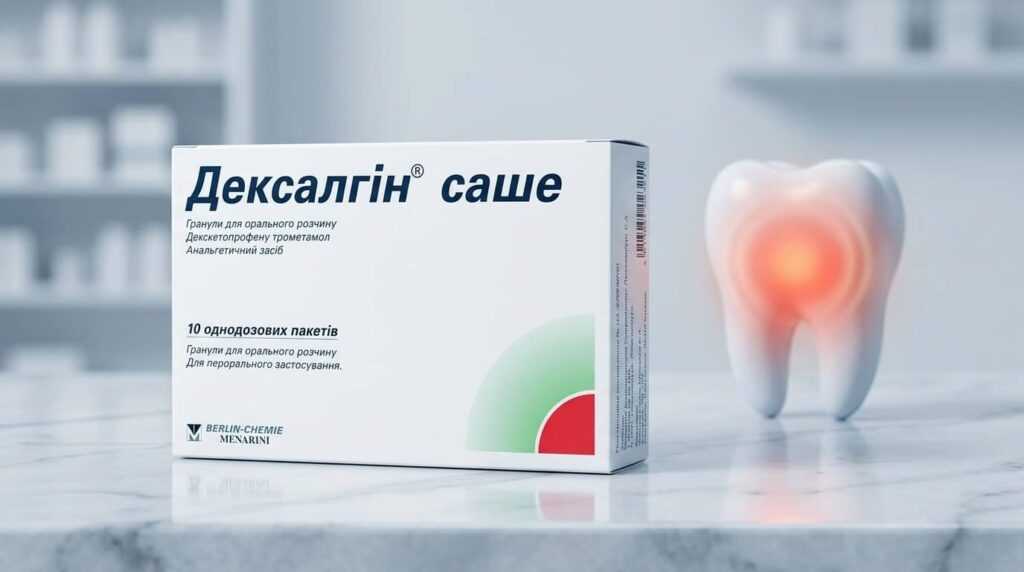

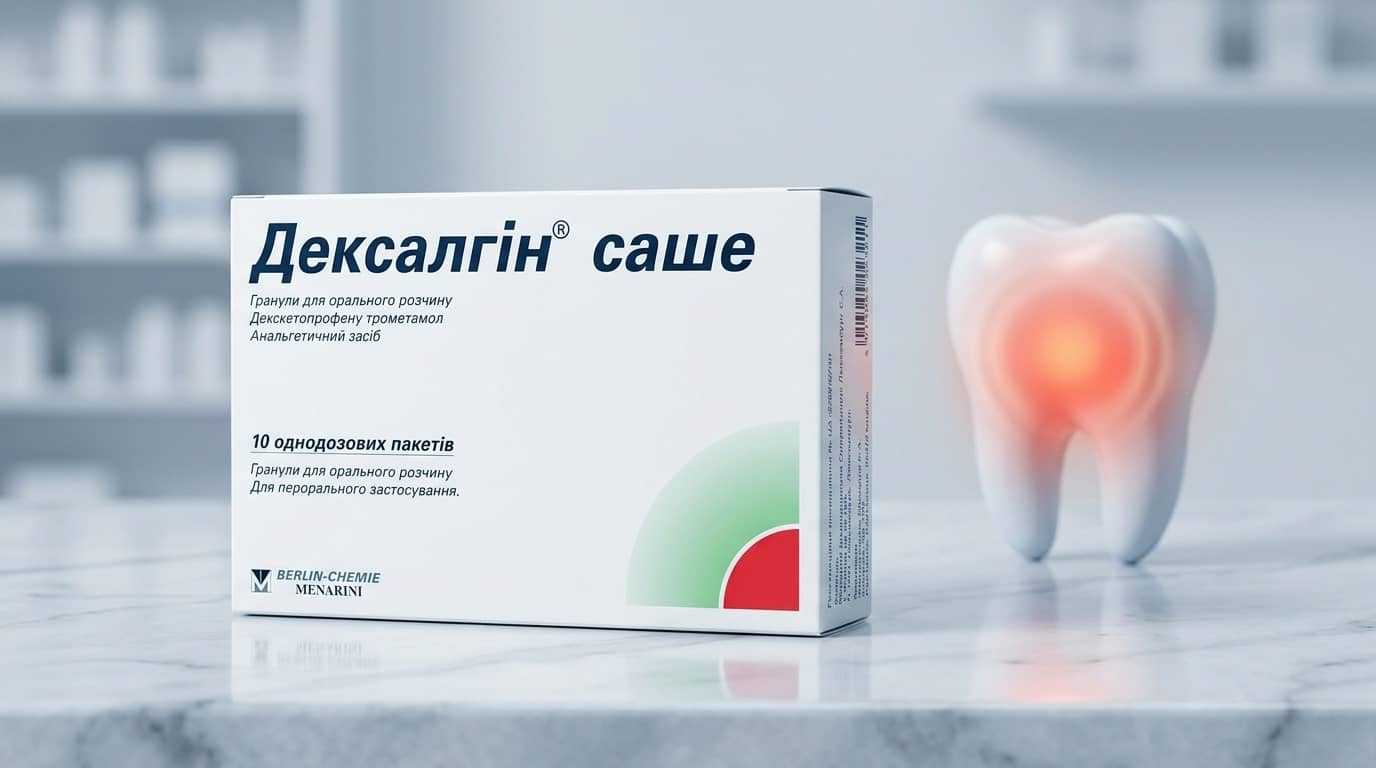
Dexalgin is a fast-acting nonsteroidal anti-inflammatory drug. It helps relieve pain of various origins, including toothache. The active substance here is dexketoprofen trometamol, which provides the corresponding effect.
The main thing Dexalgin helps with when it comes to toothache is genuinely reducing it quickly until you can get to a dentist. In other words, it’s a kind of “first aid” you can give yourself at home.
At the same time, it’s important to understand that Dexalgin provides only symptomatic pain relief. If there’s tooth decay, nerve inflammation, or inflammation of the tissues around the tooth or gums, this drug won’t address the underlying cause. So even after you feel better, don’t put off your dentist visit!
Dexalgin for Toothache – What Kind of Drug Is This
When it comes to what Dexalgin helps with, it’s not just toothache. The drug actually has a triple action, namely:
- Pain relief.
- Anti-inflammatory action.
- Fever reduction.
That’s why it’s often recommended for acute toothache, as well as when inflammation is already accompanied by gum swelling, extremely unpleasant throbbing pain, elevated body temperature, and marked tooth sensitivity to cold or hot.
Dexketoprofen trometamol, the drug’s active ingredient, works by suppressing the formation of what are known as prostaglandins. Put simply, it suppresses the substances responsible for pain and inflammation. That’s why Dexalgin is generally indicated for acute pain of any origin. In dentistry, it’s most often used for severe pain caused by tooth decay, pulpitis, periodontitis, wisdom tooth eruption, and complications following tooth extraction.
While Dexalgin eases toothache, it definitely doesn’t replace professional dental treatment. Next, let’s look at what forms this drug comes in and when each one is most appropriate.
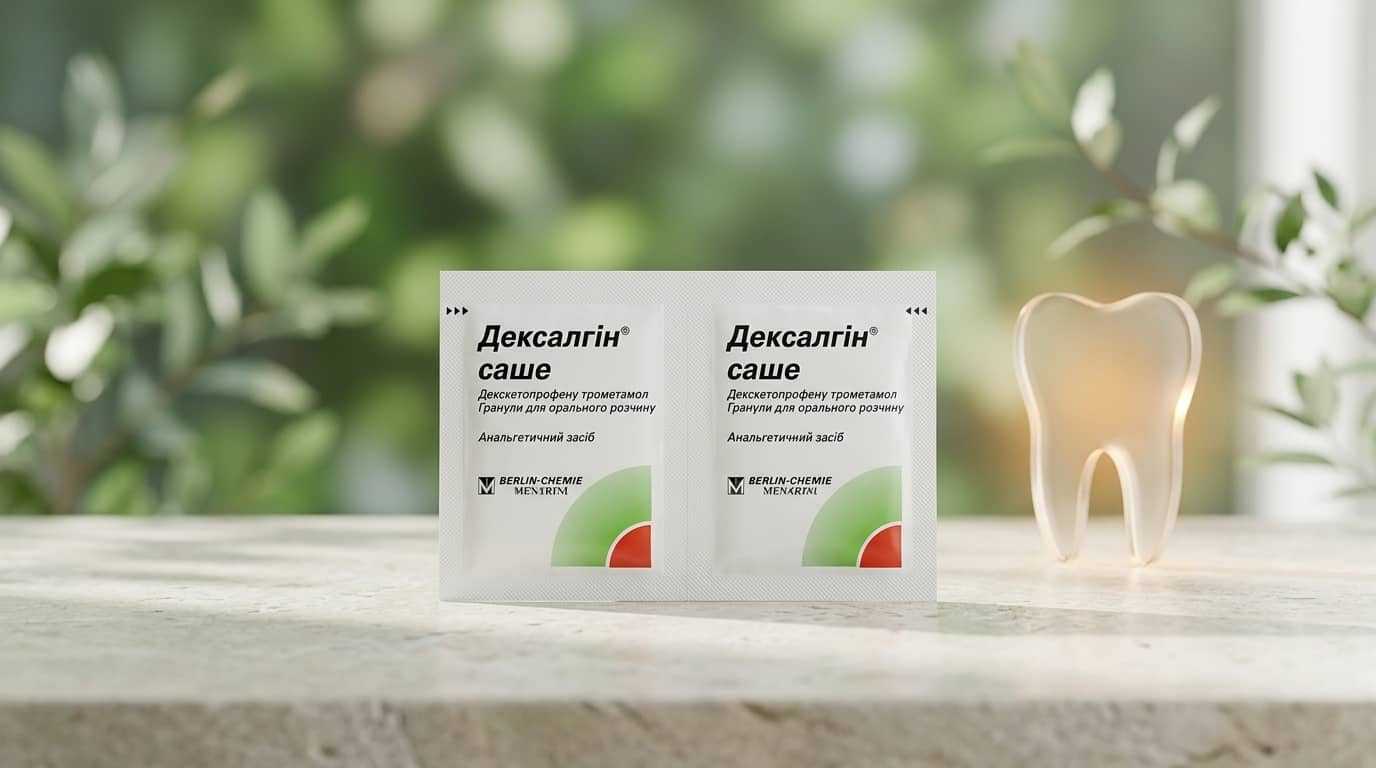
Dexalgin’s Available Forms – Which One to Choose for Toothache
Dexalgin comes in several different forms. A doctor can help select the most convenient one depending on the situation. The main forms are:
- Dexalgin tablets: what they’re for – when the pain is acute but not unbearable, and only short-term relief at home is needed.
- Dexalgin injections: what they’re for – when the pain is already quite severe, or when taking a tablet isn’t an option. Dexalgin injections relieve pain faster than tablets, since the drug enters the bloodstream directly.
- Dexalgin sachets: what they’re for – when short-term relief is needed in a form that’s more convenient to take than tablets. The granules in the sachet are simply dissolved in water and drunk as a solution.
For most patients at home, tablets or sachets are the most convenient. As for what the Dexalgin ampoules are for – that’s for situations where a person has trouble swallowing anything at all. In addition, Dexalgin injections are typically administered by a healthcare professional in a medical setting. If it’s not possible to swallow tablets, drink the sachet solution, or get an injection, there is such a thing as a toothache spray – but Dexalgin isn’t available in that form. In that case, an alternative would need to be found.
As for the drug’s price, it depends on the form, the number of doses per pack, and the manufacturer. On top of that, the price of Dexalgin tablets, sachets, or injections can sometimes vary by pharmacy chain. So it’s best to check the current price directly at the pharmacy.
Indications and Contraindications for Use
Speaking generally about what Dexalgin is used for, the drug is prescribed for short-term symptomatic treatment of acute pain of various origins. Specifically, Dexalgin is indicated for the following types of pain:
- Toothache.
- Muscle and joint pain.
- Back pain.
- Post-injury pain.
- Post-surgical pain.
- Dysmenorrhea (painful periods).
- Other cases of acute pain.
Now that we’ve covered what Dexalgin tablets are for, let’s look at when this drug is not recommended. Its contraindications include:
- Heart failure.
- Blood clotting disorders.
- Kidney and liver disease.
- Pregnancy and breastfeeding.
- Gastrointestinal ulcers.
- Gastrointestinal bleeding.
- Bronchial asthma.
- Individual intolerance to the drug’s components.
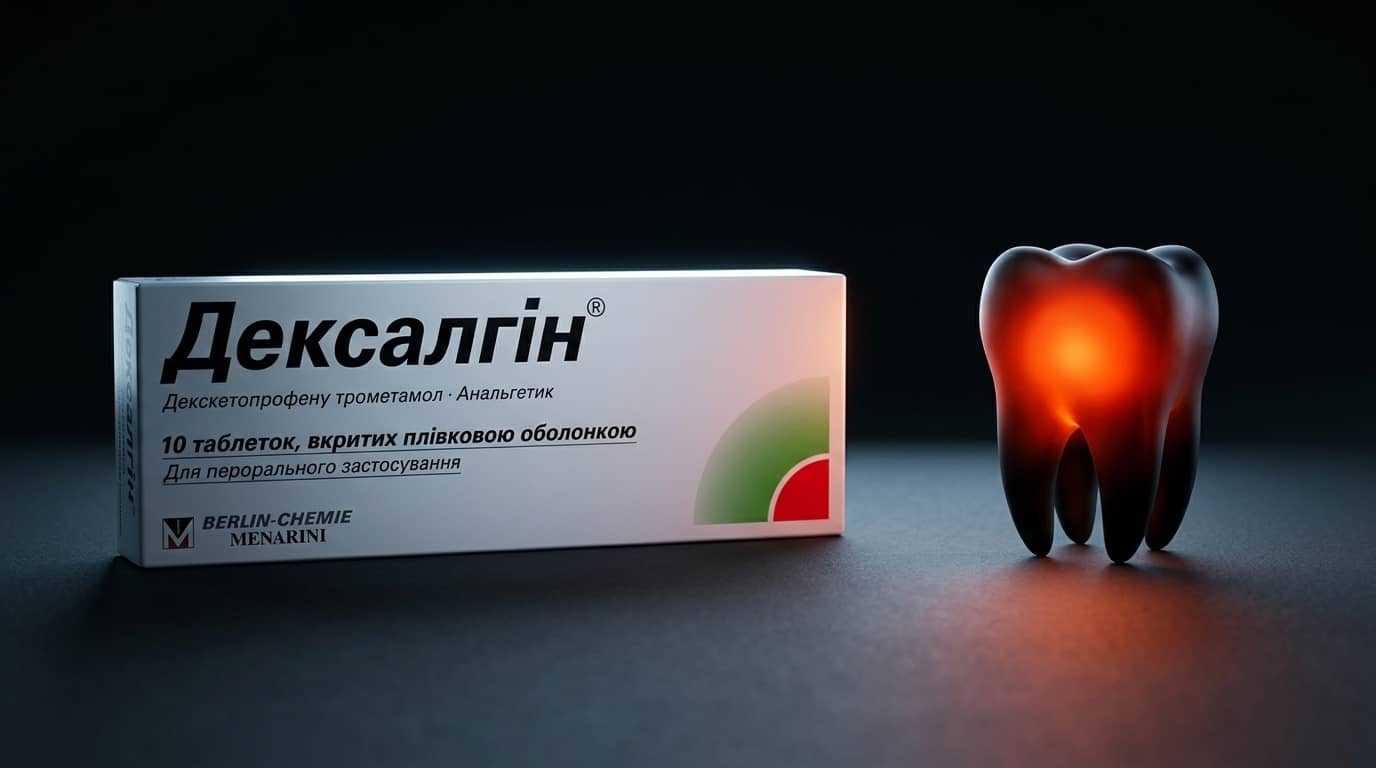
Dosage, Method of Use, and Duration of Action
Before using Dexalgin tablets, sachets, or injections, be sure to read the instructions! For adults, the standard single dose is 25 mg. The maximum daily dose is 75 mg. Without a doctor’s prescription, the course of treatment usually shouldn’t exceed 3-5 days.
How the drug is used depends on its form:
- Tablets – swallow with plenty of water.
- Sachets (granules) – dissolve in water and drink.
- Injections – administered intramuscularly or intravenously.
The drug’s effect usually kicks in within 20-40 minutes and lasts 4-6 hours. With tablets or sachets, the effect develops gradually as the drug is absorbed into the body. With Dexalgin injections, on the other hand, the pain-relieving effect can start even faster, since the drug enters the bloodstream immediately.
How should you take Dexalgin sachets, and is this the form you actually need? Do you need Dexalgin injections, or would tablets work better for you? These are all questions to discuss with your doctor. The key point: do NOT exceed the dosage and do not continue taking the drug longer than recommended without further guidance from a doctor.
Dexalgin and Special Cases: Pregnancy, Breastfeeding, Children, Alcohol
Besides the contraindications, there are other special cases where Dexalgin either shouldn’t be taken or should be used only with caution. Namely:
- First, during pregnancy or breastfeeding. In this case, the drug could negatively affect fetal development, the course of the pregnancy or childbirth, or the infant through breast milk. So if it’s possible to switch to a safer pain reliever, that switch should be made together with a doctor.
- Second, use of the drug by children and adolescents. Its safety and effectiveness haven’t been sufficiently studied for this age group, so it isn’t prescribed to anyone under 18.
- Third, combining the drug with alcohol. This can lead to certain gastrointestinal side effects and put extra strain on the liver.
If you’re wondering whether Dexalgin is right for you, and how to take the sachets, tablets, or injections – it’s best to consult a doctor about this!
When a Painkiller Isn’t Solving the Problem and You Need a Dentist
Warning signs that a painkiller is only temporarily masking the underlying problem rather than solving it include:
- The pain doesn’t go away after 2-3 days.
- Swelling appears in the face or gums.
- Body temperature rises.
- Throbbing pain appears or gets worse at night.
- Pain occurs when biting down.
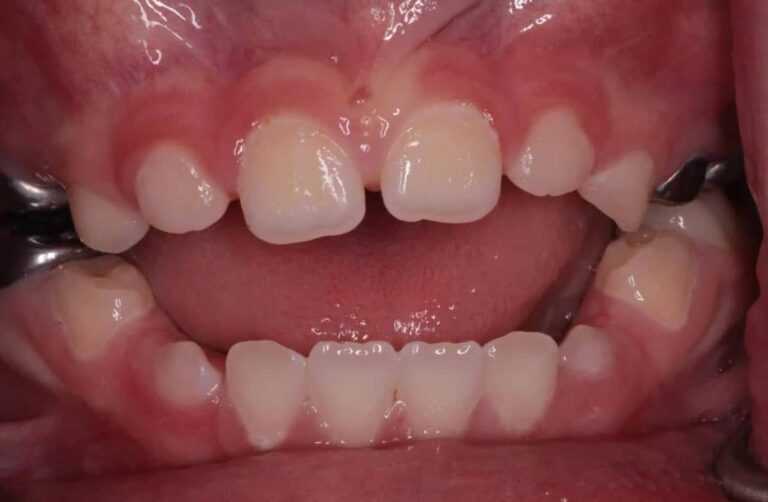
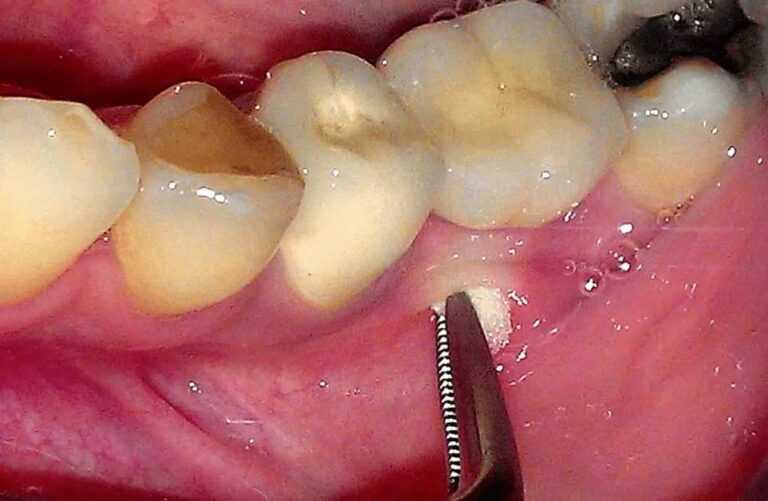
All of these signs can point to pulpitis, periodontitis, a gum boil (periostitis), or other conditions that already require root canal treatment or even tooth extraction. To reduce the risk of such complications, it’s important to catch and treat tooth decay or other dental problems early. Regular preventive dental checkups every six months, along with professional oral hygiene (removal of plaque and tartar), help with this.
Dental Consultation
Dental Consultation in KyivSimply masking the pain with painkillers over and over isn’t the right approach – what matters is addressing the root cause. It’s also worth noting that patients sometimes search for “Dexil – what is it for,” but the correct name of the drug is actually Dexalgin. So if you’re having trouble figuring out either the correct name or when tablets are enough for a toothache versus when you might need Dexalgin ampoules, consult a doctor. Our specialists at Med-Deo can help you understand how to properly take the drug according to the Dexalgin instructions and which form is right for you. In addition, our dentists will accurately determine the cause of your pain and, if needed, prescribe individualized, targeted treatment.
Author of the article: Kateryna Sazhneva—pediatric dentist, medical director of the Med Deo clinic, and a physician of the highest category with experience since 2003.


Make an appointment
You can make an appointment by filling out the application form on the website, as well as using instant messengers:
Make an appointment
You can make an appointment by filling out the application form on the website, as well as using instant messengers:


Make an appointment easily using chatbots:
Also, call the numbers:
Modern dentistry and medical centre "MED-DEO"
Choose a clinic whose location is more convenient for you.
Kyiv, Holosiivska/Demiivska metro station
130 Lobanovskoho Avenue


Working hours:
Mon - Sun: 8:00 AM - 9:00 PM
No days off!
Call the numbers:
How to get to us? Create a route
Create a route
Kyiv, Akademistechko metro station
78A, Irpinska str.


Working hours:
Mon-Sun: 8.00-21.00
Without days off!
Call the numbers:
How to get to us?
Create a route
Create a route
Kyiv, Heroiv Dnipra metro station
32A, Heroiv Dnipra str.


Working hours:
Mon-Sun: 8.00-21.00
Without days off!
Call the numbers:
How to get to us?
Create a route
Create a route
Kyiv, Teatralna metro station
9B, E. Chykalenko (Pushkinska) str.


Working hours:
Mon-Sat: 8.00 - 21.00. Sun: by appointment.
Without days off!
Call the numbers:
How to get to us?
Create a route
Create a route
Відгук від клієнта
0:00
0:00


Your email will not be published on the site.