38590
Services Doctors
Clinics

пр.Лобановського, 130, Київ, Україна

Temporarily closed

Opening soon

стоматологія на лобановського

78A, Irpinska St., Kyiv, Ukraine

Temporarily closed

Opening soon

IMGP4938

32A, Heroiv Dnipra St., Kyiv, Ukraine

Temporarily closed

Opening soon

2024-10-23 11.56.42

9B, Yevhena Chykalenko St. (Pushkinska), Kyiv, Ukraine

Temporarily closed

Opening soon

IMGP5161
Prices Blog Contacts
Back Dentistry

Clinics "MED-DEO"

пр.Лобановського, 130, Київ, Україна

Temporarily closed

Opening soon

стоматологія на лобановського

78A, Irpinska St., Kyiv, Ukraine

Temporarily closed

Opening soon

IMGP4938

32A, Heroiv Dnipra St., Kyiv, Ukraine

Temporarily closed

Opening soon

2024-10-23 11.56.42

9B, Yevhena Chykalenko St. (Pushkinska), Kyiv, Ukraine

Temporarily closed

Opening soon

IMGP5161

Services

Dentistry

Service statistics

icon

More and more clients choose «MED-DEO»

567

Number of services provided

567

Number of patients who received the service

Initial doctor consultation for free* * subject to treatment in the clinic

Appointment by phone:

(044) 394 90 94

Treatment of odontogenic sinusitis at the Med-Deo clinic: high-quality and affordable

Odontogenic sinusitis is a special form of inflammation of the maxillary sinuses, the cause of which is dental problems. Unlike ordinary sinusitis, the treatment of this disease requires the mandatory elimination of the dental cause. In the network of clinics "MED-DEO" we offer a comprehensive approach to the treatment of this pathology, which allows you to completely eliminate the problem and prevent relapses.

послуги стоматолога хірурга

Our advantages in the treatment of odontogenic sinusitis

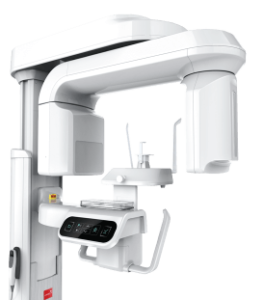
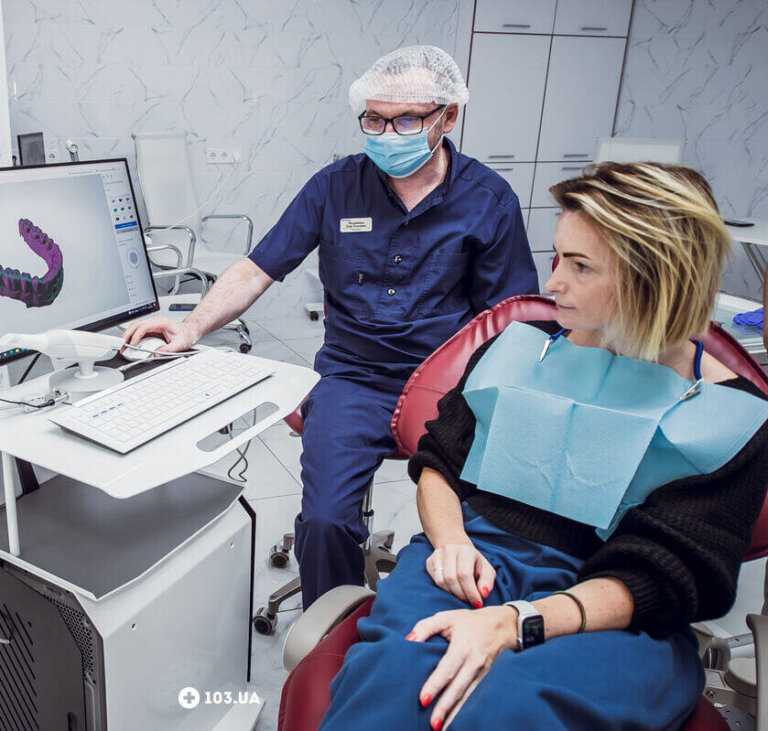
1. Accurate diagnosis. Thanks to high-quality CT diagnostics, we can identify the causative tooth with 100% accuracy and assess the scale of the problem.

2. Modern treatment methods. Our experienced doctors have all modern treatment methods, which allows you to effectively eliminate inflammation and restore the integrity of the sinus.

3. Painless procedure. The procedure is performed absolutely painless under modern anesthesia, and if necessary, we simultaneously perform a sinus lift to restore bone tissue.

4. Quick result. Our patients note rapid disappearance of pain and fading of inflammatory phenomena after the first procedure.

No more suffering! Treatment of odontogenic sinusitis at MED-DEO is accurate diagnosis, modern methods and quick recovery.

Contact the specialists of “MED-DEO” for high-quality diagnostics and effective treatment. Our experience and modern equipment allow us to successfully solve even the most complex cases, returning your health and comfort.


Treatment of odontogenic sinusitis price 2026

Service name

Price, UAH.

Hygrotomiya

16500

Sign up

Hygromotomy with plasty of the connection

22000

Sign up

Primary consultation of the ENT specialist

700

Sign up

Initial consultation of the ENT specialist, Ph.D.

1200

Sign up

Repeated consultation of the ENT specialist

500

Sign up

Repeated consultation of the ENT specialist, Ph.D.

800

Sign up

Initial consultation with an oral and maxillofacial surgeon online

800

Sign up

Repeated consultation with an oral and maxillofacial surgeon online

600

Sign up

Online dentist consultation

300

Sign up

Consultation with a dentist-surgeon

500

Sign up

Injectable anesthesia (use)

350

Sign up

Computer-aided injection anesthesia (use)

600

Sign up

Suturing with atraumatic thread

900

Sign up

Suturing

440

Sign up

Stitch removal

200

Sign up

Anesthesiologist consultation

1000

Sign up

Infusion therapy

1200

Sign up

First hour of sedation

5800

Sign up

Additional 30 minutes of sedation

2000

Sign up

Additional hour of sedation

3300

Sign up
Frequently asked questions on the topic:

What is dental sinusitis?

Dental sinusitis is an inflammation of the mucous membrane of the maxillary sinus that occurs due to infection from the upper teeth, usually after caries, pulpitis, or tooth extraction.

What is dangerous about odontogenic sinusitis?

Infection that begins in the maxillary sinus (left-sided or right-sided odontogenic sinusitis) often spreads to the other sinuses. This can lead to destruction of the sinus walls and the development of orbital (eye) and intracranial complications, including meningitis. Overall, odontogenic sinusitis is a serious condition that requires timely and effective treatment.

How long does odontogenic sinusitis last?

The duration of treatment for odontogenic sinusitis depends on various factors, such as the level of inflammation, the presence of complications, the use of specific antibiotics, and the patient’s general health. As a rule, with competent and timely treatment, the symptoms of sinusitis in adults and children disappear within 1-2 weeks.

Can odontogenic sinusitis be cured without surgery?

Most often, a combination of medical and surgical methods is used to treat this condition. One of the necessary measures to treat sinusitis is taking antibiotics, as well as vasoconstrictor drops to reduce swelling in the nose and sinuses. However, in most cases, surgery is required for the full treatment of odontogenic sinusitis. The surgical method consists in removing the affected tooth and draining the sinus. Without surgical treatment, the clinical manifestations of odontogenic sinusitis may subside under the influence of antibiotic therapy, but the inflammation may return after the end of the course of treatment.

What does the treatment of odontogenic sinusitis include?

Treatment for odontogenic sinusitis includes: antibiotics, sinus lavage, anti-inflammatory drugs, and, in severe cases, surgery to drain the sinus.

How to close a maxillary sinus perforation?

A maxillary sinus perforation is closed surgically, using local mucosal tissue to form a flap or special biological membranes.

What are the causes of a tooth root getting into the maxillary sinus?

The root of a tooth can enter the maxillary sinus due to the removal of upper teeth, especially molars, the anatomical proximity of the roots to the sinus, severe bone atrophy after tooth loss, or jaw trauma.

Reviews about the treatment of odontogenic sinusitis at Med-Deo

Leave a review
5

Based on reviews

Based on reviews

Андрій

2026-06-17

Довго лікував гайморит, поки не з'ясувалося, що причина пов'язана із зубом. Лікар швидко визначив джерело проблеми та провів необхідне лікування. Дякую за допомогу та якісний результат.

Оксана

2026-05-10

Лікар швидко визначив проблему із зубом і пояснив лікування.Довго не могла зрозуміти причину гаймориту, поки не звернулась у клініку. Усе пройшло успішно.

Олена

2026-04-30

Довго не могла зрозуміти причину гаймориту. Лікар одразу запідозрив проблему із зубом і все пояснив. Лікування пройшло під контролем. Стан значно покращився.

Андрій Шеремет

2026-03-27

Хочу поділитися позитивним досвідом звернення до клініки Med Deo. Звернувся з проблемою одонтогенного гаймориту, і спочатку мова йшла про необхідність операції. Чесно кажучи, це трохи лякало. Але лікар Кеян Давид Миколайович підійшов до ситуації максимально професійно та уважно: провів детальний огляд, усе зрозуміло пояснив і підібрав ефективне медикаментозне лікування. У результаті операція не знадобилася, стан значно покращився завдяки правильно призначеним лікам. Окремо хочу відзначити приємну атмосферу в клініці, ввічливий персонал і високий рівень сервісу. Щиро рекомендую Med Deo.

Лариса

2026-02-02

Звернулась із постійним болем і закладеністю, виявилось що причина в зубі. Лікар швидко поставив правильний діагноз і все детально пояснив. Лікування пройшло під контролем, без ускладнень

Ксенія

2026-01-27

Навіть не підозрювала, що мій гайморит пов’язаний із зубами. Лікар швидко знайшов причину й пояснив, як буде проходити лікування. Після усунення проблемного зуба стан значно покращився.

Олена

2025-12-20

Довго лікувала нежить і біль у пазухах, поки не з’ясувалося, що причина в зубі. Лікар усе детально пояснив і пролікував комплексно. Після лікування симптоми повністю зникли.

Ліда

2025-11-15

Ходила по ЛОРах, поки тут не сказали, що проблема від зуба. Я була в шоці! Але після лікування пазухи й зуба, я нарешті стала нормально дихати. Лікар просто золото, все акуратно і без зайвих болючих відчуттів.

Юлія

2025-10-20

Довго мучилася з закладеністю носа й болем у щоці, у клініці зробили КТ, одразу визначили причину, запалення від зуба. Після лікування зуба і промивання пазухи полегшення настало вже за кілька днів.

Наталія

2025-09-23

Мучився з головним болем і закладеним носом, виявилося проблема від зуба. Пройшов лікування одонтогенного гаймориту у стоматолога тепер почуваюся чудово, жодних симптомів. Дякую лікарю Кеяну Давиду!

Оксана

2025-08-18

Тривалий час мучив нежить і біль у щелепі, виявилось одонтогенний гайморит. Лікар зробив КТ, пояснив ситуацію і призначив лікування. Після процедури та курсу терапії дихати стало набагато легше. Дякую за професійний підхід!!

Світлана

2025-07-15

Через погано запломбований зуб, отримала гайморит. Звернулася з болем в зубів, лікар провів дослідження, і визначив, чому довго не проходить нежить. Зуб мені видалили, запалення почистили і назначили антибіотики. Наразі і біль минула і нежить. Дуже дякую лікарю Кеяну!

Вікторія

2025-06-26

Дякую за надану домогу в лікування гаймориту. В Мед-де приємно приходотити на прийомі, лікар уважний, персонал привітний, надали правильне лікування. Рекомендую!

Лілія

2025-05-24

Тривалий час не могла вилікувати гайморит, поки в Мед-Део не виявили, що причина — проблемний зуб. Після лікування кореневих каналів стан швидко покращився. Велике спасибі за точну діагностику й делікатний підхід. У клініці комфортно й спокійно.

Роман

2025-04-06

Несподівано для себе дізнався, що причиною мого гаймориту був зуб! Лікар клініки оперативно виявив проблему, розписав план лікування та провів усі необхідні процедури. Усе пройшло без ускладнень, болю не було. Уже за кілька днів стан значно покращився. Дякую команді за професійний підхід і якісну роботу!

Марія

2025-03-20

Довго мучилася від закладеності носа й болю в щелепі, думала, що це звичайний гайморит, але виявилося, що проблема в зубі. Лікар детально пояснив, як зуб може провокувати запалення, і запропонував ефективне лікування. Відновлення зайняло небагато часу, і тепер почуваюся чудово! Дякую клініці!

Максим

2025-02-05

Звернувся до клініки зі скаргами на біль у верхній щелепі та постійну закладеність носа. Виявилося, що це гайморит через проблемний зуб. Лікар швидко діагностував проблему, пояснив план лікування й виконав усі процедури максимально акуратно. Вже через тиждень стало значно легше дихати, біль зменшився. Рекомендую

Тарас

2024-11-15

Постійні головні болі, закладеність носа та ниючий біль у зубах мучили мене кілька місяців. ЛОР направив до стоматолога, і тут відразу виявили одонтогенний гайморит. Лікування пройшло комфортно, лікар працював дуже професійно, усе пояснив. Уже за тиждень почувався набагато краще! Клініка чудова, персонал уважний. Рекомендую!

Алла

2024-08-16

Довго лікувала гайморит у лорів, але проблема поверталася. Виявилося, що причина – інфікований зуб! У цій клініці мені швидко поставили правильний діагноз і провели якісне лікування. Лікар був дуже уважний, працював акуратно, пояснював усі нюанси. Відновлення пройшло без проблем, тепер дихаю легко! Дуже вдячна за допомогу!

Вікторія

2024-07-01

Звернулася в клініку через біль у верхній щелепі, який не давав спокою. Лікар після огляду діагностував гайморит, усе докладно пояснив і запропонував ефективне лікування. Процедура пройшла безболісно, усе зроблено максимально професійно. Уже за кілька днів відчула полегшення. Щиро вдячна всім, рекомендую!

Віктор

2024-05-08

Тривалий час лікував гайморит у ЛОРа, але запалення поверталося, порекомендували звернутися до стоматолога . У клініці Мед-Део лікар одразу сказав, що проблема в зубі. Було страшно, але лікар усе детально пояснив, лікування пройшло швидко та комфортно. Уже через кілька днів стало значно краще! Дуже вдячний клініці за професіоналів!

Любов

2024-03-24

Лікування гаймориту виявилося не таким страшним, як я собі уявляла! Лікар дуже уважний, усе пояснив, працював обережно та безболісно. Запалення зникло, а разом із ним – закладеність носа та біль у щелепі. Відновлення пройшло добре, клініка на найвищому рівні. Дякую за вашу працю!

Вячеслав

2024-01-30

Думав, що проблема хронічний нежить, а виявилося гайморит через стару пломбу. У клініці швидко поставили діагноз і запропонували ефективне лікування. Усе зробили максимально акуратно, жодного болю чи дискомфорту. Уже через кілька днів відчув полегшення, можу знову нормально дихати! Дуже вдячний лікарям за якісну роботу!

Лариса

2023-11-19

Постійний дискомфорт у носі та біль у щелепі привели мене до цієї клініки, і тут виявили справжню причину гайморит. Лікар був дуже уважний, пояснив кожен крок лікування, усе зробив акуратно та безболісно. Уже після першого тижня стало значно легше! Рекомендую!

Show more Hide

Diagnostics

icon

Methods of diagnosing odontogenic sinusitis

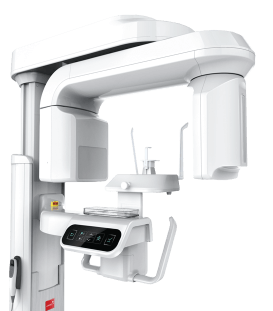
When diagnosing odontogenic sinusitis, computed tomography is the most informative. The focus of inflammation can be detected using an X-ray. To clarify the diagnosis, probing of the maxillary cavity, MRI, laboratory blood tests, and additional examinations may be prescribed.

What is odontogenic sinusitis?

The maxillary sinus is a space located inside the upper jaw.

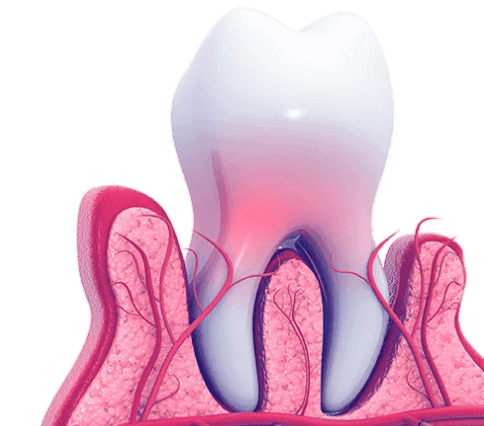
The floor of the cavity is in contact with the roots of the teeth. Quite often, the apex of the tooth root is located right beneath the mucous membrane of the sinus. This means that the bony septum between them is absent. If a tooth or its surrounding tissues become infected, pathogenic microorganisms easily penetrate into the maxillary sinus: chronic inflammation is accompanied by the formation of a periapical cyst, which gradually destroys the barrier between the tooth and the maxillary cavity. This marks the onset of odontogenic sinusitis.

The disease can progress unilaterally or bilaterally and have an acute, subacute, or chronic character. The illness can also develop with damage to the floor of the sinus or without perforation.

Two forms of the pathology are distinguished:

  • open, when the infection penetrates due to damage to the wall of the maxillary sinus;
  • closed, when there is no direct connection between the focus of inflammation and the sinus.

The development variations of odontogenic sinusitis vary. Generally, they are divided into: purulent, polypous, catarrhal, and purulent-polypous.

icon

Odontogenic sinusitis accounts for about 40% of all diagnosed rhinosinusitis cases. Most often, the disease is diagnosed in middle-aged people. More than 70% of cases occur in patients aged 30-50 years.

Need a
Diagnostic?

Call to book an appointmen

(044) 394-90-94

Sign up
icon icon
дагностика 1

Signs and types of sinusitis

The main symptoms of sinusitis include intense headaches that worsen when bending the head forward, purulent or serous nasal discharge, tearing of the eyes, and signs of intoxication. Based on the duration of the disease course, all cases of odontogenic sinusitis can be divided into three main types: acute, subacute, and chronic.

It is customary to distinguish several forms of maxillary odontogenic sinusitis, each of which has its own characteristics:

  • Closed form. In this case, inflammation develops in the maxillary sinus without a direct connection between the primary focus and the sinus. The main causes of this are chronic periodontitis and abscesses that can grow into the sinus.
  • Open form. The spread of microflora from the diseased tooth occurs through the purulent destruction (melting) of one of the walls of the maxillary sinus.
There are several types of morphological changes in the mucous membrane of the maxillary sinus, which can be identified by their nature: catarrhal, purulent, polypous, and purulent-polypous.

Causes of dental sinusitis

Odontogenic sinusitis develops as a result of the penetration of bacterial microflora and its toxins from the oral cavity into the sinuses.

Mechanical damage or purulent destruction (melting) of the thin septum allows the infection to enter the maxillary sinus unhindered. As a result, inflammation of the mucous membrane of the maxillary cavity begins.

The causes and contributing factors to the onset of the disease include:

  1. Complications of inflammatory processes occurring in the upper jaw – chronic periodontitis, infectious lesions of the upper teeth, suppurated jaw cysts, osteomyelitis, and purulent periodontitis;
  2. Inadequate oral hygiene – including ignoring regular routine check-ups and delayed visits to the dentist when dental problems are present;
  3. Consequences of tooth extraction – prolonged non-healing of the socket and the formation of a fistula through which the mucous membrane of the maxillary sinus becomes infected;

  1. Unprofessional filling – the ingress of filling material particles into the sinus triggers an inflammatory reaction;
  2. Unsuccessful endodontic therapy – dental operations involving trauma (perforation) to the floor of the maxillary sinus;
  3. Immunodeficiency states – with low immunity, the growth of oral microflora becomes more active.

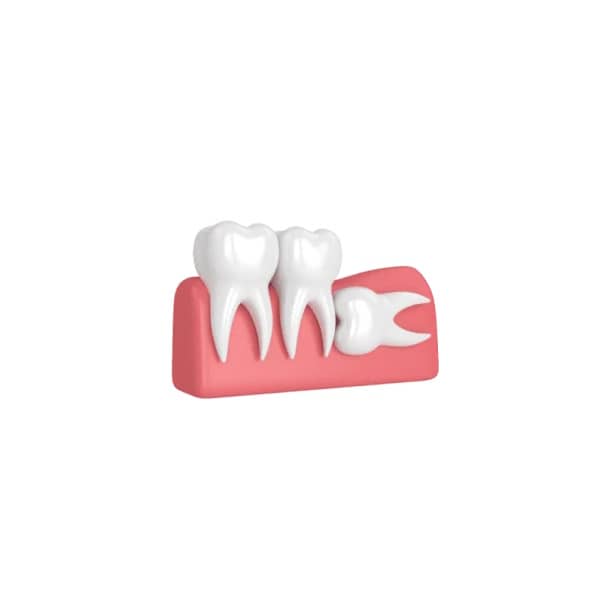
Additionally, odontogenic sinusitis can be triggered by the entry of a foreign body – a piece of a tooth root, a particle of a filling, or an implant fragment. People with anatomical features of the maxillary sinus structure often face this disease, specifically when the roots of the upper teeth grow directly into the maxillary cavity. In such cases, the infection penetrates the sinus at the slightest opportunity.
Would you like to undergo treatment?

Make an appointment with a doctor!

Sign up
icon icon
photo

Signs of dental sinusitis

Odontogenic sinusitis has symptoms similar to other types of sinusitis.

Only the underlying causes of the disease differ radically. In the initial stage, nasal congestion is felt, and an unpleasant odor sensation arises.

Additionally, odontogenic sinusitis presents with symptoms and complaints such as:

  • attacks of acute, throbbing headache;
  • a feeling of heaviness and fullness in the upper jaw on the affected side, and in the area of the bridge of the nose;
  • the pain becomes more intense when bending the head forward;
  • “burning” sensation in the gums;
  • painfulness during chewing;

  • problems with nasal breathing and the perception of smells;
  • swelling of the nasal mucosa;
  • sensitivity to light (photophobia) and tearing of the eyes;
  • signs of body intoxication (fever, weakness, chills).

In addition, a unilateral runny nose may begin, during which purulent masses and a large volume of mucus are discharged. Chronic dental sinusitis is characterized by a gradual development of symptoms. Manifestations occur in waves. If the odontogenic sinusitis is of a non-purulent type, the discharge may be scarce or completely absent.

How is odontogenic sinusitis treated at the Med-Deo clinic?

Treatment without surgery includes antibacterial therapy and antiseptic rinsing.

Medication therapy is prescribed depending on the clinical case. If there is no severe dental pathology, treatment is carried out on an outpatient basis. Surgical intervention may also be necessary (maxillary sinusotomy / sinus lift in the case of ingrown cysts). Operations are performed painlessly, safely, and in the least traumatic way. If fistulas are detected, they must be closed using biomembranes. “Med-Deo” specialists use advanced techniques to remove foreign inclusions.

Treatment of odontogenic sinusitis with antibiotics

Antibiotic treatment for sinusitis is carried out regardless of the form and cause of the disease. If the bacterial culture results are not yet ready, broad-spectrum antibiotics are prescribed. After receiving the results, the medication is replaced with one that has shown efficacy against the identified bacterial microflora. In any case, the problem that led to odontogenic sinusitis is addressed first. The patient must also consult with an otolaryngologist and, depending on the circumstances, a maxillofacial surgeon.

Prevention of dental sinusitis

icon

To prevent the development of odontogenic sinusitis in children and adults, it is recommended to follow simple prevention rules:

  • Brush your teeth regularly and correctly, using a toothbrush and dental floss;
  • Follow oral hygiene practices, including regular rinsing of the mouth with special products containing antimicrobial components;
  • Visit the dentist regularly for routine check-ups and treatment of oral diseases;

  • Quit smoking and give up alcohol, which can weaken the immune system;
  • Avoid hypothermia;
  • At the first symptoms of the disease, such as tooth pain, headache, or swelling of the mucous membrane, consult a specialist immediately for diagnosis and treatment.

In general, adhering to oral hygiene rules and maintaining a healthy lifestyle helps prevent the development of dental sinusitis and other oral cavity pathologies.
We work with all insurance companies

On this page Contents of the page

icon

Dental services