37345
Services Doctors
Clinics

пр.Лобановського, 130, Київ, Україна

Temporarily closed

Opening soon

стоматологія на лобановського

78A, Irpinska St., Kyiv, Ukraine

Temporarily closed

Opening soon

IMGP4938

32A, Heroiv Dnipra St., Kyiv, Ukraine

Temporarily closed

Opening soon

2024-10-23 11.56.42

9B, Yevhena Chykalenko St. (Pushkinska), Kyiv, Ukraine

Temporarily closed

Opening soon

IMGP5161
Prices Blog Contacts
Back Dentistry

Clinics "MED-DEO"

пр.Лобановського, 130, Київ, Україна

Temporarily closed

Opening soon

стоматологія на лобановського

78A, Irpinska St., Kyiv, Ukraine

Temporarily closed

Opening soon

IMGP4938

32A, Heroiv Dnipra St., Kyiv, Ukraine

Temporarily closed

Opening soon

2024-10-23 11.56.42

9B, Yevhena Chykalenko St. (Pushkinska), Kyiv, Ukraine

Temporarily closed

Opening soon

IMGP5161

Services

Dentistry

Service statistics

icon

More and more clients choose «MED-DEO»

23456

Number of services provided

18343

Number of patients who received the service

imgp4938 1 e1728980728653 2048×1

Первинна консультація лікаря

The cost of a consultation: 550 UAH.

Appointment by phone:

(044) 394 90 94

Prices for teeth aligners

Service name

Price, UAH.

Orthodontic plates

from 8000

Sign up

Individual ''OptraGate'' kit (use)

250

Sign up

Adjustment of a removable appliance

1800

Sign up

Cephalometric X-ray (Ceph) in frontal and lateral projections (TRG/ТРГ stands for teleradiography/cephalometric X-ray)

770

Sign up

Taking an impression

650

Sign up

Taking an impression with monophase material using an individual tray

1650

Sign up

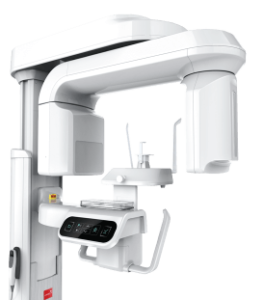
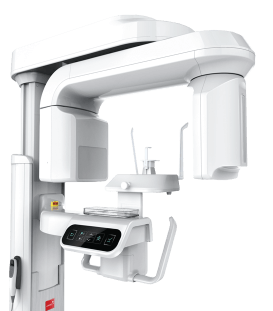
CT scan of the upper and lower jaw

1200

Sign up

Frequently Asked Questions

What is a dental trainer?

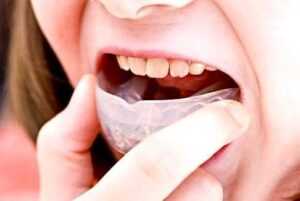
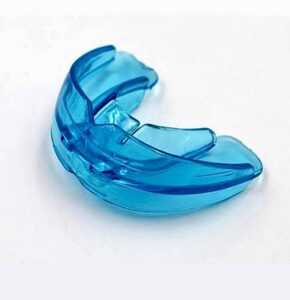
A dental trainer is a removable orthodontic appliance made from silicone or plastic that gently guides the teeth into alignment, promotes the development of a correct bite, and trains the tongue, lips, and jaw to rest in the proper positions.

How long do you need to wear a dental trainer?

A dental trainer should be worn every day — for approximately 1–2 hours during the day and throughout the night while sleeping.

Can a dental trainer straighten teeth?

Dental trainers can help straighten teeth, but only in certain situations. They produce the best results in children who still have their primary (baby) teeth or a mixed dentition, where the irregularities are still mild. Importantly, trainers don’t just act on the teeth — they also work on the facial muscles, tongue position, and jaw alignment, delivering a comprehensive, whole-system effect.

Sometimes, children's teeth grow unevenly due to bite irregularities or habits that are affecting jaw development.

This is exactly where a dental trainer steps in. It helps gently steer the teeth and jaw into the correct position, working not only on tooth alignment but also on the facial muscles and tongue posture. It's a convenient, pain-free way to support the healthy development of the dental and jaw system at an early stage.

Reviews of teeth aligners

Leave a review
5

Based on reviews

Based on reviews

Ольга

2026-07-06

Сину призначили трейнер для ранньої корекції прикусу. Лікар детально пояснив, як правильно ним користуватися і відповів на всі наші запитання. Уже бачимо перші позитивні зміни. Дякуємо за професійну допомогу.

Тетяна

2026-06-09

Лікар дуже детально пояснив, як правильно ним користуватись. Дитина швидко адаптувалась і носить його без проблем. Дякуємо за професійну консультацію.

Андрій

2026-05-05

Сину призначили трейнер для виправлення прикусу. Лікар усе детально пояснив і показав, як правильно користуватись. Дитина швидко звикла. Дякуємо за уважне ставлення.

Олег

2026-04-23

Сину призначили трейнер. Лікар детально пояснив, як користуватись. Спочатку було незвично, але звик швидко. Вже є результат.

Марія

2026-03-29

Дитині призначили трейнер для корекції прикусу. Лікар усе пояснив і показав, як правильно користуватись. Звикли не одразу, але зараз носить без проблем. Вже бачимо перші зміни.

Тетяна

2026-02-10

Довго шукали спеціаліста і не помилились з вибором. Пластинка підібрана правильно, дитині комфортно. Лікарка постійно контролює процес і підтримує.

Віка

2025-12-20

Пластинка виявилася зручною і не заважає в повсякденному житті. Дитина швидко адаптувалась, зручно що вона знімна. Дуже вдячні лікарю за підтримку і пояснення.

Анна

2025-11-12

Трейнер нам підібрав дитячий ортодонт, щоб скоригувати прикус без брекетів. Спочатку дитині було непривично, але через пару днів вона звикла і навіть ставила його сама. Зуби повільно, але надійно вирівнюються.

Анна

2025-10-13

Син користується трейнером уже пів року, і я бачу, наскільки це ефективно. Його прикус вирівнюється, а сам пристрій зовсім не заважає. Дуже зручно, що його можна знімати. Лікар постійно контролює процес і дає корисні поради. Ми задоволені на всі сто відсотків.

Анастасія

2025-09-09

Доньці лікар призначив трейнер для виправлення прикусу. Дуже зручно, що його потрібно носити лише кілька годин вдень і вночі – вже видно результат! Хочу відмітити чудове ставлення до діток!

Олена

2025-07-09

Сину 9 років, лікар порекомендував трейнер замість пластинок. Дитина швидко звикла, а зубки вирівнюються поступово

Show more Hide

What Is a Dental Trainer?

A dental trainer is a soft, removable appliance that helps children correct their bite without complex procedures or braces. It’s made from silicone or flexible plastic, making it comfortable to wear and free from irritation. Its primary purpose is to gradually guide the teeth into the correct position while also training the facial muscles and tongue to function as they should. This is particularly important because poor habits — such as mouth breathing or incorrect tongue posture — are among the most common causes of crooked teeth and bite problems.

A pre-orthodontic trainer is best suited to children whose jaws are still growing and developing — typically between the ages of 5 and 12. When worn consistently — a few hours during the day and overnight — it gently and progressively improves the bite and prepares the teeth for any further orthodontic treatment that may be needed down the line. It’s a simple, safe first step toward a healthy, beautiful smile.


Need a
diagnosis?

Appointments by phone:

(044) 394-90-94

Sign up
icon icon
дагностика 1

Problems a Dental Trainer Can Address Can a trainer straighten teeth?

A dental trainer — sometimes also called a tooth corrector — can tackle several of the most common orthodontic issues seen in children. First and foremost, it helps correct a misaligned bite, whether the teeth are growing crookedly or the jaws aren’t meeting properly. Secondly, trainers help break the harmful habits that are so often the root cause of bite problems — mouth breathing, thumb sucking, and incorrect tongue resting posture, to name a few. These habits matter more than many parents realize: even seemingly small, everyday behaviors can gradually reshape the jaw and shift the teeth out of alignment over time.

Another issue trainers address is weakness in the facial muscles and incorrect tongue function, both of which can cause the teeth to drift in the wrong direction. The dental trainer actively works these muscles, teaching them to function correctly — and this, in turn, has a positive impact on both the bite and the overall appearance of the smile.

The end result of using a trainer is often the ability to avoid more complex brace treatment altogether, or at least to make it significantly shorter and less intensive. Think of it as a preventive measure and a strong first step toward a healthy, well-aligned smile.

Types of Dental Trainers for Adults and Children

Orthodontic trainers come in different varieties for children and adults, reflecting the different problems and treatment goals involved.

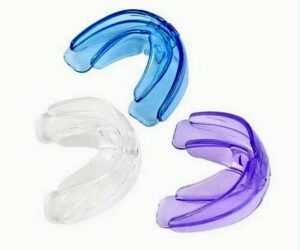
For children, soft silicone trainers are most commonly used. They are comfortable, non-irritating to the gums, and help correct the bite, improve jaw positioning, and break unwanted habits. These appliances are generally straightforward to wear and are well suited to children who are still in the process of growing their permanent teeth.

For adults, dental trainers also exist — but they tend to be firmer and more robust. They are used to maintain results after brace treatment, or as a gentler alternative when braces aren’t suitable for a particular reason. Adult cases are often more complex, so the appliances may be more specialized — for example, designed specifically for bite correction or for reducing nighttime teeth grinding (bruxism).

Occasionally, combination trainers are available that can be adapted for both children and adults, though these are the exception rather than the rule.

The most important thing is to choose a trainer in consultation with an orthodontist, who will ensure that the appliance is the right fit for you or your child and will deliver the best possible results.

Would you like to undergo treatment?

Make an appointment with a doctor!

Sign up
icon icon
photo

Advantages and Disadvantages of Dental Trainers

When a child starts showing signs of bite irregularities or crooked teeth, parents naturally look for simple, safe ways to address the problem early. A dental trainer is one such option — a specialized appliance that can make a real difference at the early stages.

Advantages of dental trainers:

01 — Comfortable and easy to wear. Trainers are made from soft silicone or flexible plastic, which means they sit comfortably in the mouth without scratching the gums or causing pain. This is especially important for children, who can be apprehensive about orthodontic appliances.

02 — Gentle, gradual correction. Rather than applying abrupt force, a trainer works gradually — guiding the teeth and jaw into the correct position without causing discomfort. It also exercises the facial muscles and tongue, reducing the risk of relapse once treatment is complete.

03 — Helps break harmful habits. Many bite problems are directly caused by habits — mouth breathing, thumb sucking, poor tongue posture. A trainer actively addresses these behaviors, making the overall treatment more effective and long-lasting.

04 — Suitable from an early age. The earlier a child starts wearing a trainer, the greater the chance of avoiding lengthy, complex brace treatment in the future. Think of trainers as both prevention and preparation — laying the groundwork for a healthy bite.

05 — Simple and convenient to use. Because it’s removable, the trainer can be taken out easily at mealtimes and during tooth brushing. This makes daily life much more straightforward for both the child and their parents.

Disadvantages of dental trainers:

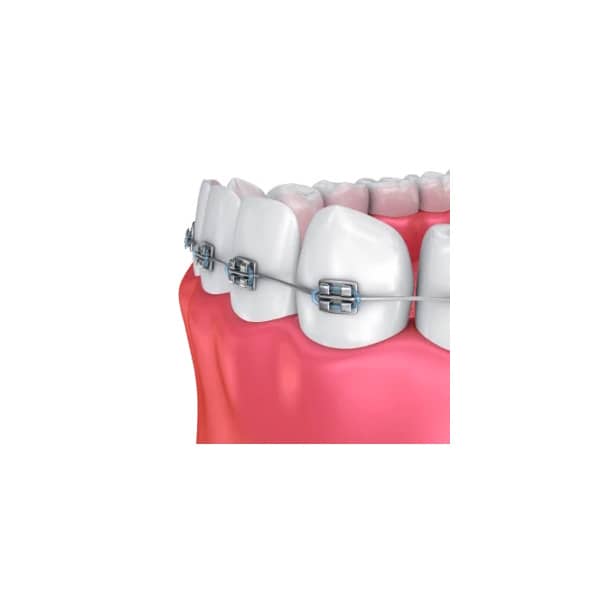
01 — Limited effectiveness for complex problems. If the teeth are significantly crooked or the bite is seriously misaligned, a trainer alone won’t be enough. More intensive appliances — braces, aligners, or fixed plates — will be needed.

02 — Results depend on consistent wear. The effectiveness of a trainer is entirely dependent on how consistently it is worn. If a child wears it sporadically or skips sessions, treatment will drag on or may not produce results at all.

03 — Initial adjustment period. Getting used to a trainer can take a little time — some children experience increased saliva production, minor changes to their speech, or a general sensation of having something foreign in their mouth. These effects typically pass within a few days.

04 — Primarily suited to children. For adults, trainers rarely produce significant results, because the jaw is already fully formed and responds much more slowly to this type of gentle appliance.

05 — Regular orthodontist monitoring is essential. For treatment to be effective, the child must attend regular check-up appointments so the orthodontist can track progress, make any necessary adjustments, and provide updated guidance.

On balance, a dental trainer is a convenient and safe way to begin correcting bite issues in children. That said, it’s important to understand its limitations and not to expect it to serve as a substitute for full orthodontic treatment in cases that genuinely require it.

Indications for a Dental Trainer

A dental trainer is typically prescribed for children when the first signs of a developing bite irregularity or tooth growth problem become apparent. The main reasons a trainer may be recommended include:

Teeth growing unevenly, or jaws that don’t meet properly (open bite, deep bite, or crossbite). These issues can make chewing uncomfortable, affect speech clarity, and impact the appearance of the smile.

Habitual mouth breathing instead of nasal breathing, which can affect jaw development. When a child regularly breathes through their mouth, the facial and jaw muscles work differently than they should — and over time, this altered muscle activity can lead to abnormal jaw bone development, tooth displacement, and bite irregularities.

Harmful habits such as thumb sucking or incorrect tongue resting posture. Prolonged thumb sucking or use of a pacifier can deform the dental arch. Incorrect tongue posture — for example, when the tongue constantly pushes against the teeth — also influences tooth positioning. These habits need to be addressed and corrected to prevent serious orthodontic problems from developing.

Weakness in the facial muscles, which leads to improper bite formation. The muscles surrounding the jaw and face play a crucial role in how the bite develops. When they are weak or functioning incorrectly, the teeth can shift or erupt at the wrong angles. A trainer helps strengthen these muscles and teaches them to work properly.

Preparation for further orthodontic treatment, such as braces. Sometimes a trainer is used as the first phase of treatment to ease the path toward subsequent bite correction with braces. It helps prepare the teeth and jaws for more complex procedures, shortening the overall treatment duration.
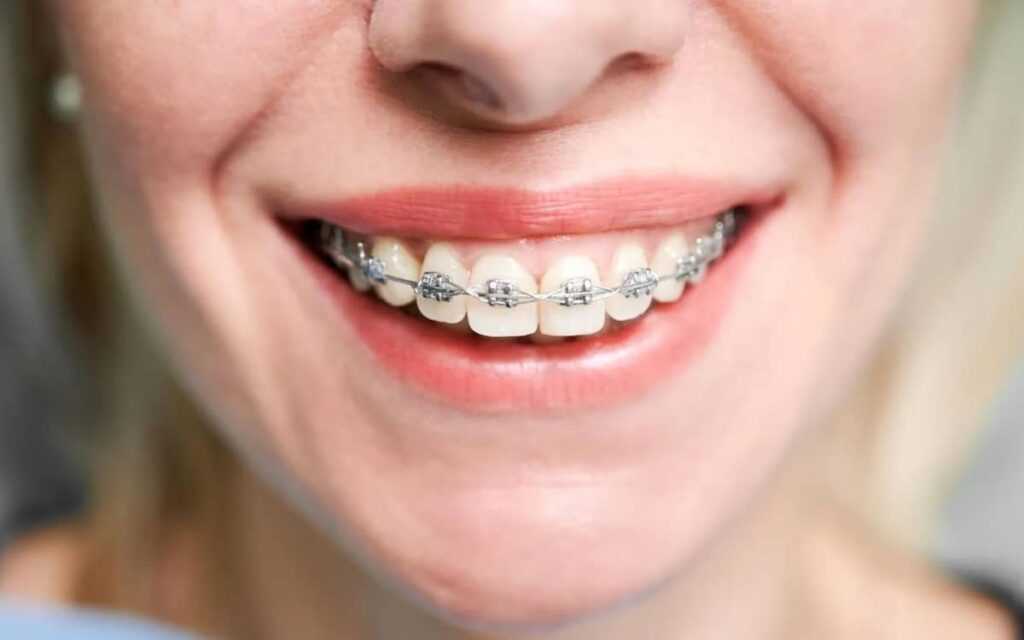
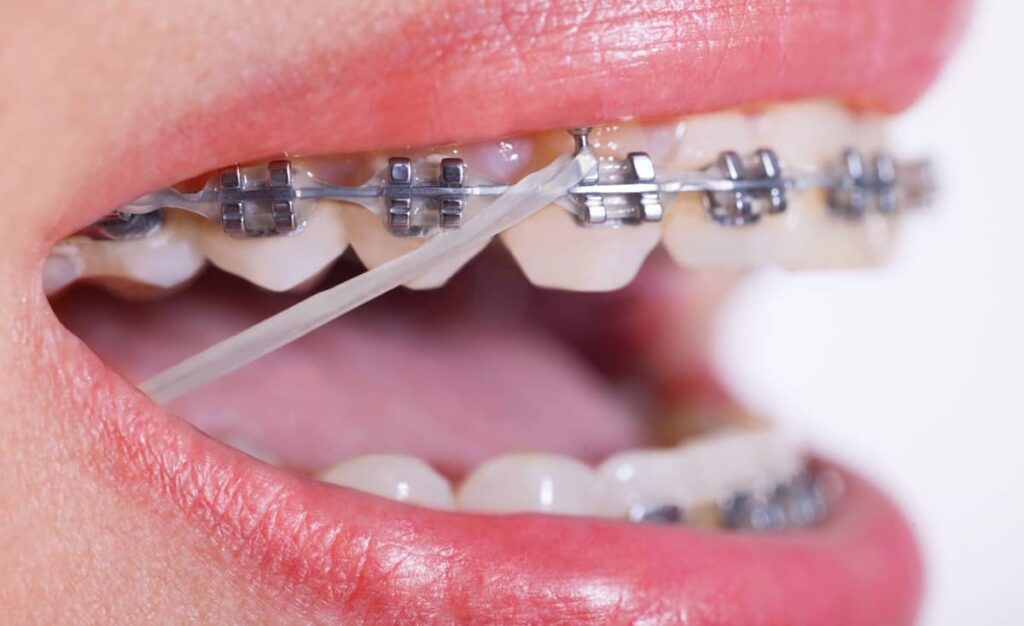
Prevention of bite problems when the orthodontist identifies a developing risk. Even before any visible problem exists, an orthodontist may recommend a trainer to prevent potential issues from taking hold. Early intervention helps avoid serious complications down the line and supports the healthy development of the entire dental and jaw system.
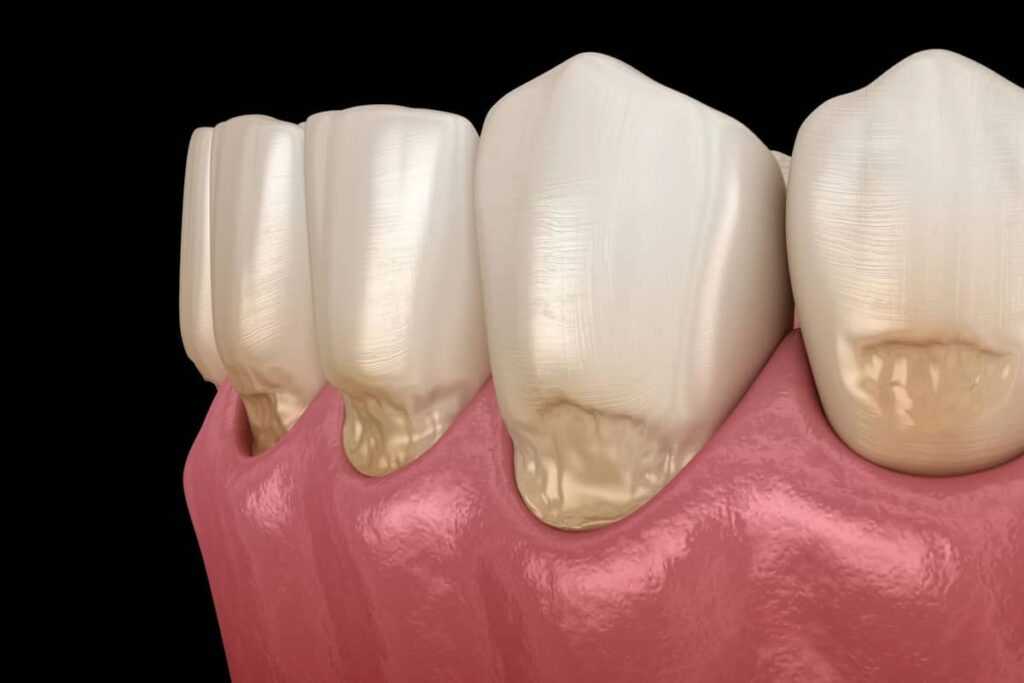


Ideally, the best time to start wearing a dental trainer is between the ages of 5 and 12, when the jaw is actively growing and most responsive to gentle correction.

Guidance on Choosing and Fitting a Dental Trainer

When it comes to choosing a bite correction trainer, the key is not simply to pick up any appliance off the shelf, but to find the one that’s right for your child specifically. The best approach is always to do this together with an orthodontist — they will take into account the child’s age, the degree of the problem, and the current state of the jaw before making a recommendation.

A properly selected trainer will be comfortable to wear and will do its job effectively. It’s a removable appliance that the child can put in and take out on their own. The most important thing is to explain how to use it correctly: wear it for the number of hours the orthodontist prescribes, and remove it for meals and tooth brushing.

Regular orthodontist appointments are essential throughout the treatment period, so the doctor can monitor progress, make any necessary adjustments, and provide ongoing guidance.

And remember — success depends largely on the child’s consistency. Support and encourage them, explain clearly why the trainer matters, and help them understand the goal. That kind of involvement goes a long way toward making it easy to stick to the routine and get the results you’re looking for.

We work with all insurance companies

On this page Contents of the page

icon

Dental services