40031
Services Doctors
Clinics

пр.Лобановського, 130, Київ, Україна

Temporarily closed

Opening soon

стоматологія на лобановського

78A, Irpinska St., Kyiv, Ukraine

Temporarily closed

Opening soon

IMGP4938

32A, Heroiv Dnipra St., Kyiv, Ukraine

Temporarily closed

Opening soon

2024-10-23 11.56.42

9B, Yevhena Chykalenko St. (Pushkinska), Kyiv, Ukraine

Temporarily closed

Opening soon

IMGP5161
Prices Blog Contacts
Back Dentistry

Clinics "MED-DEO"

пр.Лобановського, 130, Київ, Україна

Temporarily closed

Opening soon

стоматологія на лобановського

78A, Irpinska St., Kyiv, Ukraine

Temporarily closed

Opening soon

IMGP4938

32A, Heroiv Dnipra St., Kyiv, Ukraine

Temporarily closed

Opening soon

2024-10-23 11.56.42

9B, Yevhena Chykalenko St. (Pushkinska), Kyiv, Ukraine

Temporarily closed

Opening soon

IMGP5161

Services

Dentistry

Service statistics

icon

More and more clients choose «MED-DEO»

124

Number of services provided

124

Number of patients who received the service

Initial doctor consultation

The cost of a consultation: 1000 UAH.

Appointment by phone:

(044) 394 90 94

Salivary gland adenoma is a benign tumor that develops in the salivary glands or ducts.

Refusal to treat salivary gland adenoma, or untimely initiation, can trigger transformation into a malignant tumor (cancer), although they are quite rare, accounting for about 6% of head and neck cancer cases.

Salivary gland adenoma treatment in Kyiv price 2026

Service name

Price, UAH.

Removal of the sublingual salivary gland

9500

Sign up

Total/subtotal glandulectomy (removal of the major salivary gland)

62000

Sign up

Initial consultation with a maxillofacial surgeon with a PhD in medical sciences

1200

Sign up

Repeated consultation of a maxillofacial surgeon, candidate of medical sciences

800

Sign up

Initial consultation with an oral and maxillofacial surgeon

800

Sign up

Repeated consultation with an maxillofacial surgeon

600

Sign up

Treatment under sedation

from 5800

Sign up

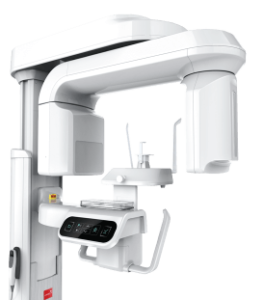
CT scan of the upper and lower jaw

1200

Sign up
Popular questions:

What is a salivary gland adenoma?

Salivary gland adenoma is a benign tumor that develops in the tissue of the salivary gland.

What types of salivary gland adenomas are there?

There are several types of salivary gland adenomas. The most common is pleomorphic adenoma, which grows slowly and is benign. There is also nodular adenoma, which looks like a dense lump in the gland tissue.

What treatments are used for salivary gland adenoma?

Treatment for salivary gland adenoma is usually surgical – the tumor is removed along with part of the gland.

What is pleomorphic adenoma and where does it most commonly occur?

Pleomorphic adenoma is a benign tumor of the salivary gland that grows slowly and is usually painless. It most often occurs in the parotid gland, but can also occur in the submandibular or minor salivary glands.

Why is it important to have regular follow-up after treatment for pleomorphic adenoma?

Regular surveillance is needed to detect possible tumor recurrence in time.

Reviews about the treatment of salivary gland adenoma at the Med-Deo clinic

Leave a review
5

Based on reviews

Based on reviews

Юлія

2025-04-07

Довго ігнорувала невеличке ущільнення біля вуха, поки не дізналася, що це аденома слинної залози. Дуже вдячна лікарю за уважну діагностику і дбайливе хірургічне лікування. Усе пройшло швидко, без ускладнень. Рекомендую клініку Мед-део!

Артем

2024-09-29

Мені видаляли аденому слинної залози — чесно, хвилювався дуже, довго шукав лікаря якому б довірила зробити операцію. В Мед_део лікар був справжнім професіоналом, усе пояснив, заспокоїв. Операція пройшла акуратно, все загоїлося, без ускладнень. Велика подяка за уважне ставлення і якісну допомогу! Рекомендую!!!

Salivary gland adenoma: causes and types

Types of salivary gland adenoma

A fairly large number of types are identified based on their structure, shape, composition, color, and stage of development:

  1. Sebaceous — presents in the form of a nodule, is not prone to recurrence, and consists of sebaceous cells. This is a rare type, accounting for about 0.1% of all salivary gland neoplasms.
  2. Pleomorphic — the most common salivary gland adenoma, also known as a benign mixed tumor due to its dual origin from epithelial and myoepithelial elements.
  3. Canalicular — can manifest in the ductal tissue of minor salivary glands throughout the oral cavity and, less frequently, in the parotid gland.
  4. Adenolymphoma (Warthin’s tumor) — a glandular tumor consisting of a bilayer of eosinophilic epithelial cells with a lymphoid stroma.
  1. Monomorphic — characterized by uniform cellularity, lacks myxoid or chondroid features, and has a tendency toward multifocal origin.
  2. Oncocytoma — consists of mitochondrion-rich epithelial cells known as oncocytes.
  3. Basal cell — most commonly found in the parotid gland, typically appearing as a solid, mobile, and slowly growing mass.

Currently, numerous genetic studies are being conducted to identify the exact causes of salivary gland adenoma development. So far, it is only known that this disease can be triggered by a multitude of factors, either individually or in combination with one another. The most probable causes include viruses, carcinogens, pathogenic microorganisms, and toxic substances. While oral hygiene certainly matters, external factors, lifestyle, and harmful habits play a much more significant role in the development of an adenoma.

How is the treatment done?

Treatment of salivary gland adenoma occurs after an examination, studying the patient’s complaints, and diagnostics using contrast radiography, echography (ultrasound), tomography, as well as cytological and histological examination. Diagnostic methods can be combined or applied together, depending on the specific case. Mostly, the removal of a salivary gland adenoma is preferred as it minimizes the risk of recurrence. The operation is performed either by enucleation (the tumor is removed within its capsule) or by gland excision (removal along with the gland or a part of it). Indications for removal: Salivary gland adenoma removal is indicated when the tumor grows into the gland tissues or when non-radical treatment proves ineffective, which increases the risk of recurrence.

Features of salivary gland adenoma removal at “Med-Deo”

Treatment of salivary gland adenoma is carried out by Med-Deo maxillofacial surgeons. The method is determined by the doctor, but in most cases, an operation to remove the salivary gland adenoma under anesthesia is required, lasting about 15–20 minutes. After the surgery, you will receive recommendations for recovery. The rehabilitation period takes no more than 2 weeks and is easy for the patient. Schedule an appointment at the Med-Deo dental clinic using the numbers listed on the website for effective treatment of salivary gland adenoma. Timely consultation with a doctor will protect you from the development of a malignant tumor.

Author of the material David Keyan — oral and Maxillofacial Surgeon of the highest category, Candidate of Medical Sciences (PhD). He has been practicing since 2007 (over 19 years of experience, including 10 years in the maxillofacial department). He specializes in surgical dentistry, dental implantation, bone grafting, reconstructive surgeries of the maxillofacial region, and plastic surgery. He is the author of more than 40 scientific papers, holds 4 patents for treatment methods, and has international clinical experience.

Need
Diagnostics?

Call to book an appointmen:

(044) 394-90-94

Sign up
icon icon


imgp4956 1024×683

Still have questions?

Make an appointment with a doctor!icon

Make an appointment Make an appointment
Recommended articles:
We work with all insurance companies

On this page Contents of the page

icon

Dental services