Everyone develops dental plaque, but sometimes it becomes thick and dark. Black stain is particularly troublesome—a distinctive dark deposit often seen in children and mistaken for poor hygiene. In reality, it forms even when teeth are brushed thoroughly, and removing it at home is nearly impossible.
What is Dental Plaque and How Does It Form?
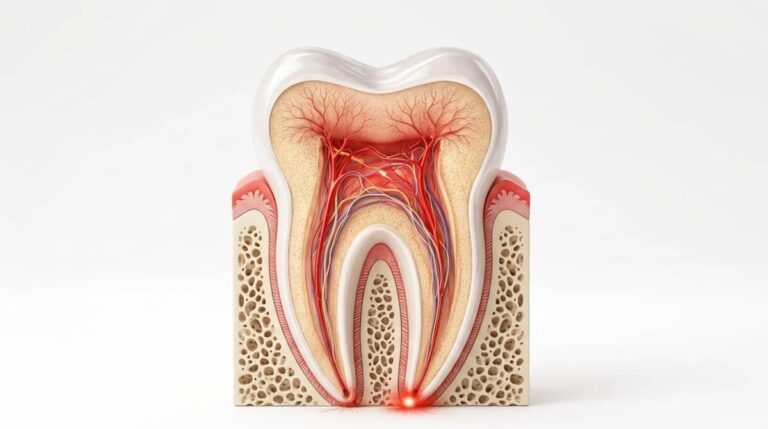
Dental plaque is a thin, soft film that appears on teeth within just a few hours after brushing. It consists of bacteria, food particles, and compounds from saliva. Essentially, it’s a living biofilm that continuously grows and regenerates.
Initially, plaque is soft and easily removed with a toothbrush. However, if not cleaned regularly, it hardens, combines with minerals from saliva, and transforms into tartar. Tartar can’t be removed at home—only by a dentist.
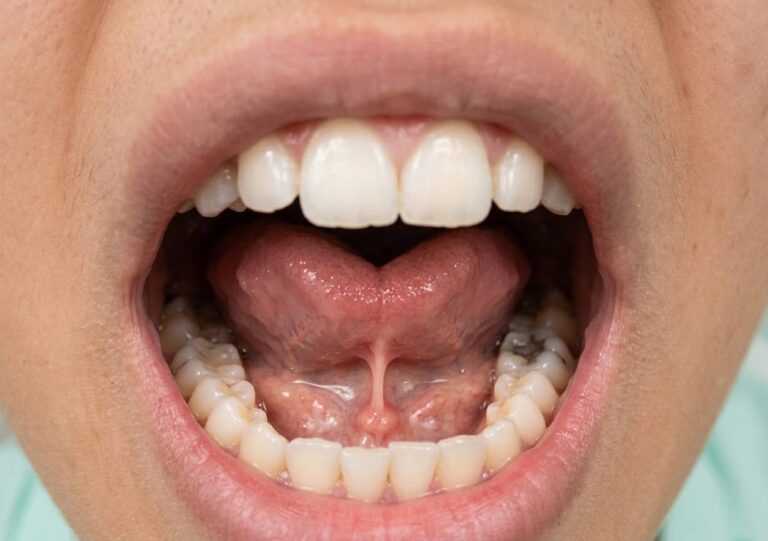
Plaque accumulates fastest in hard-to-reach areas: along the gum line, between teeth, on the inner surfaces of lower incisors, and near salivary gland ducts. These zones require the most thorough care.
Causes of Dental Plaque Formation
Plaque develops due to a combination of habits, diet, and individual characteristics. To understand why it forms more quickly or becomes denser, it’s helpful to categorize the factors into several groups:
Hygiene-related causes. Rushing while brushing, skipping evening oral care, worn or overly soft brushes, unsuitable toothpaste, lack of floss or interdental brushes—all of this allows plaque to remain on teeth and accumulate rapidly.
Dietary factors. Sweets, flour-based foods, carbonated drinks, coffee, and tea create optimal conditions for bacterial growth. Sticky foods cling to enamel longer, while dark beverages stain plaque and make it more noticeable.
Bad habits. Smoking accelerates plaque formation and gives it a dark color due to tar and nicotine.
Medical causes. Changes in metabolism or hormonal balance, as well as certain medication, affect saliva composition and quantity. Plaque is also common with gastrointestinal diseases. When there’s less saliva or it’s thicker, plaque forms faster.
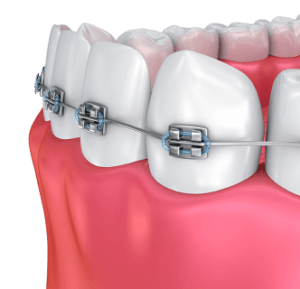
Anatomical features. Crowded teeth, malocclusion, narrow gaps between teeth, or the habit of chewing on one side create areas the toothbrush can’t reach.
Age-related changes. With age, saliva becomes thicker and gums may recede slightly, causing plaque to accumulate faster.
When all these factors and causes of dental plaque overlap, plaque doesn’t just accumulate—it becomes denser, darker, and quickly turns into tartar.
Types of Plaque by Color and Their Significance
The color of dental plaque can tell you a lot about hygiene, diet, and overall oral health. Different shades form due to specific bacteria, eating habits, or bodily changes, so it’s worth knowing what each type indicates.
Main types of plaque by color:
White or yellow. Common soft plaque that forms quickly and is easily removed with proper hygiene. If ignored, it transforms into tartar.
Brown. Typical for coffee, tea, and smoking enthusiasts. Indicates external staining or insufficient cleaning.
Black (chromogenic staining). More common in children. Associated with specific bacteria. Not harmful, but difficult to remove at home.
Green. Forms due to chromogenic bacteria or changes in microflora. More common with weakened immunity.
Gray or dark gray. May indicate dry mouth or the effects of certain medication.
What Plaque Color Means
Light shades represent normal biofilm accumulation. Darker or unusual colors are most often related to dietary habits, bacteria, or changes in saliva composition. Plaque color helps identify what’s happening in the oral cavity in time and whether care adjustments are needed.
White and Yellow Plaque
White plaque on teeth is the most common type seen in healthy people. It typically appears in the morning after sleep, even after thorough brushing. It’s a natural biofilm of bacteria, food particles, and saliva, easily removed with a toothbrush and toothpaste.
Yellow plaque on teeth develops when dental hygiene is insufficient or teeth frequently contact stains from coffee, tea, or tobacco. It signals that soft plaque is hardening and may begin mineralizing into tartar. Coffee staining on teeth occurs due to pigments that settle on enamel surfaces and penetrate microcracks.
Yellow plaque on a child’s teeth appears with irregular brushing or frequent sweet consumption. Such plaque should be monitored to prevent early tartar formation and cavities.
To prevent white and yellow plaque accumulation, dentists recommend brushing teeth twice daily, using dental floss and mouthwash. Regular preventive dental checkups help maintain clean, healthy teeth.
Black Plaque
Black plaque on teeth can have several causes. In children, it’s often associated with chromogenic bacterial staining, which forms due to specific bacteria and doesn’t always indicate hygiene problems. In adults, dark plaque on teeth may appear due to fungal infections or excessive mineralization of the water they use.
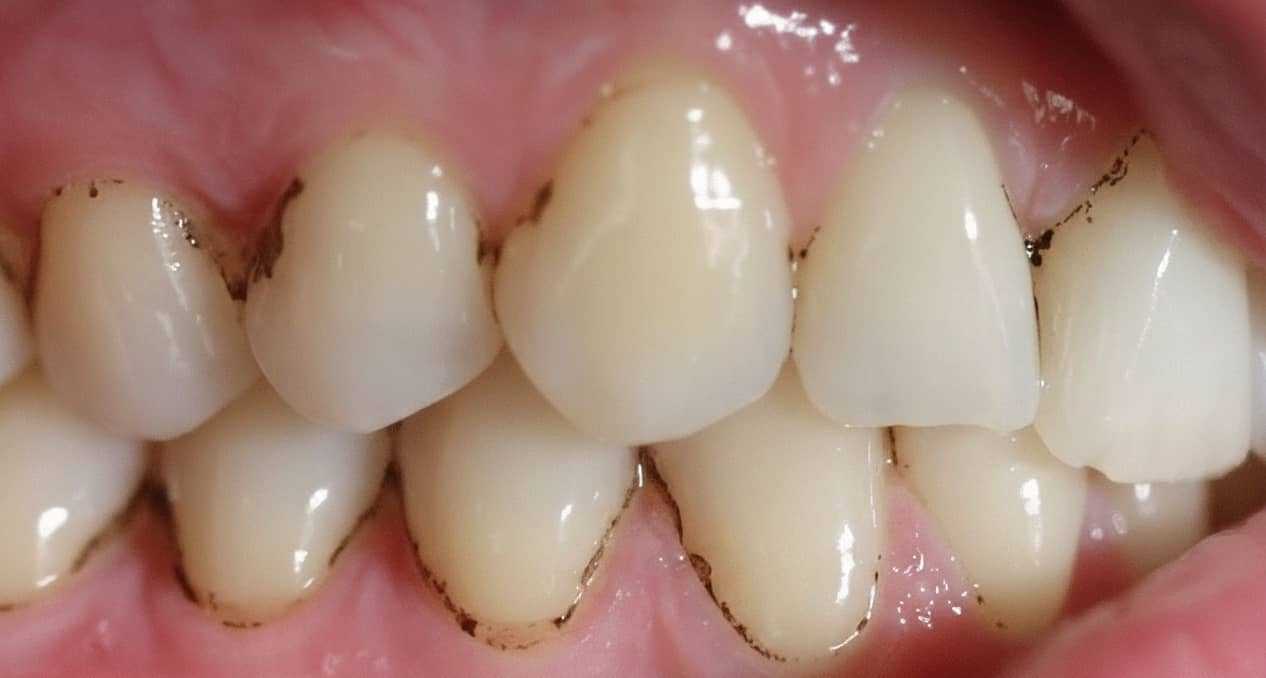
Black plaque most often accumulates near the gums and on inner tooth surfaces, where the brush has difficulty reaching and saliva and bacteria create a favorable environment. To get rid of such plaque, professional dental cleaning is typically required, as home methods are rarely effective.
Regular prevention and thorough tooth brushing help reduce the risk of black plaque appearing and maintain oral health.
Black Stain in Adults and Children
Dark plaque on adults’ teeth appears rarely but noticeably. Most often, it’s caused by smoking, coffee, tea, or red wine—pigments and tar settle firmly on enamel. Saliva characteristics, oral microflora, or excess minerals in water can also play a role. Cigarette staining on teeth is particularly stubborn—it adheres tightly to surfaces and returns quickly even after cleaning.
Though black stain doesn’t directly harm health, it creates an environment for dental plaque formation and increases cavity risk. Professional cleaning and regular hygiene help keep teeth clean.
Black Stain in Children
Black stain in children appears as black or brown spots on baby teeth that barely come off with toothpaste. Children typically don’t complain of pain and show no inflammation.
Main causes of black stain in children:
Immune system disorders or digestive problems
Taking medication, supplementation with trace elements (copper, iron), or antibiotics
Drinking water with high iron content
New foods in the diet or acclimatization
Bite pathologies
Insufficient dental care
The staining often disappears after permanent teeth erupt. Daily tooth brushing and regular dental checkups help prevent plaque accumulation and maintain oral health.approach to diet and lifestyle helps significantly reduce the risk of developing dental problems.
Dental Plaque and Gum Disease: Is There a Connection?
Dental plaque is the first trigger for inflammatory processes in the gums. It consists of bacteria that form a dense biofilm on tooth surfaces. When this film accumulates along the gum line, microorganisms begin releasing toxins. These are what cause irritation, bleeding, and gum swelling—characteristic signs of gingivitis.
If plaque isn’t removed daily, it quickly hardens and transforms into tartar. Tartar presses on the gums, deepens inflammation, and creates conditions for infection to penetrate deeper into tissues. This is how periodontal pockets form, where bacteria multiply even more actively.
Over time, infection spreads to the tooth’s ligament apparatus, destroys bone, and can lead to tooth mobility or even loss—this is already periodontitis.
That’s exactly why plaque control, regular brushing, dental floss, and professional hygiene are key to preventing gum disease and preserving gum health.
When to See a Dentist
Regular home hygiene is important, but there are situations when professional help is essential. If you notice plaque accumulating faster, changing color, or not cleaning well, this may signal the onset of inflammatory processes in the oral cavity.
You should seek dental care immediately if the following symptoms are present:
Plaque that won’t remove even after thorough brushing
Constant or periodic gum bleeding
Bad breath that doesn’t disappear after hygiene
Pain, discomfort, or sensitivity while chewing
Individual tooth mobility
Rapid return of plaque or tartar after professional cleaning
Ignoring these signs can lead to serious complications: cavities, gingivitis, periodontitis, and even tooth loss.
The sooner you seek consultation and treatment, the easier it is to halt disease progression and preserve tooth and gum health.
Professional Plaque Removal Methods
How to remove plaque on teeth? If plaque no longer comes off with a toothbrush, professional cleaning is needed. Dentistry uses several effective methods:
Ultrasonic cleaning — painlessly destroys hard deposits
AirFlow — removes soft plaque and pigmentation
Enamel polishing — smooths surfaces so plaque accumulates more slowly
These procedures are needed when plaque returns too quickly, teeth feel rough, or bad breath appears.
Dentists typically recommend getting professional cleaning every 6–12 months, depending on individual characteristics, plaque formation speed, gum condition, and your dietary habits.
Preventing Dental Plaque Formation
To prevent plaque from accumulating too quickly, it’s important to maintain daily and systematic hygiene. Effective prevention is based on simple but regular measures:
Brush teeth twice daily using proper technique with a medium-bristle brush
Use dental floss or interdental brushes to clean gaps the brush can’t reach
Mouthwashes help reduce bacterial activity and freshen breath
A diet with less sugar and sticky foods slows soft plaque formation
Adequate hydration maintains normal salivation, which naturally cleanses teeth
A systematic approach and regular hygiene significantly reduce the speed of bacterial film formation and preserve gum and enamel health.
Black stain in children can appear suddenly or develop slowly, depending on the factors causing it and the child’s individual characteristics. The following causes contribute to this process:
Immune system dysfunction
Gastrointestinal tract diseases
Taking medication that enhances gastric juice secretion
Supplementation with certain trace elements (copper, iron)
Taking antibiotics
Drinking water regularly with high iron content
Acclimatization
Consuming new foods for the child. This is the digestive system’s response, and the process is individual
Bite pathologies
Insufficient oral care
How to Remove Black Dental Staining
As seen from the above, black dental staining isn’t always a sign of some pathology in the body. Often it can be a manifestation of a temporary condition in a child, but it can still serve as a signal to consult not only a dentist but also a pediatrician or gastroenterologist.
To remove the staining, the doctor will need to perform professional oral hygiene using a special brush and toothpaste. Then cover the teeth with protective varnish, and if the process is advanced and deposits have already firmly set, they’ll need to be removed with ultrasound.
Prevention Methods
To minimize black stain appearance, it’s necessary to strengthen the child’s immunity, monitor gastrointestinal tract function, and brush teeth regularly. Also, conduct preventive oral examinations, and since this is a painless procedure, such occasions can be used to introduce the child to the dentist to avoid developing fear of treatment in the future.
Author: Ekaterina Sazhnieva, DDS
Medical Director, Med-Deo Clinic
Specialist in Pediatric Dentistry
Popular Questions:
Why does plaque appear quickly on teeth?
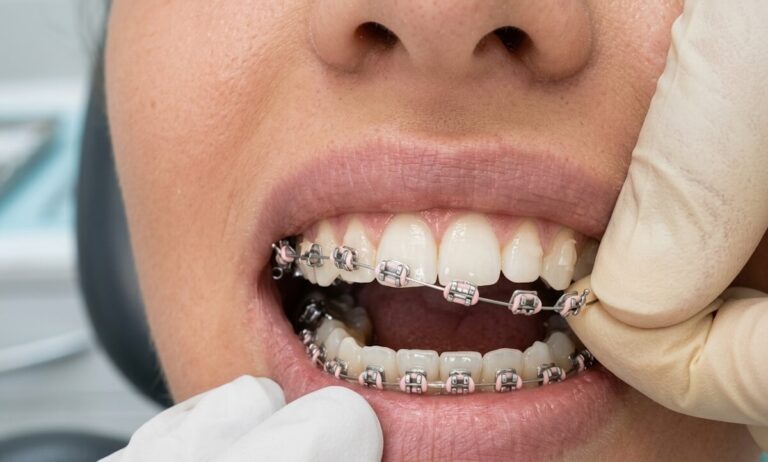
Plaque accumulates faster with thick saliva, excess sweets, soft foods, irregular hygiene, smoking, or if you have braces and uneven teeth.
What is black stain?
Black stain consists of dark spots (from yellow to black) that appear on baby teeth due to active bacterial reproduction in the oral cavity. It’s more common in children under three years old but can occur in older children too.
Why does black stain occur?
The cause is the presence of certain types of bacteria capable of forming pigmented deposits. Unlike regular plaque, it looks darker and sometimes shiny, resembling mother-of-pearl.
What tests should be done for black stain?
The pediatrician will order a stool analysis for dysbiosis and parasites, blood sugar and trace element checks, and recommend consultations with an immunologist and gastroenterologist. If necessary, they’ll prescribe dental X-rays or laser diagnostics.
How to distinguish plaque from cavities?
Plaque is light or yellowish and easily removed with a brush. Cavities are dark or rough spots that don’t disappear after brushing. When in doubt, a dental examination is necessary.
How to remove plaque on teeth?
Soft plaque is removed by daily brushing, floss, and mouthwash. Hard plaque and tartar can only be removed by professional cleaning—ultrasound, AirFlow, and polishing.
 (044) 394 90 94
  Holosiivska/Demiivska metro station



























Your email will not be published on the site.