36425
Services Doctors
Clinics

пр.Лобановського, 130, Київ, Україна

Temporarily closed

Opening soon

стоматологія на лобановського

78A, Irpinska St., Kyiv, Ukraine

Temporarily closed

Opening soon

IMGP4938

32A, Heroiv Dnipra St., Kyiv, Ukraine

Temporarily closed

Opening soon

2024-10-23 11.56.42

9B, Yevhena Chykalenko St. (Pushkinska), Kyiv, Ukraine

Temporarily closed

Opening soon

IMGP5161
Prices Blog Contacts
Back Dentistry

Clinics "MED-DEO"

пр.Лобановського, 130, Київ, Україна

Temporarily closed

Opening soon

стоматологія на лобановського

78A, Irpinska St., Kyiv, Ukraine

Temporarily closed

Opening soon

IMGP4938

32A, Heroiv Dnipra St., Kyiv, Ukraine

Temporarily closed

Opening soon

2024-10-23 11.56.42

9B, Yevhena Chykalenko St. (Pushkinska), Kyiv, Ukraine

Temporarily closed

Opening soon

IMGP5161

Services

Dentistry

Service statistics

icon

More and more clients choose «MED-DEO»

15420

Number of services provided

14940

Number of patients who received the service

Initial doctor consultation for free* * subject to treatment in the clinic

Appointment by phone:

(044) 394 90 94

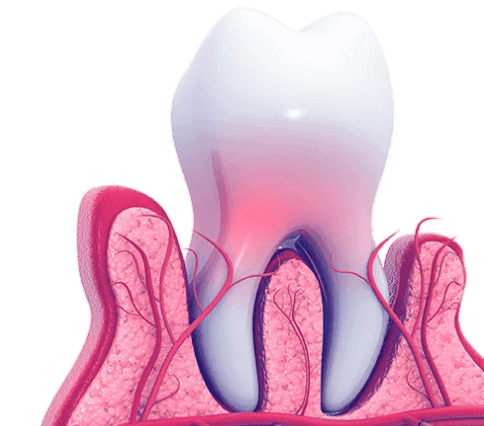
Pulpitis in children is an inflammation of the pulp of a tooth, that is, its "heart" where the nerves and blood vessels live.

Simply put, this is when a tooth hurts badly from the inside, especially at night or while eating. This problem is very relevant for pediatric dentistry, because baby teeth play an important role: they hold space for permanent teeth, help with proper chewing, and affect the development of the jaw. Many people believe that baby teeth do not need to be treated because they “fall out anyway.” This is a myth. Even temporary teeth need to be treated: their loss or complications can cause problems with bite, speech, and the health of permanent teeth.

The cost of pulpitis treatment in children

The cost of pulpitis treatment in children depends on several factors and can vary significantly between clinics.

Factors affecting the cost:

  • Treatment method — biological, devital, or pulp extirpation;
  • Number of root canals — more canals require more time and materials;
  • Tooth type — primary (milk) or permanent, molar or anterior;
  • Complexity of the treatment and presence of complications.

Estimated price range:

  • Pulpitis treatment of primary teeth: from 1,200 to 3,000 UAH;
  • Treatment of permanent teeth with one canal: from 2,500 to 4,500 UAH;
  • Treatment of multi-canal teeth or complex procedures: from 4,500 UAH and up.

What is included in the treatment cost:

  • Examination and diagnostics (X-ray, thermal tests);
  • Anesthesia and topical preparation;
  • Treatment procedures: preparation, pulp and canal processing;
  • Tooth filling with modern materials;
  • Follow-up examination after treatment.

This allows parents to plan their budget and understand in advance what the treatment cost includes and what additional services might be needed.

Service name

Price, UAH.

Consultation with a pediatric dentist

390

Sign up

Psychological adaptation of a child to a visit to the dentist

400

Sign up

Drawing up a treatment plan for the child

2000

Sign up

Oral hygiene training

300

Sign up

Removal of baby teeth

from 500

Sign up

Sealing fissures of one tooth

600

Sign up

Invasive fissure sealing of one tooth

700

Sign up

Teeth cleaning one jaw (Priestly plaque)

700

Sign up

Fluoridation of one tooth

200

Sign up

Restoring a temporary tooth with an artificial crown

2000

Sign up

Treatment of superficial caries (shifting bite) without taking into account anesthesia and rubber dam

1600

Sign up

Aesthetic restoration of a temporary tooth

1900

Sign up

Children's orthodontist in Kyiv

Popular questions on the topic:

What does pulpitis look like in the picture?

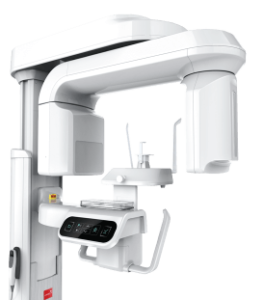
On an X-ray, pulpitis is usually visible as a darkened or altered core of the tooth, signaling inflammation of the pulp.

Is pulpitis treatment painful in children?

Modern anesthesia methods make the treatment almost painless.

What is better: to treat or remove a baby tooth with pulpitis?

It is always best to treat baby teeth if possible. Removing a tooth can disrupt the bite and affect the development of permanent teeth.

What to do if the tooth still hurts after treatment?

Sometimes, mild discomfort or sensitivity may remain after treatment, which is normal for a few days.

Reviews about children's dentistry "Med-Deo"

Leave a review
5

Based on reviews

Based on reviews

Юлія

2026-07-19

Сину лікували пульпіт молочного зуба. Дуже переживали, але лікар виявився справжнім професіоналом і швидко знайшов спільну мову з дитиною. Усе пройшло спокійно, без сліз і страху. Щиро дякуємо всій команді клініки.

Анастасія

2026-06-17

Доньці лікували пульпіт, і я дуже переживала перед візитом. Лікар виявився надзвичайно терплячим і уважним до дитини. Лікування пройшло без страху та сліз. Дякуємо за професіоналізм і доброзичливе ставлення.

Марина

2026-05-15

Лікували пульпіт у сина, дуже переживала перед прийомом. Лікар був терплячий і уважний, постійно заспокоював дитину. Усе пройшло без сліз. Дуже вдячна за такий підхід.

Тетяна

2026-04-30

Дуже дякую за дікування складного зуба. До маленьких пацієнтів все є. Реокмендую

Ірина

2026-03-16

Лікували пульпіт у дитини. Лікар дуже терплячий і уважний. Все пройшло без сліз. Зараз зуб не турбує.

Соломія

2026-02-21

Дякую за терпіння і турботу. Лікар постійно пояснював, що робить, щоб дитина не хвилювалась.

Тетяна

2025-12-24

Після лікування зуб не турбує, дитина спокійно їсть. Хороший досвід, хоча ситуація була непроста.

Ольга

2025-10-05

Лікували пульпіт у сина, боялась що буде боляче. Все зробили під анестезією, дитина перенесла добре.

Show more Hide

What is pulpitis in children and why does it occur?

скільки не їсти після пломбиPulpitis in children is an inflammation of the dental pulp—the internal part of the tooth containing nerves and blood vessels. Children’s teeth are more sensitive to such issues than those of adults. Primary (milk) teeth have thinner enamel and dentin, while the pulp chamber is relatively larger. Because of this, infection reaches the nerves quickly, and pulpitis develops much faster. Most often, pulpitis in children occurs due to:

  • deep caries that was not treated in time;
  • tooth trauma — a blow, fall, or chip;
  • errors during previous treatment where the infection was not fully eliminated.

According to statistics, pulpitis occurs in 20–40% of school-aged children. It is a fairly common problem, and without treatment, it can lead to complications and premature tooth loss.

Symptoms of Pulpitis: How to Recognize the Problem

The main symptoms of pulpitis in children include:

  • Constant or throbbing tooth pain that worsens at night;
  • Pain while chewing or when in contact with cold or hot food;
  • Increased tooth sensitivity;
  • Swelling or redness of the gums near the affected tooth.

Children can rarely explain exactly where it hurts, so it is the parents’ responsibility to notice the first warning signs.

When to Seek Immediate Medical Attention

There are several signs that require an urgent visit to the dentist or even an emergency clinic:

  • A high fever has developed (above 38°C / 100.4°F);
  • There is noticeable swelling of the face or cheek that is rapidly increasing;
  • The child finds it painful to open their mouth or swallow;
  • The swelling is spreading to the neck or face;
  • The pain is so severe that it is not relieved even after taking painkillers.

If the pain is moderate, the child can eat and sleep, and there is no swelling, you can schedule a dental appointment for the next available day. However, you must not wait a week or hope it “goes away on its own”: the infection can turn into a purulent inflammation (abscess) or affect the buds of permanent teeth.

Can pain be relieved at home before visiting the dentist?

There are several safe ways to temporarily reduce pain before a dental visit, but they do not replace professional treatment. What can be done at home:

  • Give the child age-appropriate pain relief — paracetamol or ibuprofen (in syrup form);
  • Avoid hot food and drinks, as they can worsen the pain;
  • Gently rinse the mouth with warm water to remove food debris.

What strictly should NOT be done:

  • Apply hot compresses to the tooth — this will only accelerate the inflammation;
  • Apply alcohol, vinegar, or “folk remedies” into the tooth cavity;
  • Give antibiotics without a doctor’s prescription.

Remember: all these measures provide only temporary relief. Pulpitis does not go away on its own.

Need a
Diagnostic?

Call to book an appointmen

(044) 394-90-94

Sign up
icon icon
324562503_1379073759164466_51290

Types of Pulpitis in Children

Pulpitis in children can vary in its course and the extent of damage. The treatment method—whether the pulp can be kept alive or must be removed—depends on the specific type diagnosed by the dentist. Based on the nature of its progression, pulpitis is categorized as:

  • Acute pulpitis — develops rapidly and is accompanied by sharp pain that may radiate to the ear, temple, or neck. Treatment must begin immediately.
  • Chronic pulpitis — the result of an untreated acute process. The pain becomes less pronounced or disappears, but the inflammation persists inside the tooth. Common signs include enamel darkening, bad breath, or a fistula (gum boil) on the gums.

Based on the extent of pulp damage, it can be:

  • Partial (focal) inflammation — only a portion of the pulp is affected. In such cases, the dentist may perform biological treatment to keep the nerve alive.
  • Total (diffuse) inflammation — the infection spreads throughout the entire pulp, requiring partial or complete removal followed by root canal filling.

Properly identifying the type of pulpitis is crucial, as the treatment method depends on it. For instance, partial inflammation allows for avoiding traumatic intervention, while timely treatment of total inflammation helps save the tooth and prevents the infection from spreading.

Methods for Diagnosing Pulpitis

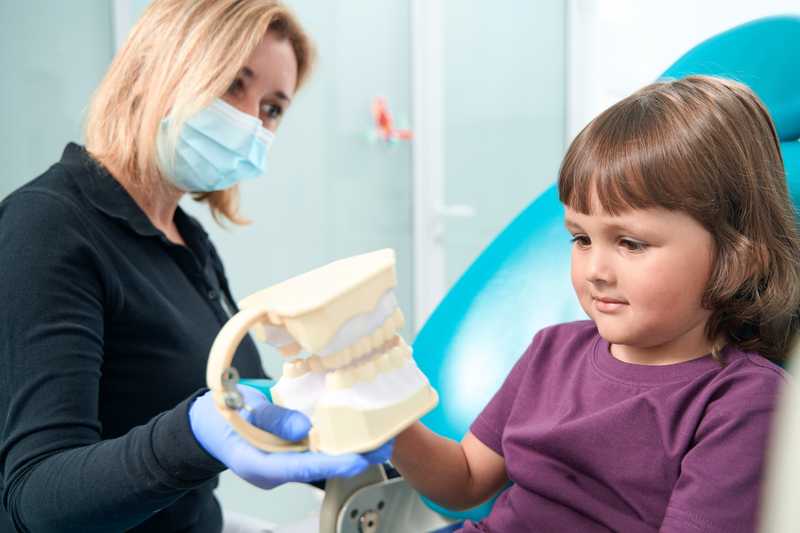
адаптація дітей до стоматологаTo accurately determine the type of pulpitis a child has and how to treat it, a dentist performs a comprehensive diagnosis. This helps assess the condition of the pulp, the depth of the lesion, and the presence of complications.

  1. Dental Examination

During the exam, the doctor checks:

  • The presence and depth of the carious cavity;
  • The child’s reaction to touch or cold;
  • The condition of the gums and oral mucosa;
  • The child’s behavior during the exam (whether there is a pain response).
  1. Radiography (X-ray)

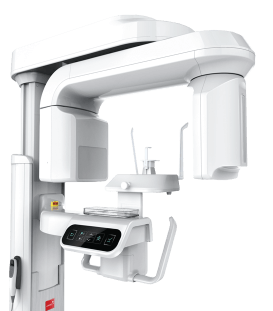
An X-ray is the primary method for confirming a diagnosis of “pulpitis in children.” The image shows:

  • Whether the infection has reached the pulp;
  • If there is inflammation around the tooth roots;
  • The extent of tissue destruction.
  1. Additional Diagnostic Methods

In complex cases, the doctor may use:

  • Thermal testing — checking the tooth’s reaction to cold or heat;
  • Electroodontometry (EOM) — measuring nerve sensitivity using a weak electrical pulse.

Features of Diagnostics in Children

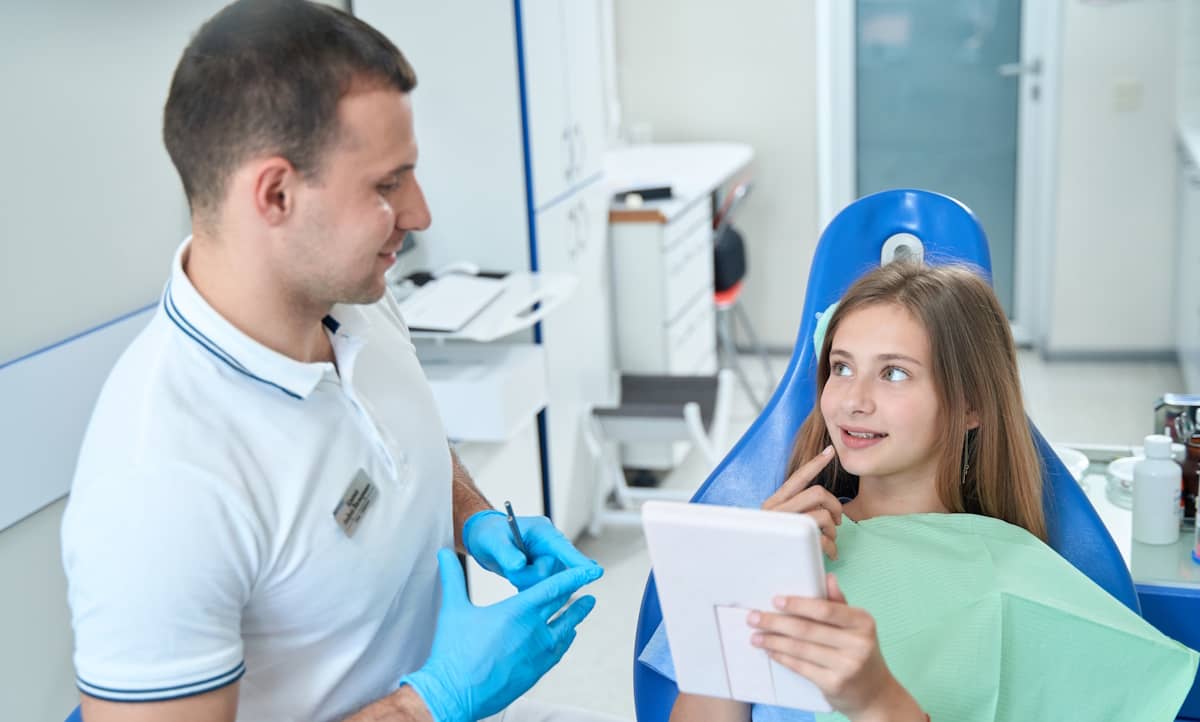
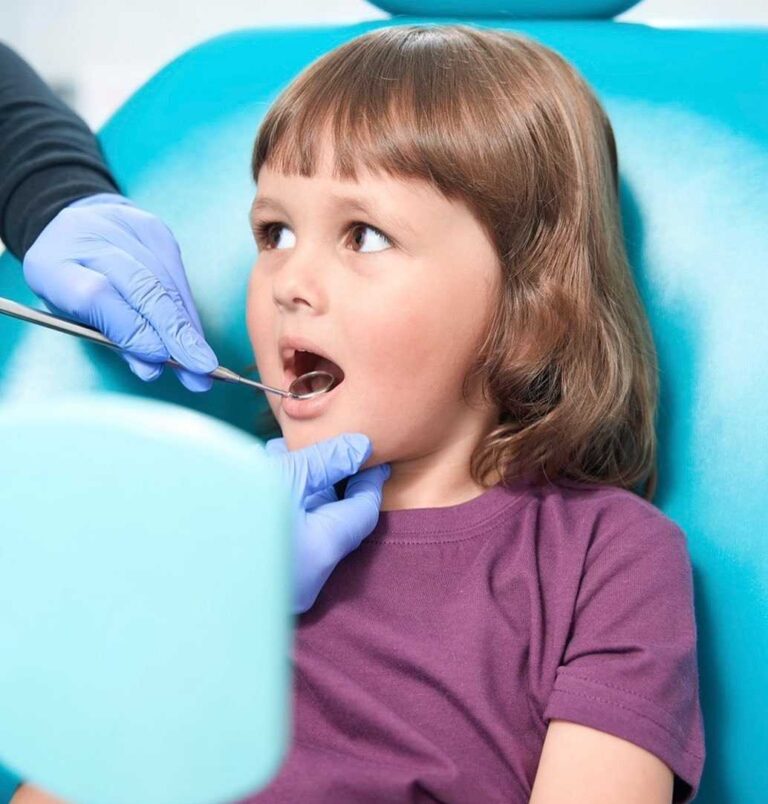
A pediatric dentist always considers the psychological aspect. The examination is conducted in a calm, pain-free atmosphere, with an explanation of every step. This helps reduce fear and build trust in the doctor.

Should pulpitis in primary teeth be treated?

Many parents believe that treating pulpitis in temporary teeth is optional since they will eventually fall out. However, this is a common myth. Pulpitis in a primary tooth must be treated. An infected tooth is a source of bacteria that can enter the bloodstream and spread to adjacent tissues or even the permanent tooth bud growing underneath. In such cases, the future permanent tooth may erupt with spots, deformities, or may not develop fully at all.

Whether to treat or extract a primary tooth with pulpitis is decided by the dentist after an examination and an X-ray. In most cases, doctors try to save the tooth, as even a temporary tooth is crucial for proper jaw development and the child’s speech.

What happens if pulpitis in a primary tooth is left untreated?

Ignoring pulpitis in children can lead to serious consequences. The inflammation does not disappear on its own; on the contrary, the infection gradually penetrates deeper and affects surrounding tissues. What are the risks of not treating pulpitis?

  1. Local complications:
  • Periodontitis — inflammation of the tissues around the tooth root. The child experiences constant pain, and the gums become swollen and red.
  • Abscess (gum boil) — forms when pus accumulates under the gums. This is accompanied by fever, pain, and facial swelling.
  • Phlegmon — the most dangerous complication, where pus spreads to the soft tissues of the face or neck. This condition requires urgent hospitalization.
  1. Damage to the permanent tooth bud:

The infection from a primary tooth can reach the bud of the permanent tooth forming nearby. As a result, the future tooth may erupt with enamel defects, an altered shape, or may not erupt at all.

  1. Systemic consequences:

Long-term inflammation becomes a source of chronic infection, negatively affecting the child’s overall health. It can lead to general weakness, intoxication, frequent colds, and a weakened immune system.

Real-life example: A child with untreated pulpitis complained only of pain during chewing for several weeks. Eventually, an abscess developed, requiring not only the extraction of the primary tooth but also inpatient treatment for the inflammation.

Even if the toothache stops on its own, it doesn’t mean the problem is gone. It may indicate that the nerve has died, while the infection continues to spread. Therefore, treatment of pulpitis in primary teeth is mandatory and should be performed as soon as possible.

Would you like to undergo treatment?

Make an appointment with a doctor!

Sign up
icon icon
photo

Stages of Pulpitis Treatment in Children

Pulpitis treatment in children is performed in stages to save the tooth, eliminate pain, and avoid complications. Understanding each stage helps parents stay prepared and support their child.

  1. First visit: diagnostics and preparationThe doctor examines the teeth, assesses the depth of the lesion, and takes an X-ray if necessary. At this stage, the optimal treatment method is determined.
  2. Treatment procedures:
  • Tooth preparation and removal of affected tissues;
  • Treatment of the pulp or canals with antiseptics;
  • Application of protective liners or tooth filling with modern materials.
  1. Follow-up examination:
  • Checking the condition of the filling;
  • Ensuring the absence of pain and inflammation;
  • Analyzing the proper development of the tooth and bite.

Pulpitis treatment cannot always be completed in a single visit, especially in cases of deep lesions. However, modern methods allow for minimizing discomfort, saving the tooth, and preventing complications. Parents should be prepared for phased treatment, follow-up visits, and providing support to the child during procedures.

Methods of Pulpitis Treatment in Children

Modern pediatric dentistry offers several effective ways to treat pulpitis, allowing the tooth to be saved and complications to be avoided. The choice of a specific method depends on the type of tooth (primary or permanent), the child’s age, the stage of root formation, and the nature of the pulpitis.

All treatment methods can be broadly divided into two groups:

  1. Conservative methods:The goal is to keep the dental pulp alive and functional. These are used for partial or early-stage pulp inflammation when the infection has not yet spread to the entire nerve. These methods are less traumatic and help avoid tooth extraction.
  2. Surgical methods:These are used when the pulp is completely inflamed or the infection has spread to the tooth roots. This includes partial or complete removal of the pulp followed by root canal filling. Surgical treatment allows for quick pain relief and prevents the development of complications such as abscesses or periodontitis.

The correct choice of method is crucial for saving the tooth, avoiding trauma to the permanent tooth bud, and supporting the proper development of the child’s bite.

Biological Method of Pulpitis Treatment

The biological method is a modern way to treat pulpitis that allows the dental pulp to remain vital and preserve its natural functions. The goal of this method is to stop the inflammatory process at an early stage and stimulate the healing of the tooth’s own tissues.

Indications for use:

  • Shallow pulp involvement;
  • Initial stage of inflammation;
  • Primary teeth or permanent teeth in young children with incomplete root formation.

Procedure stages:

  1. Examination and diagnostics (inspection, X-ray);
  2. Removal of carious tissues surrounding the pulp;
  3. Treatment of the pulp with antiseptic and stimulating preparations;
  4. Application of a special protective liner;
  5. Restoration of the tooth with filling material

Materials used:

  • Calcium-containing pastes and cements that stimulate dentin formation;
  • Antiseptic solutions for pulp treatment;
  • Special covering liners to protect the vital pulp.

Advantages of the biological method for children:

  • Preservation of the vital tooth and its natural function;
  • Minimal tissue trauma;
  • Lower risk of future complications;
  • Helps avoid premature extraction of primary teeth and bite alignment issues.

The biological method is the optimal choice when pulpitis is detected at an early stage and the tooth can still be saved.

Devital Method of Pulpitis Treatment

The devital method is a way of treating pulpitis where the affected pulp is devitalized (killed) before subsequent removal and root canal filling. The goal of this method is to eliminate the source of pain and infection while preserving the tooth. When it is used:

  • In cases of deep or widespread pulp inflammation;
  • When it is impossible to keep the pulp vital;
  • In cases of severe pain or complications that threaten the tooth root.

Treatment stages:

  1. Examination and diagnostics, including radiography (X-ray);
  2. Application of a devitalizing paste to the pulp for painless devitalization;
  3. Removal of the dead pulp;
  4. Antiseptic treatment of the root canals;
  5. Filling the tooth with specialized materials.

Application features in children:

  • The procedure is quick and painless;
  • Modern safe devitalizing agents are used, replacing old arsenic pastes;
  • The child experiences less fear and discomfort due to psychological preparation and minimal tissue trauma.

The modern devital method effectively treats deep pulpitis, eliminating pain and inflammation while maximizing tooth function and ensuring safety for the child’s body.

Pulp Amputation (Vital and Devital)

Pulp amputation is a treatment method where only a portion of the pulp is removed, preserving the remaining vital tooth tissues. This approach saves the tooth, reduces pain and inflammation, and maintains its function.

Vital amputation is performed when the pulp is still alive but partially affected by inflammation. The doctor removes only the damaged part, treats the remainder with an antiseptic, and applies a protective liner.

Devital amputation is used when the pulp is dead or significantly affected, but complete removal is not yet required. Before the procedure, a devitalizing paste is applied to painlessly destroy the affected tissues, followed by amputation and canal treatment.

Pulp Extirpation

Pulp extirpation is a treatment method where the pulp is completely removed from both the crown and the root portions of the tooth. This approach is used in cases of severe pulp damage or when the inflammation has become purulent.

Extirpation is an effective method for eliminating severe inflammation, saving the tooth, and preventing the spread of infection to surrounding tissues and permanent tooth buds.

Differences in Treating Primary and Permanent Teeth

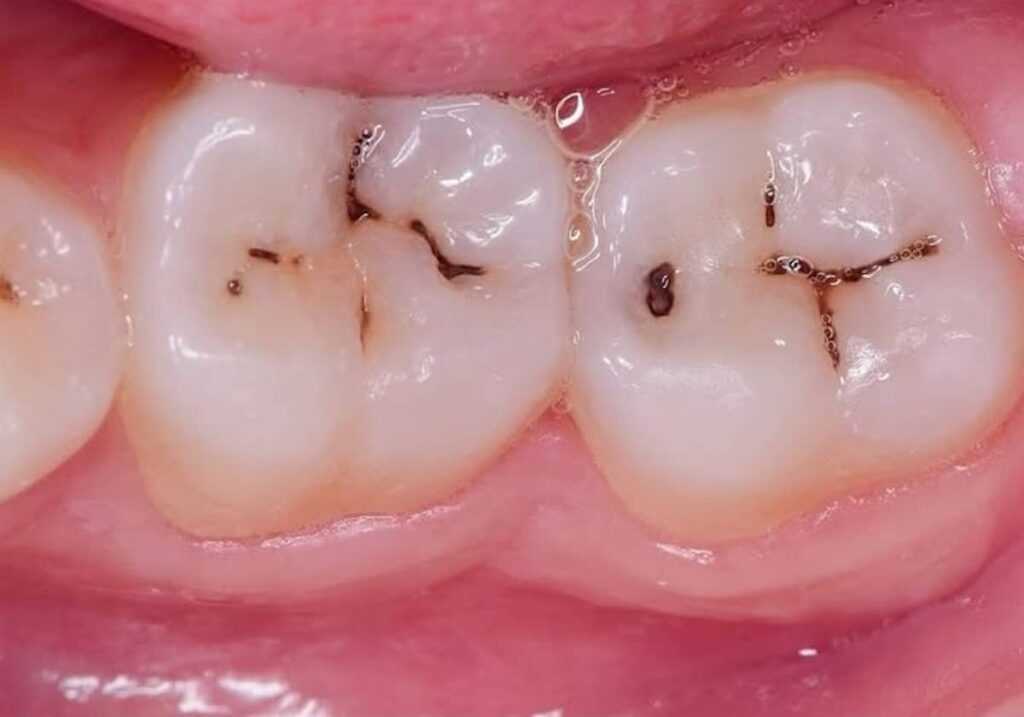
лікування дитячого пульпітуPulpitis treatment in children must account for the anatomical features of the teeth, as primary and permanent teeth differ significantly in structure and growth patterns.
Primary (Milk) Teeth:

  • Thin walls and wide canals — infection reaches the pulp quickly;
  • Roots are still forming or undergoing resorption;
  • Resorbable materials are used, which dissolve safely as the tooth prepares to fall out;
  • Gentle techniques are prioritized.

    Permanent Teeth:

  • Begin to erupt at ages 6–7, with roots taking several years to fully form;
  • For immature roots, it is crucial to maintain pulp vitality;
  • Durable filling materials and more intensive treatment methods are used.

Understanding these differences helps in choosing a safe strategy for treating pulpitis in children’s permanent teeth and ensuring healthy bite development.

Can Pulpitis Be Treated in One Visit?

Yes, in many cases, pulpitis in children can be treated in a single visit if the inflammation is shallow and the doctor uses modern treatment methods.

When it’s possible: Early-stage pulpitis, partial involvement, and absence of complications.

Pros: Less stress for the child, time-saving, and immediate pain relief.

When multiple visits are needed: Deep pulpitis, abscesses, or the necessity for phased root canal processing.

The main point: The doctor determines this individually after an examination.

How many visits are required?

1 visit: Early, simple cases.

2 visits: Phased filling or standard treatment of primary teeth.

3+ visits: Complex pulpitis or complications.

What happens at each stage:

  • 1st visit — diagnostics and primary treatment.
  • 2nd visit — canal filling and tooth restoration.
  • 3rd visit — follow-up (if necessary)

Tip: Ask your dentist for a tentative treatment plan—this will help you manage your time and budget.

Need a
Diagnostic?

Call to book an appointmen

(044) 394-90-94

Sign up
icon icon
324562503_1379073759164466_51290

Pain Relief and Anesthesia in Pediatric Dentistry

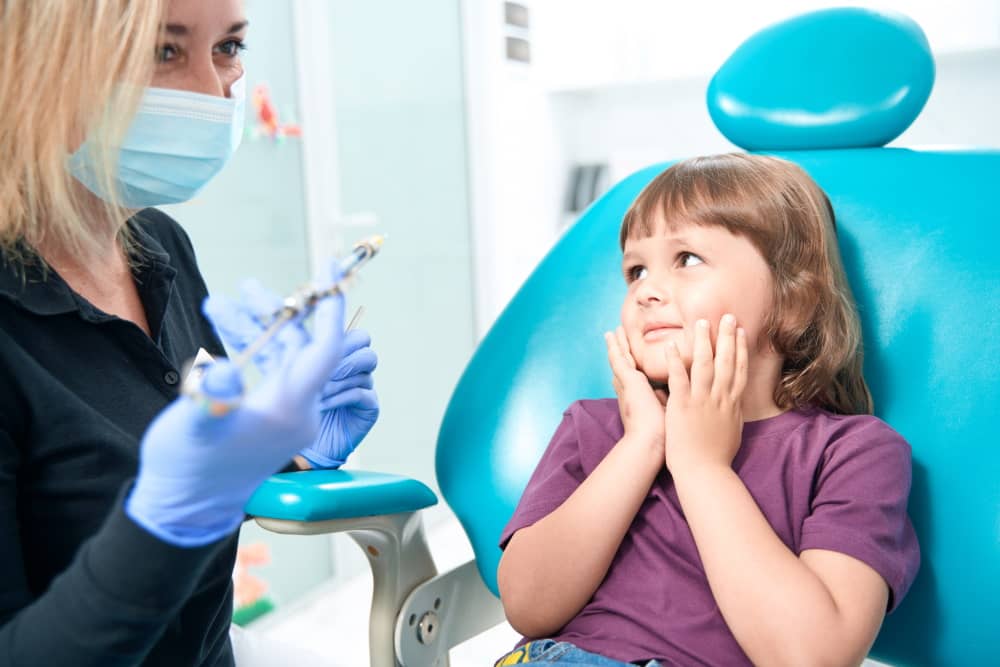
Modern pediatric dentistry offers several pain relief methods to ensure that dental treatment is comfortable and safe for the child. This is especially important for pulpitis, when the tooth is painful and the child is afraid of the procedure.

Local Anesthesia:

The most common method used during treatment. It can be an injection or a topical gel. With the correct dosage, local anesthesia is completely safe for children.

Topical Anesthesia before the Injection:

A gel or spray is applied to the gums so the child barely feels the injection itself—this significantly reduces fear.

Sedation:

Suitable for children who are very anxious. The child is relaxed and calm but remains conscious. The procedure is performed under the supervision of a specialist..

Treatment under General Anesthesia:

Used in complex or lengthy cases, as well as for children with severe dental phobia. Modern anesthesia in pediatric dentistry is safe and performed with constant monitoring.

Pulpitis Prevention in Children

лікування пульпіту молочних зубівPreventing pulpitis is much easier than treating it. The foundation lies in proper hygiene, regular check-ups, and healthy habits.

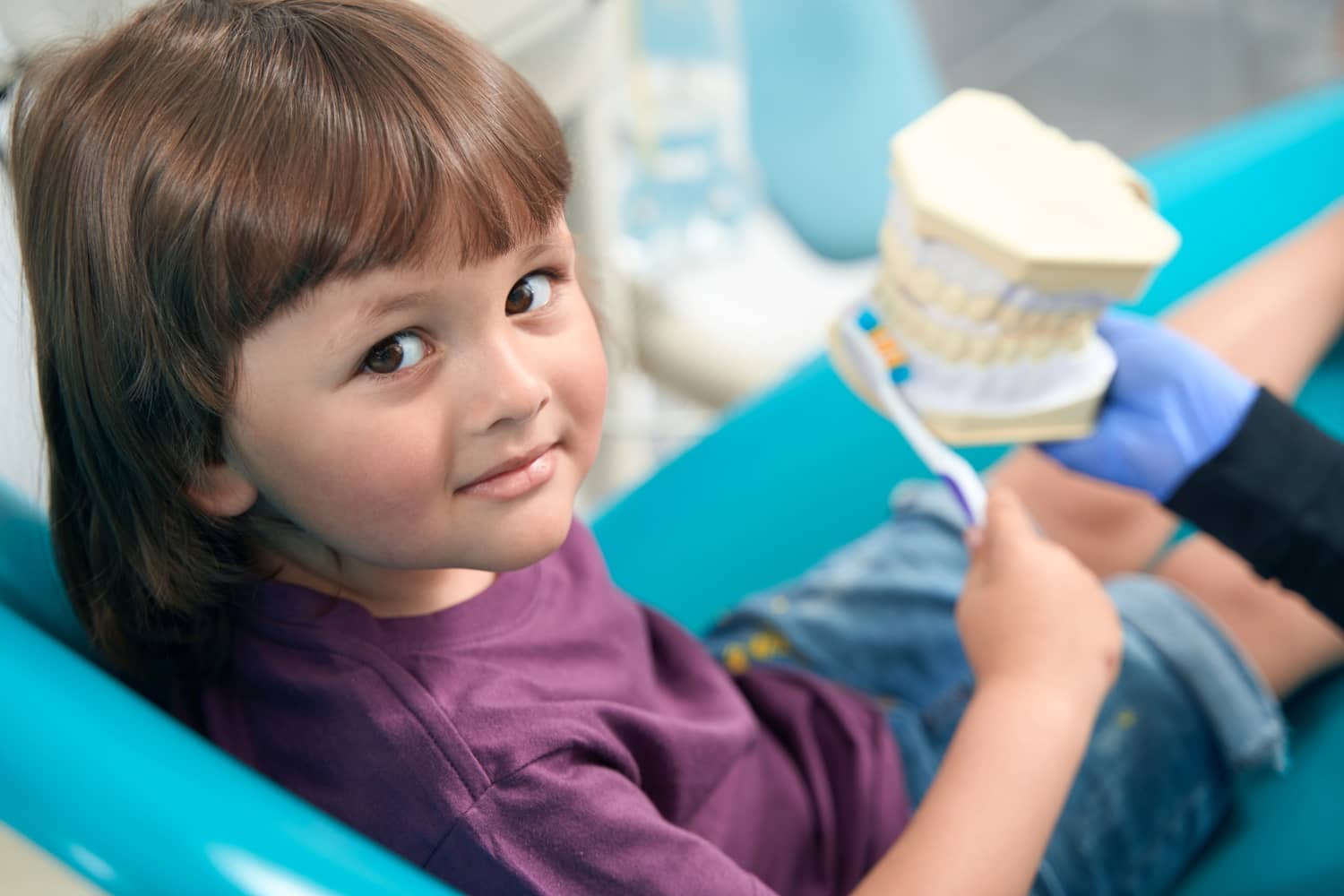
  1. Hygiene from an Early Age
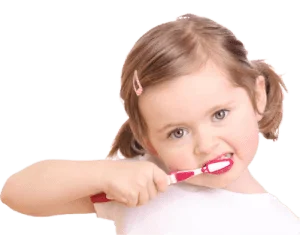
     Brushing should start as soon as the first tooth appears. Use a soft children’s toothbrush, fluoride toothpaste, and brush twice a day.
  2. Check-ups Every 6 Months
    The first visit should be at age 1. Regular check-ups allow the dentist to detect caries early and prevent pulpitis.
  3. Timely Caries Treatment
    In children, caries progresses rapidly, so even small lesions must be treated immediately.
  4. Tooth Protection
    Fissure sealing;
    Enamel fluoridation to strengthen teeth and reduce the risk of cavities.
  5. Healthy Nutrition
    Less sugar, more dairy products, vegetables, fruits, and calcium-rich foods.
  6. Teaching the Child
    Parents should lead by example, supervise brushing, and form healthy habits through play and praise.

Pulpitis prevention consists of simple daily actions that help keep a child’s teeth healthy and avoid pain.

Still have questions?

Make an appointment with a doctor!icon

Make an appointment Make an appointment
We work with all insurance companies

On this page Contents of the page

icon

Dental services