Special offer! Comprehensive professional teeth cleaning for only 1699 UAH.
Special offer! Comprehensive professional teeth cleaning for only 1699 UAH.
Special offer! Comprehensive professional teeth cleaning for only 1699 UAH.
Special offer! Comprehensive professional teeth cleaning for only 1699 UAH.
Special offer! Comprehensive professional teeth cleaning for only 1699 UAH.
Special offer! Comprehensive professional teeth cleaning for only 1699 UAH.
Special offer! Comprehensive professional teeth cleaning for only 1699 UAH.
Special offer! Comprehensive professional teeth cleaning for only 1699 UAH.
Special offer! Comprehensive professional teeth cleaning for only 1699 UAH.
Special offer! Comprehensive professional teeth cleaning for only 1699 UAH.
Sign up
 (044) 394 90 94
(044) 394 90 94  Holosiivska/Demiivska metro station
Sign up
(044) 394 90 94
(044) 394 90 94
Doctors


 Prices
Blog
Contacts
Prices
Blog
Contacts
пр.Лобановського, 130, Київ, Україна
Temporarily closed
Opening soon
78A, Irpinska St., Kyiv, Ukraine
Temporarily closed
Opening soon
32A, Heroiv Dnipra St., Kyiv, Ukraine
Temporarily closed
Opening soon
9B, Yevhena Chykalenko St. (Pushkinska), Kyiv, Ukraine
Temporarily closed
Opening soon
(044) 394 90 94
Back
Dentistry
General Dentistry
Dental surgery
Dental Implants
Maxillofacial Surgery
Dental prosthetics
Cosmetic dentistry

Professional Dental Hygiene

Periodontics
Orthodontic dentistry

Gnathology & TMJ Therapy

Pediatric Dentistry
Dental X-Rays
Back
Orthodontic Center
Orthodontic dentistry
Gnathology & TMJ Therapy
Back
Prosthodontic Center
Dental prosthetics
Back
MED-DEO Center for Maxillofacial Surgery & Facial Plastics
Maxillofacial Surgery
Plastic surgery
Back
Surgical Dental Center
Dental surgery
Dental Implants
Search on the site


Popular requests
Teeth whitening
Treatment of caries
Wisdom tooth extraction
Bracket system
Dental veneers
Tooth restoration
Pediatric dentist
Consultation with a dentist-therapist
Search results by: «».
Unfortunately, no results were found for your search: “Pediatric Endocrinologist”, nothing was found.
You may find these links useful:
Clinics "MED-DEO"
пр.Лобановського, 130, Київ, Україна
Temporarily closed
Opening soon
78A, Irpinska St., Kyiv, Ukraine
Temporarily closed
Opening soon
32A, Heroiv Dnipra St., Kyiv, Ukraine
Temporarily closed
Opening soon
9B, Yevhena Chykalenko St. (Pushkinska), Kyiv, Ukraine
Temporarily closed
Opening soon
Services
Dentistry Orthodontic Center Prosthodontic Center MED-DEO Center for Maxillofacial Surgery & Facial Plastics Surgical Dental CenterGeneral Dentistry
Dental surgery
Dental Implants
Maxillofacial Surgery
Dental prosthetics
Cosmetic dentistry
Professional Dental Hygiene
Periodontics
Orthodontic dentistry
Gnathology & TMJ Therapy
Pediatric Dentistry
Dental X-Rays
Orthodontic dentistry
Gnathology & TMJ Therapy
Dental prosthetics
Maxillofacial Surgery
Dental surgery
Dental Implants
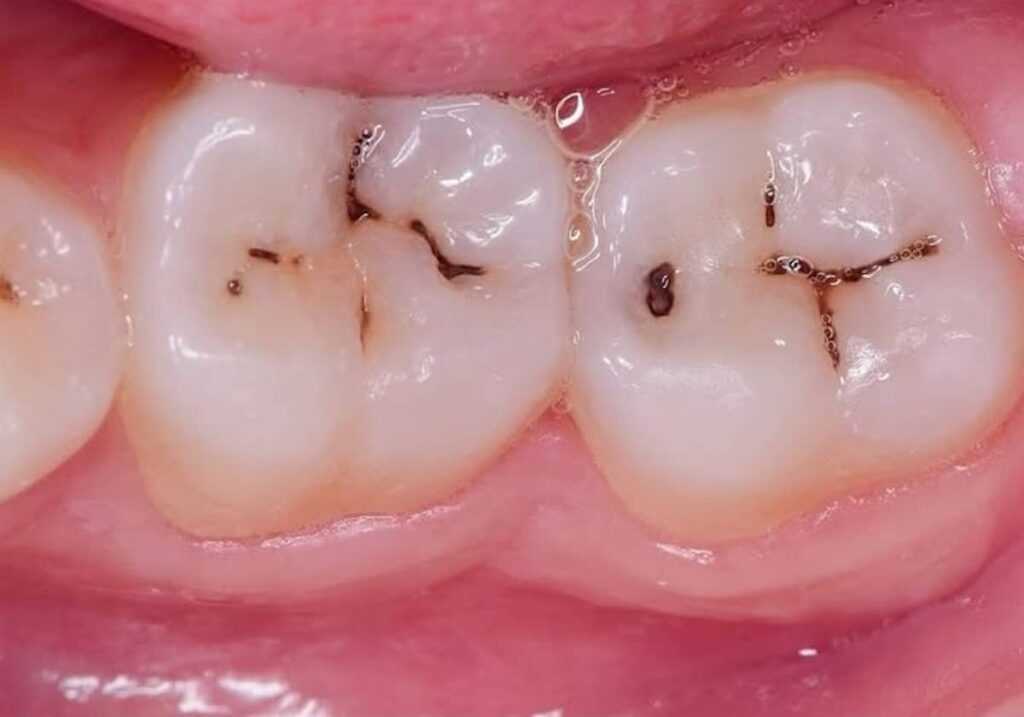

Dental caries is classified not only by depth of damage but also by location. For instance, fissure caries is the type that develops in the natural grooves of molars. It is considered one of the most common and insidious forms. These grooves on the chewing surface of teeth often allow caries to go unnoticed in its early stages. It then actively progresses and eventually requires serious treatment.
Understanding what fissure caries is and how this type of caries appears is important for everyone. This knowledge allows for timely prevention of its development and saves teeth from complete destruction.
What Are Fissures and Why Are They Prone to Caries?
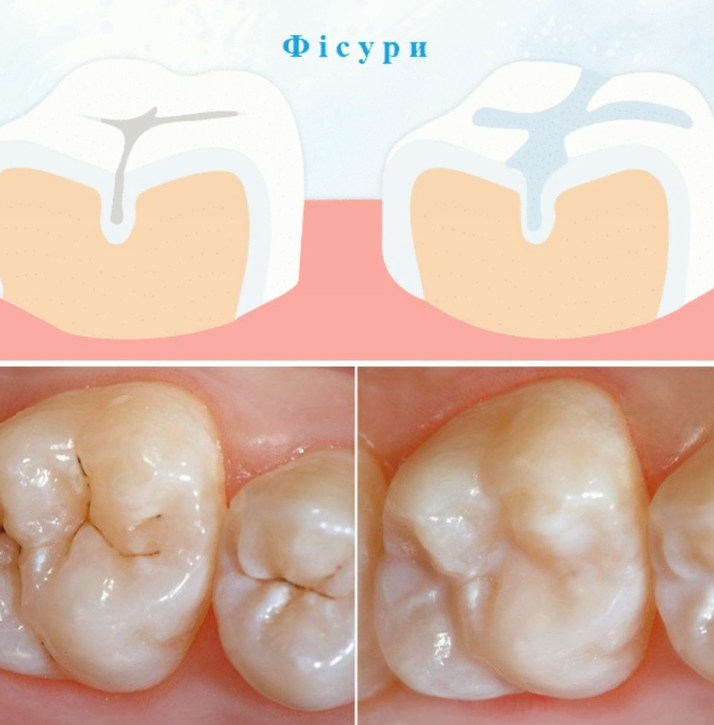
Fissures are natural anatomical depressions, or grooves and pits, on the chewing surface of molars (premolars and molars). However, it’s important to understand that fissures are essentially normal. They are not considered defects, as they are present in all people. Tooth fissures come in different types, depending on their depth and shape:
Open fissures – typically wide and V-shaped or U-shaped.
Closed fissures – narrow but deep fissures; sometimes barely visible from the outside.
Fissures are a “weak point” due to their anatomy. Food debris very easily accumulates in them, and dental plaque forms, which is then difficult to remove with a toothbrush. As a result, fissures seem to create ideal conditions for bacterial proliferation, which initiates the carious process. Interestingly, front teeth (incisors and canines) typically do not have fissures. Consequently, fissure caries affects only molars.
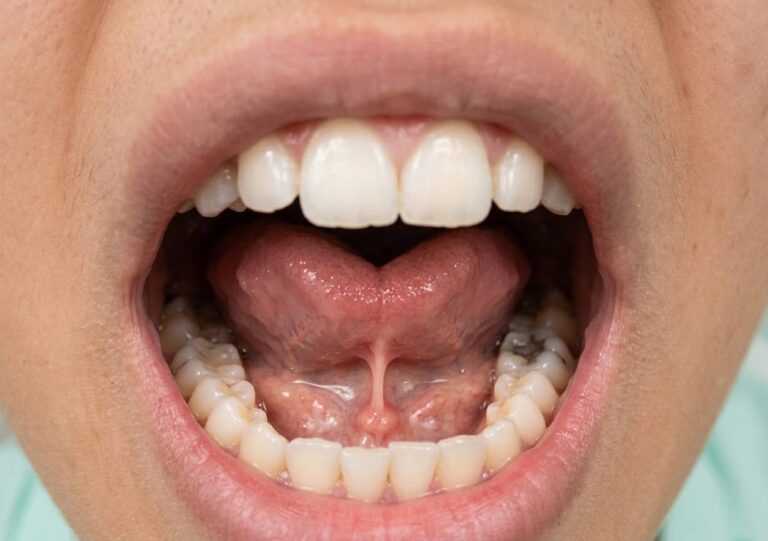
Below is an example of fissures for illustration.
What Is Fissure Caries and What Does It Look Like?
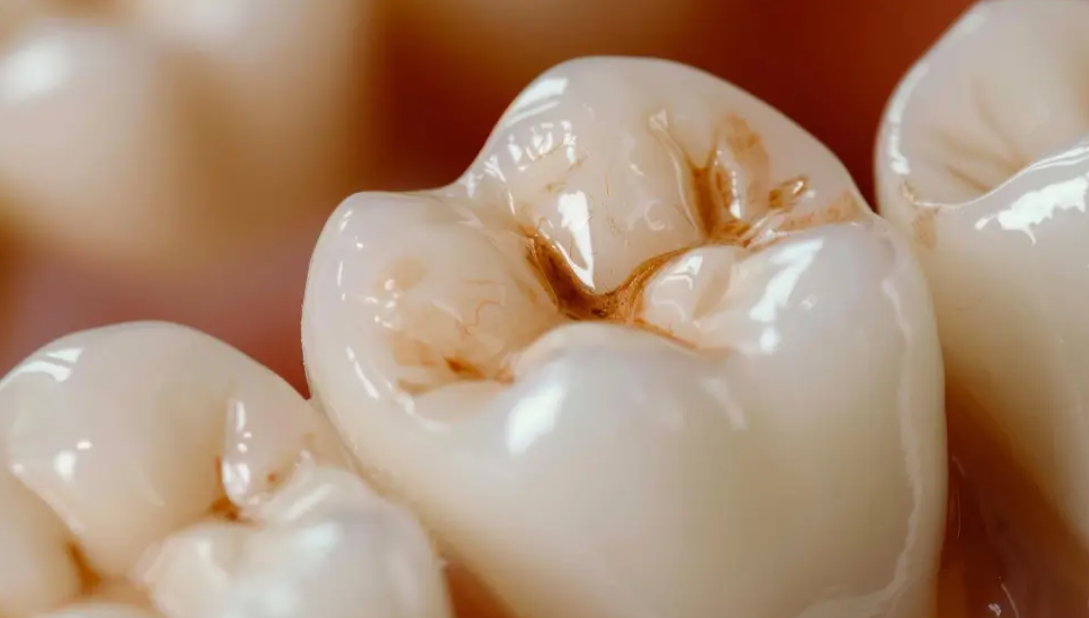
From a medical perspective, fissure caries is a localized form that develops specifically in fissures (the natural grooves of molars). At different stages, fissure caries appears differently:
- Initial stage of caries – white or dark spot in the tooth groove.
- Over time – slightly more darkening and deepening of the affected area.
- Late stages – clearly visible carious cavity of dark brown or black color.
For many patients, it’s not always clear what caries located specifically in fissures looks like. This particularly applies to closed fissures, when active tooth destruction occurs from within. That is, externally the tooth may appear almost healthy, but inside there’s an active carious process. This is precisely why the closed type of fissure caries is more dangerous and difficult for early diagnosis.
Below is fissure caries shown in a photo for illustration.
[Image placeholder]
Causes of Fissure Caries Development
The main cause of fissure caries is the accumulation of food debris and dental plaque directly in the fissures. This is where cariogenic bacteria multiply, releasing acids that destroy enamel.
Additional causes include:
Anatomical factors – individual anatomical features of tooth structure, for example, when fissures are very deep or very narrow. This affects the difficulty of cleaning even with thorough hygiene.
Hygiene factors – insufficiently thorough tooth brushing, ignoring dental floss and irrigators, incorrect brushing technique, and generally infrequent visits to the dentist. This also makes fissures more prone to caries.
Dietary factors – frequent consumption of sweets and excess carbohydrates in the diet. Also, snacking between main meals and insufficient consumption of hard foods (which naturally cleans teeth and consequently the fissures themselves).
Systemic factors – genetic predisposition, changes in saliva composition due to chronic diseases, deficiency of fluoride and calcium, as well as decreased immunity.
Symptoms and Signs of Fissure Caries
The signs and progression of fissure caries depend on the stage. In detail:
Early stage (initial fissure caries) – often asymptomatic and painless, but visual changes to the tooth are possible (appearance of a white or dark spot in the groove). There may also be barely noticeable roughness when running the tongue over the tooth.
Middle stage – over time, increased tooth sensitivity appears, causing brief reactions to cold, hot, sweet, and sour foods. There may also be discomfort when chewing hard foods and frequent food trapping in the affected fissure.
Deep stage – the progressing problem causes constant or periodic pain, especially when biting down on the tooth. Nighttime pain without apparent cause is also common (a sign of pulp damage). There’s also a visually apparent dark cavity and persistent bad breath.
IMPORTANT: The absence of pain does not mean the absence of a problem! Fissure caries can develop asymptomatically for a long time, so it’s recommended not to wait for toothache but to regularly visit a dentist.
Types of Fissure Caries
Fissure caries is classified by the type of fissures in which it develops. So, more details about the types of fissure caries below.
Open Fissure Caries
Caries that develops in open fissures (wide, V-shaped fissures). It’s easy to notice during a dental examination, and it’s diagnosed most easily in the early stage. During visual inspection, the dentist immediately sees a spot or cavity. Also, open fissure caries is easier to prevent (fissures are easier to clean of bacteria). But if not eliminated timely, it is, of course, just as dangerous as the closed type of this caries.
Closed Fissure Caries
Caries that develops in closed fissures (narrow, deep fissures). It develops beneath the enamel surface, while externally the tooth often appears healthy. But inside, a large cavity is already forming, so it’s usually difficult to diagnose immediately without special equipment – X-rays are required! This closed fissure caries is the most insidious and dangerous type.
It’s important to understand the mechanism of formation of this type of caries: infection penetrates through a narrow entrance into the tooth fissures and then spreads inside the tooth. There it forms a large cavity with minimal external manifestations (an “iceberg” effect).
Stages of Fissure Caries Development
Fissure caries progresses through its stages quite sequentially, like other forms of caries. So, below is detailed information about fissure caries and the stages of such tooth damage.
Initial Stage (Spot Stage)
Initial fissure caries is still limited to the enamel (surface layer of the tooth). Visually it appears as a spot – either white (chalky) or slightly dark. This spot is located in the tooth groove, and the enamel loses its shine and becomes rough. Meanwhile, complaints of pain or sensitivity are almost always absent. At this stage, fissure caries is still reversible. Its development can be stopped without drilling and filling through remineralization and fluoridation.
Medium Fissure Caries
Medium-stage fissure caries already penetrates deeper, completely affecting the enamel and the dentin itself (inner layer of the tooth). A fairly noticeable carious cavity forms, and pronounced symptoms appear, namely: discomfort or pain when chewing, increased sensitivity, brief pain from irritants. Treatment at this stage with conservative methods will no longer help. Removal of carious tissues and placement of a filling is recommended. The process here is irreversible but not critical – the tooth can be saved.
Deep Fissure Caries
This is already a quite serious stage when fissure caries affects the deep layers of dentin and approaches the pulp chamber (where the tooth nerve is located). This causes severe sensitivity and pain, especially when chewing. Sudden spontaneous pain is also possible (even at rest or at night). At this stage, there’s already a high risk of pulpitis development, and treatment becomes more complex. It requires thorough removal of all affected tooth tissues, possible placement of a therapeutic pad, and subsequent quality filling. Without treatment, pulp (tooth nerve) damage is inevitable.
Complications: Pulpitis and Periodontitis
After the deep stage of caries on fissures, serious complications can arise. More precisely – if such advanced tooth damage is not treated. So, the most common consequences here will be:
Pulpitis – inflammation of the nerve (pulp) of the tooth, accompanied by acute, throbbing pain, especially at night. It requires special endodontic treatment (nerve removal, followed by cleaning and filling of tooth canals).
Periodontitis – inflammation of tissues around the tooth root, which can even lead to cyst formation or purulent abscess. In some cases, the tooth may be completely lost. Treatment of this condition requires a complex and comprehensive approach (usually surgical removal of the root apex or the entire tooth).
Important to remember: Even serious complications can be avoided with timely treatment of caries!
Fissure Caries in Children: Why It Occurs More Frequently
Fissure caries in children is considered more specific because it occurs significantly more often than in adults. The reasons are varied, but usually include:
Less mineralized enamel – the structure of baby teeth is more porous, so they deteriorate faster.
Poor hygiene – children often don’t like to brush their teeth, especially thoroughly and long enough. Fissures very easily accumulate bacteria this way.
Excess sweets – when there are many in the diet and especially as snacks (between main meals).
Bad habits – for example, chewing toys or putting hands in the mouth.
IMPORTANT TO KNOW: Fissure caries can appear literally several months after permanent teeth erupt if preventive measures aren’t taken!
The best solution for preventing fissure caries in children is special tooth treatment called fissure sealants. It involves sealing the grooves on the chewing surface with a protective material. Without any drilling, sealants ensure that food debris and bacteria don’t accumulate in fissures. Sealants are applied to children immediately after permanent molars erupt – at 6-7 years for first molars and at 11-13 years for second molars. Additionally, to prevent caries in children, regular fluoride treatment (strengthening) of enamel can be performed, their hygiene controlled, and sweets limited. Prevention for children is more important than treatment!
Diagnosis of Fissure Caries
Methods for detecting fissure caries include the following procedures:
Visual examination – the dentist examines all chewing surfaces of teeth using a dental mirror and probe. They look for possible changes in enamel color, roughness, and visible cavities. This is quite an effective method for detecting open fissure caries (when everything is on the tooth surface). But the closed type of such caries can be easily missed during examination.
Radiography (panoramic or periapical X-ray) – for detecting hidden carious cavities and assessing the depth of damage. This method shows the entire jaw and teeth or a specific tooth in great detail. This allows detection of caries under the enamel surface when there’s suspicion of closed fissure caries.
Transillumination – so-called tooth illumination with a special lamp that makes affected areas darker. With this auxiliary method, even initial caries is visible even better.
DIAGNOdent – laser caries diagnostics that can determine the degree of enamel demineralization. This is a more modern and accurate method that also diagnoses fissure caries.
IMPORTANT CLARIFICATION: For the closed type of fissure caries, radiography is the only reliable method of early diagnosis! Doctors recommend preventive X-rays once every 1-2 years even without complaints.
Treatment of Fissure Caries
Conservative Treatment (Without Drilling)
This is only possible at the spot stage (when there’s only initial fissure caries) and includes the following methods:
Remineralizing therapy – use of topical preparations with calcium and phosphorus to restore the mineral composition of enamel.
Fluoridation – application of fluoride-containing varnishes and gels to strengthen enamel and stop its demineralization.
Ozone therapy – treatment of the affected area with ozone, which destroys bacteria.
Infiltration (Icon technology) – filling enamel micropores with a special liquid polymer without preparation (without drilling). This “seals” weak spots on the enamel.
REMINDER: All these methods are effective only at the very early stage when there’s no carious cavity yet. Regular dental check-ups allow caries detection at precisely this moment.
Invasive Treatment (With Filling)
This is the classic treatment protocol when a carious cavity has formed. It includes the following stages:
- Anesthesia – local anesthesia if necessary.
- Isolation of the working field using rubber dam.
- Tooth preparation (cavity cleaning) – removal of all affected tissues with a drill.
- Medicinal treatment of the cavity.
- Placement of an insulating liner (for deep caries).
- Layer-by-layer filling with light-cured material and composite restoration (recreation of tooth anatomy – all its fissures and chewing cusps).
- Polishing and finishing of the filling – final steps.
Modern fillings (such as photopolymers or nanocomposites) are strong, aesthetic, and truly durable (lasting at least 5-10 years). The filling procedure itself is painless thanks to anesthesia. The entire process is quite comfortable and quick (depending on the specific case).
Treatment with Inlays
This is the best option for reliable restoration with significant tooth destruction (30-60% of its crown portion). The inlay used here is a microprosthesis. It’s manufactured individually in a dental laboratory based on an impression or digital scan. Such a microprosthesis (inlay) has advantages over fillings:
- Greater strength and durability – definitely 10-15 years.
- Perfect fit to tooth tissues, eliminating secondary caries.
- Absence of shrinkage – unlike filling materials. The inlay doesn’t change size after installation and fits very tightly and well.
- Ability of teeth to withstand high chewing loads with it.
- Excellent aesthetics – the inlay is ideally matched to tooth color and translucency; it doesn’t darken over time and much better mimics the anatomy of the chewing surface.
Materials typically used here: ceramic inlays (E-max) or zirconia inlays. The installation process takes two visits. First – preparation, impression taking, and temporary filling placement. Then, at the second visit – fixation of the finished inlay with special cement.
Can Fissure Caries Be Treated at Home: Truth and Myths
Let’s debunk some common myths – for example, can and should fissure caries be treated at home? Or about how effective preventive home methods are for preventing fissure caries specifically.
So: fissure caries and home treatment – this is a myth.
TRUTH: Completely treating fissure caries at home is IMPOSSIBLE. If a carious cavity has already formed, no folk remedies, rinses, or toothpastes will restore destroyed tooth enamel and dentin. Only a dentist can do this!
WHAT CAN be done at home: Stop caries development at the INITIAL spot stage using remineralizing pastes with high fluoride and calcium content (but only as a supplement to professional treatment, NOT as a replacement). Prevent development of new caries too – through quality hygiene.
MYTHS that definitely DON’T work:
- Rinsing with baking soda/salt/herbs (may only slightly reduce bacterial count but don’t affect the carious process).
- Applying honey, propolis, oil to the tooth (not only doesn’t help but may worsen the situation because sugar in honey actually feeds bacteria).
- Chewing garlic, onion (simply pointless and harmful methods).
Drawing a logical conclusion, one thing can be said – if fissure caries is suspected, you need to immediately see a dentist! Home methods can only be prevention, but definitely not treatment. Self-treatment attempts lead to disease progression and complications.
Prevention of Fissure Caries
Fissure Sealants – The Most Effective Prevention Method
Protection of the chewing tooth surface from bacterial and plaque accumulation – this is what fissure sealants do. A special protective material is applied to the corresponding grooves on molars. Food and bacteria no longer get in there, and caries simply has nowhere to start. This is especially recommended for children, teenagers, and adults with rather deep fissures.
Tooth Fluoridation
Applying fluoride-containing varnish or gel to teeth – this is preventive enamel fluoridation. It makes enamel stronger and less vulnerable to acids and destruction. But it should be noted that fluoride doesn’t treat cavities with caries – it simply protects well against the appearance of new ones.
Proper Oral Hygiene
It prevents caries well if performed correctly and regularly. This includes brushing teeth twice a day + proper technique (circular and sweeping motions, not horizontal). It’s important to thoroughly clean the fissures of molars specifically, without this, caries will appear there first. Also, the brush should be soft or medium-hard (a hard brush is rarely needed by anyone). It’s also recommended to use fluoride-containing toothpaste – it will strengthen enamel and make teeth more resistant to caries development.
Nutrition and Diet
An important additional aspect in fissure caries prevention. It involves fewer frequent snacks and less sugar in the diet. The worst thing for teeth here is sweet foods + frequent “snacking” throughout the day. Therefore, if eating sweets, do it with main meals, not constantly. Also, drink enough water, and fill your diet with products beneficial for teeth – hard vegetables and fruits, protein, dairy products, foods with calcium and phosphorus.
Regular Preventive Check-ups
Work practically best of all after the fissure sealant method. After all, this allows regular removal of plaque and tartar at the dentist, as well as detection of initial caries invisible to the naked eye. Regular preventive check-ups are recommended every 6 months, even if nothing bothers you. At an early stage, caries can really be stopped without drilling!
Frequently Asked Questions (FAQ)
Should fissure caries be treated if the tooth doesn’t hurt?
Fissure caries should be treated even if the tooth doesn’t hurt. Caries can be painless for a long time but already significantly destroy the tooth.
How much does fissure caries treatment cost?
Fissure caries treatment at Med-Deo clinic starts from 1100-1300 UAH. Prices depend on the caries stage and necessary related dental work. But the earlier treatment is performed – usually the cheaper (for example, a filling costs less than nerve treatment or crown placement).
How quickly does fissure caries develop?
Fissure caries develops quickly. If fissures are deep, it can progress from initial to deep stage in just a few months.
Can fissure caries be cured with folk remedies?
Curing fissure caries with folk remedies is impossible. No rinses or herbs will eliminate caries; they can only temporarily reduce manifestations of its symptoms (aching pain, gum swelling, etc.).
Does fissure caries return after treatment?
After treatment, fissure caries can return if poor oral hygiene and improper nutrition continue. It can also reappear after poor-quality treatment. Therefore, it’s important to choose professional doctors and a clinic with a good reputation.
How long does a filling last after fissure caries treatment?
A filling after fissure caries treatment lasts an average of about 5-10 years. This depends on the material, chewing load, and hygiene.
Is fissure caries treatment painful?
Fissure caries treatment is painless. Anesthesia is administered during the procedure. Or, without it, there will be no pain when the caries is very small – at a very early stage.
Fissure caries is a quite common disease that affects molars due to food and bacterial accumulation in fissures (natural grooves). It can develop asymptomatically, so regular check-ups and professional cleaning (tartar removal) are important. The best prevention here is fissure sealants (especially for children) + quality hygiene + balanced nutrition. Early detection allows treating caries without drilling at all. If it’s late stages – filling or even endodontic treatment is required. Schedule a preventive check-up to detect and prevent fissure caries in time. Healthy teeth are an investment in quality of life!
Article Author: Dr. Kateryna Sazhnieva, D.D.S. Pediatric Dentist, Medical Director Med-Deo Dental Clinic Network

Make an appointment
You can make an appointment by filling out the application form on the website, as well as using instant messengers:
Make an appointment
You can make an appointment by filling out the application form on the website, as well as using instant messengers:


Make an appointment easily using chatbots:
Also, call the numbers:
Modern dentistry and medical centre "MED-DEO"
Choose a clinic whose location is more convenient for you.
Kyiv, Holosiivska/Demiivska metro station
130 Lobanovskoho Avenue


Working hours:
Mon - Sun: 8:00 AM - 9:00 PM
No days off!
Call the numbers:
How to get to us? Create a route
Create a route
Kyiv, Akademistechko metro station
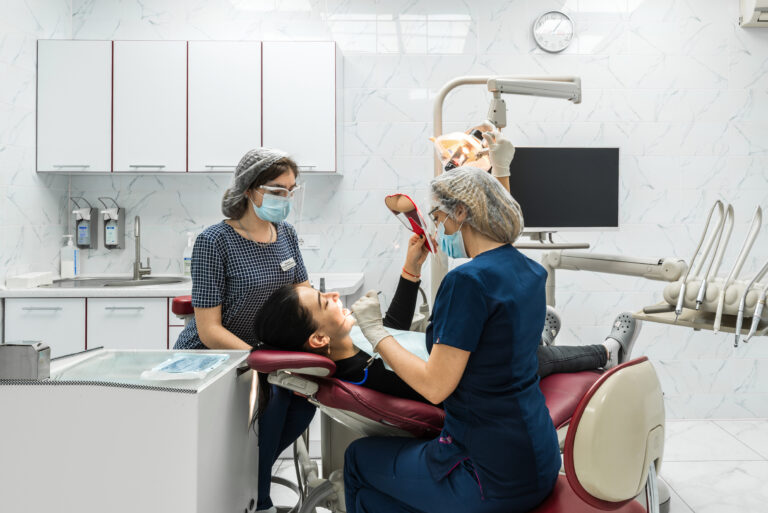
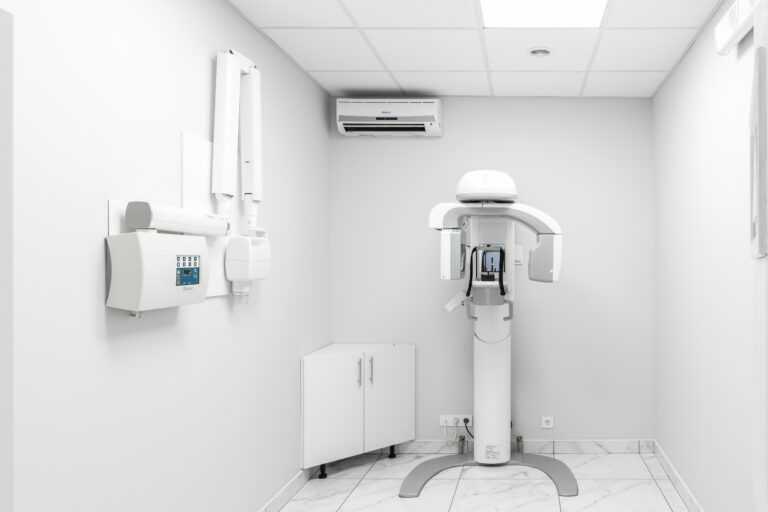
78A, Irpinska str.


Working hours:
Mon-Sun: 8.00-21.00
Without days off!
Call the numbers:
How to get to us?
Create a route
Create a route
Kyiv, Heroiv Dnipra metro station
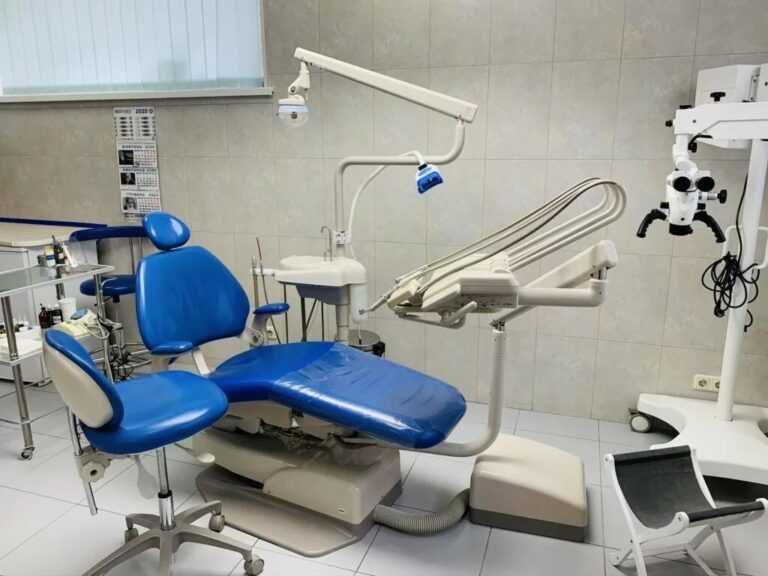
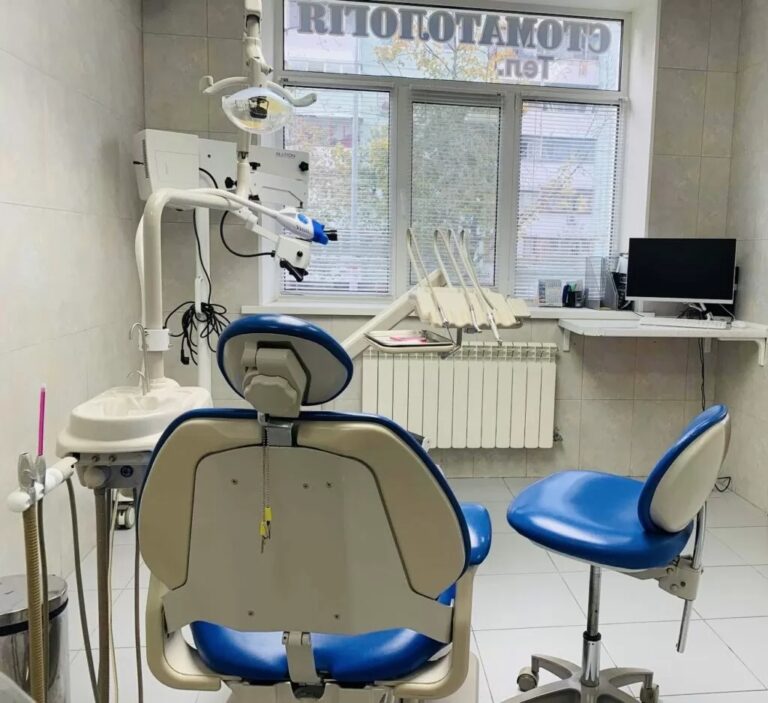
32A, Heroiv Dnipra str.
Working hours:
Mon-Sun: 8.00-21.00
Without days off!
Call the numbers:
How to get to us?
Create a route
Create a route
Kyiv, Teatralna metro station
9B, E. Chykalenko (Pushkinska) str.



Working hours:
Mon-Sat: 8.00 - 21.00. Sun: by appointment.
Without days off!
Call the numbers:
How to get to us?
Create a route
Create a route
Відгук від клієнта
0:00
0:00


Your email will not be published on the site.