Special offer! Comprehensive professional teeth cleaning for only 1699 UAH.
Special offer! Comprehensive professional teeth cleaning for only 1699 UAH.
Special offer! Comprehensive professional teeth cleaning for only 1699 UAH.
Special offer! Comprehensive professional teeth cleaning for only 1699 UAH.
Special offer! Comprehensive professional teeth cleaning for only 1699 UAH.
Special offer! Comprehensive professional teeth cleaning for only 1699 UAH.
Special offer! Comprehensive professional teeth cleaning for only 1699 UAH.
Special offer! Comprehensive professional teeth cleaning for only 1699 UAH.
Special offer! Comprehensive professional teeth cleaning for only 1699 UAH.
Special offer! Comprehensive professional teeth cleaning for only 1699 UAH.
Sign up
 (044) 394 90 94
(044) 394 90 94  Holosiivska/Demiivska metro station
Sign up
(044) 394 90 94
(044) 394 90 94
Doctors


 Prices
Blog
Contacts
Prices
Blog
Contacts
пр.Лобановського, 130, Київ, Україна
Temporarily closed
Opening soon
78A, Irpinska St., Kyiv, Ukraine
Temporarily closed
Opening soon
32A, Heroiv Dnipra St., Kyiv, Ukraine
Temporarily closed
Opening soon
9B, Yevhena Chykalenko St. (Pushkinska), Kyiv, Ukraine
Temporarily closed
Opening soon
(044) 394 90 94
Back
Dentistry

General Dentistry
Dental surgery
Dental Implants
Maxillofacial Surgery
Dental prosthetics
Cosmetic dentistry

Professional Dental Hygiene

Periodontics
Orthodontic dentistry

Gnathology & TMJ Therapy

Pediatric Dentistry

Dental X-Rays
Back
Orthodontic Center
Orthodontic dentistry
Gnathology & TMJ Therapy
Back
Prosthodontic Center
Dental prosthetics
Back
MED-DEO Center for Maxillofacial Surgery & Facial Plastics
Maxillofacial Surgery
Plastic surgery
Back
Surgical Dental Center
Dental surgery
Dental Implants
Search on the site


Popular requests
Teeth whitening
Treatment of caries
Wisdom tooth extraction
Bracket system
Dental veneers
Tooth restoration
Pediatric dentist
Consultation with a dentist-therapist
Search results by: «».
Unfortunately, no results were found for your search: “Pediatric Endocrinologist”, nothing was found.
You may find these links useful:
Clinics "MED-DEO"
пр.Лобановського, 130, Київ, Україна
Temporarily closed
Opening soon
78A, Irpinska St., Kyiv, Ukraine
Temporarily closed
Opening soon
32A, Heroiv Dnipra St., Kyiv, Ukraine
Temporarily closed
Opening soon
9B, Yevhena Chykalenko St. (Pushkinska), Kyiv, Ukraine
Temporarily closed
Opening soon
Services
Dentistry Orthodontic Center Prosthodontic Center MED-DEO Center for Maxillofacial Surgery & Facial Plastics Surgical Dental CenterGeneral Dentistry
Dental surgery
Dental Implants
Maxillofacial Surgery
Dental prosthetics
Cosmetic dentistry
Professional Dental Hygiene
Periodontics
Orthodontic dentistry
Gnathology & TMJ Therapy
Pediatric Dentistry
Dental X-Rays
Orthodontic dentistry
Gnathology & TMJ Therapy
Dental prosthetics
Maxillofacial Surgery
Dental surgery
Dental Implants
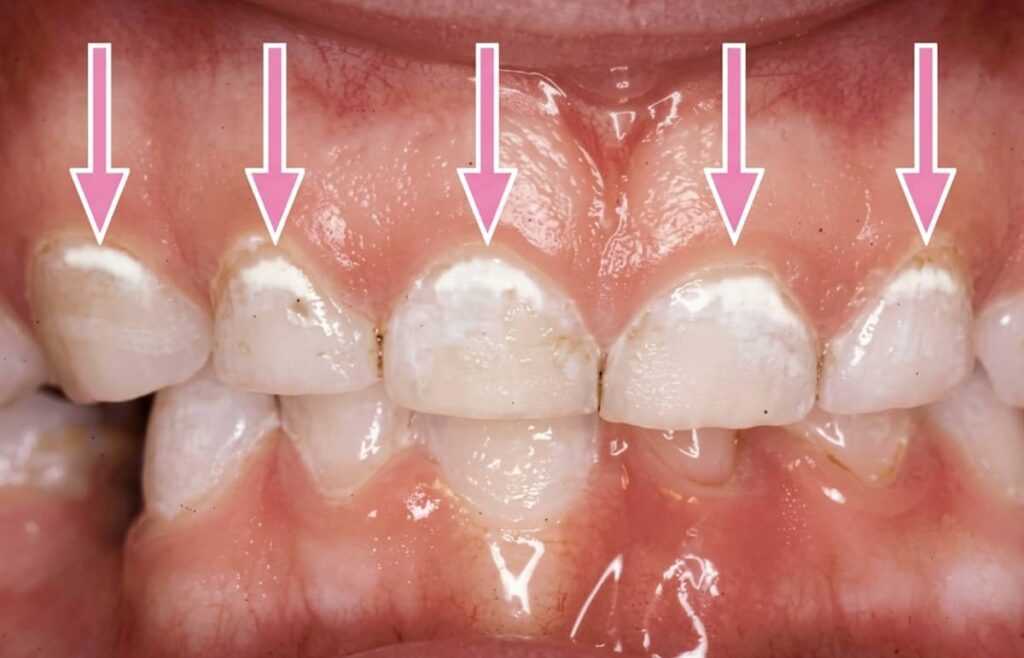

Bottle caries (baby bottle tooth decay) is a form of early childhood caries that affects the primary (baby) teeth of very young children. It most often begins in the cervical area – where the tooth meets the gum – and spreads quickly across the surface of the enamel.
The name “bottle caries” comes from a familiar scenario: a child falls asleep with a bottle or receives nighttime feedings of formula, milk, or sweet drinks. During sleep, saliva production decreases, allowing sugars to stay in contact with the teeth for much longer.
The term “circular caries,” on the other hand, is a clinical one. It describes the pattern of the lesion: the decay wraps around the tooth at the neck, forming a characteristic “ring.”
What Bottle Caries Looks Like in Children
In the early stages, the changes can be almost invisible, which is why parents often don’t notice anything until the condition has already progressed.
Signs of bottle caries in children:
- white or chalky spots appearing on the enamel
- loss of the natural shine of the teeth
- gradual darkening – from yellow to brown
- damage concentrated near the gumline
- most often affecting the upper front teeth
A child may also experience:
- sensitivity to cold or sweet foods
- discomfort while eating
- in later stages – pain and disrupted sleep
Early-Stage Bottle Caries
This is the demineralization stage, when the tooth’s structure hasn’t yet broken down.
What it looks like:
- white, chalky spots
- enamel that’s lost its luster
- a slightly rough surface texture
Why this stage matters:
- there’s no pain, so the problem is easy to overlook
- this is the only stage at which the process is fully reversible
- treatment is the least invasive – no drilling required
Catching it at the dentist’s office at this point means caries can often be stopped without complex treatment.
Surface Caries: Damage to Front Teeth and Molars
Without treatment, the process moves quickly.
What happens:
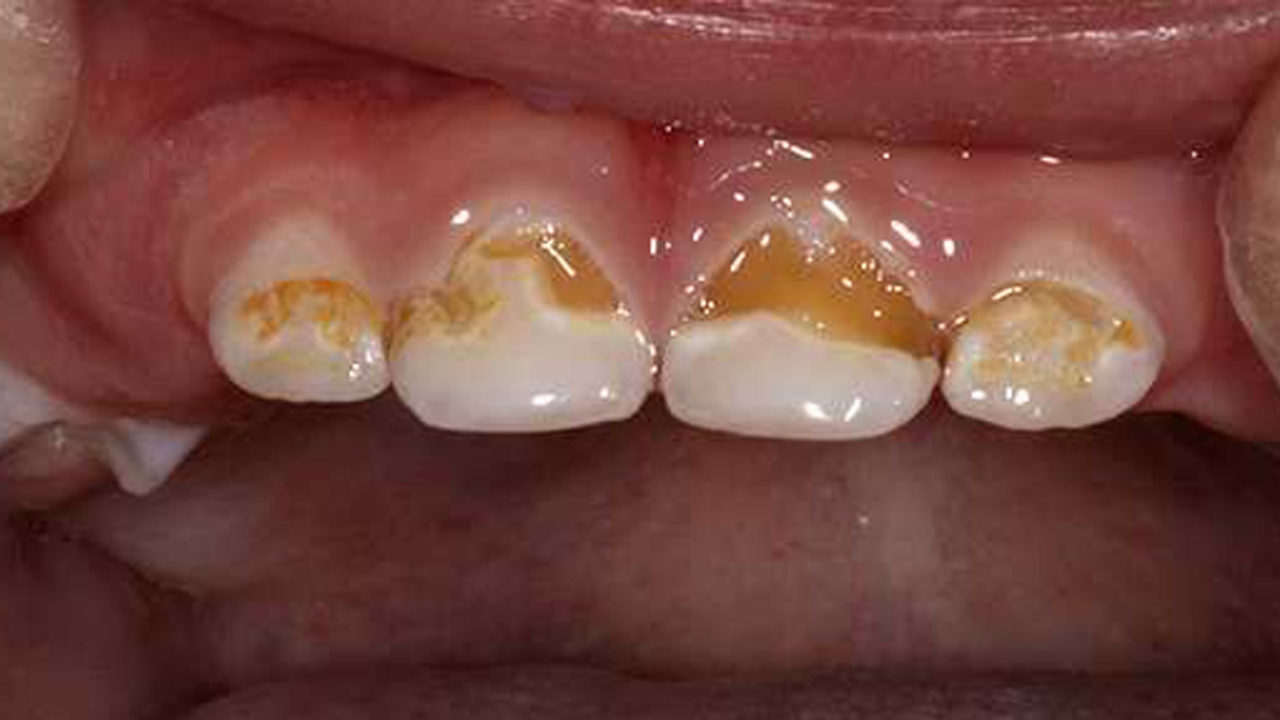
- the spots darken
- the enamel breaks down
- cavities and other carious defects appear
Front teeth:
- affected first
- progress rapidly
- visibly change the appearance of the smile
Molars (caries on the back teeth):
- affected somewhat later
- tend to develop deeper cavities
- can interfere with chewing
By this stage, treatment is no longer optional.
Dentists most often detect decay on the primary front teeth. That’s because these teeth erupt first and spend more time in contact with liquids during feeding, especially overnight. The enamel in this area is also thinner, so the damage develops faster. This is why the first visible changes typically show up on the front teeth – as white or darkened spots near the gums.
Bottle caries photo:
Why Bottle Caries Develops: Key Causes
Bottle caries results from a combination of factors rather than a single cause.
Main causes of bottle caries:
- nighttime feedings (especially formula, milk, juice)
- prolonged contact between teeth and sugary liquids
- inconsistent or insufficient oral hygiene
- skipping tooth-brushing after feedings
- individual differences in saliva composition (reduced protective effect)
- an active cariogenic (decay-causing) microflora
Additional contributing factors:
- frequent snacking
- sugary drinks throughout the day
- lack of regular dental checkups
It’s worth noting: this isn’t something parents should blame themselves for. In most cases, parents simply aren’t aware of the risks. The good news is that these factors can be corrected.
Stages of Bottle Caries
Bottle caries develops gradually – from barely noticeable changes to deep damage to the tooth. Each stage means more complex treatment and a greater risk to dental health.
Early Stage (White Spot Lesion)
At this point, the enamel is demineralizing, but the tooth’s structure is still intact.
What it looks like:
- white, chalky, or matte spots
- loss of the enamel’s natural shine
- a slightly rough surface
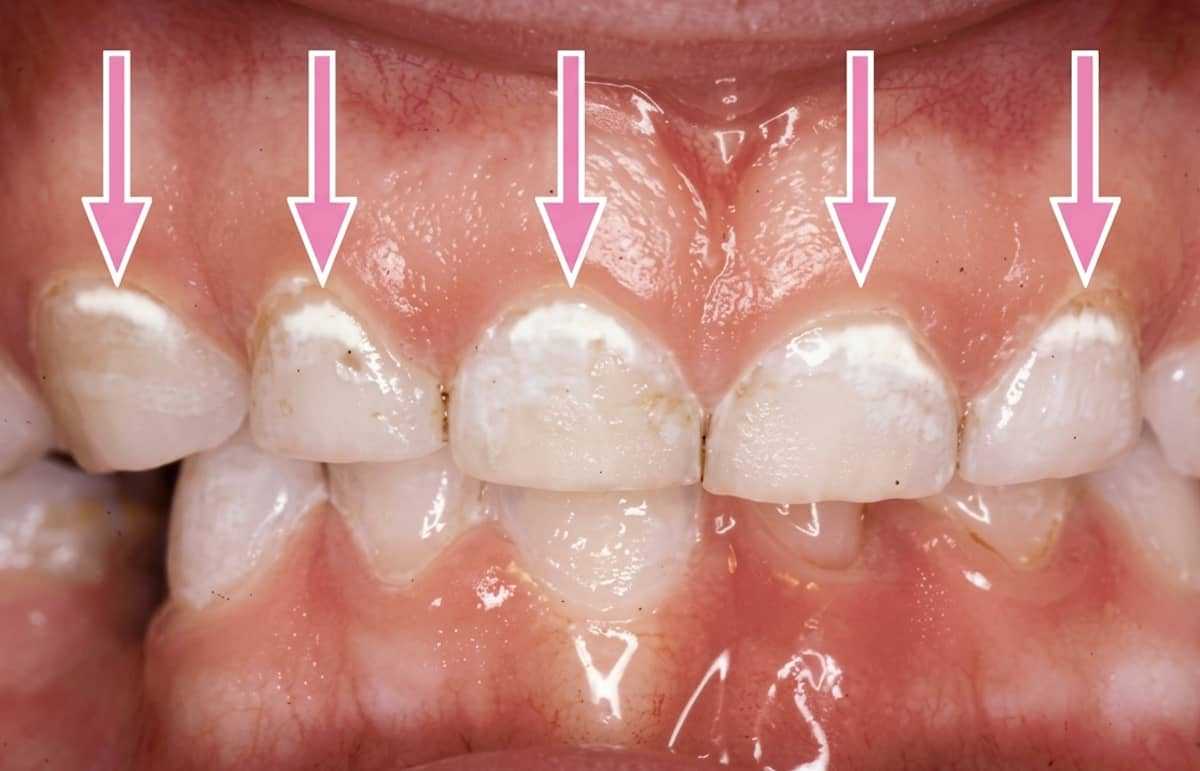
Key features:
- no pain
- the child usually doesn’t complain
- easy to miss without a dental exam
This is the only stage at which the process can be fully stopped without drilling – through remineralization.
Surface Stage
The damage spreads within the enamel itself.
What happens:
- the enamel starts to break down
- small defects appear
- the spots darken (turning yellow or light brown)
Symptoms:
- mild sensitivity may develop
- discomfort when eating sweet or cold foods
Once caries reaches this surface stage, treatment becomes necessary – though it’s still relatively straightforward.
Moderate Stage
The decay reaches the dentin – the tissue beneath the enamel.
Signs:
- cavities form
- the tooth darkens noticeably
- the damage becomes visibly apparent
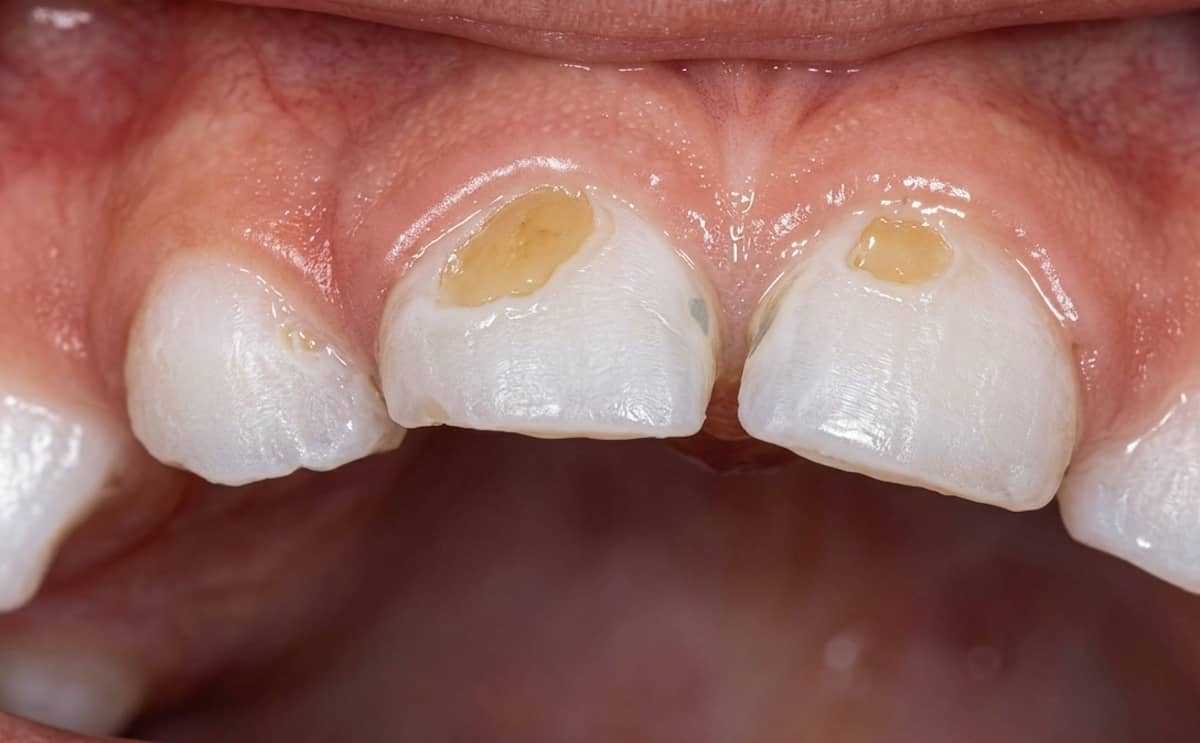
Symptoms:
- sensitivity to temperature and food
- intermittent discomfort
- the child may avoid chewing on the affected side
Treatment at this stage involves removing the damaged tissue and filling the cavity.
Deep Stage
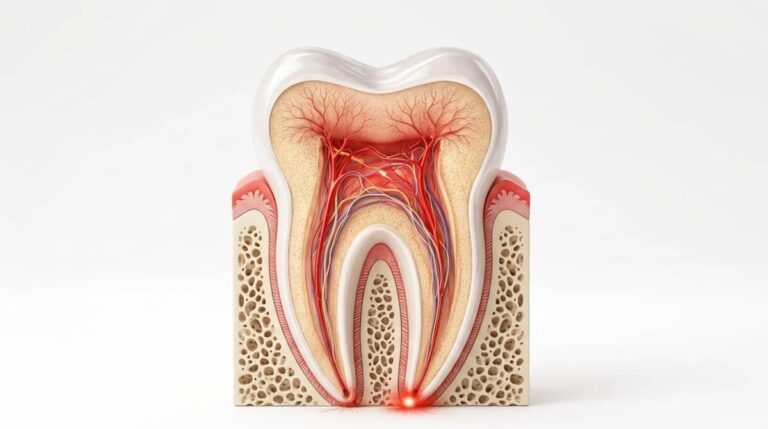
The decay reaches the deeper layers of dentin and approaches the pulp (the tooth’s nerve).
What happens:
- significant destruction of the tooth
- possible inflammation of the pulp
- high risk of infectious complications
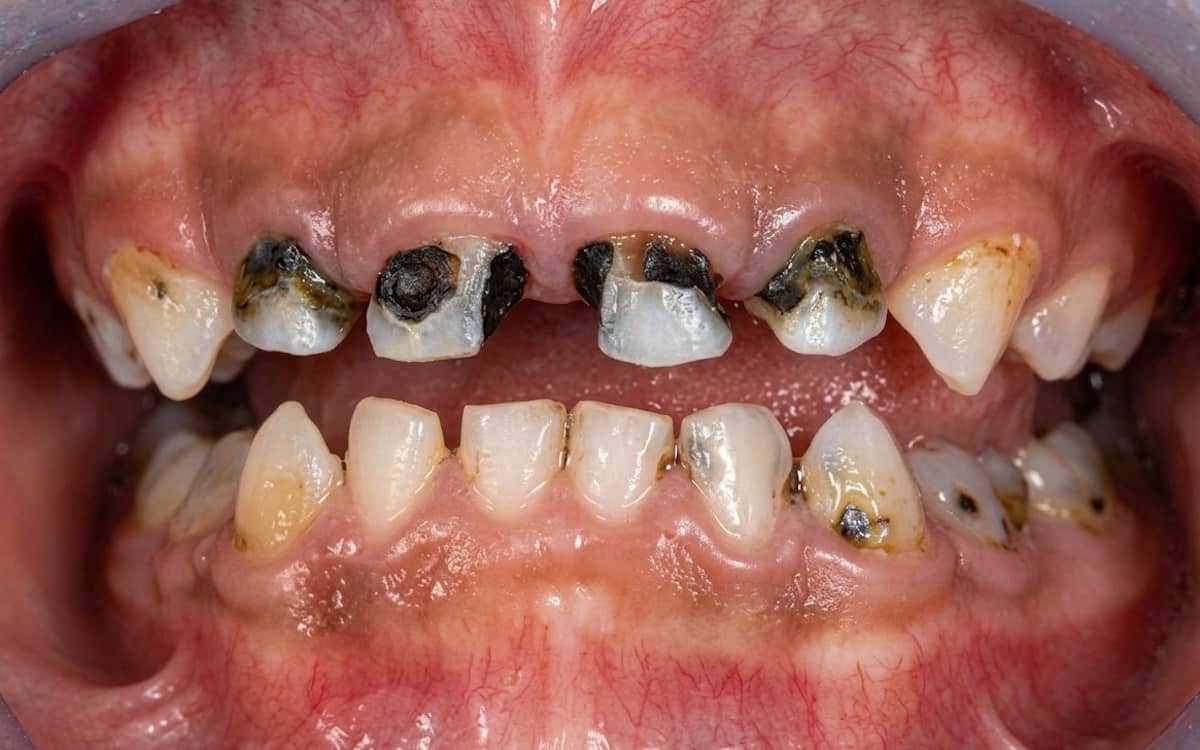
Symptoms:
- pain, especially at night or while eating
- sharp reactions to cold or hot temperatures
- possible disruption to sleep and appetite
At this stage, treatment becomes more involved – beyond a filling, the tooth may need more significant intervention or restoration with a crown.
Why it’s important not to delay treatment: with each progressing stage, the decay goes deeper, and treatment requires more intervention. This is harder and less comfortable for the child, raising the risk of pain, inflammation, and complications. A neglected process can also affect the development of the permanent teeth underneath. The sooner the problem is caught, the easier and faster it is to resolve.
How Bottle Caries Is Treated in Children
Treatment depends on the stage of the disease, the child’s age, and the extent of the damage. The earlier the decay is caught, the simpler and less invasive the treatment.
In the Early Stages (White Spot Lesion)
When the enamel hasn’t broken down yet, the main goal is to restore its structure and halt the process.
Approaches used:
- remineralization (replenishing the enamel with calcium and phosphates)
- fluoride treatment to strengthen the enamel
- professional cleaning to remove plaque
- personalized recommendations for oral care and diet
At this stage, drilling can often be avoided entirely.
Children’s Cavity Treatment
MoreWhen Cavities Are Present (Surface and Moderate Caries)
Once the enamel has already been damaged, active treatment is needed.
What the dentist does:
- removes the decayed tissue
- cleans out the cavity
- restores the tooth with filling material
Important considerations:
- materials used are specifically suited for children’s teeth
- treatment is carried out as gently as possible
- the dentist accounts for the child’s behavior and adapts the approach to keep them comfortable
When the Tooth Is Significantly Damaged
If the tooth has sustained major damage, a standard filling may not be enough.
In these cases, dentists may use:
- pediatric crowns to restore the tooth
- protective structures to preserve the tooth’s function
- in some cases, comprehensive treatment (especially when multiple teeth are affected)
This approach helps to:
- preserve the tooth until it naturally falls out
- restore normal chewing and speech
- prevent premature tooth loss
Additional Approaches
In some cases:
- treatment is carried out in stages
- adaptation visits are used to help the child get comfortable
- medication support or treatment under sedation may be used when indicated
The treatment method is always selected individually, based on the child’s age, the number and depth of the lesions, the overall condition of the teeth, and the child’s psychological readiness for treatment. The earlier therapy begins, the easier it is, and the greater the chances of keeping the baby teeth healthy until they naturally fall out.
When to See a Pediatric Dentist Urgently
Don’t wait for things to get worse.
See a dentist if:
- the child complains of pain
- the child refuses to eat
- the teeth are darkening quickly
- cavities are visible
- sensitivity appears
- there’s an unpleasant odor from the mouth
Schedule a consultation to stop the process at an early stage and avoid more complex treatment down the line.
Pediatric Dentistry
MorePreventing Bottle Caries
Key rules for stopping caries before it starts:
- begin oral care as soon as the first tooth appears
- brush teeth twice a day
- don’t let the child fall asleep with a bottle at night
- limit sugary drinks
- establish a clear feeding schedule
- visit the dentist regularly
Even simple habits can significantly reduce the risk of developing caries.
FAQ
What is bottle caries in children?
Bottle caries is an early form of tooth decay that affects children’s primary (baby) teeth, caused by frequent and prolonged contact with sugary liquids — most often during nighttime feedings.
What does early-stage bottle caries look like?
Early-stage bottle caries appears as white, chalky spots on the tooth enamel, without any pain or deep structural damage to the tooth.
What’s the difference between bottle caries and circular caries?
Bottle caries and circular caries refer to the same condition: “bottle caries” is the everyday, descriptive name based on its common cause, while “circular caries” is the clinical term that describes the ring-shaped pattern of decay around the tooth.
Can bottle caries affect the molars?
Bottle caries can affect the molars, though this usually happens later in the disease’s progression — the front teeth are typically affected first, and decay then spreads to the back teeth over time.
The author of this article is Nataliya Shmarchuk, a pediatric dentist, orthodontist, and general dentist.




Make an appointment
You can make an appointment by filling out the application form on the website, as well as using instant messengers:
Make an appointment
You can make an appointment by filling out the application form on the website, as well as using instant messengers:


Make an appointment easily using chatbots:
Also, call the numbers:
Modern dentistry and medical centre "MED-DEO"
Choose a clinic whose location is more convenient for you.
Kyiv, Holosiivska/Demiivska metro station
130 Lobanovskoho Avenue


Working hours:
Mon - Sun: 8:00 AM - 9:00 PM
No days off!
Call the numbers:
How to get to us? Create a route
Create a route
Kyiv, Akademistechko metro station
78A, Irpinska str.



Working hours:
Mon-Sun: 8.00-21.00
Without days off!
Call the numbers:
How to get to us?
Create a route
Create a route
Kyiv, Heroiv Dnipra metro station
32A, Heroiv Dnipra str.

Working hours:
Mon-Sun: 8.00-21.00
Without days off!
Call the numbers:
How to get to us?
Create a route
Create a route
Kyiv, Teatralna metro station
9B, E. Chykalenko (Pushkinska) str.




Working hours:
Mon-Sat: 8.00 - 21.00. Sun: by appointment.
Without days off!
Call the numbers:
How to get to us?
Create a route
Create a route
Відгук від клієнта
0:00
0:00


Your email will not be published on the site.