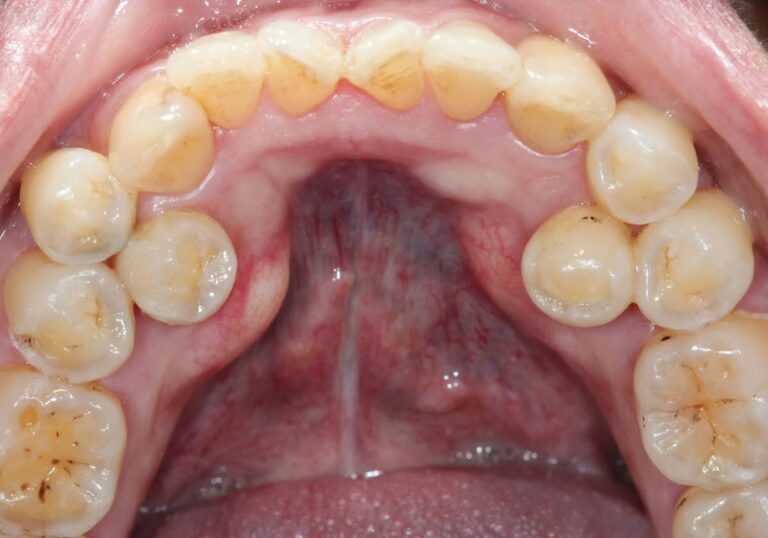
Tooth agenesis is the complete or partial absence of teeth. In dentistry, this term covers both congenital cases – where teeth never formed – and acquired tooth loss resulting from decay, gum disease, trauma, or other causes.
The earlier the condition is identified, the easier it is to find an effective treatment plan. This is especially important in children, when the absence of tooth buds can still be detected in time and bite problems can be prevented before they develop.
Tooth Agenesis – A Plain-Language Medical Definition
Tooth agenesis is a condition in which a person is missing one, several, or all of their teeth. The term itself comes from the Latin dens, meaning “tooth,” and literally translates to “without teeth.”
It’s important to understand that agenesis is not a standalone disease – it’s a pathological condition of the dental arch. It can be congenital, meaning the tooth buds never developed, or acquired, meaning the teeth were present at one point but were later lost.
Agenesis is also classified as partial or complete. In the partial form, one or more teeth are absent while the rest remain. In the complete form, the entire dental arch is missing. The type of agenesis, the patient’s age, bone condition, and bite all factor into the treatment plan.
Primary vs. Secondary Agenesis: What’s the Difference?
Primary agenesis is the congenital absence of teeth. In other words, a tooth fails to erupt not because it’s “running late,” but because its bud never formed in the first place. The cause is most often genetic, stemming from irregularities in the development of the dental and jaw system.
Primary agenesis can be partial – affecting individual teeth – or complete, where the entire dental arch fails to develop. Complete congenital agenesis is rare and often occurs alongside other developmental disorders, such as ectodermal dysplasia.
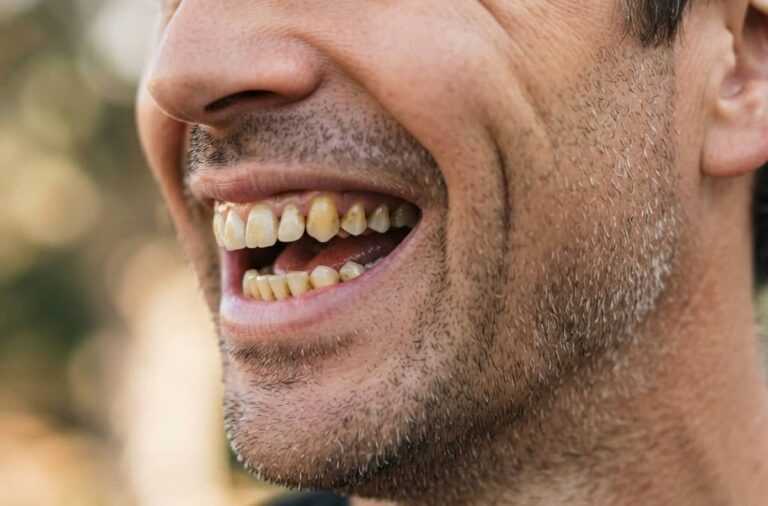
Secondary agenesis refers to acquired tooth loss. In these cases, the teeth developed and erupted normally but were lost over time due to decay, periodontitis, injury, complications from dental disease, or systemic illness.
Secondary agenesis is by far the most common form in adults. And the longer a person puts off replacing a lost tooth, the more changes occur in the bite, gums, and bone tissue.
Partial and Complete Agenesis
Agenesis is classified based on the number of missing teeth: partial or complete.
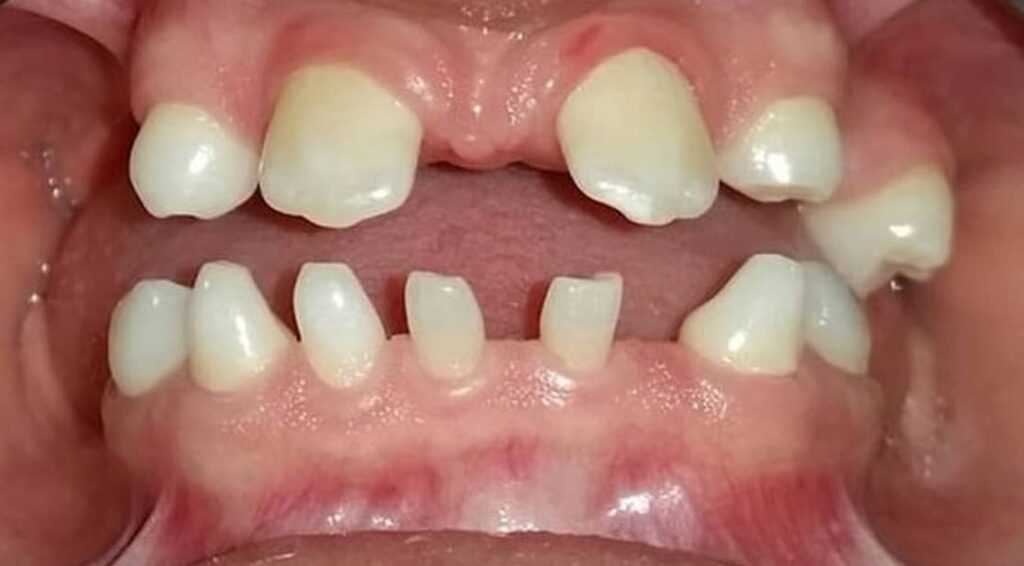
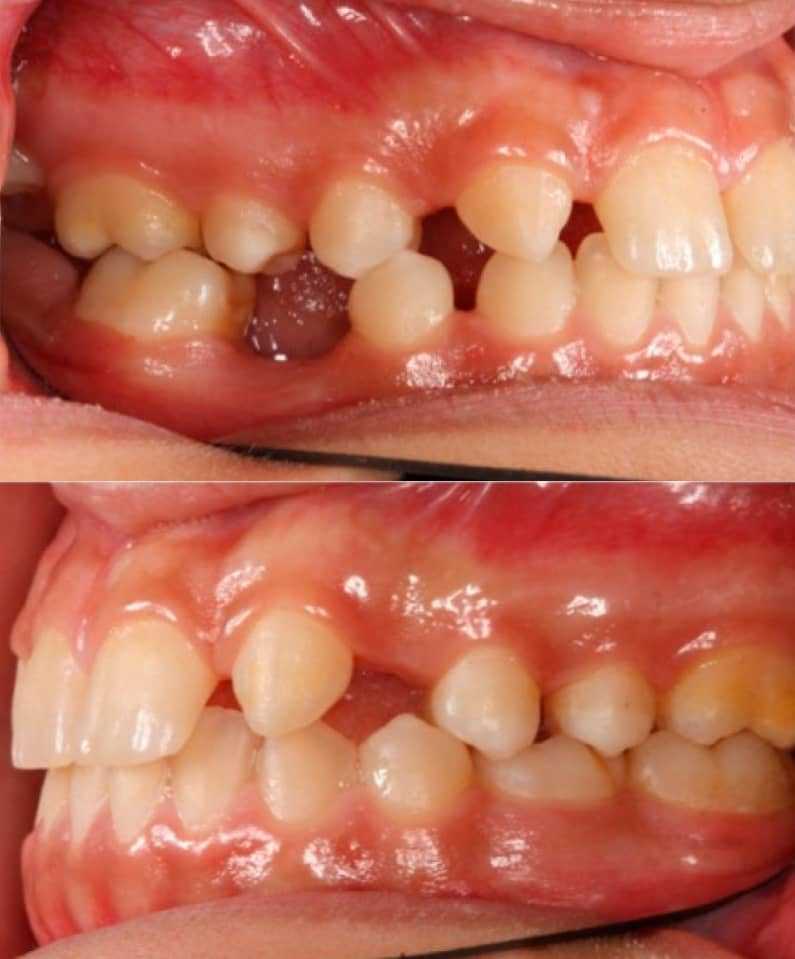
Partial agenesis means one or more teeth are absent, while the remaining teeth in the arch are intact. This is the most common presentation. In children, partial agenesis often involves specific permanent teeth – lateral incisors or premolars, for example. In adults, it typically results from extraction or tooth loss.
Complete agenesis is the absence of all teeth on one or both jaws. This condition significantly impacts quality of life: chewing is impaired, speech changes, the facial soft tissues lose their support structure, and patients may experience psychological distress over the appearance of their smile.
Even a single missing tooth shouldn’t be ignored. The dental arch functions as an integrated system, and losing one element gradually affects neighboring teeth, the bite, and bone health.
Causes of Primary Agenesis: Why Some Teeth Never Appear
Primary agenesis typically stems from a disruption in tooth bud formation before birth. The cause is most often genetic, though external factors can also play a role.
Possible causes include:
Heredity and genetic mutations. Abnormalities in the genes responsible for tooth development can result in the absence of individual tooth buds.
Genetic syndromes. Agenesis may be one manifestation of congenital developmental syndromes.
Ectodermal dysplasias. These are conditions that affect the development of teeth, hair, nails, and skin.
Infections or serious illnesses during pregnancy. The first trimester is particularly critical, as this is when the body’s core structures are being established.
Endocrine disorders. Hormonal imbalances can interfere with the development of the dental and jaw system.
Radiation or toxic exposure. Cancer treatment at an early age, for instance, can sometimes disrupt tooth formation.
Unknown cause. In some patients, no specific contributing factor can be identified.
It’s important to understand: primary agenesis is not caused by poor hygiene or parental oversight. It is a developmental variation that requires diagnosis, monitoring, and a carefully tailored dental treatment plan.
Secondary Agenesis: Why Adults Lose Teeth
Secondary agenesis occurs when teeth that developed normally are subsequently lost. In adults, this is the most common form of tooth agenesis.
The main causes of tooth loss include:
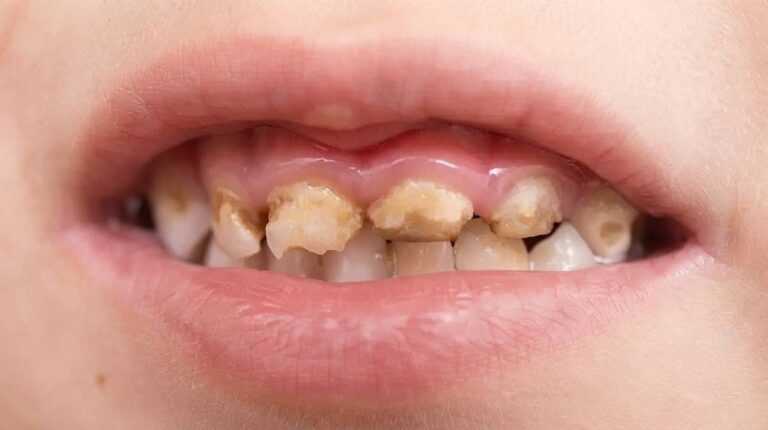
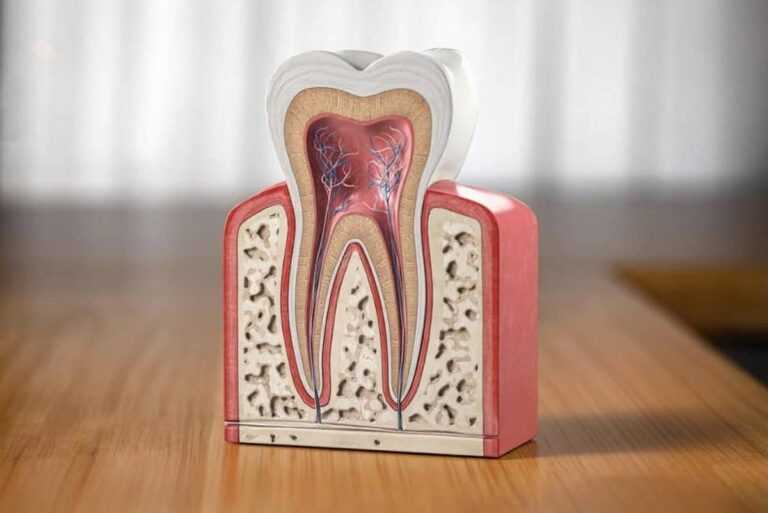
Untreated decay. If cavities are left unaddressed, they destroy the hard tissue of the tooth, can reach the pulp, cause root inflammation, and ultimately lead to extraction.
Periodontitis. Chronic gum inflammation breaks down the tissues that hold teeth in place. Teeth become loose and may eventually fall out.
Trauma. A blow, a fall, or another mechanical injury can damage the tooth, root, or underlying bone.
Complications from untreated dental conditions. Unaddressed cysts, granulomas, periodontitis, and other inflammatory processes can result in tooth loss.
Systemic diseases. Diabetes, osteoporosis, and certain autoimmune conditions can weaken gum tissue and bone.
Cancer treatment. Radiation therapy or chemotherapy can, in some cases, affect the oral tissues and bone health.
Tooth loss is often a gradual process. It typically begins with inflammation, followed by deterioration of the support structures around the root, causing the tooth to loosen and destabilize. This is why routine check-ups, treating decay in its early stages, and monitoring gum health are practical and effective ways to reduce the risk of secondary agenesis.
Symptoms and Diagnosis of Tooth Agenesis
Tooth agenesis isn’t always immediately obvious. This is especially true in children: a baby tooth may remain in place for a long time, giving parents the impression that everything is fine. But if a permanent tooth isn’t coming in on schedule, it’s worth seeing a dentist.
Signs that may indicate agenesis in children:
A baby tooth isn’t falling out even though neighboring teeth have already been replaced
A permanent tooth isn’t appearing at the expected age
The gaps between teeth are gradually widening
Certain teeth appear noticeably smaller than the rest
A tooth is symmetrically absent on both sides of the arch
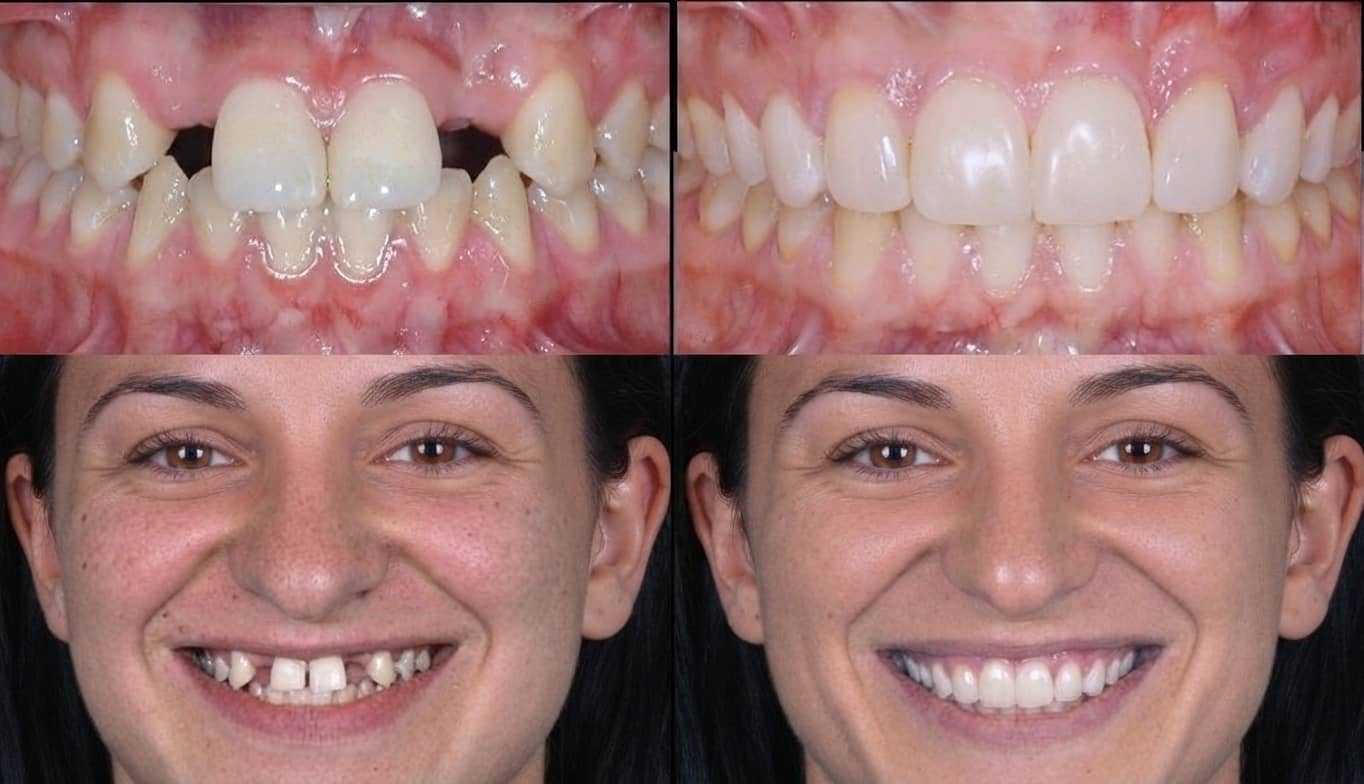
In adults, agenesis is usually apparent: one or more teeth are missing, gaps are visible in the dental arch, the bite has shifted, and neighboring teeth may be tilting toward the gap.
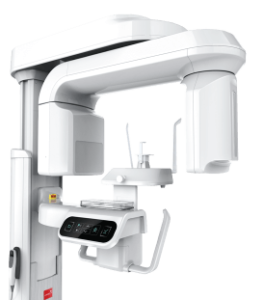
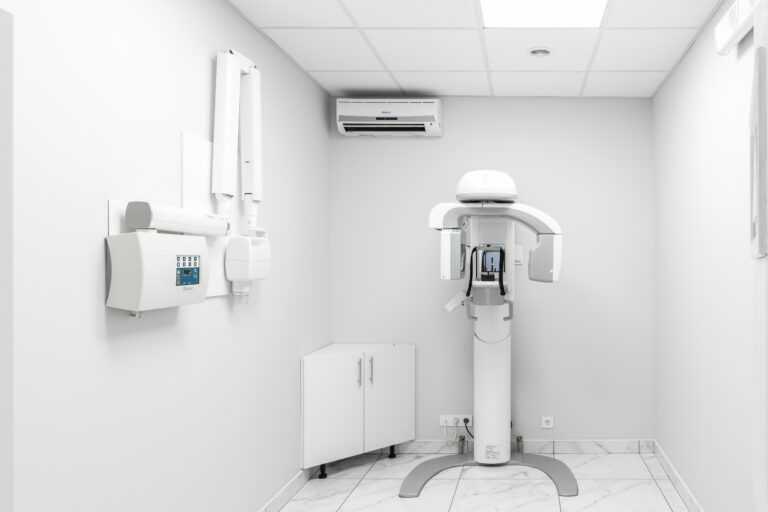
Accurate diagnosis requires a dentist examination and imaging. In children, an orthopantomogram (OPG) – a panoramic X-ray of the jaws – is often performed. It allows the dentist to determine whether tooth buds are present in the bone or absent entirely.
In adults, the condition of the bone tissue, gums, neighboring teeth, and bite are also assessed prior to treatment. In more complex cases, a CT scan may be necessary – particularly if implantation is being considered.
Consequences of Untreated Agenesis: What Happens if You Don’t Act
A missing tooth is more than an aesthetic concern. After a tooth is lost, a series of gradual changes begin in the mouth that can complicate future treatment.
Neighboring teeth tilt into the empty space, and the opposing tooth on the other jaw may drift toward the gap. This shifts the bite, causes uneven distribution of chewing forces, and puts excessive strain on the remaining teeth.
Another significant consequence is bone resorption. Bone maintains its volume when it receives natural stimulation from a tooth root. Without a tooth, that area of bone gradually loses mass – most rapidly in the first months following tooth loss.
Over time, missing teeth can lead to:
Impaired chewing function
Changes in bite alignment
Speech difficulties
Overloading of remaining teeth
Changes in facial appearance
Sagging of the lips and soft tissues
Psychological discomfort
The longer treatment is delayed, the more complex the restoration may become. For example, there may no longer be sufficient bone for implant placement, requiring bone grafting or other preparatory procedures before an implant can be placed.
Treating Agenesis in Children
Treatment of agenesis in children is always planned with the child’s age in mind, along with jaw growth, the condition of the baby teeth, and the future development of the bite. The goal isn’t simply to “fill the gap” – it’s to preserve the healthy development of the entire dental and jaw system.
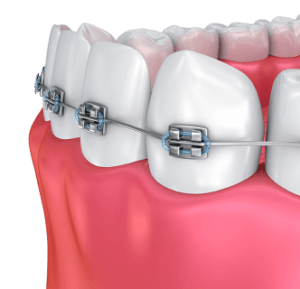
If a permanent tooth bud is present but eruption is delayed, the dentist will monitor the situation, track changes on X-rays, and may recommend orthodontic appliances as needed. These devices are designed to hold space for the incoming tooth and prevent neighboring teeth from shifting.
If no tooth bud is present, temporary prosthetics may be recommended. Removable plate dentures help restore chewing function, maintain the smile’s appearance, preserve space in the dental arch, and support normal jaw development.
In adolescence, other temporary restorative solutions may be used to hold space until skeletal growth is complete. Permanent implantation is typically deferred until the jaw has fully matured.
The most important aspect of treating agenesis in children is consistent follow-up. A plan that works at age seven may need adjustment at twelve to fourteen and revision again in adulthood. This is why the child should be under the ongoing care of a dentist or orthodontist.
Treating Agenesis in Adults
In adults, treatment depends on how many teeth are missing, their location in the arch, and the condition of the bone, gums, and neighboring teeth. The patient’s overall health, aesthetic expectations, and budget are also taken into account.
Primary tooth restoration options:
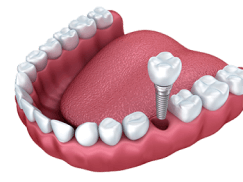
Dental implantation. This is the most modern and physiologically sound method of tooth restoration. An implant serves as an artificial root, with a crown placed on top. This approach restores chewing function, aesthetics, and natural bone stimulation. If bone volume is insufficient, a bone graft may be required before implant placement.
Dental bridge. A bridge is used when one or more teeth are missing and there are sound anchor teeth on either side. It’s a reliable solution, but fitting a bridge typically requires preparing – grinding down – the adjacent teeth.
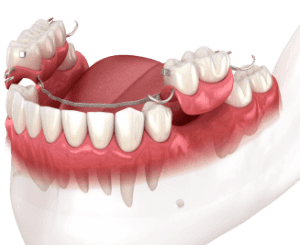
Removable denture. A more accessible option, used in cases of significant tooth loss or when other methods are temporarily not feasible. A removable denture restores chewing function and appearance, but falls short of implants or fixed restorations in terms of comfort and stability.
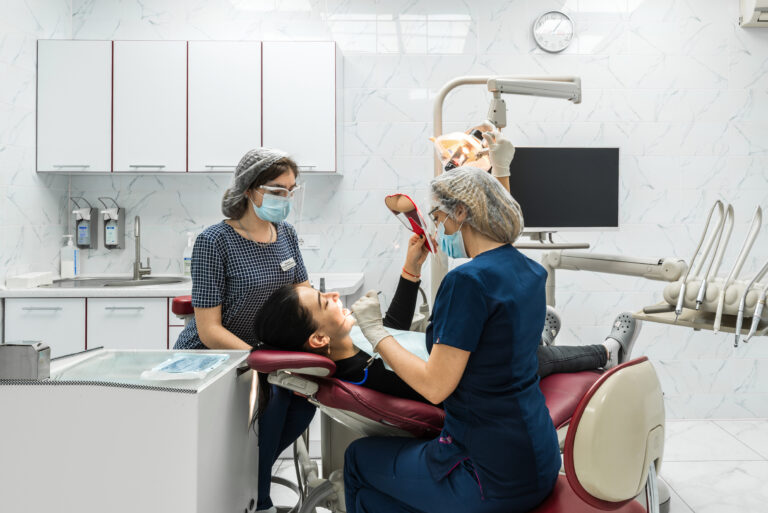
The optimal treatment method is determined after a consultation, clinical examination, and diagnostic workup. The dentist assesses the condition of the oral cavity, takes X-rays, evaluates bone volume, and only then proposes a restoration plan.
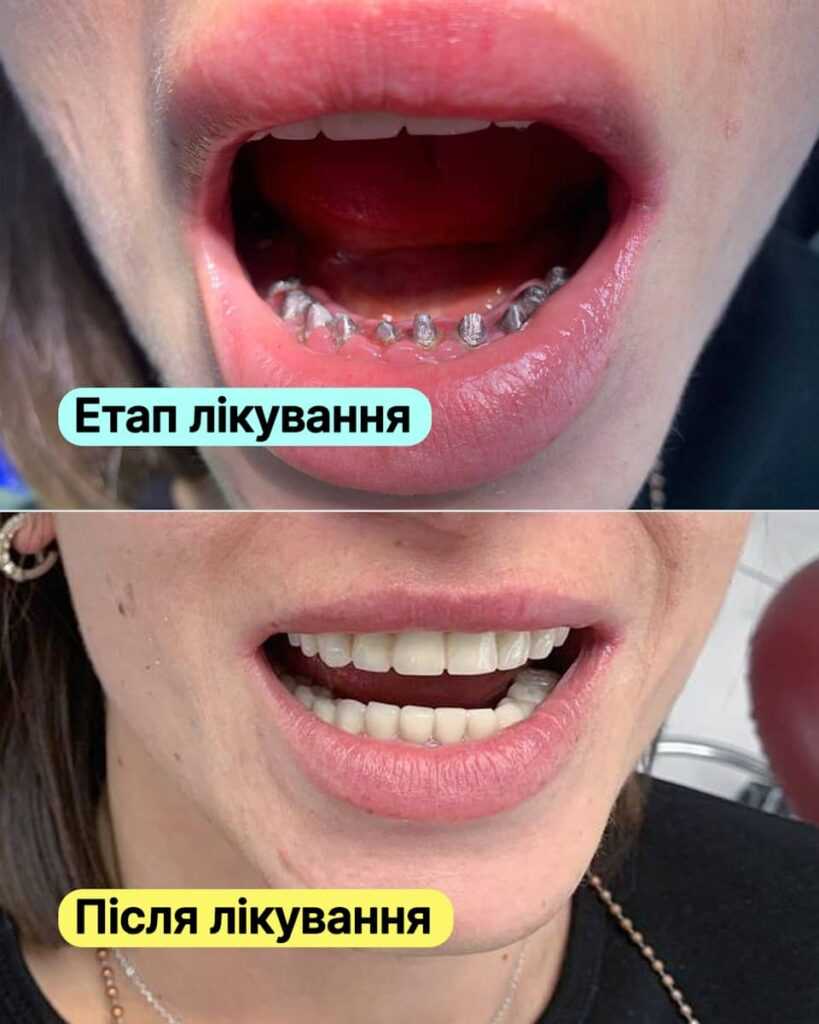
Patient’s Story 🦷 Full-Mouth Rehabilitation for Increased Tooth Wear
A 30-year-old patient came to the clinic with complaints of a pronounced aesthetic defect associated with increased tooth wear and multiple carious lesions.
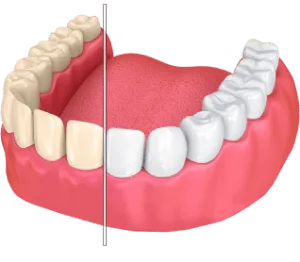
In the photo shows one of the treatment stages and the result after completion of prosthetic rehabilitation.
To restore the function of the dentofacial system, proper bite, and the aesthetics of the smile, full-mouth prosthetic restoration with metal-ceramic crowns was performed with an increase in bite height.
As a result, it was possible to restore the shape of the teeth, harmony of the smile, and the full function of the dentofacial system.
At Med-Deo Dental Clinic, each patient receives an individualized agenesis treatment plan – from temporary prosthetics to full-arch implantation and comprehensive dental rehabilitation.
This article is for informational purposes only and is not a substitute for professional dental advice. For an accurate diagnosis and personalized treatment plan, please consult a qualified specialist.
The author of this article is Kateryna Sazhneva, a pediatric dentist, general dentist, and medical director of the Med-Deo network.
 (044) 394 90 94
  Holosiivska/Demiivska metro station
















Your email will not be published on the site.