Special offer! Comprehensive professional teeth cleaning for only 1699 UAH.
Special offer! Comprehensive professional teeth cleaning for only 1699 UAH.
Special offer! Comprehensive professional teeth cleaning for only 1699 UAH.
Special offer! Comprehensive professional teeth cleaning for only 1699 UAH.
Special offer! Comprehensive professional teeth cleaning for only 1699 UAH.
Special offer! Comprehensive professional teeth cleaning for only 1699 UAH.
Special offer! Comprehensive professional teeth cleaning for only 1699 UAH.
Special offer! Comprehensive professional teeth cleaning for only 1699 UAH.
Special offer! Comprehensive professional teeth cleaning for only 1699 UAH.
Special offer! Comprehensive professional teeth cleaning for only 1699 UAH.
Sign up
 (044) 394 90 94
(044) 394 90 94  Holosiivska/Demiivska metro station
Doctors


 Prices
Blog
Contacts
Prices
Blog
Contacts
пр.Лобановського, 130, Київ, Україна
Temporarily closed
Opening soon
78A, Irpinska St., Kyiv, Ukraine
Temporarily closed
Opening soon
32A, Heroiv Dnipra St., Kyiv, Ukraine
Temporarily closed
Opening soon
9B, Yevhena Chykalenko St. (Pushkinska), Kyiv, Ukraine
Temporarily closed
Opening soon
Sign up
En
(044) 394 90 94
Back
Dentistry
General Dentistry
Dental surgery
Dental Implants
Maxillofacial Surgery
Dental prosthetics
Cosmetic dentistry

Professional Dental Hygiene

Periodontics
Orthodontic dentistry

Gnathology & TMJ Therapy
Pediatric Dentistry
Dental X-Rays
Back
Orthodontic Center
Orthodontic dentistry
Gnathology & TMJ Therapy
Back
Prosthodontic Center
Dental prosthetics
Back
MED-DEO Center for Maxillofacial Surgery & Facial Plastics
Maxillofacial Surgery
Plastic surgery
Back
Surgical Dental Center
Dental surgery
Dental Implants
Search on the site


Popular requests
Teeth whitening
Treatment of caries
Wisdom tooth extraction
Bracket system
Dental veneers
Tooth restoration
Pediatric dentist
Consultation with a dentist-therapist
Search results by: «».
Unfortunately, no results were found for your search: “Pediatric Endocrinologist”, nothing was found.
You may find these links useful:
Clinics "MED-DEO"
пр.Лобановського, 130, Київ, Україна
Temporarily closed
Opening soon
78A, Irpinska St., Kyiv, Ukraine
Temporarily closed
Opening soon
32A, Heroiv Dnipra St., Kyiv, Ukraine
Temporarily closed
Opening soon
9B, Yevhena Chykalenko St. (Pushkinska), Kyiv, Ukraine
Temporarily closed
Opening soon
Services
Dentistry Orthodontic Center Prosthodontic Center MED-DEO Center for Maxillofacial Surgery & Facial Plastics Surgical Dental CenterGeneral Dentistry
Dental surgery
Dental Implants
Maxillofacial Surgery
Dental prosthetics
Cosmetic dentistry
Professional Dental Hygiene
Periodontics
Orthodontic dentistry
Gnathology & TMJ Therapy
Pediatric Dentistry
Dental X-Rays
Orthodontic dentistry
Gnathology & TMJ Therapy
Dental prosthetics
Maxillofacial Surgery
Dental surgery
Dental Implants
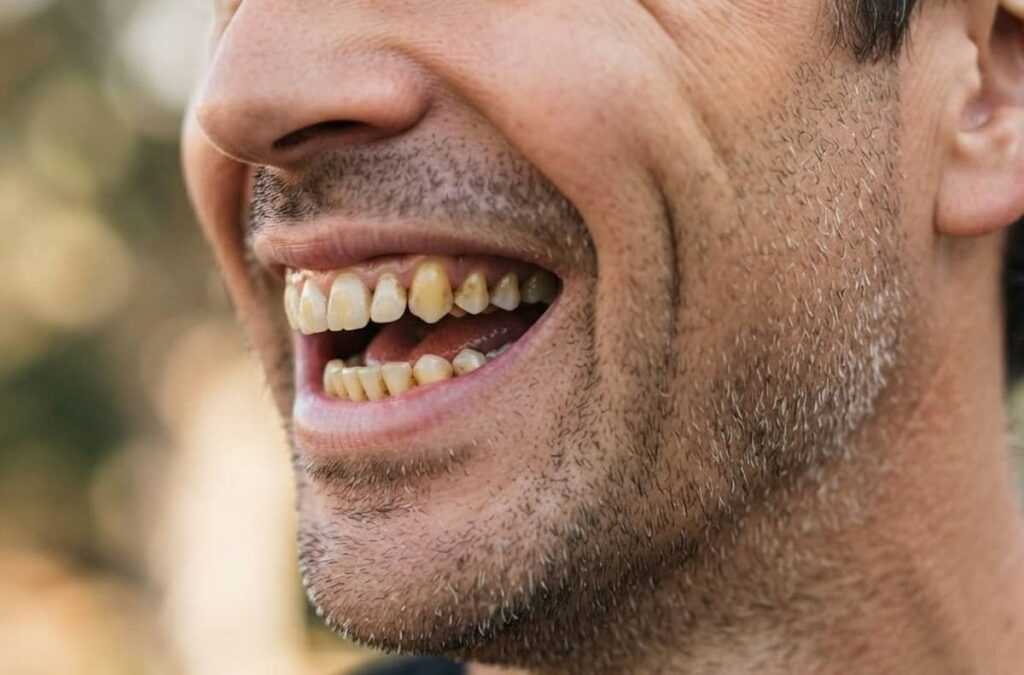

Does a Yellowish Tint Always Mean There’s a Problem?
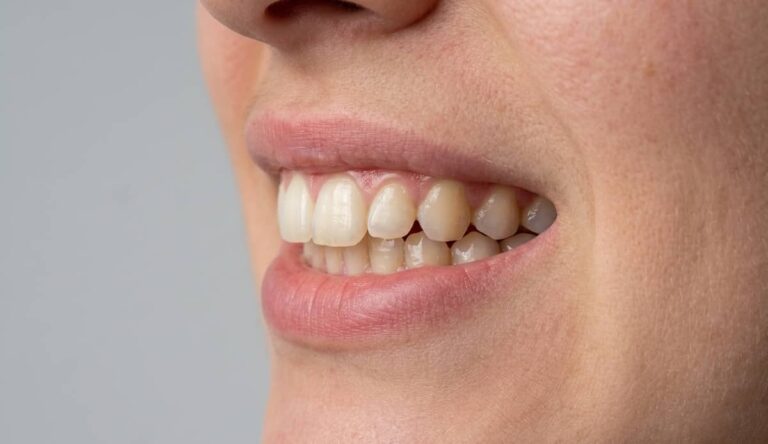
Not at all – yellow teeth aren’t always a sign of disease or poor hygiene. Most people naturally have enamel that’s slightly yellowish or off-white, and that’s completely normal.
Tooth color is determined by two main structures: enamel and dentin. Enamel is semi-transparent, while dentin is naturally more yellow in tone. Because dentin shows through the enamel, it accounts for a significant portion of your tooth’s overall color.
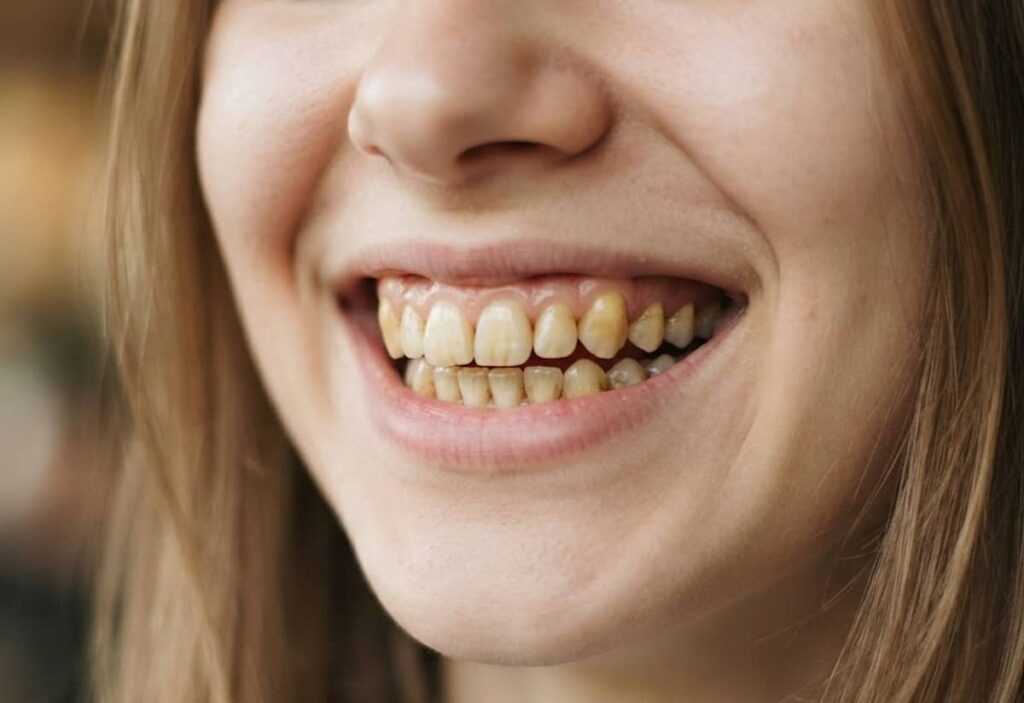
So healthy teeth don’t always look perfectly white. That said, if you notice your teeth changing color, developing spots, a rough enamel surface, or if a single tooth suddenly darkens or turns noticeably yellow – it’s worth seeing a dentist to find out why.
IMPORTANT TO KNOW: A change in tooth shade, even a sudden one, doesn’t always indicate a pathology. But it can be a signal worth paying attention to – one that warrants a dental check-up to rule out underlying issues, or address them before they worsen.
Main Causes of Tooth Discoloration in Adults
There’s rarely a single reason why teeth lose their brightness or turn yellow. In most cases, several factors are working together. This isn’t a sudden, isolated problem – it’s a gradual process that typically builds up over years.
Below, we’ll walk through the most common reasons teeth can appear dark or yellow.
External Factors That Affect Tooth Shade
Quite often, the reason teeth turn yellow comes down to external factors – pigments and staining agents that affect the enamel’s appearance:
- Staining beverages – coffee, tea, red wine, and sugary sodas all gradually discolor enamel by allowing pigments to penetrate its micro-cracks and accumulate in dental plaque.
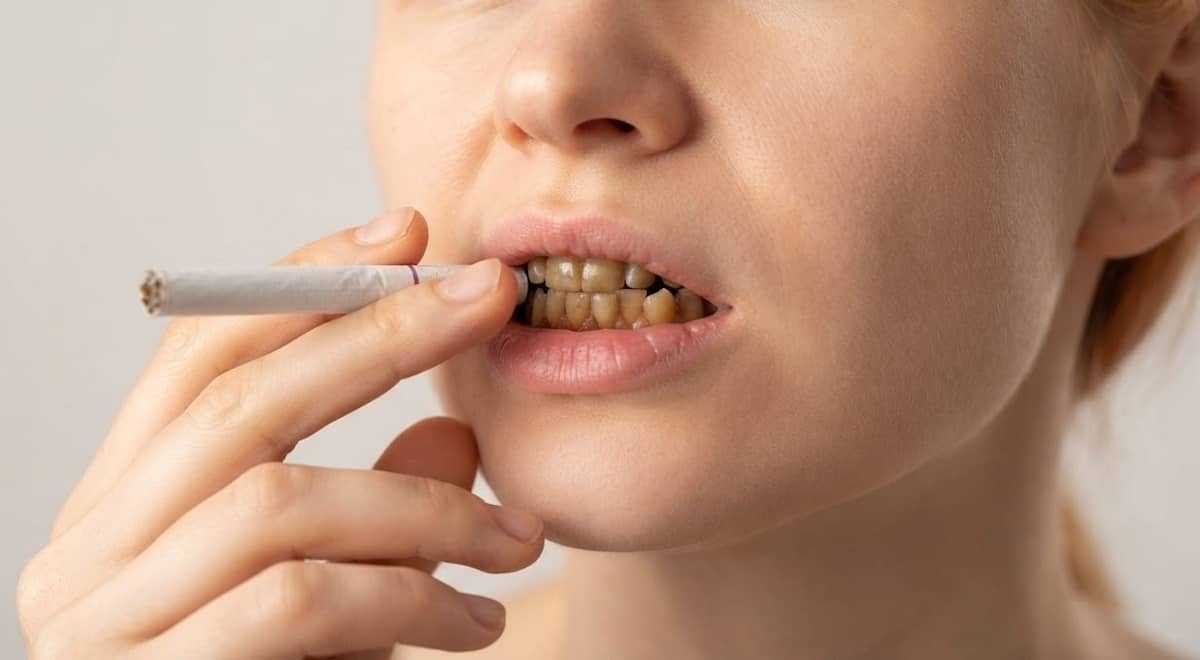
- Smoking – the tars and pigments in tobacco settle on the tooth surface and build up quickly in plaque, giving enamel a yellow or even brownish tint.
- Poor oral hygiene – when plaque isn’t removed properly, it mineralizes and hardens into tartar. Tartar is darker in color and can’t be removed with a toothbrush or water flosser alone. It tends to accumulate most heavily along the gumline, where thorough cleaning is hardest.
Internal and Medical Causes
Sometimes yellow teeth aren’t caused by external factors at all, but by internal changes in the body or the teeth themselves. These can include:
- Certain medications – both antibiotics and other drugs can affect the condition and color of enamel, typically causing it to darken.
- Tooth trauma – a blow or injury to the tooth can disrupt its internal blood supply, leading to a change in color.
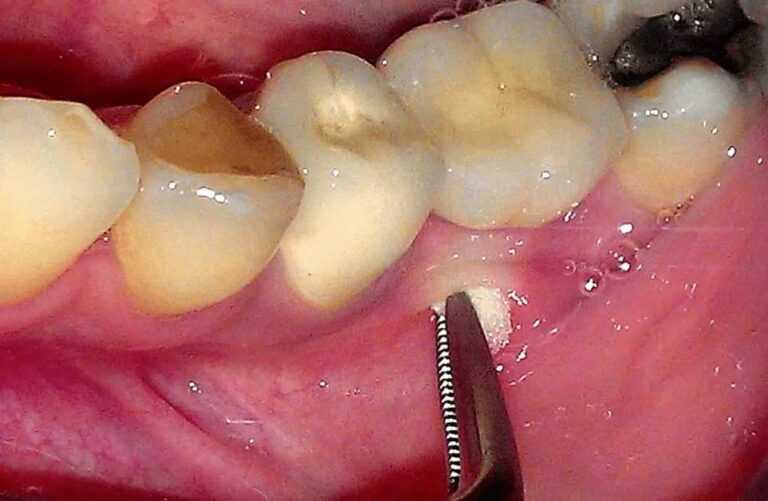
- Cavities – affected areas of a tooth gradually darken, creating yellow or even brown spots on the enamel.
- Certain systemic conditions – metabolic disorders, for example, can affect the structure and density of enamel, which in turn alters its shade.
The cause matters enormously, because it determines the right course of treatment. That’s exactly why a professional dental examination is essential – so your dentist can pinpoint the issue and address it properly.
Age-Related Changes and Genetic Factors
As we age, enamel naturally thins, allowing the dentin beneath it to show through even more. This is why yellow teeth can appear even in people who take excellent care of their oral health and visit the dentist regularly.
Genetics also play a real role. Enamel thickness and dentin shade vary from person to person by nature. The same dental routine won’t produce the same result for everyone. So yellowing or darkening of enamel isn’t always something that needs treatment – sometimes it’s simply a matter of age or heredity.
Yellow Teeth in Children: When It’s Normal and When to See a Dentist
When parents notice yellow teeth in their child, it naturally causes concern. But a change in enamel shade doesn’t always signal a problem. It’s important to understand that baby teeth and permanent teeth are naturally different in color. Baby teeth tend to be lighter and whiter, while new permanent teeth often look more yellowish by comparison.

Tooth shade is shaped by genetics, enamel thickness, and how the teeth developed. So the question of why a child’s teeth are turning yellow isn’t always linked to any illness. For example, yellowing teeth in a 2-year-old can be entirely normal – it often comes down to inadequate brushing or frequent consumption of sugary drinks like milk or formula. We’ll cover when to actually see a dentist a little further below.
Here’s a helpful action plan for parents:
- Start by checking whether the color has changed across all teeth, or just one.
- Then look for plaque, spots, rough enamel, or signs of sensitivity (complaints from your child, reluctance to eat).
- Also assess your child’s daily brushing habits and diet. Watch them more closely for a few days – you may notice fussiness specifically around hot or cold foods.
- Important: if the discoloration doesn’t go away or other symptoms appear, schedule a consultation with a pediatric dentist.
DON’T DELAY a dental visit, even if only one tooth has changed color. Catching it early helps determine whether the baby teeth have been affected and whether treatment is needed.
How to Safely Remove Tooth Yellowing
When looking into how to get rid of yellow teeth, it’s important to understand the key distinction between surface cleaning and actually changing the natural shade of a tooth. Surface plaque and pigmentation are effectively removed through professional dental hygiene – for example, ultrasonic scaling and Air Flow (a jet cleaning system that uses water, air, and powder).
If you need a more significant change in shade, at-home whitening under a dentist’s supervision or in-office whitening (more powerful and longer-lasting) may be the right option. Just keep in mind that temporary tooth sensitivity can sometimes occur after these procedures.
Ultrasonic teeth cleaning
The price of ultrasonic teeth cleaningIn reality, there’s no one-size-fits-all solution in either case. The causes of tooth discoloration vary widely – from simple plaque buildup to internal changes in the body. That’s why prevention matters just as much: regular brushing at home, timely cavity treatment, routine dental check-ups, and proper daily care (the right toothpaste and brush, plus flossing).
What Not to Do at Home When Your Teeth Have Turned Yellow
When trying to fix the problem quickly on their own, many patients reach for aggressive home remedies – baking soda, lemon juice, or other acids – without addressing the underlying cause of the discoloration. We want to be clear: these methods can damage enamel and make teeth more sensitive, while doing little – or only very temporarily – to actually change the color. Professional whitening, whether at-home or in-office, guided by a dentist’s recommendations, is always the better path.
What you can do on your own: cut back on staining foods and drinks (coffee, tea, sugary beverages, red wine), quit smoking, and absolutely avoid any acidic home remedies. Acids dissolve the outer layer of enamel, which can significantly accelerate the development of cavities.
When Whitening Won’t Help – or Should Be Postponed
Even if your yellow teeth are bothering you, whitening isn’t always the right first step. Not all color changes respond to whitening the same way, and in some cases, waiting is the smarter choice. Specifically, whitening should be postponed if you have:
- Gum inflammation – whitening can aggravate it and increase pain.
- Untreated cavities – whitening agents can penetrate damaged areas of the tooth and cause significant pain or worsen the decay.
- Heightened tooth sensitivity – whitening can temporarily increase existing sensitivity and, in some cases, cause pain that wasn’t there before.
- Enamel damage (cracks or chips) – active whitening agents may penetrate deeper and irritate the inner tooth tissue.
The right approach is to resolve all of these issues first, then proceed with whitening based on your dentist’s recommendation. This delivers a safe, lasting result. In some cases, a professional tartar removal is all it takes – after heavy buildup is cleared away, teeth often look noticeably brighter, and whitening turns out to be unnecessary altogether.
The author of this article is Iryna Sashchuk, a general dentist, oral surgeon, and periodontist.


Make an appointment
You can make an appointment by filling out the application form on the website, as well as using instant messengers:
Make an appointment
You can make an appointment by filling out the application form on the website, as well as using instant messengers:


Make an appointment easily using chatbots:
Also, call the numbers:
Modern dentistry and medical centre "MED-DEO"
Choose a clinic whose location is more convenient for you.
Kyiv, Holosiivska/Demiivska metro station
130 Lobanovskoho Avenue


Working hours:
Mon - Sun: 8:00 AM - 9:00 PM
No days off!
Call the numbers:
How to get to us? Create a route
Create a route
Kyiv, Akademistechko metro station
78A, Irpinska str.


Working hours:
Mon-Sun: 8.00-21.00
Without days off!
Call the numbers:
How to get to us?
Create a route
Create a route
Kyiv, Heroiv Dnipra metro station
32A, Heroiv Dnipra str.


Working hours:
Mon-Sun: 8.00-21.00
Without days off!
Call the numbers:
How to get to us?
Create a route
Create a route
Kyiv, Teatralna metro station
9B, E. Chykalenko (Pushkinska) str.


Working hours:
Mon-Sat: 8.00 - 21.00. Sun: by appointment.
Without days off!
Call the numbers:
How to get to us?
Create a route
Create a route
Відгук від клієнта
0:00
0:00


Your email will not be published on the site.