Special offer! Comprehensive professional teeth cleaning for only 1699 UAH.
Special offer! Comprehensive professional teeth cleaning for only 1699 UAH.
Special offer! Comprehensive professional teeth cleaning for only 1699 UAH.
Special offer! Comprehensive professional teeth cleaning for only 1699 UAH.
Special offer! Comprehensive professional teeth cleaning for only 1699 UAH.
Special offer! Comprehensive professional teeth cleaning for only 1699 UAH.
Special offer! Comprehensive professional teeth cleaning for only 1699 UAH.
Special offer! Comprehensive professional teeth cleaning for only 1699 UAH.
Special offer! Comprehensive professional teeth cleaning for only 1699 UAH.
Special offer! Comprehensive professional teeth cleaning for only 1699 UAH.
Sign up
 (044) 394 90 94
  Holosiivska/Demiivska metro station
Doctors


 Prices
Blog
Contacts
пр.Лобановського, 130, Київ, Україна
Temporarily closed
Opening soon
78A, Irpinska St., Kyiv, Ukraine
Temporarily closed
Opening soon
32A, Heroiv Dnipra St., Kyiv, Ukraine
Temporarily closed
Opening soon
9B, Yevhena Chykalenko St. (Pushkinska), Kyiv, Ukraine
Temporarily closed
Opening soon
Sign up
En
(044) 394 90 94
Back
Dentistry
General Dentistry
Dental surgery
Dental Implants
Maxillofacial Surgery
Dental prosthetics
Cosmetic dentistry
Professional Dental Hygiene

Periodontics
Orthodontic dentistry

Gnathology & TMJ Therapy

Pediatric Dentistry
Dental X-Rays
Back
Orthodontic Center
Orthodontic dentistry
Gnathology & TMJ Therapy
Back
Prosthodontic Center
Dental prosthetics
Back
MED-DEO Center for Maxillofacial Surgery & Facial Plastics
Maxillofacial Surgery
Plastic surgery
Back
Surgical Dental Center
Dental surgery
Dental Implants
Search on the site


Popular requests
Teeth whitening
Treatment of caries
Wisdom tooth extraction
Bracket system
Dental veneers
Tooth restoration
Pediatric dentist
Consultation with a dentist-therapist
Search results by: «».
Unfortunately, no results were found for your search: “Pediatric Endocrinologist”, nothing was found.
You may find these links useful:
Clinics "MED-DEO"
пр.Лобановського, 130, Київ, Україна
Temporarily closed
Opening soon
78A, Irpinska St., Kyiv, Ukraine
Temporarily closed
Opening soon
32A, Heroiv Dnipra St., Kyiv, Ukraine
Temporarily closed
Opening soon
9B, Yevhena Chykalenko St. (Pushkinska), Kyiv, Ukraine
Temporarily closed
Opening soon
Services
Dentistry Orthodontic Center Prosthodontic Center MED-DEO Center for Maxillofacial Surgery & Facial Plastics Surgical Dental CenterGeneral Dentistry
Dental surgery
Dental Implants
Maxillofacial Surgery
Dental prosthetics
Cosmetic dentistry
Professional Dental Hygiene
Periodontics
Orthodontic dentistry
Gnathology & TMJ Therapy
Pediatric Dentistry
Dental X-Rays
Orthodontic dentistry
Gnathology & TMJ Therapy
Dental prosthetics
Maxillofacial Surgery
Dental surgery
Dental Implants

When a dentist recommends placing a drain in your gum, there’s no need to worry. This treatment method is widely used in oral surgery. It helps remove inflammatory fluid (exudate) and speeds up tissue recovery.
That said, you shouldn’t put the procedure off. If pus can’t drain freely, there’s a high chance the infection will spread to the periosteum or the bone. Seeing a doctor early lowers the risk of an abscess developing.
What does a gum drain look like, how long do you have to keep it in, and is the gum stitched up afterward? Read on to find out.
What Is a Gum Drain and Why Is It Placed
A dental drain is a small strip of flexible material that the doctor places in a wound after opening it. It doesn’t eliminate the cause of the condition; it simply allows pus, blood-tinged fluid, and other discharge to flow out. Otherwise, the exudate will build up and the infection will keep spreading into deeper tissues.
In addition, the patient may be advised to have the root canals treated, have the tooth removed, or take a course of medication (depending on the clinical situation).
The dental drain itself isn’t permanent. It is removed as soon as the pain and swelling subside and the patient’s condition gradually improves. The procedure takes only a few seconds and usually doesn’t require anesthesia, although it may cause slight discomfort.
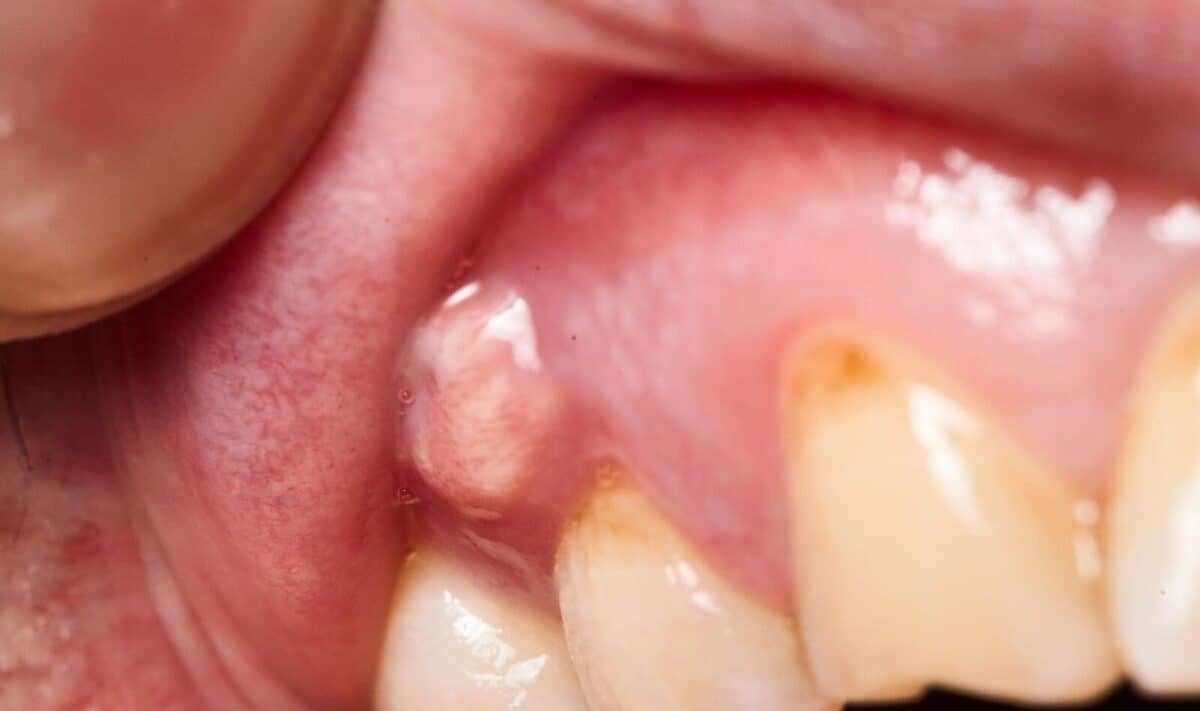
How a Dental Drain Differs from Other Medical Drains
What is a drain in medicine? It’s any device that helps carry fluid away from the body’s tissues or cavities. Surgical drains used after complex operations take the form of tubes and are connected to special systems that collect the discharge.
A dental drain works on the same principle, although it looks different (it’s a special strip, as mentioned earlier). It isn’t connected to any equipment, and once the condition improves, the doctor removes it easily.
When a Doctor Places a Drain
Whether a tooth needs a drain is determined by the oral surgeon after an examination. The procedure is performed under local anesthesia, so the patient feels no pain while it’s being done. The main indications are the following conditions:
- Inflammation after tooth extraction (alveolitis), when discharge collects in the wound.
- An abscess (a pus-filled pocket) near a tooth or in the gum.
- A buildup of pus near the tooth and gum (periostitis, commonly known as a gumboil).
- Purulent inflammation of the gum or soft tissues.
- Difficult eruption of a wisdom tooth (pericoronitis).
- After opening an abscess or a purulent cyst.
Pain, gum swelling, or a puffy cheek don’t automatically mean that a gum drain is needed. Sometimes medication alone is enough, but without the exudate draining out, recovery won’t be possible. That’s why the decision to place a drain is made by the doctor after an examination, not by the patient.
Drainage After Tooth Extraction and for Purulent Inflammation
If you came in because of inflammation with discharge, the flexible strip creates the conditions for cleansing the source of infection near the root. This ensures that pus can drain without obstruction. As a result, pressure in the tissues goes down and the pain eases.
A drain after tooth extraction is placed less often. It’s used not to treat an abscess that has already formed, but to create the right conditions for proper healing and to prevent possible complications.
Tooth extraction
Tooth extractionIn any case, the surgical wound needs proper care: antiseptic treatment, following the doctor’s recommendations, and monitoring of the healing process at a follow-up visit.
What a Gum Drain Looks Like and Which Sensations Are Normal
There’s a common belief that a dental drain will be noticeable or get in the way. In reality, this thin strip is barely felt, and only occasionally might your tongue touch it. A small part of it stays outside so the dentist can easily remove it at the next appointment.
During the first 1–2 days, it’s normal to have slight discomfort when chewing, a feeling of a foreign object, swelling of the cheek or gum, and minor bloody or blood-tinged discharge. You should see your doctor if you develop throbbing pain or a fever, or if the swelling keeps growing.
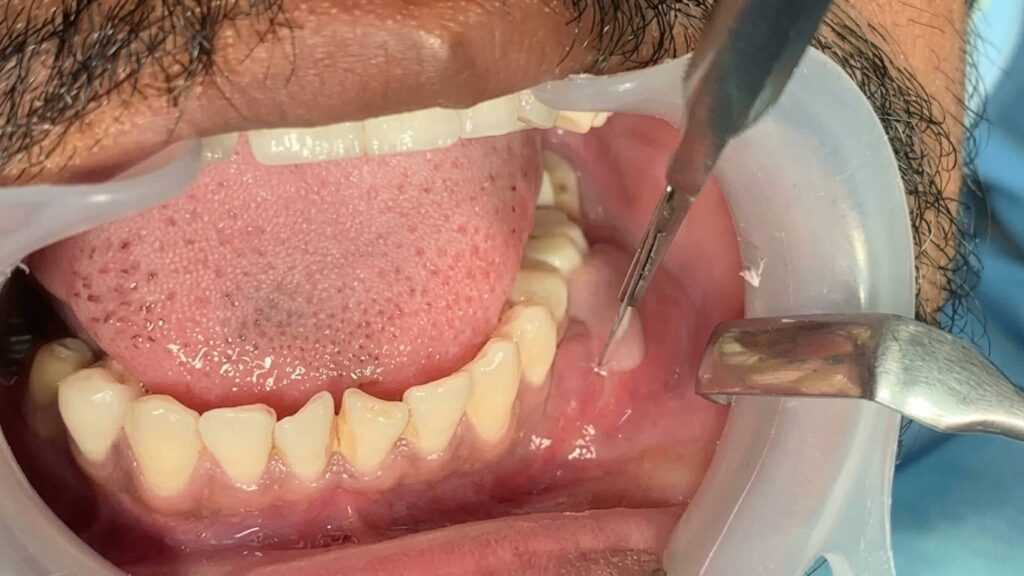
How Much Does a Drain Cost and How Is It Removed
A gum drain is usually left in for 1–3 days, though the final decision is up to the specialist. As soon as discharge from the wound becomes minimal or stops completely, the doctor removes it. If fluid continues to accumulate or the healing process needs additional monitoring, the drain may need to be replaced with a new one.
Can You Remove a Drain Yourself
If the strip rubs against the mucous membrane or gets in the way of chewing or talking, some patients feel tempted to take it out. You shouldn’t do this. Even accidentally, you could injure the tissues, cause bleeding, or disrupt the drainage of fluid from the wound.
It’s better to contact a dentist at the MED-DEO clinic right away. After assessing the wound and how it’s healing, the doctor will remove the drain or, if necessary, adjust its position. Remember that avoiding self-treatment is essential for a safe recovery.
What to Do If the Drain Falls Out or Your Cheek Swells with a Drain in Place
If you have a gum drain and your cheek has swollen, don’t panic. Assess the situation and act calmly. What to do next depends on when exactly the drain came out and how your condition is changing:
- The drain fell out within the first few hours or the day after placement. Don’t try to put it back yourself. It’s important to contact your doctor and report what happened: the specialist will decide whether a repeat examination or a replacement is needed.
- The drain fell out near the end of treatment. This doesn’t always mean there’s a problem, but you should still let your dentist know. They will assess the wound and confirm that no further action is needed.
- Swelling persists after the drain has been placed. Keep an eye on any changes. Slight cheek swelling is a normal reaction, but if it gets worse, you should seek advice.
Nevertheless, we recommend seeing a specialist as soon as possible if you notice any warning symptoms. These include increased pain, a fever, heavy bleeding, recurring purulent discharge, an unpleasant taste or odor in the mouth, difficulty breathing, being unable to swallow or open your mouth, and swelling that spreads to the neck.
Is the Gum Stitched After Drain Placement and What You Shouldn’t Do at Home
Whether stitches are needed depends on the size of the wound, the extent of the procedure, and the general condition of the tissues. Sometimes the wound is intentionally not closed completely so that the exudate can keep draining.
Once a drain has been placed for a tooth, the healing process begins. During this period, patients should not:
- rinse the wound with home remedies without the doctor’s permission;
- eat hot or hard foods that may irritate the gum mucosa in the treated area;
- apply heat to the cheek or the area where the dental drain is located;
- touch the drain or try to adjust or remove it themselves;
- use folk remedies or medications that haven’t been prescribed by a specialist;
- put excessive pressure on the treated area (for example, chewing hard on that side);
- smoke or drink alcohol during the healing period, as this slows tissue recovery.
Follow your doctor’s recommendations (in particular regarding oral rinses) and brush your teeth gently. Don’t skip the follow-up visit with your dentist, which takes place a few days after the drain is placed or at another scheduled time.
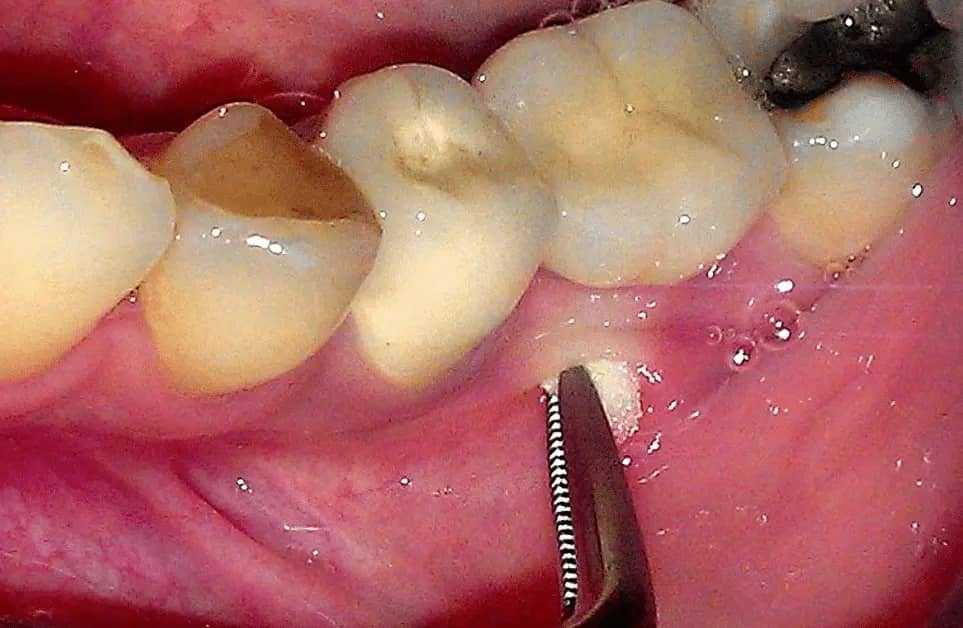
Preventing Complications and When to See a Dentist Again
A gum drain helps deal with the unpleasant consequences, but it doesn’t eliminate the root cause. To keep the problem from coming back, stick to your treatment plan, especially if you’ve been prescribed antibiotic therapy.
Sometimes the simplest actions bring the best results. Here’s what will help lower the risk of repeat inflammation:
- schedule regular check-ups to monitor the healing process;
- don’t put off timely treatment of cavities and gum diseases (gingivitis, periodontitis);
- have your wisdom teeth checked if they bother you or often become inflamed;
- pay attention to unusual symptoms (redness, swelling, discomfort when chewing, etc.);
- don’t forget professional oral hygiene to keep your teeth healthy (about once every 6 months or as recommended by your dentist).
If the pain becomes throbbing or your cheek swells more, don’t wait for your condition to get worse. Book a consultation with a dentist at the MED-DEO clinic. The sooner they assess the situation, the easier it will be to avoid complications.
The author of this article is Oksana Terentyeva, a prosthodontist, general dentist, oral surgeon, and periodontist.

Make an appointment
You can make an appointment by filling out the application form on the website, as well as using instant messengers:
Make an appointment
You can make an appointment by filling out the application form on the website, as well as using instant messengers:


Make an appointment easily using chatbots:
Also, call the numbers:
Modern dentistry and medical centre "MED-DEO"
Choose a clinic whose location is more convenient for you.
Kyiv, Holosiivska/Demiivska metro station
130 Lobanovskoho Avenue


Working hours:
Mon - Sun: 8:00 AM - 9:00 PM
No days off!
Call the numbers:
How to get to us? Create a route
Kyiv, Akademistechko metro station
78A, Irpinska str.


Working hours:
Mon-Sun: 8.00-21.00
Without days off!
Call the numbers:
How to get to us?
Create a route
Create a route
Kyiv, Heroiv Dnipra metro station
32A, Heroiv Dnipra str.


Working hours:
Mon-Sun: 8.00-21.00
Without days off!
Call the numbers:
How to get to us?
Create a route
Create a route
Kyiv, Teatralna metro station
9B, E. Chykalenko (Pushkinska) str.


Working hours:
Mon-Sat: 8.00 - 21.00. Sun: by appointment.
Without days off!
Call the numbers:
How to get to us?
Create a route
Create a route
Відгук від клієнта
0:00
0:00


Your email will not be published on the site.