40198
Services Doctors
Clinics

пр.Лобановського, 130, Київ, Україна

Temporarily closed

Opening soon

стоматологія на лобановського

78A, Irpinska St., Kyiv, Ukraine

Temporarily closed

Opening soon

IMGP4938

32A, Heroiv Dnipra St., Kyiv, Ukraine

Temporarily closed

Opening soon

2024-10-23 11.56.42

9B, Yevhena Chykalenko St. (Pushkinska), Kyiv, Ukraine

Temporarily closed

Opening soon

IMGP5161
Prices Blog Contacts
Back Dentistry

Clinics "MED-DEO"

пр.Лобановського, 130, Київ, Україна

Temporarily closed

Opening soon

стоматологія на лобановського

78A, Irpinska St., Kyiv, Ukraine

Temporarily closed

Opening soon

IMGP4938

32A, Heroiv Dnipra St., Kyiv, Ukraine

Temporarily closed

Opening soon

2024-10-23 11.56.42

9B, Yevhena Chykalenko St. (Pushkinska), Kyiv, Ukraine

Temporarily closed

Opening soon

IMGP5161

Services

Dentistry

Service statistics

icon

More and more clients choose «MED-DEO»

287

Number of services provided

280

Number of patients who received the service

Initial doctor consultation

The cost of a consultation: 1000 UAH.

Appointment by phone:

(044) 394 90 94

Removal of salivary gland tumors is an operation that involves general anesthesia and hospitalization of the patient.

Our doctors work hard to develop the most effective treatment plan for each patient individually. Our goal is to help you regain your health and improve your quality of life.

Salivary gland tumor removal price 2026

On a separate page you can find out about prices for salivary gland removal.

Service name

Price, UAH.

Initial consultation with a maxillofacial surgeon with a PhD in medical sciences

1200

Sign up

Repeated consultation of a maxillofacial surgeon, candidate of medical sciences

800

Sign up

Initial consultation with an oral and maxillofacial surgeon

800

Sign up

Repeated consultation with an maxillofacial surgeon

600

Sign up

Treatment under sedation

from 5800

Sign up

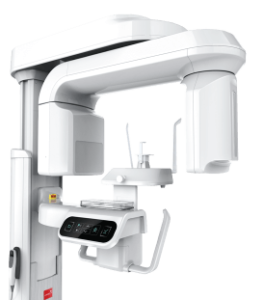
CT scan of the upper and lower jaw

1200

Sign up
Popular questions:

What are salivary gland tumors?

Salivary gland tumors are neoplasms that arise in the major or minor salivary glands. They can be benign (e.g., adenomas) or malignant (salivary gland cancer).

What are the potential causes and risk factors that can contribute to the development of salivary gland tumors?

Salivary gland tumors can occur due to radiation, chronic inflammation, genetic predisposition, smoking, or contact with harmful chemicals.

What symptoms may indicate the presence of a salivary gland tumor?

A salivary gland tumor presents with a lump or swelling under the jaw or near the ear, pain, facial asymmetry, difficulty chewing or swallowing, and sometimes facial numbness.

Removal of a salivary gland tumor at the Med-Deo clinic: high-quality and affordable

A tumor of the submandibular, parotid or sublingual salivary glands diagnosed in a timely manner is more effectively treated. Do not ignore the symptoms and contact the Med-Deo clinic. Our specialists use modern methods of diagnosis and treatment to provide our patients with the highest level of medical care.

Make an appointment
icon icon Group 1258

Reviews about the removal of a salivary gland tumor at the Med-Deo clinic

Leave a review
5

Based on reviews

Based on reviews

Ірина

2026-07-10

Операція була для мене дуже хвилюючою, але лікар із першої консультації вселив упевненість. Усе детально пояснив і підтримував протягом лікування. Відновлення пройшло набагато легше, ніж я очікувала. Дякую лікарю та всьому персоналу за турботу.

Олена

2026-05-10

Дуже хвилювалась перед операцією, але лікар усе детально пояснив і підтримав. Процедура пройшла спокійно, відновлення було під контролем. Персонал уважний і доброзичливий.

Юлія

2025-11-05

Довго боявся йти до лікаря, але пухлина почала заважати. Операцію зробили дуже професійно, без ускладнень. Після видалення я нарешті відчув полегшення і можу нормально жувати й говорити. Команда просто неймовірна.v

Наталія

2025-08-20

Мала серйозний страх перед операцією, але лікар усе пояснив і підтримав. Видалення пухлини пройшло успішно, без ускладнень. Після відновлення почуваюся добре, вдячна за турботу та професійність Дамиду Миколайовичу.

Людмила

2025-07-19

Після довгих обстежень мені провели операцію з видалення новоутворення під язиком. Відновлення зайняло кілька днів, клініка та лікар завжди були на зв’язку. Дуже задоволена всім і операцією і клієнтоорієнтованістю!

Максим

2025-04-03

Звернувся до лікаря з припухлістю біля вуха, що поступово збільшувалася. Після обстеження виявили пухлину слинної залози. Лікарі все пояснили, налаштували на позитивний результат. Операція пройшла успішно, відновлення швидке. Дуже вдячний

Володимир

2025-02-15

Після тривалого дискомфорту у щоці пішов до лікаря й дізнався, що маю пухлину слинної залози. Довелося видаляти. Лікар провів все дуже акуратно, безболісно, після операції самопочуття хороше. Велика подяка всій команді

Яна

2024-11-21

Думала, що просто збільшена залоза, але після консультації виявилося, що це пухлина. Операція була необхідною, і пройшла вона ідеально! Лікар виконав усе ювелірно, реабілітація швидка. Велике спасибі за професіоналізм!

Анна

2024-08-12

Звернулася до клініки з неприємними відчуттями у щелепній зоні. Діагностували пухлину слинної залози, яку потрібно було видаляти. Операція пройшла успішно, лікар був дуже уважний. Дякую за кваліфіковану допомогу та підтримку!Рекомендую!

Віктор

2024-07-29

Лікарі клініки провели складну операцію з видалення пухлини в слинній залозі. Все пройшло чудово, шов майже не помітний, функції не порушені. Дуже вдячний за професійне ставлення та турботу!

Лариса

2024-05-10

Спочатку не звертала уваги на припухлість біля вуха, але коли з’явився біль, звернулася до лікаря. Виявили пухлину, яка потребувала видалення. Лікар усе зробив бездоганно, післяопераційний період пройшов добре. Дякую за вашу роботу! Рекомендую!!!

Тетяна

2024-02-26

Після діагностики лікарі виявили доброякісну пухлину слинної залози. Було страшно, але лікар запевнив, що все мине успішно. Так і сталося операція пройшла чудово, зараз почуваюся добре. Дякую за підтримку та професіоналізм!

Вікторія

2023-10-03

Рекомендую цю клініку! Лікарі виявили пухлину на ранньому етапі, провели видалення дуже акуратно. Після операції швидко відновилася, не залишилося навіть натяку на проблему. Дякую за чудову роботу!

Show more Hide

Causes and symptoms of salivary gland tumor

The main causes of the pathology are not yet fully understood, but it is believed that the following factors influence the formation of salivary gland tumors:

  • Age: Neoplasms are diagnosed several times more frequently in patients over the age of 40;
  • Sex: Women encounter this problem more often;
  • Radiation exposure: Received during the treatment of other diseases;
  • Occupational and environmental hazards: Contact with certain chemicals, dust, gas, asbestos, and other carcinogens;
  • Viruses: Cytomegalovirus (CMV), herpes simplex virus (HSV);
  • Genetics: Tumors can be hereditary or linked to genetic mutations.

Symptoms are diverse and depend on the size of the salivary gland tumors, the extent of the pathological process, and its nature. In some cases, the disease progresses without any signs or manifests only as a nodule or thickening under the skin.

However, when a clinical picture does emerge, the main signs include:
  • Pain or discomfort in the area of the salivary gland, especially during chewing or swallowing;
  • Swelling, redness, or ulceration of the skin over the tumor;
  • Facial asymmetry or deformity due to compression or damage to the facial nerve;
  • Dry mouth (xerostomia) or impaired saliva secretion;
  • Enlargement of the cervical lymph nodes or the development of metastases in other organs.

Classification of salivary gland tumors

According to clinical and morphological characteristics, all salivary gland tumors are divided into:
  1. Benign: Grow slowly, do not invade surrounding tissues, and do not metastasize;
  2. Malignant: Grow rapidly, invade surrounding tissues, and metastasize to distant parts of the body;
  3. Locally destructive (intermediate): Possess an intermediate character between benign and malignant; they grow slowly but can invade surrounding tissues and cause local recurrence.

Benign neoplasms include:

  • Epithelial: Adenolymphomas, adenomas, and mixed tumors;
  • Non-epithelial: Chondromas, hemangiomas, neuromas, fibromas, and lipomas.

Neoplasms of a locally destructive nature include:

  • Cylindromas;
  • Acinic cell tumors;
  • Mucoepithelial tumors.

Among tumors of a malignant nature, the following are distinguished: carcinomas, sarcomas, malignant transformation (malignant tumors arising from benign ones), and metastatic (secondary) tumors.

Additionally, there is a classification of salivary gland tumors by stages of development:

  1. Stage I: The neoplasm is confined strictly to a single gland and does not spread to surrounding tissues.
  2. Stage II: The tumor may involve surrounding tissues or lymph nodes but remains localized.
  1. Stage III: The pathological processes reach a wider spread, affecting multiple salivary glands or surrounding tissues.
  2. Stage IV: The tumor is widespread and may include metastases to distant organs and lymph nodes.

This classification helps determine the extent of tumor spread and plan appropriate treatment and patient care.

Symptoms of salivary gland tumors

The majority of salivary gland tumors, whether benign or malignant, typically manifest as painless masses. In a benign course of the disease, the tumor develops over several years and can lead to facial asymmetry. Over time, malignant salivary gland tumors spreading to nerve structures can lead to the development of symptoms such as:

  • Pain;
  • Numbness;
  • Sensory disturbances (burning sensations, paresthesia or “pins and needles”, etc.);
  • Severe burning pain accompanied by local circulatory disorders, trophic changes, and motor function impairment.
Need
Diagnostics?

Phone registration:

(044) 394-90-94

Sign up
icon icon
imgp4956 1024×683

Removal of salivary gland tumors

The surgeon makes an incision in the neck or face area to gain access to the affected salivary gland. The physician removes either the neoplasm itself or the entire gland along with the tumor, which is determined by the scope of the surgical intervention. After that, the specimen is sent to the laboratory for histological examination. This helps determine the precise nature of the neoplasm. The removal of parotid salivary gland tumors carries certain risks because the facial nerve passes through the gland. For this reason, the operation is performed under visual control. Depending on the size and nature of the neoplasm, reconstructive plastic surgery may be required to restore the normal shape of the face.

For salivary gland cancer, combined treatment is most frequently used, which involves two stages: first, preoperative radiation therapy is performed, followed by surgical intervention. Surgery includes the partial or complete removal of the salivary glands, as well as the removal of lymph nodes in the neck area (neck dissection). Chemotherapy is rarely used for malignant salivary gland tumors because it does not provide the desired effect.

Still have questions?

Make an appointment with a doctor!icon

Make an appointment Make an appointment

Recommended articles:
We work with all insurance companies

On this page Contents of the page

icon

Dental services