Special offer! Comprehensive professional teeth cleaning for only 1699 UAH.
Special offer! Comprehensive professional teeth cleaning for only 1699 UAH.
Special offer! Comprehensive professional teeth cleaning for only 1699 UAH.
Special offer! Comprehensive professional teeth cleaning for only 1699 UAH.
Special offer! Comprehensive professional teeth cleaning for only 1699 UAH.
Special offer! Comprehensive professional teeth cleaning for only 1699 UAH.
Special offer! Comprehensive professional teeth cleaning for only 1699 UAH.
Special offer! Comprehensive professional teeth cleaning for only 1699 UAH.
Special offer! Comprehensive professional teeth cleaning for only 1699 UAH.
Special offer! Comprehensive professional teeth cleaning for only 1699 UAH.
 (044) 394 90 94
  Holosiivska/Demiivska metro station
(044) 394 90 94
Holosiivska/Demiivska metro station
(044) 394 90 94 пр.Лобановського, 130, Київ, Україна
Temporarily closed
Opening soon

78A, Irpinska St., Kyiv, Ukraine
Temporarily closed
Opening soon

32A, Heroiv Dnipra St., Kyiv, Ukraine
Temporarily closed
Opening soon

9B, Yevhena Chykalenko St. (Pushkinska), Kyiv, Ukraine
Temporarily closed
Opening soon

General Dentistry
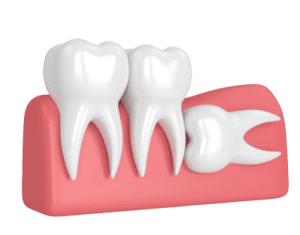
Dental surgery
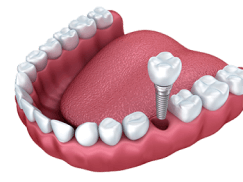
Dental Implants
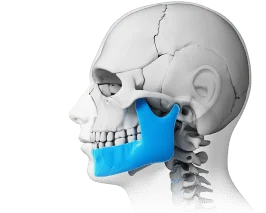
Maxillofacial Surgery
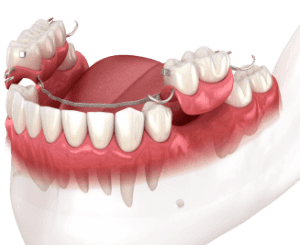
Dental prosthetics
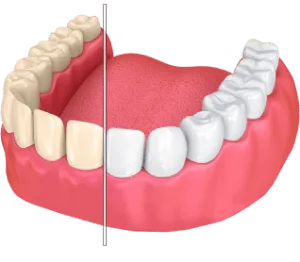
Cosmetic dentistry

Professional Dental Hygiene

Periodontics
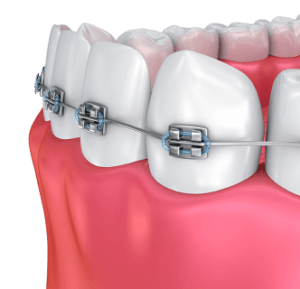
Orthodontic dentistry

Gnathology & TMJ Therapy

Pediatric Dentistry
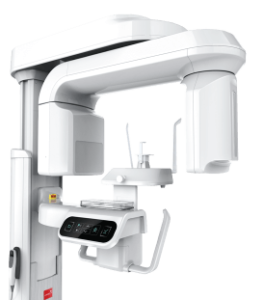
Dental X-Rays
Orthodontic dentistry
Gnathology & TMJ Therapy
Dental prosthetics
Maxillofacial Surgery
Plastic surgery
Dental surgery
Dental Implants


Popular requests
Teeth whitening
Treatment of caries
Wisdom tooth extraction
Bracket system
Dental veneers
Tooth restoration
Pediatric dentist
Consultation with a dentist-therapist
Search results by: «».
Unfortunately, no results were found for your search: “Pediatric Endocrinologist”, nothing was found.
You may find these links useful:
Clinics "MED-DEO"
пр.Лобановського, 130, Київ, Україна
Temporarily closed
Opening soon
78A, Irpinska St., Kyiv, Ukraine
Temporarily closed
Opening soon
32A, Heroiv Dnipra St., Kyiv, Ukraine
Temporarily closed
Opening soon
9B, Yevhena Chykalenko St. (Pushkinska), Kyiv, Ukraine
Temporarily closed
Opening soon
Services
Dentistry Orthodontic Center Prosthodontic Center MED-DEO Center for Maxillofacial Surgery & Facial Plastics Surgical Dental CenterGeneral Dentistry
Dental surgery
Dental Implants
Maxillofacial Surgery
Dental prosthetics
Cosmetic dentistry
Professional Dental Hygiene
Periodontics
Orthodontic dentistry
Gnathology & TMJ Therapy
Pediatric Dentistry
Dental X-Rays
Orthodontic dentistry
Gnathology & TMJ Therapy
Dental prosthetics
Maxillofacial Surgery
Dental surgery
Dental Implants
Service statistics

More and more clients choose «MED-DEO»
Initial consultation with a doctor
The cost of a consultation: 1000 UAH.
Appointment by phone:
(044) 394 90 94Removal of papillomas and fibromas at the Med-Deo clinic
Papillomas are small, protruding growths on the skin or mucous membranes caused by the human papillomavirus (HPV). Fibromas are benign tumors composed of fibrous or connective tissue.
Removal of papillomas and fibroids price 2026
Service name
Price, UAH.
Removal of benign skin neoplasms up to 1.5 cm with closure of the defect with local tissues (atheromas, lipomas, nevi)
7600 ₴
Sign upRemoval of benign skin neoplasms from 1.5 to 3.5 cm with autoplasty
20000 ₴
Sign upExcisional biopsy of maxillofacial neoplasms
10000 ₴
Sign upInitial consultation with a maxillofacial surgeon, candidate of medical sciences
1200 ₴
Sign upFollow-up consultation with a maxillofacial surgeon, candidate of medical sciences
800 ₴
Sign upInitial consultation with a maxillofacial surgeon
700 ₴
Sign upFollow-up consultation with a maxillofacial surgeon
500 ₴
Sign upDressing
200 ₴
Sign upFirst aid for maxillofacial wounds up to 3 cm
3000 ₴
Sign upFirst aid for maxillofacial wounds from 3 cm to 5 cm
5200 ₴
Sign upApplication of delayed sutures
1000 ₴
Sign up









Reviews about the removal of papillomas and fibroids at "Med-Deo"
What are papillomas?
Papillomas are small, protruding growths on the skin or mucous membranes caused by the human papillomavirus (HPV).
It is one of the most common viruses that can infect various parts of the body, including the skin, genitals, mouth, and throat. Papillomas look like soft papillae on a stalk or a wide base, varying in color and size. They are often painless, but can sometimes cause itching, irritation, or discomfort, especially if located in areas of friction or pressure. While papillomas do not always pose a health risk, they can cause discomfort, pain, bleeding, or act as a cosmetic defect. Additionally, certain types of HPV have a high oncogenic risk and can contribute to the development of cancer.
Why is it recommended to remove papillomas?
Recommendations for the excision of papillomas are based on several factors:
- Aesthetic appeal. Papillomas can mar the appearance of the skin, especially when located on the neck, face, décolleté, or other exposed areas of the body. Removing them helps eliminate the cosmetic defect and boost self-esteem.
- Comfort and hygiene. These growths can cause discomfort, pain, itching, or burning, particularly if they are in areas of friction, contact with clothing or underwear, in the groin area, or on the genitals. Removal makes skin care easier and prevents irritation and inflammation.
- Prevention of complications. Papillomas can be traumatized, infected, inflamed, or bleed, which may lead to suppurating wounds and further spread of the virus. Removing papillomas eliminates the risk of such complications and promotes skin healing.
- Cancer prevention. Papillomas form as a result of HPV affecting the tissues, which can carry high or low oncogenic risk. Certain types of HPV contribute to the development of cancer. Removal reduces the likelihood of malignant transformation and allows for testing to determine the specific HPV type.
The cost of papilloma removal depends on the size and number of growths, as well as the chosen removal method. For more detailed information, please contact us using the phone numbers listed on the “Med-Deo” clinic website.
Causes of papillomas
The appearance of papillomas is linked to infection with the human papillomavirus (HPV), which can be transmitted in several ways:
- Sexual contact — the most common way of contracting HPV, especially if the contact was unprotected or with multiple partners.
- Skin contact — HPV can be transmitted by touching skin that has papillomas or by sharing personal hygiene items, clothing, or linens.
- Childbirth — HPV can be passed from mother to child during passage through the birth canal, leading to the development of papillomas on the child’s mucous membranes, including the larynx.
- Medical procedures — infection is possible during surgical interventions if sterility and antiseptic measures are not followed.

A weakened immune system can increase the risk of developing papillomas.



What are fibromas?
Fibromas are benign tumors composed of fibrous or connective tissue.
They can form in various organs and tissues, such as the skin, mucous membranes, muscles, glands, nerves, and bones. Fibromas may be single or multiple, small or large, flat or protruding above the surface. The color of fibromas may match the surrounding tissue or differ from it. Fibromas usually do not cause pain or discomfort unless they compress neighboring organs or structures. Some fibromas do not require treatment and may shrink or disappear on their own. Others can be removed surgically, or via laser therapy, cryodestruction, radiofrequency therapy, or embolization.
Why are fibromas dangerous?
Fibromas are typically benign tumors and rarely become life-threatening. However, they can cause various issues and symptoms that may significantly impact the quality of life.
Here are several potential problems associated with fibromas:
- Bleeding. Fibromas located on the skin or mucous membranes can be damaged by trauma or scratching. This can lead to bleeding, infection, or further growth of the fibroma.
- Pain. Fibromas can cause severe pain if they grow within or compress nerve fibers. Pain can also occur during necrosis (tissue death) of the fibroma due to impaired blood supply. The pain may be constant or intermittent, localized, or radiating to other parts of the body.
- Pressure. Fibromas can exert pressure on surrounding organs and tissues, impairing their function.
When should a fibroma be removed?
Removal of a fibroma in the mouth or on the face is recommended in the following cases:
- Aesthetic discomfort — a tumor on the face mars the appearance and causes self-consciousness; in the mouth, it interferes with chewing, swallowing, and speech.
- Malignant transformation — a fibroma on the face or in the mouth can transform into a malignant tumor (fibrosarcoma) under the influence of adverse factors, such as ultraviolet radiation, smoking, chronic irritation, or infection.
- Growth — the lesion can increase in size and compress surrounding tissues, nerves, or blood vessels, causing pain, swelling, redness, or impaired sensation.
- Traumatization — the fibroma can bleed, hurt, become inflamed, or infected.

How is papillomas and fibroids removed at the Med-Deo clinic?
Papilloma and fibroma removal at the “Med-Deo” clinic in Kyiv involves several stages:
- Consultation with a dermatologist, who examines the growth and determines its type. The doctor may also prescribe additional tests, such as HPV PCR testing or a biopsy with histological examination, to rule out the malignant nature of the papillomas or fibromas.
- Preparation. Before the removal procedure, the following recommendations must be observed: do not take anticoagulants for 10 days prior to the procedure; avoid tanning beds and sun exposure for 2 weeks prior; do not apply cosmetics to the removal sites a day before; and refrain from shaving the face the day before.
- Procedure. The removal of papillomas and fibromas on the face and in the mouth is most often performed using a laser under local anesthesia. The doctor treats the area with an antiseptic and then directs the laser beam at the growth, which is removed under its influence. The process is accompanied by blood coagulation, which prevents bleeding and infection.
- Surgical removal. For larger papillomas and fibromas, the doctor uses a scalpel. The procedure is performed under local or general anesthesia, followed by suturing the wound.
- Rehabilitation. After the procedure, small crusts (scabs) form, which fall off on their own within 5–10 days.Safe and effective removal of fibromas and papillomas at “Med-Deo” in Kyiv is performed by specialists using innovative equipment.
What does a fibroma look like on the skin?
A fibroma on the skin is usually a small, soft, mobile, and usually painless tumor that may be skin-colored or have a darker shade.
How long does it take for a wound to heal after papilloma removal?
The healing time of the wound depends on the size and location of the papilloma, but usually takes no more than 1-2 weeks.
What are the consequences after removing papillomas and fibroids?
After treatment for papillomas and fibroids, redness and swelling, discomfort, and possible crusting may occur. However, these effects are temporary and disappear within a few days or weeks.

Teeth Whitening + Comprehensive Professional Cleaning for 4,999 UAH

*Discounts are not added


Відгук від клієнта


Anna
2026-07-04
Лікар дуже уважно оглянув шкіру, пояснив, як проходитиме процедура, і все зробив максимально акуратно. Загоєння було швидким, результатом повністю задоволена. Щиро дякую за професіоналізм.
Наталія
2026-04-16
Звернулась для видалення папілом. Лікар працює дуже обережно і впевнено. Все пройшло швидко і без зайвого дискомфорту. Дякую за якісний результат і гарне ставлення.
Христина
2026-02-13
Довго відкладала, а дарма. Після видалення фібром шкіра виглядає чистішою і акуратнішою.
Ярослава
2026-01-30
Лікар усе перевірив перед процедурою, що важливо. Видалили акуратно, без ускладнень.
Тетяна
2025-10-29
Видаляла кілька папілом на шиї. Процедура швидка, практично безболісна. Все зажило без слідів.