Special offer! Comprehensive professional teeth cleaning for only 1699 UAH.
Special offer! Comprehensive professional teeth cleaning for only 1699 UAH.
Special offer! Comprehensive professional teeth cleaning for only 1699 UAH.
Special offer! Comprehensive professional teeth cleaning for only 1699 UAH.
Special offer! Comprehensive professional teeth cleaning for only 1699 UAH.
Special offer! Comprehensive professional teeth cleaning for only 1699 UAH.
Special offer! Comprehensive professional teeth cleaning for only 1699 UAH.
Special offer! Comprehensive professional teeth cleaning for only 1699 UAH.
Special offer! Comprehensive professional teeth cleaning for only 1699 UAH.
Special offer! Comprehensive professional teeth cleaning for only 1699 UAH.
Sign up
 (044) 394 90 94
(044) 394 90 94  Holosiivska/Demiivska metro station
Sign up
(044) 394 90 94
(044) 394 90 94
Doctors


 Prices
Blog
Contacts
Prices
Blog
Contacts
пр.Лобановського, 130, Київ, Україна
Temporarily closed
Opening soon
78A, Irpinska St., Kyiv, Ukraine
Temporarily closed
Opening soon
32A, Heroiv Dnipra St., Kyiv, Ukraine
Temporarily closed
Opening soon
9B, Yevhena Chykalenko St. (Pushkinska), Kyiv, Ukraine
Temporarily closed
Opening soon
(044) 394 90 94
Back
Dentistry
General Dentistry
Dental surgery
Dental Implants
Maxillofacial Surgery
Dental prosthetics
Cosmetic dentistry
Professional Dental Hygiene

Periodontics
Orthodontic dentistry
Gnathology & TMJ Therapy

Pediatric Dentistry
Dental X-Rays
Back
Orthodontic Center
Orthodontic dentistry
Gnathology & TMJ Therapy
Back
Prosthodontic Center
Dental prosthetics
Back
MED-DEO Center for Maxillofacial Surgery & Facial Plastics
Maxillofacial Surgery
Plastic surgery
Back
Surgical Dental Center
Dental surgery
Dental Implants
Search on the site


Popular requests
Teeth whitening
Treatment of caries
Wisdom tooth extraction
Bracket system
Dental veneers
Tooth restoration
Pediatric dentist
Consultation with a dentist-therapist
Search results by: «».
Unfortunately, no results were found for your search: “Pediatric Endocrinologist”, nothing was found.
You may find these links useful:
Clinics "MED-DEO"
пр.Лобановського, 130, Київ, Україна
Temporarily closed
Opening soon
78A, Irpinska St., Kyiv, Ukraine
Temporarily closed
Opening soon
32A, Heroiv Dnipra St., Kyiv, Ukraine
Temporarily closed
Opening soon
9B, Yevhena Chykalenko St. (Pushkinska), Kyiv, Ukraine
Temporarily closed
Opening soon
Services
Dentistry Orthodontic Center Prosthodontic Center MED-DEO Center for Maxillofacial Surgery & Facial Plastics Surgical Dental CenterGeneral Dentistry
Dental surgery
Dental Implants
Maxillofacial Surgery
Dental prosthetics
Cosmetic dentistry
Professional Dental Hygiene
Periodontics
Orthodontic dentistry
Gnathology & TMJ Therapy
Pediatric Dentistry
Dental X-Rays
Orthodontic dentistry
Gnathology & TMJ Therapy
Dental prosthetics
Maxillofacial Surgery
Dental surgery
Dental Implants
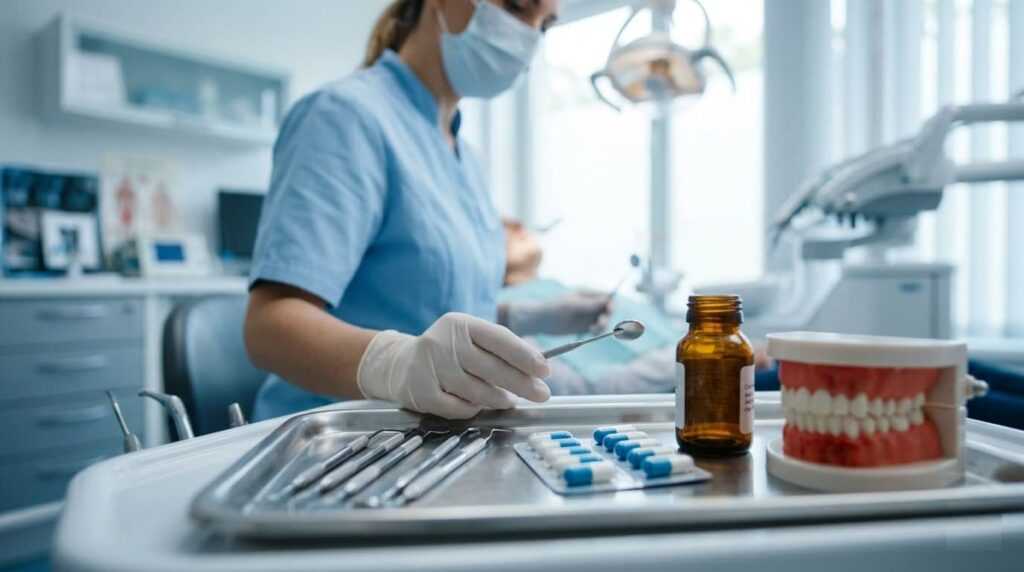

Toothache is not always just “a little inflammation.” It often means a bacterial infection is developing in or around the tooth. In such situations, painkillers can only provide temporary relief — they do not address the root cause of the problem. That is why antibiotics are sometimes needed: they help the body fight the infection and prevent complications.
In dentistry, antibacterial medications are prescribed only when clinically indicated and exclusively by a licensed dentist. Self-medication or improper use can not only be ineffective but may actually worsen the condition.
What Are Antibiotics and How Do They Work
Antibacterial drugs used in dentistry are medications that combat bacteria — either by destroying them or by preventing them from multiplying. This is precisely why they are effective against oral infections caused by bacteria, such as purulent processes or widespread inflammation of the tissues surrounding a tooth.
Based on their mechanism of action, antibiotics fall into two categories:
- Bactericidal — they kill bacteria directly.
- Bacteriostatic — they slow down bacterial reproduction so the immune system can finish combating the infection on its own.
Modern antibiotic therapy began following the discovery of penicillin by scientist Alexander Fleming in 1928 — a breakthrough that fundamentally transformed medicine and made it possible to treat bacterial infections effectively.
Important to remember: antibiotics only work against bacteria. They have no effect on viral infections and are therefore not used for conditions like the common cold or flu.
In medicine and dentistry, antibiotics for toothache are prescribed when it is necessary to stop a bacterial infection, prevent it from spreading, and reduce the risk of complications. However, only a physician should prescribe these medications — they are not something to take “just in case.”
Causes of Toothache and Inflammatory Processes
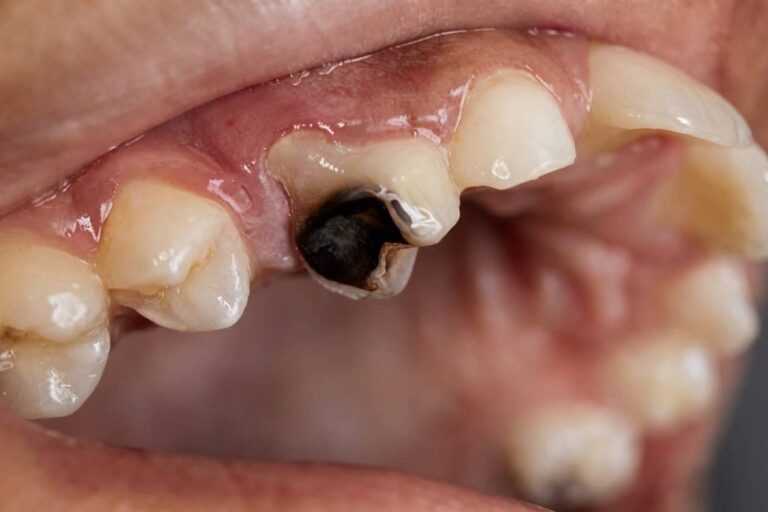
Toothache most commonly results from inflammation triggered by bacteria. Various dental conditions can lead to this: cavities (caries), pulpitis, periodontitis, abscess, periostitis (gumboil), osteomyelitis, or gingivitis. These conditions differ in severity and depth of tissue involvement, but the underlying pattern is the same — infection gradually destroys the tooth and the surrounding structures.
It typically begins with a cavity. Left untreated, bacteria penetrate deeper into the pulp — the inner part of the tooth containing nerves and blood vessels. Once the infection spreads beyond the tooth, it affects the tissues anchoring the tooth in the jaw. This is when severe pain and swelling appear, often accompanied by purulent processes.
Pain is a signal that your body needs treatment. Painkillers can temporarily ease discomfort, but they do not eliminate the source of the problem. Ignoring symptoms typically allows inflammation to intensify and may lead to serious complications.
Antibiotics for Gum Inflammation (Gingivitis, Periodontitis)
Mild gingivitis does not require antibiotics — professional dental cleaning, antiseptic rinses, and proper home care are usually sufficient. More complex cases, such as generalized or aggressive periodontitis, deep periodontal pockets, or widespread bacterial infection, may require antibiotic treatment. The most commonly prescribed options are amoxicillin combined with metronidazole, or doxycycline.
It is important to understand that antibiotics alone do not resolve the problem. Without professional periodontal treatment, the infection may return or continue to progress.
Antibiotics for Periostitis (Gumboil) and Abscess
Periostitis is an inflammation of the tissues near the tooth root, while an abscess is a localized collection of pus. The primary treatment is always surgical: the dentist opens the site of infection and allows the pus to drain. Antibiotics help stop the spread of infection and reduce the risk of complications. The most commonly prescribed drugs include amoxicillin-clavulanate, ciprofloxacin, or lincomycin. In complex cases, the antibiotic may be combined with metronidazole to achieve a broader spectrum of coverage.
Antibiotics for Periodontal Disease and Periodontitis
Periodontitis and periodontal disease (periodontosis) are two distinct conditions. Periodontitis is an inflammatory bacterial disease; in severe cases, antibiotics may be prescribed — particularly when there are acute flare-ups, purulent discharge, or infection-related tooth mobility.
Periodontosis, by contrast, is not an inflammation but a gradual deterioration of tissue nutrition. Antibiotics are not effective for this condition.
An antibiotic for toothache is prescribed solely by a dentist — not simply to relieve pain, but to fight the underlying bacterial infection. Antibiotics do not address the root cause of the problem, so a dental examination and proper treatment remain essential.
Main Groups of Antibiotics Used in Dentistry
The choice of antibiotic depends on the severity and location of the infection, as well as the patient’s overall condition. There are first-line drugs prescribed most frequently, and second-line options used when the first-line agents are contraindicated or ineffective. Dental antibiotics may have a broad or narrow spectrum of activity and are available in various forms: tablets, capsules, injections, and — for children — syrups or suspensions.
Penicillins (amoxicillin, amoxicillin-clavulanate) The most widely used antibiotics in dentistry for gum inflammation. They effectively target bacteria responsible for tooth and gum infections. Amoxicillin-clavulanate contains an additional compound that helps eliminate resistant bacteria.
Lincosamides (lincomycin, clindamycin) Used when penicillins are contraindicated or the patient has an allergy. They penetrate bone tissue effectively, making them a frequent choice for purulent processes in the jaw. Lincomycin in particular is well-suited for periostitis due to its ability to accumulate in bone tissue.
Macrolides (azithromycin) An alternative for patients who cannot tolerate penicillins. Convenient due to typically short treatment courses and reasonably effective against gum inflammation.
Fluoroquinolones (ciprofloxacin) Broad-spectrum antibiotics prescribed for serious or widespread infections when other medications have proven ineffective.
Cephalosporins (cephalexin, ceftriaxone) Effective for severe infections; commonly administered by injection in a hospital setting.
Tetracyclines Possess strong antibacterial properties and may be used in certain forms of periodontitis, though less frequently due to potential side effects and prescribing limitations.
Lincomycin in Dentistry: When and How to Use It
Lincomycin is one of the most commonly used antibiotics in dentistry, frequently prescribed when penicillins are unsuitable or the patient is allergic to them. It is effective against bacteria that cause purulent inflammatory processes in the teeth, gums, and jawbone — such as abscesses, periostitis, or osteomyelitis.
How lincomycin works The drug works by blocking protein synthesis in bacterial cells, thereby inhibiting their growth. This makes it effective against gram-positive bacteria and anaerobes — the organisms most commonly responsible for purulent complications in the oral cavity. Lincomycin has no effect on viruses or fungi and is intended exclusively for bacterial infections.
When it is prescribed Lincomycin is a potent dental antibiotic used in specific clinical situations, particularly when other drugs are unsuitable or the patient has a penicillin allergy.
It is typically prescribed for jaw osteomyelitis — an infection of the bone tissue that can develop following trauma, tooth extraction, or advanced caries. Without timely treatment, osteomyelitis can spread and pose a serious health risk.
For periostitis — an acute inflammatory process characterized by swelling and pus accumulation beneath the periosteum — lincomycin helps halt the spread of infection and prevent complications, used alongside surgical drainage of the abscess.
The drug is also frequently used following complex tooth extractions or implant placements when the risk of infection is high — particularly in cases involving difficult surgeries, comorbidities, or a weakened immune system.
Additionally, lincomycin is effective for other serious purulent oral infections where aggressive antibacterial treatment is required, such as deep infectious foci or situations where the infection threatens to spread to adjacent tissues.
Lincomycin for toothache is a prescription-only medication. Self-administration can be dangerous and ineffective.
Available forms and dosage Lincomycin is produced in two main forms:
- Capsules (250 mg) — typically prescribed at 300–600 mg per day, divided into 2–3 doses.
- Injectable solution (30% ampules) — used for severe infections under medical supervision.
Duration of treatment The course usually lasts 7–10 days. It is essential to complete the full course even if pain or swelling subsides earlier. Stopping prematurely can lead to relapse and the emergence of antibiotic-resistant bacteria.
How to take it The medication may be taken with or without food. Fatty meals slightly slow absorption, but this is not clinically significant.
Side effects and precautions Possible side effects include nausea, diarrhea, and stomach upset; allergic reactions (rash, itching); and rarely — liver problems or pseudomembranous colitis.
Contraindications include allergy to lincomycin or clindamycin, severe liver disease, and caution is required in cases of renal impairment.
Why self-medication is dangerous Lincomycin is a powerful antibiotic. An incorrect dose, or a course that is too short or too long, can render treatment ineffective and allow the infection to become drug-resistant. Only a physician can prescribe the medication and determine the appropriate course after examining the patient and assessing the severity of the infection.
How to Take Antibiotics for Toothache Correctly
To ensure antibiotics are truly effective, follow these key principles:
- Never self-prescribe — only a dentist can select the right drug and dosage.
- Follow the prescribed dosage and schedule — do not skip doses.
- Complete the full course — even if pain has resolved, stopping early risks relapse and bacterial resistance.
- Take with water — juices and milk can reduce medication effectiveness.
- Avoid alcohol — it weakens the antibiotic’s effect and puts extra strain on the liver.
- Maintain the correct interval between doses — every 8 or 12 hours, depending on the drug.
- Do not double the dose if you miss one.
- Always consult your dentist — they will assess your condition and tailor the treatment course accordingly.
When Do Antibiotics Start Working
Relief from pain and reduction of swelling are typically noticeable by days 2–3 of the course. Antibiotics do not act instantly — the drug needs time to accumulate in the tissues and begin fighting the bacteria.
If there is no improvement after 3 days, do not switch medications on your own — consult your dentist. A change of drug or additional treatment may be needed.
When to Take Antibiotics After Tooth Extraction
Following a complex extraction or when a purulent process is present, the dentist may prescribe antibiotics immediately. The course typically lasts 5–7 days. The most commonly prescribed drugs are amoxicillin, amoxicillin-clavulanate, or ciprofloxacin. The goal is to prevent infection, complications, and the development of alveolitis (dry socket — inflammation of the extraction site).
Side Effects and Contraindications
Antibiotics for dental infections can be highly effective, but they are powerful medications that may produce unwanted effects.
Most common side effects:
- Allergic reactions — rash, itching, swelling; in rare cases, severe reactions including anaphylaxis requiring emergency medical care.
- Dysbiosis — disruption of the intestinal microbiome, manifesting as bloating, abdominal pain, or diarrhea.
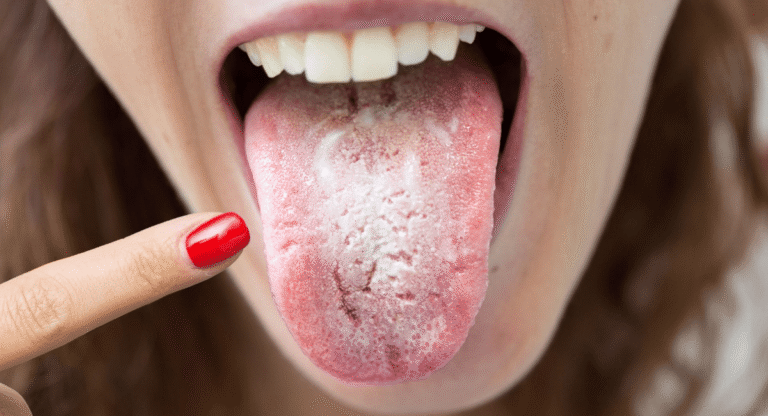
- Oral candidiasis — white coating on the tongue or mucous membranes due to changes in the microflora.
- Gastrointestinal symptoms — nausea, upset stomach, diarrhea.
- Headache and fatigue — possible in cases of individual sensitivity.
- Liver and kidney strain — especially with prolonged or uncontrolled use.
Who is at higher risk:
- Pregnant and breastfeeding women — some medications can adversely affect the fetus or infant.
- Children, especially under 12 years of age, depending on the drug.
- People with chronic liver or kidney disease.
- Those taking other strong medications — to avoid drug interactions.
Contraindications: Antibiotics should be avoided or used with caution in cases of pregnancy or lactation, known antibiotic allergy, serious liver or kidney conditions, or intolerance to specific drug components.
Always inform your dentist of all existing health conditions and medications you are currently taking. Do not alter the dosage or discontinue the course on your own — doing so can complicate treatment and contribute to bacterial resistance. If unexpected symptoms appear during treatment (severe rash, swelling, difficulty breathing, intense abdominal pain), seek medical attention immediately.
Recovery After a Course of Antibiotics
Antibiotics eliminate infections but simultaneously affect the beneficial bacteria in the gut and place additional strain on the liver. After completing the course, it is important to support the body to avoid dysbiosis, reduce the likelihood of gastrointestinal issues, and restore overall wellbeing.
What supports recovery:
Probiotics. Supplements containing Lactobacillus and Bifidobacterium restore the balance of beneficial gut bacteria, normalize digestion, and reduce bloating and discomfort after medication use.
Hepatoprotectors. If the course was prolonged or the antibiotics were particularly potent, the liver may need additional support. Hepatoprotective agents help reduce the burden on the organ and promote restoration of its function.
Balanced nutrition. Include fermented dairy products, vegetables, fruits, and fiber in your diet. These support the microbiome and help the body recover from inflammation.
Adequate hydration. Water is essential for eliminating toxins produced during treatment and for maintaining normal digestive function.
Light physical activity and rest. Short walks, moderate exercise, and quality sleep help restore energy levels and strengthen the immune system.
How long does recovery take? Intestinal microflora typically recovers within 7–14 days after completing the course. The exact timeframe depends on individual factors, the duration and type of antibiotic used, and lifestyle and dietary habits during the recovery period.
Antibiotic Resistance: Why Self-Treatment Is Dangerous
Antibiotic resistance occurs when bacteria become immune to medications and stop responding to them. Self-prescribing antibiotics is dangerous because it can lead to choosing the wrong drug, taking too low a dose, or failing to complete the full course. As a result, some bacteria survive, and the infection becomes significantly harder to treat. This is not just a personal health issue — the World Health Organization considers bacterial resistance a global threat. Antibiotics must always be prescribed by a physician.
Can Antibiotics Be Replaced With Natural Remedies
For bacterial infections — especially purulent ones — natural remedies cannot replace antibiotics. Rinses, compresses, and herbal preparations may serve as supplementary measures but do not address the underlying problem.
Self-treatment carries serious risks: the infection may spread, leading to cellulitis (phlegmon) or even sepsis. Natural remedies are only acceptable as preventive measures or for mild gum inflammation.
When to See a Dentist
Dental care matters not only for a healthy smile but for overall wellbeing. There are situations where delaying a dental visit can result in serious complications — it is essential to respond to the body’s warning signals promptly.
Urgent signs requiring immediate attention:
- Throbbing or severe toothache — may indicate pulp inflammation or an abscess.
- Swelling of the cheek or face — signals that the infection has spread beyond the tooth.
- Purulent discharge from the gums or around the tooth — a clear sign of bacterial infection requiring treatment.
- High fever — the body is signaling a serious infection.
- Difficulty swallowing or breathing — a dangerous symptom that may indicate the infection has spread to the throat or airway.
- Pain lasting more than 3 days after tooth extraction — normal healing typically resolves sooner; persistent pain may indicate a complication.
- Allergic or severe reaction to medication — swelling, rash, itching, or breathing difficulty require urgent care.
Why timely treatment matters Seeking dental care early helps prevent the spread of infection to bones, facial tissues, or other organs; provides faster relief from pain and swelling; preserves the teeth and gum health; and reduces the risk of complications that may require surgery or prolonged treatment.
Do not wait for the pain to go away on its own — get checked in time and receive the right treatment.
About the Author This article was written by Elena Tomashevska, a qualified specialist in prosthodontics and restorative dentistry.



Make an appointment
You can make an appointment by filling out the application form on the website, as well as using instant messengers:
Make an appointment
You can make an appointment by filling out the application form on the website, as well as using instant messengers:


Make an appointment easily using chatbots:
Also, call the numbers:
Modern dentistry and medical centre "MED-DEO"
Choose a clinic whose location is more convenient for you.
Kyiv, Holosiivska/Demiivska metro station
130 Lobanovskoho Avenue


Working hours:
Mon - Sun: 8:00 AM - 9:00 PM
No days off!
Call the numbers:
How to get to us? Create a route
Create a route
Kyiv, Akademistechko metro station
78A, Irpinska str.


Working hours:
Mon-Sun: 8.00-21.00
Without days off!
Call the numbers:
How to get to us?
Create a route
Create a route
Kyiv, Heroiv Dnipra metro station
32A, Heroiv Dnipra str.
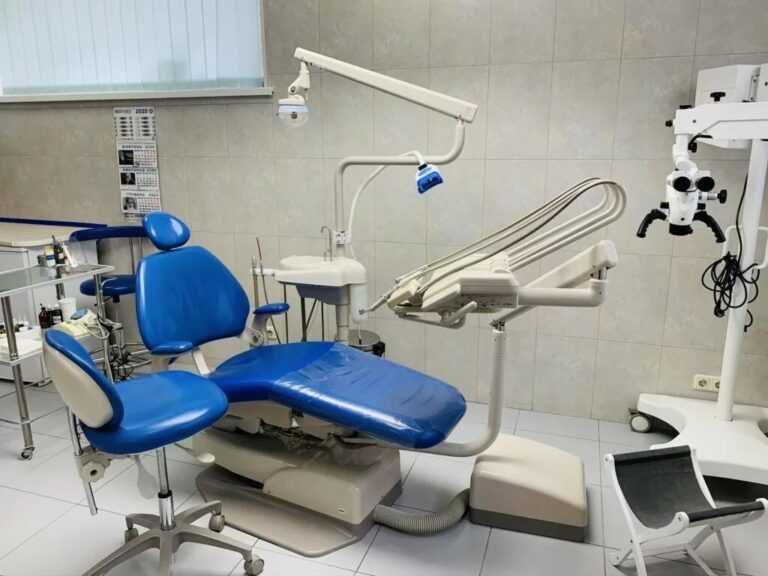
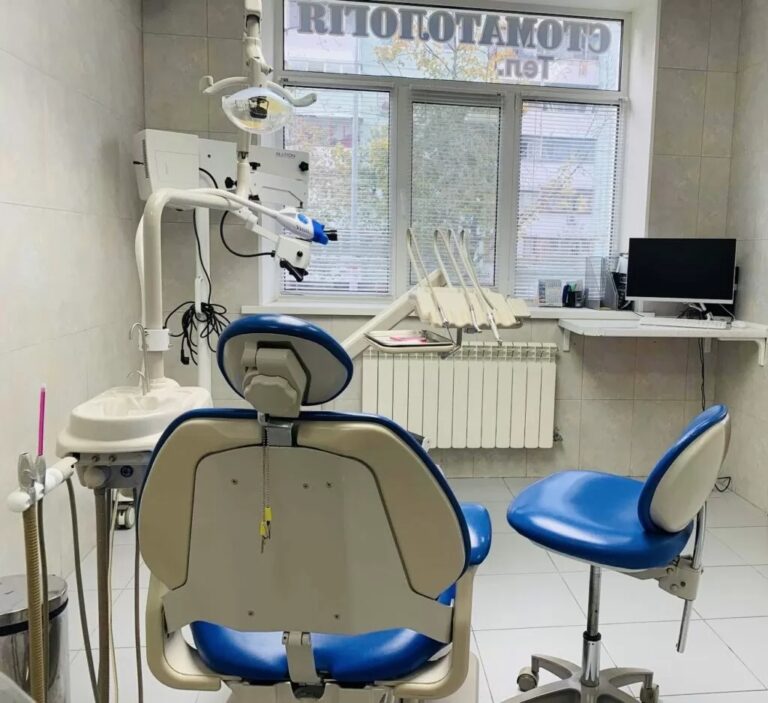
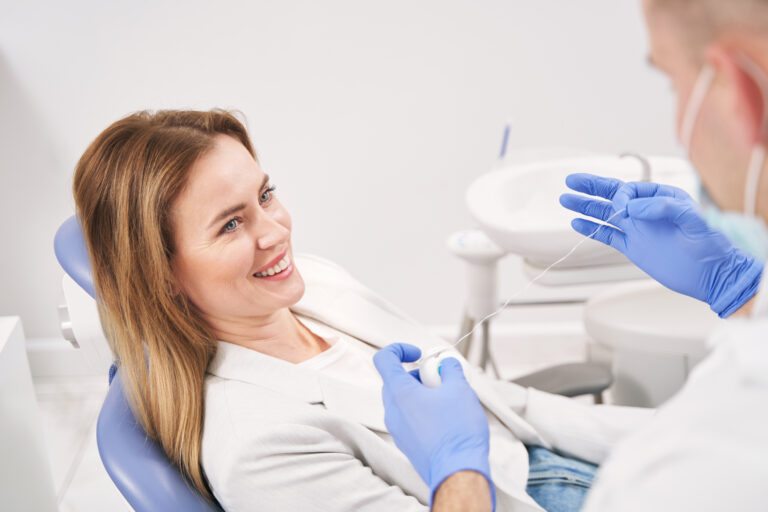
Working hours:
Mon-Sun: 8.00-21.00
Without days off!
Call the numbers:
How to get to us?
Create a route
Create a route
Kyiv, Teatralna metro station
9B, E. Chykalenko (Pushkinska) str.

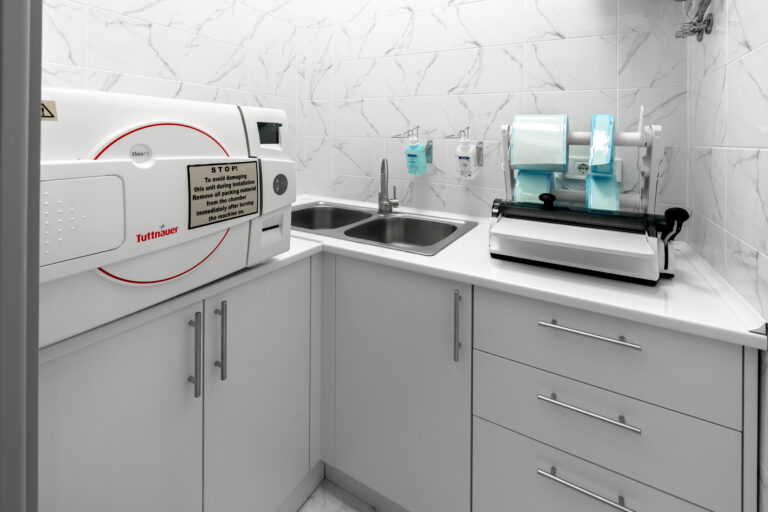


Working hours:
Mon-Sat: 8.00 - 21.00. Sun: by appointment.
Without days off!
Call the numbers:
How to get to us?
Create a route
Create a route
Відгук від клієнта
0:00
0:00


Your email will not be published on the site.