Special offer! Comprehensive professional teeth cleaning for only 1699 UAH.
Special offer! Comprehensive professional teeth cleaning for only 1699 UAH.
Special offer! Comprehensive professional teeth cleaning for only 1699 UAH.
Special offer! Comprehensive professional teeth cleaning for only 1699 UAH.
Special offer! Comprehensive professional teeth cleaning for only 1699 UAH.
Special offer! Comprehensive professional teeth cleaning for only 1699 UAH.
Special offer! Comprehensive professional teeth cleaning for only 1699 UAH.
Special offer! Comprehensive professional teeth cleaning for only 1699 UAH.
Special offer! Comprehensive professional teeth cleaning for only 1699 UAH.
Special offer! Comprehensive professional teeth cleaning for only 1699 UAH.
Sign up
 (044) 394 90 94
  Holosiivska/Demiivska metro station
Doctors


 Prices
Blog
Contacts
пр.Лобановського, 130, Київ, Україна
Temporarily closed
Opening soon
78A, Irpinska St., Kyiv, Ukraine
Temporarily closed
Opening soon
32A, Heroiv Dnipra St., Kyiv, Ukraine
Temporarily closed
Opening soon
9B, Yevhena Chykalenko St. (Pushkinska), Kyiv, Ukraine
Temporarily closed
Opening soon
Sign up
En
(044) 394 90 94
Back
Dentistry
General Dentistry
Dental surgery
Dental Implants
Maxillofacial Surgery
Dental prosthetics
Cosmetic dentistry
Professional Dental Hygiene

Periodontics
Orthodontic dentistry

Gnathology & TMJ Therapy
Pediatric Dentistry
Dental X-Rays
Back
Orthodontic Center
Orthodontic dentistry
Gnathology & TMJ Therapy
Back
Prosthodontic Center
Dental prosthetics
Back
MED-DEO Center for Maxillofacial Surgery & Facial Plastics
Maxillofacial Surgery
Plastic surgery
Back
Surgical Dental Center
Dental surgery
Dental Implants
Search on the site


Popular requests
Teeth whitening
Treatment of caries
Wisdom tooth extraction
Bracket system
Dental veneers
Tooth restoration
Pediatric dentist
Consultation with a dentist-therapist
Search results by: «».
Unfortunately, no results were found for your search: “Pediatric Endocrinologist”, nothing was found.
You may find these links useful:
Clinics "MED-DEO"
пр.Лобановського, 130, Київ, Україна
Temporarily closed
Opening soon
78A, Irpinska St., Kyiv, Ukraine
Temporarily closed
Opening soon
32A, Heroiv Dnipra St., Kyiv, Ukraine
Temporarily closed
Opening soon
9B, Yevhena Chykalenko St. (Pushkinska), Kyiv, Ukraine
Temporarily closed
Opening soon
Services
Dentistry Orthodontic Center Prosthodontic Center MED-DEO Center for Maxillofacial Surgery & Facial Plastics Surgical Dental CenterGeneral Dentistry
Dental surgery
Dental Implants
Maxillofacial Surgery
Dental prosthetics
Cosmetic dentistry
Professional Dental Hygiene
Periodontics
Orthodontic dentistry
Gnathology & TMJ Therapy
Pediatric Dentistry
Dental X-Rays
Orthodontic dentistry
Gnathology & TMJ Therapy
Dental prosthetics
Maxillofacial Surgery
Dental surgery
Dental Implants
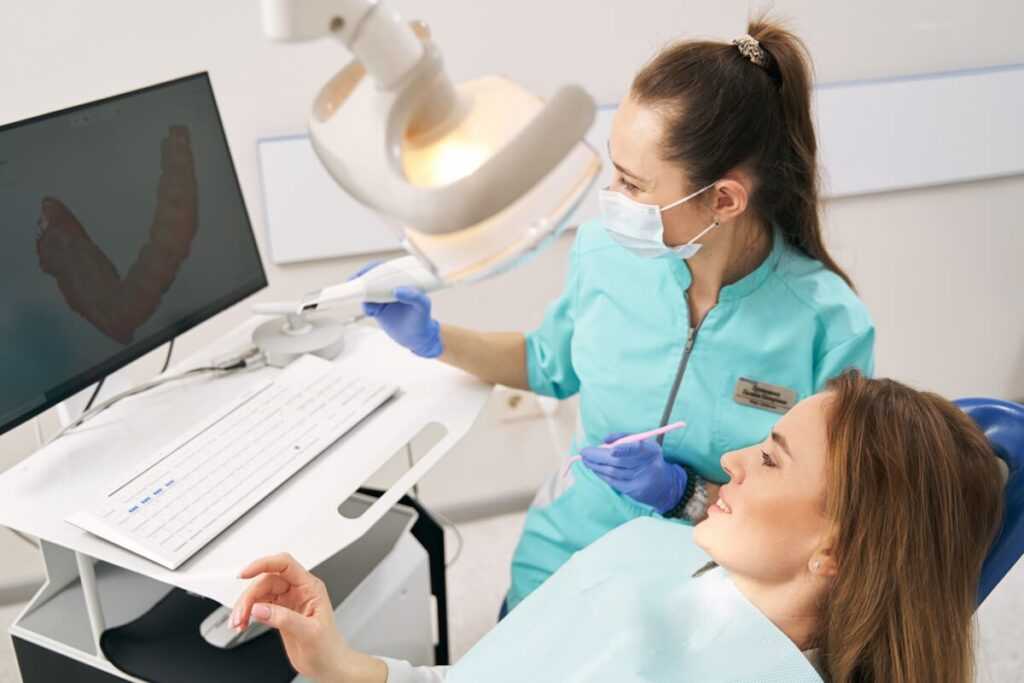

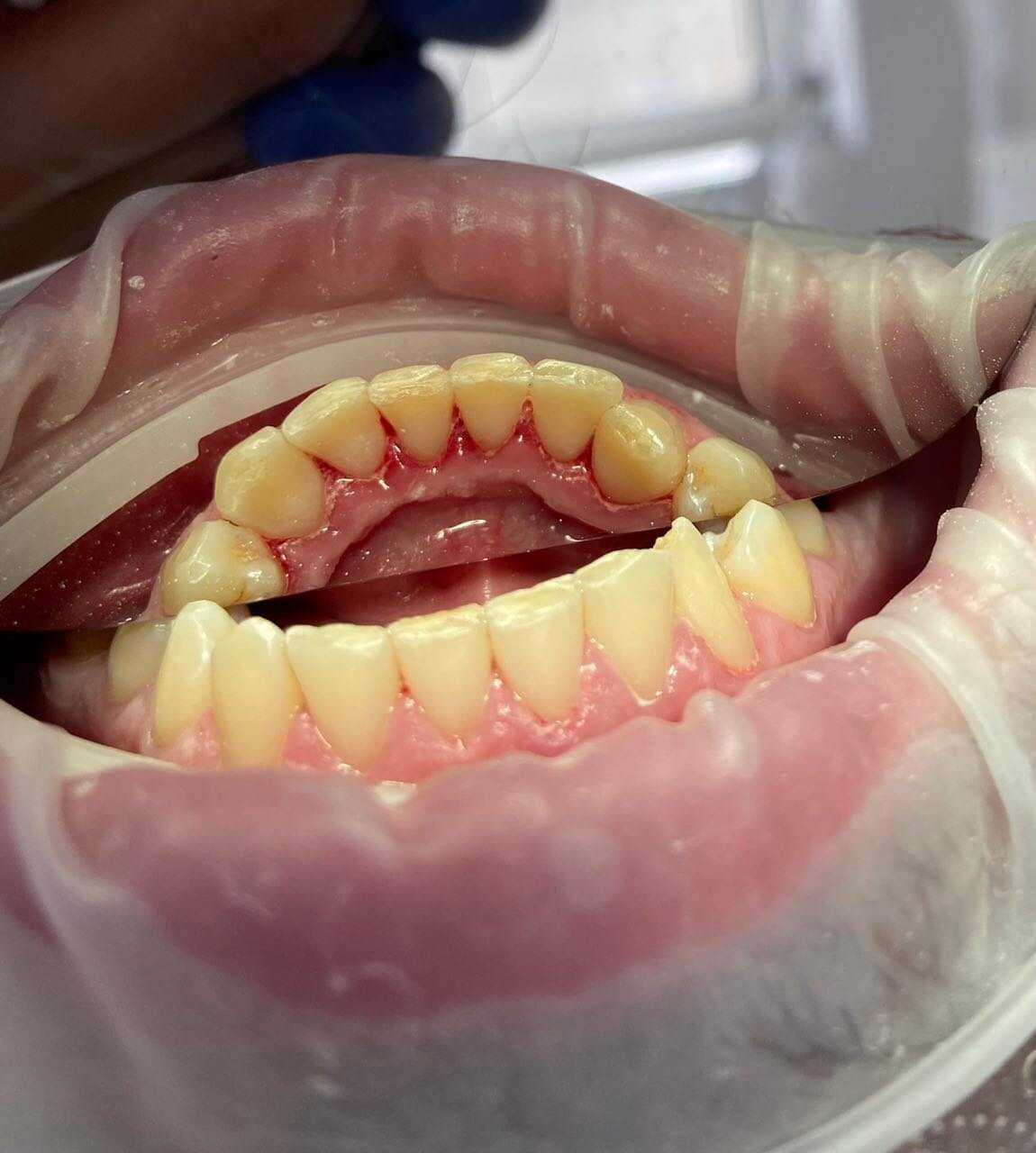
An exposed tooth neck or root is often seen as a purely cosmetic issue. In reality, it can be linked to gum recession, inflammation of the periodontal tissues, overly aggressive brushing, a misaligned tooth, or several of these causes at once.
What Is an Exposed Tooth Neck
A tooth consists of a crown and a root. The crown is covered by durable enamel, while the root is protected by a much thinner layer of cementum. The border between them is called the cementoenamel junction, and the area around it is commonly referred to as the tooth neck.
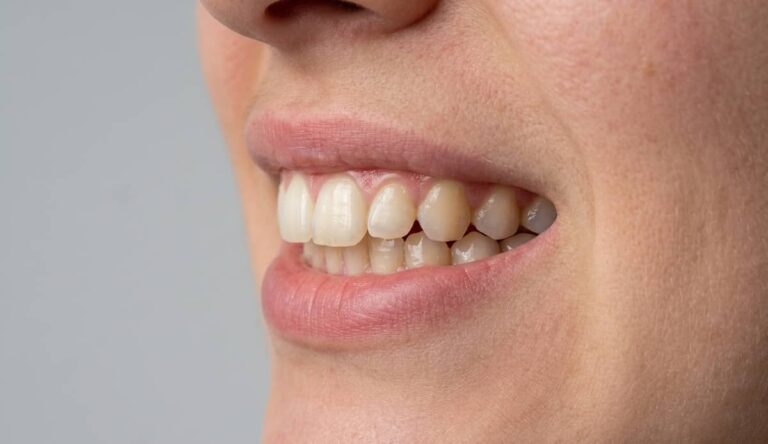
Normally, the gums sit roughly at the level of this border and cover the root. When the gum margin shifts downward, dentists call it gum recession. At first, the neck of the tooth becomes visible, and over time part of the root may be exposed as well.
That’s why the phrases “exposed tooth neck” and “exposed root” usually describe different degrees of the same problem. The first refers to a small exposed area near the gumline, the second to more pronounced recession.
The root doesn’t have the same sturdy protection as the crown. As a result, exposed dentin can react to hot or cold foods, sweets, acidic foods, the touch of a toothbrush, or cold air. The risk of wear and root cavities also goes up.
At the same time, recession doesn’t always mean periodontitis. Sometimes the gums recede around just one tooth because they are naturally thin or are repeatedly traumatized. In other cases, the problem is tied to periodontal disease and the loss of the tissues that support the tooth.
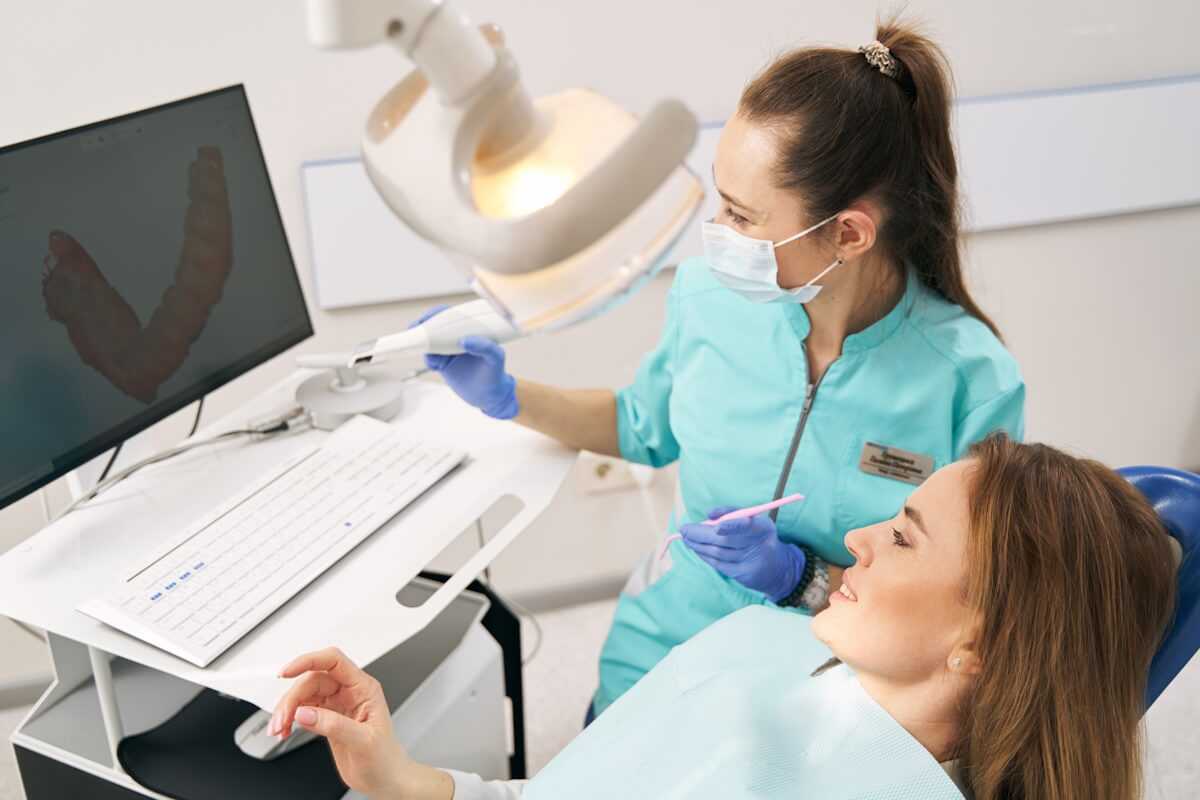
To determine the cause, the dentist assesses bleeding, periodontal pocket depth, the attachment level of the gum, the condition of the bone, and the root surface.
Why the Tooth Neck or Root Becomes Exposed
Gum recession usually results from a combination of factors. The main causes are:
- Traumatic brushing – heavy pressure, hard bristles, and vigorous horizontal scrubbing can damage the gums and wear down tooth tissue.
- Poor oral hygiene – plaque and tartar promote inflammation, and with periodontitis the tissues holding the tooth in place are gradually destroyed.
- Anatomical features – thin gums, a tooth that sits prominently out of the arch, a thin bony plate, or a high frenulum attachment increase the risk of recession.
- Orthodontic treatment – the risk rises when a tooth is moved beyond its bony support, especially with thin gums and insufficient hygiene.
- Poor-quality fillings, crowns, or veneers – an overhanging or too deep restoration margin makes cleaning difficult and promotes inflammation.
Bruxism and a bad bite can cause tooth wear, cracks, and overload of the tissues. However, on their own they are not considered a proven direct cause of gum recession.
After inflammation is treated, the gums sometimes look lower because the swelling has gone down. This isn’t necessarily a complication, but a sign of tissue loss that was already there. Since the causes can differ, the treatment is determined after an examination.
Symptoms You Shouldn’t Ignore
Early signs
The following may indicate an exposed tooth neck or root:
- a brief, sharp pain from cold, hot, sweet, or acidic foods;
- sensitivity to cold air or the touch of a toothbrush;
- a feeling that the tooth has become longer;
- a yellowish or darker band near the gumline;
- a small notch in the area near the gumline;
- discomfort when brushing or food getting stuck;
- bleeding gums.
Even if the pain goes away quickly, it’s worth seeing a dentist. Similar symptoms can occur not only with recession but also with cavities, a crack, a leaky filling, or inflammation of the pulp. Toothpaste for sensitive teeth can reduce the pain, but it won’t bring the gums back to where they were.
Signs that the problem is progressing
Don’t put off a checkup if:
- the exposed area of the root is getting bigger;
- the gum contour becomes uneven;
- sensitivity is getting worse;
- a notch or cavity appears on the root;
- the gums bleed regularly;
- you notice a bad smell, tooth mobility, or pain when chewing.
Prolonged, throbbing, or nighttime pain, a strong reaction to hot or cold, and pain when biting down may indicate pulp damage or a cracked tooth.
Swelling of the gums or face, pus, fever, difficulty opening the mouth, swallowing, or breathing require emergency medical care.
How an Exposed Tooth Neck Differs from a Wedge-Shaped Defect, Cavities, and Gum Recession
“Exposed tooth neck” is an everyday term for when the area near the gum margin or part of the root becomes visible. The phrase itself doesn’t explain the cause of the problem.
Gum recession is the shift of the gum margin toward the root. During an examination, the dentist determines its depth and width, evaluates the tissues between the teeth, the thickness of the gum, and the condition of the root surface. So an exposed tooth neck is often the outward sign of recession, but the two terms don’t fully overlap.
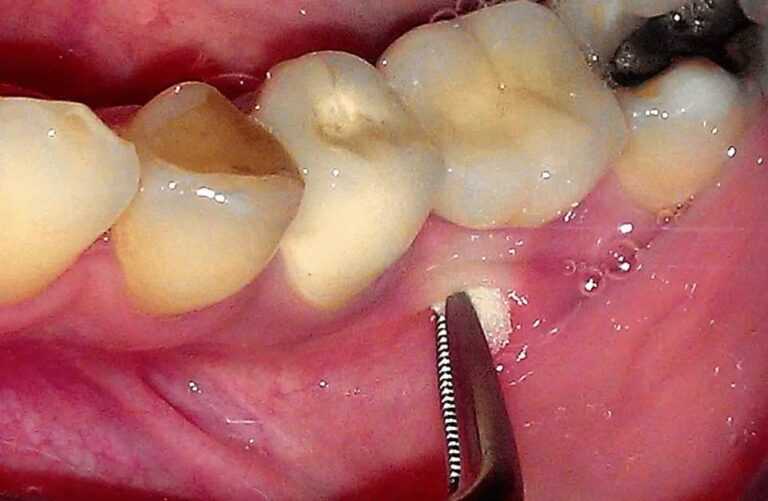
A wedge-shaped defect is a loss of enamel, cementum, or dentin near the gumline without a primary carious process. The notch can be V-shaped, rounded, or groove-like. Most often it results from a combination of mechanical abrasion and acid exposure.
Cervical or root caries develops because of bacterial plaque and demineralization of tooth tissue. An active carious area may look dull, rough, softened, discolored, or have a cavity.
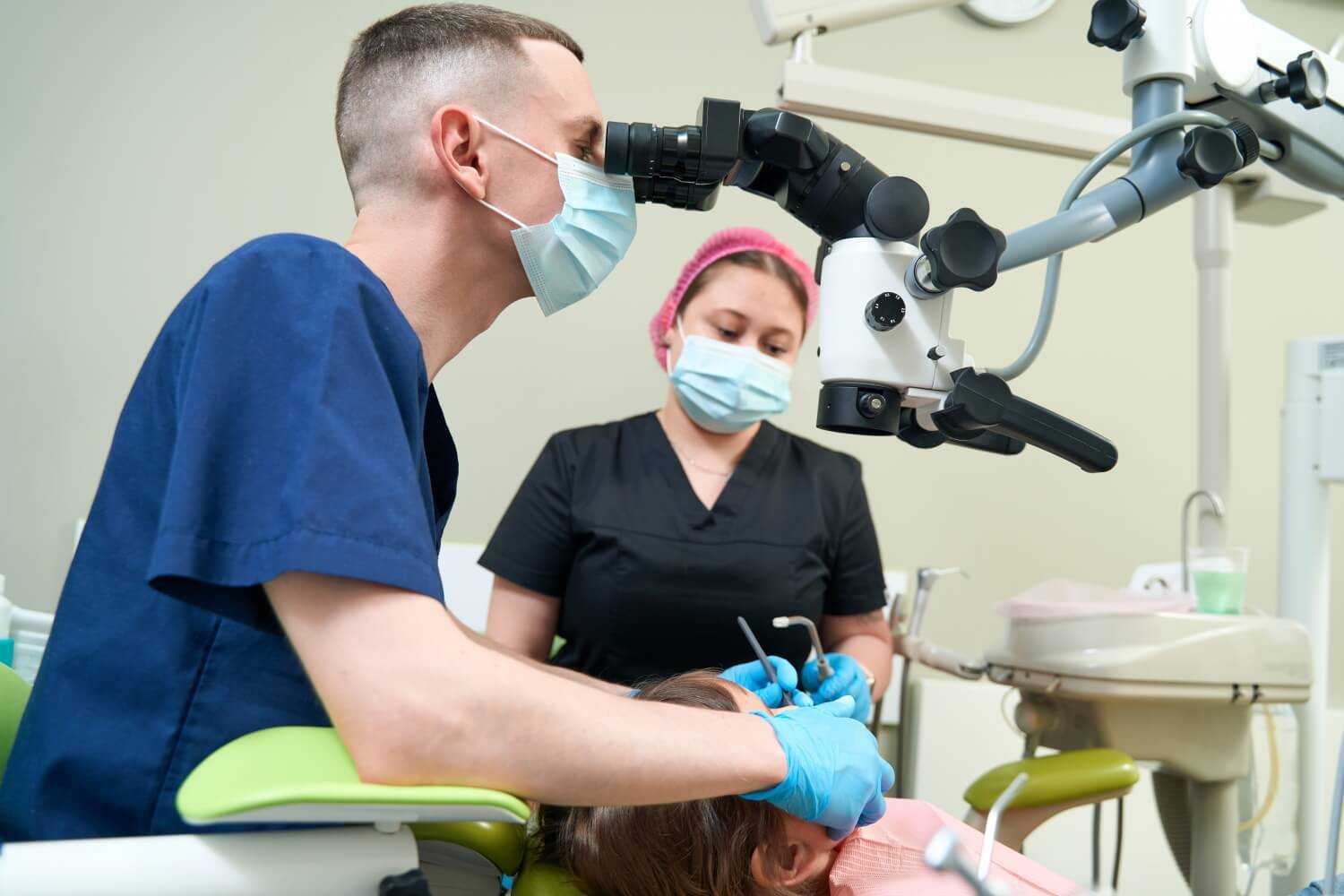
These problems often occur together: recession exposes the root, vigorous brushing creates a notch, and plaque raises the risk of decay. In that situation, a filling or toothpaste alone won’t be enough.
Exposed Tooth Neck: Treatment
Before starting treatment, it’s important to determine why the roots are being exposed and causing pain. The dentist evaluates the depth of recession, gum thickness, tooth position, the condition of fillings and crowns, and the presence of plaque, tartar, cavities, or non-carious defects. They also check tooth mobility, the bite, and the nature of the pain.
If necessary, X-rays are taken, the condition of the pulp is assessed, and a consultation with a periodontist or orthodontist is recommended. After diagnosis, the doctor selects a treatment that may include conservative, orthodontic, surgical, or combined methods.
Conservative methods
Treatment begins by eliminating the cause of the recession. If gingivitis or periodontitis is present, the first priority is to reduce inflammation, because without that, fillings, orthodontic correction, or gum grafting won’t produce a stable result.
Conservative treatment may include:
- correcting home hygiene habits;
- professional removal of plaque and tartar;
- cleaning of root surfaces when periodontal pockets are present;
- using products to reduce sensitivity;
- filling carious and non-carious defects;
- orthodontic correction of tooth position.
To reduce sensitivity, the dentist may recommend toothpastes containing potassium, tin, or arginine compounds, as well as fluoride varnishes, gels, or professional desensitizers. They protect the exposed dentin and reduce its reaction to irritants, but they don’t return the gums to their previous position.
A filling isn’t needed in every case. It’s done when there is a cavity, a deep non-carious defect, persistent sensitivity, or an area that is hard to keep clean.
If the recession is related to a misaligned tooth, orthodontic treatment may be needed. Sometimes the gum is thickened first and the tooth is moved afterward. In other cases, the order is reversed.
Surgical and combined methods
Surgery may be recommended if conservative treatment isn’t enough or the recession keeps getting worse.
The main indications are:
- pronounced or progressive recession;
- persistent tooth sensitivity;
- difficulty cleaning the exposed root;
- gums that are too thin and unstable;
- a noticeable cosmetic defect.
To cover the root, surgeons use a coronally advanced flap, tunnel techniques, a connective tissue graft from the palate, or special substitute materials. The goal of the surgery is not only to cover the root but also to make the gums thicker and more stable.
Complete root coverage isn’t always achievable. The result depends on the condition of the gums and bone, the position of the tooth, and the depth of the defect. If recession occurs together with caries or a non-carious lesion, gum grafting may be supplemented with a filling. The doctor determines the sequence of procedures individually.
What to Do If a Tooth Root Is Exposed and Painful
Until you see a dentist, avoid very cold, hot, acidic, and sugary foods. Keep brushing the tooth with a soft brush without pressing hard, and use a fluoride toothpaste for sensitive teeth.
If a tooth root is exposed, don’t apply aspirin, hydrogen peroxide, alcohol-based tinctures, or other home remedies to the gums, as they can cause a burn. Take painkillers only as directed on the label, keeping in mind that they don’t eliminate the cause of the pain.
See a dentist if the sensitivity keeps coming back, your gums bleed, or the exposed area is growing. Severe pain, swelling, pus, fever, or difficulty swallowing or breathing require emergency care.
How to Care for Your Teeth and Gums to Keep the Problem from Coming Back
To lower the risk of recurring recession, it’s important to maintain gentle but consistent hygiene:
- brush twice a day with a soft brush, without pressing hard;
- use a fluoride toothpaste, and a special toothpaste for sensitive teeth if you have sensitivity;
- clean between your teeth daily with floss or interdental brushes;
- get regular professional checkups and hygiene treatments;
- monitor the condition of your gums around braces, crowns, veneers, and other restorations.
Don’t avoid the exposed area when brushing – it’s enough to reduce the pressure and work out the right technique with your dentist or hygienist.
If needed, the doctor may also recommend treatment for bruxism, a bite correction, replacement of a poor-quality restoration, or gum grafting. A comprehensive approach is what helps preserve the result and keep the problem from progressing.
Frequently Asked Questions (FAQ)
What does it mean when a tooth root is exposed?
An exposed tooth root means the gum margin has receded and uncovered part of the root surface.
Why do tooth roots become exposed and painful?
Tooth roots can become exposed because of gum inflammation, periodontitis, traumatic brushing, thin gums, misaligned teeth, or poor-quality restorations.
Can an exposed tooth neck be treated without surgery?
In the early stages, treatment for an exposed tooth neck may include professional hygiene, eliminating inflammation, changing your brushing technique, products for sensitivity, and filling defects. Gum grafting is necessary for pronounced or progressive recession.
How does an exposed tooth neck differ from a wedge-shaped defect?
An exposed tooth neck is caused by the gum margin shifting and uncovering the root. A wedge-shaped defect is a loss of hard tooth tissue near the gumline without a primary carious process.
The author of this article is Iryna Sashchuk, a general dentist, oral surgeon, and periodontist.


Make an appointment
You can make an appointment by filling out the application form on the website, as well as using instant messengers:
Make an appointment
You can make an appointment by filling out the application form on the website, as well as using instant messengers:


Make an appointment easily using chatbots:
Also, call the numbers:
Modern dentistry and medical centre "MED-DEO"
Choose a clinic whose location is more convenient for you.
Kyiv, Holosiivska/Demiivska metro station
130 Lobanovskoho Avenue


Working hours:
Mon - Sun: 8:00 AM - 9:00 PM
No days off!
Call the numbers:
How to get to us? Create a route
Kyiv, Akademistechko metro station
78A, Irpinska str.


Working hours:
Mon-Sun: 8.00-21.00
Without days off!
Call the numbers:
How to get to us?
Create a route
Create a route
Kyiv, Heroiv Dnipra metro station
32A, Heroiv Dnipra str.


Working hours:
Mon-Sun: 8.00-21.00
Without days off!
Call the numbers:
How to get to us?
Create a route
Create a route
Kyiv, Teatralna metro station
9B, E. Chykalenko (Pushkinska) str.


Working hours:
Mon-Sat: 8.00 - 21.00. Sun: by appointment.
Without days off!
Call the numbers:
How to get to us?
Create a route
Create a route
Відгук від клієнта
0:00
0:00


Your email will not be published on the site.