Special offer! Comprehensive professional teeth cleaning for only 1699 UAH.
Special offer! Comprehensive professional teeth cleaning for only 1699 UAH.
Special offer! Comprehensive professional teeth cleaning for only 1699 UAH.
Special offer! Comprehensive professional teeth cleaning for only 1699 UAH.
Special offer! Comprehensive professional teeth cleaning for only 1699 UAH.
Special offer! Comprehensive professional teeth cleaning for only 1699 UAH.
Special offer! Comprehensive professional teeth cleaning for only 1699 UAH.
Special offer! Comprehensive professional teeth cleaning for only 1699 UAH.
Special offer! Comprehensive professional teeth cleaning for only 1699 UAH.
Special offer! Comprehensive professional teeth cleaning for only 1699 UAH.
 (044) 394 90 94
  Holosiivska/Demiivska metro station
(044) 394 90 94
Holosiivska/Demiivska metro station
(044) 394 90 94 пр.Лобановського, 130, Київ, Україна
Temporarily closed
Opening soon

78A, Irpinska St., Kyiv, Ukraine
Temporarily closed
Opening soon

32A, Heroiv Dnipra St., Kyiv, Ukraine
Temporarily closed
Opening soon

9B, Yevhena Chykalenko St. (Pushkinska), Kyiv, Ukraine
Temporarily closed
Opening soon


General Dentistry
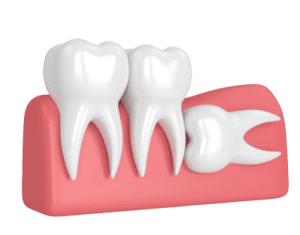
Dental surgery
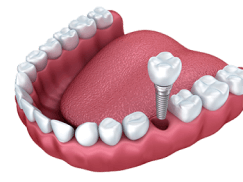
Dental Implants
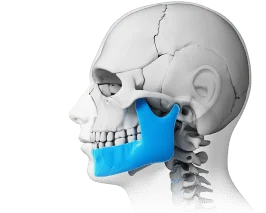
Maxillofacial Surgery
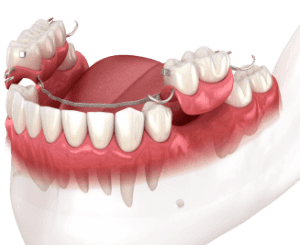
Dental prosthetics
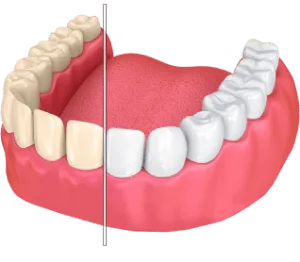
Cosmetic dentistry

Professional Dental Hygiene

Periodontics
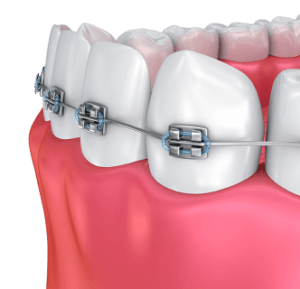
Orthodontic dentistry
Gnathology & TMJ Therapy

Pediatric Dentistry
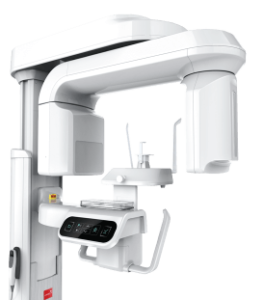
Dental X-Rays
Orthodontic dentistry
Gnathology & TMJ Therapy
Dental prosthetics
Maxillofacial Surgery
Plastic surgery
Dental surgery
Dental Implants


Popular requests
Teeth whitening
Treatment of caries
Wisdom tooth extraction
Bracket system
Dental veneers
Tooth restoration
Pediatric dentist
Consultation with a dentist-therapist
Search results by: «».
Unfortunately, no results were found for your search: “Pediatric Endocrinologist”, nothing was found.
You may find these links useful:
Clinics "MED-DEO"
пр.Лобановського, 130, Київ, Україна
Temporarily closed
Opening soon
78A, Irpinska St., Kyiv, Ukraine
Temporarily closed
Opening soon
32A, Heroiv Dnipra St., Kyiv, Ukraine
Temporarily closed
Opening soon
9B, Yevhena Chykalenko St. (Pushkinska), Kyiv, Ukraine
Temporarily closed
Opening soon
Services
Dentistry Orthodontic Center Prosthodontic Center MED-DEO Center for Maxillofacial Surgery & Facial Plastics Surgical Dental CenterGeneral Dentistry
Dental surgery
Dental Implants
Maxillofacial Surgery
Dental prosthetics
Cosmetic dentistry
Professional Dental Hygiene
Periodontics
Orthodontic dentistry
Gnathology & TMJ Therapy
Pediatric Dentistry
Dental X-Rays
Orthodontic dentistry
Gnathology & TMJ Therapy
Dental prosthetics
Maxillofacial Surgery
Dental surgery
Dental Implants

Service statistics

More and more clients choose «MED-DEO»

Initial consultation with a doctor
The cost of a consultation: 1000 UAH.
Appointment by phone:
(044) 394 90 94Blepharoplasty — eyelid surgery. The surgeon removes "excess" skin and fat.
This allows you to forget about puffiness and dark circles, visually making the eyes look larger and the face more youthful. Every year, 1.5 million people undergo this plastic surgery procedure. Currently, there are several different types of blepharoplasty. They differ not only in the techniques used but also in price. These surgeries are not merely a patient's whim, but a planned procedure that has its own indications and contraindications. In this article, we will cover how blepharoplasty is performed in Kyiv and how to recover quickly after surgery.
Blepharoplasty price 2026
Service name
Price, UAH.
Upper blepharoplasty (1 eyelid)
17000 ₴
Sign upLower blepharoplasty (1 eyelid)
19000 ₴
Sign upInitial consultation with a maxillofacial surgeon, candidate of medical sciences
1200 ₴
Sign upFollow-up consultation with a maxillofacial surgeon, candidate of medical sciences
800 ₴
Sign upInitial consultation with a maxillofacial surgeon
700 ₴
Sign upFollow-up consultation with a maxillofacial surgeon
500 ₴
Sign upDressing
200 ₴
Sign upFirst aid for maxillofacial wounds up to 3 cm
3000 ₴
Sign upFirst aid for maxillofacial wounds from 3 cm to 5 cm
5200 ₴
Sign upApplication of delayed sutures
1000 ₴
Sign up

Reviews about blepharoplasty at Med-Deo
What is eyelid blepharoplasty?
Blepharoplasty is a surgical procedure aimed at correcting the shape of the eyes and eliminating age-related changes. Blepharoplasty serves more than just an aesthetic function; it also helps improve vision if the loss of sight is caused by drooping eyelids. The essence of this intervention involves the excision of skin and fat, as well as tightening the muscles around the eyes. Various blepharoplasty methods are designed to address specific eyelid concerns.
Upper blepharoplasty eliminates fatty hernias and makes the gaze more open. Lower blepharoplasty allows for the removal of bags and dark circles under the eyes. Circular (quad) blepharoplasty comprehensively improves the condition of both the upper and lower eyelids. The procedure can also be combined with a facelift.
The periorbital area has very delicate skin. With age, it can become coarser, sag, darken, and lose its elasticity. Blepharoplasty is capable of correcting this situation, visually “rejuvenating” the face and fixing issues related to the eye shape.
Indications for blepharoplasty: who needs the surgery?
Indications for blepharoplasty can be aesthetic or functional, including age-related changes, consequences of trauma, or congenital features. Drooping eyelids, bags, wrinkles, a tired look, and eye asymmetry can all affect one’s appearance. Patients often turn to a surgeon to restore a fresh look. Some are dissatisfied with their eye shape; blepharoplasty can correct the “Asian eye shape,” give the eyelids a new form, eliminate ptosis (drooping) and its consequences, and remove fatty hernias. According to statistics, 90% of patients are satisfied after the eyelid plastic surgery, allowing them to see the world through new eyes.
Age-Related Eyelid Changes: 4 Levels of Deformation
The periorbital area is extremely sensitive and is one of the first to show signs of aging. Excessive strain from computer work, stress, irregular schedules, and bad habits do not help maintain youthful eyes. Age-related changes progress through several stages:
Stage 1: Changes are barely noticeable. Eyes tire faster, the person squints more, and there is a slight weakening of the muscles.
Stage 2: Characterized by the appearance of dark circles and puffiness; the corners of the eyelids begin to droop.
Stage 3: Pronounced furrows around the eyes and sagging eyebrows appear; “excess” skin becomes clearly visible.
Stage 4: Characterized by serious deformations and ptosis; the person may begin to experience vision loss.
The situation can be corrected via blepharoplasty at any stage. While the optimal age to seek help is 35–40, there are almost no age restrictions. Young people aged 20–25 may undergo surgery to enhance their appearance, and even at 80, the procedure can be performed if there are no contraindications.
Contraindications to Blepharoplasty
Contraindications can be absolute, relative, or temporary.
Absolute: Oncological diseases, serious blood clotting disorders, and acute infections.
Relative: Hypertension, diabetes mellitus, and thyroid diseases. Ophthalmic conditions such as keratitis, blepharitis, and dry eye syndrome may also lead to a prohibition.
Temporary: Menstruation, respiratory infections (SARS), or the recovery period after other surgeries.
A surgeon will provide more details regarding risks and consequences during the consultation and examination. A comprehensive medical check-up is mandatory and is included in the price of blepharoplasty. The risks are minimal, and by following the doctor’s recommendations, your gaze will become bright and open again.
Types of blepharoplasty: which one to choose
There are many types of blepharoplasty: upper or lower eyelid surgery, transconjunctival, laser, or circular (quad) blepharoplasty. The doctor will advise which specific type of eyelid plastic surgery will be most beneficial for you. Everything is highly individual and depends on the condition of the skin and the desired result. The price of blepharoplasty also depends on the technique chosen for the surgery.
Upper Blepharoplasty
Upper blepharoplasty is a classic operation. After patient preparation and anesthesia, the doctor makes an incision in the natural fold of the eye. They excise excess skin and fatty hernias, then apply sutures. Once healed, the scars will be invisible. The procedure itself lasts from 30 to 45 minutes. The discharge time is adjusted depending on the type of anesthesia chosen: local anesthesia with sedation or general anesthesia. The result: an open gaze and the elimination of a tired look, all thanks to the ability to remove the drooping eyelid.
Lower Blepharoplasty
Lower blepharoplasty is recommended for those who have bags under the eyes, puffiness, dark circles, and wrinkles. Once the anesthesia takes effect, the doctor makes an incision just below the lash line or uses a transconjunctival approach to reach the fatty hernias. In the latter case, the eyelid skin is not cut; instead, a small incision is made through the conjunctiva inside the eye. It is often recommended to combine lower blepharoplasty with lipofilling, where the patient’s own fat is evenly redistributed under the eyelids. This results in firmer and smoother skin around the eyes. The surgery lasts 40–60 minutes. The result: a refreshed look and the elimination of signs of fatigue. For both lower and upper eyelid surgery, sutures are typically removed after 3–5 days. If self-absorbable threads are used, this step is skipped.
Circular (Quad) Blepharoplasty
Circular blepharoplasty is a comprehensive approach to eyelid surgery, involving the simultaneous correction of both upper and lower eyelids. Significant age-related changes on both eyelids are the primary indication for this procedure. The operation lasts 1.5–2 hours, which is considerably longer than surgery on a single eyelid. While the price for full eyelid surgery is higher, it has its advantages. The benefits of circular blepharoplasty include a harmonious result where both eyes look perfectly symmetrical, and the patient only needs to go through a single rehabilitation period.
Transconjunctival Blepharoplasty
Transconjunctival blepharoplasty is a minimally invasive technique where the incision is made inside the eyelid. The primary indications for this procedure are fatty hernias without excess skin. This is typically seen in younger patients (under 40) with good skin elasticity. The advantages of transconjunctival blepharoplasty include the absence of external scars and a rapid recovery. However, this method is not suitable for everyone; if the skin is already sagging, a different technique should be chosen.
Laser Blepharoplasty
Laser blepharoplasty is a surgery where a laser is used instead of a scalpel. This is a less traumatic intervention, as the excision of excess skin is more precise. Healing occurs faster compared to classic surgery. Indications for laser blepharoplasty include minor wrinkles and mild skin laxity. A non-surgical version of this method, known as laser resurfacing, is also available. This is a modern technique that affects the upper layer of the eyelids, smoothing the skin texture underneath.



How Blepharoplasty is performed: stages of the surgery
The blepharoplasty procedure itself takes place in several stages. After consulting with a surgeon and an ophthalmologist, the patient undergoes laboratory tests, including blood work and a coagulogram. Together with the anesthesiologist, the appropriate anesthesia is selected.
On the day of the surgery, the patient is brought to the operating room and seated. In this position, the surgeon marks the locations for the future incisions. Next, anesthesia is administered, incisions are made, and excess skin and fatty hernias are removed. Cosmetic sutures are applied using ultra-thin threads. Special cooling pads are placed around the eyes to prevent swelling. If the surgery was performed under general anesthesia, the patient remains in the clinic for the first 24 hours. If local anesthesia was used, the patient can go home the same day but must see the doctor the following day.
Postoperative observation and rehabilitation at the Med-Deo clinic can be conducted on either an inpatient or outpatient basis.
Rehabilitation after blepharoplasty: what to expect
During the first few days after eyelid surgery, swelling, bruising, and discomfort are possible and considered normal. It becomes easier after the sutures are removed (usually in 3–5 days), but full recovery takes more time. Bruising typically subsides in a couple of weeks, and swelling goes away within 2–4 weeks. At this stage, the first results become noticeable. The final effect can be seen after 1–2 months.
Until then, temporary side effects may occur, such as tearing, light sensitivity, and dryness. Follow-up visits to the clinic are required on the 14th and 30th days after the procedure.
During the first week after blepharoplasty, you should not wash your face or apply makeup; it is also advisable to sleep only on your back to prevent further swelling. For the first two weeks, physical exertion should be avoided. Physiotherapy treatments may be recommended to speed up the healing process.
Blepharoplasty: before and after results
Blepharoplasty is an excellent procedure, but it is important to realistically evaluate the results. Eyelid surgery guarantees the elimination of sagging, bags, and wrinkles. However, it does not remove dark circles or change skin color. To properly assess the result, it is worth taking “before and after” photos — this gives you a clear point of comparison.
Duration of the effect: The results of blepharoplasty typically last 7–10 years. Much depends on individual characteristics and how well the doctor’s recommendations are followed.
The effect of eyelid surgery will last longer if you:
- use only specialized products for eye makeup removal;
- ensure timely hydration and nourishment of the skin using antioxidants;
- always apply SPF cream before going outside to protect against UV rays and prevent photoaging;
- regularly perform exercises for the eye muscles;
- avoid stress and maintain a consistent daily routine;
- consume foods that are beneficial for the skin;
- walk regularly and perform exercises to improve blood circulation;
- quit smoking and limit alcohol consumption.
The psychological impact after blepharoplasty is impressive. Patients feel more confident and satisfied with their appearance. Blepharoplasty in Kyiv is performed by the professional staff at the Med-Deo Center.
Risks and complications of blepharoplasty
Risks and complications in blepharoplasty are rather the exception, but they are possible. Swelling, bruising, and tearing during the postoperative period are normal. However, other symptoms should be a cause for concern:
- severe bleeding;
- infectious inflammation;
- conjunctivitis;
- high fever.
Complications can prolong the recovery process, making the final effect noticeable after six months rather than 1–2 months. Risks also include hypercorrection, under-correction, and asymmetry. Vision impairment or incomplete eyelid closure may occur, necessitating a secondary blepharoplasty. This usually happens if the surgeon lacks the proper qualifications or sufficient practice. Reoperation is also prescribed if inflammatory processes begin, scars form, tissues change structure, or granulomas and cysts develop.
Such complications are rare, but why risk your eyes? It is better to take the choice of a plastic surgeon and a reputable clinic seriously. Blepharoplasty at the cost of your health is not worth it. Eyelid surgery requires a special approach. How much does blepharoplasty cost? Many years of a happy and beautiful life. The price of blepharoplasty depends on the chosen method and the condition of the eyelids. While an eyelid lift won’t stop age-related changes entirely, its effect is long-lasting. Currently, it is one of the safest surgeries available.

What is the best age to have blepharoplasty?
Blepharoplasty is a surgery that can be performed at different ages depending on the goals and indications. There are no strict age limits for this procedure. Blepharoplasty can be performed at a young age (from 18 to 25) if there are congenital eyelid anomalies such as asymmetry, ptosis, Asian eye shape, and others. In mature age (from 25 to 55), it is performed if there are signs of eyelid aging — sagging skin, bags under the eyes, dark circles, or drooping eyebrows. In older individuals (from 55 to 65), the procedure is carried out if there are significant age-related changes in the eyelids that interfere with vision, cause headaches, or reduce the quality of life.
What is the average cost of blepharoplasty?
The price of blepharoplasty depends on the type and scope of the surgery, the method of intervention (scalpel or laser), the surgeon’s qualifications, and other factors. On average, prices for eyelid plastic surgery in Kyiv range from 12,000 to 50,000 UAH.
Why do the eyes seem smaller after blepharoplasty?
After blepharoplasty, the eyes may appear slightly smaller due to the removal of excess skin and fat in the eyelid area. While this leads to a more open and refreshed look, it can also visually reduce the apparent size of the eye.















Відгук від клієнта


Світлана
2026-06-28
Після блефаропластики погляд став більш відкритим і свіжим. Дуже боялася, що зміни будуть занадто помітними, але все виглядає природно. Щиро дякую лікарю за професіоналізм і чудовий результат.
Світлана
2026-04-10
Робила блефаропластику, дуже хвилювалась перед процедурою. Лікар усе пояснив і підтримав. Відновлення пройшло нормально, результатом задоволена. Дякую за уважність і професійний підхід.
Наталія
2026-02-12
Після нижньої блефаропластики зникли мішки під очима. Результат дуже природний, ніхто не здогадується про операцію.
Надія
2026-01-17
Робила верхню блефаропластику, бо нависали повіки. Погляд став відкритішим, обличчя виглядає відпочилим.
Олена
2025-10-24
Робила кругову, відновлення потребувало часу, але ефект того вартий. Очі виглядають молодшими і свіжішими.