Special offer! Comprehensive professional teeth cleaning for only 1699 UAH.
Special offer! Comprehensive professional teeth cleaning for only 1699 UAH.
Special offer! Comprehensive professional teeth cleaning for only 1699 UAH.
Special offer! Comprehensive professional teeth cleaning for only 1699 UAH.
Special offer! Comprehensive professional teeth cleaning for only 1699 UAH.
Special offer! Comprehensive professional teeth cleaning for only 1699 UAH.
Special offer! Comprehensive professional teeth cleaning for only 1699 UAH.
Special offer! Comprehensive professional teeth cleaning for only 1699 UAH.
Special offer! Comprehensive professional teeth cleaning for only 1699 UAH.
Special offer! Comprehensive professional teeth cleaning for only 1699 UAH.
Sign up
 (044) 394 90 94
(044) 394 90 94  Holosiivska/Demiivska metro station
Sign up
(044) 394 90 94
(044) 394 90 94
Doctors


 Prices
Blog
Contacts
Prices
Blog
Contacts
пр.Лобановського, 130, Київ, Україна
Temporarily closed
Opening soon
78A, Irpinska St., Kyiv, Ukraine
Temporarily closed
Opening soon
32A, Heroiv Dnipra St., Kyiv, Ukraine
Temporarily closed
Opening soon
9B, Yevhena Chykalenko St. (Pushkinska), Kyiv, Ukraine
Temporarily closed
Opening soon
(044) 394 90 94
Back
Dentistry
General Dentistry
Dental surgery
Dental Implants
Maxillofacial Surgery
Dental prosthetics
Cosmetic dentistry

Professional Dental Hygiene

Periodontics
Orthodontic dentistry

Gnathology & TMJ Therapy
Pediatric Dentistry

Dental X-Rays
Back
Orthodontic Center
Orthodontic dentistry
Gnathology & TMJ Therapy
Back
Prosthodontic Center
Dental prosthetics
Back
MED-DEO Center for Maxillofacial Surgery & Facial Plastics
Maxillofacial Surgery
Plastic surgery
Back
Surgical Dental Center
Dental surgery
Dental Implants
Search on the site


Popular requests
Teeth whitening
Treatment of caries
Wisdom tooth extraction
Bracket system
Dental veneers
Tooth restoration
Pediatric dentist
Consultation with a dentist-therapist
Search results by: «».
Unfortunately, no results were found for your search: “Pediatric Endocrinologist”, nothing was found.
You may find these links useful:
Clinics "MED-DEO"
пр.Лобановського, 130, Київ, Україна
Temporarily closed
Opening soon
78A, Irpinska St., Kyiv, Ukraine
Temporarily closed
Opening soon
32A, Heroiv Dnipra St., Kyiv, Ukraine
Temporarily closed
Opening soon
9B, Yevhena Chykalenko St. (Pushkinska), Kyiv, Ukraine
Temporarily closed
Opening soon
Services
Dentistry Orthodontic Center Prosthodontic Center MED-DEO Center for Maxillofacial Surgery & Facial Plastics Surgical Dental CenterGeneral Dentistry
Dental surgery
Dental Implants
Maxillofacial Surgery
Dental prosthetics
Cosmetic dentistry
Professional Dental Hygiene
Periodontics
Orthodontic dentistry
Gnathology & TMJ Therapy
Pediatric Dentistry
Dental X-Rays
Orthodontic dentistry
Gnathology & TMJ Therapy
Dental prosthetics
Maxillofacial Surgery
Dental surgery
Dental Implants


What is Halitosis and Why It’s a Problem
The medical definition of halitosis is persistent or temporary bad breath. It’s caused by accumulated volatile sulfur compounds and bacteria in the mouth. Simply put, halitosis is bad breath that occurs when there are issues with oral health or certain internal organs.
It’s worth noting that halitosis is a symptom, not a disease. In other words, bad breath signals that there are underlying problems or disorders. However, despite this, it can still cause significant discomfort, especially socially and psychologically.
According to current WHO statistics, the prevalence of halitosis worldwide is around 25-30%. And that’s for more persistent cases. Meanwhile, 1 in 2-3 people globally experiences bad breath periodically, though it passes quickly.
Main Causes of Bad Breath
To understand how to eliminate bad breath, you first need to identify what’s causing it. And the causes of bad breath can vary widely. In 90% of cases, it’s dental-related. Gum inflammation (gingivitis, periodontitis), tooth decay, food particles stuck between teeth that aren’t cleaned out—all of these can cause bad breath or halitosis. In fact, that rotten smell from your mouth is often a result of cavities, where bacteria release sulfur compounds.
The other 10% of cases involve systemic diseases. For example, bad breath can stem from stomach issues (like GI disorders). Bad breath can also be caused by liver disease, kidney problems, or diabetes.
Additionally, bad breath can result from dietary habits and certain lifestyle factors—excessive coffee consumption, smoking, alcohol, insufficient water intake, and even simply poor daily oral hygiene.

Dental Causes of Halitosis
Let’s look more closely at the dental causes of halitosis:
Poor oral hygiene – With inadequate or irregular brushing, bacteria accumulate on teeth and tongue, and bad breath will develop within 1-2 days.
Plaque and tartar – These also form from food particles and bacteria, especially when not cleaned for extended periods. Both tartar and plaque can absolutely cause halitosis.
Cavities and tooth decay – The bacteria that accumulate in cavities contribute to that bad, rotten smell, and eventually the tooth can completely deteriorate.
Gum inflammation (gingivitis, periodontitis) – These problems are often accompanied by bleeding and also involve significant bacterial buildup. That’s why bad breath is quite common in these cases.
Periodontal pockets with purulent content – These typically contain so-called anaerobic bacteria that “live” there essentially without oxygen. That’s why pus often accumulates and creates persistent bad breath.
Stomatitis and other inflammatory processes – Bad breath in this case occurs due to bacterial imbalance and tissue breakdown.
Dry mouth – Here, bad breath results from lack of saliva, since saliva acts as the mouth’s natural cleansing mechanism against bacteria.
Systemic Diseases as a Cause of Bad Breath
Now let’s examine systemic diseases as causes of bad breath in more detail:
Gastrointestinal diseases (gastritis, ulcers, reflux disease) – Due to digestive problems and essentially the backflow of stomach contents, there’s often even a sour smell from the mouth. So if the cause of bad breath is the stomach, there’s usually a specific characteristic to it—typically either that sour smell or a putrid one.
ENT pathologies (tonsillitis, sinusitis, adenoids) – Often chronic inflammation in the nasopharynx leads to significant accumulation of bacteria and pus. This triggers bad breath.
Diabetes (acetone smell) – In this case, ketone levels increase (when the body burns fat instead of sugar), which is why there’s usually an acetone smell from the mouth.
Liver and kidney diseases – Besides stomach issues being a common cause of bad breath, kidney or liver dysfunction often plays a role too. This impaired detoxification causes bad breath, sometimes with a metallic or ammonia-like quality.
Oncological diseases – Here halitosis appears due to disrupted microbiome and tissue breakdown in the body. The smell is often quite putrid.
Metabolic disorders – In this case, bad breath is caused by changes in metabolism and consequently the composition of exhaled air.
Bad Breath in Children
Bad breath in children most often occurs due to cavities and, of course, inadequate oral hygiene. ENT diseases are also among the most common causes of halitosis. That is, when a child has bad breath from, for example, adenoids, chronic tonsillitis, or sinusitis. This is accompanied by impaired nasal breathing. Thus, when a child breathes through their mouth for extended periods and the mucosa dries out, it creates ideal conditions for bacterial growth. This makes bad breath in children extremely noticeable.
As for infants specifically, they often experience an acetone smell from the mouth. It occurs with skipped meals, elevated temperature, or during vomiting. The smell can also appear during teething and changes in salivation—when there’s insufficient saliva and bacteria multiply more quickly in the mouth.
Sometimes helminthiasis becomes the cause of bad breath. These are parasitic infections that directly affect digestion and cause bad breath in children.
A reason to urgently see a doctor when a child has bad breath includes additional symptoms like fever, nausea, weakness, and significant breathing difficulties.
Bad Breath in Women: Hormonal Causes
Bad breath is often present in women due to certain hormonal changes in the body. After all, hormonal imbalance alters the balance of saliva’s microflora and its acidity. Because of this, bacteria actively multiply in the mouth, causing bad breath. Halitosis can also occur during the menstrual cycle. During this period, blood vessels become more sensitive and gums may bleed. Accordingly, this triggers bad breath in women.
Sometimes pregnancy or lactation causes bad breath. This is also due to direct changes in a woman’s hormonal background and decreased salivation. Additionally, bad breath in women can occur during menopause. This hormonal cause triggers dry mouth due to decreased estrogen levels. This also applies when a woman, for example, takes oral contraceptives. They similarly affect hormonal balance and salivation, provoking bad breath.
Types of Breath Odor and What They Mean
Let’s examine different types of breath odor and what they indicate:
Rotten smell – Usually a sign of periodontitis, cavities, or purulent processes in tissues. Bacteria significantly accumulate in cavities or periodontal pockets, thus signaling their presence.
Sour smell – More often a sign of stomach problems, reflux, etc. Here, stomach acid enters the oral cavity, causing that sour smell.
Acetone smell – Usually a sign of either diabetes and ketotic state, or starvation.
Ammonia smell – Here halitosis is caused by excess nitrogen compounds in the blood due to impaired kidney filtration (so-called renal failure).
Sweet smell – This occurs with liver failure. When detoxification through the liver is impaired and amine compounds accumulate in the blood. This creates a sweet smell from the mouth.
Metallic smell – Often caused by either anemia (iron deficiency) or bleeding gums. Saliva composition changes with anemia, by the way, and bacteria accumulate more quickly.
Fecal smell – This very bad breath occurs when there’s intestinal obstruction. This is a severe intestinal disorder where either gases from undigested food or its contents rise to the upper sections. Belching appears along with a very unpleasant, sometimes fecal smell.
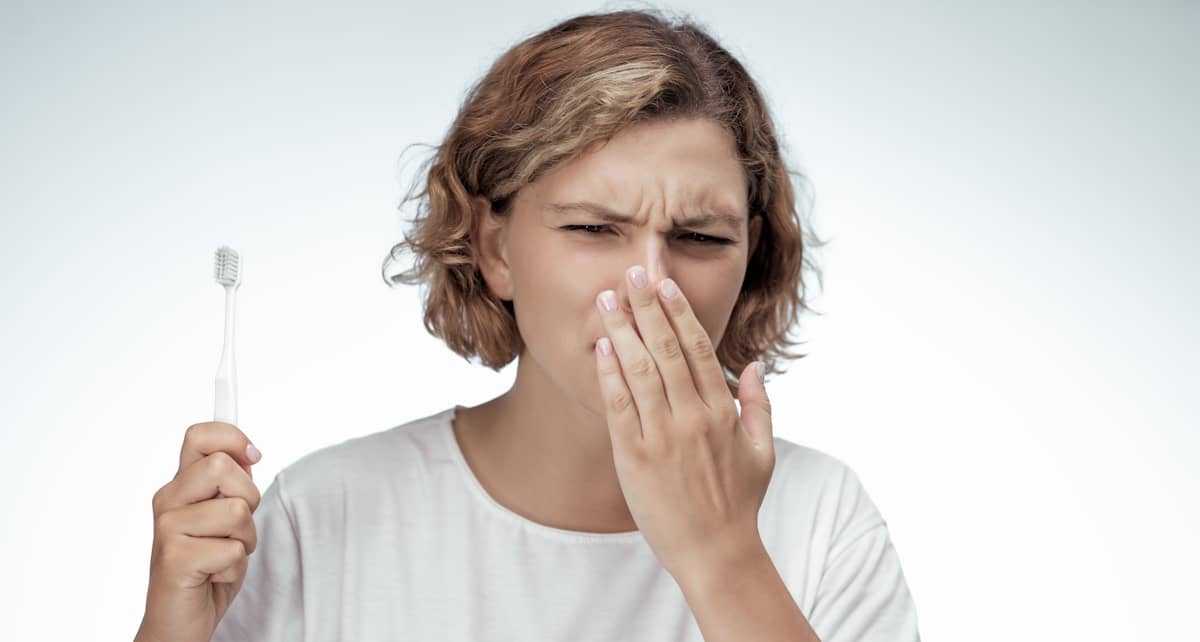
Diagnosing Halitosis: Which Doctor to See
Halitosis can be diagnosed in various ways. First—self-assessment of the problem. For example, lick your wrist and simply smell it. You can also ask close ones to honestly tell you if there’s a smell from your mouth and what kind. When bad breath becomes constant, not disappearing even after brushing teeth, then you need a specialist’s help.
The first specialist who can help with this problem is, of course, a dentist. After all, in most cases bad breath has dental causes. The doctor, conducting a dental examination, performs initial diagnostics and identifies tooth or gum problems if they’re provoking the bad breath. Then the dentist prescribes treatment and procedures needed to eliminate the problem.
Additionally, among related specialists who can help with halitosis are ENT doctors, gastroenterologists, and endocrinologists. Depending on what specifically is causing the bad breath, treatment is selected individually by the appropriate specialized professional. For example, an ENT typically eliminates inflammation in the nasopharynx area, while a gastroenterologist addresses the stomach. An endocrinologist, in turn, restores hormonal balance and works with metabolic disorders.
Professional Dental Treatment of Halitosis
It should be noted right away that specific medications for halitosis won’t be prescribed. After all, it’s treated depending on the cause of its occurrence. That is—by directly eliminating the root cause of bad breath.
So, what to do if you have bad breath? Professional dental treatment of halitosis includes various methods such as:
Professional hygiene (Air Flow, ultrasound) – Professional teeth cleaning is extremely effective at removing bacterial plaque on teeth, which causes bad breath.
Tartar removal – Removing already hardened plaque, that is tartar, also quickly eliminates bad breath. Moreover, this also prevents possible gum inflammation.
Treating cavities and pulpitis – This is definitely one way to eliminate bad breath. After all, cavities and pulpitis (nerve inflammation from cavity complications) often cause persistent bad breath.
Treating gum diseases (gingivitis, periodontitis) – Affected gum and periodontal tissues, which hold the tooth, are also often the cause of halitosis.
Oral cavity sanitation – This is comprehensive work to eliminate all infectious foci that cause stale breath. More simply, it’s complete treatment of all problems in the oral cavity.
Periodontal pocket curettage – This cleaning method effectively eliminates bad breath. Bacterial accumulation specifically in gum pockets very often causes bad breath.
Replacing poor-quality prostheses and fillings – This also restores fresh breath, because over time their lack of seal allows bacteria to multiply quickly and thus cause bad breath.
How to Get Rid of Bad Breath at Home
Despite the existence of many professional methods for eliminating the problem, patients still wonder—how to get rid of bad breath at home? Therefore, we’ll provide practical recommendations on what to do if you have bad breath and can’t get to a doctor yet:
Proper brushing technique is essential. At least 2-3 minutes, twice daily. Brush movements should be circular and sweeping from top to bottom.
Additionally use dental floss. It specifically cleans the interdental space and eliminates bad breath even more effectively.
Clean your tongue regularly. Use a special scraper to remove bacteria from it too, as quite a lot accumulates there.
Use a water flosser. It’s also an effective and even professional method for eliminating bad breath at home. A water flosser cleans plaque and food remnants from hard-to-reach places even better after basic brushing and flossing.
Choose the right toothpaste. It matters a lot in how to eliminate bad breath. It’s important that the paste is anti-inflammatory and has antiseptic components.
Use mouth rinses. For example, regular ones from mass market or pharmacy (with chlorhexidine content, etc.).
Drink enough water. Minimum 1.5-2 liters per day, but it all depends on weight, age, and possible comorbidities. Dry mouth often leads to more active bacterial growth.
Adjust your diet. Many people forget this, but proper diet is also a method for eliminating bad breath. Reduce alcohol and coffee, garlic and onions. And conversely increase fresh vegetables and greens, as natural oral cleansing.
Folk Remedies for Bad Breath
Besides usual ways to eliminate bad breath at home, there are so-called folk methods. Of course, these aren’t a panacea. But since such questions also come from patients, we’ll discuss them. It’s important to understand that folk remedies for bad breath usually help only very temporarily. They definitely won’t replace professional treatment.
So, folk remedies for bad breath include:
Herbal decoction rinses (oak bark, chamomile, sage, mint) – Restore breath freshness, removing plaque and reducing gum inflammation.
Apple cider vinegar diluted with water – Eliminates bad breath by normalizing acidity. But can damage enamel, so use cautiously.
Baking soda solution for rinsing – Solves the odor problem by neutralizing acid in the mouth and suppressing bacterial growth.
Chewing fresh parsley, or mint, or basil – Freshens breath, temporarily masking bad breath. They also have natural antibacterial effects.
Green tea as a natural deodorant – Thanks to polyphenols in its composition, it suppresses bacterial reproduction and reduces plaque. That is, precisely what usually causes bad breath.
Tea tree oil – Helps fight odor, acting as an antiseptic. Important: dilute with water and under no circumstances accidentally swallow!
Probiotic yogurt and kefir – Restore fresh breath by restoring intestinal microflora.
Caraway, anise seeds, or cinnamon – Acting as natural internal deodorants, they stimulate salivation and have antibacterial effects. This is also a commonly used folk method for eliminating bad breath.
Mistakes in Fighting Bad Breath
For all the above-described methods to work, both professional and home-based, let’s examine common mistakes in fighting bad breath. Among them:
Masking the smell instead of treating the cause – This definitely won’t help and will only give temporary effect, especially if the question is how to eliminate bad breath permanently.
Excessive use of chewing gum and mints – This only stimulates salivation, but at the same time promotes bacterial growth due to sweeteners in the composition.
Aggressive tooth brushing – Continues to cause bad breath due to gum trauma this way.
Ignoring tongue cleaning – This is most often why bad breath persists, as many sulfur-containing bacteria accumulate on the tongue.
Using alcohol-based rinses – They only dry out the mucosa and thus create favorable conditions for more active bacterial growth.
Self-medicating with antibiotics – There are no specific medications for halitosis, and independent use, especially of antibiotics, will only disrupt intestinal microflora and intensify stale breath.
Postponing a doctor’s visit – This is also an important mistake that only preserves bad breath long-term. All inflammations and tooth and gum problems need to be treated promptly!
When You Urgently Need a Doctor
Today there are many methods for eliminating bad breath permanently. But it’s important to know cases when urgent medical help is needed with halitosis. These include:
Persistent bad breath despite hygiene – Here there are either internal body disorders or already an extremely serious dental cause.
Acetone smell – Possible diabetic ketoacidosis, when a doctor is needed immediately.
Ammonia smell – Such halitosis is usually due to renal failure (significant kidney dysfunction).
Accompanying symptoms – Such as pain, bleeding, high fever. Most likely this is already a serious infectious process.
Bad breath in a child with fever – Usually means either tonsillitis, sinusitis, or GI infection.
Ineffectiveness of home methods for 2 weeks – Indicates that the root cause of the odor hasn’t been eliminated.
The author of the article is Olena Tomashevska,
Orthodontist, General Dentist, Microscopic Endodontics


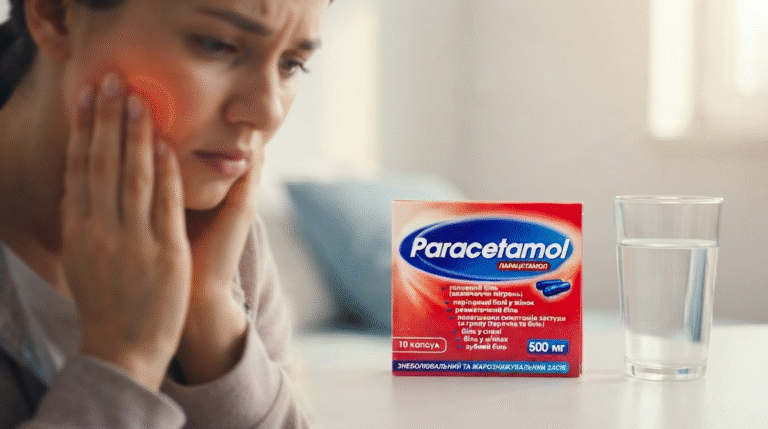
Make an appointment
You can make an appointment by filling out the application form on the website, as well as using instant messengers:
Make an appointment
You can make an appointment by filling out the application form on the website, as well as using instant messengers:


Make an appointment easily using chatbots:
Also, call the numbers:
Modern dentistry and medical centre "MED-DEO"
Choose a clinic whose location is more convenient for you.
Kyiv, Holosiivska/Demiivska metro station
130 Lobanovskoho Avenue


Working hours:
Mon - Sun: 8:00 AM - 9:00 PM
No days off!
Call the numbers:
How to get to us? Create a route
Create a route
Kyiv, Akademistechko metro station
78A, Irpinska str.

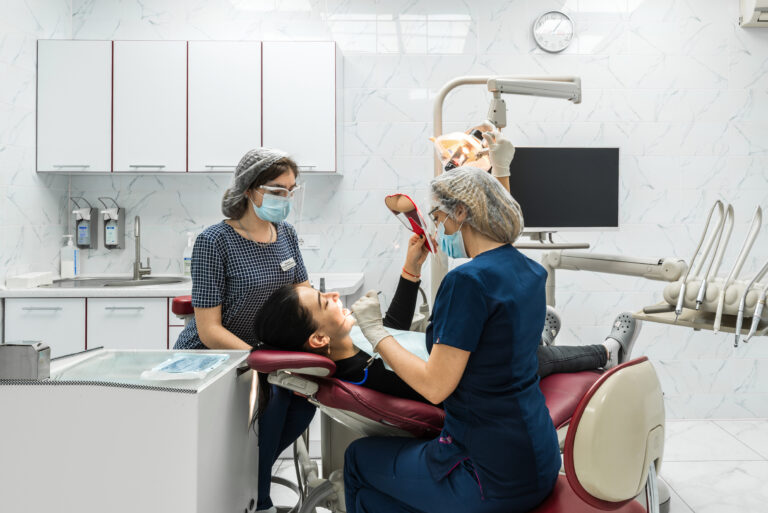


Working hours:
Mon-Sun: 8.00-21.00
Without days off!
Call the numbers:
How to get to us?
Create a route
Create a route
Kyiv, Heroiv Dnipra metro station
32A, Heroiv Dnipra str.
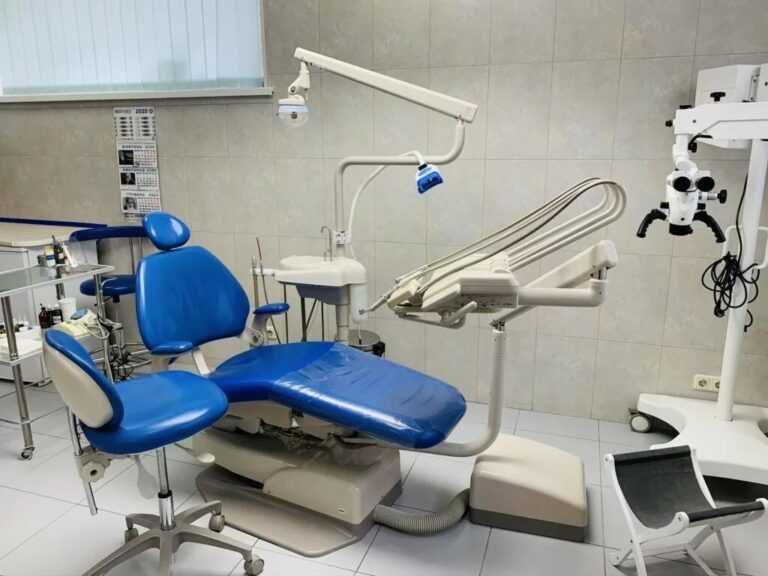
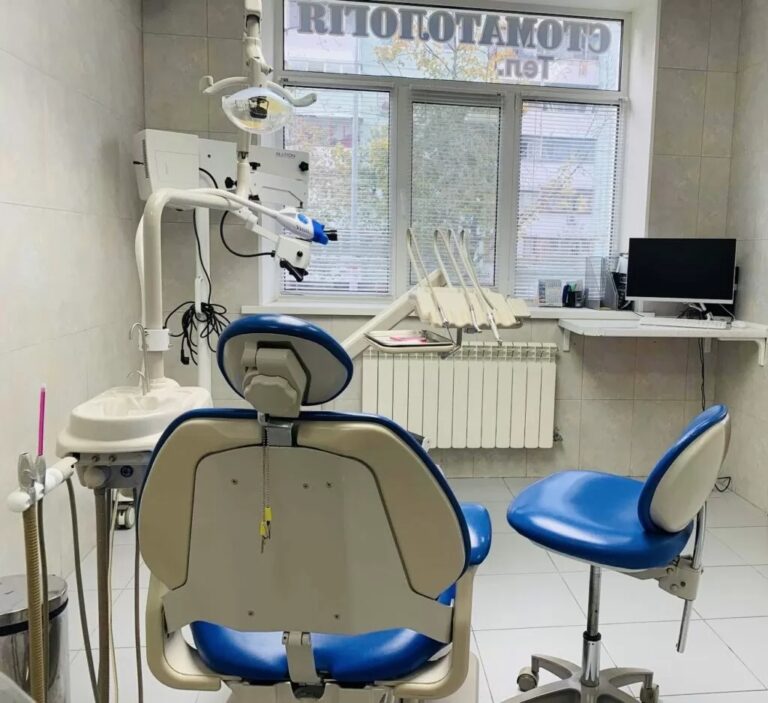

Working hours:
Mon-Sun: 8.00-21.00
Without days off!
Call the numbers:
How to get to us?
Create a route
Create a route
Kyiv, Teatralna metro station
9B, E. Chykalenko (Pushkinska) str.




Working hours:
Mon-Sat: 8.00 - 21.00. Sun: by appointment.
Without days off!
Call the numbers:
How to get to us?
Create a route
Create a route
Відгук від клієнта
0:00
0:00


Your email will not be published on the site.