Special offer! Comprehensive professional teeth cleaning for only 1699 UAH.
Special offer! Comprehensive professional teeth cleaning for only 1699 UAH.
Special offer! Comprehensive professional teeth cleaning for only 1699 UAH.
Special offer! Comprehensive professional teeth cleaning for only 1699 UAH.
Special offer! Comprehensive professional teeth cleaning for only 1699 UAH.
Special offer! Comprehensive professional teeth cleaning for only 1699 UAH.
Special offer! Comprehensive professional teeth cleaning for only 1699 UAH.
Special offer! Comprehensive professional teeth cleaning for only 1699 UAH.
Special offer! Comprehensive professional teeth cleaning for only 1699 UAH.
Special offer! Comprehensive professional teeth cleaning for only 1699 UAH.
 (044) 394 90 94
  Holosiivska/Demiivska metro station
(044) 394 90 94
Holosiivska/Demiivska metro station
(044) 394 90 94 пр.Лобановського, 130, Київ, Україна
Temporarily closed
Opening soon

78A, Irpinska St., Kyiv, Ukraine
Temporarily closed
Opening soon

32A, Heroiv Dnipra St., Kyiv, Ukraine
Temporarily closed
Opening soon

9B, Yevhena Chykalenko St. (Pushkinska), Kyiv, Ukraine
Temporarily closed
Opening soon

General Dentistry
Dental surgery
Dental Implants
Maxillofacial Surgery
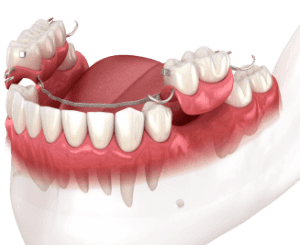
Dental prosthetics
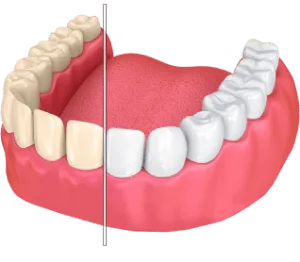
Cosmetic dentistry
Professional Dental Hygiene

Periodontics
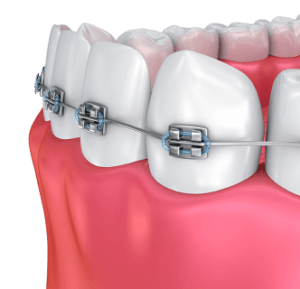
Orthodontic dentistry
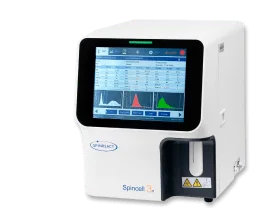
Gnathology & TMJ Therapy

Pediatric Dentistry
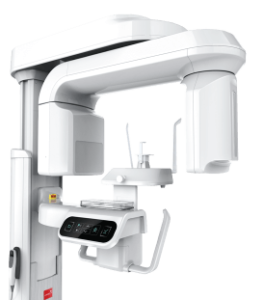
Dental X-Rays
Orthodontic dentistry
Gnathology & TMJ Therapy
Dental prosthetics
Maxillofacial Surgery
Plastic surgery
Dental surgery
Dental Implants


Popular requests
Teeth whitening
Treatment of caries
Wisdom tooth extraction
Bracket system
Dental veneers
Tooth restoration
Pediatric dentist
Consultation with a dentist-therapist
Search results by: «».
Unfortunately, no results were found for your search: “Pediatric Endocrinologist”, nothing was found.
You may find these links useful:
Clinics "MED-DEO"
пр.Лобановського, 130, Київ, Україна
Temporarily closed
Opening soon
78A, Irpinska St., Kyiv, Ukraine
Temporarily closed
Opening soon
32A, Heroiv Dnipra St., Kyiv, Ukraine
Temporarily closed
Opening soon
9B, Yevhena Chykalenko St. (Pushkinska), Kyiv, Ukraine
Temporarily closed
Opening soon
Services
Dentistry Orthodontic Center Prosthodontic Center MED-DEO Center for Maxillofacial Surgery & Facial Plastics Surgical Dental CenterGeneral Dentistry
Dental surgery
Dental Implants
Maxillofacial Surgery
Dental prosthetics
Cosmetic dentistry
Professional Dental Hygiene
Periodontics
Orthodontic dentistry
Gnathology & TMJ Therapy
Pediatric Dentistry
Dental X-Rays
Orthodontic dentistry
Gnathology & TMJ Therapy
Dental prosthetics
Maxillofacial Surgery
Dental surgery
Dental Implants

Service statistics

More and more clients choose «MED-DEO»
Initial Doctor's Consultation
The cost of a consultation: 1000 UAH.
Appointment by phone:
(044) 394 90 94Earlobe repair is a minor surgical procedure designed to restore the shape of the earlobe if it has been torn, severely stretched, or altered due to aging.
Most often, this occurs as a result of wearing heavy earrings, tunnels, or a natural loss of tissue elasticity over time. This common issue can make it difficult to wear jewelry or simply cause aesthetic discomfort. The procedure for earlobe reduction or repair is simple and minimally invasive: it is performed under local anesthesia, takes a short amount of time, and recovery is typically fast. Very soon after the surgery, patients can return to their daily routines, and the earlobe looks natural and neat.
Earlobe Plastic Surgery – 2026 Price List
Service name
Price, UAH.
Initial consultation with a maxillofacial surgeon with a PhD in medical sciences
1200 ₴
Sign upRepeated consultation of a maxillofacial surgeon, candidate of medical sciences
800 ₴
Sign upInitial consultation with an oral and maxillofacial surgeon
700 ₴
Sign upRepeated consultation with an maxillofacial surgeon
500 ₴
Sign upDressing
200 ₴
Sign upFirst aid for maxillofacial wounds up to 3 cm
3000 ₴
Sign upFirst aid for maxillofacial wounds from 3 cm to 5 cm
5200 ₴
Sign upApplication of delayed sutures
1000 ₴
Sign up

Patient Reviews: Earlobe Repair at Med-Deo Clinic
No reviews yet
No reviews yet
Leave a review
Have you already been to ourmedical center? Share your experience of treatment in our clinic.
What is Earlobe Plastic Surgery and Who Needs It?
Earlobe plastic surgery (lobuloplasty) is a simple and minimally invasive procedure designed to restore the shape, size, and integrity of the earlobe. It is performed if the earlobe has been torn, stretched after wearing tunnels, if an earring hole has become too large, or if the tissue has changed due to an age-related loss of elasticity. During the procedure, the doctor carefully reshapes the natural contour of the earlobe and sutures the tissue to ensure an aesthetic appearance. Sometimes, this procedure is referred to as earlobe otoplasty.
The terms “earlobe plastic surgery” and “earlobe correction” usually refer to the same thing — the surgical repair of shape or damage. Occasionally, “correction” is used to describe minor adjustments, while “plastic surgery” refers to the full reconstruction of the earlobe after a tear or severe stretching, but the essence of the procedure remains the same.
The earlobe consists of skin and subcutaneous fatty tissue without cartilage, making it soft and easily deformed by the weight of earrings; it can stretch, tear, or lose its shape with age.
Earlobe plastic surgery is suitable for women and men of all ages: teenagers and young adults after wearing tunnels, people with stretched earring holes, and those who have noticed age-related changes. You should consult a surgeon if:
- the earlobe is torn or a scar has remained;
- the earring hole has become severely stretched;
- the earlobes have become asymmetrical;
- the shape of the earlobe has changed with age;
- there is a desire to restore the aesthetic appearance of the ear.
Timely earlobe correction allows for a quick and safe restoration of a natural look, and after healing, you will be able to comfortably wear any earrings again.


Causes of Earlobe Deformation: When Correction is Needed
Earlobe plastic surgery helps restore its shape when tissues are damaged, stretched, or altered due to aging or other factors. Below are the most common reasons why earlobe correction is recommended.
Torn Earlobe Following Injury
Mechanical damage is one of the most frequent reasons for seeking help. An earlobe can tear if an earring gets caught on clothing or hair, if jewelry is pulled sharply, or due to sports or work-related injuries. Tears larger than 5 mm usually do not heal on their own. It is important to consult a surgeon as soon as possible after the injury. If the tissue heals incorrectly, restoring the natural shape of the earlobe becomes more difficult, and the scar may be more noticeable.
Stretching from Earrings and Piercings
Long-term wearing of heavy earrings gradually expands the hole in the earlobe. The tissues lose their elasticity, the earlobe sags, and the holes become large or asymmetrical. Most often, earlobe correction is required for people who have worn massive jewelry for years and want to return to a neat, natural shape.
Deformation After Wearing Tunnels
Tunnels are expanders that gradually increase the hole in the earlobe, sometimes to significant sizes. After removing them, the earlobe rarely recovers on its own: stretched tissue remains, which is difficult to correct without surgery. Because of this, closing ear tunnels is a popular procedure among young patients who want to wear regular earrings again and restore the ear’s aesthetics.
Congenital Earlobe Defects
Earlobe repair is also sought due to congenital features: disproportionate earlobe size, attachment to the facial skin (attached lobes), clefts, or noticeable asymmetry. Such features can cause discomfort from childhood. The optimal time for correction is adolescence, once the ear is fully formed.
Keloid Scars After Previous Piercings
In some individuals, piercings lead to the formation of keloid scars — an overgrowth of connective tissue. They alter the shape of the earlobe, making it dense and uneven. In such cases, surgical removal of the scar followed by correction is possible, although the risk of recurrence must be discussed with a doctor.

Indications for Earlobe Plastic Surgery
Earlobe plastic surgery is performed when the tissues are damaged, severely stretched, or the shape of the lobe has significantly changed and cannot be corrected without surgery. The most common indications include:
- earlobe tear larger than 5 mm;
- severely stretched or deformed earring hole;
- significant stretching after wearing tunnels;
- congenital features: oversized, small, or attached earlobes, as well as clefts;
- noticeable asymmetry between the earlobes;
- age-related sagging of the tissues;
- keloid scars after piercings;
- dissatisfaction with the shape of the earlobe for aesthetic reasons.
If the earlobe is damaged or deformed, reconstructive plastic surgery is usually performed to restore the structure and integrity of the tissues. When the issue is primarily aesthetic (for example, asymmetry or age-related changes), aesthetic correction is carried out to improve the shape and appearance of the lobe.
How Earlobe Correction Surgery is Performed: Procedure Steps
Earlobe plastic surgery is a safe and minimally invasive procedure that helps restore the shape and integrity of the lobe. The surgery involves several simple steps.
Preparation for Earlobe Plastic Surgery
During the initial consultation, the plastic surgeon examines the earlobe, assesses the tissue condition, and discusses the desired result. In most cases, additional tests are not required. 3–7 days before the procedure, it is recommended to:
- refrain from alcohol and smoking;
- stop taking blood-thinning medications;
- discuss the type of anesthesia (usually local);
- set realistic expectations for the outcome.
Surgical Procedure
- Local anesthesia — numbing the earlobe for a comfortable experience.
- Marking the intervention zone — the doctor marks where the correction will take place.
- Earlobe correction:
- For tears: removing the edges of the old tear and suturing the tissue.
- For stretching: removing excess tissue and creating a natural shape.
- For reduction: resection of part of the lobe for a balanced look
- Applying cosmetic sutures — thin threads make the stitches almost invisible.
- Fixing the earlobe — applying a sterile adhesive bandage to protect the sutures.
Duration of the surgery is typically 30–60 minutes per earlobe. The patient remains conscious, discomfort is minimal, and you can return home immediately after the procedure. As for the cost of earlobe reduction, the price of earlobe plastic surgery depends on the clinic, the city, the complexity of the surgery, and the surgical method chosen.
Rehabilitation After Earlobe Plastic Surgery
Recovery after earlobe plastic surgery is fast and usually painless. For the first few days, the earlobe may be slightly swollen or sensitive, which is normal. To ensure a comfortable recovery without complications, follow these simple rules:
- Protect the earlobe — wear a bandage or a special dressing as advised by your doctor.
- Suture care — gently clean and treat the area with an antiseptic.
- Avoid strain — do not touch the earlobe or pull it with earrings.
- Physical activity — it is better to limit sports and sudden movements for the first 1–2 weeks.
- Suture monitoring — stitches are usually removed after 7–10 days.
- Follow-up appointments — the doctor checks the healing process and provides recommendations for comfortable jewelry wearing.
Most swelling and discomfort subside within 1–3 weeks, while full healing and fading of the scar occur within 1–3 months.
Results of Earlobe Plastic Surgery: What to Expect
After the surgery, the earlobe looks natural and neat:
- proper shape and symmetry;
- proportionality relative to the ear;
- aesthetic appearance and the ability to wear any earrings.
Scars are virtually invisible and are hidden within the natural folds of the earlobe. The final result is visible after 1–3 months, once the tissues have fully healed. The result is long-lasting: the earlobe will not deform again unless it is traumatized. If necessary, a follow-up correction can be performed after 6–12 months. It is worth noting that earlobe surgery corrects defects of the lobe but does not change the overall structure of the ear.
Contraindications for Earlobe Correction
Before the surgery, it is important to inform your doctor honestly about your health status to avoid complications. Absolute Contraindications:
- oncological diseases;
- serious blood clotting disorders (e.g., hemophilia);
- uncontrolled diabetes mellitus;
- acute infections.
Relative Contraindications:
- dermatological issues on the ear (eczema, psoriasis);
- inflammatory processes or herpes;
- acute respiratory viral infections (ARVI);
- menstruation (due to potential increased bleeding);
- pregnancy and lactation;
- allergy to anesthetics (an alternative must be selected).
Following the doctor’s recommendations ensures a safe surgery and a fast recovery.
















Відгук від клієнта


Your email will not be published on the site.