39179
Services Doctors
Clinics

пр.Лобановського, 130, Київ, Україна

Temporarily closed

Opening soon

стоматологія на лобановського

78A, Irpinska St., Kyiv, Ukraine

Temporarily closed

Opening soon

IMGP4938

32A, Heroiv Dnipra St., Kyiv, Ukraine

Temporarily closed

Opening soon

2024-10-23 11.56.42

9B, Yevhena Chykalenko St. (Pushkinska), Kyiv, Ukraine

Temporarily closed

Opening soon

IMGP5161
Prices Blog Contacts
Back Dentistry

Clinics "MED-DEO"

пр.Лобановського, 130, Київ, Україна

Temporarily closed

Opening soon

стоматологія на лобановського

78A, Irpinska St., Kyiv, Ukraine

Temporarily closed

Opening soon

IMGP4938

32A, Heroiv Dnipra St., Kyiv, Ukraine

Temporarily closed

Opening soon

2024-10-23 11.56.42

9B, Yevhena Chykalenko St. (Pushkinska), Kyiv, Ukraine

Temporarily closed

Opening soon

IMGP5161

Services

Dentistry

Service statistics

icon

More and more clients choose «MED-DEO»

73

Number of services provided

73

Number of patients who received the service

Initial doctor consultation

The cost of a consultation: 1000 UAH.

Appointment by phone:

(044) 394 90 94

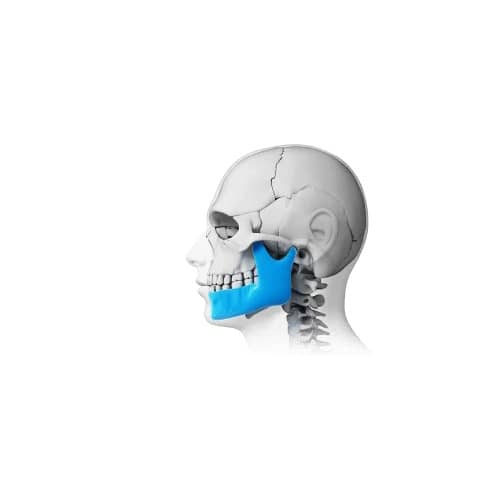
Orthognathic surgery is aimed at correcting the bite and facial proportions.

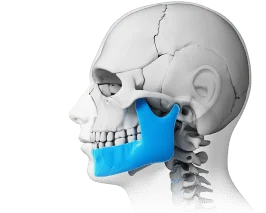
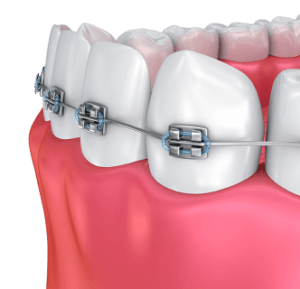
Orthognathic surgery refers to corrective surgery, or in other words, jaw surgery. Malocclusion is the result of protrusion of the upper row of teeth, most often in combination with underdevelopment of the lower jaw. Orthognathic surgery is necessary if it is impossible to correct the bite with braces. As a result of the operation, the contours of the patient's face often change, symmetry improves, which is due to the formation of new tissues and bone structures.

Orthognathic surgery price 2026

Service name

Price, UAH.

Initial consultation with a maxillofacial surgeon with a PhD in medical sciences

1200

Sign up

Repeated consultation of a maxillofacial surgeon, candidate of medical sciences

800

Sign up

Initial consultation with an oral and maxillofacial surgeon

800

Sign up

Repeated consultation with an maxillofacial surgeon

600

Sign up

Dental treatment under sedation

from 5800

Sign up

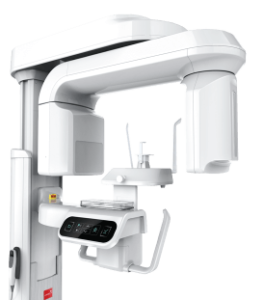
CT scan of the upper and lower jaw

1200

Sign up

Mentoplasty (chin plastic surgery)

43000

Sign up

Le Fort osteotomy of the upper jaw 1

129000

Sign up

Del Ponte osteotomy of the lower jaw

129000

Sign up

Osteotomy of the upper jaw with surgical expansion

43000

Sign up
Popular questions:

What is orthognathic surgery?

Orthognathic surgery is a surgical procedure to correct malocclusion and jaw shape.

What are the indications for orthognathic surgery?

Orthognathic surgery is indicated for malocclusion (open, deep, crossbite), significant anomalies of jaw development, chewing, speech, or breathing disorders, as well as for cosmetic facial defects associated with jaw displacement.

How long does the surgery and recovery take?

Orthognathic surgery usually takes 2–4 hours, depending on the complexity. The recovery period takes several weeks.

Reviews about orthognathic surgery at the Med-Deo clinic

Leave a review
5

Based on reviews

Based on reviews

Дар'я

2025-04-01

Операція з вирівнювання щелепи здалася мені чимось страшним, але лікарі пояснили все так детально та впевнено, що я довірилася їм. І не пошкодувала! Відновлення зайняло певний час, але результат того вартий – прикус виправлений, обличчя симетричне, дихати стало легше. Велика подяка за вашу роботу!

Артур

2025-02-10

Через серйозні проблеми з прикусом ортодонтичне лікування не давало бажаного ефекту, тож лікар порадив операцію. Дуже боявся, але все пройшло без ускладнень. Результат перевершив очікування – щелепа в правильному положенні, жування комфортне, обличчя стало більш гармонійним. Дякую за якісну роботу!

Orthognathic surgery in Kyiv

When is it necessary to correct the bite surgically?

Bite correction via surgical intervention is recommended for patients whose bone growth period has already ended, not earlier than 18 years of age. The decision on an earlier operation can be made exclusively by a doctor after an examination.

Indications for surgical intervention

Bite correction — a set of measures for the correction of defects such as jaw asymmetry, bone tissue injuries, and dentition disorders — is highly necessary, but braces cannot always provide a tangible result. In such a case, an orthognathic operation should be performed. Examples of symptoms that can be a signal to visit a dentist and consult on the choice of a bite correction method:

  • discomfort when chewing or closing the jaws;
  • speech problems;
  • non-closure or incomplete closure of the lips;
  • any form of swallowing disorders.

If one or more symptoms are detected, you should not delay visiting a dental clinic. To begin with, we recommend calling the phone numbers listed on the website of our Med-Deo dental clinic to book a consultation with a doctor. The dentist will determine an effective method of bite correction and, if necessary, prescribe orthognathic surgery.

Contraindications.

Before prescribing orthognathic surgery, the doctor conducts an examination, based on the results of which they determine whether it is possible to perform surgical intervention for bite correction, whether there are contraindications, and whether they can be eliminated. The first and main one is the indicator of the formation of the upper and lower jaws. Orthognathic surgery is not applicable for children and adolescents; their bones are not fully formed, which is an obstacle that can only be overcome with age. This can also be an indirect cause of an incorrect bite. The second contraindication to orthognathic surgery includes diseases of body systems that are directly or indirectly related to the maxillofacial region, for example: cardiovascular, endocrine, bone systems, blood clotting disorders, malignant tumors on the face and in the oral cavity, diabetes mellitus, and certain mental illnesses.

The final word in the decision to perform a bite correction surgery rests with the doctor. The reason for this is frequent visits from patients with a correct bite and facial symmetry who demand an operation to fix a defect they invented themselves. In such cases, the patient is refused the operation. Orthognathic surgical intervention improves the appearance by correcting defects, but this should not be confused with a complete change of appearance.

What is an osteotomy?

Jaw osteotomy is a surgical operation that allows changing the shape or functions of a bone through its artificial cutting.

The operation is performed on one of the jaws, and sometimes on both simultaneously. It is prescribed for severe bite pathologies, abnormal development of the jaws, and to eliminate the consequences of unsuccessful surgical treatment of congenital cleft palate. Osteotomy of the lower jaw is often performed in cases of fractures and displacements.

How long does an osteotomy operation last?

The duration of the osteotomy procedure depends on the complexity of the surgical intervention, the type of bone, and the method of fixation. On average, the operation lasts from 30 minutes to 3 hours. Some types of osteotomy of the upper or lower jaw may require repeated intervention to remove metal structures. The hospital stay after the operation, including bilateral sagittal split osteotomy of the lower jaw, also depends on the patient’s individual characteristics and can vary from 1 to 7 days.

Rehabilitation after jaw osteotomy

Rehabilitation after jaw osteotomy is an important stage of treatment that requires compliance with the doctor’s recommendations. Rehabilitation can take from 2 weeks to several months, depending on the complexity of the operation, the type of fixation of bone fragments, and the patient’s individual characteristics.

During rehabilitation, it is necessary to:

  • take antibiotics and painkillers as prescribed by the doctor;
  • monitor oral cavity hygiene, rinse it with antiseptic solutions, and brush teeth with a soft brush;
  • undergo a course of physiotherapy, massage, and speech therapy to restore jaw, speech, and breathing functions;
  • wear a special bandage or elastic wrap according to indications;
  • visit the surgeon to control the condition of the wound and sutures, and to remove fixation structures;
  • eat soft or liquid food, avoiding hot, spicy, and hard items.
By following these rules, you can avoid complications and accelerate the recovery process after lower or upper jaw osteotomy, which will allow you to more fully enjoy the results of the operation. The price of jaw osteotomy can vary greatly depending on the complexity of the operation, the need for additional procedures, and the patient’s individual characteristics. On average, the cost of jaw osteotomy can range from 39 thousand UAH and more. The exact price can be found out after a consultation with the surgeon.
Need a
Diagnostic?

Call to book an appointmen:

(044) 394-90-94

Sign up
icon icon
дагностика 1

Features of surgical bite correction at “Med-Deo”

Bite correction at the Med-Deo dental clinic is performed by experienced surgeons involving additional specialized experts if a disease is suspected during the course of which orthognathic surgery may be contraindicated. Already at the first appointment, the doctor will conduct a complete examination and prescribe additional assessments if necessary. If it is possible or necessary to proceed with the operation in a short time, the nearest date for its performance will be scheduled and preparation recommendations will be provided.

An orthognathic operation is performed in several stages:

  • Incision of soft tissues to expose the jawbone;
  • Placement of bones in the correct position;
  • Fixation of the jawbones with certified materials (plates, screws);
  • Suturing of tissues;
  • Securing with a special splint.

Orthognathic surgery requires a long rehabilitation period, which can last up to 5 months.

During this period, it is necessary to adhere to the recommendations:

  • prevent infection by taking a course of antibiotics prescribed by the doctor;
  • do not remove the bandage for 24 hours after the orthognathic operation;
  • regularly visit the dentist to check the position of the splint and the progress of recovery;
  • consume food exclusively in liquid form.

Sutures are removed after 12-14 days, after which a special braces system is installed on the patient’s teeth. And after four months, the screw structure can be removed. Unpleasant but short-term (up to 4 days) symptoms that will have to be faced include: swelling, bruising, numbness in and around the area of surgical intervention, painful sensations when moving the jaw, and noticeable speech disorders. Additional information and consultation can be obtained at an appointment in the departments of the Med-Deo dental clinic in the city of Kyiv.


Still have questions?

Make an appointment with a doctor!icon

Make an appointment Make an appointment
We work with all insurance companies

On this page Contents of the page

icon

Dental services