Special offer! Comprehensive professional teeth cleaning for only 1699 UAH.
Special offer! Comprehensive professional teeth cleaning for only 1699 UAH.
Special offer! Comprehensive professional teeth cleaning for only 1699 UAH.
Special offer! Comprehensive professional teeth cleaning for only 1699 UAH.
Special offer! Comprehensive professional teeth cleaning for only 1699 UAH.
Special offer! Comprehensive professional teeth cleaning for only 1699 UAH.
Special offer! Comprehensive professional teeth cleaning for only 1699 UAH.
Special offer! Comprehensive professional teeth cleaning for only 1699 UAH.
Special offer! Comprehensive professional teeth cleaning for only 1699 UAH.
Special offer! Comprehensive professional teeth cleaning for only 1699 UAH.
Sign up
 (044) 394 90 94
(044) 394 90 94  Holosiivska/Demiivska metro station
Doctors


 Prices
Blog
Contacts
Prices
Blog
Contacts
пр.Лобановського, 130, Київ, Україна
Temporarily closed
Opening soon
78A, Irpinska St., Kyiv, Ukraine
Temporarily closed
Opening soon
32A, Heroiv Dnipra St., Kyiv, Ukraine
Temporarily closed
Opening soon
9B, Yevhena Chykalenko St. (Pushkinska), Kyiv, Ukraine
Temporarily closed
Opening soon
Sign up
En
(044) 394 90 94
Back
Dentistry
General Dentistry
Dental surgery
Dental Implants
Maxillofacial Surgery
Dental prosthetics
Cosmetic dentistry
Professional Dental Hygiene

Periodontics
Orthodontic dentistry
Gnathology & TMJ Therapy

Pediatric Dentistry
Dental X-Rays
Back
Orthodontic Center
Orthodontic dentistry
Gnathology & TMJ Therapy
Back
Prosthodontic Center
Dental prosthetics
Back
MED-DEO Center for Maxillofacial Surgery & Facial Plastics
Maxillofacial Surgery
Plastic surgery
Back
Surgical Dental Center
Dental surgery
Dental Implants
Search on the site


Popular requests
Teeth whitening
Treatment of caries
Wisdom tooth extraction
Bracket system
Dental veneers
Tooth restoration
Pediatric dentist
Consultation with a dentist-therapist
Search results by: «».
Unfortunately, no results were found for your search: “Pediatric Endocrinologist”, nothing was found.
You may find these links useful:
Clinics "MED-DEO"
пр.Лобановського, 130, Київ, Україна
Temporarily closed
Opening soon
78A, Irpinska St., Kyiv, Ukraine
Temporarily closed
Opening soon
32A, Heroiv Dnipra St., Kyiv, Ukraine
Temporarily closed
Opening soon
9B, Yevhena Chykalenko St. (Pushkinska), Kyiv, Ukraine
Temporarily closed
Opening soon
Services
Dentistry Orthodontic Center Prosthodontic Center MED-DEO Center for Maxillofacial Surgery & Facial Plastics Surgical Dental CenterGeneral Dentistry
Dental surgery
Dental Implants
Maxillofacial Surgery
Dental prosthetics
Cosmetic dentistry
Professional Dental Hygiene
Periodontics
Orthodontic dentistry
Gnathology & TMJ Therapy
Pediatric Dentistry
Dental X-Rays
Orthodontic dentistry
Gnathology & TMJ Therapy
Dental prosthetics
Maxillofacial Surgery
Dental surgery
Dental Implants
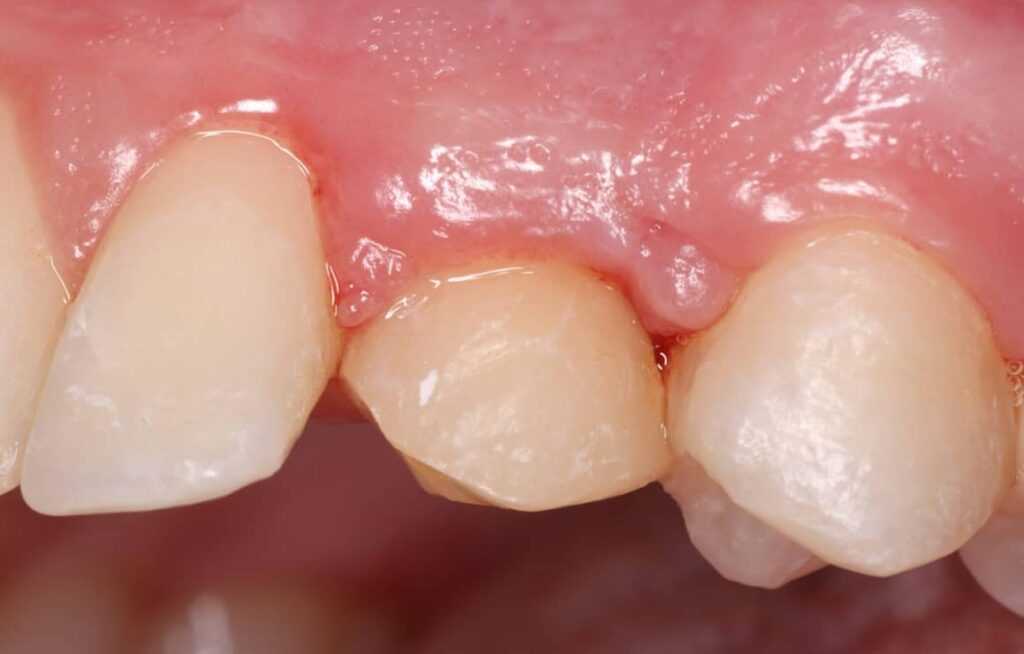
Autotransplantation is a procedure in which a dentist transplants a patient’s own tooth from one location to another. Most commonly, wisdom teeth or teeth that are growing incorrectly are used for this purpose. This approach allows for the restoration of a lost tooth without implants, preserving natural tissues and restoring normal chewing function and smile aesthetics.
What is Tooth Autotransplantation
What is autotransplantation? Tooth autotransplantation is a method of restoring a lost tooth where a dentist transplants your own healthy tooth to an empty space. Simply put, the tooth is transferred from one area of the jaw to another. This preserves living tissues, and the tooth itself, after integration, functions almost the same as a “native” tooth.
The main feature of this method is its naturalness. Unlike an implant, artificial materials are not used here—instead, your own tooth is used, which better adapts to load and feels maximally natural during chewing.
The technique itself has existed for a long time, but previously it was rarely applied. Today, thanks to modern diagnostics, 3D imaging, and precise surgical techniques, autotransplantation has become significantly safer and more effective.
Most often, this procedure is suitable for young people, patients with “extra” teeth (for example, wisdom teeth), and those who, for certain reasons, are not recommended or are postponing implantation.
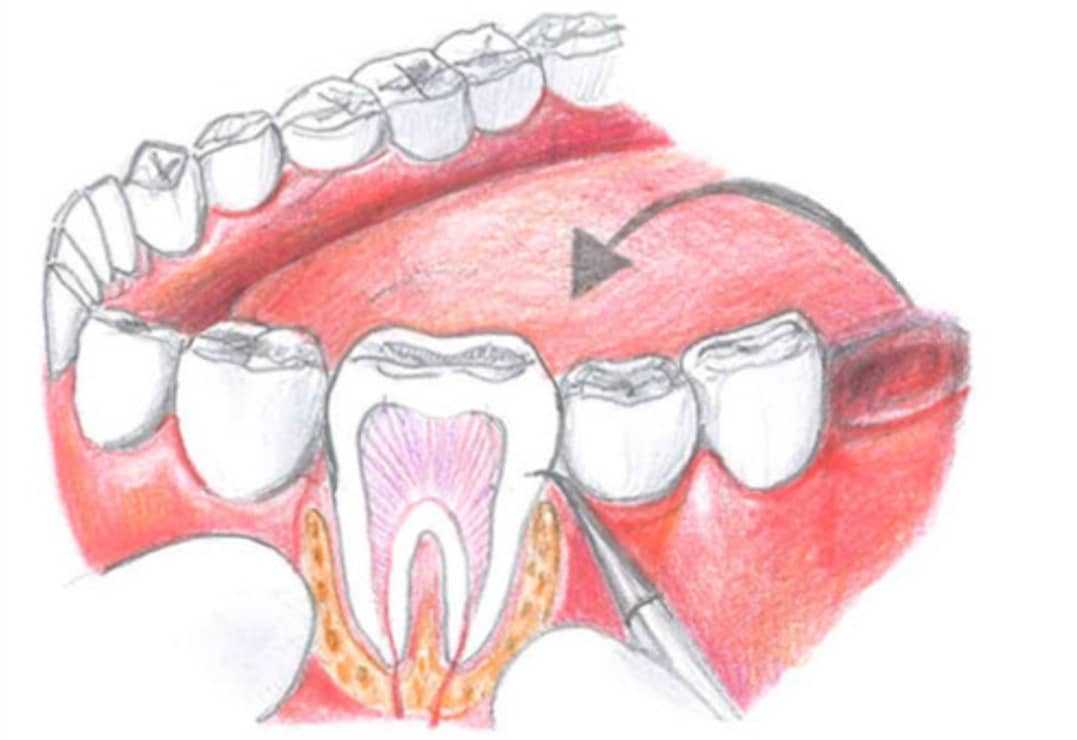
Which Teeth Can Be Donors: Not Only Wisdom Teeth
Not only wisdom teeth are suitable for tooth transplantation, although they are used most frequently. This is because “third molars” often do not participate in chewing, may grow crooked, or interfere with other teeth. Therefore, they are convenient to use as a donor option.
In addition to wisdom teeth, the following may be suitable for autotransplantation:
- premolars, which are sometimes removed during orthodontic treatment;
- impacted teeth that have not erupted but have a healthy structure;
- teeth that are growing incorrectly and do not perform a full function.
The dentist must evaluate whether the tooth is suitable for transplantation. It is important that the root is healthy, without inflammation, and that the size and shape allow it to “fit” into the new location. The condition of the gums and bone tissue around it also matters.
Teeth with root cracks, severe damage, chronic inflammation, or serious anatomical features are not suitable for transplantation.
Autotransplantation yields especially good results in young patients when the tooth root is not yet fully formed. In such cases, the tooth after transplantation can continue its natural development and integrates significantly better.
Is tooth transplantation from a donor possible? This is a treatment option where the tooth is taken not from the patient themselves but from another person. In practice, this method is almost never used. The reason is simple: the body perceives a foreign tooth as a foreign object, so the risk that it will not integrate is very high.
In addition, there is difficulty in selecting a donor, possible immune reactions, and an increased risk of complications. That is why modern dentistry prefers either transplanting one’s own teeth (autotransplantation) or installing implants.
Transplanting a tooth from another person may only be considered in exceptional cases and according to strict medical indications. Even then, the patient needs constant medical supervision, as the outcome of such a procedure is more difficult to predict.
Indications for Autotransplantation
Tooth autotransplantation is used when it is necessary to restore a lost tooth and there is an opportunity to use one’s own healthy tooth as a donor. This approach allows avoiding an implant and maintaining the most natural jaw anatomy.
Most often, the procedure is recommended in the following situations:
Tooth loss due to trauma, caries, or gum disease.
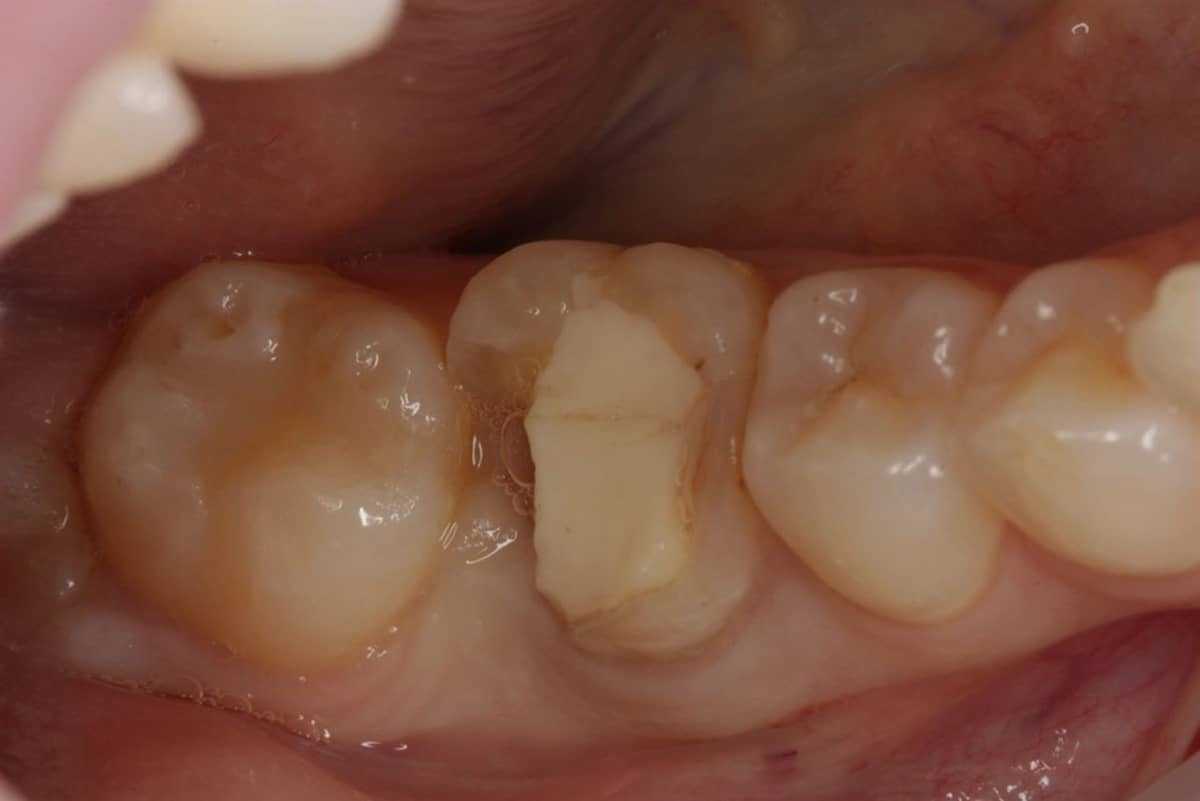
A tooth may be lost after an impact, accident, sports injury, or due to severe carious destruction. Periodontitis is also often the cause of extraction. In such cases, transplanting one’s own tooth can become an effective alternative to prosthetics or implantation.
Congenital absence of a tooth (hypodontia).
In some people, a permanent tooth does not form even during the developmental stage. This creates an aesthetic defect and disrupts the bite. Autotransplantation allows “closing” the empty space with one’s own tooth and restoring the proper function of the dental arch.
A tooth that cannot be saved.
There are situations when the crown is so severely damaged that fillings, inlays, or crowns no longer provide a stable result. In such cases, instead of complex prosthetics, another healthy tooth of the patient can be transplanted.
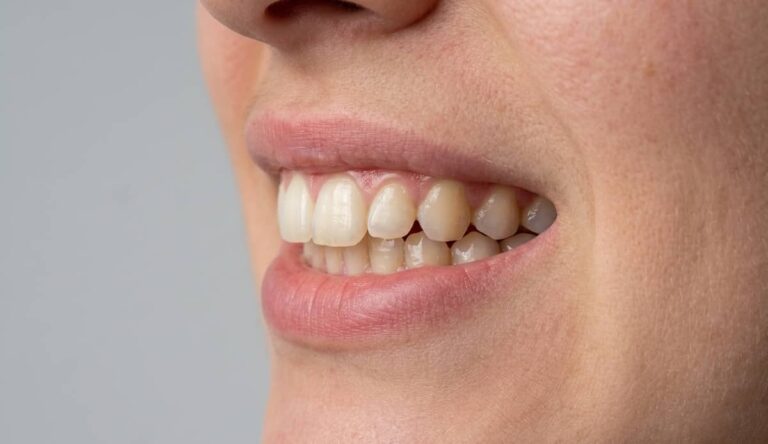
Incorrect tooth position.
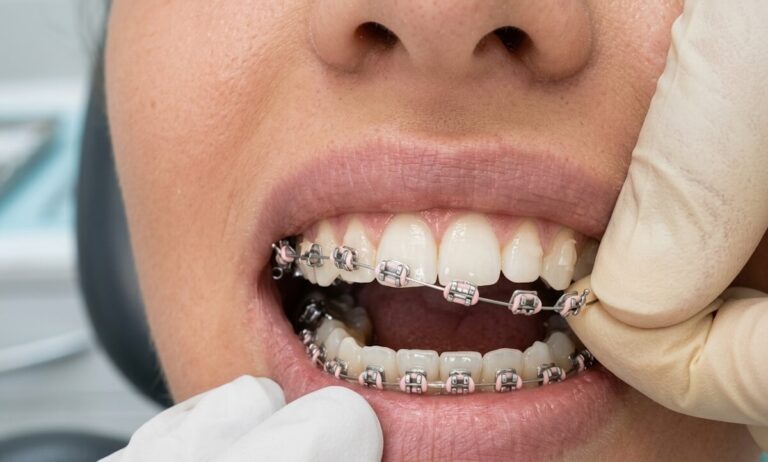
During orthodontic treatment or with dental crowding, some teeth have to be removed. If such a tooth has good anatomy and a healthy root, it can sometimes be used as a donor for transplantation to another area.
It is important to understand that each case is unique. The decision about the possibility of autotransplantation is made only after examination, computed tomography, and detailed evaluation of the condition of the teeth, bone tissue, and the patient’s overall health.
Contraindications to the Procedure
Despite all the advantages, autotransplantation is not suitable for everyone. Like any surgical intervention, it has certain limitations. In some situations, the procedure is not performed at all, and in others, it is postponed until health stabilization.
Absolute contraindications include:
- severe systemic diseases, particularly uncontrolled diabetes mellitus;
- oncological diseases;
- blood clotting disorders;
- active infectious processes in the body;
- certain autoimmune diseases that may interfere with normal tissue healing.
There are also relative contraindications when the procedure can be performed after treatment or additional preparation:
- acute inflammatory processes in the oral cavity;
- insufficient bone tissue volume in the tooth transplantation area;
- pregnancy and breastfeeding period.
That is why a detailed consultation with a dentist is mandatory before autotransplantation. If necessary, the doctor may refer the patient to related specialists. This approach minimizes risks and makes the procedure as safe as possible.
Advantages of Tooth Autotransplantation
One of the main advantages of tooth transplantation is the natural result. Since the patient’s own tooth is used, the body perceives it as “its own.” The risk of rejection is minimal, and the integration process usually proceeds much easier than with the installation of artificial structures.
Another important advantage is the preservation of jaw bone tissue. The transplanted tooth transfers natural chewing load to the bone, stimulating its blood supply and preventing atrophy. This is especially important for long-term results and bite stability.
From an aesthetic point of view, autotransplantation also has obvious advantages. The transplanted tooth harmoniously integrates into the dental arch, looks natural, and does not differ in sensation from neighboring teeth. After complete integration, normal chewing function, diction, and comfort during eating are restored.
In addition, no artificial materials are introduced into the body. For many patients, this is a matter of principle, as they prefer the most biological and gentle approach to treatment.
Stages of the Autotransplantation Procedure: From Consultation to Result
Tooth transplantation is not “one visit and it’s done.” It is a step-by-step process where each step affects how well the tooth will integrate and how long it will serve in the future. That is why doctors pay a lot of attention to preparation and planning.
Consultation and initial examination
The first stage is getting acquainted with your situation. The doctor examines the oral cavity, evaluates the condition of teeth and gums, clarifies which tooth is lost and which can become a donor. Information is also collected about general health, chronic diseases, medication intake, and previous dental experience. At this stage, the patient can ask all questions, discuss expectations, and understand whether this treatment method is suitable for them.
Diagnostics and detailed examination
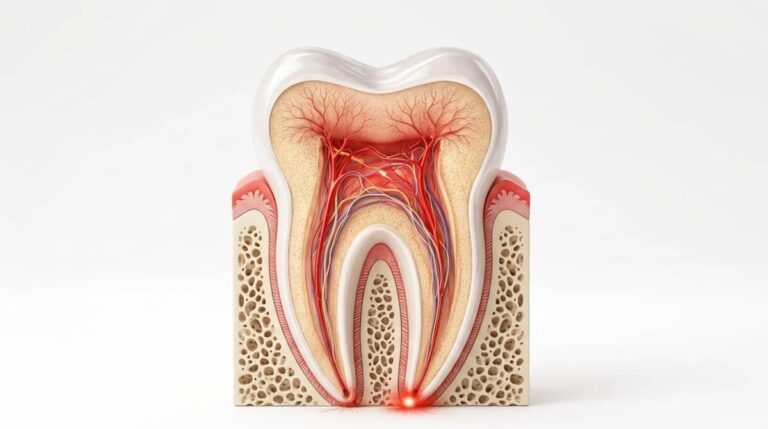
After the examination, instrumental diagnostics are performed. Most often this is computed tomography or targeted X-rays. They allow the doctor to “see” tooth roots, bone tissue thickness, nerve location, and anatomical features of the jaw. It is at this stage that they evaluate whether the donor tooth is suitable for transplantation and whether the area where it is planned to be moved is ready.
Treatment planning
Based on the obtained data, the doctor develops an individual treatment plan. Computer modeling determines the optimal position of the future tooth, socket shape, and sequence of actions during the operation. This approach reduces risks, shortens intervention time, and makes the procedure as precise and predictable as possible.
Preparatory stage
Before the operation, the oral cavity is necessarily put in order. Caries is treated, gum inflammation is eliminated, and if necessary, professional hygiene is performed. This is important to reduce the risk of infections and create optimal conditions for healing. In some cases, the doctor may prescribe additional procedures or medical preparation.
Surgical stage — tooth transplantation
The operation itself is performed under local anesthesia, so the patient does not experience pain. The doctor removes the donor tooth as carefully as possible, trying to preserve all important tissues. At the same time, a socket is prepared in the area where the tooth will be transplanted. After this, the tooth is transferred to a new location, installed in the correct position, and fixed. This is necessary so that it does not shift during healing and can stably integrate.
Postoperative period and healing control
After the procedure, the recovery stage begins. The patient receives detailed recommendations on nutrition, hygiene, and load on the transplanted tooth. Control visits are also scheduled, during which the doctor evaluates the healing and integration process. This period is key to a successful result. With proper care and adherence to recommendations, the transplanted tooth gradually adapts, becomes stable, and fully integrates into the dental arch.
Postoperative Period: Rehabilitation and Care
In the first hours after the procedure, it is normal to feel mild pain, swelling, or discomfort. This is a standard body reaction. You should consult a doctor if the pain intensifies, severe swelling appears, temperature rises, or other unusual symptoms occur.
In the first days after tooth transplantation, it is very important to be careful with food. A soft diet is recommended—porridge, purees, soups, yogurts, soft vegetables and fruits. Food should be served warm but not hot, and avoid spicy, very salty, or hard foods that can injure the gums or displace the transplanted tooth.
It is also important to limit the load on the transplanted tooth—do not bite hard foods and avoid mechanical pressure.
Hygiene remains mandatory but should be gentle. Tooth brushing is performed with a soft brush, and antiseptic rinses may additionally be prescribed.
If necessary, the doctor prescribes painkillers, anti-inflammatory drugs, or antibiotics. It is important to take them strictly according to the recommendation.
Control examinations are conducted according to an individual schedule. Sutures or a fixing splint are usually removed after a few weeks. Signs of successful integration are the absence of pain, tooth stability, and normal gum condition.
Questions and Answers (FAQ)
Is autotransplantation painful?
The procedure is performed under anesthesia, so the patient does not experience pain during the operation. Discomfort is possible after the intervention.
Which teeth can be transplanted?
Most often these are wisdom teeth, premolars, or impacted teeth. The main thing is that the tooth is healthy and suitable in shape and size for the new location.
What is better: autotransplantation or an implant?
Both methods have their indications. Autotransplantation is a more natural option if there is a suitable donor tooth. Implantation is suitable in cases where transplanting one’s own tooth is impossible.
Article by Dr. David Keyan
Oral Surgeon | Maxillofacial Surgeon | Plastic Surgeon
Make an appointment
You can make an appointment by filling out the application form on the website, as well as using instant messengers:
Make an appointment
You can make an appointment by filling out the application form on the website, as well as using instant messengers:


Make an appointment easily using chatbots:
Also, call the numbers:
Modern dentistry and medical centre "MED-DEO"
Choose a clinic whose location is more convenient for you.
Kyiv, Holosiivska/Demiivska metro station
130 Lobanovskoho Avenue


Working hours:
Mon - Sun: 8:00 AM - 9:00 PM
No days off!
Call the numbers:
How to get to us? Create a route
Create a route
Kyiv, Akademistechko metro station
78A, Irpinska str.


Working hours:
Mon-Sun: 8.00-21.00
Without days off!
Call the numbers:
How to get to us?
Create a route
Create a route
Kyiv, Heroiv Dnipra metro station
32A, Heroiv Dnipra str.


Working hours:
Mon-Sun: 8.00-21.00
Without days off!
Call the numbers:
How to get to us?
Create a route
Create a route
Kyiv, Teatralna metro station
9B, E. Chykalenko (Pushkinska) str.


Working hours:
Mon-Sat: 8.00 - 21.00. Sun: by appointment.
Without days off!
Call the numbers:
How to get to us?
Create a route
Create a route
Відгук від клієнта
0:00
0:00


Your email will not be published on the site.