34652
Services Doctors
Clinics

пр.Лобановського, 130, Київ, Україна

Temporarily closed

Opening soon

стоматологія на лобановського

78A, Irpinska St., Kyiv, Ukraine

Temporarily closed

Opening soon

IMGP4938

32A, Heroiv Dnipra St., Kyiv, Ukraine

Temporarily closed

Opening soon

2024-10-23 11.56.42

9B, Yevhena Chykalenko St. (Pushkinska), Kyiv, Ukraine

Temporarily closed

Opening soon

IMGP5161
Prices Blog Contacts
Back Dentistry

Clinics "MED-DEO"

пр.Лобановського, 130, Київ, Україна

Temporarily closed

Opening soon

стоматологія на лобановського

78A, Irpinska St., Kyiv, Ukraine

Temporarily closed

Opening soon

IMGP4938

32A, Heroiv Dnipra St., Kyiv, Ukraine

Temporarily closed

Opening soon

2024-10-23 11.56.42

9B, Yevhena Chykalenko St. (Pushkinska), Kyiv, Ukraine

Temporarily closed

Opening soon

IMGP5161

Services

Dentistry

Service statistics

icon

More and more clients choose «MED-DEO»

86759

Number of services provided

64759

Number of patients who received the service

Initial consultation with a doctor for free* * subject to treatment in the clinic

Appointment by phone:

(044) 394 90 94

Why choose Med-Deo clinic for pulpitis treatment?

Sharp, throbbing pain and increased sensitivity to hot and cold are signs of pulpitis—a condition that requires immediate treatment. But there’s no need to panic: pulpitis is not an automatic indication for tooth extraction! At Med-Deo clinic, we specialize in saving teeth with this diagnosis using gentle and effective methods.

Our goal is not just to stop the pain, but to completely eliminate the cause of inflammation while preserving your natural tooth. To achieve this, we perform thorough endodontic treatment: removing the affected pulp, disinfecting the canals, and sealing them hermetically. All procedures are performed by experienced endodontists using modern equipment, such as microscopes and apex locators, for maximum precision.

We understand that pulpitis treatment often causes anxiety, so we have created the most comfortable conditions for our patients:

  1. Powerful, latest-generation anesthesia instantly blocks pain.
  2. Distraction techniques allow you to spend time in the dentist’s chair with minimal stress.
  3. No prolonged jaw numbness ensures you feel good immediately after the procedure.

Don’t endure the pain or risk losing a tooth! Trust the specialists at Med-Deo—we guarantee painless treatment and long-term results. Book a consultation today to receive effective help and regain your healthy, radiant smile.

Pulpitis Treatment: 2026 Prices

Service name

Price, UAH.

Mechanical preparation of root canals using an endodontic motor (single-canal tooth)

900

Sign up

Mechanical preparation of root canals using an endodontic motor (two-canal tooth)

1000

Sign up

Mechanical preparation of root canals using an endodontic motor (three-canal tooth)

1200

Sign up

Root canal filling using lateral condensation of "AH+" sealer (per 1 canal)

700

Sign up

Root canal filling using warm vertical condensation of gutta-percha (per 1 canal)

900

Sign up

Emergency dental care

1600

Sign up

Dentist’s consultation on oral care

390

Sign up

Injection anesthesia (application)

350

Sign up

Individual "Cofferdam" / "RUBBER-DAM" kit (application)

350

Sign up

Individual "OptraGate" kit (application)

250

Sign up

Post-endodontic filling (no warranty) (placement)

3000

Sign up

Root canal retreatment / Unsealing (per 1 canal)

800

Sign up

Application of devitalizing paste (или Devitalizing agent application)

400

Sign up

Single tooth examination (или X-ray of 1 tooth)

240

Sign up

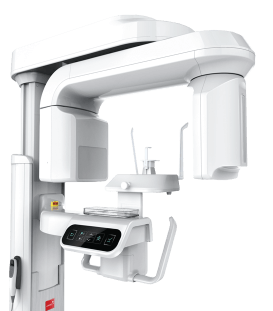
Panoramic X-ray (OPG)

440

Sign up

Upper and lower jaw CT (Computed Tomography)

1200

Sign up
Frequently Asked Questions:

What helps with pulpitis?

Dental treatment is the only real solution for pulpitis: removing the affected nerve, cleaning and filling the canals, followed by a permanent filling or a crown. Painkillers only provide temporary relief but do not treat the underlying cause.

How can I tell if I have pulpitis?

Pulpitis is characterized by severe, throbbing pain, especially at night, a lingering reaction to hot or cold temperatures, and pain that may radiate to the head or neck.

What happens if pulpitis is left untreated?

If left untreated, pulpitis progresses rapidly and becomes chronic. The consequences of an advanced stage include: nerve death, suppuration (pus formation), complete tooth destruction, inflammation of the gums and connective tissues, periodontitis, and allergic reactions. Furthermore, a chronic infection in the body can lead to cardiovascular and gastrointestinal diseases.
Совет

What are the symptoms of pulpitis?

  • Aching or sharp pain;
  • Tooth sensitivity: intense reaction to hot, cold, sour, or sweet foods and drinks;
  • Discoloration of the enamel;
  • Formation of cavities (hollows) in the teeth;
  • Bleeding gums.
  • Bad breath (halitosis) can also indicate the development of this pathology.

It is crucial to start fighting pulpitis in a timely manner. At the Med-Deo clinic in Kyiv, we use innovative treatment methods that are effective, painless, and safe.

How to relieve pain at home?

In case of acute pain, you can take a pain reliever. However, if you are already on your way to the doctor, it is better to wait if possible, so the dentist can diagnose the condition as accurately as possible. The only real solution is to contact a dental clinic immediately.

What is strictly forbidden?

Under no circumstances should you use “folk remedies” to relieve pain. Do not apply lard, propolis, or pine resin to the tooth, and do not rinse your mouth with alcohol-based tinctures. These methods carry a high risk of various complications. Do not self-medicate—book an appointment as soon as possible.

Possible complications after treatment

If endodontic treatment was performed unprofessionally, the following consequences may occur:

  • Periodontal irritation due to the use of aggressive materials;
  • Periodontal inflammation and subsequent acute periodontitis;
  • Formation of cysts and abscesses;
  • Darkening of the enamel.

If blood remained in the canals during filling, the crown may darken over time. Modern dentistry in Kyiv provides high-quality treatment with minimal risk of complications. However, if you have encountered unprofessional work elsewhere, we will resolve the issue quickly and effectively.

Can pulpitis be treated at home or with antibiotics?

No. Treatment is only possible at a dentist’s office. Antibiotics only help with complications but do not replace the need for pulp removal and canal filling.

What happens if pulpitis is left untreated?

Without treatment, pulpitis can turn into a chronic form, cause pulp necrosis, periodontitis, an abscess, and even lead to tooth loss.

How long does pulpitis treatment take — can it be done in one visit?

In most cases, treatment can be completed in a single visit. However, if there is a suppurative (purulent) process or complex canal anatomy, several appointments may be required.

How to distinguish pulpitis from caries (decay)?

Pulpitis is characterized by severe, throbbing, or aching pain, often triggered by hot or cold temperatures. Caries typically causes only mild discomfort or sensitivity without intense, lingering pain.

Reviews on Pulpitis Treatment at Med-Deo

Leave a review
5

Based on reviews

Based on reviews

Таня Чабаненко

2026-06-28

Хочу выразить благодарность Грушецкой Галине Петровне за лечение моих Зубов😊Специалист высшего класса,даже укольчик делает вообще не больно ,все всегда профессионально, быстро и качественно 🥰 я раньше боялась стоматологов, сейчас благодаря Галине Петровне уже не очень 😄

Оксана Горбатюк

2026-06-08

Лікарю Дворнику Владиславу Володимировичу ВЕЛИКЕ ДЯКУЮ за лікування проблемного зуба! Він просто ЛІКАР від БОГА! Завжди уважний та приємний! Завдяки його досвіду та праці мої зуби в порядку. Тепер тільки буду лікуватись у нього ! Рекомендую!!!!

ОЛЕКСАНДР Король

2026-05-27

Сьогодні був у лікаря Анастасії Віталіївни ,дуже відповідальна,ввічлива та професійна лікарка

Марина Демчишина

2026-05-17

Дуже сподобалось обслуговування та професійний підхід. Лікування комфортне й безболісне, персонал привітний 😊

Марія Цибенко

2026-04-09

Була на прийомі у лікаря Менджул Михайла, лікар уважний, швидко вирішив мою проблему, всім рекомендую

Анна Дударик

2026-04-07

Звернулась до клініки, оскільки терміново потрібна була невідкладна допомога, бо мала підрзру на пульпіт. Маю власного стоматолога в іншій клініці, але на той момент не мала змоги попасти до нього, тож звернулась до першої ліпшої стоматології поблизу. Хочу висловити велику подяку лікарю Стельмаховичу Антону Романовичу, який без перебільшень врятував мене від жахливого болю. Це дуже компетентний спеціаліст, який виконав свою роботу професійно, чим значно полегшив процес мого подальшого лікування вже у свого стоматолога. Я маю досить «неприємні» зуби, якщо так можна сказати, та і в самому процесі лікування, як виявилось, ситуація була набагато гіршою, ніж очікувалось, але, незважаючи на це, пан Антон зробив все на найвищому рівні і довів лікування до кінця, як воно і мало бути. Сам процес спілкування з лікарем також був дуже приємним: мені все пояснювали та перепитували чи мені нічого не болить. Величезна подяка!!! Усім раджу

Ольга Пасечник

2026-03-29

Дякую за лікування Наталії Сергіївні, чудовий лікар!

Катерина Богидаева

2026-03-20

Все чудово, пояснюючи етапи лікування.

Oleksandra Kryvorotko

2026-02-28

Хороша клініка, роблять швидко і професійно

Galyna Stukan

2026-02-08

Після відвідування клініки залишилося приємне враження, хороша атмосфера, оперативна робота лікарів та персоналу. Розраховувала на простіше лікування, проте як не лікарю, оцінити роботу спеціаліста мені складно.

Ксенія

2026-01-22

Лікування пульпіту пройшло без ускладнень. Дуже сподобалось, що лікар постійно контролював ситуацію і пояснював кожен етап. Видно, що працюють на результат

Олександра Лобунець

2026-01-16

Прошла сегодня пломбирования канала в 7 верхнем зубе у врача Бенедиса Сергея Сергеевича, довольна результатом, рекомендую

Ірина

2025-12-20

Біль був нестерпний, але лікар дуже швидко зняв запалення і врятував зуб. Процедура пройшла безболісно і спокійно. Полегшення відчула вже в той же день.

Susy Wolfheart

2025-12-04

Лікар Стельмахович Антон. Робила два видалення зубів мудрості, та лікування пульпіту. Не прості проблеми - але сподобалось, що все пояснювали, узгоджували. Лікар дуже уважний до відчуттів по міліон раз перепитує чи не боляче, чи зручно ітд. Сама клініка затишна, проста. Все сподобалось. Ціна якість теж гарно співвідносяться. Лікаря всім дуже раджу. Мала гіркий досвід в інших клініках.

Анастасия Герасимчук

2025-11-22

Нарешті знайшла ту саму стоматологію)) Я дуже вдячна лікарю Оксані Василівні та команді МЕД-ДЕО! Рекомендую:)

Яна Лева

2025-11-11

Дуже дякую лікарю Томашевській Олені Анатоліївні за професіоналізм і турботу! Від самого початку було відчуття спокою — усе чітко пояснили, розповіли про варіанти лікування. Робота зроблена якісно, без болю і з увагою до деталей. Приємна атмосфера та доброзичливий персонал.

Тетяна

2025-10-22

Звернулась із сильним болем , діагностували пульпіт. Лікування провели за один візит, абсолютно без болю. Лікар пояснив усе крок за кроком, дуже уважно працював! Дякую лікарю Вячеславі Миколайовичу!

Костянтин Ліщук

2025-10-01

Все сподобалось на 12 балів з 12. Задоволений лікуванням.

Діна Кухар

2025-09-23

Дуже задоволена візитом! Персонал привітний та уважний, а лікар Віталіна Вікторівна усе детально пояснює, завдяки чому почуваєшся спокійно та впевнено. Процедура пройшла абсолютно безболісно. Атмосфера в клініці затишна, обладнання сучасне, сервіс на високому рівні. Однозначно рекомендую цю клініку всім, хто цінує професіоналізм і турботу про пацієнта!

Владислав

2025-09-07

Думав, що доведеться видаляти зуб, але лікар зміг вилікувати пульпіт. Канали пролікували дуже якісно, весь процес пояснювали. Професіоналізм і уважність це про лікаря Михайла Сергійовича!

Sevilya Abduraimova

2025-08-23

я задоволена, дуже приємні і добрі люди тут працюють. лікують не боляче та ставляться з турботою ☺️

Ольга

2025-08-21

Мене довго турбував біль, і виявилося, що це пульпіт. Лікування каналів проводили під мікроскопом, лікар Марія Андріївна знайшов навіть додатковий канал, який не було видно на звичайному знімку. Усе зробили якісно, показали рентген до і після. Величезне спасибі за уважність та професіоналізм

Лариса

2025-07-22

Величезна подяка стоматологині Олені, яка зберегла мій зуб завдяки якісному лікуванню каналів. Все стерильно, уважно, і з чудовим результатом.

Kovalenko Sofia

2025-07-14

Дуже задоволена візитом до стоматолога - все пройшло легко, комфортно і без стресу. Менджул Михайло Сергійович детально пояснив кожен етап. Хороший спеціаліст і приємна людина)

Вікторія

2025-06-27

Запалився нерв у верхньому зубі, думала, що доведеться видаляти. Але в Мед-Део зуб зберегли, пролікували канали, усе стерильно, лікар чудовий ввічливий, привітний. Дуже задоволена результатом.

Ігор

2025-06-15

Мав сильний біль у ніч, виявився пульпіт. У Мед-Део швидко прийняли, зробили відповідний знімок, на якому було видно запалення, пролікували канали в той же день, поставили ліки. Через тиждень запломбували канали і поставили пломбу. Ставлення просто на висоті, ніхто не ігнорує біль пацієнта. Рекомендую!

Artem

2025-05-24

Відвідую цю стоматологію не вперше і завжди залишаюсь задоволений сервісом. Особливо хочу відзначити лікарку Оксану Василівну — дуже акуратний, обачний й уважний спеціаліст. Працює професійно, делікатно, пояснює кожен етап лікування та ставиться з турботою. Помітно, що їй справді небайдужі пацієнти. Рекомендую всім, хто шукає якісне та людяне стоматологічне обслуговування!

Костя

2025-05-11

Після довгого болю прийшов на прийом, лікар оглянув, ми зробили знімок. виявилося пульпіт. Лікар провів лікування, і вже через пару годин відчув полегшенням. Лікар працював дуже обережно, майже нічого не відчув, на наступних візитах запломбували зуб і поставили пломбу. Дякую за допомогу!

Анастасія

2025-04-27

Лікувала складний зуб з пульпітом, взагалі думала що доведеться видаляти, болів страшно. Але Віталіна, справжній професіонал, запломбувала канали і поставила пломбу. Лікування пройшло успішно, зуб перестав боліти, а пломба виглядає ідеально, не відлічити від справжній зубів. Рекомендую!

Володимир

2025-04-09

Коли біль не давав спати, звернувся сюди за допомогою. Прочистили й запломбували канали, процедура була довга, але все дуже акуратно. Жодного дискомфорту під час лікування, лікар уважний та досвідчений, справжній профі. Потім поставли постійну пломбу, все тримається добре, зуб вже не турбує. Дякую!

Надежда Зайнчковская

2021-02-02

Очень быстро, качественно и не дорого.Остались довольны лечением пульпита. Спасибо сотрудникам клиники!!!)))

Daria Pchelintseva

2021-02-02

Хорошая клиника. Лечила зуб (пульпит) у доктора Галины Петровны Кондраток. Очень аккуратный доктор. Все сделано хорошо. В клинике понравилось то, что всегда звонят накануне, уточняют и после посещения обязательно звонят. Есть возможность записаться на ближайшие дни, работают в субботу-воскресенье и послерабочее время, что для меня важный фактор. Снимки КТ делают на месте. Цены умеренные, хотя этот фактор каждый примеряет на себя.

Show more Hide

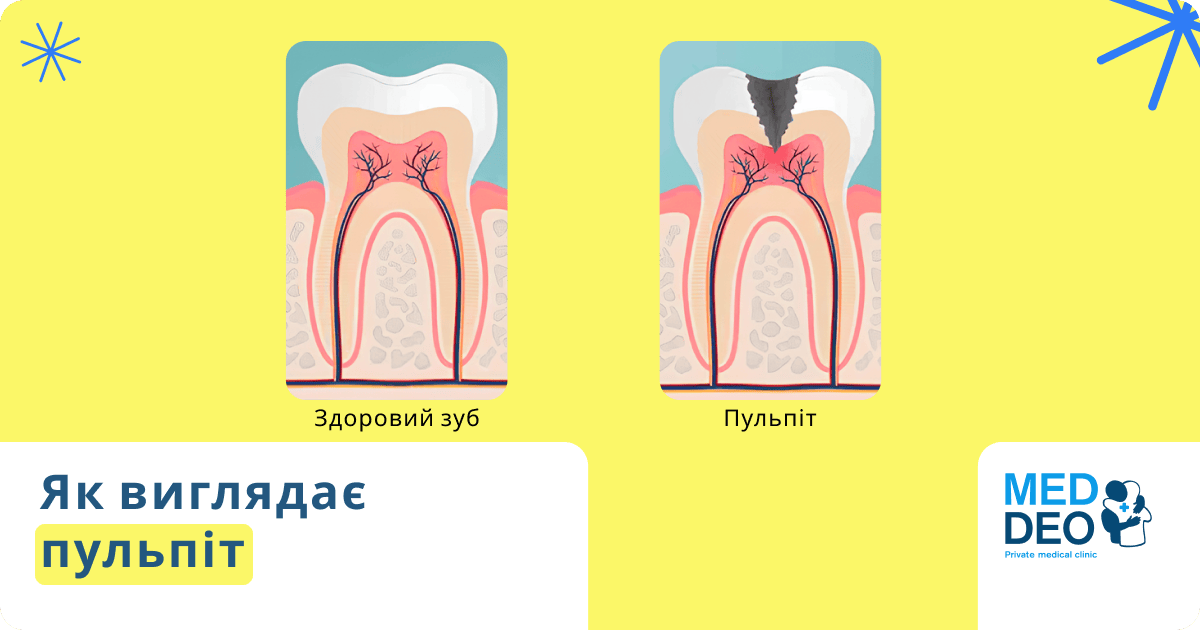
What is pulpitis and what does it look like?

icon

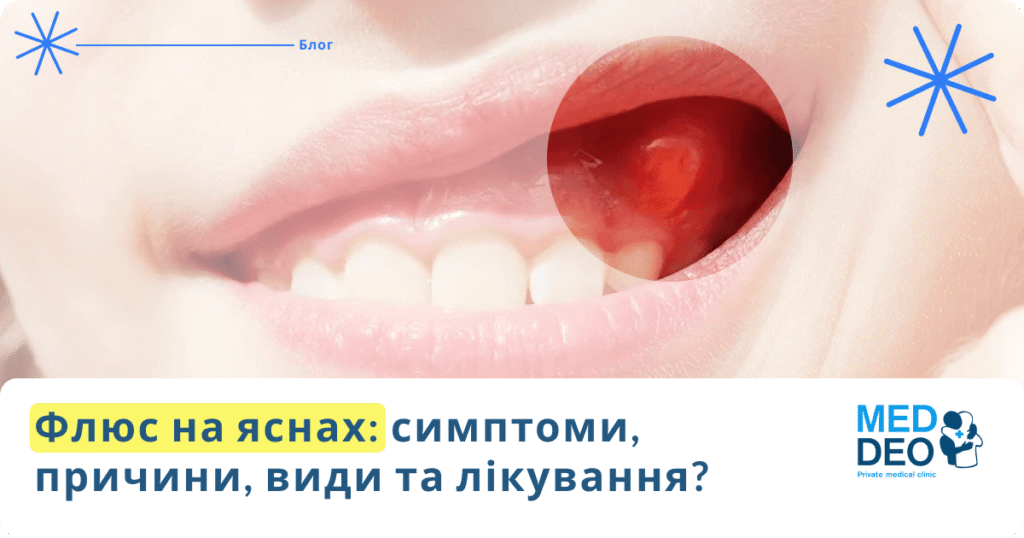
як виглядає пульпіт

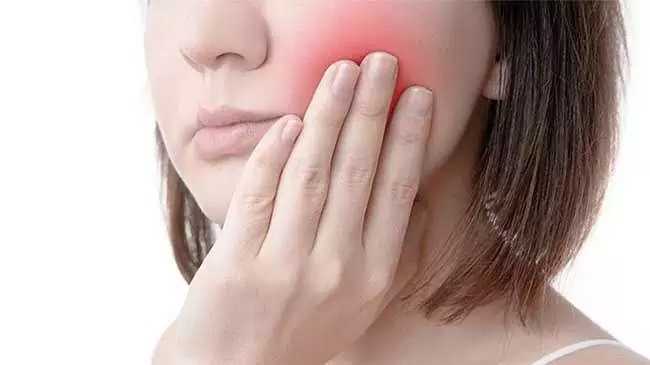
Pulpitis is the inflammation of the pulp — the “nerve” inside the tooth that contains blood vessels and nerve endings. It occurs when bacteria from decay or trauma penetrate deep into the tooth, causing pain to emerge.

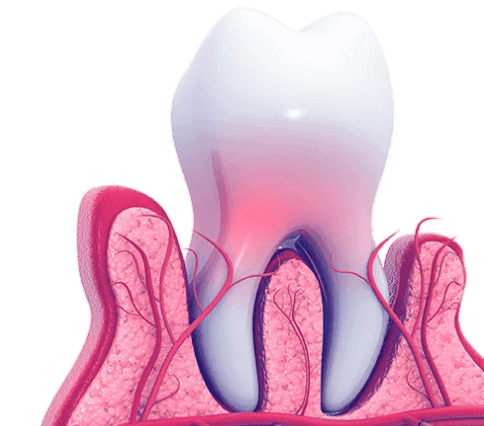
A tooth consists of three main layers. The exterior is protected by enamel — a strong shell that guards against bacteria and mechanical damage. Beneath the enamel lies dentin, which transmits stimuli to the heart of the tooth — the pulp.
The pulp plays a key role in the life of a tooth: it keeps it alive, supplying oxygen and nutrients, and allows it to sense temperature and touch. When the pulp becomes inflamed, pain occurs, and the tooth reacts to cold, hot, or sweet triggers.

It is important to understand that neither caries nor pulpitis will resolve on their own. Caries destroys enamel and dentin, while pulpitis is the inflammation of the tooth’s nerve. Without professional treatment, the disease progresses and the pain only intensifies.

The difference between them is that caries in its early stages may cause little to no bother, whereas pulpitis is always accompanied by distinct pain, especially at night or during temperature changes.

You can learn more about the nature of pulpitis, its types, and causes in the detailed section below. https://med-deo.com.ua/stomatology/terapevtychna-stomatologiya/likuvannya-pulpitu/.

Pulpitis Treatment Methods

icon

Modern dentistry offers several effective methods for treating pulpitis, and the choice of approach depends on the stage of inflammation and the overall condition of the tooth. The dentist evaluates the clinical picture, X-rays, and the tooth’s reaction to cold and hot stimuli before proposing the optimal variant.

In milder cases, where the pulp is still vital and the inflammation has not progressed too far, partial or complete preservation of the pulp is possible. This is known as vital pulp therapy (biological treatment): the doctor removes only the affected part of the tissue, applies a therapeutic material, and gives the nerve a chance to recover. This approach allows the tooth to remain “alive” and maintain its sensitivity.

If the inflammation is significant or purulent, the dentist performs endodontic treatment (root canal treatment) — thoroughly cleaning the root canals of infected pulp, disinfecting them, and sealing them hermetically. This prevents the spread of infection and preserves the tooth itself.

Several factors influence the choice of method: the extent of damage, the condition of the root canals, the presence of complications, the patient’s age, and the possibility of restoring the tooth after treatment. The dentist’s task is not just to eliminate pain, but to find a solution that preserves the tooth for as long as possible without complications.
послуги стоматолога хірурга

Biological (Conservative) Method of Pulpitis Treatment

The biological method of pulpitis treatment is focused on the main goal: keeping the pulp alive so the tooth remains naturally sensitive and can function normally for many years. This is the most delicate approach, applied only when the inflammation is not too deep and the nerve has a chance to recover.

This conservative method of pulpitis treatment is best suited for young patients, as well as in situations where pulpitis is at an initial stage or when the pulp was accidentally exposed during cavity treatment.

The procedure takes place in several stages: the doctor carefully removes only the affected portion of the tissue, disinfects the cavity, and applies a special therapeutic material. Most often, calcium-containing preparations are used, which stimulate regeneration and help the pulp “calm down.” A temporary or permanent filling is then placed, depending on the situation.

The prognosis with proper indications is very good: the pain subsides, sensitivity gradually normalizes, and the nerve remains viable. However, it is important to attend follow-up examinations—the doctor checks to ensure there is no recurrent inflammation.

There are also contraindications: the biological method is not used in cases of a purulent process, severe pain, significant tooth destruction, or when the infection has already spread to the root canals. In such cases, full endodontic treatment is required.

Surgical Method of Pulpitis Treatment: Vital and Devital Extirpation

Surgical treatment for pulpitis is used when it is no longer possible to save the pulp. Its core objective is the complete removal of the inflamed nerve, which allows for rapid pain relief and stops the spread of infection.

The most common approach is vital extirpation. Under local anesthesia, the doctor removes the pulp in a single visit, cleans the root canals, and seals them hermetically with a filling. This allows the patient to get rid of the pain immediately and minimizes the risk of complications.

Another option is the devital method of pulpitis treatment, where the pulp is first “deactivated” using a special paste, and the removal is performed during the next appointment. This method is used if immediate treatment is not possible or if there are contraindications to anesthesia.

Modern dentistry has almost entirely moved away from arsenic-based pastes due to their toxicity and potential complications. The choice of method always depends on the tooth’s condition, the extent of inflammation, and the patient’s individual characteristics, with the final decision made by the doctor after examination and diagnostics.

Need a
Diagnostic?

Call to book an appointmen:

(044) 394-90-94

Sign up
icon icon
дагностика 1

Pulpitis treatment process: stages of the procedure

Pulpitis treatment always follows a clearly defined protocol to ensure maximum safety and patient comfort.

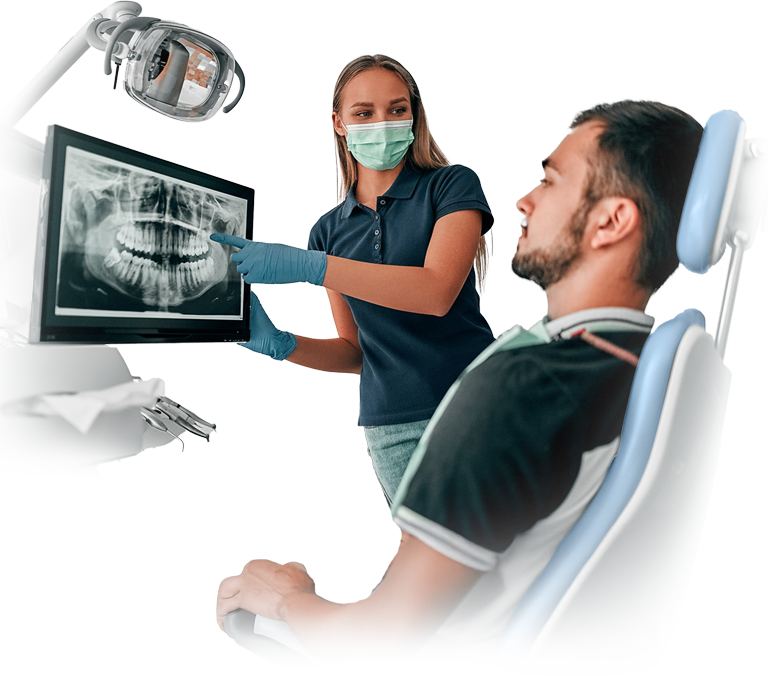
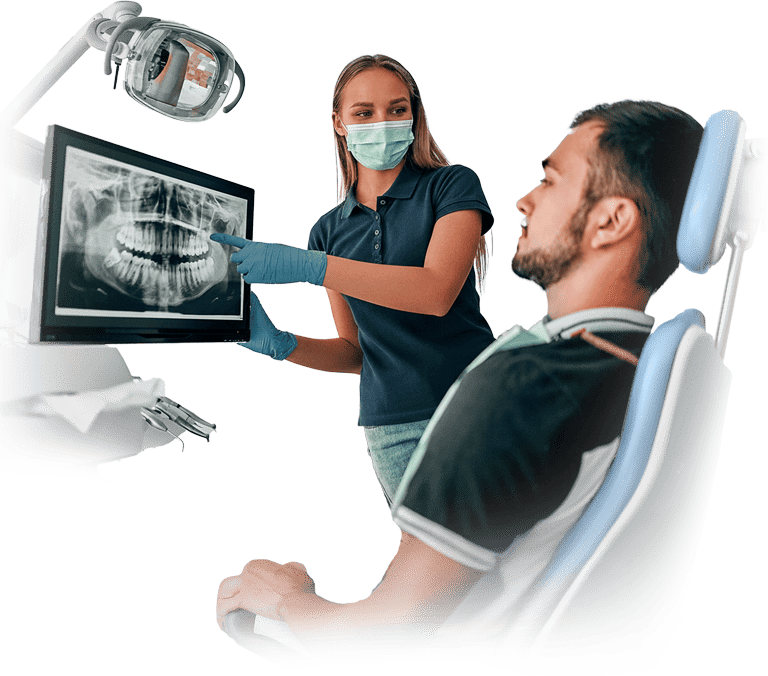
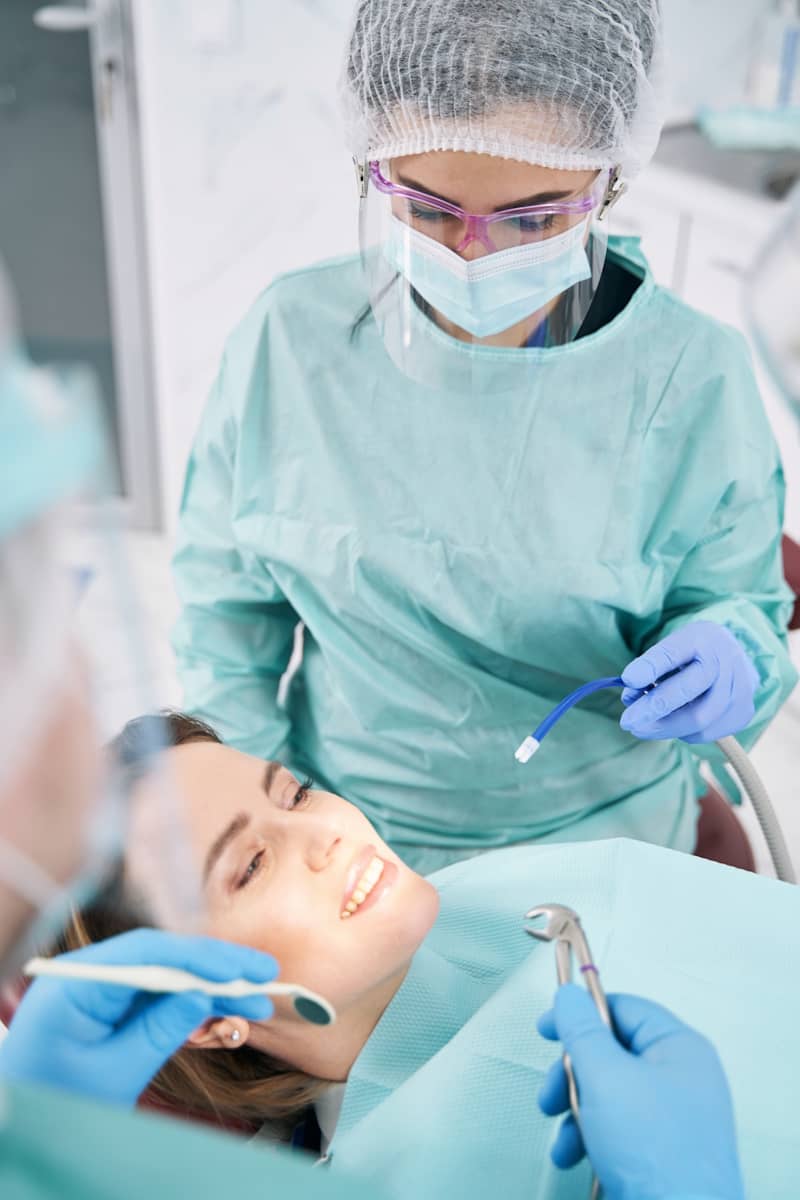
Initially, the doctor performs an examination and takes an X-ray to assess the condition of the tooth and root canals. After that, the appropriate anesthesia is selected, and the patient feels virtually no pain during the procedure.
The main stage then begins — cleaning the pulp and root canals. The dentist removes the inflamed tissue, processes the canals with specialized instruments, and disinfects them to prevent recurrent inflammation. Afterward, the canals are hermetically filled, and the tooth is sealed with a filling or a temporary restoration.

During the procedure, the patient may feel slight pressure or the sound of instruments, but pain is almost entirely absent thanks to the anesthesia. The duration of each stage depends on the complexity of the case: pulp removal and canal cleaning usually take 30–60 minutes, while filling takes a few additional minutes.

To perform the work, the dentist uses special files for canal cleaning, antiseptics, and modern filling materials that ensure long-term treatment without complications.

Diagnostics and anesthesia in pulpitis treatment

Before starting pulpitis treatment, the dentist performs a thorough diagnostic assessment. First, the tooth is examined, and the patient’s complaints are collected: the doctor clarifies the nature of the pain, its duration, and the reaction to hot, cold, or sweet stimuli. This helps to accurately determine the stage of inflammation and choose the correct treatment method. Next, an X-ray is taken to assess the condition of the root canals and surrounding tissues. In complex cases, electric pulp testing (EPT) is used to check the vitality of the pulp and determine the extent of the inflammation.

Based on the collected data, the doctor selects the type of anesthesia to ensure the pulpitis treatment is as comfortable as possible. Modern anesthetics are effective and safe: pain during the procedure is practically non-existent, and the numbing effect begins within just a few minutes. The combination of precise diagnostics and effective anesthesia allows the procedure to be performed painlessly and without complications, providing the patient with peace of mind and confidence in the result.

Pulp removal and root canal preparation

Following diagnostics and anesthesia, the key stage of pulpitis treatment begins — pulp removal and root canal preparation. First, the dentist opens the pulp chamber, then removes both the coronal and radicular pulp, eliminating inflamed and infected tissues.

Next, mechanical preparation of the canals is performed: they are expanded, shaped, and disinfected with antiseptic solutions. Special attention is paid to controlling the canal length to ensure a hermetic filling.

Canal filling and crown restoration

After the cleaning and preparation of the root canals, the next stage of pulpitis treatment is canal filling and tooth restoration. First, the canals are prepared for filling by removing any remaining tissue and moisture.

For hermetic obturation, specialized materials such as gutta-percha and sealers are used, ensuring reliable canal filling and protection against recurrent inflammation. Filling is performed using modern techniques, and the quality of the work is verified via X-ray control.

Afterward, a permanent filling is placed. In cases of significant tooth destruction, additional crown restoration may be required to restore the tooth’s shape, strength, and aesthetics.

Is pulpitis treatment painful?

Many patients fear pulpitis treatment because they expect severe pain. In reality, modern dentistry minimizes unpleasant sensations as much as possible thanks to effective anesthesia.

During the procedure, pain is practically non-existent: the patient may feel only light pressure or the sound of instruments. Modern anesthetics take effect quickly, allowing the dentist to work calmly and precisely.

In some cases, such as suppurative (purulent) pulpitis, the effect of anesthesia may be less potent, and the doctor will select additional numbing methods. After the procedure, slight post-operative discomfort—such as mild tingling or tooth sensitivity for a few days—is possible. This is considered a normal reaction and does not indicate complications, provided the pain does not intensify. This combination of modern diagnostics, precise treatment, and anesthesia makes pulpitis treatment painless and safe for the patient.

Would you like to undergo treatment?

Make an appointment with a doctor!

Sign up
icon icon
photo

How to relieve pulpitis pain before your dental visit

If the toothache is severe, you can take steps for temporary relief, but this is only a stopgap measure — pulpitis treatment is only possible at a dentist’s office. The safest method is using over-the-counter pain relievers (ibuprofen, paracetamol) in the recommended dosages.

It is strictly forbidden to attempt to remove the pulp yourself, use arsenic pastes, or apply intense heat to the tooth. Rinsing with salt water or antiseptics may slightly reduce discomfort, but the effect is limited.

Self-treatment is dangerous: the infection can spread to the tooth root and surrounding tissues, so even if the pain subsides, you must not delay your visit to the dentist.

Can pulpitis be treated with antibiotics?

The popular myth that antibiotics can cure pulpitis is untrue. In reality, their role is always supportive, not primary. The fundamental treatment for pulpitis is the removal of the inflamed pulp and the preparation of the root canals.

Antibiotics may only be prescribed in cases of a purulent (suppurative) process, complications, or generalized inflammation where there is a risk of the infection spreading to surrounding tissues. They help control the infection but do not replace dental intervention. Self-treating pulpitis with antibiotics is hazardous: an incorrect dose or duration of treatment can worsen the condition and contribute to antibiotic resistance.

Only the mechanical removal of infected tissues and canal filling ensures the complete elimination of inflammation and the preservation of the tooth.

Can pulpitis be treated at home?

The honest answer is simple: treating pulpitis at home is impossible. No folk remedies, rinses, or painkillers can eliminate pulp inflammation or cure the tooth. Home treatment cannot replace dental intervention, as infected tissues must be mechanically removed and the canals must be processed.

Various traditional methods, such as soda rinses, oil compresses, or herbal applications, may only temporarily reduce pain but do not address the cause.

Delaying a visit to the dentist is dangerous: the infection spreads rapidly to the tooth root and surrounding tissues, which can lead to serious complications and the need for more complex treatment.

What happens if pulpitis is left untreated?

If pulpitis is not treated, the disease will continue to progress, and the tooth will gradually deteriorate. Initially, an acute process may turn into a chronic form, where the pain becomes aching and intermittent, while the inflammation spreads inside the tooth.

Without treatment, pulp necrosis may occur, leading to periodontitis — inflammation of the tissues surrounding the tooth root. Furthermore, a periapical abscess (swelling) may develop, accompanied by edema, fever, and severe pain.

The infection is not limited to a single tooth: it can spread to adjacent tissues, causing serious complications. Eventually, the tooth often has to be extracted, and the subsequent treatment becomes more expensive and difficult.

Need a
Diagnostic?

Call to book an appointmen

(044) 394-90-94

Sign up
icon icon
дагностика 1

Pulpitis treatment in a single visit

Modern dentistry allows for pulpitis treatment to be completed in a single appointment in many cases. This is possible if the inflammation is uncomplicated, the root canals are not excessively curved, and there are no purulent processes. The advantages of this approach are clear: the patient receives rapid pain relief, the risk of recurrent inflammation is reduced, and time is saved.

Sometimes multiple visits are necessary, for example, when treating suppurative (purulent) pulpitis, dealing with complex canal anatomy, or if the dentist uses temporary filling with a therapeutic paste.

The number of visits is influenced by the tooth’s condition, the extent of inflammation, the complexity of the canals, and the patient’s overall health. The doctor always assesses the situation and selects the optimal treatment plan to ensure high-quality and safe pulpitis treatment.

Possible complications after pulpitis treatment

Even with modern pulpitis treatment, complications can sometimes occur. It is important to be aware of them and understand that most issues are easily managed with a timely visit to the dentist.

After a tooth is filled, post-filling pain may occur; this is usually normal and subsides within a few days. More complex situations include an instrument fracture in the canal, root perforation, extrusion of filling material beyond the root apex, or incomplete canal filling. Such issues can lead to the development of post-treatment periodontitis.

Modern clinics minimize these risks through precise diagnostics, X-ray monitoring, the use of advanced instruments and materials, and a professional medical approach.

If complications arise, do not delay your visit: the doctor will assess the situation and recommend necessary further examination or retreatment to save the tooth and protect the patient’s health.

Pulpitis Prevention

Preventing pulpitis is much easier than treating it. The most effective prevention includes regular dental check-ups and the timely treatment of cavities (caries).

Proper oral hygiene, the use of dental floss, and professional teeth cleaning are essential. Strengthening the enamel, protecting teeth from trauma, and maintaining a balanced diet — with limited sweets and acidic foods — also reduce the risk of pulpitis. Following these simple rules helps keep your teeth healthy and avoid complex treatments.

About the Author: Olena Anatoliivna Tomashevska — a general dentist at the Med-Deo clinic with over 10 years of experience. She specializes in the treatment of pulpitis and periodontitis, endodontics, and professional oral hygiene.

We work with all insurance companies

On this page Contents of the page

icon

Dental services