32738
Services Doctors
Clinics

пр.Лобановського, 130, Київ, Україна

Temporarily closed

Opening soon

стоматологія на лобановського

78A, Irpinska St., Kyiv, Ukraine

Temporarily closed

Opening soon

IMGP4938

32A, Heroiv Dnipra St., Kyiv, Ukraine

Temporarily closed

Opening soon

2024-10-23 11.56.42

9B, Yevhena Chykalenko St. (Pushkinska), Kyiv, Ukraine

Temporarily closed

Opening soon

IMGP5161
Prices Blog Contacts
Back Dentistry

Clinics "MED-DEO"

пр.Лобановського, 130, Київ, Україна

Temporarily closed

Opening soon

стоматологія на лобановського

78A, Irpinska St., Kyiv, Ukraine

Temporarily closed

Opening soon

IMGP4938

32A, Heroiv Dnipra St., Kyiv, Ukraine

Temporarily closed

Opening soon

2024-10-23 11.56.42

9B, Yevhena Chykalenko St. (Pushkinska), Kyiv, Ukraine

Temporarily closed

Opening soon

IMGP5161

Services

Dentistry

Service statistics

icon

More and more clients choose «MED-DEO»

4563

Number of services provided

4231

Number of patients who received the service

imgp4938 1 e1728980728653 2048×1

Первичная консультация доктора

The cost of a consultation: 1000 UAH.

Appointment by phone:

(044) 394 90 94

Apicoectomy, also known as root resection, is a surgical procedure

Root apex resection is a surgical dental procedure performed to save a tooth when there's inflammation at its root. This procedure is used when root canal treatment doesn't yield results and a cyst or granuloma forms. In dentistry, resection is also called apicoectomy or apexectomy. During the surgery, the infected root apex is removed along with the inflammatory focus, which eliminates the infection and helps avoid tooth extraction.

Root Apex Resection Prices in Kyiv in 2026

The cost of root apex resection is determined individually after examination and diagnostics. The price of root resection depends on the complexity of the clinical case: the size of the cyst or granuloma, tooth location, and number of roots. The more complex the anatomy and the greater the scope of intervention, the higher the procedure cost. The price of root apex resection is also influenced by the dental surgeon’s qualifications, clinic standards, and use of modern equipment. Additional costs may be associated with the use of bone graft materials, membranes, or MTA cement for retrograde filling. Separate consideration is given to the need for additional diagnostics, particularly CBCT scanning, which allows for precise planning of root resection and improves the prognosis for successful treatment.

Service name

Price, UAH.

Первичная консультация челюстно-лицевого хирурга кандидата медицинских наук

1200

Sign up

Повторная консультация челюстно-лицевого хирурга кандидата медицинских наук

800

Sign up

Первичная консультация челюстно-лицевого хирурга

800

Sign up

Повторная консультация челюстно-лицевого хирурга

600

Sign up

Лечение под седацией

from 5800

Sign up

КТ верхней и нижней челюсти

1200

Sign up
Frequently Asked Questions:

What is root apex resection in simple terms?

It’s a surgical procedure during which the inflamed part of the tooth root is removed along with a cyst or granuloma to preserve the tooth itself.

Is root resection painful?

No, the surgery is performed under local anesthesia, so there’s no pain. Some mild discomfort may occur after the procedure.

How much does root resection cost in Kyiv?

The cost depends on case complexity, clinic standards, and additional materials, so it’s determined individually after consultation.

How long does healing take after resection?

Active healing takes 4–7 days; complete bone tissue restoration takes up to several months.

Can resection be done if there's a crown on the tooth?

Yes, in many cases resection can be performed without removing the crown.

What complications might occur after root resection?

Healing usually proceeds without complications, but occasionally swelling, pain, or rare inflammation recurrence is possible.

Reviews About Root Apex Resection at Med-Deo Clinic

Leave a review
5

Based on reviews

Based on reviews

Тетяна

2026-05-09

Робили резекцію через запалення біля кореня зуба. Лікар працював дуже акуратно і постійно пояснював свої дії. Відновлення пройшло спокійно.

Катерина

2026-03-14

Робили резекцію, дуже хвилювалась. Лікар усе пояснив і підтримав. Процедура пройшла акуратно. Відновлення без ускладнень.

Ярослава

2025-11-05

Мені вже казали, що зуб доведеться видаляти, але в цій клініці запропонували зробити резекцію. Процедура пройшла швидко й безболісно. Лікар видалив запалення і зберіг мій зуб, за що я надзвичайно вдячна. Відновлення було легким, і тепер зуб абсолютно не турбує.

Лариса

2025-08-31

Мала кісту на корені зуба, і лікар запропонував резекцію верхівки. Процедура пройшла швидко, відновлення було достатньо швидким. Дуже вдячна за професійний підхід, лікар Антон Ігорович найкращий!

Ірина

2025-07-15

Після невдалого лікування каналу з'явилась кіста. Лікар Семенов Антон провів резекцію кореня з кістою. Через кілька місяців на знімку вже не було жодного запалення. Зуб збережено це найголовніше!

Антон

2025-04-04

Довго відкладав лікування, поки біль не став постійним. Запалення було дуже велике, лікар запропонував резекцію кореня замість видалення зуба. Процедура пройшла успішно, зараз почуваюся чудово. Дякую що зберегли зуб!

Леся

2025-03-14

Довго мучилася з кістою на корені зуба, але не хотіла видаляти зуб. Лікар запропонував резекцію верхівки кореня, процедура пройшла швидко та безболісно, лікар все пояснював та заспокоював. Дуже вдячна за можливість зберегти зуб! Рекомендую!!

Наталія

2024-11-30

Кілька місяців лікувала один і той самий зуб, але запалення поверталося. Лікар порадив резекцію – і це справді вирішило проблему! Уже кілька місяців жодного болю. Дякую за професіоналізм!

Дмитро

2024-11-17

Звернувся до клініки з болем у вже лікуваному зубі. Виявилося, що на корені розвинулася кіста. Провели резекцію, усе пояснили та зробили все максимально комфортно. Дякую Антону Ігоровичу, чудовий лікар!

Артем

2024-08-27

В стоматології Мед-део лікар врятував мій зуб, хоча інші пропонували видаляти. Після резекції кореня біль повністю зник, і тепер зуб у повному порядку. Дуже задоволений результатом!

Анастасія

2024-06-16

Кіста на корені турбувала давно, я боялася втратити зуб. Тому шукала інші способи як врятувати його, і в Мед-Део мені допомогли. Лікар провів резекцію швидко та без ускладнень. Вже через тиждень все зажило. Дуже рада, що звернулася саме сюди, дякую лікарю Давиду!

Слава

2024-04-17

Звернувся з кістою на передньому зубі – думав, доведеться видаляти. Але лікар порекомендував резекцію, видалити кісту і уражений корінь. Процедура пройшла успішно, лікар професіонал, і зуб на місці! Дуже вдячний за порятунок!

Катя

2023-07-04

Боялася операції, але лікар настільки уважний і спокійний, що всі страхи зникли. Резекцію зробили швидко, зараз усе загоїлося, і зуб більше не турбує. Дякую за професіоналізм та привітне ставлення!!! Рекомендую!

Show more Hide

What is Root Resection?

резекція верхівки кореня зуба

Root resection is a surgical dental procedure during which the doctor removes the tooth root apex along with a cyst or other inflamed tissues. The procedure is performed in cases of chronic inflammation at the root to preserve the patient’s own tooth and avoid extraction. This procedure also goes by two other names—apexectomy or apicoectomy.

What does tooth resection mean, and what does the procedure’s name signify? The word “resection” comes from Latin resectio and means partial tissue removal. The tooth root apex is the apical part of the root through which infection from the root canal can spread into the bone. A root cyst is a pathological formation that develops as a result of a prolonged inflammatory process.

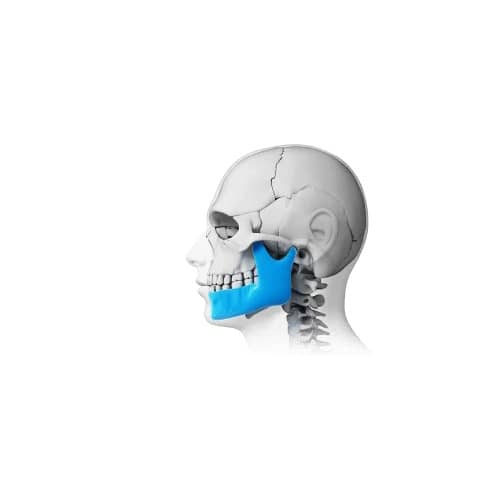
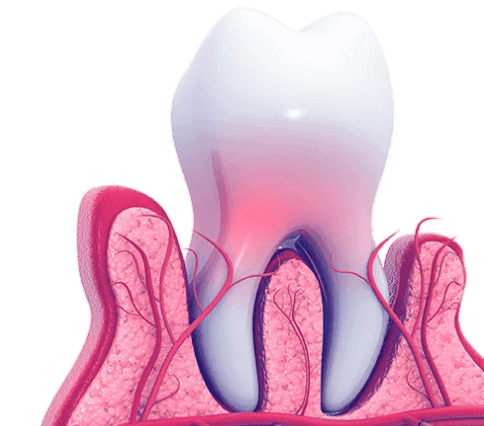
The tooth root is located within the jawbone and is surrounded by periapical tissues—the periodontium and bone around the apex. This is precisely the area where inflammation most commonly develops with complicated cavities or poor-quality canal treatment.

During root apex resection, approximately 3–5 mm of the root is removed along with the affected tissues. The tooth itself remains in place and continues to perform its chewing function.

The key difference between resection and tooth extraction is that resection allows for elimination of the infection source without losing the tooth. It’s a less traumatic solution that helps preserve bite alignment, aesthetics, and avoids complex prosthetic work.

Indications for Root Apex Resection

The surgery allows for removal of pathological tissues without extracting the entire tooth and is often used when conservative canal treatment proves ineffective. This procedure has specific medical indications, most commonly including:

  • Presence of a cyst or granuloma at the tooth root apex (5 mm or larger)
  • Chronic periodontitis unresponsive to conservative treatment
  • Poor-quality root canal filling with no possibility of retreatment (post, inlay, broken instruments in the canal)
  • Presence of a crown or bridge on the tooth (saves time and money on removal/installation of new prosthetic work)
  • Root perforation during endodontic treatment
  • Gum fistula with periodic purulent discharge

Ideal conditions for performing resection include: single-canal teeth (incisors, canines) with good access, cyst size up to 1–1.5 cm, absence of significant crown destruction, tooth stability without loosening, and good condition of surrounding bone tissue. Most commonly, the procedure is performed on upper front teeth and upper premolars.

Need Diagnostics?

Booking by phone:

(044) 394-90-94

Sign up
icon icon
дагностика 1

Contraindications for Surgery

Before surgery, the doctor always evaluates the tooth’s condition and surrounding tissues. There are certain limitations due to which intervention may be dangerous or ineffective. They’re divided into absolute and relative contraindications, and consideration of these factors allows treatment to be performed safely and as effectively as possible.

Absolute Contraindications

These are situations when root apex resection is categorically not performed:

  • Significant crown destruction (more than 50%), making further restoration impossible
  • Vertical crack or root fracture
  • Advanced periodontitis with grade 3–4 tooth mobility
  • Root resorption exceeding one-third of its length
  • Large cyst size (more than 30% of root length)
  • Tight proximity of adjacent tooth roots
  • Acute inflammation stage with significant soft tissue swelling

Relative Contraindications

These are temporary limitations where surgery is postponed until the patient’s condition stabilizes:

  • Acute episodes of chronic conditions
  • Unstable diabetes
  • Pregnancy (especially 1st and 3rd trimesters)
  • Acute infectious diseases
  • Blood clotting disorders
  • Mental disorders in acute stage

Dentists always evaluate these contraindications before planning root apex resection to ensure safe and effective treatment.

Preparing for Root Resection

Before root resection, it’s important to undergo comprehensive preparation, which includes diagnostic examinations and necessary treatment procedures. This allows the surgeon to assess the tooth’s condition and surrounding tissues and perform the surgery as safely and effectively as possible.

Diagnostics

Mandatory examinations before surgery include:

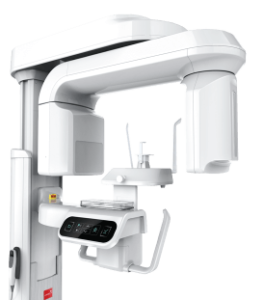
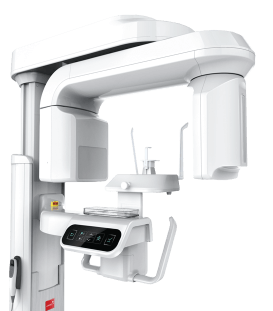
  • X-ray (periapical film) or cone-beam computed tomography (CBCT) to determine cyst size, root condition, and proximity to anatomical structures
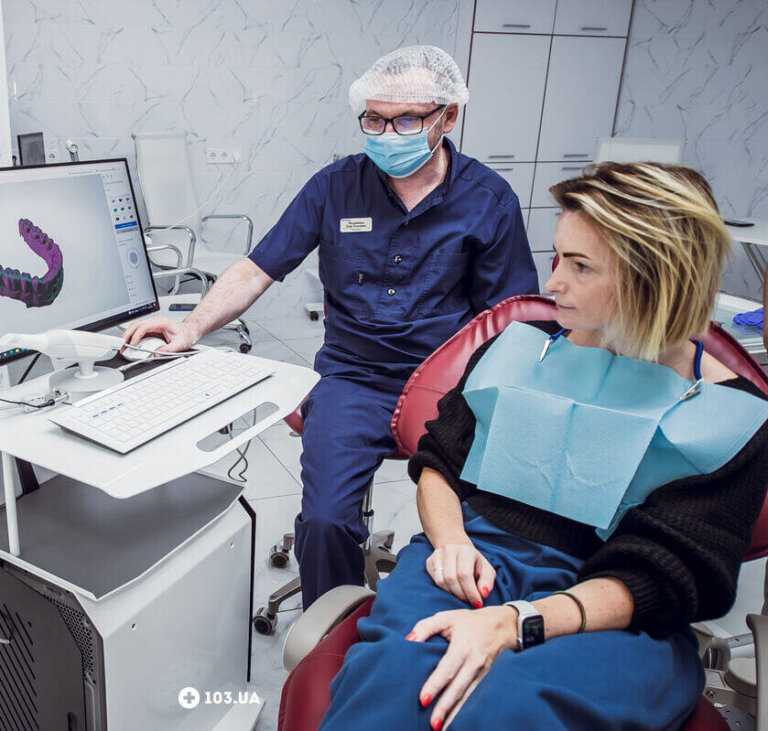
  • Clinical examination by dental surgeon
  • Assessment of patient’s overall health, including blood tests when comorbidities exist

Root Canal Treatment

Endodontic treatment is mandatory before resection:

  • Quality canal filling to the root apex, preferably 1–2 days before surgery
  • If canals are already filled but quality is unsatisfactory—assessment of retreatment feasibility
  • Control X-ray after canal filling
  • Oral cavity sanitation: cavity treatment and calculus removal

Proper preparation before root resection increases surgery effectiveness and reduces complication risks.

Stages of Root Apex Resection

Root apex resection is performed according to a clear surgical protocol and includes several sequential stages. This approach allows for complete elimination of inflammation in the root area and tooth preservation. Surgery duration averages 40–90 minutes and depends on case complexity, root anatomy, and cyst size.

Anesthesia

The surgery is performed under local anesthesia, which ensures complete absence of pain during the intervention. For patients with heightened anxiety or dental phobia, sedation may be used to help them calmly undergo the procedure.

Creating Access to the Root

After anesthesia, the doctor makes an incision in the gum in the projection of the root apex—a triangular or trapezoidal flap is formed. The mucoperiosteal flap is carefully elevated to expose the bone tissue. Then, using a surgical bur, a bone window approximately 5–7 mm in size is created, through which the apex of the infected root is exposed.

Root Apex Removal and Cystectomy

At this stage, the root apex is cut off at the level of 3–5 mm using special instruments or a dental drill. After this, cystectomy is performed—complete removal of the cyst lining along with pathological tissues. The doctor carefully inspects the surgical field, removes granulation tissue, infected tissues, and possible remnants of filling material.

Treatment and Root Filling

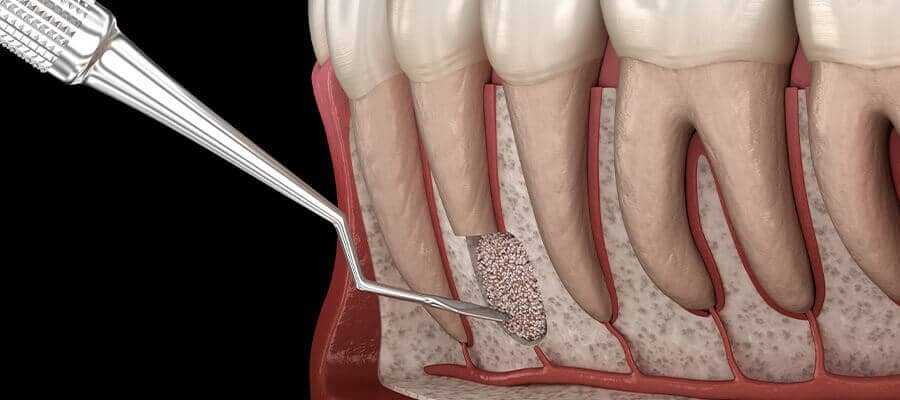
The cavity is irrigated with antiseptic solutions, most commonly chlorhexidine or saline solution. Then retrograde treatment of the root canal is performed using ultrasonic tips. If necessary, retrograde filling of the root apex is performed with MTA cement or other biocompatible materials. The root edges are smoothed for better tissue adaptation.

Cavity Filling and Suturing

The cavity remaining after cyst removal is filled with bone graft material if necessary, which accelerates bone tissue restoration. A bioresorbable membrane is placed as indicated. After this, the mucoperiosteal flap is returned to place and sutures are placed for tight wound closure. The final stage is a control X-ray, which allows assessment of the quality of the performed root apex resection.

резекція верхівки кореня зуба

Recovery After Root Resection

Recovery after root resection is an important treatment stage on which healing speed and final surgery outcome depend. After surgical intervention, the body needs time to restore soft tissues and bone, so following the dentist’s recommendations is of key importance. In the first days after resection, moderate pain, gum swelling, feeling of pressure or discomfort in the surgery area are possible. Such symptoms are considered normal and gradually decrease. The active recovery phase usually lasts 4–7 days, and complete bone tissue healing takes 3 to 6 months. Follow-up visits to the dentist are mandatory after surgery. Suture removal is performed on day 7–10 after resection. A control X-ray at 3 months allows assessment of the beginning of bone regeneration, and repeat radiological examination at 6–12 months confirms complete healing and bone tissue restoration. Following the examination schedule is important for timely detection of possible complications.

What You Can and Cannot Do After Resection

After root resection, certain restrictions must be observed. Prohibited are: intense physical activity for a week, visiting sauna and pool, any thermal procedures and overheating. Chewing on the surgery side in the first 3-5 days is not recommended, nor is smoking or alcohol consumption, as this slows healing. In the first two days, active mouth rinsing should be avoided due to bleeding risk, and a hard toothbrush should not be used in the surgery area. Recommended: consuming soft or liquid food for the first three days, sleeping on an elevated pillow to reduce swelling, maintaining careful oral hygiene, and drinking adequate amounts of water. Following these recommendations significantly accelerates recovery after root resection and reduces complication risks.

Possible Complications and Consequences of Resection

Overall, reviews about tooth resection are positive—those who’ve undergone the procedure are satisfied with the result—the tooth is saved and pain has decreased. And although tooth resection is a well-established and predictable surgical intervention, however, like any surgery, it may be accompanied by complications. They occur infrequently and are usually related to individual body characteristics, clinical case complexity, or non-compliance with post-operative recommendations. Conventionally, complications are divided into early and late.

Early Complications

Early complications arise in the first days after root resection. Most commonly, this is bleeding, which may appear with routine violations, active rinsing, or physical activity. Also possible is post-operative wound infection in case of non-compliance with oral hygiene or missing prescribed antibiotics. Sometimes suture dehiscence due to mechanical trauma or allergic reaction to medications used during treatment is observed.

There are symptoms that require immediate dental attention. These include severe throbbing pain not relieved by pain medications, body temperature elevation above 38°C for more than two days, appearance of purulent discharge from the wound, or increasing swelling after the third day from surgery.

Late Complications

Late complications may appear several weeks or even months after resection. The most common is cyst recurrence, which occurs in approximately 5–10% of cases and is usually related to incomplete removal of the cyst lining or re-infection. Also possible are root fracture due to weakening of its structure, fistula formation, or development of periostitis—inflammation of the periosteum.

The main causes of late complications are: poorly performed initial root resection, non-compliance with recommendations during recovery period, poor oral hygiene, and overall immune system decline. Regular follow-up examinations and responsible attitude toward post-operative care significantly reduce the risk of negative consequences of tooth resection and ensure successful treatment outcome.

Resection or Tooth Extraction: What to Choose

When a cyst or chronic inflammation forms in the root apex area, patients often face a choice: root resection or tooth extraction. Both methods have their indications, advantages, and limitations, so the decision is always made individually after examination and consultation with the dentist.

Root apex resection is aimed at preserving the patient’s own tooth. During surgery, the doctor removes the infected root apex along with the cyst or granuloma, eliminating the inflammation source. This approach is advisable if the crown portion of the tooth is preserved, the root is stable, and the canals can be quality-treated and filled. The advantage of resection is preservation of chewing function without the need for implantation or prosthetics.





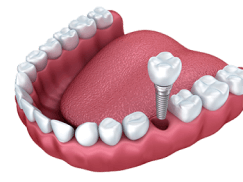
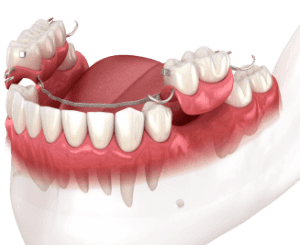
Tooth extraction is chosen in cases when saving the tooth is impossible or inappropriate. This applies to significant crown destruction, root cracks or fractures, pronounced tooth mobility, as well as repeated recurrences after performed resection. After extraction, as a rule, the need arises for further defect restoration—with an implant, bridge, or removable prosthesis.

When choosing the optimal treatment option, the dentist considers several key criteria: root and bone tissue condition according to X-ray or CBCT data, quality of previously treated root canals, patient’s overall health, and long-term tooth preservation prognosis. In most cases, if there’s a real possibility of saving the tooth, root resection is considered the priority solution, and extraction is viewed as a last resort.

Other Maxillofacial Surgery Services
We cooperate with all insurance companies.

On this page Contents of the page

icon

Dental services