40195
Services Doctors
Clinics

пр.Лобановського, 130, Київ, Україна

Temporarily closed

Opening soon

стоматологія на лобановського

78A, Irpinska St., Kyiv, Ukraine

Temporarily closed

Opening soon

IMGP4938

32A, Heroiv Dnipra St., Kyiv, Ukraine

Temporarily closed

Opening soon

2024-10-23 11.56.42

9B, Yevhena Chykalenko St. (Pushkinska), Kyiv, Ukraine

Temporarily closed

Opening soon

IMGP5161
Prices Blog Contacts
Back Dentistry

Clinics "MED-DEO"

пр.Лобановського, 130, Київ, Україна

Temporarily closed

Opening soon

стоматологія на лобановського

78A, Irpinska St., Kyiv, Ukraine

Temporarily closed

Opening soon

IMGP4938

32A, Heroiv Dnipra St., Kyiv, Ukraine

Temporarily closed

Opening soon

2024-10-23 11.56.42

9B, Yevhena Chykalenko St. (Pushkinska), Kyiv, Ukraine

Temporarily closed

Opening soon

IMGP5161

Services

Dentistry

Service statistics

icon

More and more clients choose «MED-DEO»

1678

Number of services provided

1678

Number of patients who received the service

Initial doctor consultation

The cost of a consultation: 1000 UAH.

Appointment by phone:

(044) 394 90 94

Maxillary sinusotomy is a surgical procedure that allows you to open the maxillary (maxillary) sinus and remove pathological contents, such as mucus and pus.

Hygromotomy price 2026

Service name

Price, UAH.

Initial consultation with a maxillofacial surgeon with a PhD in medical sciences

1200

Sign up

Repeated consultation of a maxillofacial surgeon, candidate of medical sciences

800

Sign up

Initial consultation with an oral and maxillofacial surgeon

800

Sign up

Repeated consultation with an maxillofacial surgeon

600

Sign up

Treatment under sedation

from 5800

Sign up

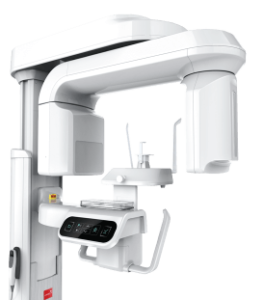
CT scan of the upper and lower jaw

1200

Sign up
Popular questions:

What is a hysterectomy?

A maxillary sinusotomy is a surgical procedure in which an incision or opening is made in the maxillary (maxillary) sinus to remove pus, polyps, cysts, or other pathologies.

What reasons may require a hysterectomy?

Maxillary sinusectomy may be necessary for chronic or purulent sinusitis, the presence of cysts or polyps in the maxillary sinus, jaw injuries, and the spread of infection that cannot be cured by conservative methods.

What are the advantages of endoscopic hysterectomy compared to open hysterectomy?

Endoscopic maxillofacial surgery is less traumatic, does not leave large incisions on the face, shortens recovery time, reduces postoperative pain and the risk of complications. It allows for more precise removal of pathology due to visualization through the endoscope.

How long does a hysterectomy last?

The duration of a sinusotomy depends on the method and complexity of the case. Endoscopic surgery usually takes 30–60 minutes, while open surgery can take 1–2 hours or more, especially for complex sinus lesions.

Reviews about hysterectomy at the Med-Deo clinic

Leave a review
5

Based on reviews

Based on reviews

Андрій

2026-07-13

Операція здавалася дуже страшною, але все виявилося набагато легше. Лікар детально розповів про процедуру і постійно підтримував. Відновлення проходило під контролем.

Вікторія

2026-05-09

Дуже хвилювалась перед гайморотомією. Лікар усе пояснив і заспокоїв. Операція пройшла спокійно, відновлення було під контролем. Дякую

Роман

2026-02-14

Лікар справив дуже серйозне і водночас спокійне враження. Перед операцією детально розповів про всі нюанси. Після втручання постійно контролював стан, за що окрема подяка.

Катерина

2025-11-15

Я довго не могла зрозуміти, чому постійно закладений ніс і болить половина обличчя. Коли лікар сказав, що потрібна гайморотомія, я дуже хвилювалася. Але все пройшло набагато легше, ніж я очікувала. Вже через кілька днів дихати стало вільніше, головний біль зник.

Лідія

2025-09-24

Довго мучилася з хронічним гайморитом, жодне лікування не допомагало. Лікар запропонував та зробив операцію, вона пройшла добре, і я нарешті вільно дихаю.

Наталія

2025-07-24

Тривалий час мучилась з хронічним гайморитом. Пробувала все — антибіотики, промивання, але допомогла лише гайморотомія. Операція пройшла швидко, безболісно. Після неї дихаю вільно, забула про головний біль.

Світлана

2025-05-15

В мене був хронічний гайморит, звернулася до клінікі Мед-Део до лікаря Кеяна Давида, по рекомендаціям. Він провів мені гайморотомію, почистив все що там накопичилося за багато років. Наразі почуваюся добре, відчула значне полегшення. Рекомендую!

Show more Hide

Types of hysterectomy. Indications and contraindications

The procedure is performed in various ways, depending on the objective, complexity, and the patient’s health status.

The most common types of maxillary sinus surgery (maxillary antrotomy) include:

  1. Endonasal endoscopic maxillary sinus surgery: A modern and minimally invasive method in which a thin endoscope with a camera and surgical instruments is inserted through the nose to open and irrigate the sinus.
  2. Caldwell-Luc procedure: A classic method where an opening is made in the anterior wall of the sinus through an incision under the upper lip to remove its contents.
  3. Moore’s approach: An alternative method where an opening is made in the lateral wall of the sinus through a cheek incision to remove its contents.

Indications for maxillary sinus surgery

Surgery on the maxillary sinuses may be recommended or prescribed by an otolaryngologist (ENT specialist) in the following cases:

  • Chronic sinusitis that does not respond to other treatment methods;
  • Polyposis (polyp formations) on the mucous membranes of the maxillary sinus;
  • Benign neoplasms;
  • Presence of cysts in the upper jaw;
  • Traumatic injury to the walls of the maxillary sinus;
  • Foreign body in the sinus (e.g., a tooth fragment or dental filling material that entered the sinus during dental treatment);
  • Suspicion of a malignant neoplasm.

Contraindications

Conditions under which maxillary sinus surgery is typically not performed include:

  • Pregnancy;
  • Acute infectious disease;
  • Decompensated anemia;
  • Blood clotting (coagulation) disorders;
  • Chronic pathologies of internal organs or metabolic disorders in the stage of decompensation (diabetes mellitus, renal failure, etc.).

In some cases, contraindications to maxillary sinus surgery may be relative, meaning they depend on the severity of the patient’s condition and the necessity of immediate surgery. In such cases, the decision to perform the operation is made by the physician, weighing all risks and benefits for the patient.

Methods of performing hysterectomy

There are different methods for performing the surgical procedure, including:

  1. Microsurgical approach: Used when there are minimal changes in the ostium, for example, to remove localized lesions.
  2. Endonasal opening of the maxillary sinus: Performed when the entire mucous membrane of the maxillary sinus is affected, including cases of purulent or hyperplastic sinusitis, as well as in situations where the ostium is completely blocked.
  3. Radical maxillary sinus surgery technique (Radical Maxillary Antrotomy): Associated with a high degree of invasiveness; it involves creating an incision above the upper lip, through which the sinus is irrigated, a nasal drain is placed, and the wound is then sutured.

Preparation for maxillary sinus surgery

The patient is prescribed a series of examinations, such as rhinoscopy, X-ray or CT scan of the paranasal sinuses, blood and urine tests, chest X-ray (fluorography), ECG, and others. Next, the doctor will explain which medications to take or avoid before the maxillary sinus surgery. It may be necessary to temporarily stop taking certain medications that thin the blood, such as aspirin. The patient must also follow specific rules, including avoiding alcohol, smoking, heavy food, and liquids for several hours before the surgical intervention.

Need
Diagnostics?

Phone registration:

(044) 394-90-94

Sign up
icon icon
imgp4956 1024×683

Hymorotomy: course of the operation and technique

The most modern and safest method used by the doctors at the “Med-Deo” clinic in Kyiv is endoscopic maxillary sinus surgery. It ensures high efficacy with minimal tissue trauma. This gentle sinus surgery is typically performed without complications under local anesthesia, allowing the patient to recover quickly.

The course of the operation is as follows:

  • Insertion and inspection: The doctor inserts an endoscope into the nostril to examine the maxillary sinus and its ostium—the opening through which it connects to the nasal cavity;
  • Dilation: The doctor widens the ostium using specialized instruments, which improves the drainage and ventilation of the maxillary sinus;
  • Removal: The doctor removes pus, cysts, polyps, or other lesions from the maxillary sinus using forceps, an aspirator, or a laser;
  • Hemostasis: The doctor checks for any bleeding and controls it using nasal packing (tamponade), coagulation, or hemostatic materials;
  • Completion: The doctor extracts the endoscope and other instruments from the nose, completing the surgery.

The price of endoscopic maxillary sinus surgery is determined after a consultation with the physician and takes several factors into account, including the complexity of the intervention, the type of anesthesia, and the need for additional materials and medications.

Recovery period after hysterectomy

Recovery after maxillary sinus surgery includes the following stages:

  • Nasal packing: After the operation, special nasal tampons (packing) are inserted into the nose and are removed on the 2nd–3rd day;
  • Nasal irrigation: Following the removal of the packing, the patient must regularly rinse the nose with saline solutions or specialized preparations;
  • Medication therapy: If necessary, antibiotics, anti-inflammatory drugs, and other medications are prescribed;
  • Activity restrictions: Visits to baths, saunas, and swimming pools should be restricted;
  • Lifestyle adjustments: It is recommended to avoid physical exertion, overheating, hypothermia, smoking, alcohol, and spicy food.

The postoperative period after maxillary sinus surgery lasts from a few days to several months, depending on the individual characteristics of the organism and the nature of the disease. On average, full recovery takes 3–4 weeks.

Any questions left?

Make an appointment with a doctor!icon

Make an appointment Make an appointment
We work with all insurance companies

On this page Contents of the page

icon

Dental services