Special offer! Comprehensive professional teeth cleaning for only 1699 UAH.
Special offer! Comprehensive professional teeth cleaning for only 1699 UAH.
Special offer! Comprehensive professional teeth cleaning for only 1699 UAH.
Special offer! Comprehensive professional teeth cleaning for only 1699 UAH.
Special offer! Comprehensive professional teeth cleaning for only 1699 UAH.
Special offer! Comprehensive professional teeth cleaning for only 1699 UAH.
Special offer! Comprehensive professional teeth cleaning for only 1699 UAH.
Special offer! Comprehensive professional teeth cleaning for only 1699 UAH.
Special offer! Comprehensive professional teeth cleaning for only 1699 UAH.
Special offer! Comprehensive professional teeth cleaning for only 1699 UAH.
Sign up
 (044) 394 90 94
(044) 394 90 94  Holosiivska/Demiivska metro station
Sign up
(044) 394 90 94
(044) 394 90 94
Doctors


 Prices
Blog
Contacts
Prices
Blog
Contacts
пр.Лобановського, 130, Київ, Україна
Temporarily closed
Opening soon
78A, Irpinska St., Kyiv, Ukraine
Temporarily closed
Opening soon
32A, Heroiv Dnipra St., Kyiv, Ukraine
Temporarily closed
Opening soon
9B, Yevhena Chykalenko St. (Pushkinska), Kyiv, Ukraine
Temporarily closed
Opening soon
(044) 394 90 94
Back
Dentistry
General Dentistry
Dental surgery
Dental Implants
Maxillofacial Surgery
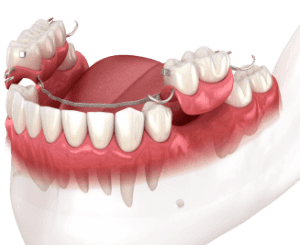
Dental prosthetics
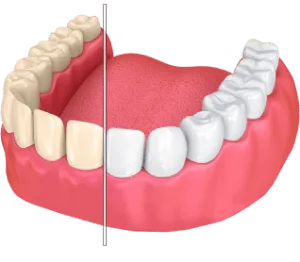
Cosmetic dentistry
Professional Dental Hygiene

Periodontics
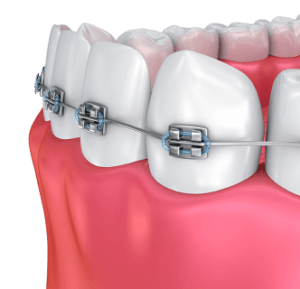
Orthodontic dentistry
Gnathology & TMJ Therapy

Pediatric Dentistry
Dental X-Rays
Back
Orthodontic Center
Orthodontic dentistry
Gnathology & TMJ Therapy
Back
Prosthodontic Center
Dental prosthetics
Back
MED-DEO Center for Maxillofacial Surgery & Facial Plastics
Maxillofacial Surgery
Plastic surgery
Back
Surgical Dental Center
Dental surgery
Dental Implants
Search on the site


Popular requests
Teeth whitening
Treatment of caries
Wisdom tooth extraction
Bracket system
Dental veneers
Tooth restoration
Pediatric dentist
Consultation with a dentist-therapist
Search results by: «».
Unfortunately, no results were found for your search: “Pediatric Endocrinologist”, nothing was found.
You may find these links useful:
Clinics "MED-DEO"
пр.Лобановського, 130, Київ, Україна
Temporarily closed
Opening soon
78A, Irpinska St., Kyiv, Ukraine
Temporarily closed
Opening soon
32A, Heroiv Dnipra St., Kyiv, Ukraine
Temporarily closed
Opening soon
9B, Yevhena Chykalenko St. (Pushkinska), Kyiv, Ukraine
Temporarily closed
Opening soon
Services
Dentistry Orthodontic Center Prosthodontic Center MED-DEO Center for Maxillofacial Surgery & Facial Plastics Surgical Dental CenterGeneral Dentistry
Dental surgery
Dental Implants
Maxillofacial Surgery
Dental prosthetics
Cosmetic dentistry
Professional Dental Hygiene
Periodontics
Orthodontic dentistry
Gnathology & TMJ Therapy
Pediatric Dentistry
Dental X-Rays
Orthodontic dentistry
Gnathology & TMJ Therapy
Dental prosthetics
Maxillofacial Surgery
Dental surgery
Dental Implants
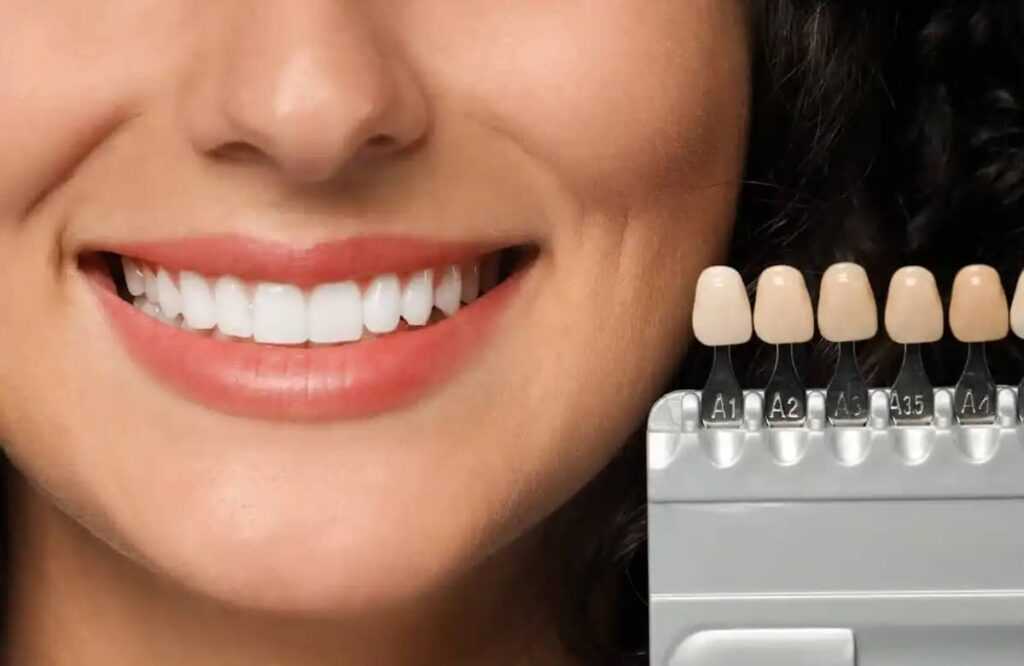

When a tooth is severely damaged or noticeably different from its neighbors in color or shape, an E-max crown can be one option for restoring it. These restorations are particularly valued for their natural appearance. That said, E-max isn’t the right fit for every clinical situation. Choosing the right material depends on which tooth needs to be restored, how much damage has occurred, how much chewing load it bears, and the patient’s bite characteristics.
What Are E-max Crowns?
E-max crowns are metal-free restorations made from lithium disilicate ceramic – a material that combines strength with excellent aesthetics. It closely mimics the natural translucency of tooth enamel, giving the crown a highly lifelike appearance.
This light-transmitting quality gives E-max its natural color depth and subtle sheen, which is especially important for front teeth.
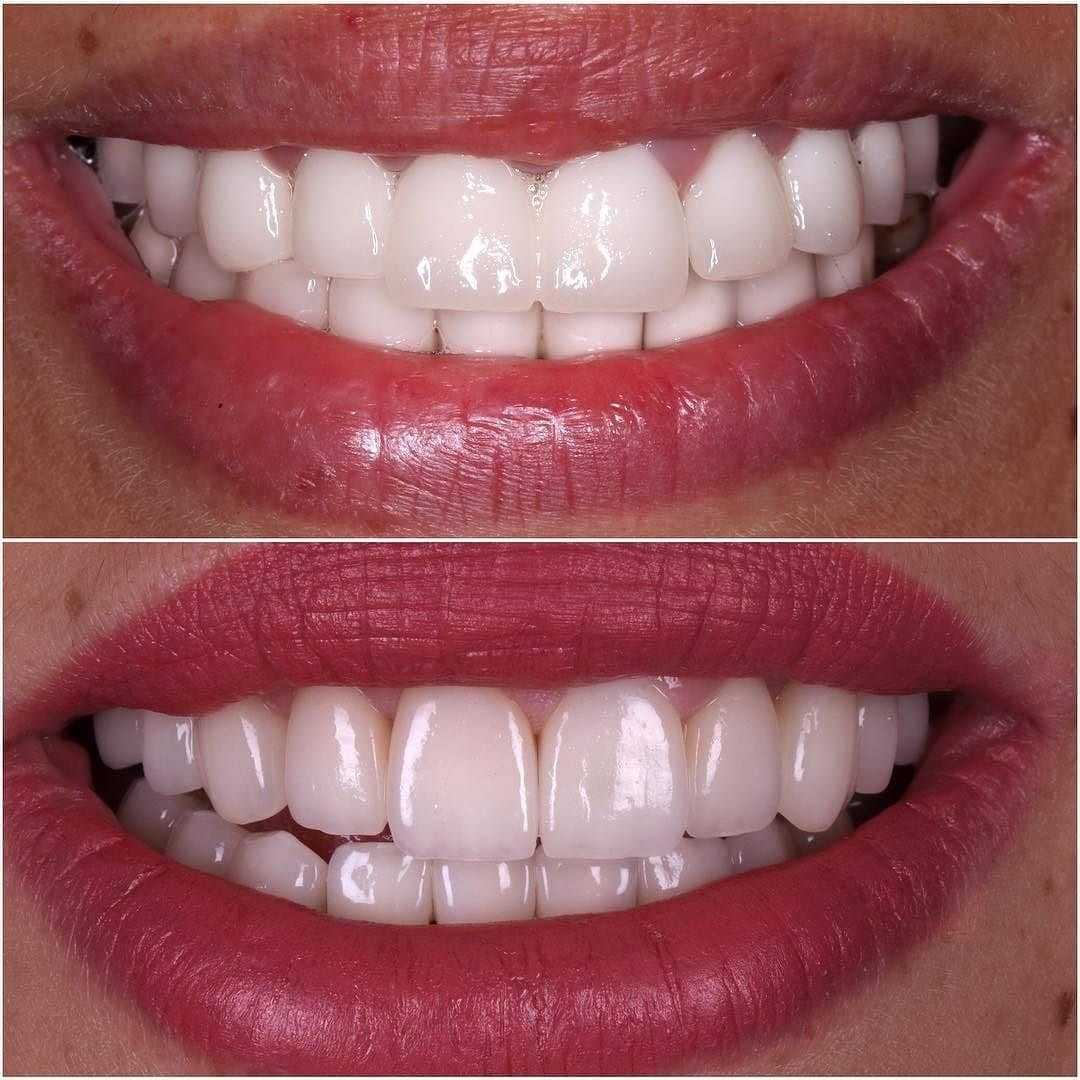
When Might a Dentist Recommend an E-max Crown?
An E-max crown may be recommended when a tooth is too badly damaged for a filling to provide reliable, long-term support – for example, after deep decay, trauma, or repeated treatment that has left little natural tooth structure remaining.
Another common reason is visible aesthetic concerns: tooth discoloration, darkening after root canal treatment, an irregular shape, or a large old filling that stands out from the surrounding tooth. In these cases, a crown both protects the weakened tooth and restores its natural look.
E-max is also frequently used for teeth in the smile zone. However, aesthetics alone aren’t enough to justify choosing this material. The dentist also considers the underlying tooth color, gum health, bite mechanics, and functional load.
When Is It a Good Choice for Front Teeth?
E-max is often selected for front teeth precisely because of its natural translucency and aesthetic qualities. The material accurately replicates the shade, sheen, and color depth of natural enamel.
These crowns work well for reshaping teeth, concealing discoloration, or replacing old restorations. The final result also depends on how the tooth is prepared, the precision of the crown’s fabrication, and the quality of its placement.
When Molars and Premolars Require a Separate Assessment
Back teeth bear significantly more chewing force, so the suitability of E-max is assessed on a case-by-case basis. The dentist considers how much of the tooth has been lost, the patient’s bite, and how load is distributed across the jaw.
In cases of bruxism, the risk of ceramic fracture increases – which may make a different material or a protective night guard a better choice. For premolars and certain molars, E-max can still be a solid option when the clinical situation allows for it.
Ceramic Crowns (Porcelain Crowns)
More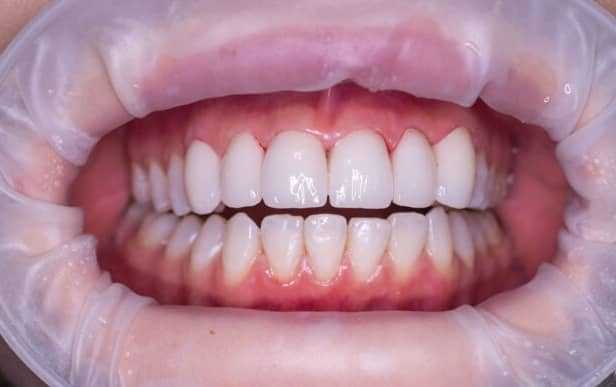
Advantages and Potential Limitations of E-max Crowns
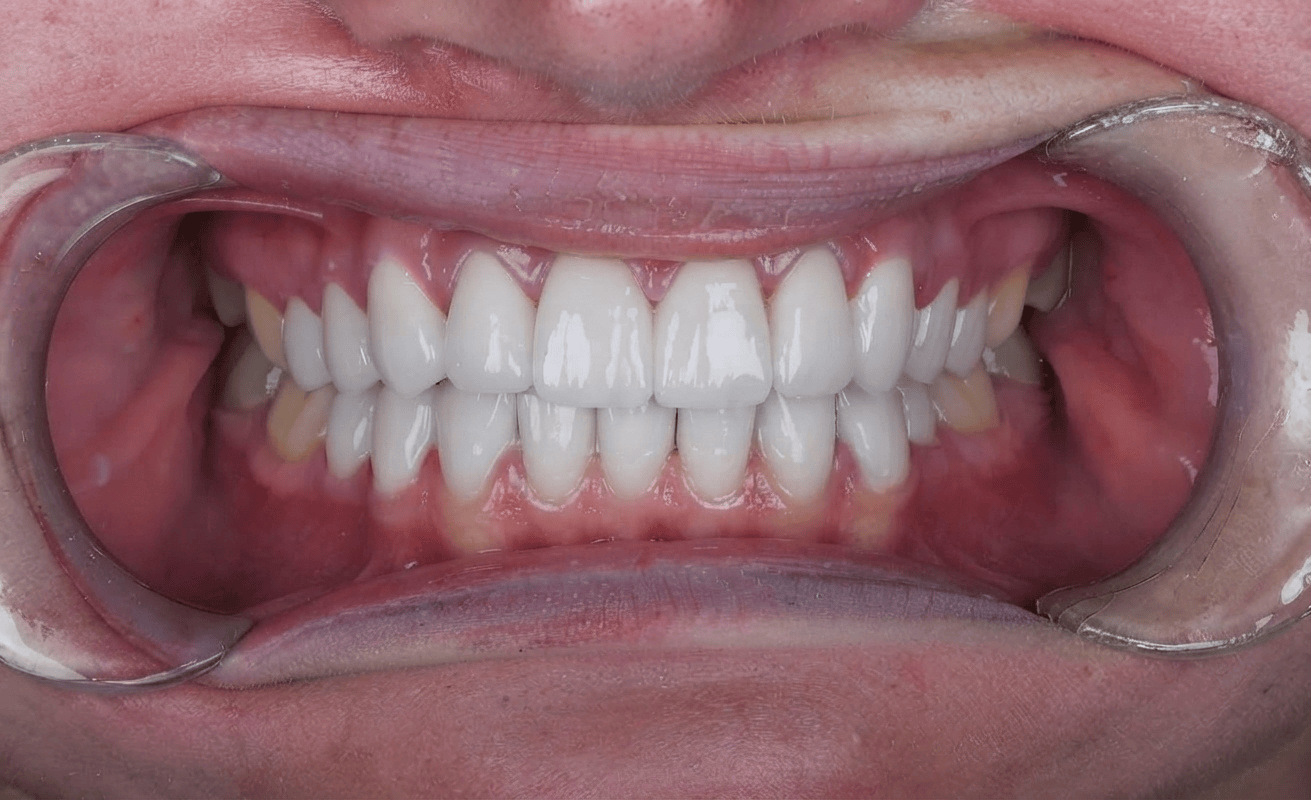
The standout advantage of E-max crowns is their natural aesthetics. The material transmits light well, closely imitates enamel, and can be shaded to match the surrounding teeth.
Because there’s no metal substructure, there’s no dark line at the gumline. The crown’s smooth surface polishes well, and modern digital fabrication technology ensures a precise fit.
That said, E-max isn’t the right choice in every situation. In cases of bruxism, heavy occlusal load, a complex bite, or a very dark underlying tooth, the dentist may recommend an alternative material.
How an E-max Crown Is Placed: From Consultation to Final Cementation
The dentist begins with a thorough examination of the tooth, gums, and bite, ordering any additional diagnostic imaging if needed. Any decay, inflammation, or root canal issues must be addressed before restorative work begins.
The tooth is then prepared for the crown, and a digital scan or traditional impression is taken. Based on this data, a custom crown is fabricated and, after a try-in, permanently cemented in place.
Tooth Preparation and Digital Planning
The tooth is carefully shaped to accommodate the crown – the amount of reduction depends on the tooth’s condition and the planned restoration. A digital scan is then taken to capture the tooth geometry and bite relationship accurately. If any decay, inflammation, or root canal issues are present, these are treated first.
Try-In, Cementation, and Adjustment Period
The finished crown is tried in, and its fit, shape, color, and bite are checked before it’s permanently cemented. Some sensitivity or mild discomfort in the first few days is normal.
If the crown feels high when biting, causes pain on chewing, or the discomfort worsens, contact your dentist.
E-max vs. Zirconia: Which Is Better in Different Situations?
E-max is more commonly used for front teeth because of its superior translucency and lifelike appearance. Zirconia, with its greater structural strength, is often the preferred choice for back teeth and areas under heavier functional load.
There’s no universal answer, though – material selection is always based on the individual clinical picture.
How to Extend the Life of Your E-max Crown – and What to Avoid
The longevity of an E-max crown depends on the condition of the underlying tooth, the quality of its fabrication and placement, bite mechanics, and daily oral hygiene habits.
Brush twice a day, paying close attention to the gumline and spaces between teeth. Your dentist may recommend floss, interdental brushes, or a water flosser to supplement your routine. The crown itself can’t develop decay – but the natural tooth tissue at its margin needs ongoing protection.
Regular check-ups are equally important. If you have bruxism, your dentist may recommend a night guard to reduce the load on your teeth and crown.
Common mistakes to avoid:
- Biting down on very hard foods
- Using your teeth to open packaging
- Ignoring discomfort when biting down
- Skipping routine dental check-ups
- Putting off gum treatment
- Not wearing a night guard if your dentist has recommended one for bruxism
A properly placed E-max crown can maintain both its function and appearance for many years – as long as you keep up with your oral hygiene and have it checked regularly by your dentist.
Frequently Asked Questions
Are E-max crowns suitable for back teeth? E-max can be used on molars and premolars when the chewing load and bite allow for it.
Which is better: E-max or zirconia? E-max is generally preferred for front teeth because of its natural aesthetics; zirconia is typically the better choice for areas under heavier chewing load.
How long does an E-max crown last? On average, an E-max crown can last 10-15 years or longer.
Can an E-max crown change color over time? E-max ceramic is highly stain-resistant and does not typically discolor with age.
The author of this article is Pavlo Muzychenko, an orthodontist and general dentist.

Make an appointment
You can make an appointment by filling out the application form on the website, as well as using instant messengers:
Make an appointment
You can make an appointment by filling out the application form on the website, as well as using instant messengers:


Make an appointment easily using chatbots:
Also, call the numbers:
Modern dentistry and medical centre "MED-DEO"
Choose a clinic whose location is more convenient for you.
Kyiv, Holosiivska/Demiivska metro station
130 Lobanovskoho Avenue


Working hours:
Mon - Sun: 8:00 AM - 9:00 PM
No days off!
Call the numbers:
How to get to us? Create a route
Create a route
Kyiv, Akademistechko metro station
78A, Irpinska str.


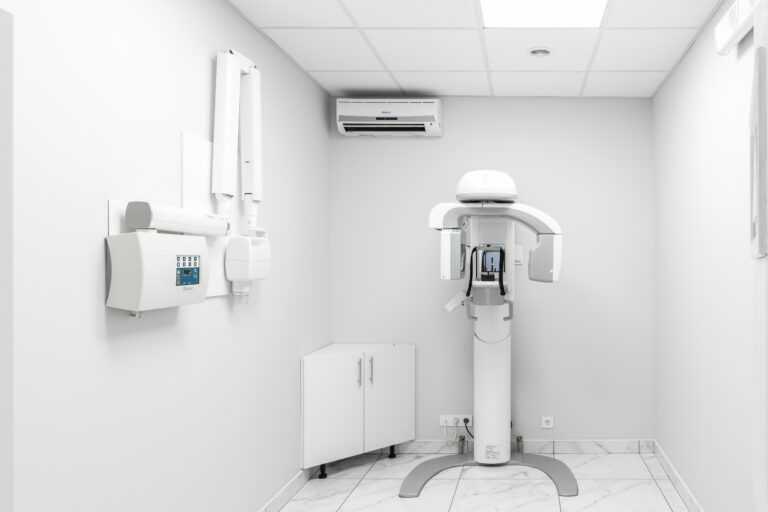
Working hours:
Mon-Sun: 8.00-21.00
Without days off!
Call the numbers:
How to get to us?
Create a route
Create a route
Kyiv, Heroiv Dnipra metro station
32A, Heroiv Dnipra str.
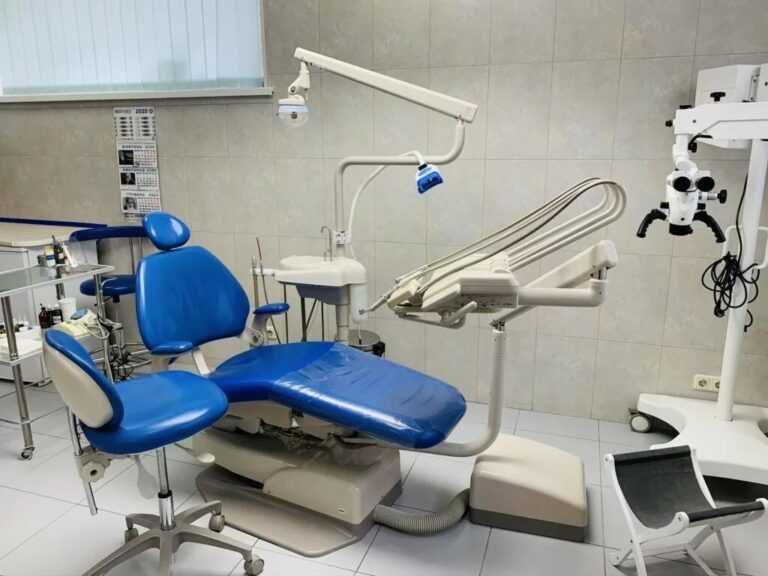
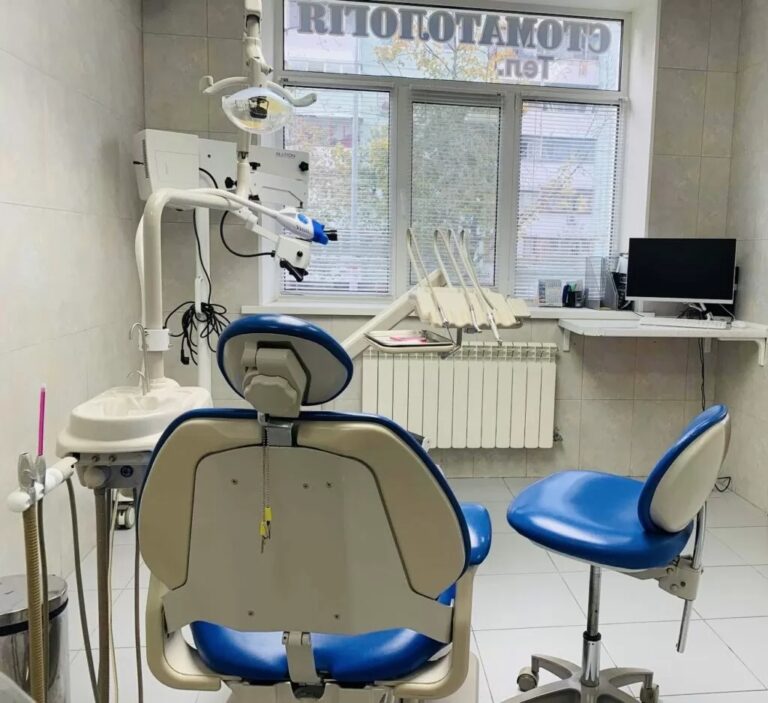
Working hours:
Mon-Sun: 8.00-21.00
Without days off!
Call the numbers:
How to get to us?
Create a route
Create a route
Kyiv, Teatralna metro station
9B, E. Chykalenko (Pushkinska) str.



Working hours:
Mon-Sat: 8.00 - 21.00. Sun: by appointment.
Without days off!
Call the numbers:
How to get to us?
Create a route
Create a route
Відгук від клієнта
0:00
0:00


Your email will not be published on the site.