37123
Services Doctors
Clinics

пр.Лобановського, 130, Київ, Україна

Temporarily closed

Opening soon

стоматологія на лобановського

78A, Irpinska St., Kyiv, Ukraine

Temporarily closed

Opening soon

IMGP4938

32A, Heroiv Dnipra St., Kyiv, Ukraine

Temporarily closed

Opening soon

2024-10-23 11.56.42

9B, Yevhena Chykalenko St. (Pushkinska), Kyiv, Ukraine

Temporarily closed

Opening soon

IMGP5161
Prices Blog Contacts
Back Dentistry

Clinics "MED-DEO"

пр.Лобановського, 130, Київ, Україна

Temporarily closed

Opening soon

стоматологія на лобановського

78A, Irpinska St., Kyiv, Ukraine

Temporarily closed

Opening soon

IMGP4938

32A, Heroiv Dnipra St., Kyiv, Ukraine

Temporarily closed

Opening soon

2024-10-23 11.56.42

9B, Yevhena Chykalenko St. (Pushkinska), Kyiv, Ukraine

Temporarily closed

Opening soon

IMGP5161

Services

Dentistry

Service statistics

icon

More and more clients choose «MED-DEO»

25467

Number of services provided

22230

Number of patients who received the service

for free* * subject to treatment in the clinic

Appointment by phone:

(044) 394 90 94

Prices for bridge prostheses:

Service name

Price, UAH.

Metal-ceramic bridge

from 5700

Sign up

Zirconia crowns

from 7900

Sign up

Consultation with a dentist on oral care

390

Sign up

Injectable anesthesia (use)

350

Sign up

Computer-aided injection anesthesia (use)

600

Sign up

Individual set "Cofferdam", ''RUBBER-DAM'' (use)

350

Sign up

Individual set ''Optra Gate'' (use)

250

Sign up

Examination of 1 tooth

240

Sign up

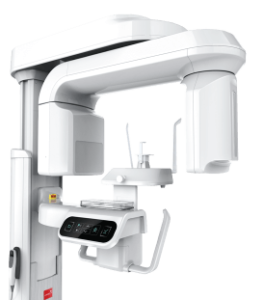
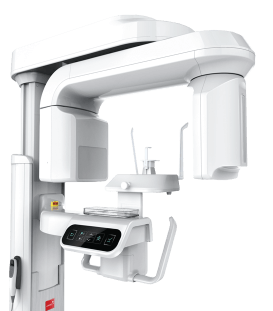
Panoramic shot (OPTG)

440

Sign up

CT scan of the upper and lower jaw

1200

Sign up

Taking an impression with A-silicone mass

800

Sign up

Taking an impression with C-silicone mass

500

Sign up

Digital fingerprinting

1200

Sign up
Popular questions on the topic

What is a dental bridge or bridge-like prosthesis?

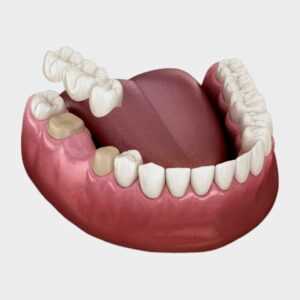
A bridge is a permanent dental structure that replaces one or more missing teeth, supported by adjacent teeth or implants. It “bridges” the gap in the dentition, restoring chewing, speech, and aesthetics.

What types of dental bridges are there?

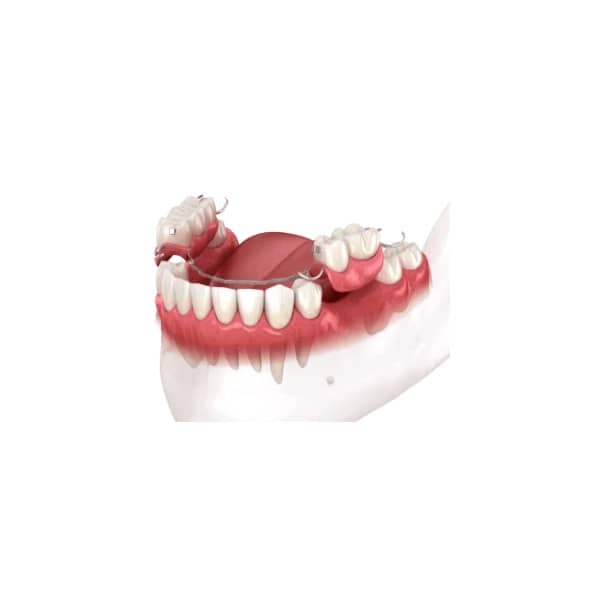
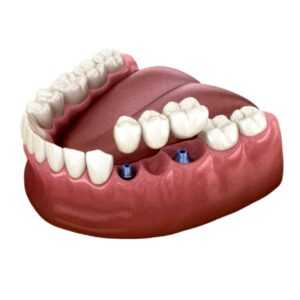
Types of dental bridges: classic (on turned teeth), adhesive (on “wings” or fiberglass), on implants, and combined.

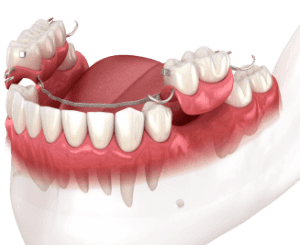
Dental bridges are fixed structures that help fill gaps in the dentition when one or more teeth are missing.

They rest on adjacent teeth or implants, restoring chewing, speaking, and the appearance of a smile. Such a prosthesis looks natural and allows you to eat and communicate comfortably.

Reviews about dental bridges at Med-Deo

Leave a review
5

Based on reviews

Based on reviews

Сергій

2026-07-03

Після консультації лікар порадив встановити місток. Робота виконана дуже якісно, нові зуби нічим не відрізняються від своїх. Жувати стало комфортно вже з перших днів. Щиро дякую за професіоналізм.

Олег

2026-06-03

Потрібно було відновити відсутній зуб, і лікар запропонував мостоподібний протез. Результат перевершив очікування, усе виглядає природно та естетично. При жуванні немає жодного дискомфорту. Дякую за чудову роботу.

Юлія

2026-05-08

Робила місток на зуби і дуже хвилювалась за зовнішній вигляд. Лікар підібрав усе настільки точно, що зуби виглядають природно. Носити комфортно. Дякую за уважність і професіоналізм.

Ігор

2026-04-30

Робила місток на зуби. Лікар підібрав форму і колір дуже точно. Все виглядає природно. Носити зручно.

Евгения Справцова

2026-03-29

Від самого початку приємно вражена адмін.обслуговуванням. Молодці. Дуже приємно коли так уважно ставляться до пацієнтів. Дякую

Роман

2026-02-10

Після втрати кількох зубів почувався невпевнено. Протезування повністю змінило ситуацію. Тепер можу нормально їсти і не соромлюсь посміхатись.

Дмитро

2026-01-12

Потрібно було відновити одразу кілька відсутніх зубів. Лікар запропонував мостоподібний протез і детально розповів про всі етапи. Результат виглядає дуже природно, жувати стало значно зручніше. Дякую.

Віталій

2025-12-11

Місток став для мене гарним рішенням, щоб відновити кілька відсутніх зубів. Лікар все продумав так, що конструкція виглядає природно і не відчувається в повсякденному житті. Знову можу нормально жувати.

Ірина

2025-11-16

Поставила місток на три зуби, і результат вийшов чудовий. Конструкція міцна, естетично виглядає й дуже комфортна у повсякденному житті. Лікар усе пояснив, провів кілька примірок, щоб домогтися ідеального прилягання. Я неймовірно вдячна за такий рівень професіоналізму.

Юлія

2025-10-07

Після видалення кількох зубів довго вагалася, що обрати, імпланти чи місток. Лікар порадив сучасний міст із цирконію, і це виявилось чудовим рішенням. Виглядає естетично, абсолютно не відчувається в роті. Щиро вдячна за такий професійний підхід і турботу.

Надія

2025-09-05

Мені встановили міст цирконєвий на передні зуби. Посмішка стала гарною, ніби зуби завжди були на місці. Дякую лікарю Вячеславу за ювелірну роботу!

Роман

2025-07-10

Після втрати зуба мені зробили мостоподібний протез. Виглядає дуже натурально, навіть не відрізняється від власних зубів, точно підібрали колір. Лікар Михайло чудовий спеціаліст і приємна людина! Рекомендую!

Анна

2025-05-27

Мені поставили металокерамічний місток – він дуже зручний, не заважає і виглядає як справжні зуби. Дуже рекомендую лікаря Дворника Владислава, чудовий спеціаліст!

Show more Hide

What is a dental bridge?

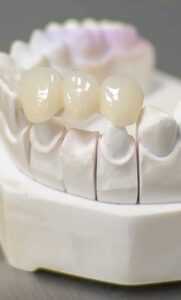
A dental bridge is one of the most popular and effective ways to restore missing teeth when you need to replace one or more lost teeth in a row. It is a fixed structure consisting of several parts: abutment crowns that are securely fixed to adjacent healthy teeth or implants, and intermediate segments that replace the missing teeth. Read more in the article https://med-deo.com.ua/blog/zubniy-mist-na-zubi/

The main goal of a dental bridge is to restore normal chewing function, which suffers when teeth are missing. Because of a gap in the dentition, food may not be chewed properly, which affects digestion and overall well-being. In addition, missing teeth can make it difficult to pronounce certain sounds, creating discomfort in communication. A bridge helps restore clear speech and makes conversation natural and easy.

A dental bridge is also important for maintaining the correct positioning of teeth. When a gap appears due to tooth loss, neighboring teeth may begin to shift into this space. This leads to a misaligned bite and creates additional oral health problems, such as pain, discomfort, and rapid wear of other teeth. Thanks to the bridge, the teeth stay in their places, which helps maintain a proper bite and an even distribution of the chewing load.

Another key benefit is that a properly made and installed dental bridge provides comfortable wear. A person quickly gets used to the prosthesis, feels confident, and can forget about the problem of missing teeth. At the same time, the bridge looks natural and harmoniously complements the smile, which is crucial for aesthetics and self-confidence.

Overall, a dental bridge is a reliable and long-lasting solution that helps not only restore lost teeth but also support the health of the entire jaw system, ensuring comfort and quality of life.

Problems that a bridge prosthesis solves

A dental bridge is not just a way to replace missing teeth, but a comprehensive solution that helps cope with many problems arising after their loss. When one or several teeth disappear, it not only creates discomfort in daily life but also triggers a chain of negative processes in the oral cavity and the entire jaw system.

First, a bridge restores the core functions of chewing and speech. Tooth loss often complicates the normal chewing of food — a person may avoid hard or tough food, which affects nutrition and overall health. It also impacts pronunciation: without several teeth, diction often changes, leading to self-doubt during communication. With a bridge, these problems disappear because it helps restore the natural contours of the dentition, ensuring comfort during eating and speaking.

Second, a bridge prevents neighboring teeth from shifting. When a tooth is missing, the empty space forces the neighboring teeth to slowly “migrate” into the gap. This disrupts the correct alignment of the teeth and causes changes in the bite, which in the future can lead to additional chewing difficulties, discomfort, and even jaw pain. A dental bridge keeps the teeth in place, preserving the natural structure of the row.

Another important function of a bridge is the even distribution of the chewing load. If there is a gap in the dentition, healthy teeth take on an increased load, leading to their rapid wear, heightened sensitivity, or even damage. Placing bridges on teeth helps distribute the chewing force evenly, which extends the lifespan of the remaining teeth and protects the jaw from overloading.

Equally important, a bridge improves the appearance of the smile. Gaps in the dentition are noticeable to others and often become the cause of an inferiority complex, especially if the front teeth are lost. Installing a bridge restores a harmonious look to the teeth, helps a person feel confident in social and professional settings, and brings back the joy of smiling.

Furthermore, if a bridge is supported by implants, it performs another vital role — preserving the jawbone tissue. In the absence of a tooth, the bone gradually atrophies due to the lack of load, which can change facial contours and complicate future prosthetics. An implant with a bridge structure transfers the chewing load to the bone, keeping it in a healthy state.

Overall, a dental bridge is not just a tooth replacement, but a comprehensive defense and support system for the health of your entire jaw. It helps avoid many complications in the future, preserves functionality and aesthetics, and restores comfort and confidence to your daily life. It is an investment in your health and quality of life that brings long-term positive results.
Need a
Diagnostic?

Call to book an appointmen

(044) 394-90-94

Sign up
icon icon
дагностика 1

Types of bridge structures

Types of Dental Bridge Structures:

The types of dental bridge structures in dentistry are diverse, and each option has its own features, advantages, and areas of application.

  • Metal Bridges — these are structures made entirely of metal, such as medical-grade steel, cobalt-chromium alloys, or even gold. They are characterized by very high strength and durability, so they are frequently used in the chewing zone where the loads are greatest. However, due to their appearance, metal bridges are not aesthetically pleasing, which is why they are rarely used for the front teeth.
  • Metal-Ceramic Bridges — this is a classic and highly popular option that combines the strength of a metal frame with the natural beauty of a ceramic coating. A metal-ceramic dental bridge withstands chewing loads well, looks much more natural than metal ones, and lasts a long time. Because of this, the metal-ceramic bridge remains one of the most common choices for bridges in both the chewing and the anterior (front) zones.
  • All-Ceramic Bridges — these are made entirely of ceramic, without a metal frame. They are distinguished by a maximally natural and aesthetic appearance, perfectly mimicking the translucency and color of natural teeth. Therefore, these bridges are most often used for front teeth, where appearance is particularly important. However, ceramic is less resistant to heavy chewing loads, so it is used less frequently for the chewing zone.
  • Zirconia Bridges — these are modern, high-tech structures that combine the strength of metal with the aesthetics of ceramic. Zirconia is a highly durable, biocompatible material that does not cause allergic reactions and is perfectly suited for both front and chewing teeth. Zirconia bridges look natural, have high wear resistance, and can last for a very long time, making them one of the best choices available today.
     Thus, the choice of a dental bridge structure depends on the specific clinical situation, the location of the teeth, the patient’s aesthetic requirements, and the budget. The right combination of materials and technologies helps achieve an optimal result — durable, comfortable, and beautiful prosthetics.

How long do dental bridges last?

On average, a dental bridge lasts from 7 to 10 years, but this is not a strict limit. If it is made of high-quality materials, installed correctly, and you maintain thorough hygiene while regularly attending check-ups, the structure can last for 15 years, and sometimes even longer.

Several factors affect its lifespan: the material of the bridge (metal-ceramic, zirconia, ceramic), the condition of the anchor teeth or implants, the load during chewing, dietary habits, and even bad habits like biting on hard objects. If the anchor teeth remain healthy, and the bridge is regularly cleaned and not overloaded, it can look and function practically like new for many years.

Would you like to undergo treatment?

Make an appointment with a doctor!

Sign up
icon icon
photo

Advantages of installing a dental bridge in Med-Deo dentistry

By getting a bridge installed at the “Med-Deo” dental clinic, you receive not just a prosthesis, but a comprehensive solution that will make your smile beautiful and healthy. Our experienced doctors pay close attention to each patient and select the exact type of bridge that suits you best—taking comfort, durability, and aesthetics into account.
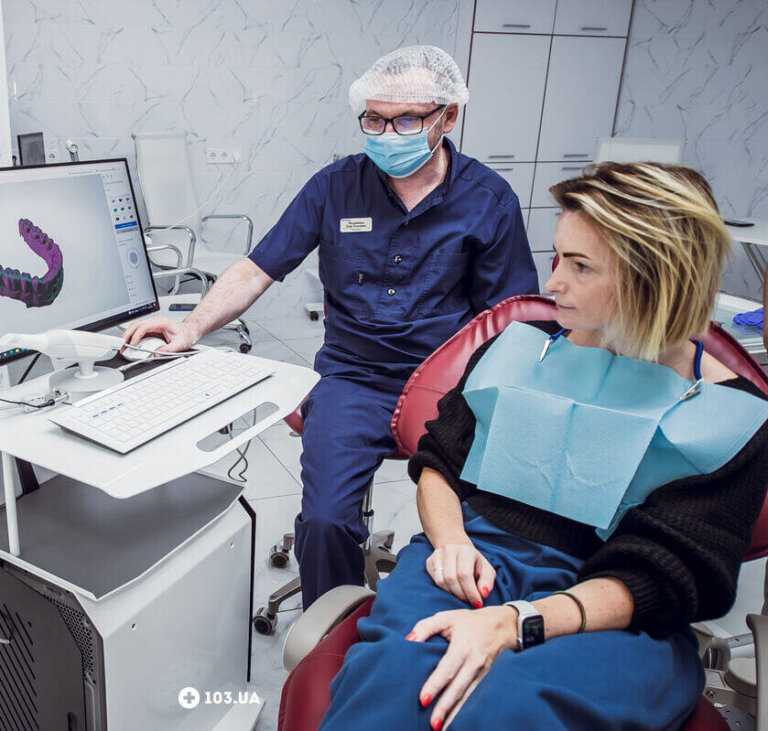
The clinic utilizes modern materials—from metal-ceramics to zirconia—which look natural and are hypoallergenic. Before installation, accurate diagnostics are conducted using digital technologies, ensuring the bridge fits your teeth perfectly and does not interfere with your bite.
The procedure is comfortable and pain-free, as modern anesthesia is applied, and teeth are prepared with care. After the installation, you will get a beautiful, natural smile that will boost your self-confidence.
Most importantly, the clinic provides a warranty on its work and supports patients after installation to ensure the bridge serves you long and without any issues.

Sources:

  1. Стандарти медичної допомоги “Хвороби твердих тканин зуба, ортопедичне лікування штучними коронками” – Ministry of Health of Ukraine (2023).
  2. Zarb GA, Bolender CL, Eckert SE. Prosthodontic Treatment for Edentulous Patients. 13th Edition. Elsevier, 2013. — A classic prosthodontics textbook covering all main types of structures, including bridges.
  3. Pjetursson BE, Tan K, Lang NP, Brägger U, Egger M, Zwahlen M. A systematic review of the survival and complication rates of fixed partial dentures (FPDs) after an observation period of at least 5 years. Clin Oral Implants Res. 2004 Oct;15(6):654-66. — A review of studies on the durability of dental bridges.
  4. Schmitter M, Rammelsberg P, Hassel AJ, Dreiseidler T. Influence of restoration design on the survival of all-ceramic bridges. Dent Mater. 2017 Sep;33(9):1073-1083. — A study focusing on the aesthetics and durability of ceramic bridges.
  5. Світова організація охорони здоров’я (ВООЗ). Guidelines on prosthetics and dental care — Official guidelines available on the WHO website.
We work with all insurance companies

On this page Contents of the page

icon

Dental services