Special offer! Comprehensive professional teeth cleaning for only 1699 UAH.
Special offer! Comprehensive professional teeth cleaning for only 1699 UAH.
Special offer! Comprehensive professional teeth cleaning for only 1699 UAH.
Special offer! Comprehensive professional teeth cleaning for only 1699 UAH.
Special offer! Comprehensive professional teeth cleaning for only 1699 UAH.
Special offer! Comprehensive professional teeth cleaning for only 1699 UAH.
Special offer! Comprehensive professional teeth cleaning for only 1699 UAH.
Special offer! Comprehensive professional teeth cleaning for only 1699 UAH.
Special offer! Comprehensive professional teeth cleaning for only 1699 UAH.
Special offer! Comprehensive professional teeth cleaning for only 1699 UAH.
Sign up
 (044) 394 90 94
(044) 394 90 94  Holosiivska/Demiivska metro station
Sign up
(044) 394 90 94
(044) 394 90 94
Doctors


 Prices
Blog
Contacts
Prices
Blog
Contacts
пр.Лобановського, 130, Київ, Україна
Temporarily closed
Opening soon
78A, Irpinska St., Kyiv, Ukraine
Temporarily closed
Opening soon
32A, Heroiv Dnipra St., Kyiv, Ukraine
Temporarily closed
Opening soon
9B, Yevhena Chykalenko St. (Pushkinska), Kyiv, Ukraine
Temporarily closed
Opening soon
(044) 394 90 94
Back
Dentistry

General Dentistry
Dental surgery
Dental Implants
Maxillofacial Surgery
Dental prosthetics
Cosmetic dentistry

Professional Dental Hygiene

Periodontics
Orthodontic dentistry

Gnathology & TMJ Therapy

Pediatric Dentistry

Dental X-Rays
Back
Orthodontic Center
Orthodontic dentistry
Gnathology & TMJ Therapy
Back
Prosthodontic Center
Dental prosthetics
Back
MED-DEO Center for Maxillofacial Surgery & Facial Plastics
Maxillofacial Surgery
Plastic surgery
Back
Surgical Dental Center
Dental surgery
Dental Implants
Search on the site


Popular requests
Teeth whitening
Treatment of caries
Wisdom tooth extraction
Bracket system
Dental veneers
Tooth restoration
Pediatric dentist
Consultation with a dentist-therapist
Search results by: «».
Unfortunately, no results were found for your search: “Pediatric Endocrinologist”, nothing was found.
You may find these links useful:
Clinics "MED-DEO"
пр.Лобановського, 130, Київ, Україна
Temporarily closed
Opening soon
78A, Irpinska St., Kyiv, Ukraine
Temporarily closed
Opening soon
32A, Heroiv Dnipra St., Kyiv, Ukraine
Temporarily closed
Opening soon
9B, Yevhena Chykalenko St. (Pushkinska), Kyiv, Ukraine
Temporarily closed
Opening soon
Services
Dentistry Orthodontic Center Prosthodontic Center MED-DEO Center for Maxillofacial Surgery & Facial Plastics Surgical Dental CenterGeneral Dentistry
Dental surgery
Dental Implants
Maxillofacial Surgery
Dental prosthetics
Cosmetic dentistry
Professional Dental Hygiene
Periodontics
Orthodontic dentistry
Gnathology & TMJ Therapy
Pediatric Dentistry
Dental X-Rays
Orthodontic dentistry
Gnathology & TMJ Therapy
Dental prosthetics
Maxillofacial Surgery
Dental surgery
Dental Implants

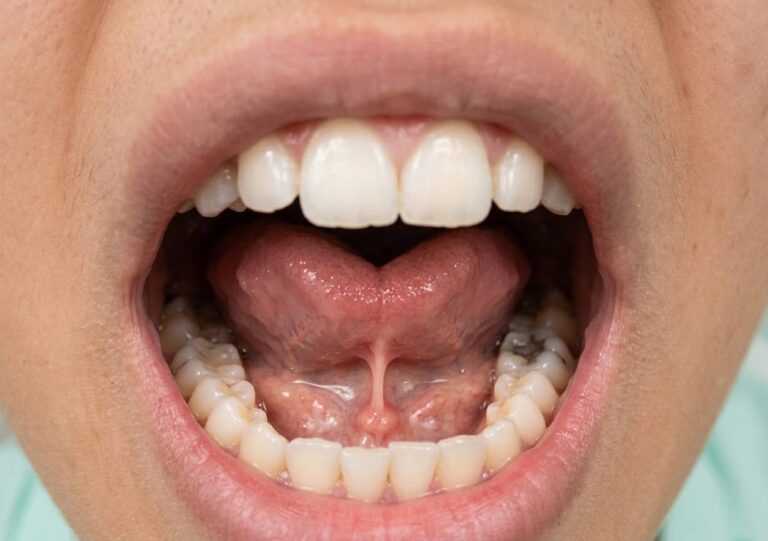
When we visually notice some unusual folds, cracks, or grooves on the tongue, it can be alarming. But in reality, a cracked tongue isn’t something dangerous. These fissures can be either normal or a sign of certain issues in the body that simply need to be addressed. Of course, there are also pathological conditions associated with cracks. Let’s discuss all of this in more detail below.
What Are Tongue Cracks
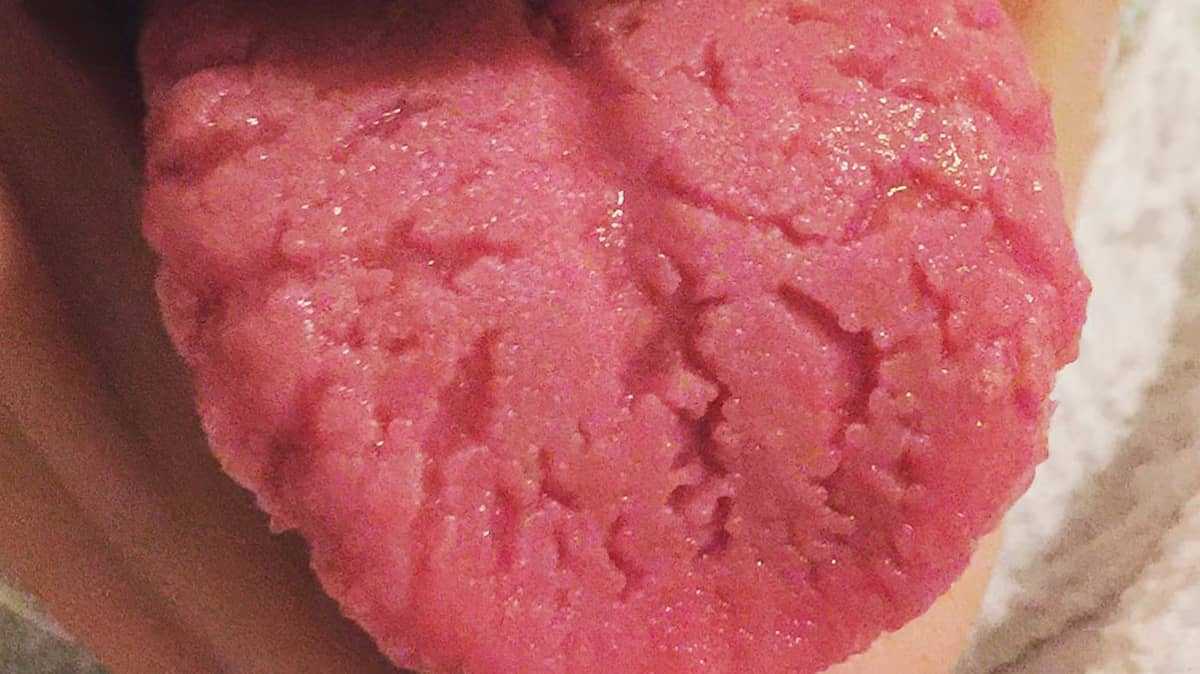
Tongue cracks have a medical term: fissured tongue. Sometimes it’s also called scrotal tongue or lingua plicata – essentially a tongue with grooves, indentations, and fissures. This is often accompanied by dryness, burning, or other discomfort. However, it shouldn’t be confused with conditions like geographic tongue or desquamative glossitis. These are separate conditions where the tongue surface has both cracks and red inflammatory patches or, conversely, pale areas.
Anatomically, our tongue surface is covered with a mucous membrane, which in turn is covered with various papillae. These papillae are responsible for taste and tactile sensations. Therefore, any breach in the integrity of the mucosa, including when there are cracks on the tongue, causes noticeable discomfort in the mouth.
A cracked tongue looks different depending on the depth, length, and location of the fissures. Tongue cracks can be isolated and deep. For example, like the quite noticeable median crack many people have running down the center of their tongue. Sometimes these can be shallow, lace-like grooves that give the entire tongue a textured appearance.
The difference between physiological grooves and pathological cracks is that physiological ones are usually shallow, consistently stable, and don’t cause any discomfort. A pathologically cracked tongue, however, has deeper fissures that change over time and are often accompanied by pain, coating, or dryness.
Types of Tongue Cracks: Classification
Let’s examine the various types of tongue cracks:
- Superficial and deep – superficial cracks on the tongue are minor and painless, while deep grooves cause discomfort and accumulation of coating.
- Transverse, longitudinal, and radial – with transverse cracks, the grooves cross the tongue horizontally; with longitudinal ones, lines run along its midline. If the cracked tongue has a radial “ray” appearance from the center, these are radial cracks.
- Single and multiple – a single type involves one prominent groove. Multiple cracks involve many grooves, creating a fissured tongue.
- Cracks by location – typically there’s a crack in the middle of the tongue, or exclusively along the edges, or just at the tip. A median crack results from either excessive oral dryness or vitamin deficiencies. Lateral or edge cracks occur due to mechanical irritation. Fissures at the tip are more often due to increased saliva acidity or stress.
- Congenital and acquired – congenital tongue grooves arise from an individual’s unique anatomy. Acquired ones occur when the tongue cracks due to certain diseases or direct trauma.
- Temporary and chronic – temporary cracks are caused by dehydration or infection; chronic ones often have the same causes but persist for a long time (requiring diagnosis and possible treatment).
Main Causes of Tongue Cracks
A cracked tongue can have various causes – from local irritants to systemic disorders in the body, vitamin deficiencies, or even severe oral dryness.
Here’s more detail about these main causes of crack formation:
- Local (dental) causes – when tongue cracks occur due to chronic irritation from dentures or teeth, persistent oral dryness from dehydration, or infectious processes of the mucosa.
- Systemic diseases – when a cracked tongue is caused by endocrine disorders, autoimmune diseases, anemia, or gastrointestinal problems.
- Vitamin deficiency and mineral shortage – here, a fissured tongue develops due to deficiencies in various vitamins and minerals. Often specifically from iron deficiency or B vitamins. This weakens the mucosa, making it susceptible to cracking.
- External factors – also a common reason why the tongue cracks. For example, from accidental biting, injury, or tongue burns. Also from irritation by rough food or chemicals.
- Age-related changes – when tongue cracks appear from changes in the mucosa, which becomes drier and thinner with age.
- Genetic predisposition – in this case, a fissured tongue is simply inherited and is normal.
Mechanical Injuries and Tongue Damage
Let’s discuss more specifically why the tongue cracks with mechanical injuries and what similar damage causes this:
- Tongue biting – cracks typically develop on the tongue during eating, sleeping, or sometimes during seizures.
- Injuries from sharp tooth edges or fillings – this happens when the tongue is cracked from irritation by such sharp details on an ongoing basis. Then, from chronic inflammation, a significant wound can develop on the tongue.
- Damage from orthodontic appliances – this can also cause a cracked tongue when braces, retainers, or other similar devices constantly rub. But this usually happens due to improper installation, when protruding sharp elements remain.
- Burns from hot food or drinks – here the tongue tip often hurts and a crack forms on it due to increased mucosa vulnerability after thermal contact.
- Chemical burns – occur from various acids or alkalis. That is, a cracked tongue in this case is caused by caustic aggressive substances in household chemicals, soda, etc.
- Injuries during dental procedures – these happen rarely, especially if everything is done by a professional. But when saliva ejectors or working instruments occasionally and accidentally cause trauma, both wounds and cracks can appear on the tongue.
Vitamin and Mineral Deficiency
Let’s discuss more specifically the vitamin and mineral deficiencies that cause tongue cracking:
- B vitamin deficiency (B2, B3, B6, B12) – is the main cause of possible tongue cracks. The tongue becomes significantly drier, inflamed, and consequently prone to cracking.
- Folic acid deficiency – impaired blood supply to the mucosa causes atrophic changes, resulting in a cracked tongue.
- Iron deficiency (iron-deficiency anemia) – here cracks and geographic tongue are provoked by thinning of the mucosa and increased vulnerability.
- Zinc deficiency – tongue cracks in this case are provoked by poor tissue regeneration due to zinc deficiency, which greatly slows the healing of any irritation.
Overall, any vitamin deficiency most commonly manifests as tongue burning, dryness, the appearance of cracks (sometimes painful), and color changes (either too pale or bright red).
Gastrointestinal Tract Diseases
Let’s discuss more specifically when a cracked tongue is caused by gastrointestinal tract diseases:
- Gastritis and peptic ulcer disease – cause disturbances in stomach acidity and alter the condition of the oral mucosa. As a result – dryness, cracks, and even a so-called swollen tongue (edematous).
- Enterocolitis – provokes impaired absorption of nutrients. As a result, vitamin deficiency and significant tongue cracks.
- Pancreatitis – causes enzymatic insufficiency of the pancreas, and through this poor digestion and the appearance of fissures on the tongue.
- Liver diseases (hepatitis, cirrhosis) – affect vitamin metabolism and detoxification, which also creates a dry and geographic tongue with grooves.
- Cholecystitis – disrupts bile flow and absorption of fat-soluble vitamins, changing the tongue mucosa.
- Intestinal dysbiosis – leads to microflora disruption, decreased absorption of B vitamins, and through this results in tongue cracks and white coating.
Systemic Diseases
Let’s discuss more specifically the systemic diseases that cause a cracked tongue:
- Diabetes mellitus – causes prolonged dryness of mucous membranes, resulting in noticeable tongue cracks.
- Thyroid diseases – cause metabolic disorders, which disrupt the condition of the oral mucosa and create grooves.
- Hormonal disorders – provoke hormone fluctuations, affecting hydration and the body’s regenerative capabilities. This then creates a cracked tongue.
- Water-salt metabolism disorders – dehydrate the body and disrupt electrolyte balance. This makes the tongue very dry and it cracks.
- Blood diseases – lead to anemia and other hematological problems. As a result, the oral mucosa’s nutrition is disrupted and grooves form.
- Autoimmune diseases – lead to chronic inflammation and chronic tongue dryness. Here a very fissured tongue with many cracks is often observed.
- Kidney failure – alters saliva composition, which also causes oral dryness, burning, and consequently tongue cracks.
Allergic Reactions and Irritants
Let’s discuss more specifically the various allergic reactions and irritants that can cause tongue cracks:
- Allergy to toothpaste or mouthwash – excessive fragrances, surfactants, and essential oils cause a cracked tongue and usually burning.
- Medication reactions – certain antibiotics, antihistamines, and diuretics cause oral dryness or mucosal changes. This makes the tongue sensitive and susceptible to cracks.
- Food allergy or product intolerance – most often from citrus fruits, nuts, chocolate, tomatoes, strawberries, and sometimes seafood. They can cause oral mucosal swelling and localized fissures.
- Contact dermatitis – when in contact with an irritant (for example, metal crowns or food dyes), small tongue cracks and inflammation develop in that area.
- Smoking and alcohol – quite common causes of provoking grooves, as these dry out the mucosa and slow its regeneration.
- Spicy and acidic food – here a cracked tongue and burning occur most often specifically from spicy sauces and adjika, garlic and chili peppers, marinades, and most acidic fruits. The tongue tip also often hurts from this.

Diagnosis of Tongue Cracks
In most cases, a cracked tongue isn’t dangerous. But it’s important to diagnose it properly to avoid complications. Tongue crack diagnosis can include:
- Self-examination of the tongue: pay attention to the depth of the grooves, their location, degree of dryness, and presence of pain. It’s also important if there are tongue cracks and white coating. This may already indicate either a fungal infection or significant inflammation.
- Clear symptoms requiring dental consultation: specifically white coating that doesn’t go away after tongue cleaning. Also painful sores that don’t heal for more than 7-10 days. Sometimes it’s also a change in taste in the mouth to something more unpleasant.
- Oral cavity examination by a specialist: the doctor performs a professional dental examination, identifying whether the crack is in the middle of the tongue and deep, or if they’re on the sides and smaller. The doctor also assesses the condition of the oral mucosa, the person’s bite, the integrity of all teeth, and other possible irritants provoking fissures.
- Necessary additional tests: the dentist may recommend a complete blood count, glucose test, and some vitamin levels. This helps rule out systemic or other diseases.
How to Treat a Cracked Tongue: General Principles
How to treat a cracked tongue isn’t anything special. Sometimes it’s enough to improve oral hygiene or possibly apply an ointment for tongue cracks prescribed by a dentist. Overall, tongue crack treatment involves these methods:
- Eliminating the underlying cause – is the most important task, as treating only the symptoms won’t give lasting results.
- Treating concurrent diseases – often a cracked tongue is a consequence of GI or endocrine system problems.
- Oral cavity sanitation – comprehensive resolution of all oral cavity problems and truly an effective method for treating a cracked tongue without recurrences later. This includes treating all cavities, eliminating gum problems, and removing plaque and tartar from teeth.
- Correction of orthopedic structures – specifically, replacing poor-quality dentures or fillings. They quite often scratch the tongue with their sharp elements if poorly installed.
- Excluding irritants – in the form of spicy food, alcohol, and aggressive hygiene products. Most often it’s these that cause a cracked tongue and burning.
In many cases, a comprehensive treatment approach is applied using several methods simultaneously. But what’s best and most effective when there are tongue cracks, what to treat and prevent with – a dentist will advise.
Medication Treatment
Regarding specific medication methods for treating a cracked tongue, this isn’t always necessary. But sometimes a doctor may prescribe this for better mucosal healing and maintaining normal oral microflora overall. Among treatment options:
- Vitamin complexes (B group, folic acid) – by compensating for deficiencies, tissue regeneration of the mucosa will improve and tongue cracks will heal.
- Iron supplements – what’s important to treat tongue cracks with when anemia is present.
- Immunomodulators – by strengthening overall immunity, helps with chronic cracks and frequent oral infections.
- Anti-inflammatory drugs – reduce pain and eliminate some concurrent systemic diseases. This also includes healing ointment for tongue cracks. It can improve the mucosa’s condition and essentially “soothe” the fissure.
- Antibiotics – prescribed only for confirmed bacterial infections.
- Antifungals – usually necessary for candidiasis and the characteristic fungal infection coating on the tongue. Antiseptic rinses in solution form and, for example, antiseptic ointment for tongue cracks also fit here.
Diet and Nutrition for Tongue Cracks
Diet and nutrition won’t fully and permanently remove tongue cracks. It’s important to address the root cause. But they can improve the condition’s progression. So, what needs to be done:
- Include foods rich in B vitamins in the diet – meat, fish, eggs, nuts. They speed up healing.
- Include iron sources – red meat, liver, buckwheat. They eliminate anemia and thus also somewhat fight cracks.
- Add leafy vegetables for folic acid – arugula, spinach, lettuce. They support tongue health, its epithelium.
- Definitely exclude: spicy, sour, salty, hot – this only irritates the cracked tongue and worsens the condition’s progression.
- Maintain optimal food temperature – simply warm and comfortable, without sharp temperature contrasts.
- Consume enough water – 1.5-2 liters per day, which is necessary for moisturizing mucous membranes and faster recovery with fissures.
- During acute periods – consume only soft-consistency dishes in the form of soups, purees, or yogurts.
Written by Dr. Yuliya V. Laskavaya, General Dentist and Periodontist



Make an appointment
You can make an appointment by filling out the application form on the website, as well as using instant messengers:
Make an appointment
You can make an appointment by filling out the application form on the website, as well as using instant messengers:


Make an appointment easily using chatbots:
Also, call the numbers:
Modern dentistry and medical centre "MED-DEO"
Choose a clinic whose location is more convenient for you.
Kyiv, Holosiivska/Demiivska metro station
130 Lobanovskoho Avenue


Working hours:
Mon - Sun: 8:00 AM - 9:00 PM
No days off!
Call the numbers:
How to get to us? Create a route
Create a route
Kyiv, Akademistechko metro station
78A, Irpinska str.



Working hours:
Mon-Sun: 8.00-21.00
Without days off!
Call the numbers:
How to get to us?
Create a route
Create a route
Kyiv, Heroiv Dnipra metro station
32A, Heroiv Dnipra str.

Working hours:
Mon-Sun: 8.00-21.00
Without days off!
Call the numbers:
How to get to us?
Create a route
Create a route
Kyiv, Teatralna metro station
9B, E. Chykalenko (Pushkinska) str.




Working hours:
Mon-Sat: 8.00 - 21.00. Sun: by appointment.
Without days off!
Call the numbers:
How to get to us?
Create a route
Create a route
Відгук від клієнта
0:00
0:00


Your email will not be published on the site.