35207
Services Doctors
Clinics

пр.Лобановського, 130, Київ, Україна

Temporarily closed

Opening soon

стоматологія на лобановського

78A, Irpinska St., Kyiv, Ukraine

Temporarily closed

Opening soon

IMGP4938

32A, Heroiv Dnipra St., Kyiv, Ukraine

Temporarily closed

Opening soon

2024-10-23 11.56.42

9B, Yevhena Chykalenko St. (Pushkinska), Kyiv, Ukraine

Temporarily closed

Opening soon

IMGP5161
Prices Blog Contacts
Back Dentistry

Clinics "MED-DEO"

пр.Лобановського, 130, Київ, Україна

Temporarily closed

Opening soon

стоматологія на лобановського

78A, Irpinska St., Kyiv, Ukraine

Temporarily closed

Opening soon

IMGP4938

32A, Heroiv Dnipra St., Kyiv, Ukraine

Temporarily closed

Opening soon

2024-10-23 11.56.42

9B, Yevhena Chykalenko St. (Pushkinska), Kyiv, Ukraine

Temporarily closed

Opening soon

IMGP5161

Services

Dentistry

Service statistics

icon

More and more clients choose «MED-DEO»

89651

Number of services provided

78324

Number of patients who received the service

imgp4938 1 e1728980728653 2048×1

Initial consultation with a doctor for free* * subject to treatment in the clinic

Appointment by phone:

(044) 394 90 94

Childhood cavities are a serious problem — not a temporary one that will simply go away when baby teeth fall out. Choosing not to treat cavities in primary teeth is a mistake, plain and simple.

Cavities are an infectious process that can affect jaw development and the health of future permanent teeth. Treating cavities in children isn't just a cosmetic concern — above all, it's about ensuring healthy jaw development and preventing complications down the line.

Why Choose Med-Deo Clinic for Children’s Cavity Treatment

Treating a child’s cavity is about so much more than placing a filling. It’s about caring for your child’s smile for years to come. At the Med-Deo dental clinic network, we combine advanced technology, attentive care, and a comfortable environment so that every young patient feels at ease — and every parent feels confident.

We start with high-quality, gentle anesthesia, because a child’s comfort is the foundation of successful treatment. We use minimal-discomfort methods — topical and infiltration anesthesia — to completely eliminate pain and make the experience as pleasant as possible.

During treatment, we use a rubber dam — the gold standard in pediatric dentistry. This thin elastic material isolates the tooth from saliva and bacteria, ensuring precision, sterility, and lasting results. It’s one of those small details that make a significant difference in quality.

We also recommend fissure sealants — an effective way to protect the chewing surfaces of teeth from future cavities. Children’s fissures are often deep and narrow, so sealing them significantly reduces risk and strengthens enamel protection. We frequently combine this procedure with cavity treatment so that a single visit delivers maximum results.

One appointment at MED-DEO isn’t just a quick fix — it’s an investment in healthy teeth and peace of mind for parents. Trust your child’s smile to professionals who care about quality at every step. Book your appointment today and take the first step toward a healthy, happy smile!


Children's Cavity Treatment Prices 2026

The cost of cavity treatment for children depends on a number of factors, including:

Stage of the cavity
Number of teeth requiring treatment
Type of anesthesia (local or sedation)
Filling material
Child’s age

Approximate prices for children’s cavity treatment at Med-Deo clinics in Kyiv are as follows:

— Introductory/familiarization appointment — from 400 UAH
— Cavity treatment — from 1,600 UAH
— Treatment under sedation — from 4,500 UAH
— Baby tooth extraction — from 500 UAH
— Fissure sealants — from 600 UAH

The exact cost of treatment can only be determined after an in-person examination, at which point pricing is set individually based on the complexity of the case.

The Med-Deo multi-specialty clinic offers high-quality, comfortable cavity treatment for young children in Kyiv. Our doctors take full account of each child’s age and the psychological approach required. Book a consultation — we’re here to help!

Service name

Price, UAH.

Consultation with a pediatric dentist

390

Sign up

Helping a Child Adjust to a Dental Visit

400

Sign up

Topical anesthesia (application)

150

Sign up

Temporary filling (placement)

400

Sign up

Treatment of superficial caries (mixed dentition) without anesthesia or a rubber dam

1600

Sign up

Treatment of moderate dental caries (mixed dentition) without anesthesia or a rubber dam

1650

Sign up

Treatment of deep caries (mixed dentition) without anesthesia or a rubber dam

1700

Sign up

Pulpotomy of a baby tooth

700

Sign up

Restorative filling of primary teeth in the stabilization stage (Pulposepin, Kalasep)

250

Sign up

Permanent filling of primary teeth in the stabilization stage (Metapex, Kanason)

350

Sign up

"Optra Gate" Custom Kit (Usage)

250

Sign up

Injection anesthesia

350

Sign up

Individual "Cofferdam" / "RUBBER-DAM" set

350

Sign up

Panoramic X-ray (OPG)

440

Sign up

Air Flow teeth cleaning, one jaw (mixed dentition)

700

Sign up
Frequently Asked Questions

How are cavities treated in children?

Children’s cavities are treated based on the stage of decay. Early-stage cavities are addressed with remineralization and fluoride varnish. Once the enamel is damaged, fillings are placed. When decay has reached deep into the dentin, a pulpotomy or crown may be required. Prevention is equally important: regular brushing and limiting sugary foods go a long way.

What does the beginning of a cavity look like in a child?

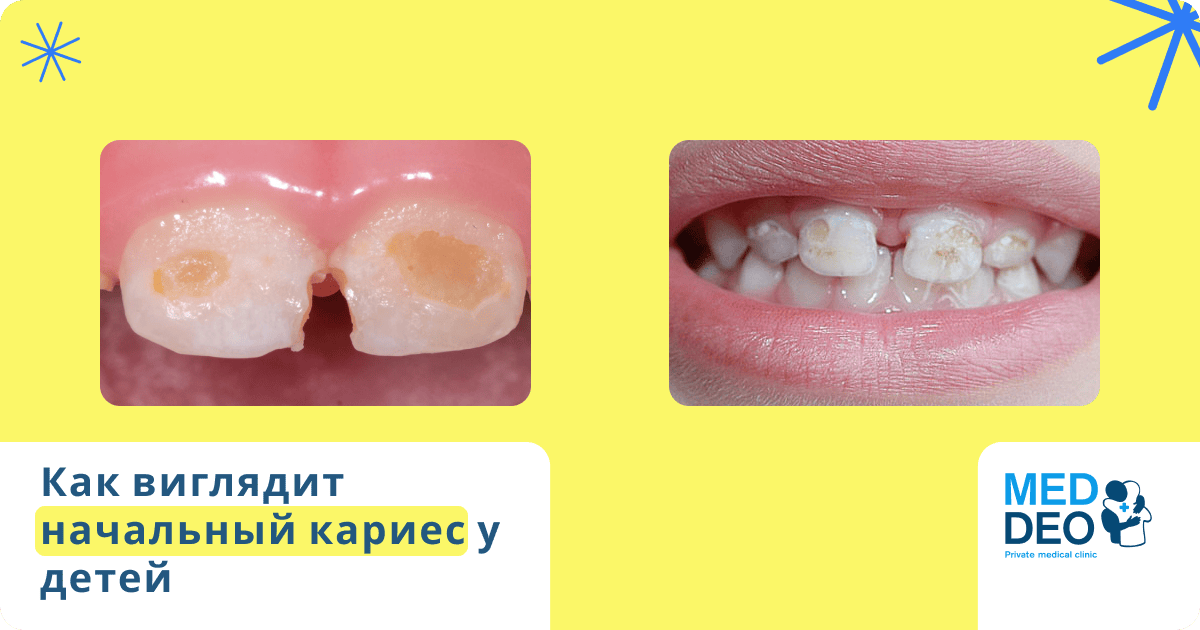
Early-stage cavities in children appear as chalky white or creamy spots on the teeth. The enamel may feel slightly rough to the touch, but pain and sensitivity are typically absent at this stage.

How is a child's cavity treated?

Treatment depends on the extent of the decay. For small cavities, it’s usually sufficient to remove the affected tissue and place a filling. If decay has progressed deeper, nerve removal and root canal treatment may be necessary.

How can you stop a cavity from progressing on a baby tooth?

Modern pediatric dentistry places increasing emphasis on non-invasive treatment methods that avoid drilling and help reduce the risk of dental anxiety in children. In these cases, fluoride therapy or remineralization is used to halt the decay process.

What does an early cavity look like in a child?

In photographs, an early-stage cavity in a child appears as a white or brown spot on the tooth surface. Over time, it can darken and develop into a full cavity.

Reviews of children’s dental caries treatment at Med-Deo

Leave a review
5

Based on reviews

Based on reviews

Тарас Шевченко

2026-06-21

Тільки хороші враження від Лікаря і від персоналу клініки. До дитини лікарка була уважна, легко установила контакт; зворотній зв'язок постійно підтримує і дає рекомендації. Радийщо нам вдалось знайти цю клініку

Світлана

2026-06-19

Сину вилікували карієс дуже акуратно. Лікар постійно підтримував контакт із дитиною, усе пояснював і хвалив. Після прийому син сказав, що ще прийде до цього лікаря.

Тетяна

2026-05-25

Дитина навіть не зрозуміла, коли лікування закінчилось. Лікар усе робив поступово і дуже обережно. Після прийому залишились лише позитивні враження. Щиро дякую за професіоналізм.

Світлана

2026-05-02

Лікували карієс у сина. Лікар був дуже спокійний і весь час підтримував дитину. Робота виконана якісно, без стресу та сліз. Дуже вдячна за такий підхід.

Тарас Мазур

2026-04-26

Дуже задоволені візитом до лікаря Побережна В. А.!

Юлия Святодух

2026-04-05

Хотим выразить огромную благодарность Антону Вадимовичу за настоящий дар находить подход к детям! Шли к стоматологу со страхом, а вышли с улыбкой и подарком. Доктор — профессионал с «волшебными» руками: быстро, безболезненно и очень душевно. Теперь мы лечим зубки только здесь, без слез и уговоров! Спасибо за спокойствие мамы и здоровье ребенка!».

Наталія

2026-03-19

Сподобалось ставлення до дитини. Лікар пояснює кожен крок і не поспішає. Тепер ходимо на прийоми без страху.

Maria

2026-03-04

Лікували карієс у доньки. Лікар дуже уважний, постійно підтримував і заспокоював. Все зробили швидко і без стресу.

Тетяна

2026-02-19

Донька дуже чутлива до болю, але тут усе зробили максимально делікатно. Після лікування не було ні страху, ні негативних емоцій.

Монастарецька Тетяна

2026-02-02

MED-DEO дуже кваліфікаційна стоматологія. Обрали її,тому що,знаходиться у нас на районі. І не пошкодували,дуже подобається обслуговування і лікарі. Дітям лікуватися комфорто і не страшно! Дякуємо за сервіс!!!

Анна

2026-01-15

Звертаємось до цієї клініки з усіма дитячими стоматологічними питаннями. Завжди отримуємо уважне ставлення і якісне лікування. Дитина почувається спокійно і довіряє лікарям. Рекомендуємо всім батькам.

Надія Іродовська

2026-01-10

Дякуємо за лікування зубів моїм діткам! Лікарі молодці!

Людмила

2025-12-23

Сподобалось, що лікар не лякав дитину і все робив дуже делікатно. Тепер дитина не боїться приходити на огляд і лікування.

Oksana

2025-12-11

Процедура пройшла швидко і спокійно. Лікар постійно пояснював дитині, що робить, і заспокоював. Пломба виглядає акуратно, і зубчик як новий.

Олена

2025-11-19

Приводила сина на огляд і була в захваті. Лікар знайшов підхід буквально з першої хвилини, поспілкувався, показав інструменти, перетворив візит на гру. Дитина сиділа спокійно, без страху, і ми нарешті вирішили проблему з карієсом. Дуже вдячна за такий підхід.

Марина Белешко

2025-11-11

Дякуємо пані Вітальні, дитячому стоматологу! Дуже чуйна, знаходить підхід до дитини.

Світлана

2025-10-21

Я дуже задоволена дитячим стоматологом. Моя дитина прийшла з карієсом на кількох зубах, але лікарка лікувала кожен зуб обережно, без болю. Вона постійно підтримувала контакт, жартувала, і це допомогло зняти напругу.

Оля Ковальчук

2025-10-08

Хочу висловити щиру подяку стоматологу Побережній Валентині Адамівні за чудову роботу! Лікар зумів знайти підхід до дитини, все спокійно пояснив, працювала дуже акуратно. Дитина навіть не злякалася і після прийому сказала, що хоче прийти ще. Професіонал своєї справи, уважна,терпляча і добра. Дуже вдячна лікарю за чудове лікування карієсу нашій дитині. Дуже приємне ставлення, уважність і турбота про маленького пацієнта. Дитина поводилася спокійно, адже лікар створив доброзичливу атмосферу. Ми залишилися дуже задоволені! Рекомендую всім батькам, хто шукає хорошого дитячого стоматолога.

Юлія

2025-09-24

У сина знайшли карієс на молочному зубі. Лікар працював дуже обережно, пояснював кожен крок, щоб дитина не боялася. Все пройшло добре, тепер дитина не боїться ходити до лікаря.

Гертруда Гой

2025-09-12

Відвідувала з дитиною клініку Ситуацію мали складну але Лікар Олеся Миколаївна Чубай впоралася прям врятувала за півтори години зробила якісно роботу мінімум трьох візитів Взагалі тут лікуюся сама і всі мої діти, клініку однозначно рекомендую. На місці можна зробити всі необхідні знімки, лікарі професіонали, не монетезують посмішки а справді лікують.

Юлія

2025-08-23

Лікар Богдан Сергійович знайшов підхід до сина, хоча він зазвичай боїться лікарів. Лікування карієсу пройшло легко і весело. Рекомендуємо!

Валерія

2025-08-05

Дякую лікарю за підхід — дитина навіть не зрозуміла, що їй лікували зуб. Все з мультиками, іграшками та посмішками. Дякую лікарю Олесі Миколаївні!

Тетяна

2025-07-16

Пломбували доньці зубчик, все пройшло без болю, з мультиками й жартами. Дуже вдячна стоматологині Наталії за терплячість і ніжний підхід.

Ганна Бойко

2025-07-02

Наталя Сергіївна, дякуємо за чуйне та приємне обслуговування. Подобається охайний та ретельний підхід до лікування. Легко знайшла спільну мову з підлітком. Нарешті ми знайшли свого стоматолога. Ура.

Світлана

2025-06-24

Лікували перший карієс у дитини ставили пломбу. Все в ігровій формі, без страху й сліз. Стоматологиня дуже ніжна, терпляча, з підходом до дітей. Тепер донька хоче ще раз до лікаря.

Оксана

2025-06-09

Донечці полікували карієс без жодної сльозинки. Все дуже м’яко, в ігровій формі, дали подаруночок і диплом. Відчувається, що тут справді вміють працювати з дітьми. Щиро дякуємо клініці Мед-Део і лікарю Віталіні за турботу і спокій!

Світлана

2025-05-21

У клініці дуже гарна дитяча зона, але головне лікар, яка вміє і лікувати, і заспокоїти. Ми за один візит пролікували два зубчики, без сліз та істерик. Дякую за чуйність і майстерність!

Kateryna Khorunzha

2025-05-11

Якщо ви у пошуках стоматолога, який лікує лише там, де є справді проблема, і нічого зайвого, раджу лікаря-стоматолога Катерину Сажнєву. Усією родиною є пацієнтами Катерини Станіславівни протягом декількох років. Спершу обрали саме як дитячого стоматолога - за декілька візитів панічні побоювання у сина зникли, зараз без страху сідає в крісло. 100% довіряю лікарю та її рішенням щодо моїх зубів) Вдячна за професіоналізм та дружнє ставлення до пацієнтів.

Олександра

2025-04-25

Відвідуємо Мед-Део з сином вже не вперше. Завжди чисто, привітно, без черг. Лікар з великим досвідом і теплим серцем. Пломбували молочний зуб – швидко і безболісно. Дитина виходить з посмішкою від лікаря. Рекомендую!

Ореста

2025-04-19

Дуже вдячні за лікування карієсу у дитини! Все зроблено якісно, без болю, в дружній і веселій атмосфері. Наш син навіть не злякався, настільки лікар уміє заспокоїти та зацікавити. Окреме спасибі за терплячість!

Віталій Ольховський

2023-10-06

Рижук Віталіна Вікторівна - чудовий лікар. Професійна робота

Tanya Vrochynska

2023-08-14

Дуже задоволена послугами і роботою клініки. Звернулися з серйозною проблемою у дитини після травми. Лікар Шмарчук Наталія Сергіївна все доступно пояснила, розказала, надала рекомендації. Консультацією задоволені, спілкуванням з лікарем теж. Обов'язково будемо звертатися ще і рекомендувати друзям і знайомим.

Дмитрій Дронюк

2023-08-05

Вперше попали в МЕД ДЕО с дитиною по невідкладній допомозі, дитина вперше, дуже хвилювалися. Лікар знайшла підхід до нашої дитини, зараз ми з задоволенням ходимо лікувати наши зубчики. Дякую лікарю Сажнєвій Катерині Станіславівні та всім працівникам клініки, затишна, доброзичлива атмосфера. Успіхів та процвітання.!

Олеся

2023-08-05

Хочу подякувати Ододюк Вікторії, дуже привітний лікар. Приходили з запитом підрізати вуздечку. Лікар зробила все швидко та якісно, знайшла підхід до дитини, що дуже важливо. Підрізали під загальним наркозом. Дякую всьому персоналу клініки, за привітність і уважність.

Юля

2023-04-26

В даній стоматології видаляли та лікували зуби доньці, були кілька разів. Дитина дуже боялася, але лікар професіонал своєї справи, все зробив ніби граючись. На наступний візит, дитина вже не боялася іти. Все зроблено було зі знанням справи. Ціни адекватні, нас влаштовують. В клініці сучасне обладнання, якісний ремонт та знаходиться для нас в зручному місці.

Вікторія

2023-03-27

Велика подяка відділенню дитячої стоматології. В даній клініці лікували зуб доньці. Дитина жахливо боялася, але біль змусив звернутися в клініку. Персонал просто чудовий, ввічливий та привітний. Лікар прекрасно знайшов підхід до донечки. Лікування відбувалося в процесі гри. Болі, чи незручностей не відчувала. Сучасне обладнання, та чудовий ремонт в клініці. Ціни повністю влаштовують.

Олег

2021-01-04

У ребенка 2 года 10 месяцев было два кариеса. Долго выбирали место где бы лечили детей. Переживали, дабы ребенок не испытал стресс. Обратились в Мед-Део, выбрали специалиста который лечит деток. Остались очень довольны обращением, качеством выполнения работ. Ребенок просится еще к стоматологу, это о многом говорит. Благодарны врачу.

Show more Hide

Why Baby Tooth Cavities Must Be Treated?

There’s a widespread myth that “baby teeth fall out anyway,” and that treating cavities in primary teeth is unnecessary. But this belief is genuinely dangerous. Baby teeth serve critical functions: they hold space for permanent teeth, shape the jaw and form the correct bite, and play an important role in speech development and chewing.

Leaving a cavity in a baby tooth untreated sets off a predictable chain reaction: untreated cavity → pulpitis → tooth extraction → neighboring teeth shift → problems with the permanent tooth that grows in its place. The conclusion is clear: primary teeth must be treated — no exceptions. And parents should bring their child to the dentist at the very first sign of a problem. Early-stage cavity treatment in children is relatively quick and straightforward compared to advanced cases.

Causes of Cavities in Children

лікування пульпіту молочних зубів

The causes of cavities in children can be divided into internal and external factors. These don’t directly change the treatment approach — treatment is primarily determined by the stage of decay — but they do influence how quickly cavities develop and the risk of new ones forming. Here’s a closer look:

Internal factors include hereditary predisposition, as weaker enamel can sometimes be passed down genetically, as well as the characteristics of children’s enamel itself, which is less dense and more porous than adult enamel.

External factors include microbial plaque — the buildup of bacteria that breaks down tooth enamel — as well as diet, since overindulging in sweets, juices, and frequent snacking creates a persistently acidic environment in the mouth that accelerates decay. Poor oral hygiene, meaning irregular or inadequate brushing that allows bacteria and plaque to accumulate, also contributes to enamel breakdown. Early childhood habits are another factor: most notably, nighttime bottle-feeding with milk or sweetened drinks, which exposes teeth to prolonged sugar contact — a condition commonly known as “baby bottle tooth decay.”

It’s worth noting separately that cavities in children under the age of 3 come with their own unique challenges. At this stage, a toddler’s teeth are extremely vulnerable and have low resistance to acids. Timely treatment is especially critical here — and it’s often needed much sooner than parents expect, since cavities in children under 3 can develop rapidly and without obvious symptoms. Don’t put it off — the earlier you act, the simpler the treatment.

Need
diagnostics?

To make a reservation by phone:

(044) 394-90-94

Sign up
icon icon
324562503_1379073759164466_51290

Symptoms and Warning Signs: When Parents Should Be Concerned

In the early stages, a cavity may develop without any noticeable symptoms, and the child may not complain of anything at all. Even so, knowing the signs that warrant a dental visit is important. Cavities in children progress in stages: they begin as a chalky white spot, which then progresses to a dark spot on the tooth, and eventually develops into a visible cavity. By the time a cavity has formed, the child will typically experience pain from sweets and sensitivity to temperature — both hot and cold.

Here’s what parents should watch for during daily observation: spots on the teeth, rough or uneven enamel texture, bad breath, and changes in behavior such as refusing to eat or increased irritability.

Regular preventive dental check-ups are a genuinely effective way to stay ahead of cavities — and they’re recommended even when a child has no complaints and there are no visible signs of a problem.

Stages of Cavities in Children and Treatment Approaches

как выглядит начальный кариес у ребенка

The treatment method for a child’s cavity depends directly on the stage of decay. This is precisely why early dental intervention allows for simpler, faster, and more comfortable procedures. Here’s a breakdown of each stage and the corresponding approach.

Early (Superficial) Cavity

This is the “white spot” stage, where the enamel has become demineralized — more vulnerable — but no actual tooth destruction has occurred yet. The spot is typically white and slightly matte, appearing less glossy than healthy enamel. Treatment at this stage includes remineralization therapy to strengthen the enamel with minerals, Icon infiltration to “seal” the affected area, and fluoride and calcium applications to reinforce enamel strength. No drilling is required at this stage. When caught early enough, superficial cavities are a completely reversible process.

Moderate Cavity

At this stage, the cavity has already reached the dentin — the inner layer of the tooth beneath the enamel. Treatment involves removing the decayed tissue through drilling, followed by filling the tooth with materials appropriate for children, such as compomers or glass ionomer cements. Anesthesia at this stage is typically local and keeps the child completely comfortable. While moderate cavity treatment is considered more invasive than early-stage treatment — and takes a bit more time — it saves the tooth and prevents further complications.

Deep Cavity

By this stage, the decay has progressed very close to the pulp — the part of the tooth containing the nerve. This often causes acute or chronic pain. Treatment involves removing the affected dentin, placing a therapeutic liner over the exposed area, and filling the tooth. If necessary, a pulpotomy may be performed — a partial removal of the pulp designed to keep the tooth vital. Deep cavity treatment is the most complex and expensive type of intervention, and without it, the tooth may ultimately need to be extracted entirely.

Methods for Treating Cavities in Baby Teeth

Treating cavities in primary teeth has its own set of considerations, since baby tooth enamel is more sensitive and deteriorates more quickly than adult enamel. Treatment methods are always selected individually, taking into account the stage of decay, the child’s age, and the specifics of their dental development.

Modern approaches to treating cavities in baby teeth include the following methods. Remineralization involves strengthening the enamel using specialized agents. Silver diamine fluoride involves applying a silver solution to halt existing decay, though it is used only under specific indications due to one notable drawback — it turns the treated teeth dark. Filling involves restoring the tooth using a variety of filling materials suited for children, including compomers, glass ionomer cements, and composite resins. In rare cases where a tooth is severely damaged, a crown may be placed on the baby tooth to partially preserve it until it naturally falls out.

One important distinction to keep in mind: because baby tooth enamel is significantly thinner than adult enamel, cavities progress faster in children than in adults. The materials used must be gentler and specifically adapted for young patients.

Would you like to undergo treatment?

Make an appointment with your doctor!

Sign up
icon icon
photo

Treating Cavities in Children’s Permanent Teeth

Treating cavities in children’s permanent teeth also comes with its own unique considerations. Although these are permanent teeth, they are still maturing and have comparatively weaker enamel. They also have what’s called an open apex — meaning the root of the tooth is not yet fully formed, and the tip of the root (the apex) hasn’t yet “closed.” In other words, the tooth has already erupted, but it’s still continuing to develop within the jawbone.

Treatment for cavities in children’s permanent teeth typically proceeds as follows: conservative, minimal-removal preparation (cleaning out the decayed areas), placement of a composite resin filling, and — when appropriate — fissure sealants as a preventive measure against future cavities. The primary goal in these cases is to keep the tooth’s pulp (the nerve) alive for as long as possible.

How to Prepare Your Child for the Dentist: A Parent’s Guide

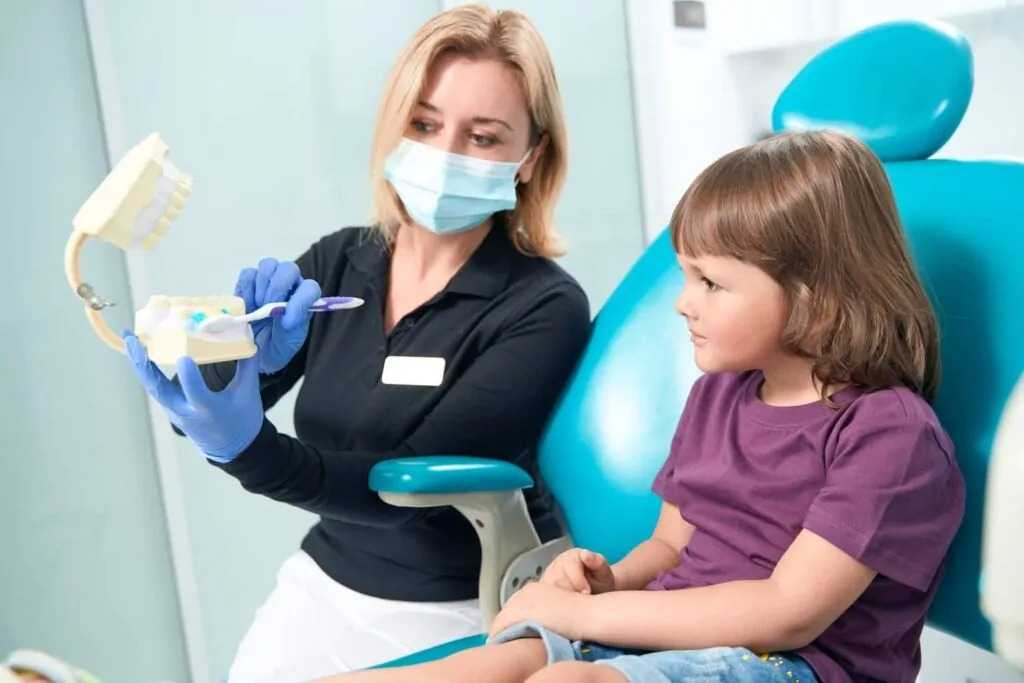
  1. 01 — You can start introducing your child to the dentist as soon as the very first tooth appears. At this stage, it’s important for parents to stay calm and avoid frightening phrases like “it won’t hurt” (which implies it might) or “if you’re scared, then…” Instead, speak gently and matter-of-factly: something like “the doctor is going to take a look at your teeth” is just right.

    02 — To make cavity treatment as stress-free as possible for young children, consider scheduling an introductory “meet the dentist” visit first — an appointment with no treatment involved. The child simply gets to explore the office, meet the dentist, and see the instruments in a calm, playful setting. This is invaluable for building trust and easing dental anxiety.

    03 — At home, playing “dentist” can also have a wonderfully calming effect, as can children’s books, cartoons, and stories about going to the dentist.

    04 — After your child’s treatment: avoid eating for 1–2 hours if anesthesia was used, and stick to soft, non-hot foods for the rest of the day. Avoid vigorous physical activity on the day of treatment. Schedule the next routine check-up in 3–6 months, or as recommended by your dentist.

Cavity Prevention in Children

Preventing cavities at home calls for a consistent, well-rounded approach. This means brushing teeth twice a day, using age-appropriate children’s toothpaste, establishing healthy eating habits and limiting sugary foods, and visiting the dentist regularly — at least every six months.

From a clinical standpoint, preventive measures such as fissure sealants and fluoride treatments are also recommended, though these should be discussed and agreed upon with your dentist. It’s worth understanding that prevention is always less expensive than treatment — and the cost of treatment only climbs when complications develop. Taking prevention seriously pays off in every sense of the word: it protects both your family’s finances and your peace of mind.

We work with all insurance companies

On this page Contents of the page

icon

Dental services