Special offer! Comprehensive professional teeth cleaning for only 1699 UAH.
Special offer! Comprehensive professional teeth cleaning for only 1699 UAH.
Special offer! Comprehensive professional teeth cleaning for only 1699 UAH.
Special offer! Comprehensive professional teeth cleaning for only 1699 UAH.
Special offer! Comprehensive professional teeth cleaning for only 1699 UAH.
Special offer! Comprehensive professional teeth cleaning for only 1699 UAH.
Special offer! Comprehensive professional teeth cleaning for only 1699 UAH.
Special offer! Comprehensive professional teeth cleaning for only 1699 UAH.
Special offer! Comprehensive professional teeth cleaning for only 1699 UAH.
Special offer! Comprehensive professional teeth cleaning for only 1699 UAH.
Sign up
 (044) 394 90 94
(044) 394 90 94  Holosiivska/Demiivska metro station
Sign up
(044) 394 90 94
(044) 394 90 94
Doctors


 Prices
Blog
Contacts
Prices
Blog
Contacts
пр.Лобановського, 130, Київ, Україна
Temporarily closed
Opening soon
78A, Irpinska St., Kyiv, Ukraine
Temporarily closed
Opening soon
32A, Heroiv Dnipra St., Kyiv, Ukraine
Temporarily closed
Opening soon
9B, Yevhena Chykalenko St. (Pushkinska), Kyiv, Ukraine
Temporarily closed
Opening soon
(044) 394 90 94
Back
Dentistry
General Dentistry
Dental surgery
Dental Implants
Maxillofacial Surgery
Dental prosthetics
Cosmetic dentistry
Professional Dental Hygiene

Periodontics
Orthodontic dentistry

Gnathology & TMJ Therapy
Pediatric Dentistry
Dental X-Rays
Back
Orthodontic Center
Orthodontic dentistry
Gnathology & TMJ Therapy
Back
Prosthodontic Center
Dental prosthetics
Back
MED-DEO Center for Maxillofacial Surgery & Facial Plastics
Maxillofacial Surgery
Plastic surgery
Back
Surgical Dental Center
Dental surgery
Dental Implants
Search on the site


Popular requests
Teeth whitening
Treatment of caries
Wisdom tooth extraction
Bracket system
Dental veneers
Tooth restoration
Pediatric dentist
Consultation with a dentist-therapist
Search results by: «».
Unfortunately, no results were found for your search: “Pediatric Endocrinologist”, nothing was found.
You may find these links useful:
Clinics "MED-DEO"
пр.Лобановського, 130, Київ, Україна
Temporarily closed
Opening soon
78A, Irpinska St., Kyiv, Ukraine
Temporarily closed
Opening soon
32A, Heroiv Dnipra St., Kyiv, Ukraine
Temporarily closed
Opening soon
9B, Yevhena Chykalenko St. (Pushkinska), Kyiv, Ukraine
Temporarily closed
Opening soon
Services
Dentistry Orthodontic Center Prosthodontic Center MED-DEO Center for Maxillofacial Surgery & Facial Plastics Surgical Dental CenterGeneral Dentistry
Dental surgery
Dental Implants
Maxillofacial Surgery
Dental prosthetics
Cosmetic dentistry
Professional Dental Hygiene
Periodontics
Orthodontic dentistry
Gnathology & TMJ Therapy
Pediatric Dentistry
Dental X-Rays
Orthodontic dentistry
Gnathology & TMJ Therapy
Dental prosthetics
Maxillofacial Surgery
Dental surgery
Dental Implants

Bruxism is the involuntary clenching or grinding of teeth, most commonly occurring during sleep. Since this process happens unconsciously, many people remain unaware of the problem for extended periods—until symptoms like tooth wear, jaw pain, or morning discomfort appear.
Research indicates that bruxism affects 8–15% of adults and approximately 15–30% of children. In childhood, it’s often temporary, whereas in adults, it can progress without treatment. Importantly, when addressed promptly by specialists, bruxism can be successfully managed, and modern treatment methods help prevent tooth damage and complications.
What Is Bruxism and How Does It Manifest?
Bruxism is a dental disorder classified in medicine as a parafunction of the masticatory muscles. Another term for this condition is odonterism. It manifests as involuntary jaw clenching or teeth grinding that occurs without conscious control.
The mechanism behind bruxism involves uncontrolled contractions of the chewing muscles. These muscles remain in a state of heightened tension, causing rhythmic or sustained movements of the lower jaw. These movements lead to teeth grinding, accelerated enamel wear, temporomandibular joint (TMJ) overload, and muscle pain.
There are two types: nocturnal and diurnal bruxism. The daytime form is typically stress-related and manifests as a habit of clenching teeth tightly during work or emotional stress. Nocturnal bruxism occurs during sleep and is beyond the patient’s control.
During sleep, teeth grinding most often appears during light sleep phases or brief micro-awakenings. These episodes last an average of 5–10 seconds and can repeat several times throughout the night. Because of this, people often remain unaware of the problem until dental or muscular symptoms emerge.
Nocturnal Bruxism
Why do people grind their teeth in their sleep? Nocturnal bruxism is the most common form, occurring during sleep without conscious control. Patients typically don’t realize they’re grinding or clenching their teeth, so the problem can go unnoticed for years.
During sleep, involuntary contractions of the jaw muscles occur, accompanied by characteristic grinding or forceful jaw clenching. Often, these sounds are noticed by partners or family members, while the person experiencing bruxism only encounters the consequences—jaw pain, muscle tension, and headaches upon waking.
Nocturnal bruxism is associated with light sleep phases and brief micro-awakenings. It frequently coexists with other sleep disorders such as snoring, sleep apnea, or restless sleep, which increases the risk of tooth damage and masticatory system overload.
Diurnal Bruxism
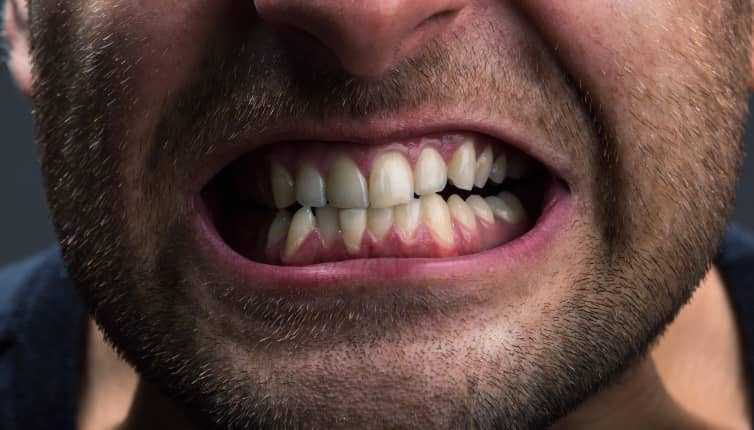
Diurnal bruxism manifests as conscious or semi-conscious jaw clenching without teeth grinding. Unlike the nocturnal form, it occurs while awake and is most often linked to stress, tension, and prolonged concentration.
Typical situations that trigger diurnal bruxism include working at a computer, studying, driving, or performing complex tasks. During these moments, people unconsciously clench their teeth, leading to overstrained jaw muscles and jaw pain.
To reduce diurnal bruxism symptoms, it’s important to learn to control jaw positioning. Simple awareness techniques help—reminders in the form of sticky notes and the “soft tongue” technique, which promotes muscle relaxation and helps form the habit of keeping teeth apart.
Causes of Bruxism
Bruxism typically has a multifactorial nature and rarely stems from a single cause. Often, several factors act simultaneously, exacerbating the problem, which is why understanding their sources is crucial for successful treatment. The main causes of bruxism fall into three categories:
- Psychological: stress, anxiety, emotional tension
- Neurological: nervous system dysfunction, excessive muscle excitability
- Dental: bite problems, improper tooth positioning, masticatory system overload
Identifying the primary cause of bruxism enables effective treatment selection, elimination of teeth grinding, and prevention of complications.
Psychological Causes of Bruxism
Stress is one of the primary causes of bruxism. Chronic emotional strain, anxiety disorders, depression, and neurotic conditions increase the risk of involuntary teeth clenching or grinding during sleep.
Personality traits and temperament play an important role: perfectionism, heightened responsibility, tendency toward worry and excessive anxiety can trigger jaw muscle tension.
In children and adolescents, psychological factors frequently cause bruxism as well. Emotional instability, academic overload, or conflicts at home can manifest as involuntary teeth grinding, requiring parental attention and specialist oversight.
Neurological Causes of Bruxism
Neurological factors often trigger bruxism by affecting muscle tone regulation and provoking involuntary jaw clenching. Disturbances in the central or peripheral nervous system can lead to excessive masticatory muscle activity.
Bruxism frequently accompanies other neurological symptoms: sleepwalking, enuresis, tremors, nightmares, or epileptic manifestations. Trigeminal nerve damage is particularly significant, as it directly affects the jaw muscles.
Additional factors include psychotropic medication side effects, spinal issues, sleep-disordered breathing (apnea), and magnesium deficiency, which intensifies muscle contractions. All these factors can mutually reinforce bruxism manifestations, making comprehensive patient assessment essential for effective treatment.
Dental Causes of Bruxism
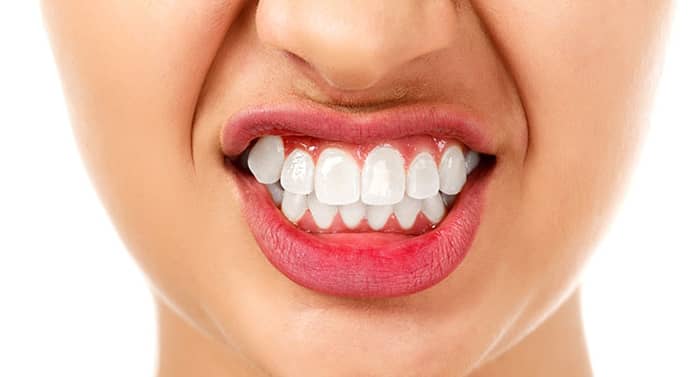
Bruxism often arises from problems with the dentofacial system. Malocclusion—deep bite, open bite, or crossbite—creates uneven load distribution on teeth and jaw muscles, provoking grinding and jaw clenching.
Dental causes also include tooth crowding, missing teeth (edentulism), supernumerary teeth, and substandard dental work: high fillings, crowns, or poorly fitted prosthetics and braces that disrupt natural jaw occlusion.
Additionally, temporomandibular joint pathologies and the habit of chewing on one side contribute to bruxism development. Timely diagnosis of dental factors helps reduce teeth grinding and prevent damage to teeth and jaw muscles.
The Parasite Myth: Why Teeth Grinding Isn’t Linked to Worms
Many people still believe that teeth grinding signals a parasitic infection. This myth has ancient origins: in the past, observations of children who frequently ground their teeth were associated with the prevalence of parasitic diseases. This led to the mistaken belief that bruxism is caused by worms.
Modern scientific research refutes any correlation between parasites and teeth grinding. The mechanism of bruxism is entirely different: it’s linked to involuntary jaw muscle contractions, malocclusion, psychological factors, and neurological disorders. Parasitic activity doesn’t affect the masticatory system, which is why antiparasitic treatment doesn’t eliminate grinding.
Self-medication “for worms” can be dangerous: unnecessary medications, incorrect dosages, and ignoring the real cause of bruxism only harm health. If there’s legitimate suspicion of parasitic infection, separate testing and medical consultation are warranted. However, seeking parasites as the cause of teeth grinding is misguided—bruxism requires evaluation by a dentist and, if necessary, a neurologist or sleep specialist.
Thus, the parasite myth should be considered both outdated and dangerous, as it distracts from proper diagnosis and effective bruxism treatment.
Symptoms and Signs of Bruxism
Bruxism presents with various symptoms that can signal the problem. It’s important to pay attention not only to what the patient experiences but also to signs noticed by others.
Symptoms experienced by the person:
- Tension or pain in jaw muscles
- Feeling of jaw fatigue after sleep
- Headaches, especially in the temple area
- Increased tooth sensitivity
- Difficulty opening the mouth
Signs noticeable to others:
- Grinding or clenching sounds during sleep
- Restless or interrupted sleep
- Frequent nighttime awakenings
- Facial muscle tension
Early diagnosis of bruxism enables timely treatment initiation, preventing tooth wear, temporomandibular joint pathology development, and chronic muscle pain.
Primary Symptoms of Bruxism
Bruxism often manifests with these signs:
- Morning headaches, particularly in the temples
- Fatigue and tension in jaw muscles after sleep
- Jaw pain or discomfort
- Stiffness and difficulty opening the mouth in the morning
- Tension in facial and neck muscles
- Temporomandibular joint (TMJ) discomfort
- Increased tooth sensitivity and pain when chewing hard foods
- Sleep disruption and daytime drowsiness
It’s important to recognize these bruxism symptoms as early as possible to begin treatment promptly and prevent tooth wear, muscle pain, and TMJ problems.
Dental Consequences of Bruxism
Bruxism can lead to serious changes in teeth and bite that require dental attention. The most common consequences include:
- Pathological tooth wear, especially on chewing surfaces
- Enamel cracks and chips
- Destruction of fillings and crowns
- Dentin exposure and increased tooth sensitivity
- Gum recession and tooth loosening
- Changes in smile aesthetics
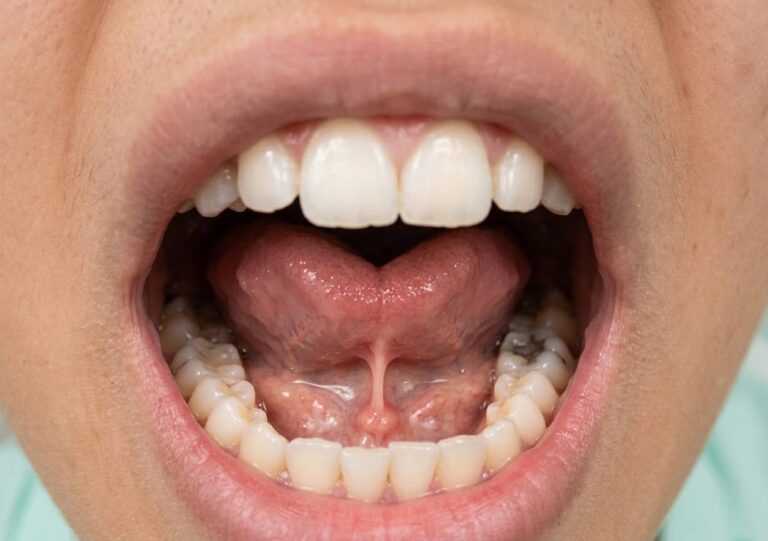
- Tooth impressions on tongue and inner cheek surfaces
- Altered bite height
Detecting these changes early helps preserve teeth, avoid further destruction, and prevent temporomandibular joint dysfunction. Timely bruxism treatment protects teeth and jaw muscles from excessive stress.
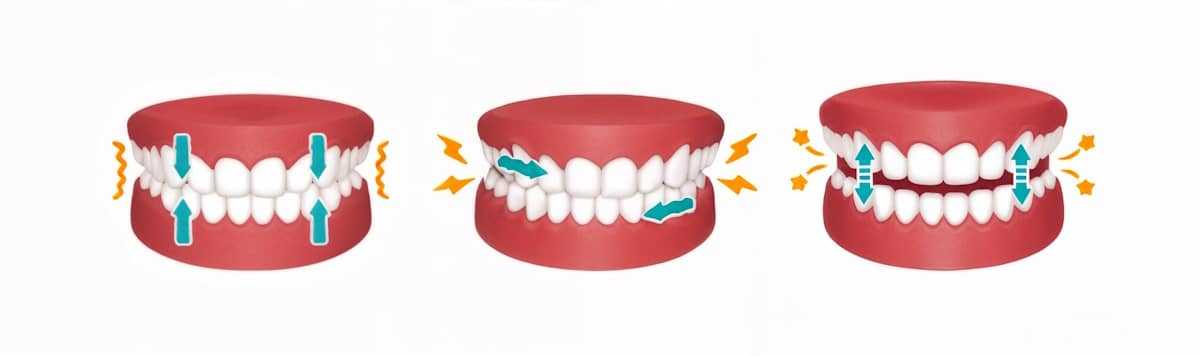
Bruxism in Children: Characteristics and Approaches
What is bruxism in children? Pediatric bruxism has unique characteristics and often differs from the adult form. In many cases, teeth grinding in children is temporary and related to baby tooth development, bite changes, or active sleep periods. This childhood bruxism typically doesn’t require treatment and resolves spontaneously.
However, certain signs warrant specialist consultation: frequent jaw pain, excessive tooth wear, sleep disturbances, or nighttime restlessness. In such cases, a dentist or pediatrician can assess the dentofacial system’s condition and recommend individualized correction methods if necessary.
Early diagnosis of childhood bruxism prevents complications, preserves dental health and normal bite development, and helps children sleep peacefully without pain and discomfort.
When Childhood Bruxism Is Normal
In many children, bruxism is physiological and doesn’t require treatment. It’s most commonly observed in preschool age (up to 6–7 years) when the nervous system is actively developing.
Teeth grinding may occur during tooth eruption—children “exploring” new sensations—and during periods of life adjustment, such as starting daycare or school, or the birth of a younger sibling.
In most cases, this physiological bruxism disappears spontaneously by ages 7–8 and leaves no negative effects on teeth and bite.
When Childhood Bruxism Requires Treatment
Treatment for childhood bruxism is indicated if concerning signs appear:
- Bruxism persists for more than 6 months
- Intense grinding episodes several times weekly
- Visible baby tooth wear
- Child’s complaints of jaw pain or headaches
- Sleep disturbances, frequent nighttime awakenings
- Daytime fatigue and decreased activity
In such cases, consulting a dentist or pediatrician is important to assess the dentofacial system and select effective correction methods if needed. Timely intervention helps prevent complications and preserve dental and bite health.
Consequences and Complications of Bruxism
If left untreated, bruxism can lead to serious problems with teeth and the masticatory apparatus. Constant clenching and nighttime teeth grinding cause progressive enamel wear, cracks and chips, dentin exposure, and destruction of fillings and crowns.
Beyond teeth, surrounding tissues suffer: jaw muscles remain in constant tension, leading to pain in the jaw, temples, neck, and head. Pathological stress on the temporomandibular joint (TMJ) can cause discomfort, limited jaw mobility, and clicking when opening the mouth.
Bruxism also negatively impacts sleep: frequent nighttime grinding episodes cause sleep disruption and daytime fatigue, reducing productivity and quality of life. Timely diagnosis and treatment of bruxism help preserve teeth, muscle health, and normal TMJ function.
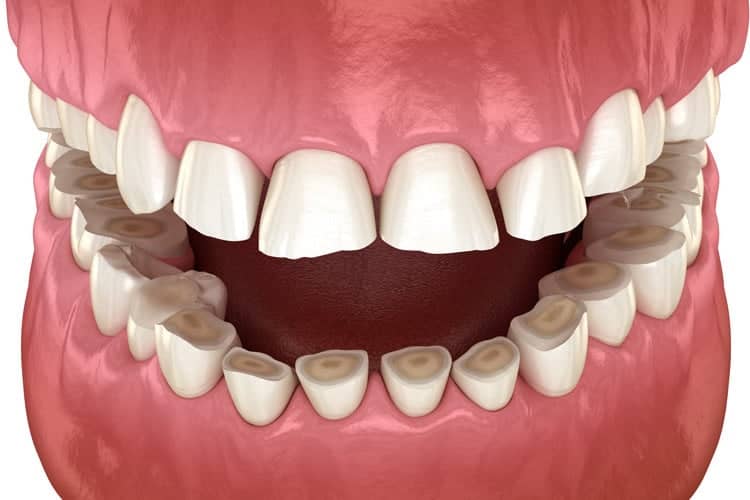
Tooth Destruction from Bruxism
Bruxism leads to gradual tooth destruction. Constant clenching and enamel grinding cause pathological wear, sometimes down to the dentin, which can result in tooth fractures, crown destruction, and even tooth loss requiring complex prosthetic work.
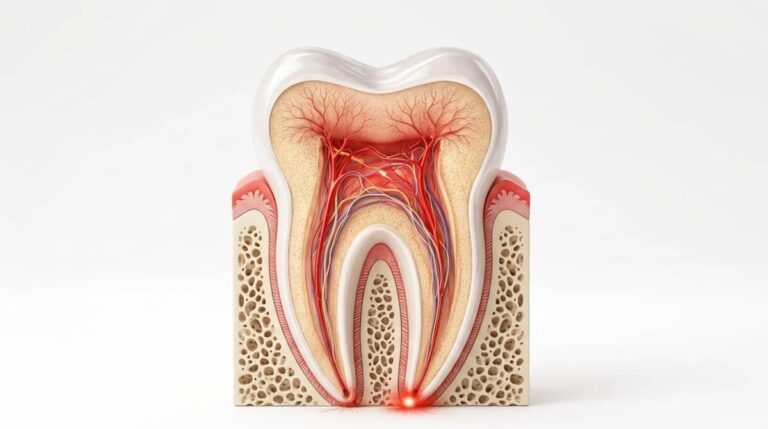
Dentin exposure increases sensitivity to hot, cold, and sweet foods, while damaged areas become more susceptible to cavities. Timely diagnosis and treatment of bruxism help preserve teeth, avoid serious complications, and maintain bite health.
TMJ Pathology and Muscular Problems in Bruxism
Bruxism often leads to temporomandibular joint (TMJ) problems. This can manifest as pain, clicking during jaw movements, and limited mouth opening. In some cases, joint arthritis or arthrosis develops, requiring specialized treatment.
Constant jaw muscle tension causes myofascial pain, muscle hypertrophy, and altered facial contours. Chronic tension headaches frequently develop, and pain may radiate to the neck, ears, and shoulders.
Timely diagnosis and treatment of bruxism help relieve muscle tension, restore TMJ function, and preserve facial aesthetics.
Diagnosing Bruxism
Bruxism diagnosis begins with a dental examination. The doctor assesses tooth condition, noting worn enamel areas, cracks, chips, and other damage. Bite and tooth occlusion are checked to identify uneven jaw loading.
Temporomandibular joint (TMJ) examination includes palpation, mobility testing, and detection of clicking or restricted mouth opening. Tooth impressions on the tongue and inner cheek surfaces are also evaluated, along with jaw muscle condition—checking for tension, hypertrophy, or pain.
This comprehensive approach enables accurate bruxism detection, cause identification, and effective treatment selection for preserving teeth and jaw health.
Treating Bruxism: Modern Methods
How to treat bruxism? Effective bruxism treatment requires an individualized approach, as methods are selected based on causes—psychological, neurological, or dental.
Achieving results typically requires a multidisciplinary approach: a dentist assesses tooth and bite condition, a neurologist helps relieve muscle tension and manage neurological disorders, and a psychotherapist addresses stress, anxiety, and other psychological factors.
Only comprehensive treatment can reduce teeth grinding, prevent tooth destruction and TMJ damage, and improve sleep quality and overall patient condition.
Bruxism Guard: Protecting Teeth and Muscles
The most common way to protect teeth from bruxism is a nighttime occlusal guard or splint. It’s custom-made from an impression of the patient’s teeth and can be soft or hard plastic. The guard evenly distributes load on teeth, prevents wear, and helps relax jaw muscles.
Protective guards shield teeth, while myorelaxant guards additionally reduce jaw muscle tension.
It’s important to understand that a guard doesn’t cure bruxism or eliminate its cause—it only prevents consequences, protecting teeth and reducing complication risks for the temporomandibular joint.
Botox for Bruxism Treatment
Botulinum toxin (Botox) is used for treating severe bruxism cases when other methods prove ineffective. Injections are administered into jaw muscles, primarily the masseters, causing temporary relaxation and reduced clenching force.
The procedure is performed on an outpatient basis, painlessly, with several injections per muscle. Effects become noticeable within 5–7 days and last 4–6 months. Additionally, Botox can reduce jaw muscle hypertrophy, improving facial contours.
Contraindications include allergy to the medication components, nervous system diseases, pregnancy, and lactation. Possible side effects include temporary muscle weakness, mild swelling, and bruising at injection sites. Botox is an effective method for controlling intense bruxism but should only be administered by a specialist after examination.
Medication Therapy for Bruxism
Medication treatment for bruxism is used in cases of pronounced muscle tension or psycho-emotional triggers. Muscle relaxants are used in short courses to reduce jaw muscle tone while avoiding side effects.
If bruxism is stress- or anxiety-related, doctors may prescribe sedatives or mild tranquilizers. For magnesium deficiency, supplementation helps reduce muscle spasms. For sleep disturbances, short-term sleep aids are used.
It’s important to remember that medication therapy is individually tailored and self-medication is dangerous. Taking medications independently can worsen the condition and cause unwanted side effects. Timely medical consultation ensures safe and effective bruxism treatment.
Dental Treatment for Bruxism
How to professionally treat bruxism in children? Dental intervention is a key element of bruxism treatment, especially when the problem relates to bite or tooth damage. Orthodontic methods—braces or aligners—are used to correct bite, helping evenly distribute load on jaws.
Substandard fillings and prosthetics that interfere with proper tooth occlusion are replaced with new ones. When necessary, selective tooth grinding is performed to optimize occlusion and restore natural tooth contact. Missing teeth are replaced with prosthetics to ensure even load distribution across the entire dentofacial system.
Additionally, dentists treat temporomandibular joint (TMJ) pathologies resulting from prolonged bruxism. A comprehensive dental approach helps preserve teeth, prevent destruction, and improve jaw function.
Psychotherapy and Relaxation Techniques for Bruxism
Psychotherapy helps address the psychological causes of bruxism and reduce muscle tension. Psychoanalysis and psychological counseling help identify underlying sources of stress and anxiety that trigger teeth grinding.
Various stress management techniques are effective: meditation, breathing exercises, progressive muscle relaxation. These help patients relax jaw muscles and normalize sleep.
For children, art therapy is particularly beneficial, using drawing and creative exercises to reduce emotional tension and promote natural resolution of childhood bruxism. Comprehensive psychotherapy combined with dental and medication treatment addresses not just symptoms but root causes, significantly enhancing overall therapy effectiveness and reducing recurrence risk.
Preventing Bruxism
Simple yet effective preventive measures help prevent bruxism or reduce recurrence risk. First, focus on lifestyle and daily habits.
Key measures include: avoiding stressful situations, maintaining regular sleep and proper rest schedules, controlling caffeine and alcohol consumption, and avoiding gum chewing or conscious teeth grinding. Exercises for relaxing jaw muscles, proper nutrition, and maintaining overall dental and bite health are also beneficial.
Timely prevention helps preserve teeth, avoid temporomandibular joint pathologies, and reduce the likelihood of developing chronic bruxism.
Frequently Asked Questions (FAQ)
Is teeth grinding linked to parasites?
No, bruxism isn’t related to parasites. It’s a muscular-psychological or dental phenomenon.
Can bruxism be cured permanently?
Complete cure is difficult, but comprehensive treatment reduces symptoms and protects teeth.
Does Botox help?
Yes, Botox relaxes jaw muscles, reducing grinding for 4–6 months, but doesn’t eliminate the underlying cause.
Why do teeth grind during sleep?
Due to involuntary jaw muscle contractions during sleep, stress, malocclusion, or sleep problems.
Is bruxism dangerous in children?
In most cases, it’s a physiological phenomenon that disappears by ages 7–8. Consultation is needed if there’s pain, tooth wear, or sleep disturbances.
How can you tell you have bruxism if you sleep alone?
Symptoms include: morning headaches, jaw pain or tension, stiffness when opening mouth, enamel wear. Dental diagnosis provides more accurate problem identification.
Authored by Kateryna Stanislavivna Sazhneva,
Medical Director of Med-Deo Clinic, Senior Pediatric Dentist



Make an appointment
You can make an appointment by filling out the application form on the website, as well as using instant messengers:
Make an appointment
You can make an appointment by filling out the application form on the website, as well as using instant messengers:


Make an appointment easily using chatbots:
Also, call the numbers:
Modern dentistry and medical centre "MED-DEO"
Choose a clinic whose location is more convenient for you.
Kyiv, Holosiivska/Demiivska metro station
130 Lobanovskoho Avenue


Working hours:
Mon - Sun: 8:00 AM - 9:00 PM
No days off!
Call the numbers:
How to get to us? Create a route
Create a route
Kyiv, Akademistechko metro station
78A, Irpinska str.


Working hours:
Mon-Sun: 8.00-21.00
Without days off!
Call the numbers:
How to get to us?
Create a route
Create a route
Kyiv, Heroiv Dnipra metro station
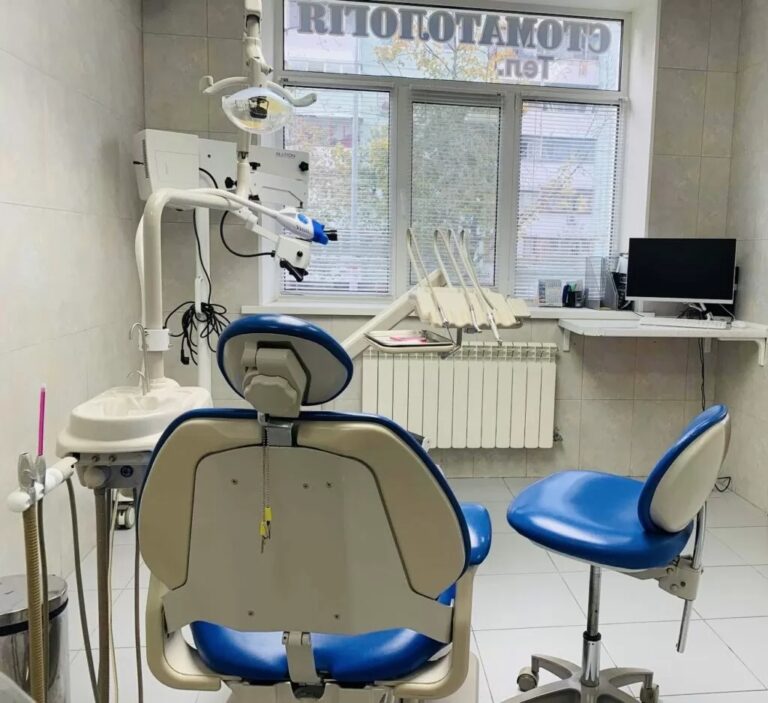
32A, Heroiv Dnipra str.
Working hours:
Mon-Sun: 8.00-21.00
Without days off!
Call the numbers:
How to get to us?
Create a route
Create a route
Kyiv, Teatralna metro station
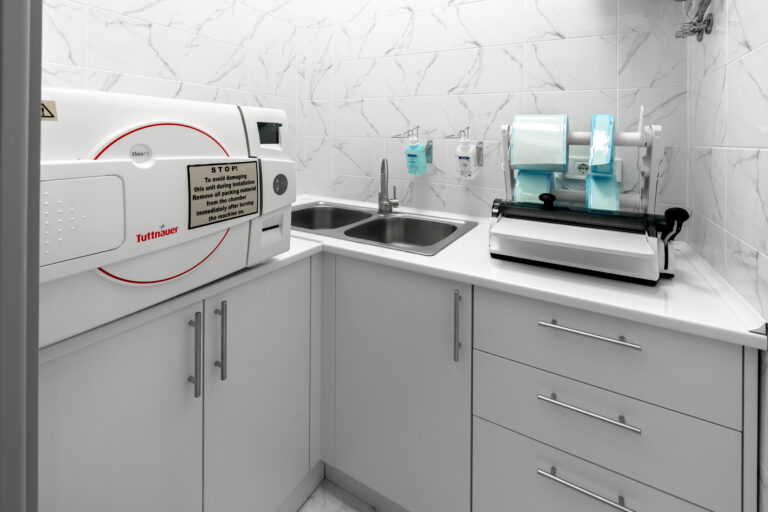
9B, E. Chykalenko (Pushkinska) str.



Working hours:
Mon-Sat: 8.00 - 21.00. Sun: by appointment.
Without days off!
Call the numbers:
How to get to us?
Create a route
Create a route
Відгук від клієнта
0:00
0:00


Your email will not be published on the site.