37809
Services Doctors
Clinics

пр.Лобановського, 130, Київ, Україна

Temporarily closed

Opening soon

стоматологія на лобановського

78A, Irpinska St., Kyiv, Ukraine

Temporarily closed

Opening soon

IMGP4938

32A, Heroiv Dnipra St., Kyiv, Ukraine

Temporarily closed

Opening soon

2024-10-23 11.56.42

9B, Yevhena Chykalenko St. (Pushkinska), Kyiv, Ukraine

Temporarily closed

Opening soon

IMGP5161
Prices Blog Contacts
Back Dentistry

Clinics "MED-DEO"

пр.Лобановського, 130, Київ, Україна

Temporarily closed

Opening soon

стоматологія на лобановського

78A, Irpinska St., Kyiv, Ukraine

Temporarily closed

Opening soon

IMGP4938

32A, Heroiv Dnipra St., Kyiv, Ukraine

Temporarily closed

Opening soon

2024-10-23 11.56.42

9B, Yevhena Chykalenko St. (Pushkinska), Kyiv, Ukraine

Temporarily closed

Opening soon

IMGP5161

Services

Dentistry

Service statistics

icon

More and more clients choose «MED-DEO»

65390

Number of services provided

63267

Number of patients who received the service

for free* * subject to treatment in the clinic

Appointment by phone:

(044) 394 90 94

Prices for a stump insert:

Service name

Price, UAH.

Crowns

from 5700

Sign up

Stump insert for non-metal structures (installation)

3200

Sign up

Coccyx insert based on KHS (installation)

1600

Sign up

Consultation with a dentist on oral care

390

Sign up

Injectable anesthesia (use)

350

Sign up

Computer-aided injection anesthesia (use)

600

Sign up

Individual set "Cofferdam", ''RUBBER-DAM'' (use)

350

Sign up

Individual set ''Optra Gate'' (use)

250

Sign up

Examination of 1 tooth

240

Sign up

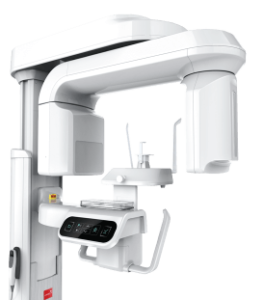
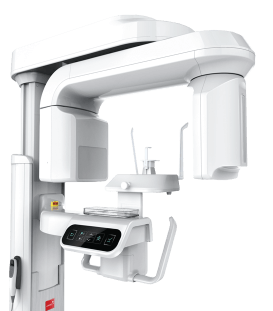
Panoramic shot (OPTG)

440

Sign up

CT scan of the upper and lower jaw

1200

Sign up

Taking an impression with A-silicone mass

700

Sign up

Taking an impression with C-silicone mass

450

Sign up

Digital fingerprinting

1100

Sign up

Collapsible stump insert based on KHS (installation)

2100

Sign up

Detachable stump insert based on KHS (with 2 pins) (installation)

2400

Sign up
Popular questions on the topic

What is a stump insert?

A stump insert is an individually manufactured dental structure that restores the destroyed part of a tooth and creates a reliable “base” (stump) for further prosthetics, usually under a crown.

Which tooth inlay is best?

A core inlay is a custom-made structure that restores a severely decayed tooth and serves as the base for a crown. It is very strong and durable, but takes longer to make and is more expensive. A fiberglass post is placed quickly in one visit, is gentle on the root, and is cheaper, but is not as strong and is more suitable for front teeth or those that are partially decayed.

How is an inlay different from a crown?

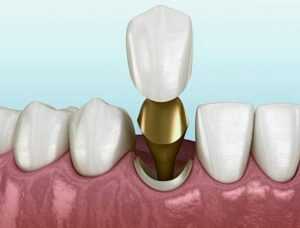
An inlay and a crown are different things, although they often go together. An inlay (core) restores the “core” of a damaged tooth and creates a strong base. A crown is a “cap” that is placed over the tooth or inlay. It restores the shape, color, and takes on the chewing load.


A core inlay is a way to "save" a tooth when it is already severely damaged and a regular filling will not help.

It creates a strong foundation on which a crown is then placed. Thanks to this, even a problem tooth can look natural and perform its function again.

Reviews about removable dentures at Med-Deo

Leave a review
5

Based on reviews

Based on reviews

Олег

2026-05-17

Лікар усе пояснив і працював дуже обережно. Відчувається якісний та професійний підхід. Дякую за комфортне лікування.

Катерина

2026-04-15

Ставили куксову вкладку перед коронкою. Лікар усе пояснив і працював дуже акуратно. Відчувається надійність конструкції. Процес пройшов спокійно.

Лариса

2026-03-31

Давно хотіла покращити посмішку. Лікар детально пояснив процес і допоміг підібрати форму. Результат виглядає природно. Дуже задоволена.

Сергій

2026-02-16

Протезування змінило якість мого життя. Раніше постійно обмежував себе в їжі. Зараз їм спокійно і впевнено.

Надія

2026-01-12

Зуб був сильно зруйнований, і я думала, що його доведеться видаляти. Лікар запропонував куксову вкладку як надійне рішення. Все зробили дуже точно і якісно. Зуб вдалося зберегти, за що я дуже вдячна.

Олена

2025-12-08

Я навіть не знала, що таке куксова вкладка, але лікар Олексій усе доступно розповів. Робота виконана дуже якісно, зуб виглдає ідеально. Відчувається професійний підхід і досвід.

Артем

2025-11-04

Після зламаного під корінь зуба мені поставили куксову вкладку, щоб відновити опору під коронку. Лікар зробив усе дуже акуратно, чітко за розміром, і відчувається як частина зуба. Тепер коронка тримається ідеально, а зуб виглядає повністю відновленим.

Ірина

2025-10-01

Поставив металокерамічні коронки на жувальні зуби, тепер можу нормально їсти й посміхатись без сорому. Виглядають натурально, тримаються надійно. Особлива подяка лікарю за терпіння і майстерність, усе зроблено професійно й акуратно.

Ірина

2025-09-09

Зуб був дуже зруйнований, але лікар врятував його за допомогою куксової вкладки та коронки. Виглядає як новий!

Світлана

2025-06-20

Дякую лікарю за те, що не видалив зуб, а відновив його коронкою на вкладці. Це надійно і виглядає дуже красиво.

Вікторія

2025-05-07

Завдяки вкладці й коронці вдалося зберегти проблемний зуб. Робота виконана ідеально, виглядає природно, дякую лікарю Оксані за дездоганну роботу!

Show more Hide

What is a stump insert and why is it needed?

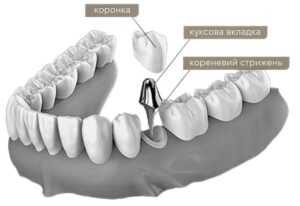
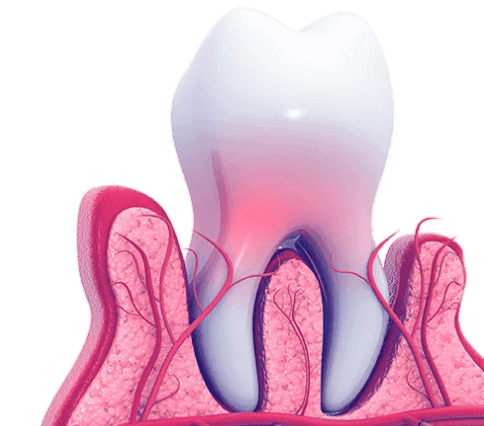
Куксова вкладкаA core build-up inlay (core post) is a way to give a second life to a tooth that is almost completely destroyed. Sometimes, only fragments or thin walls remain of the tooth crown, making it impossible to place a filling because it simply won’t hold. In such cases, a dentist can use a core inlay. It is placed into the root of the tooth, essentially restoring the “core” and shape, which can then be covered with a crown.

Why is an inlay needed under a crown? Effectively, the inlay becomes the foundation: without it, the crown would have no support, but with it, even a severely damaged tooth can look natural again, withstand chewing pressure, and function normally. This is one way to avoid extraction and preserve your own tooth, even when it seems like there is no chance left.

Indications for the use of a stump insert

A core build-up inlay is not needed in every case, but only when a tooth is severely destroyed and cannot be restored using conventional methods. Imagine a situation: only thin walls or even just a “stump” remains of the tooth after an old filling or decay. If you place a regular filling or even a post there, it won’t last long—it will simply break off while chewing. That is exactly when a doctor may suggest a core inlay.

It is indicated when:

  • The crown part of the tooth is almost completely lost, but the root is still strong and healthy.
  • A reliable support needs to be created for a future crown or even a bridge.
  • The tooth is unevenly destroyed, and a proper shape must be created so the prosthesis sits evenly.
  • The tooth became brittle after root canal treatment, and a regular post will not be enough.
  • There is a risk that a filling or build-up will quickly break.
Simply put, a core build-up inlay is placed in cases where the tooth cannot be saved without it, but there is still a chance to preserve the root instead of extracting it. It helps to “restore the foundation” so that a crown can later be placed on it, returning the tooth to its normal appearance and function.
Need a
Diagnostic?

Call to book an appointmen

(044) 394-90-94

Sign up
icon icon
дагностика 1

Advantages and disadvantages of abutment inlays

Advantages of core build-up inlays:

  • Strength and durability. The inlay holds securely in the root and withstands heavy loads, especially on chewing teeth.
  • Preservation of your own tooth. Even if nothing is left of the crown, but there is a healthy root, the tooth can be saved instead of extracted.
  • Reliable foundation for a crown. Thanks to the inlay, the crown holds better and lasts longer.
  • Precise shape. The inlay is made individually in a laboratory, so it perfectly restores the tooth’s “foundation.”
  • Even load distribution. This reduces the risk of root fractures compared to regular posts.
Disadvantages:
  • Price. The cost is higher than that of regular posts or fillings.
  • Time. The process takes longer because it requires impressions, dental technician work, and a follow-up visit.
  • Intervention in tooth tissues. To make an inlay, the doctor must shape the cavity and canals for it, which sometimes requires removing additional tissue.
  • Not always possible. If the root is damaged, or if there is severe inflammation or a fracture, an inlay cannot be placed.
To sum up: a core build-up inlay is the “happy medium” between extraction and reliable tooth restoration. It requires more time and money but provides a stable result for years.

Types of stump inserts

Куксова вкладкаWhat types of inlays for crowns are there? Core build-up inlays differ both in material and in the method of manufacturing.

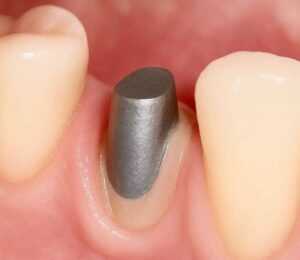
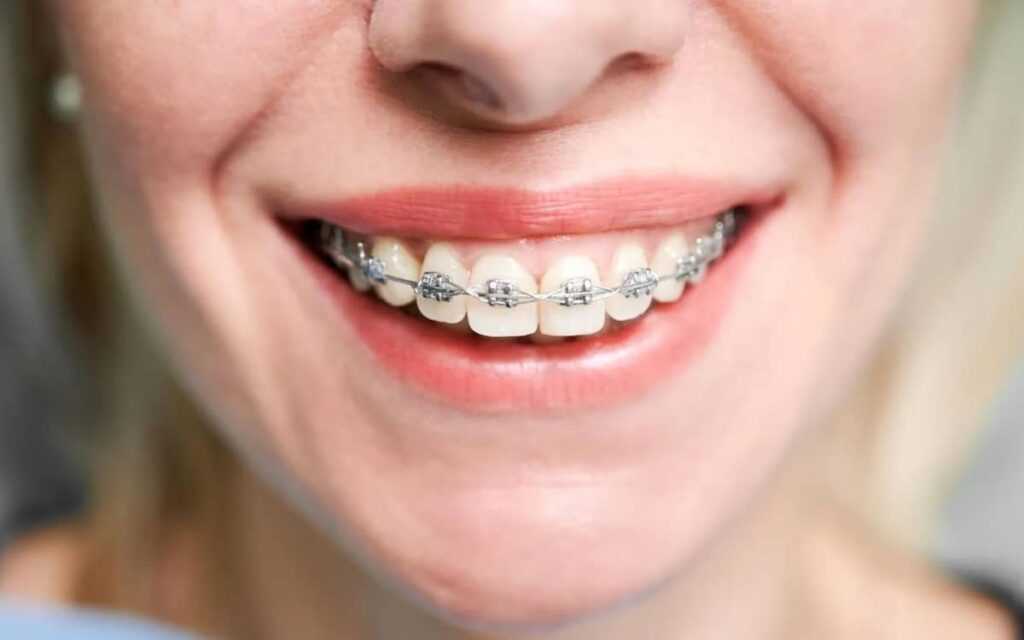
  • Metal – the strongest and most reliable, they withstand chewing pressure well. However, they have a downside: they are not very aesthetic and can shine through the crown. Therefore, they are more often placed on chewing (posterior) teeth.
  • Ceramic – they look very natural and are invisible under the crown, making them perfect for front (anterior) teeth. Their strength is slightly lower than that of metal, but the aesthetics win.
  • Combined – when there is metal inside, and the top is covered to look “like a tooth.” This is a compromise between strength and beauty.
  • Zirconia core inlay – combines the strength of metal with the aesthetics of a natural tooth. The material is white, does not darken over time, does not shine through the crown, and looks as natural as possible. Additionally, a zirconia inlay is biocompatible, meaning it does not cause allergic reactions and integrates well in the oral cavity.

By manufacturing method, there are also options:

  • Cast inlays are made in a laboratory based on a tooth impression—they are the most precise and last longer.
  • Direct inlays (composite) can be made by the doctor right in the chair during a single appointment. This is faster and cheaper, but they are inferior to cast inlays in terms of strength.

In simple terms:

  • If maximum strength is needed – choose metal,
  • If beauty and natural look are important – choose zirconia or ceramics,
  • If a quick and budget-friendly option is required – go for a composite inlay made right in the chair.
Would you like to undergo treatment?

Make an appointment with a doctor!

Sign up
icon icon
photo

Abutment and pin: what’s the difference?

A core build-up inlay and a post are two ways to save a tooth when it is severely destroyed, but there is an important difference between them.

A post is a thin rod inserted into the root of the tooth, with a filling built up on top. It is done quickly and affordably, and it works well if the tooth walls still remain. However, if the tooth is almost completely destroyed, the filling can break off, and the root itself may fracture.

A core build-up inlay is a more serious construction. It is custom-made in a laboratory; it not only inserts into the root but also restores the tooth’s shape, creating a strong foundation for a crown. This solution costs more and takes more time, but the tooth will last long and reliably afterward.

In simple terms: a post is quick and inexpensive but lasts for a shorter period, while an inlay is reliable and long-term when the tooth is already heavily damaged.

How does prosthetics with inlays work?

Куксова вкладка

Prosthetics with inlays is a method to restore even a severely destroyed tooth so that it looks natural again and fully performs its function. Imagine a situation: a tooth is destroyed by decay or a large old filling, leaving only the root and a few thin walls. A regular filling won’t help here, and this is exactly the case where a core build-up inlay is used.

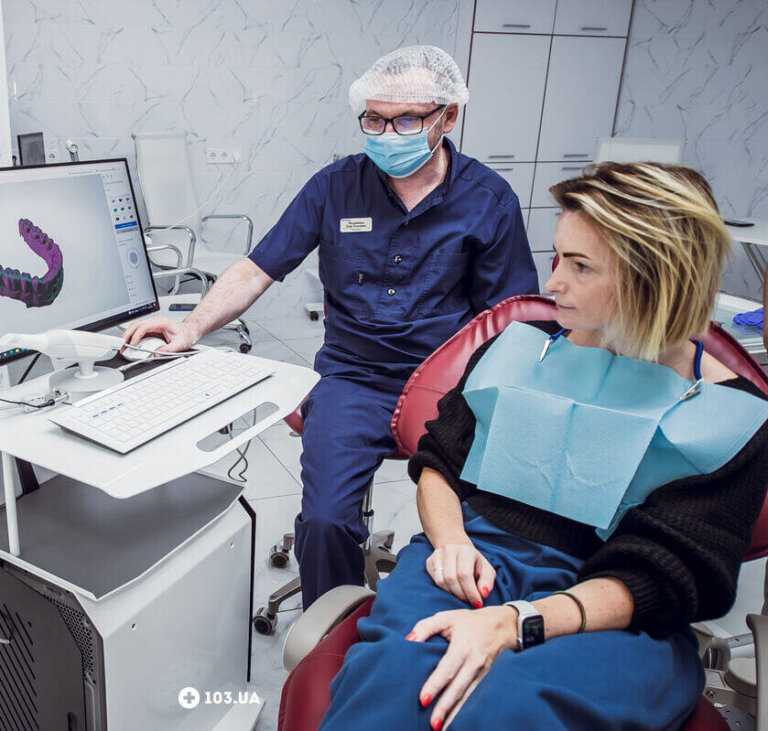
It all begins with a thorough examination of the tooth and root. The doctor treats the root canals, removes the remnants of old fillings and damaged tissues, and prepares the tooth for restoration. Then, the type of inlay is selected, and a precise impression is taken. If the inlay is custom-made, the laboratory fabricates it to perfectly match the shape of the tooth and root.

Once the inlay is ready, it is fixed into the root with a special cement. It restores the internal structure of the tooth, creating a strong foundation on which the crown is then installed. During the try-in stage, the doctor checks the bite, fit, and patient comfort before permanently fixing the crown.

In simple terms, the inlay is the tooth’s foundation, and the crown is its “roof.” Thanks to this approach, even teeth that seem almost lost can be preserved. They look natural, withstand chewing pressure, and last for many years. Most importantly, the patient receives not just a restored tooth, but a fully functional element of their smile that can be used without restrictions in everyday life.


How long do tooth stumps last?

The lifespan of a core build-up inlay (tooth core) depends on several factors:
  • Inlay material. Metal inlays last the longest—often 10–15 years or more. Zirconia and ceramic ones last slightly less, but still 7–12 years with proper care.
  • Condition of the tooth root. If the root is strong and healthy, the inlay will withstand loads longer. If there are fractures or chronic inflammation, the lifespan is shortened.
  • Hygiene and care. Regular brushing, professional check-ups, and avoiding excessive chewing load on one side extend the life of the inlay.
  • Prosthetics quality. A properly manufactured and precisely fitted inlay lasts significantly longer than one made in a rush or poorly customized.

In simple terms: with proper care and a good tooth condition, a core build-up inlay can last 10–15 years or even longer, while the crown placed on top of it will last just as long or slightly less, depending on the material.

Sources:
We work with all insurance companies

On this page Contents of the page

icon

Dental services