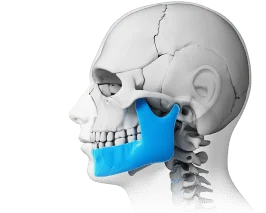
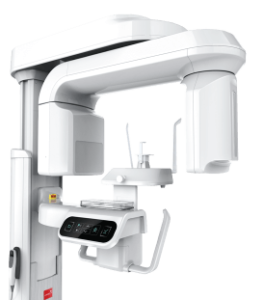
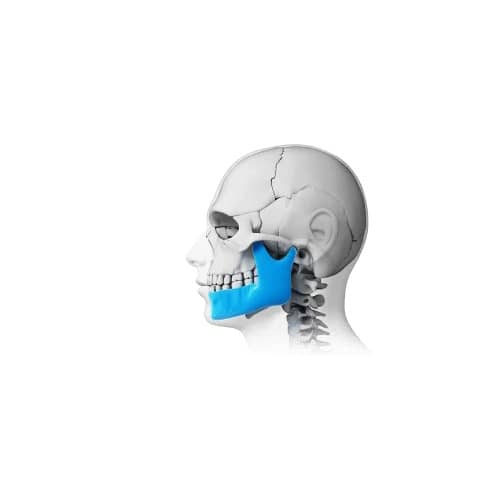
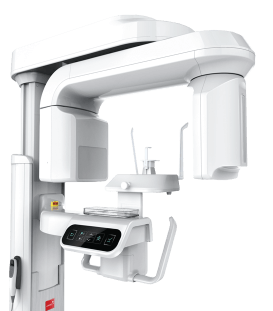
To confirm the diagnosis of an osteoma on the lower or upper jaw, an X-ray is usually performed.
However, in cases of small tumor sizes or for a more detailed examination of the neoplasm’s structure, a computed tomography (CT) scan may be required. Treatment for an osteoma of the upper and lower jaw depends on several factors, including the tumor’s size, location, type, symptoms, and the patient’s general health status. For osteoid osteomas and the presence of osteophytes, surgical treatment is performed, which includes various methods of tumor removal, bone structure correction, and rehabilitative recovery. The specific methods and scope of treatment are determined by the doctor based on diagnosis and individual patient characteristics.
Before the surgery, several preparation steps must be followed:
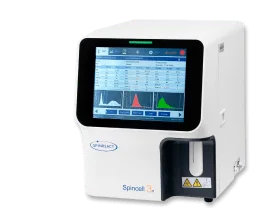
- Laboratory tests are conducted: complete blood count, biochemical parameters, and a coagulogram;
- Medication management: the patient may be prescribed antibiotics and anti-inflammatory drugs;
- Lifestyle adjustments: it is important to follow a special dietary restrictions and abstain from smoking and alcohol consumption for 24 hours prior to the operation.
The operation to remove an osteoma of both the lower and upper jaw is performed under general anesthesia, with surgical access through the oral cavity. After the neoplasm is removed, it is sent to a laboratory for histological analysis. This study helps determine the nature of the pathology — whether it is benign or malignant. Next, the surgeon checks for bleeding or hematoma in the surgical area, places a drain to drain fluid from the surgical site, and sutures the wound layer by layer.
Complete recovery after jaw osteoma removal surgery can take from several weeks to a few months, depending on the patient’s individual characteristics. Sign up for a consultation right now, and our specialists will gladly provide professional medical assistance.
An osteoma that progresses without symptoms and poses no threat to health remains under the observation of specialists and does not require surgical intervention.
 (044) 394 90 94
  Holosiivska/Demiivska metro station























Віктор
2025-03-04
Довго не підозрював, що у мене остеома, поки не почав відчувати дискомфорт у щелепі. Звернувся до клініки, де лікар провів детальну діагностику та запропонував план лікування. Операція пройшла чудово, усе загоїлося швидко. Велика подяка лікарям за професіоналізм!