Special offer! Comprehensive professional teeth cleaning for only 1699 UAH.
Special offer! Comprehensive professional teeth cleaning for only 1699 UAH.
Special offer! Comprehensive professional teeth cleaning for only 1699 UAH.
Special offer! Comprehensive professional teeth cleaning for only 1699 UAH.
Special offer! Comprehensive professional teeth cleaning for only 1699 UAH.
Special offer! Comprehensive professional teeth cleaning for only 1699 UAH.
Special offer! Comprehensive professional teeth cleaning for only 1699 UAH.
Special offer! Comprehensive professional teeth cleaning for only 1699 UAH.
Special offer! Comprehensive professional teeth cleaning for only 1699 UAH.
Special offer! Comprehensive professional teeth cleaning for only 1699 UAH.
Sign up
 (044) 394 90 94
(044) 394 90 94  Holosiivska/Demiivska metro station
Sign up
(044) 394 90 94
(044) 394 90 94
Doctors


 Prices
Blog
Contacts
Prices
Blog
Contacts
пр.Лобановського, 130, Київ, Україна
Temporarily closed
Opening soon
78A, Irpinska St., Kyiv, Ukraine
Temporarily closed
Opening soon
32A, Heroiv Dnipra St., Kyiv, Ukraine
Temporarily closed
Opening soon
9B, Yevhena Chykalenko St. (Pushkinska), Kyiv, Ukraine
Temporarily closed
Opening soon
(044) 394 90 94
Back
Dentistry
General Dentistry
Dental surgery
Dental Implants
Maxillofacial Surgery
Dental prosthetics
Cosmetic dentistry

Professional Dental Hygiene

Periodontics
Orthodontic dentistry

Gnathology & TMJ Therapy

Pediatric Dentistry
Dental X-Rays
Back
Orthodontic Center
Orthodontic dentistry
Gnathology & TMJ Therapy
Back
Prosthodontic Center
Dental prosthetics
Back
MED-DEO Center for Maxillofacial Surgery & Facial Plastics
Maxillofacial Surgery
Plastic surgery
Back
Surgical Dental Center
Dental surgery
Dental Implants
Search on the site


Popular requests
Teeth whitening
Treatment of caries
Wisdom tooth extraction
Bracket system
Dental veneers
Tooth restoration
Pediatric dentist
Consultation with a dentist-therapist
Search results by: «».
Unfortunately, no results were found for your search: “Pediatric Endocrinologist”, nothing was found.
You may find these links useful:
Clinics "MED-DEO"
пр.Лобановського, 130, Київ, Україна
Temporarily closed
Opening soon
78A, Irpinska St., Kyiv, Ukraine
Temporarily closed
Opening soon
32A, Heroiv Dnipra St., Kyiv, Ukraine
Temporarily closed
Opening soon
9B, Yevhena Chykalenko St. (Pushkinska), Kyiv, Ukraine
Temporarily closed
Opening soon
Services
Dentistry Orthodontic Center Prosthodontic Center MED-DEO Center for Maxillofacial Surgery & Facial Plastics Surgical Dental CenterGeneral Dentistry
Dental surgery
Dental Implants
Maxillofacial Surgery
Dental prosthetics
Cosmetic dentistry
Professional Dental Hygiene
Periodontics
Orthodontic dentistry
Gnathology & TMJ Therapy
Pediatric Dentistry
Dental X-Rays
Orthodontic dentistry
Gnathology & TMJ Therapy
Dental prosthetics
Maxillofacial Surgery
Dental surgery
Dental Implants
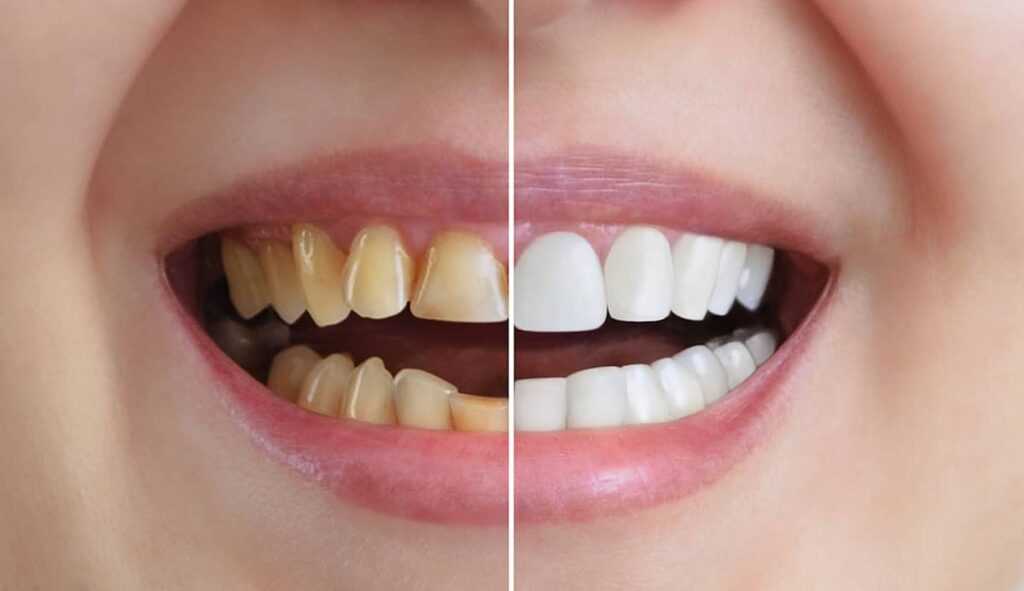

A bright white smile is something nearly everyone dreams of. We all want our teeth to look clean and well-maintained, but without harming the enamel. The internet is flooded with tips and “home remedies” promising quick results, but not all of them are safe. In this article, we’ll explore how to whiten teeth at home safely, which methods actually work, and how to avoid damaging your teeth in pursuit of that picture-perfect smile.
Why Teeth Become Discolored
Over time, even teeth that have been carefully maintained can lose their natural brightness and start looking dull. This doesn’t necessarily mean you’re not brushing properly—enamel color is influenced by countless factors, from lifestyle choices to genetics.
One of the most common causes of tooth discoloration is staining from food and beverages. Coffee, black tea, red wine, beets, soy sauce, and dark berries contain natural pigments that gradually penetrate the microscopic cracks in enamel. When these foods are consumed regularly, stubborn stains form on teeth that are difficult to remove with regular brushing alone.
Smoking causes just as much damage. Tar and nicotine settle on teeth, giving them a yellow-brown tint. What’s more, tobacco smoke reduces natural saliva production, which means the mouth cleans itself more slowly and pigments accumulate even faster.
Age-related changes and genetics also play a significant role. Over the years, enamel becomes thinner and dentin grows darker, so even with perfect oral care, teeth may appear more yellow. Some people are born with naturally more yellowish enamel—it’s a natural characteristic, not a sign of problems.
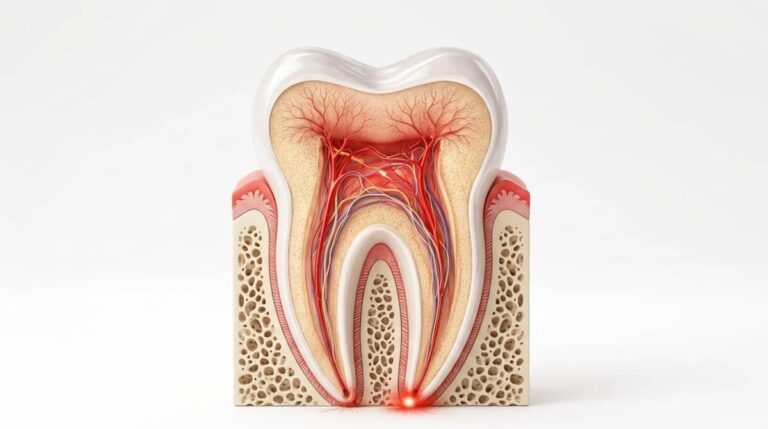
Oral hygiene is equally important. Irregular or superficial tooth brushing leads to soft plaque buildup, which eventually hardens and turns into tartar. Tartar traps pigments and bacteria, creating a “shadow” effect even on healthy teeth and making your smile less radiant.
Another popular but dangerous home whitening method is baking soda. While it can temporarily remove surface stains, its abrasive action damages enamel and disrupts the mouth’s natural pH balance. The results can be counterproductive: increased tooth sensitivity, microcracks, and even accelerated cavity formation.
So, tooth discoloration is a natural process that can’t be completely stopped, but it can be slowed down. The key is maintaining regular hygiene, eating a balanced diet, limiting foods and habits that stain enamel, and avoiding harmful whitening methods. This way, your teeth will stay healthy and naturally white for as long as possible.
Baking Soda as a Home Teeth Whitening Agent
What can you use to whiten teeth at home? Many people dream of white teeth without dental visits, so they often search for simple at-home whitening solutions. One of the most popular “home remedies” is brushing teeth with baking soda. But does it really work, and how safe is it?
Baking soda works through abrasive action—its fine particles mechanically scrub away surface stains and pigments from enamel. On the surface, teeth appear lighter, but this effect is short-lived and can have unpleasant consequences for dental health.
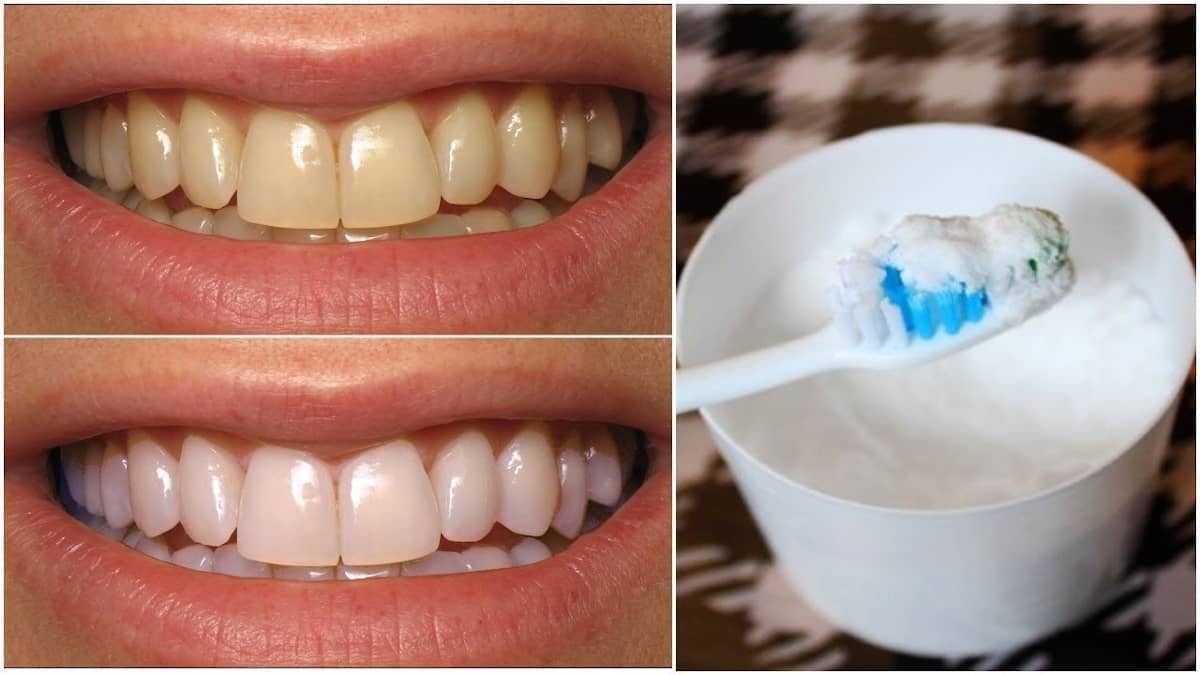
Top 4 Ways to Use Baking Soda for Teeth Whitening
Baking soda is one of the most popular home remedies for teeth whitening. It’s accessible, inexpensive, and seems effective at first glance. However, it’s important to understand that baking soda works through an abrasive mechanism: its fine particles mechanically scrub away plaque and pigments from enamel. This can provide short-term results but simultaneously increases the risk of tooth damage. Let’s examine the most popular methods of using baking soda.
1. Dry Baking Soda
The simplest method is to apply a small amount of powder to your toothbrush and gently brush your teeth. Results may appear after just a few treatments, with teeth looking lighter. However, this method is the most traumatic for enamel. The abrasive particles of baking soda wear away the protective layer, increasing tooth sensitivity to hot and cold, and with frequent use can cause microcracks and accelerated cavity formation.
2. Baking Soda + Water
Adding a few drops of water makes the abrasive effect gentler and brushing easier. This method is slightly safer than dry baking soda, but with frequent use there’s still a risk of increased sensitivity and enamel damage. For safe use, it’s recommended to apply this mixture no more than once every 2–3 weeks and use only a soft-bristled toothbrush.
3. Baking Soda + Hydrogen Peroxide
This method is extremely popular online. Indeed, a mixture of baking soda and hydrogen peroxide can lighten teeth quickly. But hydrogen peroxide is a powerful chemical that destroys enamel and irritates gums. Dentists strongly advise against this method, as the risk of damaging teeth far outweighs the cosmetic benefits. Even a single treatment can lead to increased sensitivity and mucosal inflammation.
4. Baking Soda + Coconut Oil
This is the gentlest of the “folk” methods. Coconut oil moisturizes the mucosa and slightly reduces the abrasiveness of baking soda. The whitening effect is quite limited and typically cosmetic—teeth become slightly cleaner, but no serious lightening occurs. This method is safer than the previous ones, but still shouldn’t be used daily.
If you do decide to try baking soda, do so no more than once every 2–3 weeks, very carefully, without applying strong pressure. The brush should be soft, and after the procedure it’s advisable to rinse your mouth and apply a remineralizing agent or fluoride toothpaste.
Myths and Real Risks
The most common myth is that baking soda is “natural” and therefore safe. In reality, it wears away the protective layer of enamel, exposing the dentin, which makes teeth sensitive to cold and hot. Baking soda can also alter the pH balance in your mouth, creating a favorable environment for bacteria and cavities.
So, while baking soda may provide temporary cosmetic improvement, for safe teeth whitening it’s better to choose professional products or consult a dentist. Home experiments with baking soda often cause more harm than good.
Alternative Natural Methods
Many people seek ways to whiten teeth at home using natural remedies without resorting to professional procedures. TikTok and Instagram are full of advice about activated charcoal, hydrogen peroxide, or even strawberries with lemon. But do these methods really help, and how safe are they for enamel?
Activated Charcoal for Teeth Whitening
Activated charcoal works on the principle of adsorption—it absorbs plaque particles and pigments, making teeth visually cleaner. In the short term, the effect is indeed noticeable, but there’s a flip side. Charcoal particles have sharp edges that act as an abrasive and gradually wear down enamel. Teeth become sensitive, with increased risk of cavity development and gum inflammation.
If you still want to try this method, it’s better to choose toothpastes with activated charcoal rather than brushing with powder. Such pastes undergo testing and contain safe concentrations of charcoal.
Whitening Teeth with Hydrogen Peroxide Paste
Hydrogen peroxide is one of the components used in professional whitening, so it’s logical that people try it at home too. But the difference in concentration is enormous. In dentistry, controlled, safe doses are used under medical supervision, while at home people often mix peroxide with baking soda or add it without precise proportions.
The result is enamel damage, mucosal irritation, gum burns, and even increased tooth sensitivity. If you want to try gentle lightening, choose pastes or gels with low peroxide content (up to 1%) approved by dentists.
Lemon, Strawberries, and Other Acidic “Lighteners”
Folk whitening methods using lemon juice, strawberries, or apple cider vinegar seem attractive because of their quick effect. Acids can indeed dissolve surface plaque, but along with it—the protective layer of enamel too. After several such procedures, teeth become dull, sensitivity to hot and cold appears, and enamel can no longer restore itself naturally.
After any acidic procedures, you shouldn’t brush teeth immediately—it’s better to rinse your mouth with water or neutralize the acid with milk and wait 30–40 minutes before brushing.
Safe Preventive Alternatives
If you want naturally white teeth without harm, the best strategy is prevention. Use fluoride toothpastes that strengthen enamel and mouth rinses with anti-staining components. They not only maintain cleanliness but also prevent plaque from redepositing.
Additionally, it’s helpful to:
- Brush teeth twice daily with a soft-bristled brush
- Limit coffee, tea, and wine
- Get professional dental cleaning every 6 months—it’s safer than any home experiment
Natural remedies for whitening teeth at home may provide short-term effects, but most damage enamel and cause sensitivity. If you’re aiming for a brilliant white smile—choose proven methods: professional whitening or gentle whitening toothpastes.
Dentist’s Tips for Safe Teeth Whitening
Having a white smile isn’t just about beauty—it’s about confidence too. But the golden rule of any whitening is not to harm the enamel. Dentists emphasize: before starting any procedures, you need to understand how often they can be done, what exactly to brush teeth with, and when to see a specialist.
How Often Can You Whiten Teeth
Whitening puts stress on enamel, so even the most delicate methods shouldn’t be performed too frequently.
- Professional whitening (laser or gel) is recommended no more than once every 12–18 months
- At-home whitening products—pastes, strips, or gels—are safe only when used in courses of 2–4 weeks, no more than 2–3 times per year
Between procedures, it’s important to give teeth a rest, use remineralizing products, and fluoride or calcium toothpastes to restore enamel.
How to Choose a Toothbrush and Whitening Paste
How do you whiten teeth without damaging enamel? Dentists advise paying attention not only to the “whitening effect” but also to the paste’s abrasiveness level (RDA). For daily use, pastes with an RDA of up to 70 are suitable. More abrasive products can be used occasionally—they remove plaque but with excessive pressure can wear down enamel.
Choose a soft or medium-bristle brush with rounded bristle tips. An overly hard brush won’t make teeth whiter—it will only damage the surface. If you have braces, implants, or fillings—it’s better to select a brush or attachment after consulting with your dentist.
Who Shouldn’t Whiten Teeth
There are situations when even mild whitening agents can cause harm.
Whitening is contraindicated if:
- You have cavities, cracks, chips, or enamel erosion
- You experience increased tooth sensitivity
- Your gums are inflamed or you have periodontitis
- You’ve recently undergone treatment or had fillings placed
In such cases, problems must first be addressed before proceeding with whitening. Otherwise, you may only worsen the condition—enamel will become thinner and discomfort while eating will intensify.
When to See a Dentist
If you’ve noticed that your teeth have lost their luster, become sensitive, or developed uneven coloring—that’s a signal to see a specialist. Professional whitening in a dental office isn’t just a cosmetic procedure—it’s a controlled process that takes into account enamel condition, sensitivity, and pigmentation type.
A dentist will select a safe method—laser, gel, or photo-whitening, prescribe remineralizing therapy after the procedure, and explain how to maintain results. Additionally, during the examination, the doctor will check for hidden problems that could make whitening dangerous.
Safe teeth whitening doesn’t start with recipes from the internet—it starts with a dental consultation. Properly selected paste, gentle brushing technique, and regular prevention will help brighten your smile without risking enamel damage. And if you want dramatic results—the best solution is professional whitening under medical supervision.
When Baking Soda Won’t Help: Clinical Teeth Whitening Methods
Home experiments with baking soda, charcoal, or lemon may provide short-term effects, but truly lightening enamel safely is only possible with professional dental procedures. If teeth have deep-set pigments, internal discoloration, or color changed after treatment—baking soda won’t help. In such cases, you should see a doctor who can select clinical or at-home whitening under specialist supervision.
Professional In-Office Whitening
Clinical methods are the fastest and most effective way to lighten teeth. The dentist uses gels containing carbamide peroxide or hydrogen peroxide, activated by laser, LED lamp, or ultraviolet light. The procedure lasts 30 to 90 minutes, and results are visible after the first session—teeth become 4–8 shades lighter.
The advantage of this method is controlled action. The dentist protects gums, monitors enamel condition, and regulates gel concentration, so the risk of damage is minimal. To maintain results, whitening once every 1–1.5 years is sufficient.
At-Home Systems Under Medical Supervision
If you want to achieve gradual lightening without clinic visits, your dentist may suggest at-home whitening under supervision. Custom trays are made, into which the patient applies a special gel with lower active ingredient concentration.
Trays are worn 2–4 hours daily or overnight, depending on recommendations. The full course lasts about 10–14 days, with effects lasting up to 12 months. This is a gentler option suitable for people with moderate tooth sensitivity.
Comparing Effectiveness and Safety
Let’s examine how different teeth whitening methods differ in effectiveness, result duration, and safety.
Baking soda, activated charcoal, and lemon. These home remedies can lighten teeth slightly—approximately 0.5–1 shade. The effect is short-lived, typically lasting only 1–2 days. There’s a high risk of enamel damage, with no medical oversight.
At-home tray systems under dental supervision. These allow lightening by 2–4 shades. Effects last longer—about 9–12 months, and the procedure is considered safe when following doctor’s recommendations. Specialist supervision is present, minimizing risks to enamel and gums.
Professional clinical whitening. This is the most effective method: teeth become 4–8 shades lighter, with results lasting 12–18 months. The procedure is maximally controlled, with the dentist monitoring enamel condition, gel concentration, and gum protection.
Thus, if you’re seeking lasting and safe results, the best solution is dental office whitening. Home methods should only be used as supplementary or temporary measures for slight lightening.
Approximate Cost and Effect Duration
Professional whitening prices depend on the method:
- Photo or laser whitening—₴3,000 to ₴7,000 per session
- At-home trays with gel—₴2,000 to ₴4,000
- Post-procedure remineralizing therapy—approximately ₴500–800
Effects last 9 months to 1.5 years, depending on diet, smoking, and care. If you avoid pigmented foods and use low-abrasiveness whitening paste, results last longer.
Baking soda, peroxide, or charcoal may create the illusion of a brilliant white smile, but they don’t provide safe, long-lasting effects. If you want noticeable results—see a dentist. Your doctor will help choose the optimal method, protect enamel, and make your smile truly healthy and radiant.
Article author: Galina Petrovna Grushetskaya (Kondratok), DDS, General Dentist

Make an appointment
You can make an appointment by filling out the application form on the website, as well as using instant messengers:
Make an appointment
You can make an appointment by filling out the application form on the website, as well as using instant messengers:


Make an appointment easily using chatbots:
Also, call the numbers:
Modern dentistry and medical centre "MED-DEO"
Choose a clinic whose location is more convenient for you.
Kyiv, Holosiivska/Demiivska metro station
130 Lobanovskoho Avenue


Working hours:
Mon - Sun: 8:00 AM - 9:00 PM
No days off!
Call the numbers:
How to get to us? Create a route
Create a route
Kyiv, Akademistechko metro station
78A, Irpinska str.


Working hours:
Mon-Sun: 8.00-21.00
Without days off!
Call the numbers:
How to get to us?
Create a route
Create a route
Kyiv, Heroiv Dnipra metro station
32A, Heroiv Dnipra str.
Working hours:
Mon-Sun: 8.00-21.00
Without days off!
Call the numbers:
How to get to us?
Create a route
Create a route
Kyiv, Teatralna metro station
9B, E. Chykalenko (Pushkinska) str.



Working hours:
Mon-Sat: 8.00 - 21.00. Sun: by appointment.
Without days off!
Call the numbers:
How to get to us?
Create a route
Create a route
Відгук від клієнта
0:00
0:00


Your email will not be published on the site.