37765
Services Doctors
Clinics

пр.Лобановського, 130, Київ, Україна

Temporarily closed

Opening soon

стоматологія на лобановського

78A, Irpinska St., Kyiv, Ukraine

Temporarily closed

Opening soon

IMGP4938

32A, Heroiv Dnipra St., Kyiv, Ukraine

Temporarily closed

Opening soon

2024-10-23 11.56.42

9B, Yevhena Chykalenko St. (Pushkinska), Kyiv, Ukraine

Temporarily closed

Opening soon

IMGP5161
Prices Blog Contacts
Back Dentistry

Clinics "MED-DEO"

пр.Лобановського, 130, Київ, Україна

Temporarily closed

Opening soon

стоматологія на лобановського

78A, Irpinska St., Kyiv, Ukraine

Temporarily closed

Opening soon

IMGP4938

32A, Heroiv Dnipra St., Kyiv, Ukraine

Temporarily closed

Opening soon

2024-10-23 11.56.42

9B, Yevhena Chykalenko St. (Pushkinska), Kyiv, Ukraine

Temporarily closed

Opening soon

IMGP5161

Services

Dentistry

Service statistics

icon

More and more clients choose «MED-DEO»

imgp4938 1 e1728980728653 2048×1

Первинна консультація лікаря

The cost of a consultation: 1100 UAH.

Appointment by phone:

(044) 394 90 94

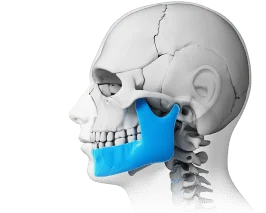
TMJ dysfunction is a pathological condition in which the normal function of the joints connecting the lower jaw to the base of the skull becomes impaired.

The temporomandibular joint is highly mobile — it enables all the jaw movements we rely on for speaking, chewing, and a wide range of other functions. Movement of the TMJ is controlled by muscles that attach to the joint and surrounding tissues. This joint bears a significant load — not only from chewing, but also from speech, facial expressions, and everyday facial movements. For a variety of reasons, TMJ dysfunction can develop, potentially leading to joint damage, inflammation, pain, and other complications.

Why Choose Med-Deo for TMJ Dysfunction Treatment?

TMJ dysfunction (TMJD) is a complex condition that typically presents as jaw tension, clicking during movement, discomfort while chewing, and a range of other symptoms. At Med-Deo clinics, we offer targeted, effective treatment designed to address both the root causes and the downstream effects of TMJD.

The goal of treatment is the complete restoration of joint function. After completing a course of therapy, you’ll notice a significant improvement: jaw tension and pain will ease, and jaw movement will become smooth and quiet. Treatment also protects your teeth from damage caused by clenching and grinding — preventing enamel wear, cracks, and other stress-related complications.

Treatment at Med-Deo helps normalize masticatory muscle tone, which has a positive effect on facial symmetry, reduces tension in the neck and temple area, and — as a direct result — significantly decreases the frequency of headaches. You’ll be able to eat and talk comfortably again, free from any unpleasant sensations.

You deserve to feel at ease. Start with a consultation. Give yourself the freedom to enjoy life again — without limits.

TMJ Dysfunction Treatment in Kyiv — 2026 Pricing

Service name

Price, UAH.

Gnathologist consultation

1100

Sign up

CT scan of upper & lower jaw + TMJ (closed)

1500

Sign up

CT scan of upper & lower jaw + lateral cephalometric X-ray (TRG)

1400

Sign up

Treatment plan development

2750

Sign up

Myorelaxation splint fitting

15000

Sign up

Deprogrammer fitting

7600

Sign up

3D model printing (orthodontic) — both arches

2200

Sign up

Bruxchecker appliance fitting

5600

Sign up

Repositioning splint fitting

15000

Sign up
Frequently Asked Questions

What is temporomandibular joint (TMJ) dysfunction?

TMJ dysfunction is a disorder affecting the temporomandibular joint, characterized by pain, clicking or crunching sounds, restricted jaw movement, headaches, and bite problems.

What are the symptoms of TMJ dysfunction?

Symptoms include jaw pain, clicking or crunching when opening the mouth, limited jaw mobility, headaches, ear or neck pain, and teeth grinding (bruxism).

Where does it hurt with TMJ dysfunction?

Pain can occur in the area around the ear, cheekbones, and temples, and may radiate down into the neck. Treating pain-related TMJ dysfunction requires a comprehensive approach that combines physiotherapy, medication, and lifestyle modifications.

Which doctor treats TMJ conditions?

TMJ disorders are treated by a gnathologist [a dental specialist focusing on the relationship between the jaw, teeth, and muscles] or a dentist specializing in maxillofacial conditions. Depending on the specific case, a referral to a neurologist or orthodontist may also be recommended.

What should I do if I suspect TMJ dysfunction?

If you suspect TMJ dysfunction, you should see a dental gnathologist for a proper diagnosis.

What happens if TMJ dysfunction is left untreated?

Without treatment, TMJ dysfunction can progress — leading to chronic pain, worsening clicking and crunching, increasingly restricted jaw movement, bite problems, and accelerated tooth wear.

What is the TMJ?

The TMJ — or temporomandibular joint — is the joint that connects the lower jaw to the skull. It enables all mouth movements: opening, closing, chewing, and speaking.

Reviews of TMJ disorder treatment at Med-Deo

Leave a review
5

Based on reviews

Based on reviews

Ірина

2026-05-15

Мала клацання і біль у щелепі. Лікар провів обстеження і пояснив причину проблеми. Лікування допомогло зменшити дискомфорт. Дуже вдячна за професійний підхід.

Артем

2026-04-24

Звернувся через біль і клацання в щелепі. Лікар уважно оглянув і пояснив причину. Призначив лікування. Стан значно покращився.

Наталія

2026-03-25

Звернулась через біль і клацання у щелепі. Лікар уважно вислухав і провів обстеження. Пояснив причину і призначив лікування. Стан значно покращився.

Polly

2026-02-28

Дуже мила і доброзичлива лікарка-гнатолог )

Антоніна

2026-01-20

Звернулась через біль і клацання в щелепі. Лікар дуже детально розібрався в проблемі, провів діагностику й пояснив, звідки береться дискомфорт. Лікування дало реальне полегшення

Оксана

2025-12-10

Мала біль і клацання в щелепі, що дуже заважало жити. Лікар знайшов причину і підібрав лікування. Зараз біль майже зник і рухи стали вільнішими.

Женя

2025-11-17

Було відчуття, ніби біль у вусі, в голові, а щелепа працює через раз. Тут мене обстежили, пояснили все по-людськи, без термінів. Пройшла курс і нарешті можу нормально відкривати рот. Це кайф, чесно

Олеся

2025-10-12

Проблема з суглобом турбувала давно, нарешті вирішила пролікувати. Лікарка пояснила все доступно, показала на КТ, у чому полягає проблема, і призначила комплексне лікування. Результат приємно здивував, біль зник, рух щелепи став плавним.

Тетяна

2025-09-15

Мене довго турбував хруст і біль у щелепі, особливо при жуванні. Лікар провів діагностику та призначив лікування. Нарешті можу нормально відкривати рот без болю. Дякую гнатологу Михайлу за допомогу!

Nataliya

2025-08-16

Звернулась до Ольги Василівни Волковоі з приводу проблеми зі скроневонижньощелепним суглобом. Найкращій фахівець, якого я зустрічала. Дякую за людяність та професіоналізм- у поєднанні ці якості роблять дива.

Анастасія

2025-07-27

Дуже вдячна за професійну консультацію, роз’яснили причину болю в щелепі та підібрали індивідуальний план терапії.

Валерія

2025-06-23

Мучилася від клацання щелепи при відкриванні рота, у Мед-Део провели консультацію, підібрали спеціальні вправи й капу. Вже через кілька тижнів клацання стало рідшим, біль зник.

Поліна

2025-05-27

Постійно клацала щелепа під час жування, було боляче відкривати рот. У Мед-Део мені не тільки пояснили, у чому проблема, а й розробили план терапії. Зараз рухи щелепи плавні й без болю. Дуже вдячна всім у клініці, чуйні, привітні, справжні профі

Олег

2025-04-24

Зʼявилися спазми щелепи, вирішив звернутися до стоматолога, дівчата порекомендували відразу потрапити до гнатолога. Він мене огляну, зробив діагностику( зручно що можна відразу на місці це зробити), розповів план лікування. Вже пройшов місяць лікування поступово діє, спазми зменшилися!

Іван

2025-03-16

Довгий час відчував хрускіт у щелепі при відкриванні рота, але не надавав цьому значення. Коли з’явився біль, звернувся до гнатолога. Лікар детально пояснив причину проблеми, провів діагностику та розробив план лікування. Уже через кілька тижнів стало значно краще!

Віталіна

2025-02-02

Звернулася на консультацію через частий біль у щелепі при жуванні. Лікар провів ретельний огляд, зробив знімки та детально пояснив, як уникнути ускладнень. Отримала чіткі рекомендації! Дякую!

Іра

2025-01-16

Думала, що часті головні болі не пов’язані із зубами, але лікар гнатолог пояснив, що проблема у неправильній роботі щелепного суглоба. Призначили лікування, і вже бачу позитивні зміни! Дякую!

Владислав

2024-12-07

Роками мучивлися від скреготу зубами вночі. На консультації дізнався, що це може бути пов’язано з порушенням у суглобі. Лікар підібрав капу, яка допомогла зняти напругу, тепер сплю спокійніше! Дякую за допомогу!

Світлана

2024-10-08

Дуже задоволена консультацією у гнатолога! Довго не могла нормально відкривати рот – щоранку відчувала блокування щелепи. Лікар провів діагностику, пояснив причину та підібрав оптимальне лікування.

Валентин

2024-09-22

Після травми відчував біль у суглобі, особливо при широкому відкриванні рота. Лікар детально розібрався в проблемі, пояснив, які процедури допоможуть. Дуже вдячний за якісну консультацію, пояснення простою доступною мовою.

Мирослава

2024-06-16

Довго не могла знайти причину болю у вусі, доки не потрапила на консультацію до гнатолога. Виявилося, що проблема в щелепному суглобі! Після початку лікування біль поступово зник. Дуже вдячна за правильний діагноз!

Anna

2024-04-30

Відчувала клацання в суглобі, але не знала, що з цим робити. На консультації лікар усе детально пояснив, зробив обстеження й розписав план лікування. Дуже приємно мати справу з професіоналами!

Леся

2024-02-11

Мій випадок був складний, сильний біль у суглобі, неможливість нормально відкрити рот. Лікар гнатолог уважно вислухав, провів аналіз та запропонував комплексне лікування. Вже за кілька тижнів відчуваю значне покращення. Рекомендую!!!

Микола

2023-07-10

Звернувся до гнатолога в клініку Мед-Део.Лікар провів ретельне обстеження та підібрав індивідуальне лікування. Уже бачу перші результати, стало значно комфортніше жувати! Дякую!

Show more Hide

Diagnosing TMJ Dysfunction

icon

The wide variety of symptoms associated with TMJ dysfunction makes diagnosis a challenge — which is why, in many cases, evaluation by both a dental gnathologist and a neurologist is needed to identify the underlying cause. During the initial examination, the dentist reviews the patient’s complaints, takes a full medical history, and performs palpation and auscultation of the joint, as well as an assessment of jaw mobility. Evaluation of the temporomandibular joint typically involves the following diagnostic methods:

  • Orthopantomography (panoramic dental X-ray)
  • Ultrasound (USG)
  • X-ray — helps identify infectious or inflammatory conditions associated with TMJ dysfunction
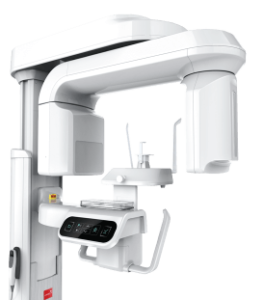
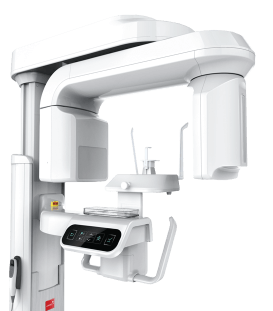
  • CT scan — provides detailed visualization of the joint space, the shape and position of the articular surfaces, and allows assessment of the disc, ligaments, and masticatory muscles
  • MRI — used to detect damage to the soft tissues surrounding the joint

Key Signs of Temporomandibular Joint Dysfunction

TMJ dysfunction can manifest through a range of recognizable symptoms, including:

  • Pain when opening or closing the mouth in the area of the joint
  • Tenderness in the masticatory muscle region
  • Frequent headaches, particularly in the temples and along the temporal arches
  • Pain and discomfort while eating or speaking
  • Tinnitus (ringing or noise in the ears)
  • Clicking, popping, or grinding sounds in the joint
  • Tooth wear and bite problems
  • Reduced jaw mobility
  • Deviation of the lower teeth when opening the mouth
  • Shifting of the jaw when opening or closing
  • Spasms or tension in the masticatory muscles

Etiological Factors in TMJ Dysfunction

TMJ dysfunction can have many causes and often results from a combination of contributing factors. The main causes of TMJ dysfunction include:

  • Facial trauma
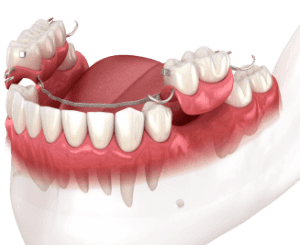
  • Poorly made or ill-fitting dental prosthetics
  • Teeth grinding (bruxism)
  • Poor posture or habits — such as consistently sitting with the head bent forward
  • Congenital or acquired structural abnormalities of the joint or surrounding tissues
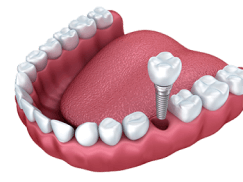
  • Missing posterior teeth (back molars)
  • Uneven loading of the masticatory muscles

Identifying the precise causes of jaw dysfunction allows the doctor to create a truly individualized treatment plan — including the selection of the most appropriate treatment methods and strategies for preventing recurrence.

Need a
diagnosis?

Appointments by phone:

(044) 394-90-94

Sign up
icon icon
дагностика 1

Which Symptoms and Warning Signs Should You Watch for First?

The earliest signs of TMJ dysfunction vary from person to person. That said, most patients experience several key warning symptoms:

Pain in the joint area. Patients typically feel pain when opening or closing the mouth — a sign that may be linked to inflammation or structural deformation within the joint.

Clicking, popping, or other sounds near the joint. Audible noises during jaw movement are one of the most common early indicators of TMJ dysfunction.

Discomfort, fatigue, or tension in the face and neck. These sensations can result from improper joint function and the overloading of the masticatory muscles.

The causes behind these symptoms can vary widely. For an accurate diagnosis and a clear understanding of what’s driving your symptoms, it’s important to consult a qualified dental gnathologist.

TMJ Dysfunction Treatment

Treatment is directed at relieving symptoms and addressing the underlying causes of TMJ dysfunction. The treatment strategy is tailored to each individual patient, taking into account the specific characteristics of their dental and jaw system and the root cause of the disorder.

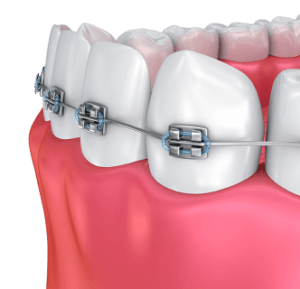
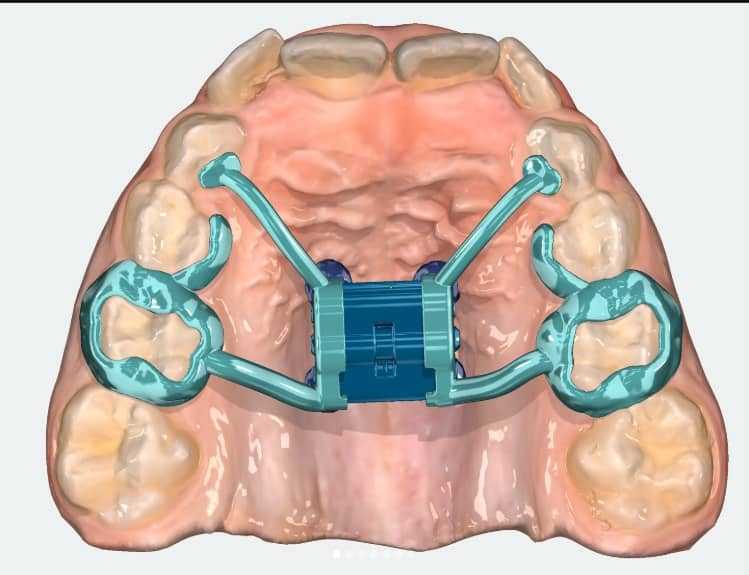
A treatment program may include massage, physiotherapy, orthodontic treatment (braces), dental prosthetics, the use of splints or orthopedic mouthguards, and pharmacotherapy (muscle relaxants, glucocorticoids, NSAIDs). Depending on the clinical picture, doctors may also perform release of a shortened muscle, reshaping of the mandibular condylar head, or other surgical procedures as required by the specific case. When conservative treatment fails to produce a positive result, or when significant pathological changes are present in the joint, surgical intervention may be necessary.

We work with all insurance companies

On this page Contents of the page

icon

Dental services