38011
Services Doctors
Clinics

пр.Лобановського, 130, Київ, Україна

Temporarily closed

Opening soon

стоматологія на лобановського

78A, Irpinska St., Kyiv, Ukraine

Temporarily closed

Opening soon

IMGP4938

32A, Heroiv Dnipra St., Kyiv, Ukraine

Temporarily closed

Opening soon

2024-10-23 11.56.42

9B, Yevhena Chykalenko St. (Pushkinska), Kyiv, Ukraine

Temporarily closed

Opening soon

IMGP5161
Prices Blog Contacts
Back Dentistry

Clinics "MED-DEO"

пр.Лобановського, 130, Київ, Україна

Temporarily closed

Opening soon

стоматологія на лобановського

78A, Irpinska St., Kyiv, Ukraine

Temporarily closed

Opening soon

IMGP4938

32A, Heroiv Dnipra St., Kyiv, Ukraine

Temporarily closed

Opening soon

2024-10-23 11.56.42

9B, Yevhena Chykalenko St. (Pushkinska), Kyiv, Ukraine

Temporarily closed

Opening soon

IMGP5161

Services

Dentistry

Service statistics

icon

More and more clients choose «MED-DEO»

943

Number of services provided

670

Number of patients who received the service

Initial doctor consultation for free* * subject to treatment in the clinic

Appointment by phone:

(044) 394 90 94

Treatment of alveolitis of the tooth socket at the Med-Deo clinic: high-quality and affordable

Alveolitis of the tooth socket is a serious complication that occurs after tooth extraction, when an inflammatory process develops in the socket. Most often, this pathology is provoked by traumatic tooth extraction or impaired healing. Although postoperative pain and swelling are normal, if they do not decrease after 2-3 days, this may signal the development of alveolitis.

Стоматолог хірург у Києві

A comprehensive approach to treatment at MED-DEO

In the  «MED-DEO»  network of clinics, we offer a comprehensive approach to the treatment of alveolitis, which includes:

1. Thorough diagnostics. Assessment of the condition of the socket using modern research methods.

2. Local treatment. Revision of the hole under local anesthesia, removal of necrotic tissues, antiseptic treatment.

3. General therapy. Prescribing modern antibiotics, anti-inflammatory drugs, and painkillers.

4. Professional support. Detailed recommendations for home care, follow-up examinations to assess the healing process and prevent possible complications.

Don’t risk your health! If you experience prolonged pain after tooth extraction, contact the specialists of “MED-DEO” immediately.

Our team of qualified dentists will eliminate the problem and return comfort to your life as soon as possible. Sign up for a consultation today!


Treatment of alveolitis of the tooth socket price 2026

Service name

Price, UAH.

Treatment of alveolitis (1 session) with revision of the socket

1100

Sign up

Primary consultation of the ENT specialist

700

Sign up

Initial consultation of the ENT specialist, Ph.D.

1200

Sign up

Repeated consultation of the ENT specialist

500

Sign up

Repeated consultation of the ENT specialist, Ph.D.

800

Sign up

Initial consultation with an oral and maxillofacial surgeon online

800

Sign up

Repeated consultation with an oral and maxillofacial surgeon online

600

Sign up

Online dentist consultation

300

Sign up

Consultation with a dentist-surgeon

500

Sign up

Injectable anesthesia (use)

350

Sign up

Computer-aided injection anesthesia (use)

600

Sign up

Suturing with atraumatic thread

900

Sign up

Suturing

440

Sign up

Stitch removal

200

Sign up

Anesthesiologist consultation

1000

Sign up

Infusion therapy

1200

Sign up

First hour of sedation

5800

Sign up

Additional 30 minutes of sedation

2000

Sign up

Additional hour of sedation

3300

Sign up
Frequently asked questions on the topic:

What is alveolitis?

Alveolitis is an inflammation of the tooth socket after extraction, which manifests itself in pain, swelling, an unpleasant odor, and a possible increase in temperature.

How to recognize alveolitis?

Alveolitis is manifested by severe pain at the site of the extracted tooth, swollen gums, bad breath, sometimes fever, and enlarged lymph nodes.

I am worried about severe pain after tooth extraction. Is this a symptom of alveolitis?

If the pain does not subside or there are other symptoms typical of alveolitis, then you should not tolerate it. It is better to urgently consult a dental specialist to clarify the diagnosis or relieve the pain syndrome. This is not necessarily alveolitis, but it is still worth examining the surgical site to prevent complications.

It's been a week since my tooth was extracted, and the pain hasn't stopped. Should I panic?

If the pain does not subside, it is worth conducting a preventive examination of the extraction site. The dentist will determine the method of treatment or symptom relief. How long the pain will last depends on many reasons: which tooth was removed, individual pain threshold, immunity and other factors. In any case, you need to consult a specialist.

What will happen if alveolitis is not treated?

If alveolitis is left untreated, the inflammation can spread to the jawbone and soft tissues, causing severe pain, swelling, suppuration, and a threat to overall health.

How long does alveolitis last?

Alveolitis usually lasts 3–7 days after tooth extraction, but without treatment it can last longer and become more complicated.

Reviews about the treatment of alveolitis of the socket in "Med-Deo"

Leave a review
5

Based on reviews

Based on reviews

Анна Гончарова

2026-06-07

Все дуже сподобалось 🙏щиро дякуємо за термінову допомогу 🙏

Юлія

2026-05-01

Після видалення зуба виник альвеоліт. Лікар швидко допоміг і пояснив причину проблеми. Лікування дало результат вже через кілька днів. Дуже вдячна

Юлия С.

2026-02-10

Волинець Владислав Віталійович спас мене від альвеоліту після видалення зуба мудрості в іншій клініці, де мені з альвеолітом не змогли допомогти. Лікар застосував сучасні препарати і надав кваліфіковану допомогу на найвищому рівні, щоб закрити оголену кістку в лунці і нарешті припинити мій біль і страждання. Я безмежно вдячна лікарю та клініці, яка працює навіть у неділю. Записувалась онлайн серед ночі, бо біль був нестерпний, і вже о 8 ранку отримала відповідь з запропонованими віконцями для візиту

Yevhen

2025-12-04

Після видалення зуба з’явився біль, і виявився альвеоліт. Лікар швидко провів лікування, очистив лунку і призначив догляд. Полегшення настало майже одразу.

Юлія

2025-11-07

Звернулася сюди по допомогу, і лікар неймовірно швидко зняв біль та запалення. Обробка була дуже делікатною, професійною, з миттєвим полегшенням. Отримала детальні рекомендації, і вже за кілька днів почулася значно краще. Я дуже вдячна за таку підтримку та якісне лікування.

Ірина

2025-09-12

Після видалення, з'явився сильний біль. Звернулася до клініки Мед_део, виявилося що потрапила їжа і почалося запалення. Лікар Катерина все почистила і назначила ліки. Наразі почуваюся чудово. Рекомендую!

Тетяна

2025-06-30

Після видалення зуба, біль не проходив а тільки наростав. Звернулася в клініку Мед-део, щоб зʼясувати чи все добре. Мені повторно промили і обробили місце видалення вже ввечері відчула полегшення. Дякую

Олеся

2025-05-13

Після видалення довго не зживала і боліла лунка в ділянці видаленого зуба. Звернулася в клініку Мед-Део, лікар оглянув, розпитав мене як проходила видалення, які рекомендаціїї дотримувалася, почистив лунку. Після цього все швидко загоїлося, дякую за допомогу!

Остап Дзядек

2021-02-02

Дякую пані Кондраток Галині Петрівні за приємне і якісне лікування альвеоліту. Приємна клініка і прекрасні працівники. Дякую Вам!)

Alexey Sypalo

2021-02-02

Спасибо огромное персоналу, а особенно доктору Ирине. Лечение альвеолита может быть приятным! )

Show more Hide

Alveolitis: symptoms, forms and manifestations

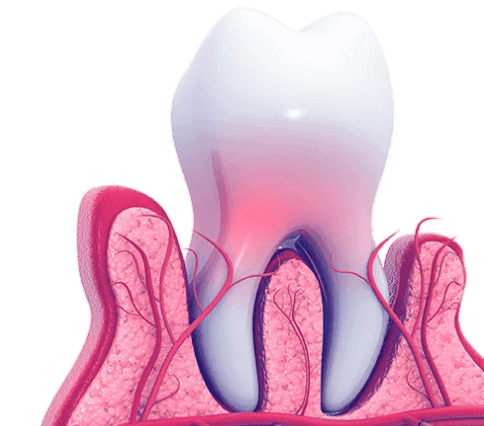
Alveolitis is difficult to miss. It is accompanied by:

  • Intense pain in and around the alveolus.
  • Fever (increased body temperature).
  • Inflammation and redness of the gums in the area of the affected socket.
  • Absence of a blood clot (“dry socket syndrome”).
  • Increasing pain over time.
  • Purulent discharge from the alveolus.
  • Severe bad breath (unpleasant mouth odor).
  • Swelling of the submandibular lymph nodes.

Any of these symptoms is a reason to consult a dentist. The specialists at “Med-Deo” will quickly diagnose the condition and prescribe effective treatment, regardless of the form of the disease.

Forms of alveolitis:

  • Serous (develops within 3–4 days).
  • Purulent (develops within 7 days).
  • Hypertrophic (transition into a chronic state).

Inaction leads to bone damage, tissue necrosis of the alveolus and gums, and even abscesses (blood poisoning).

icon

Do you suspect symptoms similar to alveolitis? You can book a consultation at our clinic right now!

Causes of alveolitis of the socket

The main cause is an infection that penetrates the extraction site.

It triggers the inflammatory process if:
  • The contents of a carious cavity or dental deposits entered the alveolus after the surgery.
  • Bone tissue fragments, tooth shards, or pathological formations remained in the socket walls.
  • The wound bled for an extended period.
  • The blood clot in the socket was destroyed.
  • The tooth was lost due to trauma and no medical care was provided.
  • The patient did not follow the proper oral hygiene regimen.
Other causes include an atypical reaction of the body, known as allergic alveolitis, as well as fibrosing alveolitis, which can develop in patients with autoimmune diseases. A significant contributing factor is a weakened immune system in the patient.

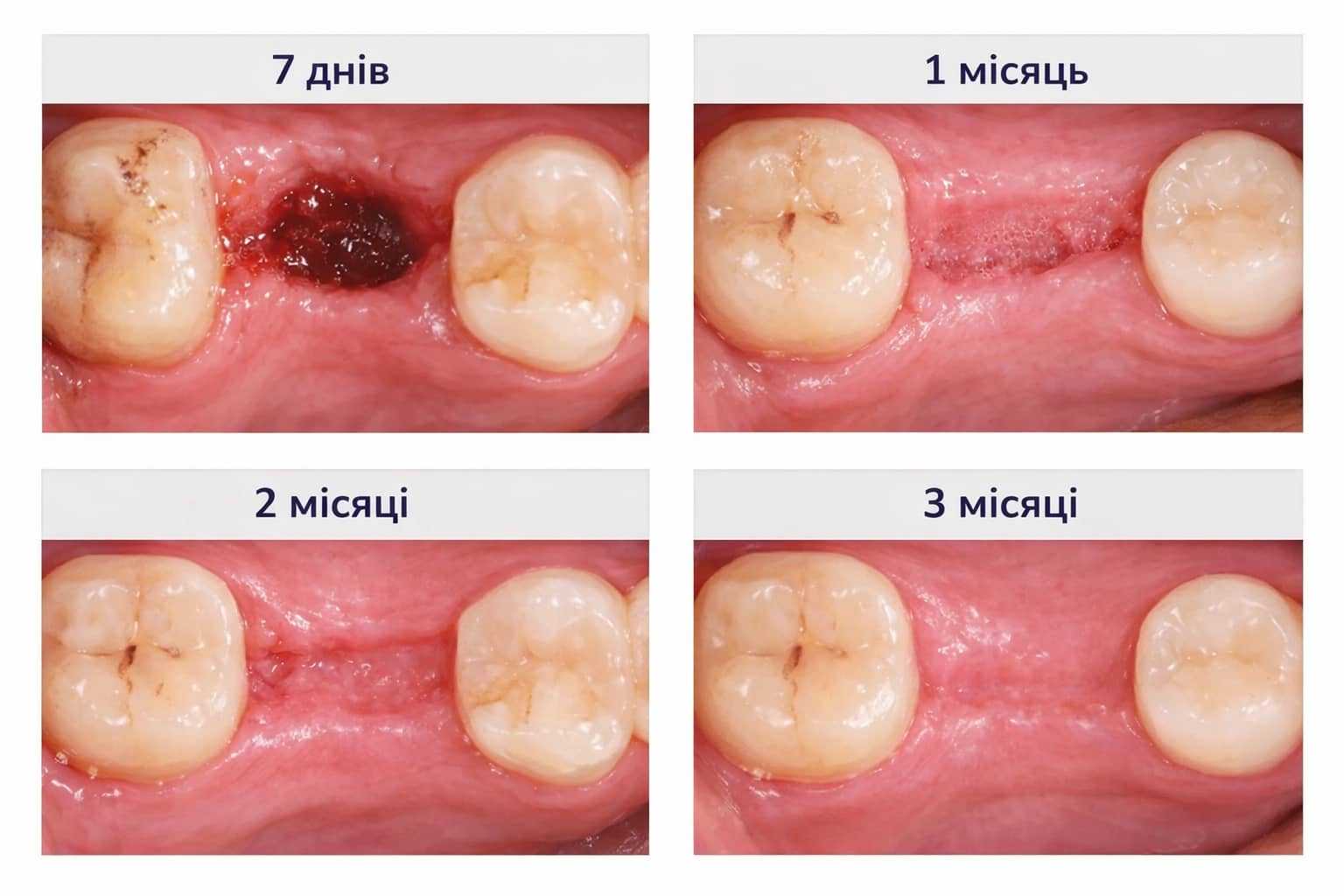
етапи загоєння лунки після видалення зуба: фото

Need a
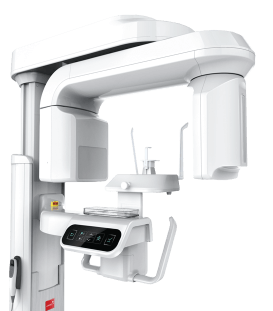
Diagnostic?

Phone registration:

(044) 394-90-94

Sign up
icon icon
дагностика 1
Treatment methods and stages

Methods of treating alveolitis of the tooth socket

The main task of the doctor when treated by a patient with this disease is to remove the affected tissues and relieve the inflammatory process. The alveolus of the extracted tooth is filled with the breakdown products of the blood clot, tooth or bone fragments, and food debris. Therefore, general treatment principles are applied—clearing the contents, followed by promoting a new blood clot and administering antiseptic treatment.

There are 2 distinct approaches: therapeutic and surgical. The choice of technique depends on the form and complexity of the disease. Surgical intervention can be avoided by seeking help at the first signs of symptoms. Ideally, this means noticing that the blood clot in the socket is partially destroyed or missing. In this case, therapy will only require irrigation and medication treatment.

icon

The experienced dentists at our clinic know how to help at any stage.

Therapeutic treatment

For alveolitis, traditional (conservative) treatment can be applied if the disease is in its early stages and has not yet caused serious complications. It consists of wound irrigation, inflammation relief, and taking antibiotics. The doctor prescribes:

  • Antiseptics (chlorhexidine, furacilin, hexoral);
  • Anti-inflammatory drugs (ibuprofen, diclofenac);
  • Antibiotics (sumamed, lincomycin).

Conservative therapy is only effective in the early phases of the disease when surgical intervention is not required. The most important thing is to avoid self-medication and take only the drugs prescribed by a dentist. Usually, treatment takes 5–7 days if the patient seeks help on time and the alveolitis has not managed to progress. The more severe the form, the more prolonged the process. Fighting chronic manifestations of the disease can take several weeks.

Surgical intervention

This method involves the excision of the affected tissues. The procedure takes place in stages:
    • Anesthesia injection;
    • Irrigation of the socket with an antiseptic solution to remove food debris, the blood clot, and saliva;
    • Curettage of pathological tissues from the alveolus using a surgical curette;
    • Antiseptic treatment of the wound;
    • Placement of a dressing.

For the rehabilitation period, the dentist prescribes anti-inflammatory drugs and antibiotics to the patient. When treating advanced stages of alveolitis, it is necessary to change the dressing frequently and visit the dentist to monitor recovery. Physiotherapy procedures—such as UHF therapy, microwave therapy, and fluctuorization—may also be required.

Plasmolifting treatment

An innovative technique — plasmolifting (PRP therapy)—has proven its effectiveness in treating dental alveolitis, even in advanced stages. This involves injecting the patient’s gums with their own blood autoplasma, which is enriched with platelets. The method is completely safe and has practically no contraindications. It can be used both for therapy and for prevention.

Plasmolifting acts quite quickly and comprehensively:
    • It eliminates the focus of inflammation.
    • It boosts local immunity.
    • It relieves pain.
    • It accelerates tissue regeneration.

Allergic reactions during plasmolifting are also completely ruled out, since the patient is injected with their own biological material. This is a modern and effective method that allows patients to quickly defeat alveolitis, improve the condition of the gums, and prevent their disease in the future.

Prevention

icon

Prevention of Alveolitis

If a professional dental surgeon is chosen for the tooth extraction, the risk of developing the disease is minimal. This is exactly the kind of specialists who work at our “Med-Deo” dentistry in Kyiv. By having your surgery here, you are reliably protected against complications. Unfortunately, the human factor on the patient’s side is still a variable.

Therefore, to prevent alveolitis, it is necessary to follow these recommendations:
    • Thoroughly maintain oral hygiene during the postoperative period;
    • For 2–3 days after the tooth resection, refrain from eating hard food, drinking alcohol, taking hot baths, physical exertion, and smoking;
    • Do not disrupt the integrity of the blood clot; use toothbrushes and toothpicks with extreme care;
    • Refrain from intensive rinsing of the oral cavity.

If a tooth is lost due to trauma, you should immediately consult a dentist for disinfection treatment.
We cooperate with all insurance companies

On this page Contents of the page

icon

Dental services