22432
Services Doctors
Clinics

пр.Лобановського, 130, Київ, Україна

Temporarily closed

Opening soon

стоматологія на лобановського

78A, Irpinska St., Kyiv, Ukraine

Temporarily closed

Opening soon

IMGP4938

32A, Heroiv Dnipra St., Kyiv, Ukraine

Temporarily closed

Opening soon

2024-10-23 11.56.42

9B, Yevhena Chykalenko St. (Pushkinska), Kyiv, Ukraine

Temporarily closed

Opening soon

IMGP5161
Prices Blog Contacts
Back Dentistry

Clinics "MED-DEO"

пр.Лобановського, 130, Київ, Україна

Temporarily closed

Opening soon

стоматологія на лобановського

78A, Irpinska St., Kyiv, Ukraine

Temporarily closed

Opening soon

IMGP4938

32A, Heroiv Dnipra St., Kyiv, Ukraine

Temporarily closed

Opening soon

2024-10-23 11.56.42

9B, Yevhena Chykalenko St. (Pushkinska), Kyiv, Ukraine

Temporarily closed

Opening soon

IMGP5161

Services

Dentistry

Service statistics

icon

More and more clients choose «MED-DEO»

44567

Number of services provided

32265

Number of patients who received the service

imgp4938 1 e1728980728653 2048×1

Initial consultation with the doctor for free* * subject to treatment in the clinic

Appointment by phone:

(044) 394 90 94

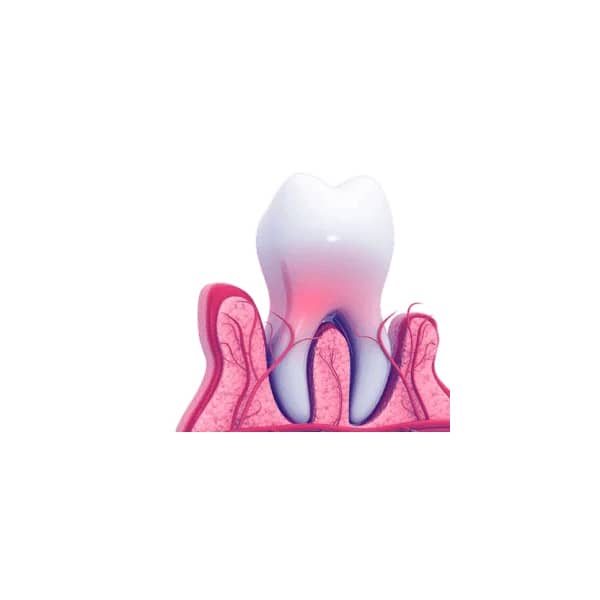
Periodontitis is a serious dental condition that can be particularly dangerous because it often progresses silently, potentially leading to tooth loss.

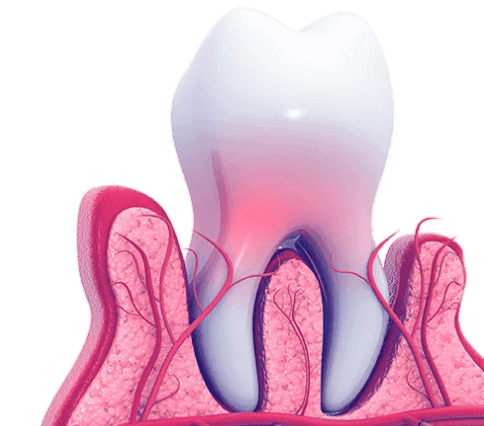
Gum inflammation and soft tissue damage in periodontitis contributes to bone destruction. Treatment should begin with the first signs of the disease.

Periodontitis Treatment Pricing 2026

Service name

Price, UAH

Sign up

Manual periodontal pocket curettage using Gracey curettes (2-tooth area)

360

Sign up

Periodontal pocket curettage with flap surgery (2-tooth area)

450

Sign up

Vector system periodontal pocket curettage (6-8 teeth)

1450

Sign up

Vector system periodontal pocket curettage (full jaw)

2400

Sign up

Vector system periodontal pocket curettage (single tooth)

350

Sign up

Follow-up Vector system curettage (full jaw)

1900

Sign up

Periodontitis treatment

from 350

Sign up
Frequently Asked Questions

Is Periodontitis Contagious?

This disease has an infectious nature, so there’s a possibility of transmitting harmful microorganisms from person to person. However, without triggering factors for inflammation, even with close contact, there’s no threat to your health.

Can Periodontitis Be Cured?

Yes, periodontitis can be effectively treated — especially when diagnosed early. With timely and comprehensive treatment, it’s possible to stop disease progression, eliminate inflammation, strengthen gums, and preserve teeth. However, in advanced stages, full recovery may require surgical intervention and long-term maintenance therapy. Regular dental check-ups and proper oral hygiene are key to long-term success.

What Happens If I Don't Get Treatment?

Besides causing unpleasant and painful symptoms, dental periodontitis also poses serious long-term risks. Tissue destruction and loss of tooth support can ultimately lead to tooth loss. Moreover, prolonged gum and soft tissue inflammation can elevate blood sugar levels and increase cardiovascular disease risk. Periodontitis is especially dangerous for pregnant women. Severe disease progression can negatively affect fetal development and may lead to premature birth.

What Are the Disease Stages?

There are four stages, each with different symptoms and treatment methods:

  • Mild stage (gingivitis). Gum inflammation, swelling, and bleeding occur. Professional cleaning helps remove plaque.
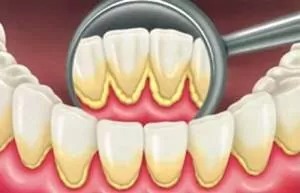
  • Moderate stage. Inflammation spreads to gum margins, and periodontal pocket depth reaches up to 6 mm. Main symptoms include strong bad breath, increased bleeding, and bluish tissue discoloration. Significant bacterial plaque accumulation leads to irreversible processes.
  • Severe stage. The main symptom is significant tooth mobility. Additionally, there’s intense pain making oral hygiene maintenance difficult.
  • Fourth stage. Characterized by complete tooth loss and occurs quite rarely.

Despite fear or reluctance to visit the dentist, it’s crucial not to ignore the first warning signs. Timely consultation with a qualified specialist increases your chances of successful recovery.


Still have questions?

Still have questions?icon

Make an appointment Make an appointment

Expert Periodontitis Treatment at Med-Deo Clinic: High-Quality and Affordable Care

Our modern Med-Deo clinic in Kyiv provides effective periodontitis treatment options. Our experienced dentists can handle even the most challenging cases while keeping costs affordable for families. The cost of periodontitis treatment varies based on several factors, including disease severity, chosen treatment approach, and the number of visits required. Feel free to consult with our specialists about any questions you may have.

Make an appointment
icon icon Group 1258

Recognizing Periodontitis: Symptoms and Causes

Early-stage periodontitis can be difficult to detect when damage is still minimal. Initial symptoms include mild discomfort and bleeding, which many people tend to ignore, allowing the disease to progress.

Common symptoms include:

• Gum itching and bleeding
• Discomfort when chewing
• Persistent bad breath
• Loose or shifting teeth
• Increased tooth sensitivity
• Swollen, puffy gums
• In advanced cases — pus discharge

Early dental visits are key to successful treatment! The disease can progress over months or even years.

Main causes of periodontitis:

01. Poor oral hygiene. With proper brushing and gum care, the risk of developing periodontitis drops significantly. We recommend cleaning your mouth at least twice daily using specialized products (toothpaste, mouthwash).
02. Vitamin deficiency. Lack of calcium and vitamins A, B, and C slows metabolic processes in connective tissues and reduces their strength.
03. Poor blood circulation to the gums. A soft-food diet negatively affects gum health due to improper load distribution. Blood vessel damage is most common among smokers, as smoke contains substances that disrupt proper circulation.
04. Tartar buildup. Plaque can form due to poor hygiene, genetics, or certain medications.

Individuals at higher risk should pay close attention to their oral health and seek professional help at the first sign of trouble.

Need
a diagnosis?

Appointment by phone:

(044) 394-90-94

Sign up
icon icon
дагностика 1

Types of Periodontitis

Periodontitis classification depends on various factors such as disease severity, tissue damage depth, and the nature of inflammatory changes.

The disease can appear suddenly (acute) or develop gradually over time (chronic). Based on its spread, this condition is divided into: localized (focal) periodontitis and generalized periodontitis.

Severity levels:

Mild stage. The disease appears as slight gum inflammation, possibly with bleeding during tooth brushing.
Moderate stage. The inflammation spreads deeper; bone tissue may be partially destroyed, leading to periodontal pocket formation and abnormal tooth mobility.
Severe periodontitis. Significant bone tissue destruction, pronounced abnormal tooth mobility, possible tooth loss, and gum deformation.

Generalized vs. Localized Periodontitis

Generalized Periodontitis

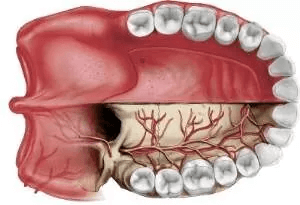
Generalized periodontitis is chronic inflammation of periodontal tissues affecting multiple teeth throughout the mouth. It’s characterized by bone tissue loss, periodontal pocket formation, gum bleeding, and overall periodontal health deterioration. This type may lead to tooth mobility and eventual tooth loss. Treatment typically involves professional hygiene procedures, dental deposit removal, and surgical interventions when necessary to restore damaged tissues.

Localized Periodontitis

Localized periodontitis involves inflammation limited to a specific area in the mouth, usually around one or several teeth. It may be caused by factors such as plaque buildup, trauma, or infection. Symptoms include gum inflammation, pocket formation, gaps between teeth, and potential bone loss around affected teeth. Treatment often includes local procedures such as scaling, root canal therapy, and surgical intervention when needed to restore periodontal health.

Ready to begin treatment?

Book an appointment with our specialist!

Sign up
icon icon
photo
Your Treatment Options

Methods of Periodontitis Treatment

Many patients delay treatment due to fear of pain or feeling judged by their dentist. These concerns are completely understandable but unnecessary. At our clinic, you’ll be treated by professionals who maintain the highest ethical standards at all times. We create a comfortable, stress-free environment. Our dentists are committed to helping patients at any stage of the disease.

At Med-Deo, we use cutting-edge technology to achieve excellent results.

Medication Therapy

This approach involves antiseptic and antibacterial agents prescribed individually by your doctor. Medications may be administered as: rinses, irrigations, periodontal dressings, and medicated strips or plates. The medication therapy course also includes immune system boosters and vitamins. When swelling is present, anti-inflammatory drugs (NSAIDs) are prescribed. We prefer broad-spectrum medications that provide antimicrobial, pain-relieving, and anti-inflammatory effects.

Laser Treatment

One of our most effective methods, often included in comprehensive periodontitis treatment. Laser therapy allows removal of damaged tissue without affecting healthy areas.

Benefits of this method include:

  • Complete elimination of harmful bacteria
  • Superior disinfection
  • Pain-free procedure
  • Fast healing process
  • Rapid tissue regeneration

Laser treatment also provides excellent cosmetic results. Our laser dentistry involves antimicrobial therapy and comprehensive treatment with minimal discomfort. There’s no risk of needing surgical intervention after therapy. At Med-Deo clinic, we’ll select the most effective and comfortable treatment option for you.

Platelet-Rich Plasma (PRP) Treatment

This modern technology delivers positive results very quickly. The method involves injecting platelet-rich plasma, derived from your own blood, into the gums. This strengthens tissues, improves implant integration, promotes oral cavity recovery, and eliminates gum bleeding.

PRP therapy is a unique, innovative treatment with no comparable alternatives. Immediately after injection, the plasma begins working: it improves blood circulation, restores capillaries, and normalizes metabolic processes in tissues. The procedure has no side effects and doesn’t cause allergic reactions or complications.

This method is especially valuable in periodontitis treatment, as it stops gum bleeding, reduces tooth mobility, and eliminates bad breath. PRP therapy is cutting-edge technology that helps restore your smile’s natural beauty and oral health.

Surgical Treatment

In complex situations where medication-based methods don’t deliver desired results, surgical treatment becomes necessary. Delaying treatment can lead to permanent damage, but we’re here to help prevent that from happening. Surgical intervention is necessary when:

  • Periodontal pocket depth exceeds 5 mm
  • Significant granulation tissue overgrowth occurs
  • Interdental papillae become deformed or enlarged
  • The gum margin detaches from teeth
  • Abscesses or pus appear in periodontal pockets

This option is also used when conservative treatment proves ineffective.

Tooth Stabilization (Splinting)

This method stabilizes loose teeth caused by advanced periodontitis. Tooth splinting helps prevent further tooth loss, evenly distributes pressure among teeth, and reduces gum load. This modern technique is widely used in dentistry. Splints used for tooth stabilization come in three types: temporary, long-term, and permanent.

In periodontitis, tissues surrounding teeth become weakened, resulting in increased mobility of the dental arch.

Main reasons for tooth splinting include:

  • Stabilizing mobile teeth
  • Preventing tooth displacement
  • Stabilization after orthodontic treatment
  • Stabilization following dental trauma

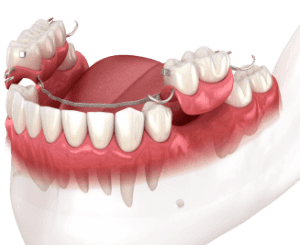
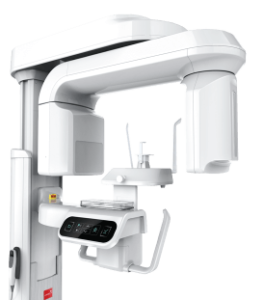
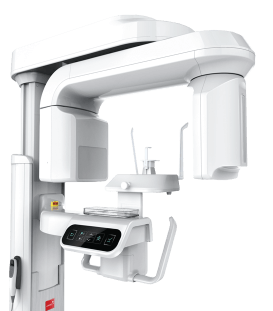
Before treatment begins, we take X-rays of your dental arches to determine how many teeth need splinting preparation. The splinting method choice depends on the problem location. Popular options include splinting with fiberglass, dental crowns, and removable partial dentures (flexible prostheses). Each technique has unique features, and your dentist will choose the most suitable option based on your clinical situation.

Procedure cost depends on several factors, including splinting type and number of teeth involved. At Med-Deo Clinic, we offer professional services at highly affordable prices. We use effective periodontitis treatment techniques and provide assistance even in advanced cases.

Gum Curettage

Closed curettage is the removal of dental deposits using surgical instruments. This treatment is used in cases of mild to moderate periodontitis. Curettage is an effective method for restoring the natural position of the gums and reducing inflammation. The main goal of the procedure is to clean periodontal pockets of pathological buildup. Dental deposits and harmful bacteria are removed using manual tools, ultrasonic devices, lasers, or air abrasion. The optimal method is selected individually.

Closed curettage is considered a simple procedure in which the gums are not cut. Its main drawback is the possibility of incomplete removal of deposits, which can reduce its effectiveness. This method is used primarily in mild cases.

Open curettage, on the other hand, is a full surgical procedure used to clean periodontal pockets deeper than 5 mm. The process is performed as follows:

  • Administration of anesthesia
  • Incision of the gum tissue
  • Cleaning and polishing of tooth roots
  • Placement of bone graft material
  • Repositioning and suturing of the gum
  • Application of a dressing with a special medication

Open curettage significantly improves the condition of the periodontal tissues. Recurrence after the procedure is highly unlikely.

Gum Deep Cleaning (Curettage)

Closed Curettage

Closed curettage involves removing dental deposits using surgical instruments. This treatment works for mild to moderate periodontitis. Curettage effectively restores natural gum position and reduces inflammation. The main goal is cleaning periodontal pockets of harmful buildup. We remove dental deposits and harmful bacteria using manual tools, ultrasonic devices, lasers, or air abrasion. The optimal method is selected individually.

Closed curettage is considered a simple procedure where gums aren’t cut. Its main drawback is the possibility of incomplete deposit removal, which can reduce effectiveness. This method is used primarily in mild cases.

Open Curettage

Open curettage is a full surgical procedure used to clean periodontal pockets deeper than 5 mm. The process works as follows:

  1. Local anesthesia administration
  2. Gum tissue incision
  3. Tooth root cleaning and polishing
  4. Bone graft material placement
  5. Gum repositioning and suturing
  6. Special medication dressing application

Open curettage significantly improves periodontal tissue condition. Recurrence after this procedure is highly unlikely.

How We Create Your Treatment Plan

We prescribe periodontitis treatment after comprehensive diagnosis and assessment of oral cavity damage severity.

Your treatment plan is developed individually based on these principles:

Comprehensive approach. Our main goal is restoring both health and aesthetic appearance of your teeth. This may involve collaboration with other specialists and include surgical, orthodontic, and other treatment types.
Consistency. Successful treatment requires following all recovery process stages.
Flexibility. We adapt treatment strategies based on any accompanying health conditions and their severity.
Systematic care. During follow-up visits, we repeat diagnostics and adjust treatment strategies when necessary.

An essential part of treatment is eliminating harmful bacterial effects. Our cleaning procedure includes biofilm removal, hardened dental deposit removal, and antibiotic therapy. At-home oral hygiene is also critical for prevention and long-term success.

Periodontitis in Children

Childhood periodontitis is most commonly detected around ages 9-10 and occurs in two forms: prepubertal and pubertal. Prepubertal periodontitis appears during or shortly after primary tooth eruption. Its development is believed linked to specific oral bacteria and weakened immunity. Pubertal periodontitis occurs in teenagers after permanent teeth have erupted. It’s often triggered by hormonal fluctuations and poor oral hygiene.

At Med-Deo Dental Clinic, our doctors create personalized treatment plans for each young patient, considering periodontitis stage, causes, the child’s age, and overall health. During pediatric periodontal disease treatment, Med-Deo specialists choose the most appropriate strategies to ensure effective and comfortable recovery of gum and dental health for our young patients.

Prevention

icon

Preventing Periodontitis

You can reduce your risk of this disease by following a few simple rules. Preventive measures include: regular tooth brushing, proper oral care product selection, a balanced diet, healthy lifestyle, and immune system strengthening. Your diet should include solid foods, which are essential for maintaining gum health.

Additionally, we recommend visiting your dentist at our clinic at least twice yearly. We’ll help you preserve your smile’s beauty and health for years to come.

We cooperate with all insurance companies

On this page Contents of the page

icon

Dental services