Special offer! Comprehensive professional teeth cleaning for only 1699 UAH.
Special offer! Comprehensive professional teeth cleaning for only 1699 UAH.
Special offer! Comprehensive professional teeth cleaning for only 1699 UAH.
Special offer! Comprehensive professional teeth cleaning for only 1699 UAH.
Special offer! Comprehensive professional teeth cleaning for only 1699 UAH.
Special offer! Comprehensive professional teeth cleaning for only 1699 UAH.
Special offer! Comprehensive professional teeth cleaning for only 1699 UAH.
Special offer! Comprehensive professional teeth cleaning for only 1699 UAH.
Special offer! Comprehensive professional teeth cleaning for only 1699 UAH.
Special offer! Comprehensive professional teeth cleaning for only 1699 UAH.
Sign up
 (044) 394 90 94
(044) 394 90 94  Holosiivska/Demiivska metro station
Sign up
(044) 394 90 94
(044) 394 90 94
Doctors


 Prices
Blog
Contacts
Prices
Blog
Contacts
пр.Лобановського, 130, Київ, Україна
Temporarily closed
Opening soon
78A, Irpinska St., Kyiv, Ukraine
Temporarily closed
Opening soon
32A, Heroiv Dnipra St., Kyiv, Ukraine
Temporarily closed
Opening soon
9B, Yevhena Chykalenko St. (Pushkinska), Kyiv, Ukraine
Temporarily closed
Opening soon
(044) 394 90 94
Back
Dentistry

General Dentistry
Dental surgery
Dental Implants
Maxillofacial Surgery
Dental prosthetics
Cosmetic dentistry

Professional Dental Hygiene

Periodontics
Orthodontic dentistry

Gnathology & TMJ Therapy

Pediatric Dentistry

Dental X-Rays
Back
Orthodontic Center
Orthodontic dentistry
Gnathology & TMJ Therapy
Back
Prosthodontic Center
Dental prosthetics
Back
MED-DEO Center for Maxillofacial Surgery & Facial Plastics
Maxillofacial Surgery
Plastic surgery
Back
Surgical Dental Center
Dental surgery
Dental Implants
Search on the site


Popular requests
Teeth whitening
Treatment of caries
Wisdom tooth extraction
Bracket system
Dental veneers
Tooth restoration
Pediatric dentist
Consultation with a dentist-therapist
Search results by: «».
Unfortunately, no results were found for your search: “Pediatric Endocrinologist”, nothing was found.
You may find these links useful:
Clinics "MED-DEO"
пр.Лобановського, 130, Київ, Україна
Temporarily closed
Opening soon
78A, Irpinska St., Kyiv, Ukraine
Temporarily closed
Opening soon
32A, Heroiv Dnipra St., Kyiv, Ukraine
Temporarily closed
Opening soon
9B, Yevhena Chykalenko St. (Pushkinska), Kyiv, Ukraine
Temporarily closed
Opening soon
Services
Dentistry Orthodontic Center Prosthodontic Center MED-DEO Center for Maxillofacial Surgery & Facial Plastics Surgical Dental CenterGeneral Dentistry
Dental surgery
Dental Implants
Maxillofacial Surgery
Dental prosthetics
Cosmetic dentistry
Professional Dental Hygiene
Periodontics
Orthodontic dentistry
Gnathology & TMJ Therapy
Pediatric Dentistry
Dental X-Rays
Orthodontic dentistry
Gnathology & TMJ Therapy
Dental prosthetics
Maxillofacial Surgery
Dental surgery
Dental Implants
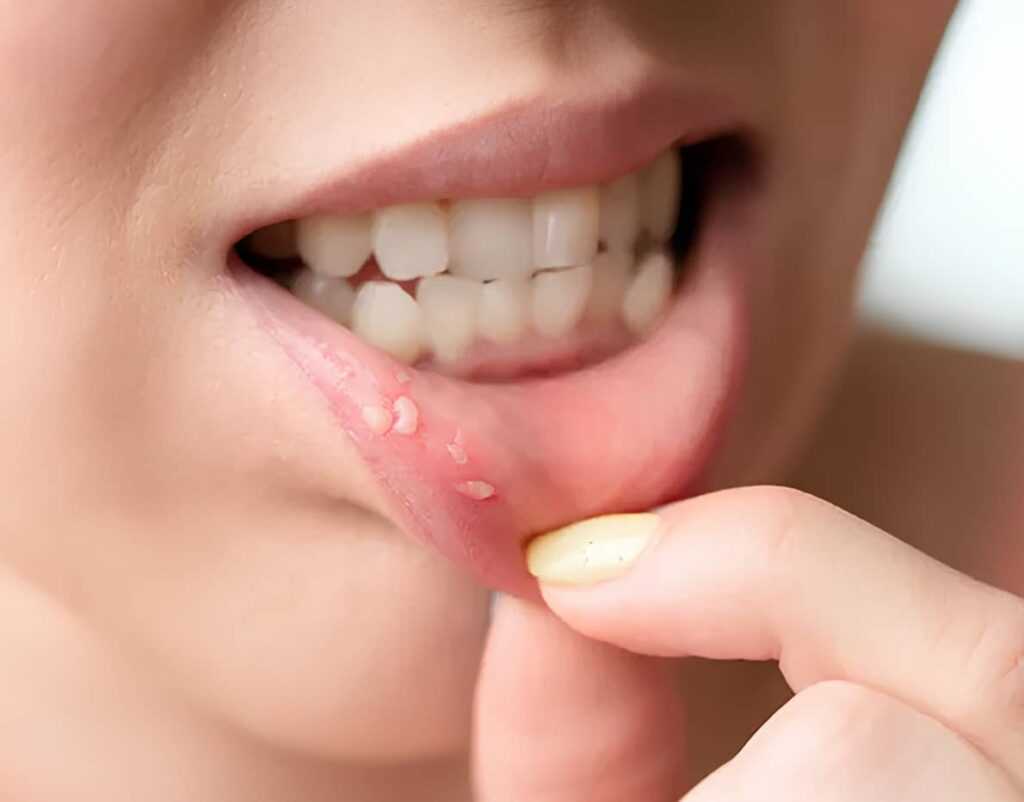

Stomatitis is an inflammatory disease of the oral mucosa that can occur in both adults and children. It most commonly affects young children.
Stomatitis appears as redness of the mucous membranes and the formation of ulcers, which can be either single or multiple. Although the exact mechanism of the disease is not fully understood, it’s believed that stomatitis is caused by an immune system reaction to irritants. The condition not only causes discomfort but can also lead to serious complications if not treated promptly.
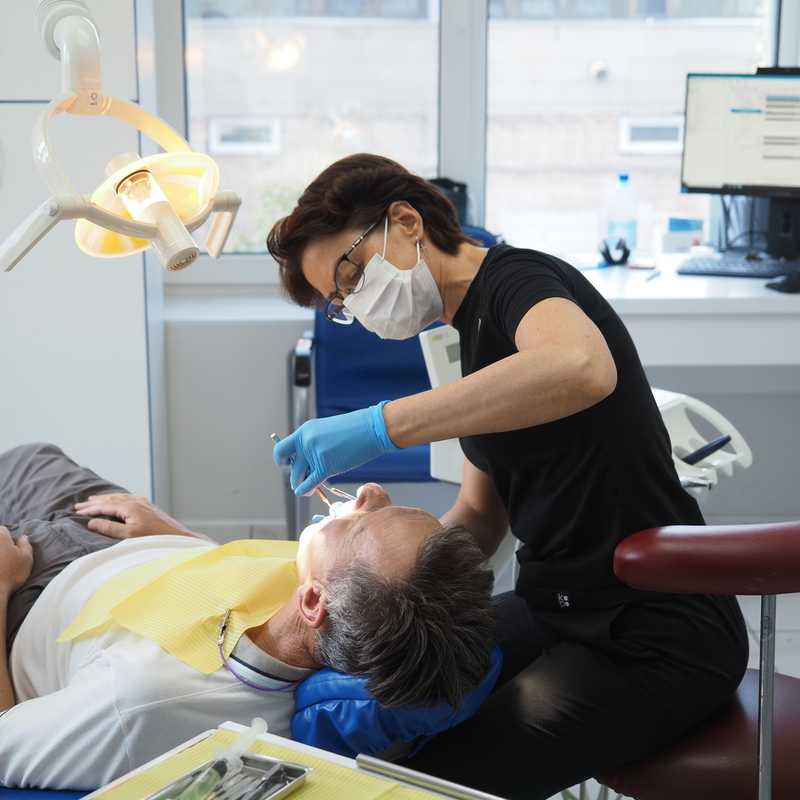
What is Stomatitis and What Are the Potential Consequences?
Stomatitis is an inflammatory disease that affects the mucous membrane of the oral cavity. It can manifest as redness, swelling, ulcers, erosions, or plaque, which cause discomfort and pain when eating, talking, and even at rest.
Stomatitis is a polyetiological disease, meaning it can develop from multiple causes, including infectious agents (viruses, bacteria, fungi), allergic reactions, mucosal trauma, and systemic diseases or immune disorders.
If left untreated, the condition can lead to serious consequences:
- The spread of stomatitis to surrounding tissues, including the gums, tongue, and tonsils.
- Deep ulcers that heal slowly and may leave scars.
- A reduced quality of life due to pain and discomfort while eating, which is especially difficult for children.
- The development of chronic conditions such as periodontitis and gingivitis.
- Dental problems, including tooth decay and pulpitis.
Symptoms of Stomatitis in Adults and Children
Stomatitis occurs much more frequently in children than in adults. This is because their immune systems are not yet fully developed and may not be able to effectively fight off infections. For this reason, symptoms in children can be more pronounced compared to adults.
Symptoms of stomatitis in adults include:
- Redness of the mucous membrane and swelling of the soft tissues of the mouth.
- The formation of single or multiple painful ulcers covered with a white or yellow coating.
- Pain and discomfort that worsen when eating, especially with sour, spicy, or salty foods.
- Bad breath.
- Increased gum sensitivity.
- General malaise (weakness, increased fatigue, fever).
Symptoms of stomatitis in children include:
- Crankiness and irritability.
- Refusal to eat and drink.
- Excessive drooling.
- Painful ulcers on the mucous membrane that the child may touch with their tongue.
- Redness and swelling.
- Fever: Stomatitis in children is often accompanied by an elevated body temperature.
- Sleep disturbances due to pain.
- Swollen lymph nodes in the neck area.
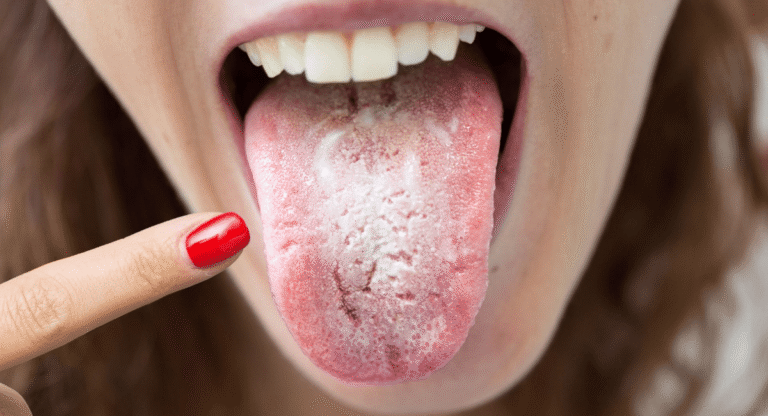
Stomatitis symptoms can vary depending on the type. With a bacterial infection, a purulent rash first appears, which then develops into erosions and ulcers on the affected areas. In the case of candidal stomatitis, a dense white coating appears on the mucous membranes, accompanied by erosions. This form of the disease is often seen in infants.
Stomatitis can develop over several days. First, a redness appears on the affected mucous membrane, followed by a sensation of fullness and a dull ache. Within the next day or even sooner, ulcers appear, with a white coating forming in the center. Other symptoms are observed in parallel.
Why Do Children Get Stomatitis More Often Than Adults?
Children get stomatitis more often than adults for the following reasons:
- An underdeveloped immune system.
- Frequent contact with a source of infection (toys and objects that may be contaminated).
- Poor oral hygiene.
- The habit of putting hands and objects in the mouth increases the risk of bacterial entry.
- Stomatitis can develop against the background of other diseases, such as a cold or allergies.
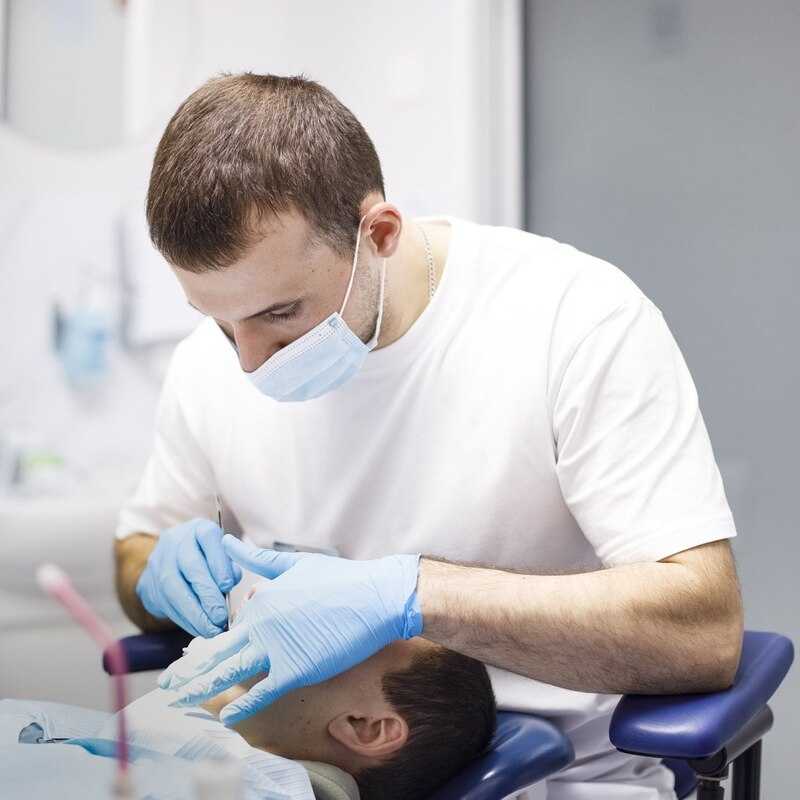
Causes of Stomatitis
Under normal conditions, the oral microflora and constant salivation protect the mucous membranes from infections. However, if pathogenic microorganisms get on them and the immune system is weakened, these microorganisms begin to actively multiply, which, in turn, leads to the development of stomatitis.
The main causes of stomatitis include:
- Viral infections, such as herpes.
- Bacterial infections, including streptococci and staphylococci.
- Fungal infections, such as candidiasis.
The risk of developing stomatitis is also increased by the following factors:
- Poor oral hygiene.
- Tooth decay.
- Wearing uncomfortable dentures.
- Allergic reactions to food or medications.
- Mechanical damage to the mucous membrane (biting the cheek or tongue).
- Weakened immunity.
- Hormonal imbalances.
- Vitamin deficiency.
- Taking certain medications.
- Severe dehydration.
- Helminthic invasions.
- Diseases of the digestive system.
Types of Stomatitis and How to Differentiate Them
Stomatitis can be classified by several criteria: its cause, the nature of the mucosal damage, and the duration of the illness.ової оболонки, а також тривалістю перебігу хвороби.

Candidal Stomatitis Candidal stomatitis is caused by the fungus Candida, which affects the oral mucosa, forming a white coating that looks like cottage cheese. The main symptoms include burning, pain, and bad breath. Fungal stomatitis is most common in people with weakened immune systems, newborns, and elderly patients.
Aphthous Stomatitis This is characterized by the formation of painful ulcers (aphthae) with a red border and a light-colored center. These lesions typically appear on the inside of the cheeks, lips, and gums. Aphthous stomatitis may be associated with the body’s immune reactions, stress, or vitamin deficiency.
Vesicular Stomatitis Vesicular stomatitis presents as the formation of small, fluid-filled blisters on the mucous membrane of the mouth, lips, tongue, or gums. The blisters can burst, forming painful ulcers that cause discomfort while eating and talking. Vesicular stomatitis is most often caused by viruses, such as the herpes virus or enteroviruses, and is spread through airborne droplets or contact with infected surfaces.
Bacterial Stomatitis Bacterial stomatitis results from infections caused by bacteria, such as streptococci or staphylococci. Symptoms include inflammation, swelling, redness, and the formation of pus. It often develops due to poor oral hygiene, trauma, or a weakened immune system.
Herpetic Mucosal Inflammation The causative agent of this disease is the herpes simplex virus. It is accompanied by the appearance of small blisters that soon burst, forming painful ulcers. The stomatitis is accompanied by fever, swelling, and general malaise, often affecting not only the oral mucosa but also the lips.
Catarrhal Stomatitis Catarrhal stomatitis is the mildest form of the disease and manifests as redness and swelling of the oral mucous membrane without the formation of ulcers. The causes can include mechanical damage, allergies, or insufficient oral hygiene. The main symptoms are pain when chewing and a burning sensation.

Ulcerative (Necrotic) Stomatitis Ulcerative stomatitis is a severe inflammatory disease of the oral cavity characterized by the formation of painful ulcers on the gums, accompanied by tissue necrosis, severe pain, swelling, and a distinct bad odor from the mouth. The ulcers may be covered with a gray or yellowish coating, and their edges are red and swollen. In more severe cases, the infection can spread to adjacent tissues.
The disease is usually associated with a bacterial infection caused by anaerobic bacteria and often occurs in people with a weakened immune system, stress, malnutrition, poor oral hygiene, or chronic diseases. Known as “gangrene of the oral cavity” in severe cases, this type of stomatitis can lead to the loss of tissue and bone in the mouth if not treated in time.
Gangrenous Stomatitis (Noma) This is a severe infection that destroys the tissues of the oral cavity, face, and jaw. The disease is extremely rare and usually occurs in people with severe exhaustion or a weakened immune system. Treatment requires urgent surgical intervention and antibacterial therapy.
Denture Stomatitis Denture stomatitis develops in people who use dentures and manifests as inflammation of the mucous membrane under the denture. It is often caused by improper hygiene or a poor fit of the denture, which creates conditions for the development of infections. Symptoms include redness, swelling, and discomfort in the denture area.
What Are the Dangers of Stomatitis?
If stomatitis is not treated, the following problems can develop:
- Bleeding gums.
- Inflammatory processes.
- Weakening and loosening of teeth, with subsequent loss.
- The addition of a secondary infection.
- Inflammation of the tonsils (tonsillitis).
- In a prolonged course of the condition, hoarseness may appear, and chronic laryngitis may develop.
How is the Disease Transmitted?
Stomatitis can be transmitted in various ways, including:
- Poor hygiene when using items that come into contact with the mouth (dentures and children’s accessories).
- Direct contact with infected people (kissing).
- Using shared items, such as dishes and toothbrushes.
- Contact with infected toys or pacifiers in children.
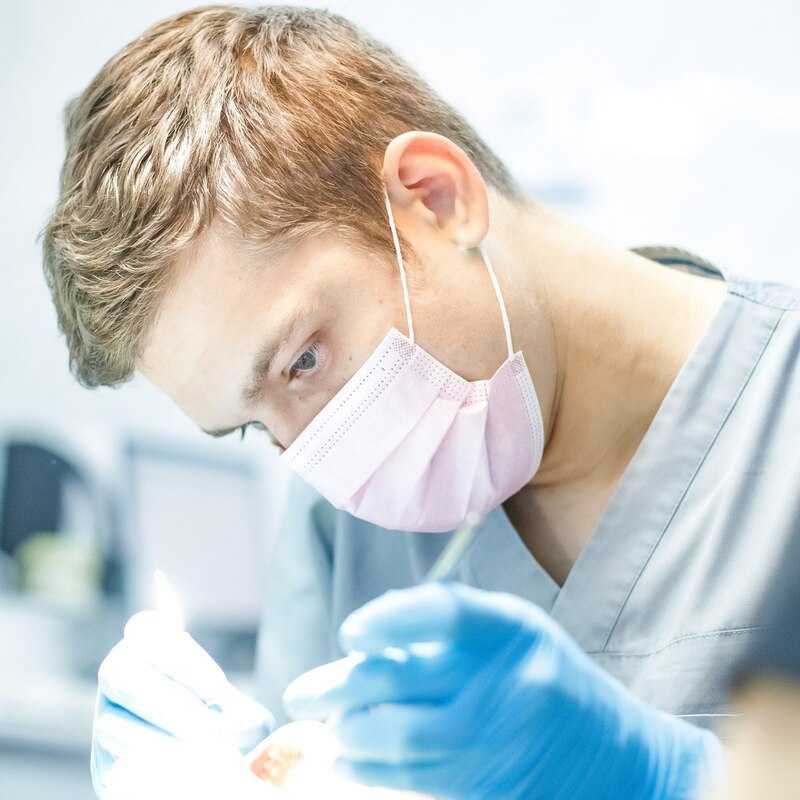
Modern Methods for Diagnosing Stomatitis
Modern methods for diagnosing stomatitis help not only to accurately determine the presence of the disease but also to establish its nature, which is important for proper treatment. For experienced specialists, a visual examination of the oral cavity may be sufficient for a preliminary diagnosis. However, to clarify details and rule out other possible conditions, additional tests may be prescribed:
- A complete blood count helps to detect the presence of an inflammatory process and evaluate the level of leukocytes and other indicators that point to the body’s reaction to an infection or inflammation.
- A biochemical blood test allows for the assessment of the general state of the body, the function of the liver, kidneys, and other organs that can affect the occurrence of stomatitis or complicate its course.
- A smear or scraping from the oral mucosa is a method used to determine the type of pathogenic microorganisms (viruses, bacteria, or fungi) that caused the stomatitis. After a laboratory analysis, the doctor receives more accurate information about the pathogenic flora and can prescribe adequate antibacterial, antiviral, or antifungal therapy.
- Immunological studies may be necessary to assess the body’s immune response, especially in recurrent or chronic forms of stomatitis, to rule out possible autoimmune disorders.
The use of these diagnostic methods allows for a highly accurate diagnosis, which is key to effective treatment and the prevention of complications.
How to Treat Stomatitis in Adults and Children
Early detection of the problem and a timely visit to a doctor contribute to easier and faster healing of the inflammatory foci, which accelerates the recovery process.
Stomatitis treatment is always developed individually and is prescribed by a dentist based on the medical history and test results.
Modern Methods of Stomatitis Treatment
Depending on the cause and form of the disease, the following are used:
- Medication.
- Treatment of inflammatory foci.
- Professional teeth cleaning.
- Laser therapy for the excision of necrotic tissues.
- Regular treatment of dentures and, in some cases, their replacement.
- A course of immunotherapy and other procedures.
Medication for Stomatitis Medical therapy for stomatitis includes:
- Antiseptic agents.
- Anti-inflammatory drugs.
- Antifungal ointments.
- Antibiotics.
- Immunomodulators.
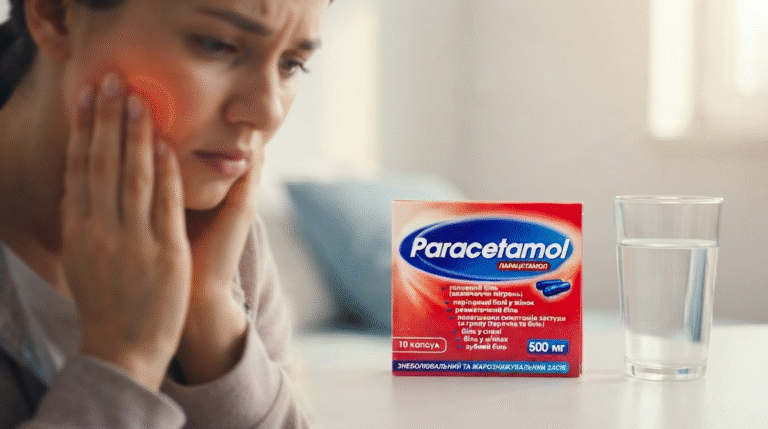
- Pain relievers.
- Antihistamines.
Stomatitis Prevention
To prevent the development of stomatitis, it is recommended to:
- Maintain oral hygiene: Regular brushing, flossing, and using mouthwash help reduce the risk of infections and inflammation.
- Eat a balanced diet: Sufficient intake of vitamins and minerals supports the health of the mucous membrane. It is important to include fruits, vegetables, and foods rich in B, C, and E vitamins in your diet.
- Avoid irritants: Refrain from excessive consumption of spicy, acidic, or overly hot food, as well as smoking and alcohol.
- Control chronic diseases: Timely treatment of conditions such as diabetes or allergies.
- Visit the dentist regularly: Professional check-ups and cleanings will help detect and eliminate potential problems at an early stage.
Recommendations for Preventing and Treating Stomatitis
- Start with a doctor’s consultation for an accurate diagnosis and appropriate treatment plan.
- Follow the prescribed medication schedule and regularly use antiseptics and anti-inflammatory agents.
- Try not to eat spicy, hot, or acidic food to avoid worsening symptoms.
- Pay attention to brushing your teeth and caring for your mouth to prevent further inflammation.
If you notice symptoms of stomatitis, it is important not to delay seeing a specialist. At the Med-Deo clinic, we offer professional help and an individual approach to each patient. Our experienced doctors will help you quickly and effectively cope with this problem, restoring the health of your smile.
Let us take care of your well-being – book an appointment today! ваш благополуччя – запишіться на прийом вже сьогодні!
Article author and doctor at Med-Deo clinic,
Therapeutic dentist Laskavaia Yuliia Valentynivna




Make an appointment
You can make an appointment by filling out the application form on the website, as well as using instant messengers:
Make an appointment
You can make an appointment by filling out the application form on the website, as well as using instant messengers:


Make an appointment easily using chatbots:
Also, call the numbers:
Modern dentistry and medical centre "MED-DEO"
Choose a clinic whose location is more convenient for you.
Kyiv, Holosiivska/Demiivska metro station
130 Lobanovskoho Avenue


Working hours:
Mon - Sun: 8:00 AM - 9:00 PM
No days off!
Call the numbers:
How to get to us? Create a route
Create a route
Kyiv, Akademistechko metro station
78A, Irpinska str.


Working hours:
Mon-Sun: 8.00-21.00
Without days off!
Call the numbers:
How to get to us?
Create a route
Create a route
Kyiv, Heroiv Dnipra metro station
32A, Heroiv Dnipra str.

Working hours:
Mon-Sun: 8.00-21.00
Without days off!
Call the numbers:
How to get to us?
Create a route
Create a route
Kyiv, Teatralna metro station
9B, E. Chykalenko (Pushkinska) str.




Working hours:
Mon-Sat: 8.00 - 21.00. Sun: by appointment.
Without days off!
Call the numbers:
How to get to us?
Create a route
Create a route
Відгук від клієнта
0:00
0:00


Your email will not be published on the site.