37814
Services Doctors
Clinics

пр.Лобановського, 130, Київ, Україна

Temporarily closed

Opening soon

стоматологія на лобановського

78A, Irpinska St., Kyiv, Ukraine

Temporarily closed

Opening soon

IMGP4938

32A, Heroiv Dnipra St., Kyiv, Ukraine

Temporarily closed

Opening soon

2024-10-23 11.56.42

9B, Yevhena Chykalenko St. (Pushkinska), Kyiv, Ukraine

Temporarily closed

Opening soon

IMGP5161
Prices Blog Contacts
Back Dentistry

Clinics "MED-DEO"

пр.Лобановського, 130, Київ, Україна

Temporarily closed

Opening soon

стоматологія на лобановського

78A, Irpinska St., Kyiv, Ukraine

Temporarily closed

Opening soon

IMGP4938

32A, Heroiv Dnipra St., Kyiv, Ukraine

Temporarily closed

Opening soon

2024-10-23 11.56.42

9B, Yevhena Chykalenko St. (Pushkinska), Kyiv, Ukraine

Temporarily closed

Opening soon

IMGP5161

Services

Dentistry

Service statistics

icon

More and more clients choose «MED-DEO»

65390

Number of services provided

63267

Number of patients who received the service

for free* * subject to treatment in the clinic

Appointment by phone:

(044) 394 90 94

Prices for dental inlays:

Service name

Price, UAH.

Consultation with a dentist on oral care

390

Sign up

Injectable anesthesia (use)

350

Sign up

Computer-aided injection anesthesia (use)

600

Sign up

Individual set "Cofferdam", ''RUBBER-DAM'' (use)

350

Sign up

Individual set ''Optra Gate'' (use)

250

Sign up

Examination of 1 tooth

240

Sign up

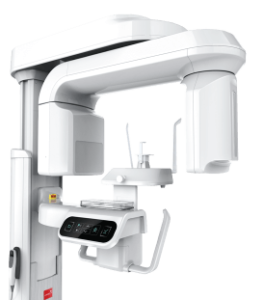
Panoramic shot (OPTG)

440

Sign up

CT scan of the upper and lower jaw

1200

Sign up

Taking an impression with A-silicone mass

700

Sign up

Taking an impression with C-silicone mass

450

Sign up

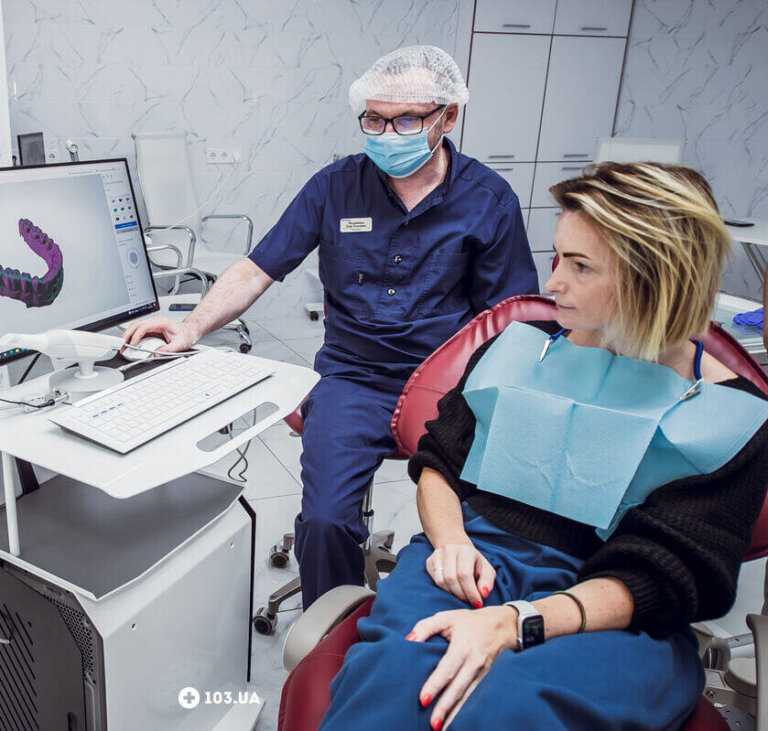
Digital fingerprinting

1100

Sign up

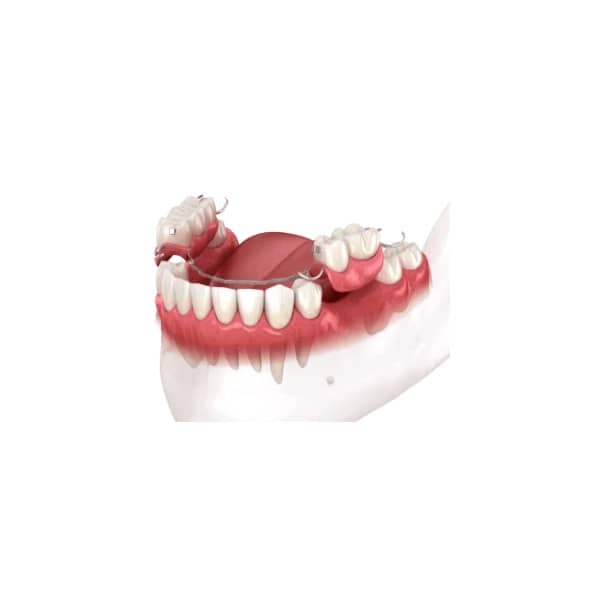
Nylon prosthesis (installation)

8800

Sign up

Nylon microprosthesis (replacement of up to 2 teeth) (installation)

4400

Sign up

Stump insert for non-metal structures (installation)

3200

Sign up

Coccyx insert based on KHS (installation)

1600

Sign up

Collapsible stub insert for non-metal structures (installation)

4200

Sign up

Opaque-coated stump insert (installation)

2750

Sign up
Popular questions on the topic

What is a dental implant?

This is a special overlay that restores part of a damaged tooth. It is placed when a filling is no longer enough.

How much does one inlay cost per tooth?

The cost depends on the material and the clinic. On average, the price ranges from 3,000 to 8,000 UAH.

Why are inlays placed on teeth?

To restore the tooth’s shape, strength, and good appearance, as well as extend its life without a crown.

Does it hurt to put a dental implant in your tooth?

The procedure is done under anesthesia, so there is no pain. There may be slight discomfort after insertion, but it quickly passes.


It happens that a tooth is so damaged that a regular filling no longer holds or breaks quickly.

In such cases, the dentist may suggest an inlay. It's not as scary as it sounds. An inlay is a way to reliably restore a tooth so that it looks natural and can withstand chewing load. I'll tell you in simple words what it is, why it is placed, and whether you should be afraid.

Reviews about dental inlays at Med-Deo

0

No reviews yet

No reviews yet

Leave a review

Have you already been to ourmedical center? Share your experience of treatment in our clinic.

Name and surname
Please fill out this form.
Your e-mail
Please fill out this form.
Describe your experience
How do you evaluate a doctor's work?
Please fill out this form.

Your email will not be published on the site.

What is a dental inlay and what does it look like?

An inlay for teeth is a small “piece” that restores the destroyed part of a tooth. It is custom-made in a laboratory, and its shape precisely mimics the missing part of the tooth. Unlike a regular filling, an inlay fits much more tightly and lasts significantly longer.

Visually, it looks like a piece of a real tooth. Most often, they are made of ceramic or zirconia, allowing the color to be matched as closely as possible to the natural shade of the enamel. Once the inlay is installed, it is practically impossible to distinguish it from the “native” tooth.

Essentially, it is a modern way to “put back” the part of the tooth you lost due to decay or a fracture, while maintaining the most natural appearance possible.

Which teeth are dental inlays placed on?

Inlays are most often placed on chewing teeth—these are the ones located at the back: molars and premolars. They do the most work when we eat and break down faster due to decay or large fillings. If a tooth has a big cavity, and a simple filling can no longer cope and constantly falls out, then the dentist advises an inlay—it holds much stronger and lasts longer.

Another option is when a tooth was treated for a “nerve” (the root canals were cleaned). After such treatment, the tooth becomes more brittle, and the inlay helps it withstand loads and prevent it from breaking.

Inlays are placed on front teeth less often because appearance, rather than strength, is usually important there. Veneers or crowns are better suited for this purpose. However, there are situations when an inlay can be made for a front tooth as well—for example, if a piece chipped off and exactly the shape needs to be restored, rather than the entire tooth.

In other words, a dental inlay is a “golden balance” between a filling and a crown: it is placed when the tooth can still be saved without full prosthetics, but a regular filling will no longer help.

Need a
Diagnostic?

Call to book an appointmen

(044) 394-90-94

Sign up
icon icon
дагностика 1

What are the types of dental inlays?

Inlays differ from one another in material, size, and manufacturing method. In simple terms, they are like “spare parts” for a tooth: you can make a small part just for a cavity, or a larger one to restore almost the entire top of the tooth.

By material:

  • Ceramic inlays – they look as natural as possible. The color is matched to your teeth, so no one will even notice that a “foreign” part is there. They are strong and durable, which is why ceramic is the most popular option today.
  • Zirconia inlays – even more resistant than ceramic tooth inlays. They are ideal for chewing teeth, which constantly experience heavy loads. Additionally, zirconia looks great and is indistinguishable from natural enamel.
  • Composite inlays – made of a material similar to a filling. They cost less but also last shorter than ceramic or zirconia. This is an option to “place now and maybe replace with something more serious later.”
  • Gold inlays – a true classic. Gold is very strong, does not wear down, and lasts for decades. However, due to its color, it does not look aesthetic, so this solution is rarely chosen today.

By size and function:

  • Inlays – small pieces that cover only a cavity inside the tooth. It is like an “improved filling.”
  • Onlays – larger than inlays, they also restore the cusps of the tooth (the “bumps” that help you chew).
  • Overlays – the most massive ones. They cover almost the entire chewing surface and resemble a mini-crown in shape.

By manufacturing method:

  • Laboratory-made – produced based on an impression or a scan in a dental laboratory. This is the classic method: one appointment with the dentist, then a few days of waiting, and then the inlay is installed.
  • CAD/CAM inlays – a modern option. The tooth is scanned right in the chair, and a computer mills the finished inlay. In some clinics, everything can be done in a single visit.
Essentially, a dental inlay can be small or large, budget-friendly or premium, but the main thing is that it is always made for a specific tooth and looks natural.

What is the process for installing tabs?


  1. Tooth Examination
    First, the dentist examines the tooth and takes an X-ray or 3D scan to understand how severely it is damaged. Then, they clean the tooth of decay and old fillings, leaving only healthy tissues. This is a very important stage, as the lifespan of the inlay depends on it.
  2. Taking an Impression or Scanning
    After the tooth is prepared, a precise impression or digital scan is made. This allows for the creation of an inlay that perfectly replicates the shape of your tooth, fits your bite, and does not interfere during chewing.
  3. Manufacturing the Inlay
    The inlay can be manufactured in a laboratory or right in the clinic using computer milling (CAD/CAM). The material is selected individually: ceramic, zirconia, or composite. Each inlay is made precisely for your tooth to look natural and be as strong as possible.
  4. Try-in and Fixation
    Before the final installation, the dentist tries on the inlay to check if it fits in terms of shape, height, and bite. Then, it is secured with a special cement or adhesive. If necessary, the doctor slightly grinds down the inlay so that everything is convenient and comfortable when chewing.
  5. Ready
    After fixation, the tooth is restored: it is strong, looks natural, and withstands loads during eating. After this, you can forget about problems with old fillings, as an inlay lasts longer and is more reliable.
We work with all insurance companies

On this page Contents of the page

icon

Dental services