40201
Services Doctors
Clinics

пр.Лобановського, 130, Київ, Україна

Temporarily closed

Opening soon

стоматологія на лобановського

78A, Irpinska St., Kyiv, Ukraine

Temporarily closed

Opening soon

IMGP4938

32A, Heroiv Dnipra St., Kyiv, Ukraine

Temporarily closed

Opening soon

2024-10-23 11.56.42

9B, Yevhena Chykalenko St. (Pushkinska), Kyiv, Ukraine

Temporarily closed

Opening soon

IMGP5161
Prices Blog Contacts
Back Dentistry

Clinics "MED-DEO"

пр.Лобановського, 130, Київ, Україна

Temporarily closed

Opening soon

стоматологія на лобановського

78A, Irpinska St., Kyiv, Ukraine

Temporarily closed

Opening soon

IMGP4938

32A, Heroiv Dnipra St., Kyiv, Ukraine

Temporarily closed

Opening soon

2024-10-23 11.56.42

9B, Yevhena Chykalenko St. (Pushkinska), Kyiv, Ukraine

Temporarily closed

Opening soon

IMGP5161

Services

Dentistry

Service statistics

icon

More and more clients choose «MED-DEO»

287

Number of services provided

257

Number of patients who received the service

Initial doctor consultation

The cost of a consultation: 1000 UAH.

Appointment by phone:

(044) 394 90 94

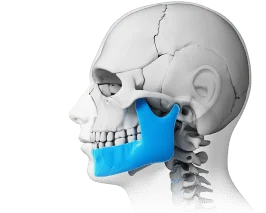
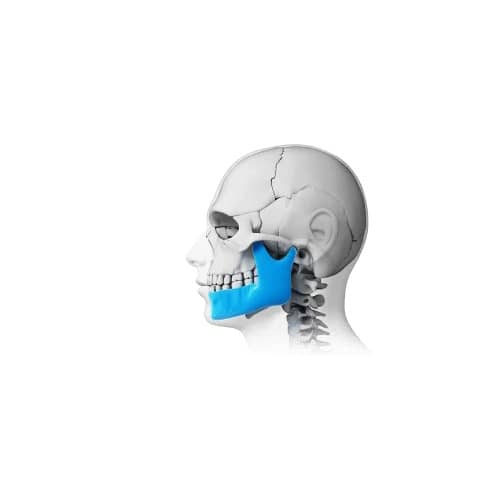
Jaw tumors are abnormal growths that occur in the jaw bones.

They can originate from both bone tissue and components associated with tooth formation. The classification of jaw tumors is based on various criteria, including the type of tumor, its origin, stage of development, and other characteristics.

Jaw tumor removal price 2026

Service name

Price, UAH.

Initial consultation with a maxillofacial surgeon with a PhD in medical sciences

1200

Sign up

Repeated consultation of a maxillofacial surgeon, candidate of medical sciences

800

Sign up

Initial consultation with an oral and maxillofacial surgeon

800

Sign up

Repeated consultation with an maxillofacial surgeon

600

Sign up

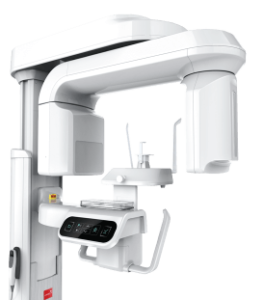
CT scan of the upper and lower jaw

1200

Sign up

Dental treatment under sedation

from 5800

Sign up
Popular questions:

What is jaw cancer?

Jaw cancer is a malignant neoplasm of the bone or soft tissue of the jaw that destroys the bone and can spread to surrounding tissues.

What symptoms may indicate jaw cancer?

Symptoms include jaw pain, facial swelling or deformity, formation of lumps or ulcers in the mouth, changes in bite, bleeding from the gums or mouth, and facial numbness.

What are the possible causes of a tumor under the jaw?

A tumor under the jaw can appear due to inflammatory processes of the salivary glands, cystic formations, benign or malignant neoplasms, injuries, or the accumulation of stones in the salivary ducts.

What should you do if you find a tumor under your jaw?

If a tumor appears under the jaw, it is important to see a dentist or otolaryngologist as soon as possible.

Jaw tumor removal at the Med-Deo clinic: high-quality and affordable

Experienced specialists at the Med-Deo clinic carefully analyze each medical case and develop individual treatment tactics, taking into account all factors related to jaw disease. Our goal is to provide high-quality and personalized medical care to ensure the best results for each patient.

Make an appointment
icon icon Group 1258

Reviews about jaw tumor removal at the Med-Deo clinic

Leave a review
5

Based on reviews

Based on reviews

Віталій

2025-04-01

Звернувся до клініки з болем у щелепі та набряком. Після обстеження виявили пухлину, яку потрібно було видаляти. Лікар дуже професійно все пояснив, підтримав морально. Операція пройшла успішно, відновлення йде добре. Дякую

Василь

2024-11-20

Величезна подяка лікарям за їхню роботу! Видалення пухлини щелепи було складним, але завдяки професіоналізму лікарів усе пройшло ідеально. Реабілітація під контролем, почуваюся набагато краще. Дуже вдячний за підтримку. Рекомендую!!!

Clinical signs of jaw tumors

Symptoms of both lower and upper jaw tumors depend on their type, size, localization, and stage of development.

Malignant jaw tumors occur much less frequently than benign tumors (three to five times less often). With the development of jaw cancer, early symptoms are frequently observed, such as pain radiating to various areas of the upper body, impaired jaw mobility, and tooth loss. Malignant jaw tumors can also lead to the destruction of bone tissue and jaw deformity, including in children.

Among the most common clinical signs are the following:

  • Pain: Pain in the jaw, teeth, face, or ear, which can be constant or intermittent, dull or sharp, and worsens during chewing or speaking;
  • Swelling and masses: Swelling, induration, a lump, or a bulge in the jaw area that is visible or palpable;
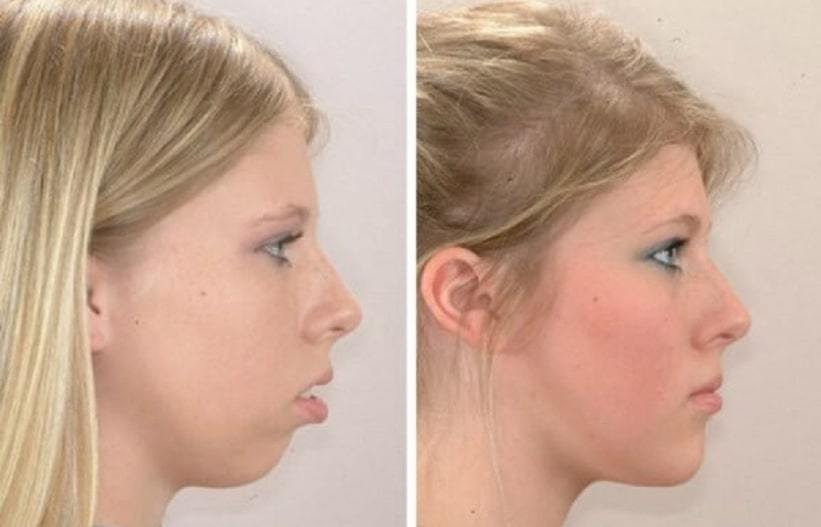
  • Deformities: Deformity of the lower or upper jaw, asymmetry, or a change in the shape of the face;
  • Tooth issues: Displacement, mobility, loss, or destruction of teeth;
  • Discharge: Bleeding, purulent, or serous discharge from the gums, teeth, or nose;
  • TMJ dysfunction: Impaired function of the temporomandibular joint (clicking, grating, or limited mobility of the lower jaw);
  • Functional impairment: Impairment of swallowing, breathing, speech, or sense of smell;
  • Mucosal changes: Formation of ulcers, erosions, pigmentation, or white patches on the oral mucosa;
  • Systemic symptoms: Elevated body temperature, weakness, sweating, loss of appetite, or weight loss.

Tumors developing in the region of the lower and upper jaws pose a hazard to human health. Therefore, if the symptoms described above appear, it is recommended to schedule an appointment with a dentist or surgeon for diagnosis and the prescription of appropriate treatment.

Classification of jaw tumors

Among jaw tumors, two main categories are distinguished (by origin):

  • Odontogenic: Associated with the tissues that form the teeth.
  • Non-odontogenic jaw tumors: Develop from various other types of tissues.
Based on the tumor type, they are classified into:
  • Benign tumors of the lower and upper jaw: These are neoplasms that do not metastasize (do not spread to other parts of the body). As a rule, such neoplasms do not pose a threat to the patient’s life. Examples include ameloblastoma, fibroma, giant cell tumor, etc.
  • Malignant tumors of the lower and upper jaw: Cancer is not restricted by age limits and is characterized by rapid progression, the ability to metastasize, and the presence of pronounced pain sensations. Examples include osteoblastoma, osteosarcoma, etc.

There are also distinct types of neoplasms, such as fibrous dysplasia, which more commonly forms in the upper jaw and occurs predominantly between the ages of 2 and 16.

Need
Diagnostics?

Phone registration:

(044) 394-90-94

Sign up
icon icon
imgp4956 1024×683

Treatment of jaw tumors

Treatment for jaw tumors depends on many factors, including the type of tumor, its stage, and the patient’s overall condition.

Thus, giant cell tumor is treated surgically, as with other benign neoplasms of the jaw. The operation consists in excision of the tumor along with adjacent bone and soft tissues. Depending on the volume of removed tissues, reconstructive plastic surgery may be required. Plastic surgery is also performed in patients with jaw deformity. Treatment of malignant tumors of the upper and lower jaw is carried out using a combined method – combining radiation therapy, the use of cytostatics and surgery. Inoperable tumors are treated with palliative therapy, which includes radiotherapy and chemotherapy. The prognosis for benign odontogenic and non-odontogenic tumors of the jaw is favorable, provided that treatment was started in a timely manner.




Still have questions?

Make an appointment with a doctor!icon

Make an appointment Make an appointment
We work with all insurance companies

On this page Contents of the page

icon

Dental services