Special offer! Comprehensive professional teeth cleaning for only 1699 UAH.
Special offer! Comprehensive professional teeth cleaning for only 1699 UAH.
Special offer! Comprehensive professional teeth cleaning for only 1699 UAH.
Special offer! Comprehensive professional teeth cleaning for only 1699 UAH.
Special offer! Comprehensive professional teeth cleaning for only 1699 UAH.
Special offer! Comprehensive professional teeth cleaning for only 1699 UAH.
Special offer! Comprehensive professional teeth cleaning for only 1699 UAH.
Special offer! Comprehensive professional teeth cleaning for only 1699 UAH.
Special offer! Comprehensive professional teeth cleaning for only 1699 UAH.
Special offer! Comprehensive professional teeth cleaning for only 1699 UAH.
Sign up
 (044) 394 90 94
(044) 394 90 94  Holosiivska/Demiivska metro station
Sign up
(044) 394 90 94
(044) 394 90 94
Doctors


 Prices
Blog
Contacts
Prices
Blog
Contacts
пр.Лобановського, 130, Київ, Україна
Temporarily closed
Opening soon
78A, Irpinska St., Kyiv, Ukraine
Temporarily closed
Opening soon
32A, Heroiv Dnipra St., Kyiv, Ukraine
Temporarily closed
Opening soon
9B, Yevhena Chykalenko St. (Pushkinska), Kyiv, Ukraine
Temporarily closed
Opening soon
(044) 394 90 94
Back
Dentistry
General Dentistry
Dental surgery
Dental Implants
Maxillofacial Surgery
Dental prosthetics
Cosmetic dentistry

Professional Dental Hygiene

Periodontics
Orthodontic dentistry

Gnathology & TMJ Therapy

Pediatric Dentistry
Dental X-Rays
Back
Orthodontic Center
Orthodontic dentistry
Gnathology & TMJ Therapy
Back
Prosthodontic Center
Dental prosthetics
Back
MED-DEO Center for Maxillofacial Surgery & Facial Plastics
Maxillofacial Surgery
Plastic surgery
Back
Surgical Dental Center
Dental surgery
Dental Implants
Search on the site


Popular requests
Teeth whitening
Treatment of caries
Wisdom tooth extraction
Bracket system
Dental veneers
Tooth restoration
Pediatric dentist
Consultation with a dentist-therapist
Search results by: «».
Unfortunately, no results were found for your search: “Pediatric Endocrinologist”, nothing was found.
You may find these links useful:
Clinics "MED-DEO"
пр.Лобановського, 130, Київ, Україна
Temporarily closed
Opening soon
78A, Irpinska St., Kyiv, Ukraine
Temporarily closed
Opening soon
32A, Heroiv Dnipra St., Kyiv, Ukraine
Temporarily closed
Opening soon
9B, Yevhena Chykalenko St. (Pushkinska), Kyiv, Ukraine
Temporarily closed
Opening soon
Services
Dentistry Orthodontic Center Prosthodontic Center MED-DEO Center for Maxillofacial Surgery & Facial Plastics Surgical Dental CenterGeneral Dentistry
Dental surgery
Dental Implants
Maxillofacial Surgery
Dental prosthetics
Cosmetic dentistry
Professional Dental Hygiene
Periodontics
Orthodontic dentistry
Gnathology & TMJ Therapy
Pediatric Dentistry
Dental X-Rays
Orthodontic dentistry
Gnathology & TMJ Therapy
Dental prosthetics
Maxillofacial Surgery
Dental surgery
Dental Implants
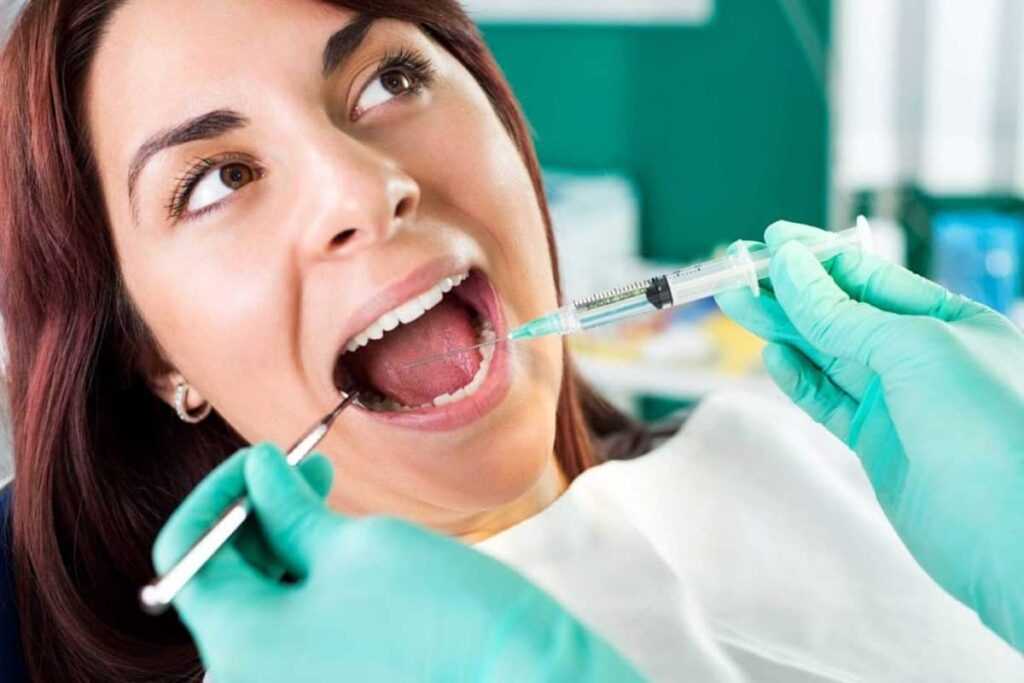
Anesthesia is a method of pain relief that allows dental treatment to be performed without pain. Local anesthetics in dentistry work simply: they block nerve impulses so that you do not feel discomfort during procedures. Modern methods are safe and virtually painless, so there is no reason to fear dental treatment.
What Is Anesthesia and How Does It Work?
Anesthesia is a pain-relief method that enables dental procedures to be carried out without pain or discomfort. The principle is straightforward: the anesthetic blocks the transmission of nerve impulses from the tooth or gum to the brain, so the pain signal never reaches the patient’s consciousness. As a result, the patient experiences no unpleasant sensations during treatment.
The injection procedure is as gentle as possible. The dentist uses a fine needle, and the patient feels only a brief, light prick. Within 2–5 minutes the treatment area becomes “frozen” — the tooth and gum lose sensation, and you can undergo treatment calmly and pain-free.
Modern dental pain-relief methods are safe and virtually painless, and their effect is fully controlled by the dentist. Moreover, anesthesia makes it possible to perform both simple procedures and complex surgical interventions without stress for the patient, making dental treatment comfortable, predictable, and safe.
Types of Dental Anesthesia
Several types of anesthesia exist in dentistry, selected according to the complexity of the procedure, the patient’s condition, and the area of intervention. The main types include: topical, infiltration, conduction/nerve block, mandibular, tubal, trunk, intraligamentary, and intraosseous anesthesia.
Topical Anesthesia
This is surface-level numbing using a gel or spray — no injection required. Topical anesthesia is used before an injection, during scaling, or in pediatric dentistry. It typically affects a small area around the tooth (approximately 2–3 mm) and lasts about 20 minutes.
Infiltration Anesthesia
An injection beneath the mucous membrane near the tooth. Indications: cavities, pulpitis, tooth extraction. The risk of complications is minimal — less than 0.02%. The procedure is virtually painless, as the needle does not penetrate deeply.
Conduction (Nerve Block) and Mandibular Anesthesia
Conduction anesthesia is a technique in which the dentist injects the anesthetic directly at the nerve trunk. This block “switches off” pain across the entire area controlled by that nerve. The method is used not only in dentistry but also in surgery for pain relief of the hands, feet, or face.
Mandibular anesthesia is a subtype of conduction anesthesia for the lower jaw. It blocks the inferior alveolar nerve at the point where it enters the bony canal, thereby fully numbing the lower jaw, tongue, and lip. This method is used for wisdom tooth extractions, complex surgical procedures, or large-scale treatment sessions.
Tubal and Trunk Anesthesia
Tubal anesthesia is applied for upper molars, targeting the tuberosity zone of the upper jaw. Trunk anesthesia blocks the maxillary or mandibular nerve in its entirety. It is used for complex dental surgery and requires a highly skilled clinician.
Intraligamentary and Intraosseous Anesthesia
The anesthetic is injected under pressure into the periodontal space or bone tissue. Advantages of intraosseous anesthesia include precise action, minimal drug volume, and few side effects. Indications: endodontic treatment when other methods are ineffective, or patients with contraindications to adrenaline. Intraligamentary anesthesia is often used when highly localized numbing is required or as a supplementary method when standard anesthesia proves insufficient.
General Anesthesia and Sedation in Dentistry
To make dental treatment as comfortable and painless as possible, modern practice employs not only local anesthesia but also general anesthesia and sedation. Each method is selected individually based on the complexity of the procedure, its duration, and the patient’s specific needs.
Dental treatment under sedation
More informationGeneral anesthesia in dentistry involves complete loss of consciousness. The patient “sleeps” throughout the procedure and feels no pain at all. It is used for:
- Prolonged and complex operations on teeth or jaws
- Wisdom tooth removal or multiple implant placement
- Patients with severe anxiety or those for whom local anesthesia does not provide adequate comfort
Sedation is a state of deep relaxation without full loss of consciousness. The patient is calm, in a light “semi-sleep,” but can still respond to the dentist and follow simple instructions. This method is suitable for:
- People with a phobic fear of dentists
- Extended procedures where local anesthesia is insufficiently effective
- Increasing comfort during orthopedic or surgical interventions
The choice of method is always made by the dentist together with the anesthesiologist, taking into account the patient’s health status, the complexity of the surgery, anxiety levels, and other individual factors to ensure safe and maximally comfortable treatment.
Which Anesthetics Are Used and How Long Does Dental Anesthesia Last?
The most commonly used anesthetics in dentistry are articaine (Septanest, Ubistesin), lidocaine, mepivacaine, and prilocaine.
For your convenience, here is a table with the key differences.
| Anesthetic | Onset of Action | Duration (tooth numbness) | Notes |
|---|---|---|---|
| Articaine | 1–3 minutes | 45–60 min / 90–120 min | Penetrates bone effectively; commonly used for extractions and cavity treatment |
| Lidocaine | 2–4 minutes | 30–50 min / 90–120 min | Classic anesthetic; universal and safe |
| Mepivacaine | 2–4 minutes | 30–40 min / 90–120 min | Minimal cardiovascular impact; suitable for at-risk patients |
| Prilocaine | 3–5 minutes | 45–60 min / 90–120 min | Often used for topical anesthesia and patients with high blood pressure |
This table helps compare anesthetics at a glance, but the final choice should always be made by a doctor based on the clinical situation.
The choice of anesthetic depends on the complexity of the procedure, the area of treatment, and the patient’s condition — the dentist selects the optimal drug for safe and comfortable care.
What Does the Patient Feel During and After Anesthesia?
During dental anesthesia, the patient feels only a brief, light prick. Within 2–5 minutes the treated area becomes “frozen” — the tooth and gum lose sensation, and there is no pain during treatment. This is a completely normal response to the anesthetic.
During the procedure, some typical sensations may be noticed:
- A slight increase in heart rate or mild anxiety, often caused by the adrenaline in the anesthetic
- Tingling or a “pins and needles” sensation in the lip, cheeks, or tongue area
- In children, the injection may cause laughter, tears, or a mildly surprised reaction due to the “cold feeling in the mouth”
After treatment, the effect of the anesthesia gradually wears off. Sensation typically returns within 1–3 hours, though nerve block anesthesia may leave numbness for somewhat longer. It is important not to chew hard food or bite the cheek in the numb area to avoid accidental injury.
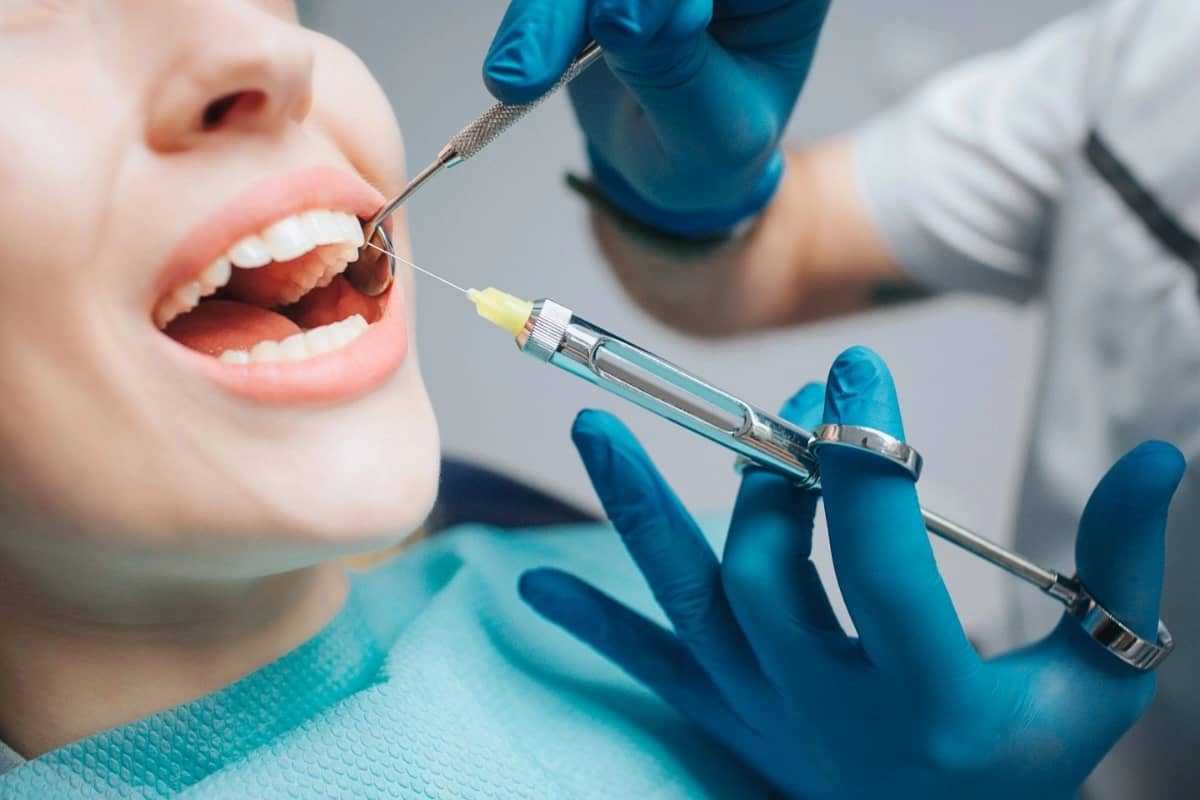
Why Anesthesia Sometimes Does Not Work — and What the Dentist Does
Although modern dental anesthesia is highly effective, it may not work fully in some patients. This occurs in approximately 3–10% of cases and is usually related to individual physiological features rather than clinical error:
- Anatomical variations in nerve pathways — in some patients the nerves are positioned differently from the norm, so a standard injection may not reach the target area
- Inflammatory process in the tooth or gums — severe inflammation reduces the anesthetic’s effectiveness because the altered tissue pH prevents the drug from working as intended
What the dentist does in such situations:
- Additional injection — a small amount of extra anesthetic is administered to the target zone to achieve full numbing
- Modified block technique — the dentist can adjust the injection point or type of block to maximize the drug’s effect
- Prior treatment of inflammation — in complex cases, the dentist first resolves the inflammation before repeating the anesthesia
These measures allow treatment to be comfortable and pain-free even for patients with complex anatomy or active inflammation, and underline the fact that an incomplete anesthetic effect is not unusual and is always resolved on an individual basis.
Contraindications, Risks, and Possible Complications
Before administering anesthesia, the dentist always evaluates the patient’s condition to ensure the safety of the procedure.
Absolute contraindications:
- Heart attack or stroke within the past 6 months
- Severe allergy to anesthetic components
Relative contraindications — requiring special techniques or alternative drugs:
- Pregnancy and breastfeeding
- Cardiovascular disease — adrenaline-free anesthetics are used in such cases
Possible complications:
- Allergic reaction — rarely to the anesthetic itself; more often to excipients
- Overdose — may cause transient neurological symptoms such as tingling or tremor
- Temporary numbness or altered sensation, resolving within a few hours after the procedure
The dentist always calculates the anesthetic dose individually, taking into account the patient’s weight, age, and health status, to make treatment as safe and comfortable as possible.
How to Prepare for Dental Anesthesia
Proper preparation before your dental visit helps ensure the anesthesia proceeds safely and comfortably, avoids complications, and reduces procedural stress.
Key preparation steps:
- Tell your dentist about all medical conditions and medications you are taking — chronic diseases, cardiovascular problems, allergies, or current medications can affect the choice and dosage of the anesthetic. Open communication is essential for safe, low-risk pain management.
- Avoid alcohol before the procedure — alcohol can alter the anesthetic’s effect and affect the cardiovascular system. Refrain from drinking at least a few hours before your appointment.
- Inform your dentist if you are afraid of injections — if you find injections unpleasant or fear pain, the dentist can apply topical anesthesia (a gel or spray) to numb the mucous membrane before the main injection, significantly reducing discomfort.
- Do not eat or bite down while still numb — part of your mouth may remain frozen for several hours after the procedure. Eating or chewing while numb risks accidentally biting your cheek, lip, or tongue.
The golden rule is open communication with your dentist. The more information the clinician has about your condition, fears, and concerns, the safer and more comfortable the anesthesia will be. Good preparation prevents unpleasant surprises and makes treatment calm and pain-free.
Anesthesia in Surgical and Orthopedic Dentistry
Different pain-relief approaches are used in dentistry depending on the type of treatment: surgical or orthopedic.
In surgical dentistry — which covers complex interventions such as wisdom tooth extractions, implant placement, and jaw surgeries — conduction or trunk anesthesia is typically used to block the nerve at the trunk level. This prevents the patient from feeling pain across a large area of the mouth while allowing the dentist to work precisely and without haste.
In orthopedic dentistry — when teeth are being prepared for crowns, bridges, or veneers — infiltration anesthesia is usually sufficient. The drug is injected directly into the gum around the tooth, enabling painless preparation without unnecessarily numbing large areas of the mouth.
In all cases, the anesthesia method is selected individually according to the scope of the intervention and the patient’s needs, so that treatment is comfortable and safe.
Frequently Asked Questions (FAQ)
How long does anesthesia last after dental treatment?
Numbness usually resolves within 1–3 hours after the injection. If a nerve block was used, the “frozen” sensation may persist somewhat longer — up to 4–5 hours.
Why does the anesthesia sometimes wear off slowly?
Duration depends on the type of anesthetic, the dose, and the injection site. Individual physiological factors and the presence of tissue inflammation can also influence the effect.
Can teeth be treated without an injection?
For simple procedures — such as scaling or superficial cavity treatment — topical anesthesia (gel or spray) can be used to numb the mucous membrane to a depth of a few millimetres. However, for extractions, implant placement, or crown preparation, an injection remains the most reliable method.
What should I do if the anesthesia did not work?
There is no need to worry. The dentist can administer an additional injection, modify the block technique, or first treat any existing inflammation so that the anesthetic takes full effect.
What is the difference between local anesthesia and general anesthesia (narcosis) at the dentist?
Local anesthesia numbs a specific area while the patient remains fully conscious and pain-free. General anesthesia (narcosis) renders the patient fully unconscious, which is necessary for complex and lengthy surgical procedures.
The author of this article is Irina Sashchuk, a general dentist, oral surgeon, and periodontist.


Make an appointment
You can make an appointment by filling out the application form on the website, as well as using instant messengers:
Make an appointment
You can make an appointment by filling out the application form on the website, as well as using instant messengers:


Make an appointment easily using chatbots:
Also, call the numbers:
Modern dentistry and medical centre "MED-DEO"
Choose a clinic whose location is more convenient for you.
Kyiv, Holosiivska/Demiivska metro station
130 Lobanovskoho Avenue


Working hours:
Mon - Sun: 8:00 AM - 9:00 PM
No days off!
Call the numbers:
How to get to us? Create a route
Create a route
Kyiv, Akademistechko metro station
78A, Irpinska str.


Working hours:
Mon-Sun: 8.00-21.00
Without days off!
Call the numbers:
How to get to us?
Create a route
Create a route
Kyiv, Heroiv Dnipra metro station
32A, Heroiv Dnipra str.
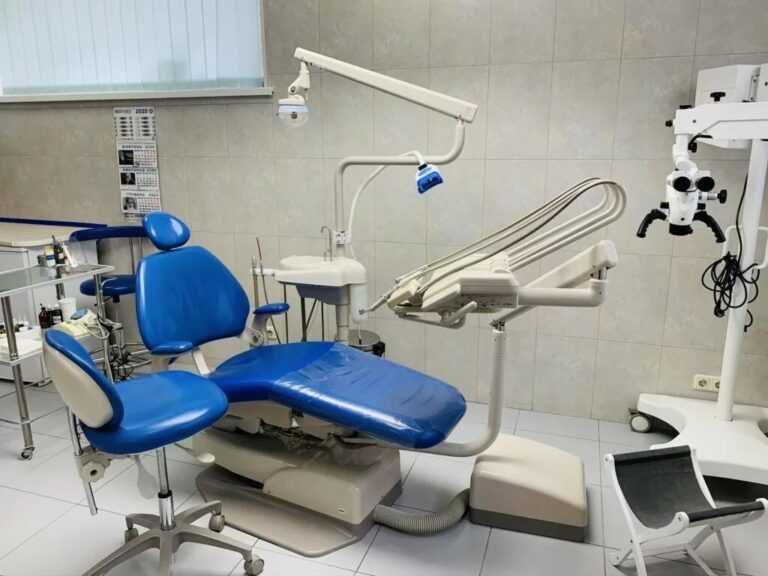
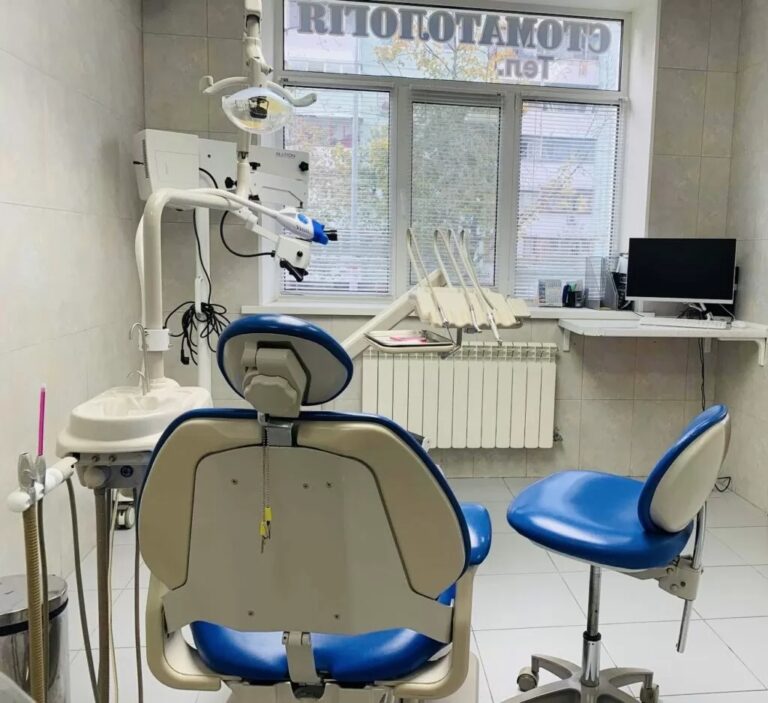
Working hours:
Mon-Sun: 8.00-21.00
Without days off!
Call the numbers:
How to get to us?
Create a route
Create a route
Kyiv, Teatralna metro station
9B, E. Chykalenko (Pushkinska) str.

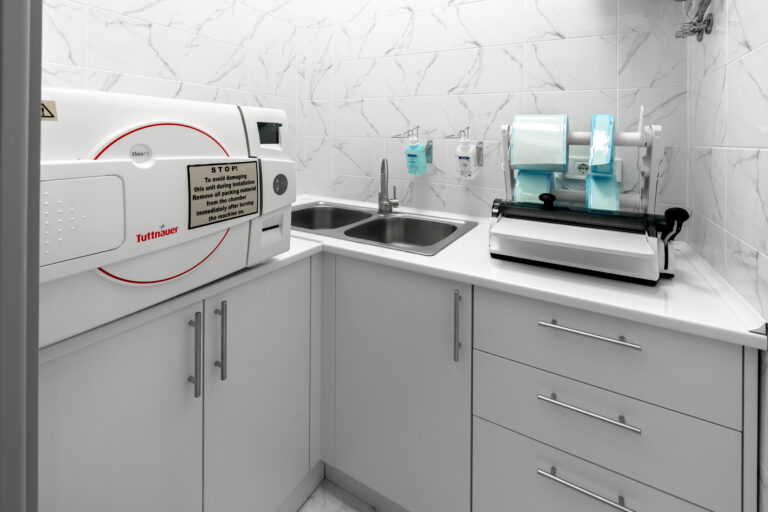


Working hours:
Mon-Sat: 8.00 - 21.00. Sun: by appointment.
Without days off!
Call the numbers:
How to get to us?
Create a route
Create a route
Відгук від клієнта
0:00
0:00


Your email will not be published on the site.