Special offer! Comprehensive professional teeth cleaning for only 1699 UAH.
Special offer! Comprehensive professional teeth cleaning for only 1699 UAH.
Special offer! Comprehensive professional teeth cleaning for only 1699 UAH.
Special offer! Comprehensive professional teeth cleaning for only 1699 UAH.
Special offer! Comprehensive professional teeth cleaning for only 1699 UAH.
Special offer! Comprehensive professional teeth cleaning for only 1699 UAH.
Special offer! Comprehensive professional teeth cleaning for only 1699 UAH.
Special offer! Comprehensive professional teeth cleaning for only 1699 UAH.
Special offer! Comprehensive professional teeth cleaning for only 1699 UAH.
Special offer! Comprehensive professional teeth cleaning for only 1699 UAH.
Sign up
 (044) 394 90 94
(044) 394 90 94  Holosiivska/Demiivska metro station
Doctors


 Prices
Blog
Contacts
Prices
Blog
Contacts
пр.Лобановського, 130, Київ, Україна
Temporarily closed
Opening soon
78A, Irpinska St., Kyiv, Ukraine
Temporarily closed
Opening soon
32A, Heroiv Dnipra St., Kyiv, Ukraine
Temporarily closed
Opening soon
9B, Yevhena Chykalenko St. (Pushkinska), Kyiv, Ukraine
Temporarily closed
Opening soon
Sign up
En
(044) 394 90 94
Back
Dentistry
General Dentistry
Dental surgery
Dental Implants
Maxillofacial Surgery
Dental prosthetics
Cosmetic dentistry
Professional Dental Hygiene

Periodontics
Orthodontic dentistry
Gnathology & TMJ Therapy
Pediatric Dentistry
Dental X-Rays
Back
Orthodontic Center
Orthodontic dentistry
Gnathology & TMJ Therapy
Back
Prosthodontic Center
Dental prosthetics
Back
MED-DEO Center for Maxillofacial Surgery & Facial Plastics
Maxillofacial Surgery
Plastic surgery
Back
Surgical Dental Center
Dental surgery
Dental Implants
Search on the site


Popular requests
Teeth whitening
Treatment of caries
Wisdom tooth extraction
Bracket system
Dental veneers
Tooth restoration
Pediatric dentist
Consultation with a dentist-therapist
Search results by: «».
Unfortunately, no results were found for your search: “Pediatric Endocrinologist”, nothing was found.
You may find these links useful:
Clinics "MED-DEO"
пр.Лобановського, 130, Київ, Україна
Temporarily closed
Opening soon
78A, Irpinska St., Kyiv, Ukraine
Temporarily closed
Opening soon
32A, Heroiv Dnipra St., Kyiv, Ukraine
Temporarily closed
Opening soon
9B, Yevhena Chykalenko St. (Pushkinska), Kyiv, Ukraine
Temporarily closed
Opening soon
Services
Dentistry Orthodontic Center Prosthodontic Center MED-DEO Center for Maxillofacial Surgery & Facial Plastics Surgical Dental CenterGeneral Dentistry
Dental surgery
Dental Implants
Maxillofacial Surgery
Dental prosthetics
Cosmetic dentistry
Professional Dental Hygiene
Periodontics
Orthodontic dentistry
Gnathology & TMJ Therapy
Pediatric Dentistry
Dental X-Rays
Orthodontic dentistry
Gnathology & TMJ Therapy
Dental prosthetics
Maxillofacial Surgery
Dental surgery
Dental Implants
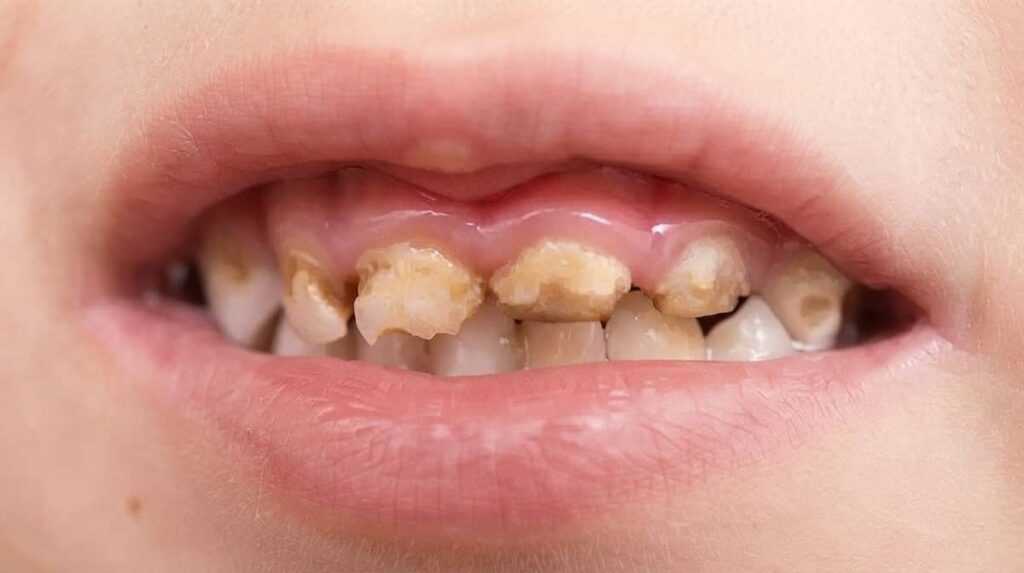

Many patients often ask: why do teeth crumble even with regular, proper care? The truth is, teeth don’t just fall apart on their own. In most cases, enamel brittleness develops from a combination of factors — both external and internal.
So if your teeth are crumbling, it may be a sign of:
- Active tooth decay (cavities).
- Enamel erosion.
- Wear from a misaligned bite or bruxism (teeth grinding).
- Dental trauma.
- Micronutrient deficiencies.
- Hormonal changes or certain medical conditions.
In general, brittleness signals that the tooth’s structure has already been significantly weakened and can no longer withstand normal pressure. People often don’t notice the problem for a long time — until they develop severe tooth sensitivity or a piece of enamel chips off entirely.

IMPORTANT: Home remedies and even expensive toothpastes are no substitute for a professional dental diagnosis — they don’t address the root cause of brittleness. At the first signs of a problem, see a qualified dentist to protect your smile for the long term.
Main Causes of Tooth Decay in Adults
There are many reasons why teeth crumble in adults, and they often occur in combination. The most common causes include:
- Cavities — gradual destruction of tooth structure.
- Poor oral hygiene — buildup of bacteria, plaque, and tartar.
- Misaligned bite — uneven enamel wear.
- Micronutrient deficiencies — weakened, increasingly brittle enamel.
- Bruxism or teeth grinding — excessive pressure on enamel, causing wear.
- Acid exposure — gradual erosion of enamel.
- Bad habits (smoking, using teeth to open things) — damaging effects on enamel condition.
- Old fillings — cracking and weakening the surrounding tooth structure.
- Dental injuries — leading to cracks and chips.
These factors gradually rob enamel of its strength. Microcracks appear first, and eventually teeth start crumbling during chewing — or even without any significant pressure at all. Secondary risk factors can also include endocrine disorders and gastrointestinal conditions.
KEEP IN MIND: Crumbling teeth almost always have an underlying root cause that needs to be addressed. Brittleness itself is just a symptom, not a diagnosis.
What Nutrients Might Your Body Be Lacking?
A question dentists hear often: what’s missing in my body if my teeth are deteriorating? The nutrients most critical for enamel health are:
- Calcium.
- Phosphorus.
- Magnesium.
- Vitamin D.
All of these play a role in tooth mineralization, which is what keeps enamel strong. That’s why, when people ask what vitamins to take for crumbling teeth, the answer typically points to supplements that support enamel strength. That said, self-medicating isn’t a good idea — always consult a dentist first, since the underlying cause may go beyond a simple vitamin deficiency.
Can Stress Cause Teeth to Crumble?
Yes, there is a real connection between stress and tooth brittleness — though it’s not quite as simple as stress directly crumbling your teeth. What typically happens is that chronic nervous tension leads to bruxism: unconsciously clenching or grinding the teeth during sleep. This is what causes microcracks and enamel brittleness over time.
If the root cause — the nervous tension — isn’t addressed, the brittleness can return quickly even after dental restoration work.
What Does It Mean When a Tooth Crumbles but Doesn’t Hurt?
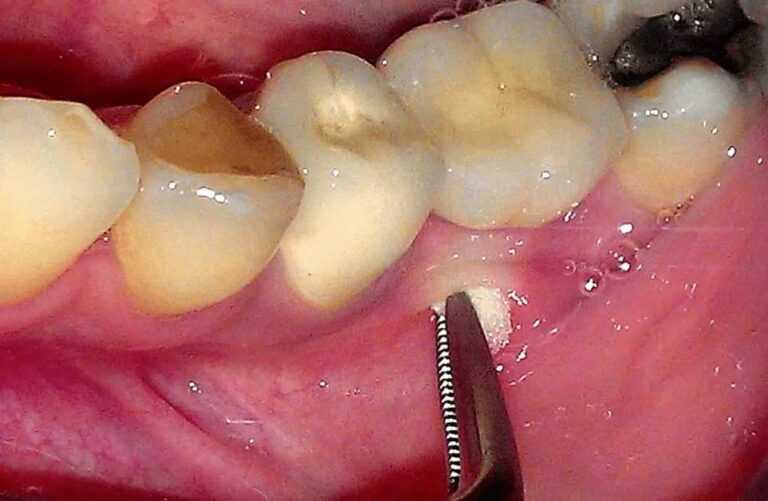
A tooth that crumbles without pain doesn’t mean the problem is minor. Decay often affects the enamel, an old filling, or the tooth’s surface layers without involving nerve inflammation. In cases of hidden cavities, the structural damage may not be immediately obvious — though bad breath is often a telling symptom.
So when should you see a dentist without delay? Watch for these signs:
- A sharp edge has appeared — a chip or fracture.
- Sensitivity to hot or cold temperatures.
- Food frequently getting stuck between teeth.
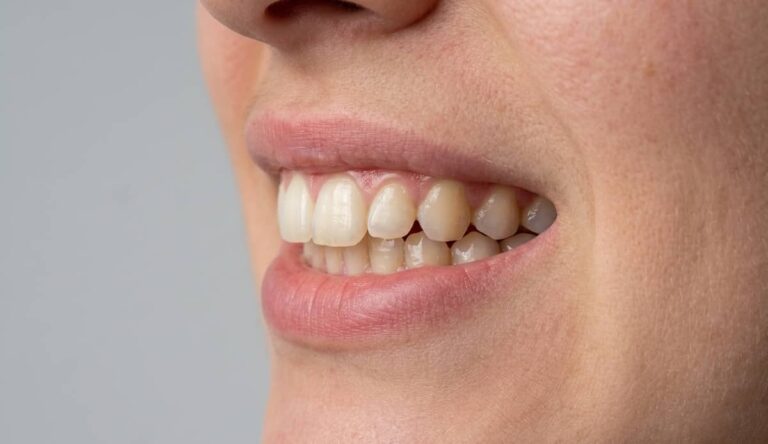
- A noticeable change in enamel color — dull, yellowish, or brownish.
- A rough or uneven tooth surface.
- Existing cracks that are gradually getting larger.
What to Do When a Tooth Has Crumbled
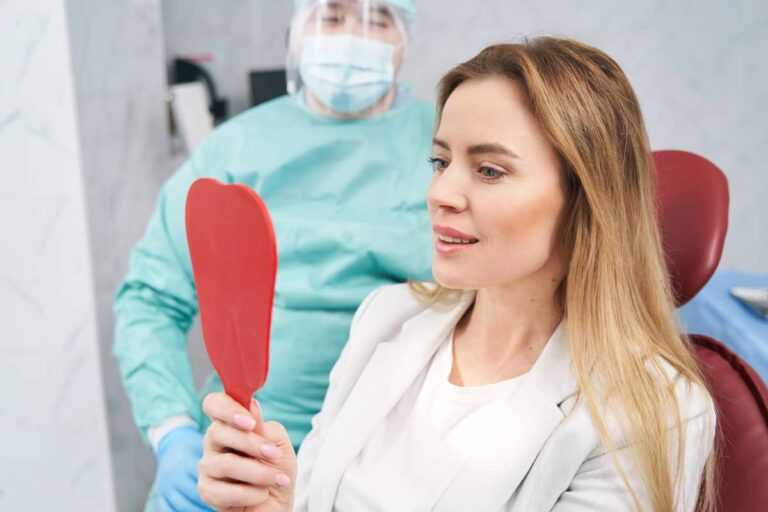
Dentists don’t recommend trying to handle crumbling teeth with home remedies alone. The cause could be an old or faulty filling, hidden decay, or something else entirely — which is why seeing a dentist early matters. The sooner the root cause is identified and treated, the better the chances of saving the whole tooth or at least most of it.
If a tooth has crumbled, don’t panic. Here’s what to do before your dental appointment:
- Avoid chewing on the affected side.
- Don’t try to break off or remove any fragments yourself.
- Stay away from very hot or cold foods and drinks.
- If the broken edge is sharp, cover it temporarily with a dental wax or over-the-counter dental cement.
- Book an appointment with your dentist as soon as possible.
Why Children’s Teeth and Baby Teeth Crumble
When a child’s teeth start crumbling, parents sometimes make the mistake of writing it off as a “temporary problem” not worth treating. In reality, baby teeth need care and regular monitoring just as much as permanent ones.
Common reasons why baby teeth crumble include:
- Early childhood tooth decay.
- Mineral deficiencies (enamel demineralization).
- Nighttime bottles filled with sweet juice or formula.
- An overall excess of sugar in the diet.
- Inadequate oral hygiene.
- Bite misalignment.
To put it simply: baby teeth crumble faster than permanent ones primarily because children’s enamel is naturally thinner and more vulnerable — and therefore less resistant to bacteria, acids, and sugars.
Extraction of baby teeth
Extraction of baby teethWhen Teeth Crumble During Pregnancy
Pregnancy puts the body through significant hormonal shifts — including morning sickness, frequent nausea, and increased acid exposure that affects enamel. As a result, teeth can become more sensitive and more prone to breaking.
Other reasons teeth crumble during pregnancy typically include:
- Dietary changes (more sweets or carbonated drinks).
- Difficulty maintaining full oral hygiene during morning sickness.
- Increased gum sensitivity.
- Depletion of key micronutrients, which is common at this stage.
IMPORTANT: If you notice a crumbled tooth during pregnancy, there’s no reason to avoid the dentist or worry unnecessarily. Timely care is exactly what’s needed here. Modern dentistry makes it entirely possible to carry out safe diagnostics and comfortable treatment throughout pregnancy.
How Crumbling Teeth Are Treated
In many cases, the reason adults experience crumbling or tooth loss comes down to advanced, untreated cavities. But since the causes vary widely, treatment depends on the specific underlying issue and the extent of the damage.
Depending on the situation, a dentist may recommend one or more of the following for weakened, brittle enamel:
- Fluoride treatment and enamel remineralization.
- Cavity treatment — filling placement.
- Replacement of old fillings — even when there’s no secondary decay.
- Cosmetic restoration — rebuilding the tooth’s shape.
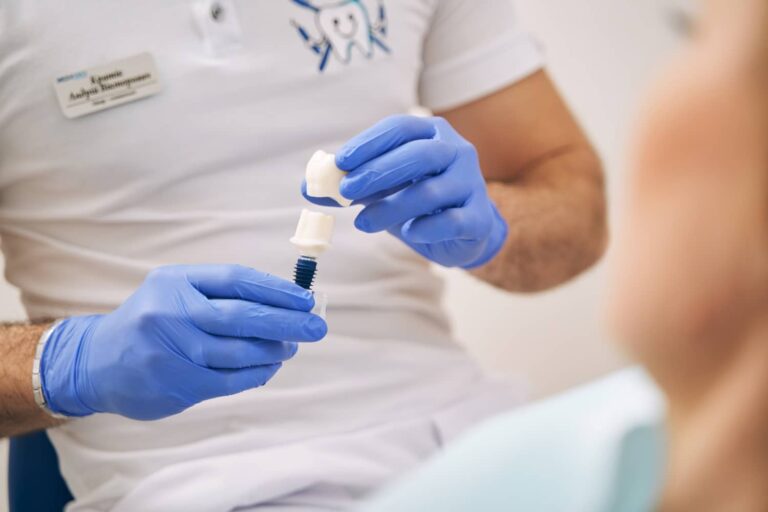
- Veneers (thin ceramic shells bonded to the tooth surface).
- Crowns — full coverage and protection for the tooth.
- Protective mouthguards for bruxism (teeth clenching).
- Dental prosthetics — for cases of severe tooth loss.
- Bite correction — to reduce pressure on the enamel.
How to Strengthen Teeth and Prevent Further Damage
Strengthening crumbling teeth ultimately comes down to eliminating the root cause. Restoring a damaged tooth isn’t enough on its own — without removing the trigger, the teeth will continue to crack and chip. Prevention is just as important, and it’s often underestimated, even though it’s what keeps the risk of future damage low over the long term.
Key steps for preventive tooth strengthening include:
- Daily home hygiene — brushing twice a day.
- Using fluoride toothpaste (possibly as recommended by your dentist).
- Regular dental check-ups and scheduled professional cleanings.
- A balanced diet, with particular attention to limiting acidic drinks.
- Dropping harmful habits — cutting back on smoking and sugar.
- Treating cavities promptly — catching them at the earliest stage.
- Managing bruxism (teeth grinding) — reducing stress levels and using a protective night guard.
One more practical tip: if you’re wondering what it means when teeth crumble, it can be as simple as paying closer attention to your enamel. Most people go through life barely noticing it. But enamel color and texture, and how teeth respond to sweets, heat, or cold, can be early warning signs of change — and often reveal the culprit, whether it’s diet, bite issues, or insufficient hygiene.
Don’t ignore even small chips, even when there’s no sensitivity. That’s frequently how enamel breakdown begins — and patients later find themselves wondering why their teeth seem to be failing one after another, when the process could have been stopped at a very early stage. Don’t wait. Take care of your teeth, and see your dentist regularly.
The author of this article is Vladyslav Dvornyk, an orthodontist and general dentist.

Make an appointment
You can make an appointment by filling out the application form on the website, as well as using instant messengers:
Make an appointment
You can make an appointment by filling out the application form on the website, as well as using instant messengers:


Make an appointment easily using chatbots:
Also, call the numbers:
Modern dentistry and medical centre "MED-DEO"
Choose a clinic whose location is more convenient for you.
Kyiv, Holosiivska/Demiivska metro station
130 Lobanovskoho Avenue


Working hours:
Mon - Sun: 8:00 AM - 9:00 PM
No days off!
Call the numbers:
How to get to us? Create a route
Create a route
Kyiv, Akademistechko metro station
78A, Irpinska str.


Working hours:
Mon-Sun: 8.00-21.00
Without days off!
Call the numbers:
How to get to us?
Create a route
Create a route
Kyiv, Heroiv Dnipra metro station
32A, Heroiv Dnipra str.


Working hours:
Mon-Sun: 8.00-21.00
Without days off!
Call the numbers:
How to get to us?
Create a route
Create a route
Kyiv, Teatralna metro station
9B, E. Chykalenko (Pushkinska) str.


Working hours:
Mon-Sat: 8.00 - 21.00. Sun: by appointment.
Without days off!
Call the numbers:
How to get to us?
Create a route
Create a route
Відгук від клієнта
0:00
0:00


Your email will not be published on the site.