 (044) 394 90 94
 Holosiivska/Demiivska metro station


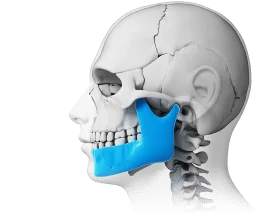
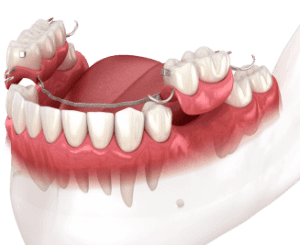
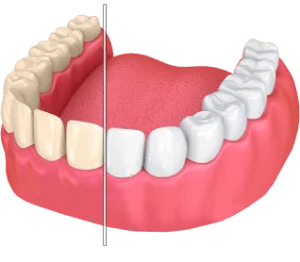








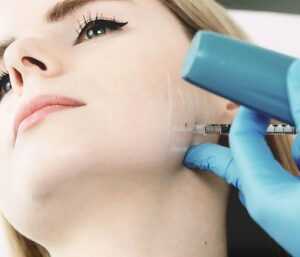 Bruxism – This is a neuromuscular disorder, not merely a “bad habit.” In other words, it is a condition in which the nervous system itself activates the chewing muscles, causing the jaw to clench or the teeth to grind—both during the day and at night. Various factors—or sometimes even a combination of them—can trigger this condition.
Among the most common causes of bruxism are the following:
- Stress, anxiety, and constant emotional tension – the entire body becomes tense, and the jaw involuntarily tightens along with it.
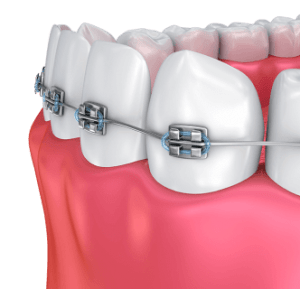
- Malocclusion (improper bite) – due to the anatomical characteristics of the bite, the teeth do not meet correctly; this can cause the masticatory (chewing) muscles to remain constantly tense, preventing them from relaxing.
- Sleep disorders – certain sleep disorders can be accompanied by frequent bruxism, specifically occurring at night.
- Neurological factors – nervous system disturbances unrelated to the masticatory muscles, which nonetheless cause these muscles to tense up (for example, following a head injury, concussion, or stroke).
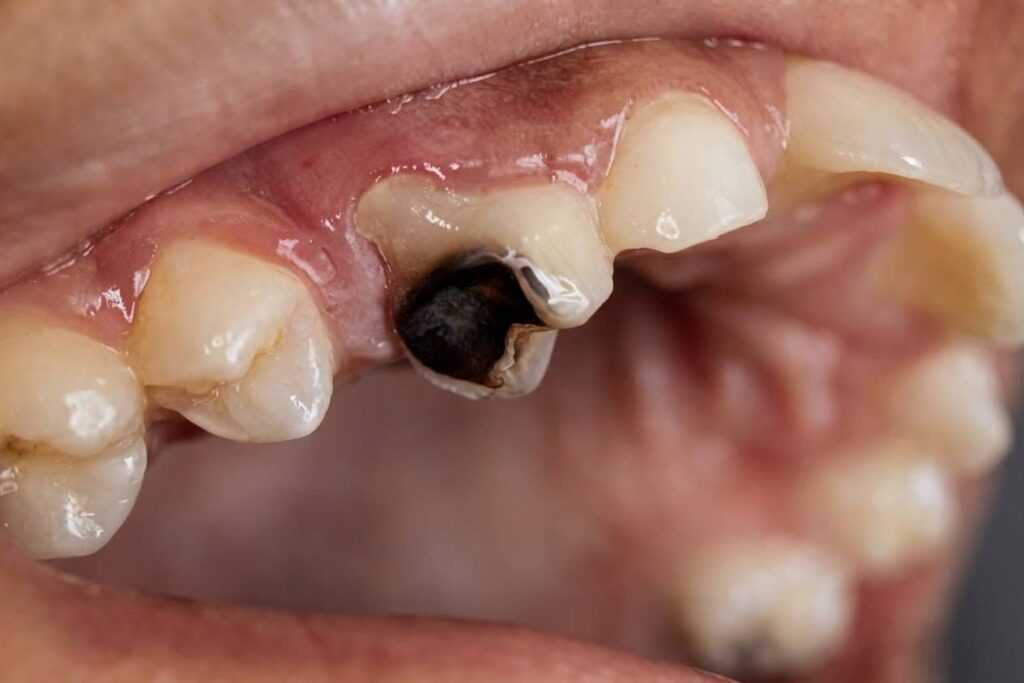
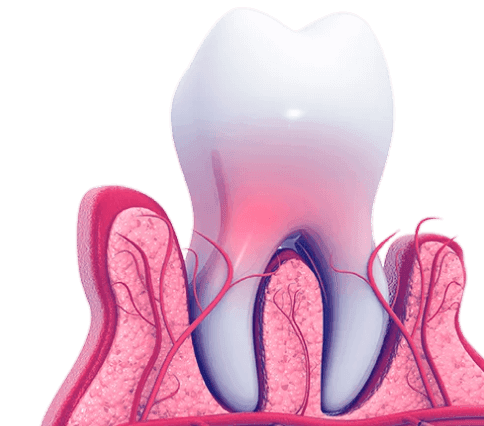
Bruxism should certainly not be ignored. If left untreated, it can lead to a range of progressive issues, including worn-down enamel, chipped teeth, strain on the temporomandibular joint (TMJ), and hypertonicity of the masticatory (chewing) muscles. In some cases, it may also result in headaches and further deterioration of sleep quality.
Below, we will explain how Botox helps with bruxism and how it differs from using a relaxing dental guard or undergoing physiotherapy.
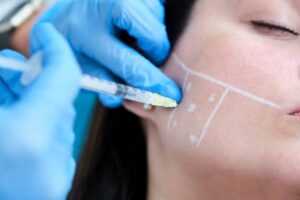 At the Med-Deo clinic, botulinum toxin therapy in dentistry follows a clear, structured process—from the initial consultation to the final assessment of results. Specifically:












Юлія Савчук
2026-10-30
Довгий час прокидалася з відчуттям напруження в щелепі, а чоловік казав, що вночі я скрегочу зубами. Після консультації лікар запропонував ін'єкції ботулотоксину для зменшення активності жувальних м'язів. Перед процедурою детально пояснили можливий ефект та обмеження. Через деякий час помітила, що ранковий дискомфорт став значно меншим.