42437
Services Doctors
Clinics

пр.Лобановського, 130, Київ, Україна

Temporarily closed

Opening soon

стоматологія на лобановського

78A, Irpinska St., Kyiv, Ukraine

Temporarily closed

Opening soon

IMGP4938

32A, Heroiv Dnipra St., Kyiv, Ukraine

Temporarily closed

Opening soon

2024-10-23 11.56.42

9B, Yevhena Chykalenko St. (Pushkinska), Kyiv, Ukraine

Temporarily closed

Opening soon

IMGP5161
Prices Blog Contacts
Back Dentistry
Back MED-DEO Center for Maxillofacial Surgery & Facial Plastics

Clinics "MED-DEO"

пр.Лобановського, 130, Київ, Україна

Temporarily closed

Opening soon

стоматологія на лобановського

78A, Irpinska St., Kyiv, Ukraine

Temporarily closed

Opening soon

IMGP4938

32A, Heroiv Dnipra St., Kyiv, Ukraine

Temporarily closed

Opening soon

2024-10-23 11.56.42

9B, Yevhena Chykalenko St. (Pushkinska), Kyiv, Ukraine

Temporarily closed

Opening soon

IMGP5161

Services

Dentistry Orthodontic Center Prosthodontic Center MED-DEO Center for Maxillofacial Surgery & Facial Plastics Surgical Dental Center

Service statistics

icon

More and more clients choose «MED-DEO»

imgp4938 1 e1728980728653 2048×1

Initial doctor's consultation

The cost of a consultation: 1400 UAH.

Appointment by phone:

(044) 394 90 94

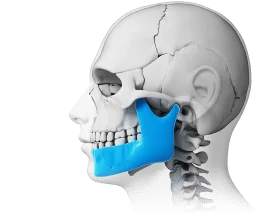
Dislocation of the jaw or "dropped jaw" is a condition when the articular head of the temporomandibular joint is out of its natural position.

This condition can occur due to opening the mouth too abruptly or significant muscle strain, and it is accompanied by pain and limited jaw mobility. It is important not to confuse a dislocation with a contracture of the lower jaw; while they share similar symptoms, the underlying mechanisms differ. If jaw problems arise, it is essential to seek medical attention promptly to ensure an accurate diagnosis and appropriate treatment.

Why choose Med-Deo clinic if your jaw has slipped out of place

Have you ever woken up with a heavy feeling in your jaw, as if you had been chewing something all night long? Or have you noticed that when you’re stressed, you clench your teeth so hard that your temples begin to ache? These are common signs of jaw joint dysfunction, but the good news is that there is an effective solution. The «MED-DEO» dental clinic network offers a solution.

Here is how your life will change after therapy

• a sense of lightness in the jaw
• silence while chewing and speaking
• reliable protection for teeth against enamel wear and cracking
• facial symmetry and a natural appearance
• a sense of calm and confidence
• continuous comfort and convenience
• no discomfort while eating
• fewer headaches

«MED-DEO» — is a place where professionalism meets patient care. Begin a new life—with a relaxed jaw, peaceful sleep, and a deep sense of confidence. Book a consultation at «MED-DEO» and experience the difference!

Jaw locking. Prices 2026

Service name

Price, UAH.

Gnathologist consultation

from 1400 ₴

Sign up

CT of the upper and lower jaw + TMJ (closed)

1700 ₴

Sign up

CT of the upper and lower jaw + lateral cephalogram

1600 ₴

Sign up

Developing a treatment plan

3100 ₴

Sign up

Fitting of a muscle-relaxing splint

20000 ₴

Sign up

Placement of a deprogrammer

9000 ₴

Sign up

3D model printing (orthodontics) – 2 jaws

4000 ₴

Sign up

Installation of the BruxChecker device

6300 ₴

Sign up

Placement of a repositioning splint

20000 ₴

Sign up

What to do if your jaw pops out

The term “jaw slipping out” (or a “locked jaw”) typically refers to a dislocation of the temporomandibular joint (TMJ)—specifically, the displacement of the joint’s condyle (head). The condyle shifts out of its natural position, which hinders jaw movement. This can occur due to significant muscle strain or, for instance, opening the mouth too abruptly. Such a “locked” state is also accompanied by pain or intense discomfort in the affected area.

However, this condition should not be confused with a contracture of the lower jaw. A contracture also involves excessive tension in the ligaments or muscles surrounding the jaw, but in this case, the joint condyle remains in its proper place. The primary issue with a jaw contracture is a restriction in the full range of motion. Conversely, when the jaw is “out” due to a dislocation of the condyle, it may become fixed in a specific position, and any attempt to move it will cause pain.

Both a dislocated jaw and a jaw contracture present with similar symptoms, such as limited mobility and pain (or at least discomfort and a sensation of tightness in the TMJ region). Yet, there are differences in the clinical presentation. In the case of a “locked” jaw, there may not be severe pain when attempting movement, whereas a dislocation typically causes significant pain when one tries to open the mouth.

Regarding treatment, both a dislocation and a contracture of the lower jaw require the use of pain-relieving medication. However, in the case of a dislocation, the primary focus is on reducing the joint head—that is, returning it to its proper position—to restore normal function. Treatment for a contracture, by contrast, aims to improve jaw mobility and relax the muscles, without involving the reduction of the joint.

Як зрозуміти, що у вас заклинило щелепу?

Recognizing the symptoms helps you understand what to do if your jaw becomes dislocated or locked. This is important, as it enables you to seek timely medical assistance and prevent the condition from worsening. Under no circumstances should you attempt to reset the jaw yourself or perform any other manual manipulations.

The most characteristic signs of a dislocated or locked jaw are pain when opening the mouth and limited mobility. Additionally, the following may occur:

  • a change in your bite;
  • a cracking or clicking sound when attempting to open your mouth;
  • a feeling of intense tightness or tension in the jaw and temples;
  • muscle tension in the neck area.

Other, sometimes less obvious, symptoms may include headaches, difficulty speaking, drooling, and hearing issues (such as ringing or a sensation of the ears being blocked).

Symptoms requiring immediate medical intervention include sudden, unbearable pain and significant tissue swelling. In such cases, the pain typically persists even after taking painkillers, and a high fever may also develop.

These symptoms can appear individually or in combination. A wide range of factors can trigger them—from a careless or sudden jaw movement to severe physical stress on the body.

Make an appointment
icon icon Group 1258

Reviews of treatment for a locked jaw

Leave a review
5

Based on reviews

Based on reviews

Вікторія Литвиненко

2026-10-17

Одного ранку не змогла нормально відкрити рот, і це мене дуже налякало. Записалася на консультацію, де лікар перевірив роботу щелепного суглоба та призначив додаткове обстеження. Після початку лікування такі епізоди стали траплятися рідше. Продовжую виконувати рекомендації та спостерігатися.

Олексій

2026-09-08

Щелепу почало періодично заклинювати, особливо після сну. На консультації лікар не обмежився звичайним оглядом, а детально розпитав про всі симптоми та призначив діагностику. Зараз проходжу лікування і вже є помітний прогрес.

Максим

2026-07-18

Періодично не міг нормально відкрити рот, що дуже лякало. Після консультації лікар усе доступно пояснив і призначив лікування. Уже через деякий час відчув значне покращення. Дякую

Юлія

2026-06-13

Періодично виникали труднощі з відкриванням рота. Лікар ретельно розібрався в ситуації та призначив необхідну діагностику. Отримала зрозумілі рекомендації та відчула покращення.

Марина

2026-05-06

Звернулась через заклинювання щелепи і біль під час жування. Лікар уважно вислухав і провів обстеження. Пояснив причину та дав рекомендації. Вже після лікування стало значно легше.

Вика Гладун

2026-04-05

Вперше потрапила до лікаря гнатолога, відразу сказали в чому проблема та розповіли що де до чого Прекрасна клініка, ввічливий персонал та професіональні лікарі

Наталія

2026-03-08

Звернулась через те, що щелепу іноді заклинювало. Лікар уважно вислухав і провів обстеження. Пояснив причину і призначив лікування. Стан значно покращився.

Ірина

2026-02-16

Періодично заклинювала щелепа при жуванні. Після обстеження виявили дисфункцію суглоба. Отримав індивідуальну капу і рекомендації щодо навантаження. Напади стали рідкісними.

Діана

2026-01-21

Раптово почала заклинювати щелепа, було страшно навіть відкривати рот. Лікар уважно вислухав, провів обстеження і пояснив причину. Лікування підібрали поступове і щадне. Уже після перших візитів стало значно легше.

Ксенія

2025-12-06

Не могла нормально відкрити рот, з’явився біль і дискомфорт. Дуже сподобалось, що лікар підійшов комплексно і все пояснив. Стан значно покращився.

Владислав

2025-11-17

Заклинювання щелепи було для мене справжнім шоком. Але лікар швидко визначив причину і почав лікування. Через кілька днів щелепа працювала набагато краще, а дискомфорт зник. Вражає професіоналізм та уважність.

Наталія

2025-10-14

Було складно навіть відкрити рот під час їжі. Після консультації гнатолога діагностували перенапруження м’язів щелепи. Провели лікування, тепер рухи без болю, щелепа працює вільно. Дуже вдячна!

Ірина

2025-09-12

Вранці відчула, що щелепа заклинює і важко відкрити рот. Лікар уважно обстежив, зробив знімок і призначив лікування. Вже через кілька днів стало значно легше/Дякую лікарю Живіловій Тетяні!

Максим

2025-08-27

Мене турбувало, що щелепа заклинювала під час жування. Лікар пояснив причину, призначив лікування й спеціальні вправи. Дуже допомогло, тепер немає непрємних відчуттів, рекомендую!

Вікторія

2025-07-27

Після курсу лікування щелепа більше не болить, зникло клацання та напруга. Атмосфера в клініці дуже комфортна. Дякую лікарю Катерині за допомогу!

Лариса

2025-06-29

Прокинулася з ранку і відчула біль у щелепі, і не могла закрити рот. Відразу почала шукати лікаря який допоже вправити щелепу. В Мед-Део мені прийняли і надали допомогу, дуже дякую!

Катерина

2025-05-23

Дякую за якісну допомогу! Звернулася в клініку Мед-део з заклинюванням щелепи, мене оглянули, зробили знімок, лікар призначив лікування. Тепер все пройшло, дякую!

Максим

2025-04-24

Звернувся з проблемою заклинювання щелепи. Мені порекомендували піти на консультацію до гнатолога. Він огляну мене, мої знімки, розповів чому так відбувається і призначив лікування. Загалом мені все сподобалося, найконструктивніша консультація з всіх. Рекомендую!

Show more Hide
Need
Diagnostics?

Appointment by phone:

(044) 394-90-94

Sign up
icon icon
дагностика 1

Possible causes of the problem

The reasons why a jaw might become locked or dislocated can act either independently or in combination. Some of the most typical and common causes of such issues involving the jaw and the temporomandibular joint (TMJ) include:

  • Functional movement disorders.

These may occur during sudden or wide opening of the mouth—for instance, while eating, yawning, or even talking.

  • Trauma.

This includes various types of falls, blows, or other mechanical impacts. It also encompasses trismus (lockjaw) following the extraction of a wisdom tooth; this can arise after a surgical procedure due to severe muscle spasms triggered by inflammation and swelling.

  • Muscle strain.

General stress can lead to tension in the masticatory (chewing) muscles, as is the case with bruxism (involuntary teeth grinding). Muscle strain can also result from constant chewing (such as chewing gum) or even poor posture.

  • Anatomical factors.

A predisposition to joint dislocation due to specific structural features, as well as an inherently improper bite (malocclusion), which leads to an uneven distribution of load on the jaw.

  • Certain medical conditions.

These include inflammation of the joint (arthritis) or the wear and tear of joint cartilage (arthrosis). It may also involve chronic conditions such as myofascial pain syndrome. This, in turn, triggers the development of so-called “trigger points” (painful spots) within the muscles, leading to tension that affects the temporomandibular joint (TMJ).

The likelihood of encountering various causes that could lead to a jaw dislocation or “locking” can be increased by several risk factors. These include age and a reduction in the elasticity of the tissues in the ligaments and joints. Other risk factors include diabetes and certain inflammatory conditions unrelated to the joint itself—such as sinusitis, maxillary sinusitis, tonsillitis, or allergic rhinitis. These conditions can influence the overall level of inflammation in the body, thereby increasing the risk of jaw-related issues.

Jaw problems—whether a dislocation or inflammation of the temporomandibular joint—undoubtedly impact one’s quality of life. They restrict a person’s daily activities, causing both physical and emotional discomfort. For this reason, seeking medical assistance is essential to ensure an accurate diagnosis and professional resolution of the issue, ultimately restoring comfort to one’s daily life.

Jaw locked – how to reset it?

If the jaw has slipped or jammed, a competent doctor will definitely know how to fix it. This is usually done by a maxillofacial surgeon or a gnathologist. Also, depending on the nuances of the problem, the help of an orthopedist and a physiotherapist may be needed. The process of correcting a jammed or dislocated jaw generally involves diagnosis and treatment, followed by rehabilitation and restoration of normal jaw function.


Ways of what to do if the jaw is jammed:

  • First aid is a cold compress to reduce swelling and avoid sudden movements.
  • Medical therapy includes jaw exercises (if necessary), manual techniques, and injections to eliminate pain and relax muscles.
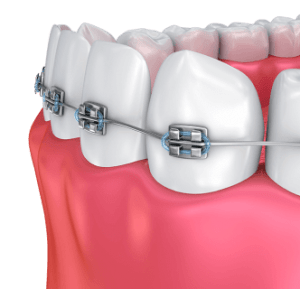
  • Other therapy prescribed by the doctor also includes compresses, massages, physiotherapeutic manipulations, anti-inflammatory and pain-relieving medications. The doctor also prescribes exercises to strengthen and relax the chewing muscles, as well as, if necessary, wearing orthodontic appliances. Such devices in the form of braces or mouthguards correct the bite, improving the functionality of the jaw.

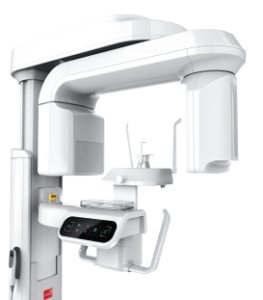
For diagnostic purposes, the doctor typically performs a physical examination and palpation; X-rays or an MRI may also be required to evaluate the jaw, joints, and surrounding tissues.

Rehabilitation and prevention after treatment


Once a dislocation of the lower jaw has been reduced or a contracture relieved, the treatment process continues with measures focused on rehabilitation and prevention. Without these, the therapy cannot be considered fully complete, and the problem may recur. That is why it is important to pay attention to these aspects as well.

As part of rehabilitation, the following is recommended:

  • physiotherapy;
  • various jaw exercises;
  • dietary management—specifically, consuming soft foods, especially during the first
  • few days following treatment;
  • gentle jaw massage;
  • regular visits to the doctor to monitor the recovery process.

As a preventive measure, the following is recommended:

  • maintain proper oral hygiene on an ongoing basis;
  • avoid excessively hard foods throughout your life;
  • ensure that bite irregularities (malocclusion) are corrected before problems with the jaw or the temporomandibular joint arise;
  • perform exercises to relax the masticatory (chewing) muscles;
  • manage stress in general, release physical tension, and seek psychological support.

Proper and timely rehabilitation will restore the functionality of the joint and jaw, while preventive measures will help avoid the recurrence of such issues. By consistently following these preventive practices—even after a full recovery and the complete disappearance of symptoms—you can maintain the health of your maxillofacial system for the long term.

Still have questions?

Book an appointment with a doctor!icon

Make an appointment Make an appointment
We work with all insurance companies.

On this page Contents of the page

icon

Dental services