Special offer! Comprehensive professional teeth cleaning for only 1699 UAH.
Special offer! Comprehensive professional teeth cleaning for only 1699 UAH.
Special offer! Comprehensive professional teeth cleaning for only 1699 UAH.
Special offer! Comprehensive professional teeth cleaning for only 1699 UAH.
Special offer! Comprehensive professional teeth cleaning for only 1699 UAH.
Special offer! Comprehensive professional teeth cleaning for only 1699 UAH.
Special offer! Comprehensive professional teeth cleaning for only 1699 UAH.
Special offer! Comprehensive professional teeth cleaning for only 1699 UAH.
Special offer! Comprehensive professional teeth cleaning for only 1699 UAH.
Special offer! Comprehensive professional teeth cleaning for only 1699 UAH.
Sign up
 (044) 394 90 94
(044) 394 90 94  Holosiivska/Demiivska metro station
Doctors


 Prices
Blog
Contacts
Prices
Blog
Contacts
пр.Лобановського, 130, Київ, Україна
Temporarily closed
Opening soon
78A, Irpinska St., Kyiv, Ukraine
Temporarily closed
Opening soon
32A, Heroiv Dnipra St., Kyiv, Ukraine
Temporarily closed
Opening soon
9B, Yevhena Chykalenko St. (Pushkinska), Kyiv, Ukraine
Temporarily closed
Opening soon
Sign up
En
(044) 394 90 94
Back
Dentistry
General Dentistry
Dental surgery
Dental Implants
Maxillofacial Surgery
Dental prosthetics
Cosmetic dentistry
Professional Dental Hygiene

Periodontics
Orthodontic dentistry

Gnathology & TMJ Therapy

Pediatric Dentistry
Dental X-Rays
Back
Orthodontic Center
Orthodontic dentistry
Gnathology & TMJ Therapy
Back
Prosthodontic Center
Dental prosthetics
Back
MED-DEO Center for Maxillofacial Surgery & Facial Plastics
Maxillofacial Surgery
Plastic surgery
Back
Surgical Dental Center
Dental surgery
Dental Implants
Search on the site


Popular requests
Teeth whitening
Treatment of caries
Wisdom tooth extraction
Bracket system
Dental veneers
Tooth restoration
Pediatric dentist
Consultation with a dentist-therapist
Search results by: «».
Unfortunately, no results were found for your search: “Pediatric Endocrinologist”, nothing was found.
You may find these links useful:
Clinics "MED-DEO"
пр.Лобановського, 130, Київ, Україна
Temporarily closed
Opening soon
78A, Irpinska St., Kyiv, Ukraine
Temporarily closed
Opening soon
32A, Heroiv Dnipra St., Kyiv, Ukraine
Temporarily closed
Opening soon
9B, Yevhena Chykalenko St. (Pushkinska), Kyiv, Ukraine
Temporarily closed
Opening soon
Services
Dentistry Orthodontic Center Prosthodontic Center MED-DEO Center for Maxillofacial Surgery & Facial Plastics Surgical Dental CenterGeneral Dentistry
Dental surgery
Dental Implants
Maxillofacial Surgery
Dental prosthetics
Cosmetic dentistry
Professional Dental Hygiene
Periodontics
Orthodontic dentistry
Gnathology & TMJ Therapy
Pediatric Dentistry
Dental X-Rays
Orthodontic dentistry
Gnathology & TMJ Therapy
Dental prosthetics
Maxillofacial Surgery
Dental surgery
Dental Implants
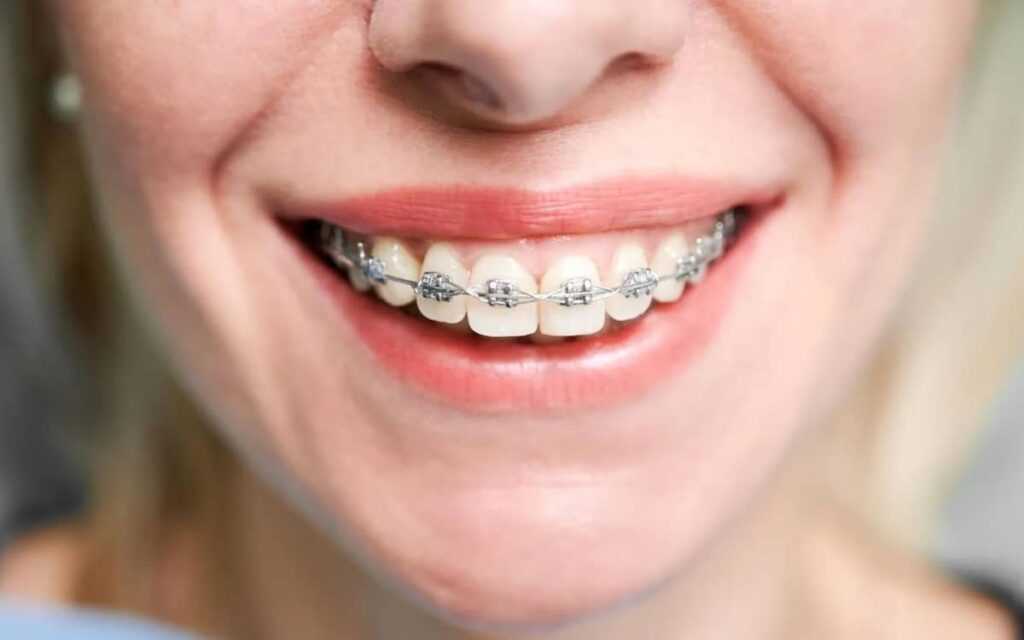

ЭтаThis article provides comprehensive answers to all your questions about braces—what you need to know before getting them, during treatment, and afterward. This will help you prepare for your orthodontist visit and make a truly informed, comfortable choice regarding braces.
What Are Braces and Why Are They Needed?
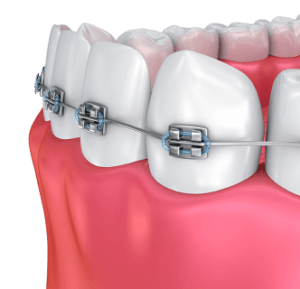
Braces are a fixed orthodontic appliance used to correct bite alignment and straighten teeth. They are attached directly to the teeth and gradually move them into the correct position. The braces system works through controlled pressure from an archwire on the teeth throughout the entire treatment period.
The main reasons for getting braces include:
- Tooth crowding
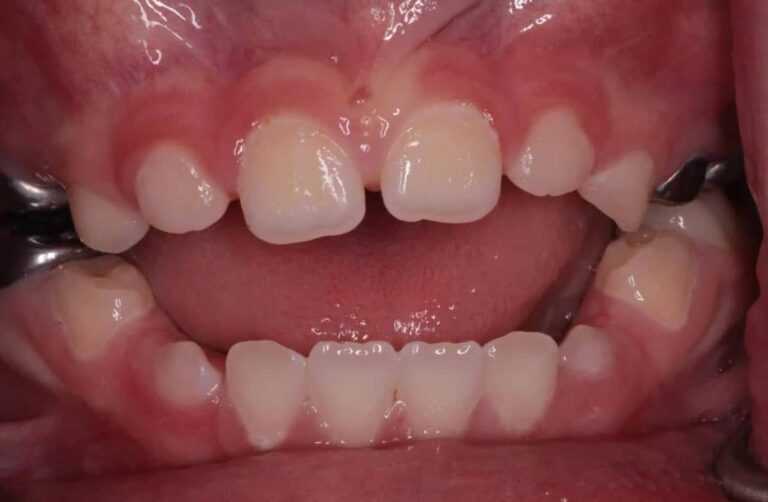
- Diastema (gaps between teeth)
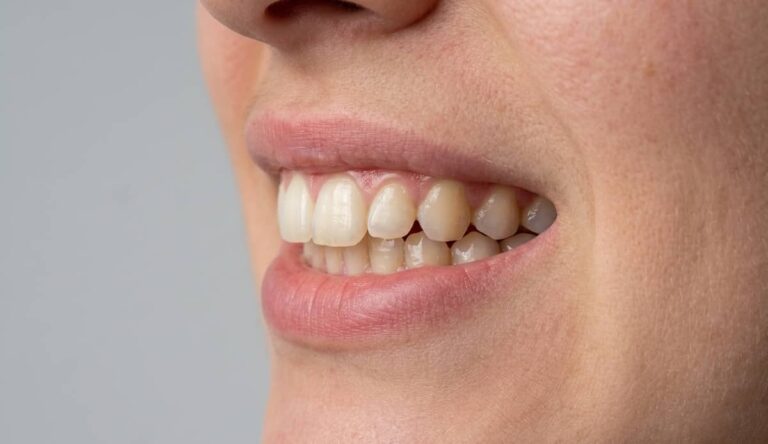
- Various bite defects (overbite, underbite, crossbite, open bite, deep bite)
- Tooth rotation (twisted teeth, turned sideways, or at incorrect angles)
In most cases, the need for braces is not just an aesthetic concern but a functional necessity for dental and jaw health—so a person can simply eat and speak normally.
How much do braces cost?
The cost of bracesIt’s worth noting that braces affect not only the teeth but also the position of the jaws and overall facial contour. We’ll discuss this impact separately below. But the key thing to understand about orthodontic treatment is this: the purpose of braces extends beyond aesthetically changing facial features. Proper facial contour directly affects the balance of soft tissues, the chewing and digestion process, and even the temporomandibular joints (TMJ).
How Braces Work: The Mechanism of Teeth Straightening
To understand how braces work, you first need to understand the structure of the entire braces system, which includes:
- Brackets (or simply “braces”) – small elements fixed directly on the teeth. They are bonded to each tooth and hold the entire braces system in place.
- Orthodontic archwire – the main force of the system, moving teeth in the desired direction. It looks like a thin metal wire passing through all the brackets.
- Wire fixation devices – auxiliary elements that hold and secure the archwire. These can be either ligatures (rubber bands) or self-ligating locks (built-in clips). These fixation devices directly affect comfort and treatment dynamics.
- Additional elements – help move teeth correctly, not just move them. These typically include various springs, hooks, and additional elastics (rubber bands).
- The mechanism of action—how braces work:
Archwire exerts constant gentle pressure on teeth → periodontal ligaments transmit force to the bone → on one side, bone resorption occurs (osteoclast cells “remove” old bone tissue); on the other side, simultaneous formation of new bone (osteoblast cells “build” new tissue) → the tooth moves in its socket → bone tissue remodels → as a result, the tooth becomes fixed in its new position.
Simply put, braces very gradually push teeth into the proper place through the archwire pressing on them.
Interestingly, the timeline of how braces straighten teeth is genuinely slow: about 1-2 mm per month. This happens because orthodontic treatment is safe and non-traumatic to tissues. Bone needs time to remodel, to “adapt” and stabilize. Accelerating this process would definitely lead to tissue trauma, pain, and even risk of root damage.
How Braces Are Installed: Installation Stages
Getting braces involves various stages. It’s definitely not a single visit to the doctor that immediately addresses all concerns. It’s an entire process requiring gradualness, attentiveness, and timely adjustments at each stage.
Stages of braces installation from start to finish:
Stage 1: Diagnosis and Treatment Planning
The doctor conducts a complete oral cavity examination, bite assessment, and evaluation of tooth condition. Then X-rays are taken, and if necessary, 3D scanning of the jaw for treatment plan development.
Stage 2: Preliminary Treatment of Teeth and Gums
Before braces installation, complete tooth preparation is mandatory. This includes cavity treatment, replacement of old fillings, elimination of all gum problems, and professional dental hygiene (removal of plaque and tartar). Sometimes the doctor may prescribe extraction of one or several teeth to free up space in the dental arch.
Stage 3: Direct Braces Installation
The doctor cleans and dries the teeth, then uses dental adhesive to attach brackets to each tooth. These elements are then connected with an orthodontic archwire passing through the slots of each bracket. The wire is fixed either with rubber bands or built-in locks.
Stage 4: Activation and Adjustment of the Braces System
Regular scheduled visits throughout treatment are crucial for monitoring progress. This means visiting the doctor approximately once every 4-6 weeks. The doctor assesses tooth movement, changes wires if necessary, and adjusts the system according to the treatment plan.
The time required for braces installation is typically short—about 1-2 hours, similar to a regular filling procedure. The exact duration depends on the specific system used, its fixation devices, etc. The procedure is painless; only temporary mild discomfort is possible. After installation, slight pain and irritation may occur in the first few days. But this is natural and normal as teeth, mucous membranes, and jaw adapt. With braces, you’ll need to brush your teeth more carefully and use special interdental brushes. Then the results will definitely be worth it.
What to Do Before Getting Braces
Here’s a detailed checklist of what needs to be done before braces installation:
- Step 1: Orthodontist consultation (examination, discussion of patient’s goals and expectations from treatment)
- Step 2: Pre-braces diagnostics (panoramic X-ray, cephalometric analysis, jaw CT scan, bite scanning, facial and dental photos). This is necessary for extremely precise action planning.
- Step 3: Treatment plan development with prognosis and timelines (digital modeling of future results, choice of braces type—for example, metal braces, ceramic, or sapphire; ligated systems or self-ligating/non-ligated)
- Step 4: Oral cavity sanitation (treatment of cavities, pulpitis, periodontitis—mandatory before braces). Braces are not installed on untreated teeth!
- Step 5: Professional dental hygiene at the dentist (removal of tartar, plaque). By the way, this also makes bracket fixation more reliable.
- Step 6: Possible tooth extraction (if insufficient space for alignment and only by orthodontist’s decision)
- Step 7: If necessary—splint therapy (TMJ stabilization, pain and muscle tension relief, bruxism elimination). When indicated, this is an important stage before orthodontic treatment, allowing braces to do their job properly.
At What Age Can You Get Braces?
There have always been myths about the appropriate age for braces. Many people think that correcting bite in adulthood is unrealistic. So the main myth here is that braces are “only for childhood.” This is completely untrue. With healthy or fully treated teeth and gums, a braces system can be a complete treatment for a person of any age. Modern orthodontics works successfully with children, teenagers, and adults alike.
The optimal age for children is 12-14 years—after all baby teeth have been replaced with permanent teeth and during active jaw growth. Precisely because the jaw is actively growing during this period, bite correction with orthodontic methods is more effective.
Of course, regarding the best age, the earlier braces are installed (when indicated), the better. In children and teenagers, bone tissue is more plastic and the necessary tooth movement occurs faster. Therefore, treatment duration is usually shorter—approximately 6-18 months.
As for adults, there are generally no age restrictions. Braces are installed at 20, 30, 40, and even 50+ years old. Specific features of braces installation in adults include: denser bone, slower movement, longer treatment (1.5-3 years), or possible additional complications (for example, periodontitis, prosthetics, tooth wear).
The main criterion for orthodontic treatment is definitely not age. Here, the condition of the oral cavity and overall dental and gum health are important. Equally important is patient motivation and their readiness to follow all recommendations during treatment, even if prolonged. Then treatment will be safe, effective, and definitely provide the desired stable results.
Does Getting, Wearing, and Removing Braces Hurt?
Does Getting Braces Hurt?
To answer briefly whether getting braces hurts—no. Installation is painless; anesthesia isn’t even used since there are no invasive procedures. Of course, minor discomfort is possible—like feeling pressure from instruments or from sitting with an open mouth for an extended period. In the first hours after braces installation, after archwire activation, teeth begin to feel its pressure. This can cause an aching sensation, but definitely not sharp pain. This is all temporary, until teeth adapt.
Does Wearing Braces Hurt?
The honest answer is—sometimes there’s discomfort, especially in the first weeks. This adaptation period to braces lasts 1-2 months and is essentially the most challenging period. Teeth and jaw adapt to constant pressure; sometimes after physical activity, aching unpleasant sensations may intensify. Also, irritation of the cheek, tongue, and lip mucosa occurs. For this, special gels or protective wax are prescribed.
After the adaptation period, discomfort is minimal and appears only after scheduled braces adjustments (wire changes, tightening). This lasts approximately 1-3 days, then discomfort disappears again.
It’s extremely important to understand that painful sensations are normal in this situation. It’s a reaction to tooth movement, and overall the pain is tolerable. What’s not normal is when pain is sharp and more localized (for example, one tooth or pain in the TMJ area). Enamel hypersensitivity during this period is also not normal. In such cases, contact your doctor as soon as possible!
Does Removing Braces Hurt?
To answer briefly whether removing braces hurts—no. This procedure is completely painless. The removal process is performed by an orthodontist. Before removing braces completely, each bracket is sequentially detached from the tooth using special pliers. There may only be clicking sounds, a bit of pressure sensation, but definitely no pain. Then the doctor removes adhesive residue with a dental drill, which also just makes noise and gives a vibration sensation, but is completely painless. Then the doctor polishes the teeth. The cost of braces removal depends on individual cases, which can be clarified with your orthodontist.
After braces removal, unusual discomfort may be felt for 1-2 days as the mouth adapts to the absence of the appliance. Teeth during this period may seem too smooth, as if “bare.” The retention period is important here, when special fixed wires or removable trays—retainers—are installed. This is necessary to reliably fix treatment results so teeth don’t return to their initial incorrect position. And this, of course, is also painless.
Can Braces Be Installed on One Jaw Only?
The myth about whether braces can be installed on one jaw is actually not a myth. Technically it’s possible, but in most cases it’s not recommended. Orthodontic methods should treat comprehensively—working with bite as a whole, with both jaws.
Orthodontists explain it this way: Bite is the interaction of both jaws. Straightening only one can lead to worsened tooth occlusion. As a result, there will be new functional jaw problems and unstable or short-term effects from braces treatment.
Rare cases where single-jaw installation is possible include:
Minor crowding of anterior teeth without bite disturbance (unlikely scenario)
Relapse after previous treatment (for example, when teeth on one jaw shifted slightly again)
In summary, regarding whether braces can be installed on one jaw: the final decision is made by the doctor only after thorough diagnostics. The patient shouldn’t insist on this option for economy or comfort reasons if there are no indications. Because later this can definitely cause even greater complications.
Can Braces Be Installed on Crowns and Implants?
An equally pressing question for patients is whether braces can be installed on crowns and implants. After all, in adulthood, many people already have them. So, about each case in more detail:
Braces on crowns—installation is possible. But with limitations. With ceramic or metal-ceramic crowns, fixing braces brackets is generally possible. But bonding on veneers is not recommended, or only special orthodontic adhesive should be used. Overall, risks with braces on crowns include: ceramic may chip during removal or active tooth movement.
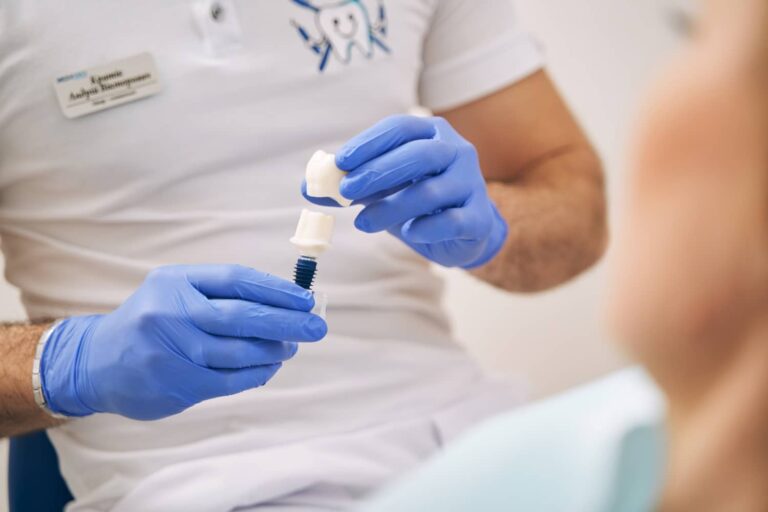
Braces on implants—installation is not possible. An implant is an artificial tooth root in bone and it’s immobile. Accordingly, it has no periodontal ligaments, so braces pressure simply won’t work. What’s possible in such cases is making implants anchor points and moving only adjacent teeth. Sometimes micro-implants are even used for additional anchorage in such cases.
Overall, the presence of crowns or implants is not a total prohibition for braces installation. But still, a more careful approach and professional orthodontist consultation are needed for safe treatment.
What’s Better: Braces or Aligners?
Whether aligners or braces are better is determined by various aspects. They work differently, may have different treatment durations, and require different hygiene. For example, caring for teeth with braces requires additional aids like a special orthodontic brush and paste, interdental brushes, and an irrigator. Meanwhile, caring for teeth with aligners is simpler because they’re removable.
Comparison table for your convenience:
Дізнайтеся, які методи ортодонтії найпопулярніші: що краще елайнери чи брекети?
| CRITERION | BRACES | ALIGNERS |
|---|---|---|
| Effectiveness | For complex cases and significant tooth movement | For mild to moderate cases |
| Aesthetics | Visible on teeth, especially metal ones | Transparent, nearly invisible |
| Comfort | Non-removable, may irritate mucosa | Removable, soft, more comfortable |
| Hygiene | Cleaning more difficult, need to carefully clean around brackets | Easy to remove and clean teeth normally |
| Dietary restrictions | Must avoid hard and sticky foods (especially nuts, caramel, crackers, chewing gum) | None, as they’re removed during meals |
| Discipline | Non-removable, guaranteeing constant wear | Need to wear 22 hrs/day, but risk of patient non-compliance |
| Cost | Depends on complexity; budget metal options are cheaper | Depends on complexity and brand |
| Treatment duration | Depends on case; often shorter in complex cases | Depends on case; may be longer with serious bite anomalies |
Thus, each method serves its purpose. If you have complex orthodontic problems, braces may be more effective; for mild to moderate cases where aesthetics and comfort are important, aligners will be the optimal choice. An orthodontist will always recommend what suits your clinical situation.
So, very briefly, what’s better—aligners or braces:
Braces—when there are complex bite anomalies, significant tooth movement, low patient discipline, and budget metal options are needed.
Aligners (clear trays)—when cases are mild/moderate, high aesthetic requirements, ability to remove for important events, disciplined patient.
Key point: the orthodontist makes the decision based on diagnostics! Sometimes combined treatment is possible—for example, braces treatment + then corrective finishing with aligners.
How Braces Change Your Face
Besides the always important financial question of how much braces removal or installation costs, patients worry about visual changes. And this isn’t even about bite functionality, but more about how braces change the face overall. People worry about this simply from fear that suddenly their face might become worse.
So, how do braces change your face? Directly and globally—not at all. But bite correction naturally changes jaw position and simply makes a person’s profile more natural and aesthetic.
What specific changes are possible:
Profile correction—with overbite, when the chin protrudes forward, the profile becomes more harmonious; with underbite—the lower jaw naturally moves back
Facial symmetry—with crossbite, noticeable asymmetry is eliminated
Lip position—with anterior tooth crowding, lips may become fuller/thinner, depending on movement direction
Facial contour—bite height changes and there’s a slight “lifting” effect of the lower third of the face
It’s worth understanding that braces only provide positive changes. The face becomes more harmonious and relaxed in a good sense (not tense). Moreover, the orthodontist can create 3D visualization at the diagnostic stage and model future changes to your face.
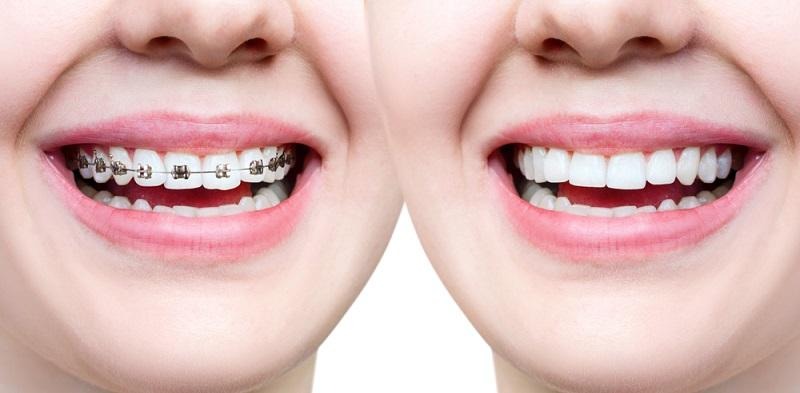
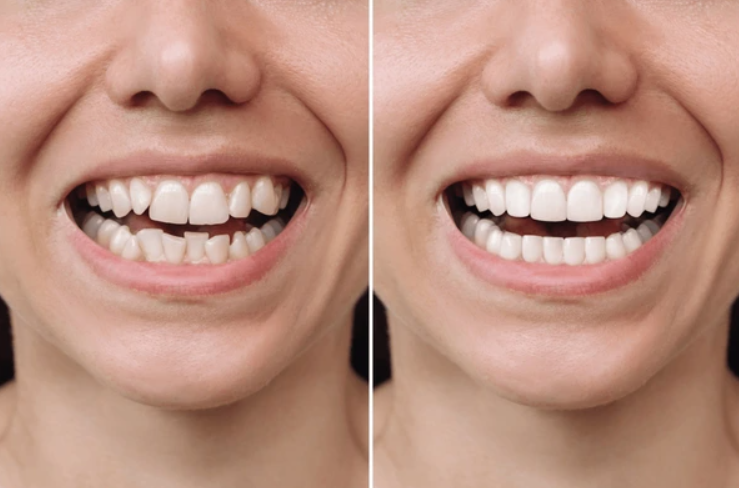
Below are before/after photos of braces treatment to demonstrate their impact.
This comprehensive guide covers all essential aspects of braces treatment, helping you make an informed decision about your orthodontic journey.
Written by Dr. Nataliia Shmarchuk, DDS Pediatric Dentist | Orthodontist | General Dentist


Make an appointment
You can make an appointment by filling out the application form on the website, as well as using instant messengers:
Make an appointment
You can make an appointment by filling out the application form on the website, as well as using instant messengers:


Make an appointment easily using chatbots:
Also, call the numbers:
Modern dentistry and medical centre "MED-DEO"
Choose a clinic whose location is more convenient for you.
Kyiv, Holosiivska/Demiivska metro station
130 Lobanovskoho Avenue


Working hours:
Mon - Sun: 8:00 AM - 9:00 PM
No days off!
Call the numbers:
How to get to us? Create a route
Create a route
Kyiv, Akademistechko metro station
78A, Irpinska str.


Working hours:
Mon-Sun: 8.00-21.00
Without days off!
Call the numbers:
How to get to us?
Create a route
Create a route
Kyiv, Heroiv Dnipra metro station
32A, Heroiv Dnipra str.


Working hours:
Mon-Sun: 8.00-21.00
Without days off!
Call the numbers:
How to get to us?
Create a route
Create a route
Kyiv, Teatralna metro station
9B, E. Chykalenko (Pushkinska) str.


Working hours:
Mon-Sat: 8.00 - 21.00. Sun: by appointment.
Without days off!
Call the numbers:
How to get to us?
Create a route
Create a route
Відгук від клієнта
0:00
0:00


Your email will not be published on the site.