Special offer! Comprehensive professional teeth cleaning for only 1699 UAH.
Special offer! Comprehensive professional teeth cleaning for only 1699 UAH.
Special offer! Comprehensive professional teeth cleaning for only 1699 UAH.
Special offer! Comprehensive professional teeth cleaning for only 1699 UAH.
Special offer! Comprehensive professional teeth cleaning for only 1699 UAH.
Special offer! Comprehensive professional teeth cleaning for only 1699 UAH.
Special offer! Comprehensive professional teeth cleaning for only 1699 UAH.
Special offer! Comprehensive professional teeth cleaning for only 1699 UAH.
Special offer! Comprehensive professional teeth cleaning for only 1699 UAH.
Special offer! Comprehensive professional teeth cleaning for only 1699 UAH.
Sign up
 (044) 394 90 94
  Holosiivska/Demiivska metro station
Doctors


 Prices
Blog
Contacts
пр.Лобановського, 130, Київ, Україна
Temporarily closed
Opening soon
78A, Irpinska St., Kyiv, Ukraine
Temporarily closed
Opening soon
32A, Heroiv Dnipra St., Kyiv, Ukraine
Temporarily closed
Opening soon
9B, Yevhena Chykalenko St. (Pushkinska), Kyiv, Ukraine
Temporarily closed
Opening soon
Sign up
En
(044) 394 90 94
Back
Dentistry
General Dentistry
Dental surgery
Dental Implants
Maxillofacial Surgery
Dental prosthetics
Cosmetic dentistry
Professional Dental Hygiene

Periodontics
Orthodontic dentistry

Gnathology & TMJ Therapy
Pediatric Dentistry
Dental X-Rays
Back
Orthodontic Center
Orthodontic dentistry
Gnathology & TMJ Therapy
Back
Prosthodontic Center
Dental prosthetics
Back
MED-DEO Center for Maxillofacial Surgery & Facial Plastics
Maxillofacial Surgery
Plastic surgery
Back
Surgical Dental Center
Dental surgery
Dental Implants
Search on the site


Popular requests
Teeth whitening
Treatment of caries
Wisdom tooth extraction
Bracket system
Dental veneers
Tooth restoration
Pediatric dentist
Consultation with a dentist-therapist
Search results by: «».
Unfortunately, no results were found for your search: “Pediatric Endocrinologist”, nothing was found.
You may find these links useful:
Clinics "MED-DEO"
пр.Лобановського, 130, Київ, Україна
Temporarily closed
Opening soon
78A, Irpinska St., Kyiv, Ukraine
Temporarily closed
Opening soon
32A, Heroiv Dnipra St., Kyiv, Ukraine
Temporarily closed
Opening soon
9B, Yevhena Chykalenko St. (Pushkinska), Kyiv, Ukraine
Temporarily closed
Opening soon
Services
Dentistry Orthodontic Center Prosthodontic Center MED-DEO Center for Maxillofacial Surgery & Facial Plastics Surgical Dental CenterGeneral Dentistry
Dental surgery
Dental Implants
Maxillofacial Surgery
Dental prosthetics
Cosmetic dentistry
Professional Dental Hygiene
Periodontics
Orthodontic dentistry
Gnathology & TMJ Therapy
Pediatric Dentistry
Dental X-Rays
Orthodontic dentistry
Gnathology & TMJ Therapy
Dental prosthetics
Maxillofacial Surgery
Dental surgery
Dental Implants


A bitter taste in the mouth often seems like a minor thing that’s easy to ignore. Sometimes, though, it’s precisely these seemingly insignificant changes that signal a problem somewhere in the body. Some people notice it only in the morning, others after eating or throughout the day. And while it may go away on its own, it isn’t always wise to brush it off. How can you tell when there’s nothing to worry about and when it’s time to see a doctor? Let’s look at what a bitter taste in the mouth may indicate and how to respond.
What a Bitter Taste in the Mouth Means
It is a symptom that can result from digestive disorders, problems with the teeth and gums, or temporary external factors.
An occasional bitter taste after fatty food, alcohol, or certain medications doesn’t always point to a pathology. If it keeps coming back, it’s worth getting examined and finding out what is actually causing it, rather than just trying to get rid of the unpleasant sensation.
Sometimes it is linked to dysgeusia, a taste disorder caused by changes in how the taste receptors work, insufficient saliva production, or conditions affecting the oral cavity. That’s why you should always pay attention to accompanying symptoms.
Bitter Taste in the Mouth: Causes
The causes of a bitter taste in the mouth can vary. Most often, they are related to gastrointestinal diseases or oral health problems. An unpleasant taste can also be triggered by medications, smoking, alcohol, or not drinking enough water.
What can cause a bitter taste in the mouth:
- diseases of the stomach, liver, and biliary tract;
- dental diseases;
- medication side effects;
- dehydration;
- smoking;
- irregular eating habits;
- overeating;
- excessive consumption of fatty foods.
This breakdown helps a doctor narrow down the possible reasons for your particular case more quickly. However, a final conclusion can only be made after a full examination.
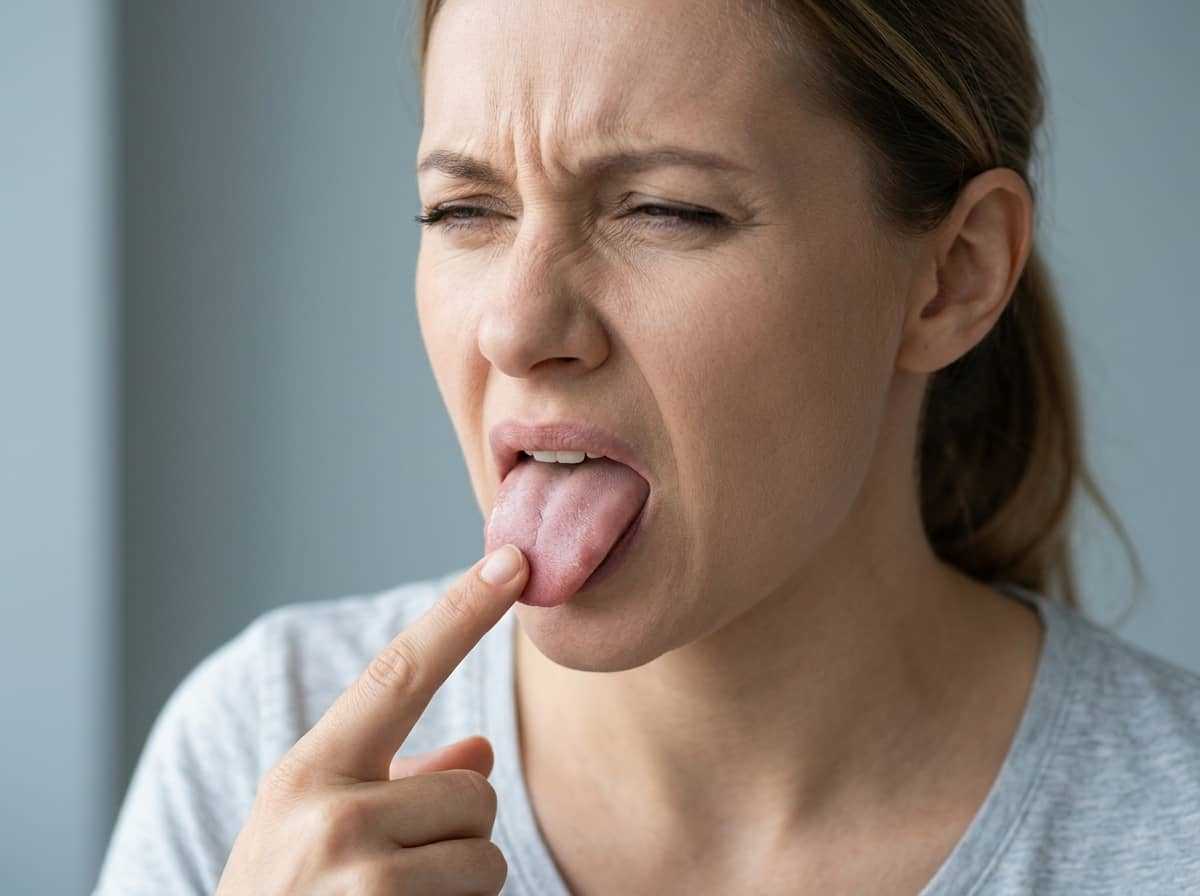
Causes Related to the Stomach, Liver, and Biliary System
In these cases, bile or acidic stomach contents can flow back into the esophagus. This is what produces the bitter taste in the mouth. A bitter taste related to the gastrointestinal tract is often accompanied by other symptoms.
The most common conditions are:
- gastroesophageal reflux disease (GERD);
- gastritis;
- cholecystitis;
- bile stasis;
- biliary dyskinesia.
The condition is often accompanied by the following symptoms: heartburn, belching, nausea, bloating, a feeling of heaviness in the stomach, and discomfort after eating.
Bitter Taste in the Mouth: Oral Causes
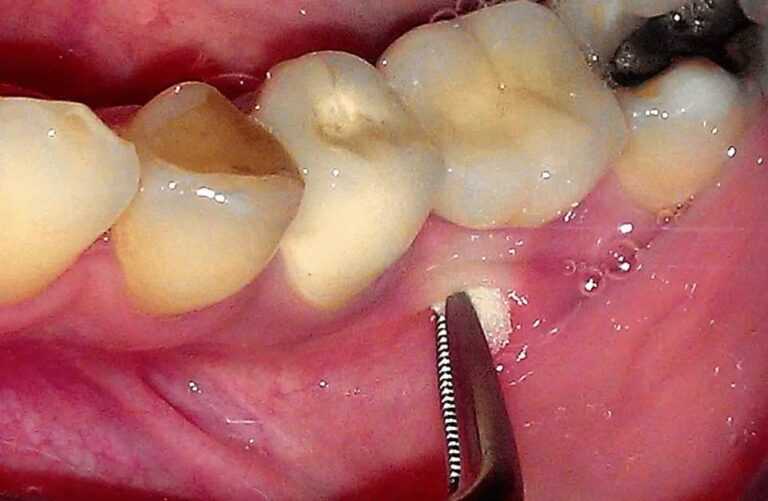
Diseases of the teeth and gums can also alter your sense of taste. In this case, the causes of the bitter taste are dental in origin.
The problem is most often caused by:
- tooth decay;
- gum inflammation;
- stomatitis;
- candidiasis (oral thrush);
- heavy coating on the tongue;
- inadequate regular oral hygiene;
- poor-quality dental prosthetics.
Bacteria build up on the surface of the teeth, gums, and tongue. This changes the composition of the saliva and irritates the mucous membrane, which in turn alters taste perception.
If you also have bleeding gums, bad breath, or a bitter taste along with a white coating on the tongue, you should make an appointment with a dentist.
Can Medications and Lifestyle Cause a Bitter Taste?
Certain medications and daily habits change the composition of saliva or affect how the taste receptors function. This can lead to a bitter taste in the mouth.
This condition most often occurs after:
- antibiotics;
- certain cardiovascular medications;
- some antihistamines;
- smoking;
- drinking alcohol;
- not drinking enough water;
- long gaps between meals.
You shouldn’t take pills for a bitter taste on your own. First, the cause of the symptom needs to be identified. In most cases, the effective approach is to treat the underlying cause rather than fight the unpleasant taste itself.

When the Bitter Taste Appears in the Morning, After Sleep, or After Eating
The timing of the symptom often helps pinpoint where it comes from. If the unpleasant taste appears only in a specific situation, it’s easier for a specialist to work out what may have triggered it.
Bitter Taste in the Mouth in the Morning or After Sleep
A bitter taste in the morning is most often caused by a dry mucous membrane or nighttime reflux. A late dinner, mouth breathing, and not drinking enough fluids also play a role.
To find out why you wake up with a bitter taste every morning, you need to get examined.
Bitter Taste in the Mouth After Eating
If a bitter taste lingers after most meals, it may point to a problem with the digestive system. Once the reason behind it has been identified, appropriate treatment can be chosen if needed.
Accompanying Symptoms That Help Identify the Cause
A bitter taste on its own rarely reveals what caused it. A doctor gets far more information when the symptom is assessed alongside other complaints and the patient’s overall condition.
Dry Mouth and a Bitter Taste
These signs very often occur together because of insufficient saliva production. When there isn’t enough saliva, the mouth’s natural cleansing process suffers, and the change in taste becomes more noticeable.
When a bitter taste appears, the possible causes include:
- dehydration;
- mouth breathing;
- taking certain medications;
- long-term smoking;
- not drinking enough water.
If the sensation appears only after physical exertion or in hot weather, simply getting your fluid intake back to normal is usually enough. If the dryness persists for several days in a row or keeps recurring, it’s worth getting checked to rule out underlying conditions.
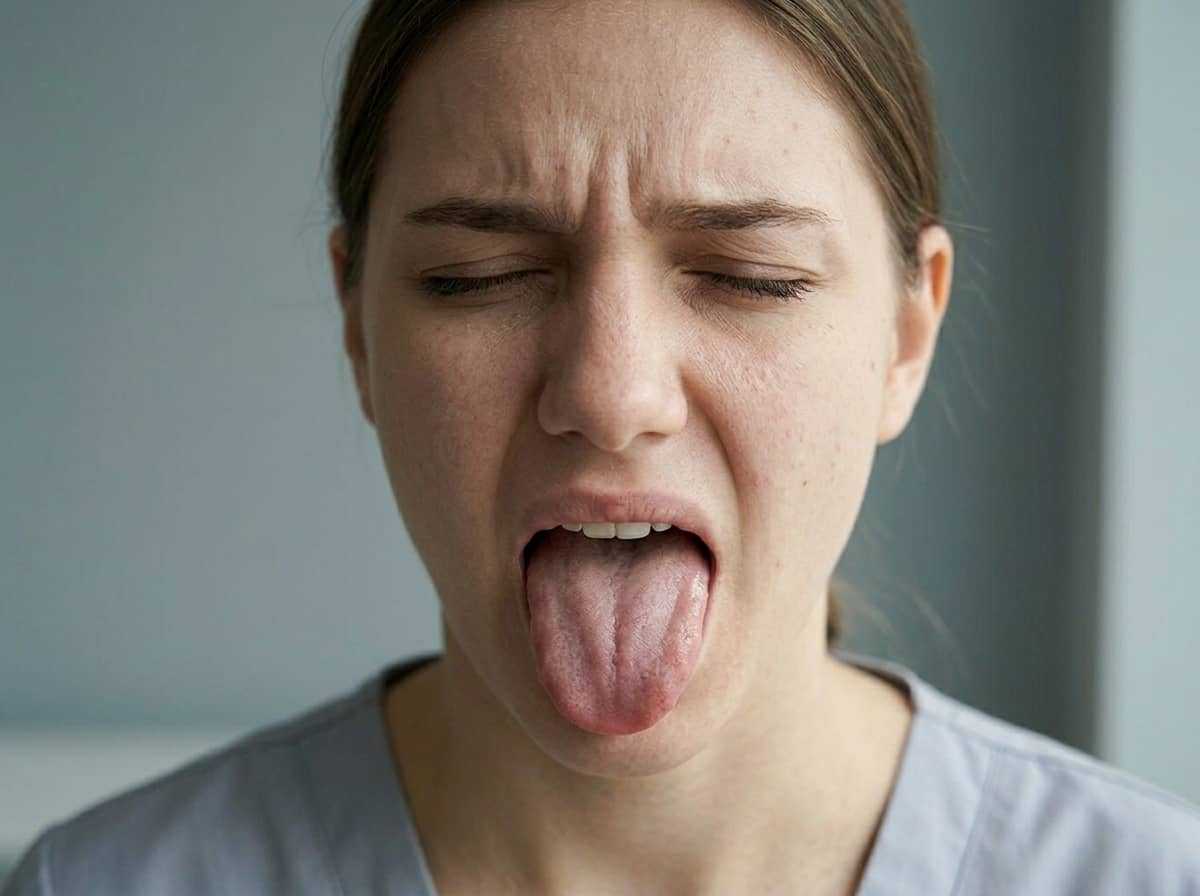
White Coating on the Tongue or a Burning Tongue
These signs often accompany dental conditions. It’s hard to determine their origin without an exam, so seeing a dentist is advisable.
Such symptoms most often occur with:
- candidiasis (oral thrush);
- stomatitis;
- poor hygiene;
- a pronounced bacterial coating;
- certain systemic diseases.
A bitter taste combined with a burning tongue is a combination of symptoms that warrants a dental checkup in the near future. The dentist will examine the mucous membrane, teeth, and gums and, if necessary, recommend additional tests or a consultation with another specialist.
Nausea, Bloating, Weakness, or Heaviness After Eating
If the bitter taste comes with other digestive symptoms, it may point to a gastrointestinal disorder. In such cases, what matters is not only the change in taste but also the nature of your other complaints.
Pay attention to the following signs:
- nausea;
- weakness;
- bloating;
- a feeling of heaviness in the stomach;
- heartburn;
- belching.
If a persistent bitter taste shows up after almost every meal, a gastroenterologist may suspect gastritis, GERD, gallbladder disease, or other digestive disorders. This combination of symptoms shouldn’t be ignored, because a bitter taste together with other signs helps the specialist determine the direction of further diagnosis more accurately.

Which Doctor to See: A Dentist, a Gastroenterologist, or a Family Doctor
The right specialist depends on which symptoms predominate.
If your complaints mainly involve the oral cavity, it makes sense to see a dentist first. If digestive symptoms bother you more, a gastroenterologist is the best choice. Sometimes a bitter taste with an unclear cause can be the first sign of an underlying illness, and in that case, the best step is to see a family doctor.
When to Start with a Dentist
You should start with a dentist when the unpleasant taste is accompanied by changes in the oral cavity. In many cases, a change in taste is directly linked to the condition of the teeth, gums, or mucous membrane. A timely examination can confirm that the symptom is dental in origin or rule it out.
It’s recommended to book an appointment in the following cases:
- bleeding or painful gums;
- bad breath that doesn’t go away after brushing your teeth;
- coating on the tongue;
- a burning sensation on the tongue;
- a feeling of dry mouth;
- decayed teeth or damaged fillings;
- discomfort when brushing your teeth or eating;
- a change in taste after getting crowns, bridges, or other dental prosthetics.
During the exam, the dentist carefully checks the amount of plaque, the quality of fillings, and any signs of tooth decay, gum inflammation, stomatitis, or candidiasis. If the clinical situation calls for it, the dentist may recommend additional tests or a consultation with a specialist.
When Seeing a Gastroenterologist Makes Sense
You should see a gastroenterologist when the bitter taste comes with digestive symptoms or regularly appears after meals. In this situation, the unpleasant taste may be linked to a problem with the stomach, gallbladder, or biliary tract. The sooner the cause is identified, the easier it is to resolve the symptom and prevent complications.
The following signs are reasons to book a consultation:
- regular heartburn;
- sour or bitter belching;
- a bitter taste after eating, especially after fatty or fried foods;
- nausea or vomiting;
- a feeling of heaviness in the stomach or bloating;
- pain or discomfort in the right upper abdomen;
- feeling worse after overeating;
- recurring episodes of an unpleasant taste regardless of your diet.
It’s important to consider when exactly the bitter taste appears, your eating habits, past illnesses, the medications you take, and any chronic digestive conditions.
What Tests May Be Needed If the Symptom Keeps Coming Back
If a bitter taste bothers you regularly or doesn’t go away for a long time, it’s important not to put off getting examined. There is no single diagnostic protocol, since the causes of a bitter taste can range from dental problems to diseases of the digestive organs.
At the first consultation, the doctor will ask when the symptom started, how often it recurs, and whether it’s linked to meals, various medications, or other factors. It’s just as important to mention any other complaints, even ones that seem minor.
Depending on the clinical picture, the following may be recommended:
- a dental exam to assess the condition of the teeth, gums, and mucous membrane;
- laboratory blood tests;
- an abdominal ultrasound;
- gastroscopy, if indicated;
- additional tests.
Once the results are in, the specialist will explain why you have a bitter taste in the mouth, what the causes and treatment are in your case, and decide on the next steps. You shouldn’t order tests or start treatment on your own, as this may only delay a correct diagnosis.
When to See a Doctor as Soon as Possible
In most cases, an unpleasant taste doesn’t pose an immediate threat to your health. However, there are situations where you shouldn’t wait for the symptom to go away on its own.
The main reasons to seek medical care:
- the bitter taste persists for several days in a row or recurs very often;
- severe abdominal pain or pain in the right upper abdomen;
- vomiting or a high fever;
- yellowing of the skin or the whites of the eyes;
- sharp weight loss;
- severe pain in the mouth or intense burning;
- prolonged dryness of the mucous membrane.
These symptoms may indicate conditions that require timely diagnosis and treatment. If you’re not sure what to do when the bitter taste won’t go away or your condition is getting worse quickly, the best decision is to see a specialist as soon as possible.
FAQ
Why do I have a bitter taste in my mouth in the morning?
A bitter taste in the mouth can result from a dry mucous membrane, a late dinner, nighttime reflux, or digestive diseases. If these episodes keep recurring, it’s advisable to get examined to find out why you regularly have a bitter taste in your mouth.
Why do I get a bitter taste in my mouth after eating?
After fatty or very high-calorie food, the load on the digestive system increases, so in some cases an unpleasant taste may appear. If it happens often, a doctor can help determine why the bitter taste shows up specifically after meals.
How do I get rid of a bitter taste in my mouth?
First of all, don’t try to eliminate just the symptom. If you have a bitter taste that keeps coming back or comes with other complaints, you need to see a specialist and get examined. Only once the cause has been identified can effective treatment be chosen.
What can a bitter taste in the mouth and a white coating on the tongue indicate?
A white coating on the tongue together with a bitter taste can be linked either to diseases of the oral cavity or to digestive system disorders.
Can a bitter taste in the mouth be treated with folk remedies?
When a bitter taste appears, folk remedies are a fairly common way to get rid of it, but home remedies don’t eliminate the cause of the symptom. Herbal rinses and other traditional recipes may only provide temporary relief, so it’s not recommended to use them instead of seeing a doctor.
Bitter Taste in the Mouth: What to Do and Who to See?
If problems with the teeth, gums, or tongue predominate, start with a dentist. If you have heartburn, pain after eating, or nausea, a gastroenterologist is the better choice. If the cause is unclear, the best first step is a consultation with a family doctor.
The article was written by Nataliya Shmarchuk, pediatric dentist, orthodontist, and restorative dentist.
Make an appointment
You can make an appointment by filling out the application form on the website, as well as using instant messengers:
Make an appointment
You can make an appointment by filling out the application form on the website, as well as using instant messengers:


Make an appointment easily using chatbots:
Also, call the numbers:
Modern dentistry and medical centre "MED-DEO"
Choose a clinic whose location is more convenient for you.
Kyiv, Holosiivska/Demiivska metro station
130 Lobanovskoho Avenue


Working hours:
Mon - Sun: 8:00 AM - 9:00 PM
No days off!
Call the numbers:
How to get to us? Create a route
Kyiv, Akademistechko metro station
78A, Irpinska str.


Working hours:
Mon-Sun: 8.00-21.00
Without days off!
Call the numbers:
How to get to us?
Create a route
Create a route
Kyiv, Heroiv Dnipra metro station
32A, Heroiv Dnipra str.


Working hours:
Mon-Sun: 8.00-21.00
Without days off!
Call the numbers:
How to get to us?
Create a route
Create a route
Kyiv, Teatralna metro station
9B, E. Chykalenko (Pushkinska) str.


Working hours:
Mon-Sat: 8.00 - 21.00. Sun: by appointment.
Without days off!
Call the numbers:
How to get to us?
Create a route
Create a route
Відгук від клієнта
0:00
0:00


Your email will not be published on the site.