Special offer! Comprehensive professional teeth cleaning for only 1699 UAH.
Special offer! Comprehensive professional teeth cleaning for only 1699 UAH.
Special offer! Comprehensive professional teeth cleaning for only 1699 UAH.
Special offer! Comprehensive professional teeth cleaning for only 1699 UAH.
Special offer! Comprehensive professional teeth cleaning for only 1699 UAH.
Special offer! Comprehensive professional teeth cleaning for only 1699 UAH.
Special offer! Comprehensive professional teeth cleaning for only 1699 UAH.
Special offer! Comprehensive professional teeth cleaning for only 1699 UAH.
Special offer! Comprehensive professional teeth cleaning for only 1699 UAH.
Special offer! Comprehensive professional teeth cleaning for only 1699 UAH.
Sign up
 (044) 394 90 94
(044) 394 90 94  Holosiivska/Demiivska metro station
Sign up
(044) 394 90 94
(044) 394 90 94
Doctors


 Prices
Blog
Contacts
Prices
Blog
Contacts
пр.Лобановського, 130, Київ, Україна
Temporarily closed
Opening soon
78A, Irpinska St., Kyiv, Ukraine
Temporarily closed
Opening soon
32A, Heroiv Dnipra St., Kyiv, Ukraine
Temporarily closed
Opening soon
9B, Yevhena Chykalenko St. (Pushkinska), Kyiv, Ukraine
Temporarily closed
Opening soon
(044) 394 90 94
Back
Dentistry
General Dentistry
Dental surgery
Dental Implants
Maxillofacial Surgery
Dental prosthetics
Cosmetic dentistry

Professional Dental Hygiene

Periodontics
Orthodontic dentistry

Gnathology & TMJ Therapy

Pediatric Dentistry
Dental X-Rays
Back
Orthodontic Center
Orthodontic dentistry
Gnathology & TMJ Therapy
Back
Prosthodontic Center
Dental prosthetics
Back
MED-DEO Center for Maxillofacial Surgery & Facial Plastics
Maxillofacial Surgery
Plastic surgery
Back
Surgical Dental Center
Dental surgery
Dental Implants
Search on the site


Popular requests
Teeth whitening
Treatment of caries
Wisdom tooth extraction
Bracket system
Dental veneers
Tooth restoration
Pediatric dentist
Consultation with a dentist-therapist
Search results by: «».
Unfortunately, no results were found for your search: “Pediatric Endocrinologist”, nothing was found.
You may find these links useful:
Clinics "MED-DEO"
пр.Лобановського, 130, Київ, Україна
Temporarily closed
Opening soon
78A, Irpinska St., Kyiv, Ukraine
Temporarily closed
Opening soon
32A, Heroiv Dnipra St., Kyiv, Ukraine
Temporarily closed
Opening soon
9B, Yevhena Chykalenko St. (Pushkinska), Kyiv, Ukraine
Temporarily closed
Opening soon
Services
Dentistry Orthodontic Center Prosthodontic Center MED-DEO Center for Maxillofacial Surgery & Facial Plastics Surgical Dental CenterGeneral Dentistry
Dental surgery
Dental Implants
Maxillofacial Surgery
Dental prosthetics
Cosmetic dentistry
Professional Dental Hygiene
Periodontics
Orthodontic dentistry
Gnathology & TMJ Therapy
Pediatric Dentistry
Dental X-Rays
Orthodontic dentistry
Gnathology & TMJ Therapy
Dental prosthetics
Maxillofacial Surgery
Dental surgery
Dental Implants
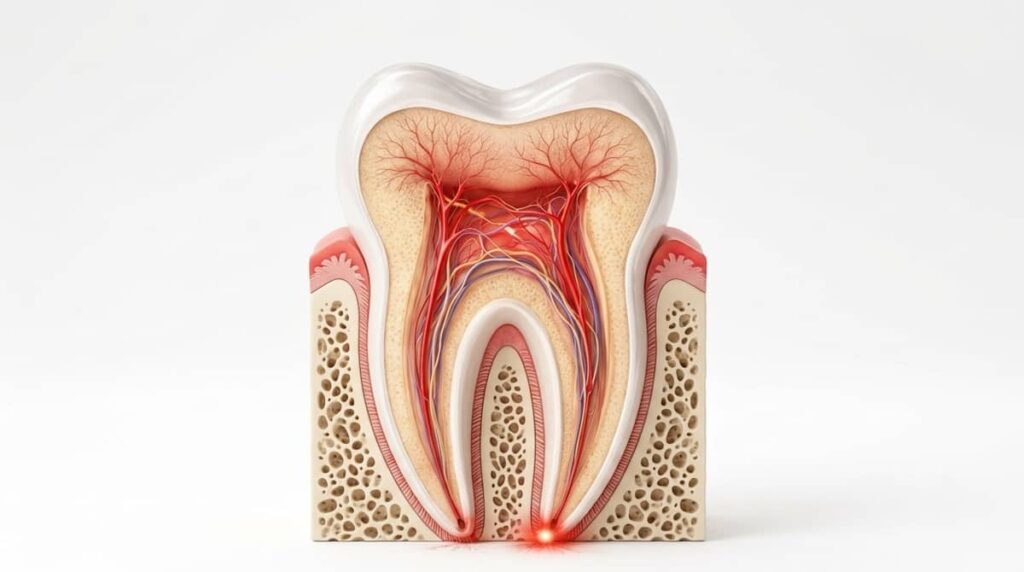

When the nerve inside a tooth becomes inflamed or damaged, it causes one of the most intense types of pain there is. Most people try to tough it out on their own, but that only postpones the inevitable and often makes things worse. In this article, we’ll explain what a tooth nerve looks like, why it hurts, and what actually happens during treatment.
What Is a Tooth Nerve and Where Is It Located
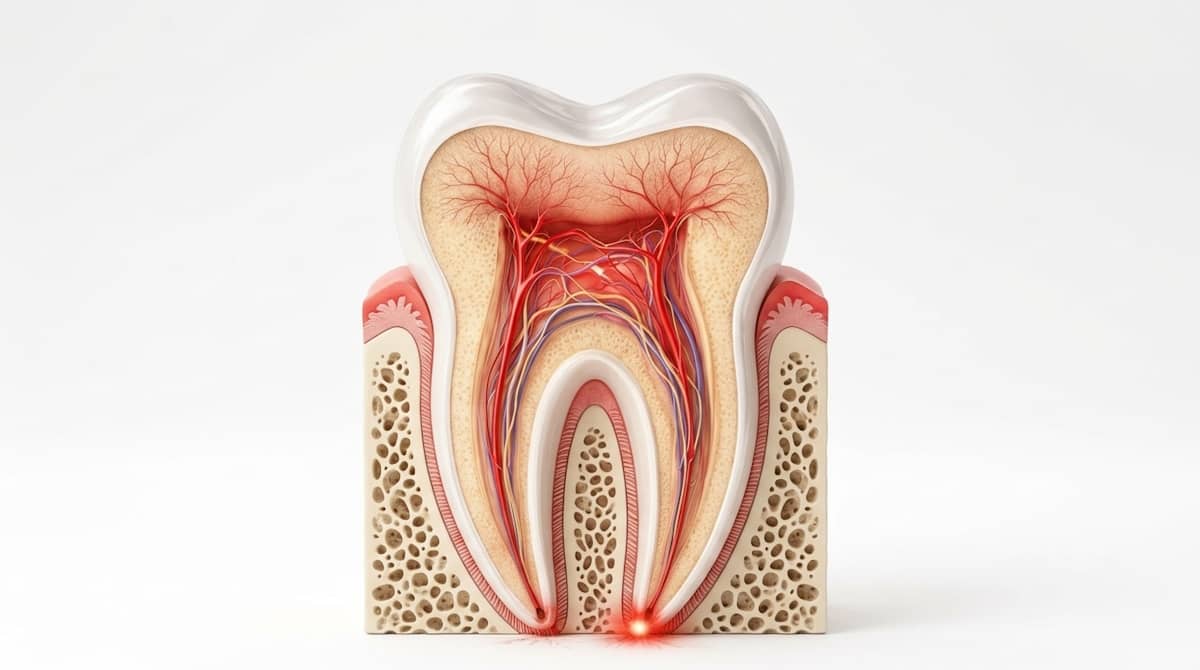
A tooth is built in layers: hard enamel on the outside, dentin beneath it, and the pulp chamber at the center. The pulp supports the dentin and signals when something is wrong. Without it, a tooth loses its ability to respond to stimuli and, over time, can become more brittle.
The tooth nerve is part of the pulp, which consists of nerve fibers, blood vessels, and connective tissue. It runs through the root canals all the way to the tip of the root.
Dentin transmits irritation to the nerve, which is why the pain intensifies as decay gets closer to the pulp.
What a Tooth Nerve Actually Looks Like
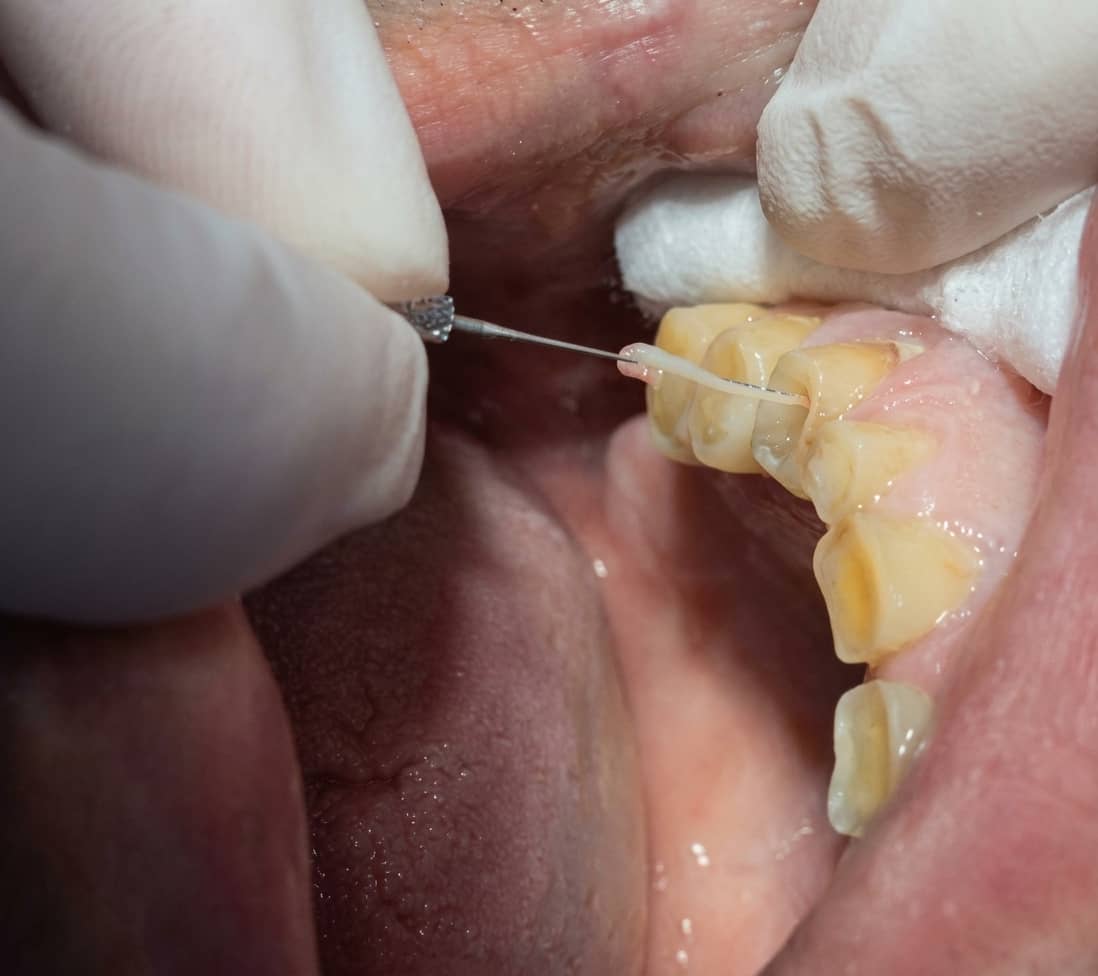
It is a thin strand of soft, pink tissue that fills the cavity inside the tooth and the root canals. Structurally, it resembles a slender cord: elastic, moist, and richly supplied with blood.
A simple analogy helps: picture a tube with rigid walls and a wire running through it. The outer casing is the enamel and dentin, and the wire is the pulp with its nerve fibers.
Which Teeth Have a Nerve, and Can It “Die”?
Every living tooth has one, from incisors to molars, including wisdom teeth. A “dead” tooth is one whose pulp no longer functions, either because of necrosis or because of previous treatment. Such a tooth doesn’t respond to temperature or pain, but it stays in the jaw and still needs protection.
Why a Tooth Nerve Hurts
Pain occurs when an irritant (bacteria, pressure, or temperature) reaches the pulp. The most common causes are deep decay, pulpitis, a cracked tooth, and dental trauma.
The mechanism is straightforward: bacteria break down the enamel and dentin, then reach the pulp and trigger inflammation. The tissue swells inside a closed cavity, so the pressure builds. That’s what causes sensitivity to hot and cold and a throbbing pain.
Main Causes: Decay, Pulpitis, Trauma, Cracks
Tooth nerves react more strongly the closer the damage is to the pulp. The chain of events looks like this:
- Decay breaks down the enamel → reaches the dentin → moves closer to the pulp → sensitivity appears.
- Advanced decay → bacterial infection of the pulp → pulpitis develops. This is the most common complication of tooth decay, and it requires urgent treatment.
- A crack or trauma → the pulp is mechanically damaged → inflammation and infection in the canals → pulp necrosis → pain spreads to the jaw and neighboring teeth.
All three scenarios have one thing in common: without treatment, the inflammation spreads deeper, and it becomes harder and harder to stop.
How to Tell Whether It’s the Nerve, the Enamel, or the Gums
Enamel sensitivity is a brief reaction to cold or sweets that fades within a few seconds. Tooth nerve inflammation causes a different kind of pain: it is prolonged and doesn’t go away once the trigger is removed.
Gum-related pain is localized along the gum line and is accompanied by swelling or bleeding. If the pulp is affected, the pain is usually deep and diffuse (sometimes it feels like “half the jaw hurts”).
Inflammation of the tissue around a wisdom tooth usually shows up as pain and swelling of the gum behind the last tooth. In this case, the discomfort is mostly centered on the gum.
Pulp-related pain is felt inside the tooth itself. It may get worse in response to temperature or appear on its own.
With a wedge-shaped defect, pain usually occurs only on contact with something cold or acidic, or while brushing, and it fades quickly once the trigger is gone. Pain from pulp damage lasts longer and can bother you even without any external stimulus.
Tooth Nerve Inflammation: Symptoms and Warning Signs
Pulpitis can be reversible (in the early stage) or irreversible (when the tissue can no longer recover). Its typical signs include:
- sharp pain on contact with cold or hot;
- shooting or throbbing pain with no obvious trigger;
- nighttime pain that keeps you awake;
- a feeling of pressure or fullness inside the tooth;
- pain when biting down.
It’s important to see a dentist at the first symptoms, without waiting for the condition to get worse.
Signs of Inflammation, an Exposed Nerve, and Pulp Damage
When the pulp becomes exposed because of decay, trauma, or significant tooth destruction, you get unbearable, sharp pain, even from a puff of air or a touch of the tongue.
Additional signs include tooth darkening for no apparent reason and bad breath.
When to See a Dentist Urgently
See a doctor the same day if you have:
- swelling of the face, cheek, or gum;
- a fever;
- pain spreading to the ear, temple, or neck;
- a fistula or abscess on the gum.
These symptoms may point to an abscess or periodontitis, where any delay is dangerous.
How to Calm a Tooth Nerve Before Seeing the Dentist
Home remedies don’t eliminate the cause of the pain, but they can provide temporary relief until your dental appointment. Wondering how to kill a tooth nerve at home? We’ll cover the risks of self-treatment in detail below.
What You Can Do at Home for Temporary Relief
How to calm a tooth nerve on your own:
- Take a painkiller (ibuprofen or paracetamol) as directed on the label.
- Rinse your mouth with warm water to reduce irritation.
- Avoid cold, hot, and sugary foods.
- Chew on the opposite side.
- Don’t lie flat, as it increases blood flow to the area and makes the pain worse.
These are only temporary measures. The pain will come back, and without treatment, the condition of the tooth will get worse.
What Not to Do: “Killing” the Nerve, Applying Heat, Using Harsh Substances
There is no safe way to kill a tooth nerve at home. Do-it-yourself procedures can lead to:
- Chemical burns. Harsh substances damage the gums, the mucous membrane, and healthy tissue.
- A worsening infection. Without cleaning the canals, bacteria keep multiplying.
- Lost time. While a person tries to “treat” the tooth at home, the inflammation spreads to the bone.
- Complications. Necrosis, abscess, and phlegmon are common consequences of self-treatment.
You may also come across advice online to apply heat to your cheek. Don’t do it: warmth speeds up bacterial growth and increases swelling.
Does Tooth Nerve Removal Hurt, and When Is It Done
Modern anesthesia makes the procedure comfortable. The patient may feel pressure and vibration, but not pain. Even with severe inflammation, the dentist can use additional pain-control methods or combine different anesthesia techniques to keep the procedure as comfortable as possible.
When the Nerve Can Be Saved
If the inflammation is caught early (reversible pulpitis with no signs of necrosis), it’s quite possible to save the tooth nerve. The dentist places a therapeutic liner and a temporary filling, giving the tissue a chance to recover.
In some cases, a partial pulpotomy is possible, in which the coronal part of the pulp is removed while the root portion is preserved.
When Root Canal Treatment Can’t Be Avoided
Endodontic treatment (pulp removal and canal cleaning) is necessary in the following cases:
- irreversible pulpitis with constant pain;
- pulp necrosis;
- an abscess or infection in the canals;
- preparing a tooth for a crown;
- repeat root canal treatment when complications arise after previous treatment.
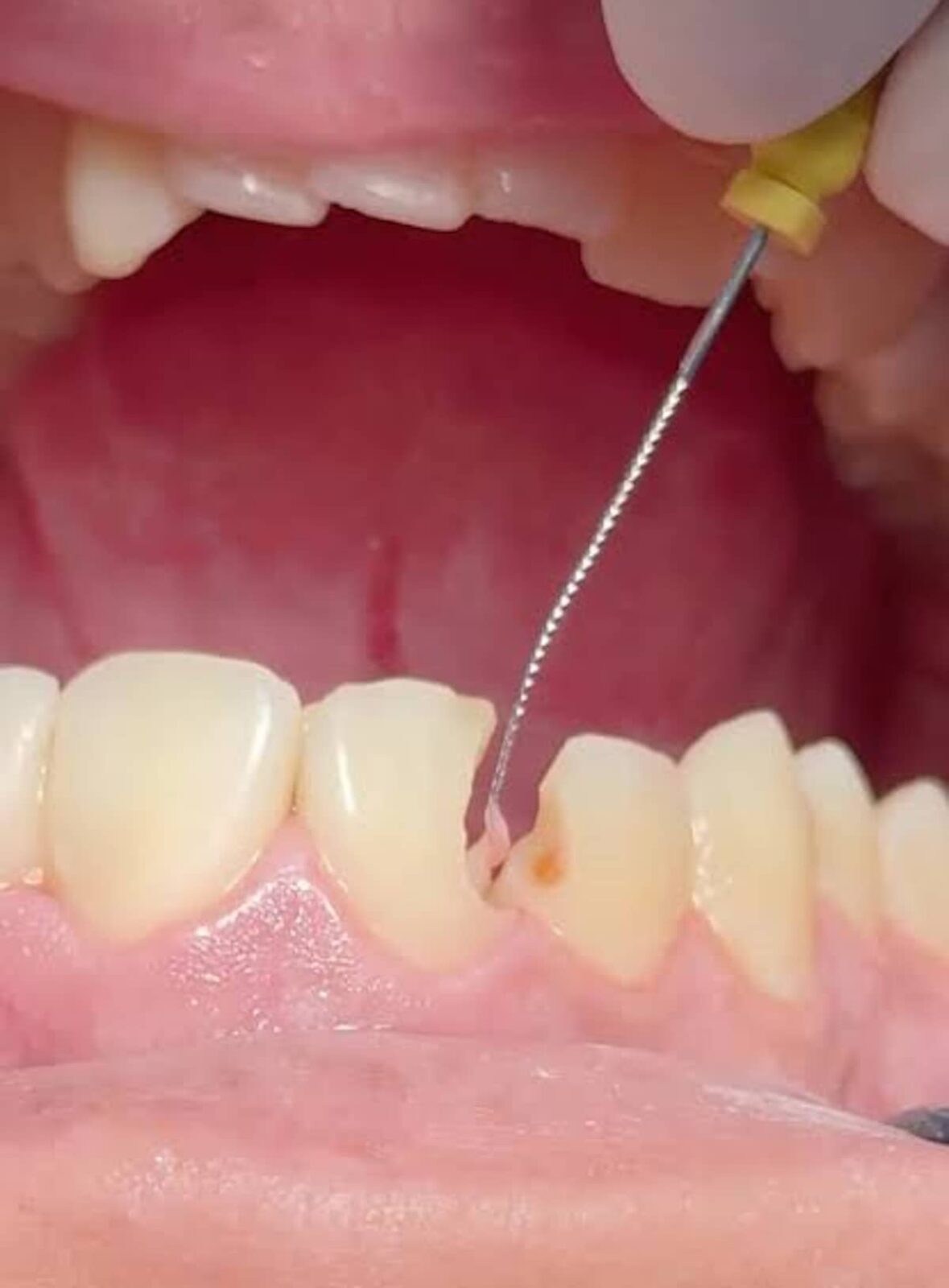
Let’s look at how a tooth nerve is removed in practice. The dentist administers anesthesia and opens access to the pulp. Then they remove the tissue, disinfect the canals, and fill them. An X-ray or CT scan of the tooth helps verify the quality of the canal filling.
Root Canal Filling in Kyiv
Learn moreWhat Happens After Nerve Removal
A tooth that has had its pulp removed stays in the jaw but becomes more brittle. Over time, it may darken because of changes in the tissue structure or residue from pulp breakdown products.
After the canals are treated, the dentist places a permanent restoration. In most cases, a crown is recommended to protect the tooth reliably from cracking.
When Discomfort After Treatment Is Normal
After pulp removal, moderate tenderness when biting down may last for a few days. This is a normal reaction of the tissue around the root. Slight soreness when pressing on the gum is also possible. These sensations gradually go away.
Signs That May Indicate Complications
Even if the tooth nerve has been removed, the tissue around the root remains alive and can react to problems with the filling or to reinfection.
See your dentist if, after treatment:
- the pain doesn’t subside or gets worse after 3–4 days;
- swelling of the gum or face appears;
- the filling falls out or crumbles;
- sharp pain when biting down occurs a week after treatment.
These signs may indicate reinfection or the need for repeat root canal treatment.
How to Prevent Tooth Nerve Problems
Most cases of tooth nerve inflammation result from advanced decay. Prevention is simple, but it takes consistency:
- treat decay at an early stage, before it reaches the dentin;
- get a preventive checkup with your dentist twice a year;
- practice daily oral hygiene (toothbrush, floss, oral irrigator);
- get a professional cleaning once every 6 months to remove plaque and tartar;
- limit sugar and acidic drinks, which erode enamel;
- strengthen your enamel with fluoride products, as recommended by your dentist;
- protect your teeth during sports by wearing a mouthguard for contact sports.
Tooth nerves don’t start hurting out of nowhere. There are usually warning signs first, such as sensitivity and brief discomfort. Responding to them promptly is the best way to prevent pulpitis.
Frequently Asked Questions
What does a tooth nerve look like?
The tooth nerve is part of the pulp inside the tooth. Visually, the pulp looks like a thin strand of pinkish tissue filling the pulp chamber and the root canals. It is soft, well supplied with blood, and contains nerve fibers and blood vessels. In a healthy tooth, it’s impossible to see without dental intervention.
Does it hurt to have a tooth nerve removed?
With good anesthesia, a tooth nerve can be removed completely painlessly. Modern anesthetics block pain even in cases of severe inflammation. During the procedure, the patient feels only pressure or vibration. Once the anesthesia wears off, moderate tenderness is possible, but it goes away within a few days.
What should I do if an exposed tooth nerve hurts?
If you have an exposed tooth nerve that hurts, you need to see a dentist as soon as possible. Until your appointment, you can take a painkiller (ibuprofen or paracetamol) and avoid any triggers (cold, hot, sweets, physical contact with the tooth). It is not recommended to try to cover the exposed pulp with any products on your own.
Can I calm a tooth nerve at home?
Home remedies only temporarily reduce the pain and don’t eliminate its cause. Painkillers, rinsing with warm water, and avoiding triggers can help you get through the few hours until your dental appointment. The longer you put off treatment, the higher the risk of complications.
Why is it dangerous to try to “kill” the nerve yourself?
There is no safe way to kill a tooth nerve at home. Harsh substances (vinegar, aspirin, folk remedies) cause chemical burns to the mucous membrane, worsen the infection, and waste precious time. Without antiseptic treatment of the canals, bacteria keep multiplying, which can lead to an abscess, bone necrosis, or phlegmon.
Why does a tooth hurt after the nerve has been removed?
Moderate pain for 2–4 days after pulp removal is a normal reaction of the tissue around the root to the procedure. Keep in mind that although the tooth nerve no longer functions, the periodontal tissues around the root remain sensitive. Your dentist may recommend a painkiller for this period. If the pain gets worse after 3–4 days, or if swelling or sharp pain when biting down appears, you need a follow-up exam, as complications are possible.
How long does a tooth last after root canal treatment?
A tooth can last for decades after endodontic treatment, provided it is properly restored and cared for. A crown protects it from cracking and extends its lifespan. Regular checkups and good oral hygiene are essential for the longevity of a tooth that has had its pulp removed.
The author of this article is Anton Stelmakhovich, a prosthodontist, general dentist, and oral surgeon.




Make an appointment
You can make an appointment by filling out the application form on the website, as well as using instant messengers:
Make an appointment
You can make an appointment by filling out the application form on the website, as well as using instant messengers:


Make an appointment easily using chatbots:
Also, call the numbers:
Modern dentistry and medical centre "MED-DEO"
Choose a clinic whose location is more convenient for you.
Kyiv, Holosiivska/Demiivska metro station
130 Lobanovskoho Avenue


Working hours:
Mon - Sun: 8:00 AM - 9:00 PM
No days off!
Call the numbers:
How to get to us? Create a route
Create a route
Kyiv, Akademistechko metro station
78A, Irpinska str.



Working hours:
Mon-Sun: 8.00-21.00
Without days off!
Call the numbers:
How to get to us?
Create a route
Create a route
Kyiv, Heroiv Dnipra metro station
32A, Heroiv Dnipra str.
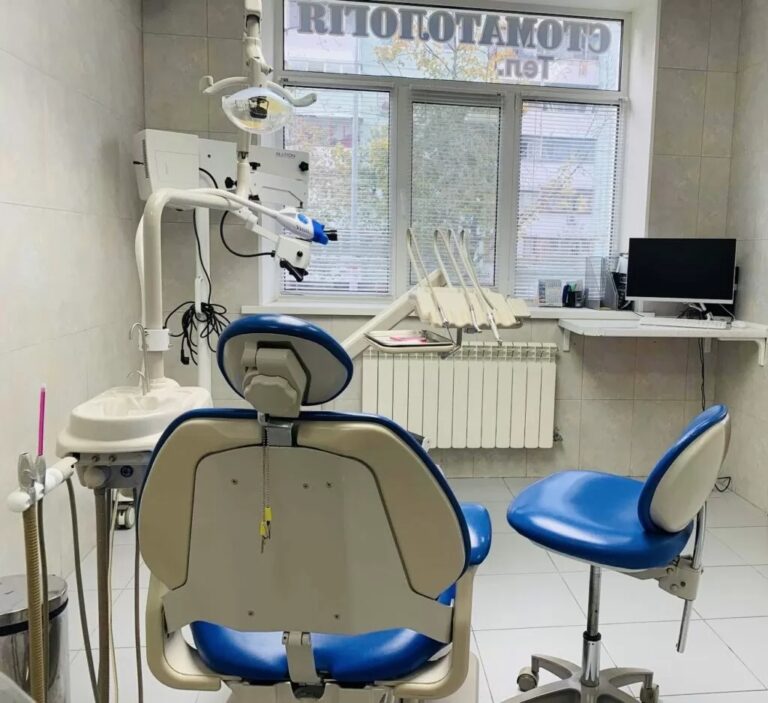

Working hours:
Mon-Sun: 8.00-21.00
Without days off!
Call the numbers:
How to get to us?
Create a route
Create a route
Kyiv, Teatralna metro station
9B, E. Chykalenko (Pushkinska) str.

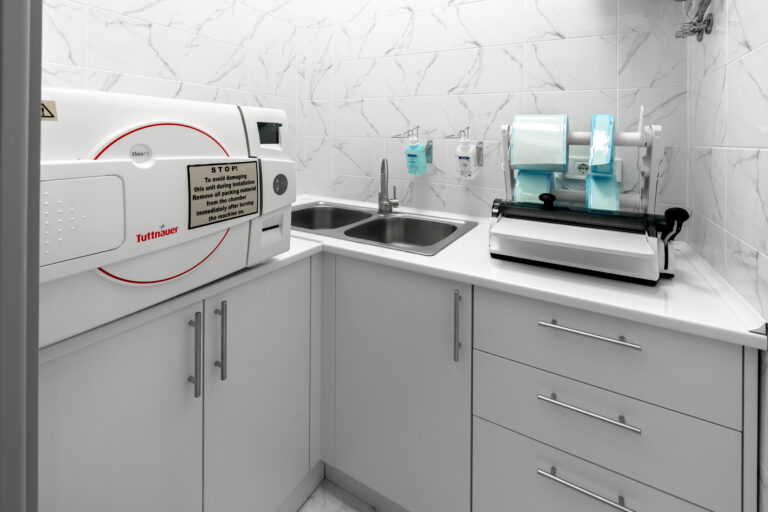


Working hours:
Mon-Sat: 8.00 - 21.00. Sun: by appointment.
Without days off!
Call the numbers:
How to get to us?
Create a route
Create a route
Відгук від клієнта
0:00
0:00


Your email will not be published on the site.