Special offer! Comprehensive professional teeth cleaning for only 1699 UAH.
Special offer! Comprehensive professional teeth cleaning for only 1699 UAH.
Special offer! Comprehensive professional teeth cleaning for only 1699 UAH.
Special offer! Comprehensive professional teeth cleaning for only 1699 UAH.
Special offer! Comprehensive professional teeth cleaning for only 1699 UAH.
Special offer! Comprehensive professional teeth cleaning for only 1699 UAH.
Special offer! Comprehensive professional teeth cleaning for only 1699 UAH.
Special offer! Comprehensive professional teeth cleaning for only 1699 UAH.
Special offer! Comprehensive professional teeth cleaning for only 1699 UAH.
Special offer! Comprehensive professional teeth cleaning for only 1699 UAH.
Sign up
 (044) 394 90 94
(044) 394 90 94  Holosiivska/Demiivska metro station
Sign up
(044) 394 90 94
(044) 394 90 94
Doctors


 Prices
Blog
Contacts
Prices
Blog
Contacts
пр.Лобановського, 130, Київ, Україна
Temporarily closed
Opening soon
78A, Irpinska St., Kyiv, Ukraine
Temporarily closed
Opening soon
32A, Heroiv Dnipra St., Kyiv, Ukraine
Temporarily closed
Opening soon
9B, Yevhena Chykalenko St. (Pushkinska), Kyiv, Ukraine
Temporarily closed
Opening soon
(044) 394 90 94
Back
Dentistry
General Dentistry
Dental surgery
Dental Implants
Maxillofacial Surgery
Dental prosthetics
Cosmetic dentistry
Professional Dental Hygiene

Periodontics
Orthodontic dentistry
Gnathology & TMJ Therapy
Pediatric Dentistry
Dental X-Rays
Back
Orthodontic Center
Orthodontic dentistry
Gnathology & TMJ Therapy
Back
Prosthodontic Center
Dental prosthetics
Back
MED-DEO Center for Maxillofacial Surgery & Facial Plastics
Maxillofacial Surgery
Plastic surgery
Back
Surgical Dental Center
Dental surgery
Dental Implants
Search on the site


Popular requests
Teeth whitening
Treatment of caries
Wisdom tooth extraction
Bracket system
Dental veneers
Tooth restoration
Pediatric dentist
Consultation with a dentist-therapist
Search results by: «».
Unfortunately, no results were found for your search: “Pediatric Endocrinologist”, nothing was found.
You may find these links useful:
Clinics "MED-DEO"
пр.Лобановського, 130, Київ, Україна
Temporarily closed
Opening soon
78A, Irpinska St., Kyiv, Ukraine
Temporarily closed
Opening soon
32A, Heroiv Dnipra St., Kyiv, Ukraine
Temporarily closed
Opening soon
9B, Yevhena Chykalenko St. (Pushkinska), Kyiv, Ukraine
Temporarily closed
Opening soon
Services
Dentistry Orthodontic Center Prosthodontic Center MED-DEO Center for Maxillofacial Surgery & Facial Plastics Surgical Dental CenterGeneral Dentistry
Dental surgery
Dental Implants
Maxillofacial Surgery
Dental prosthetics
Cosmetic dentistry
Professional Dental Hygiene
Periodontics
Orthodontic dentistry
Gnathology & TMJ Therapy
Pediatric Dentistry
Dental X-Rays
Orthodontic dentistry
Gnathology & TMJ Therapy
Dental prosthetics
Maxillofacial Surgery
Dental surgery
Dental Implants
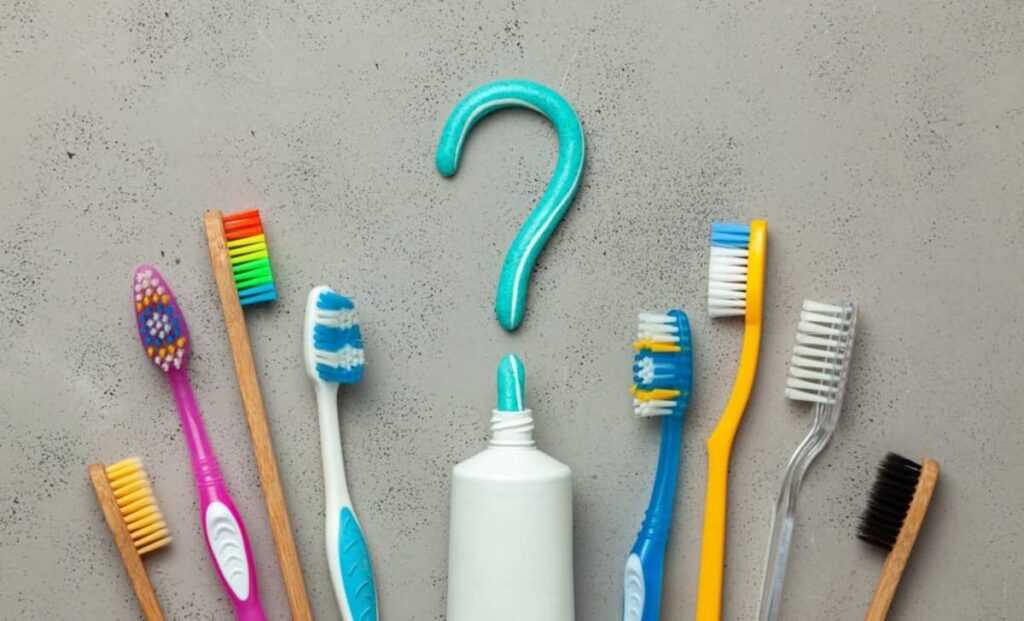

Why Choosing the Right Toothbrush Matters
The impact of your toothbrush on oral health is significant and often underestimated. That’s why knowing how to choose the right toothbrush is so important. When properly selected, oral hygiene becomes much more effective, and overall dental care becomes easier and more pleasant. The right toothbrush efficiently removes plaque without irritating your gums.
Current research shows that using a properly selected toothbrush reduces plaque buildup by 40%, and the risk of gum inflammation by as much as 60%. However, using an unsuitable brush—one that’s too firm, for instance—can damage your enamel, increasing sensitivity. A poor toothbrush can also cause gum recession, where gums pull away from teeth due to accumulated plaque.
In other words, your toothbrush directly affects cavity prevention and gum health (preventing conditions like gingivitis and periodontitis). The best way to figure this out is with your dentist. They can professionally explain how to choose a toothbrush, which one works best for your situation, and what additional hygiene tools you should be using.
Toothbrush Bristle Firmness: Finding Your Type
Different bristle firmness levels exist to match your specific tooth sensitivity, gum condition, and other factors. It’s crucial that your brush doesn’t damage your gums, especially if you’re experiencing any issues.
So how do you choose a toothbrush based on firmness? Which one’s right for you? Let’s break down each firmness level and its characteristics.
- Ultra Soft – Recommended for gingivitis and other gum diseases, post-surgery recovery, and for children.
- Soft – Recommended for sensitive or bleeding gums, as well as for pregnant women and enamel prone to damage.
- Medium – Recommended for normally healthy teeth and gums. It’s important that medium firmness is only suitable when you don’t have excessive enamel sensitivity.
- Hard – Recommended if you have or are prone to tartar buildup, and for smokers—basically, when you’re dealing with heavy plaque.
- Extra Hard – Recommended when wearing braces or dentures. This is rare, though, and extra hard bristles are usually prescribed by a dentist for specific cases. They’re definitely not used continuously with braces.
To determine which firmness works best for brushing your teeth, consider your gum condition and tooth sensitivity, as well as any bleeding and overall comfort during use. Soft or medium toothbrushes are the most popular choices among patients.
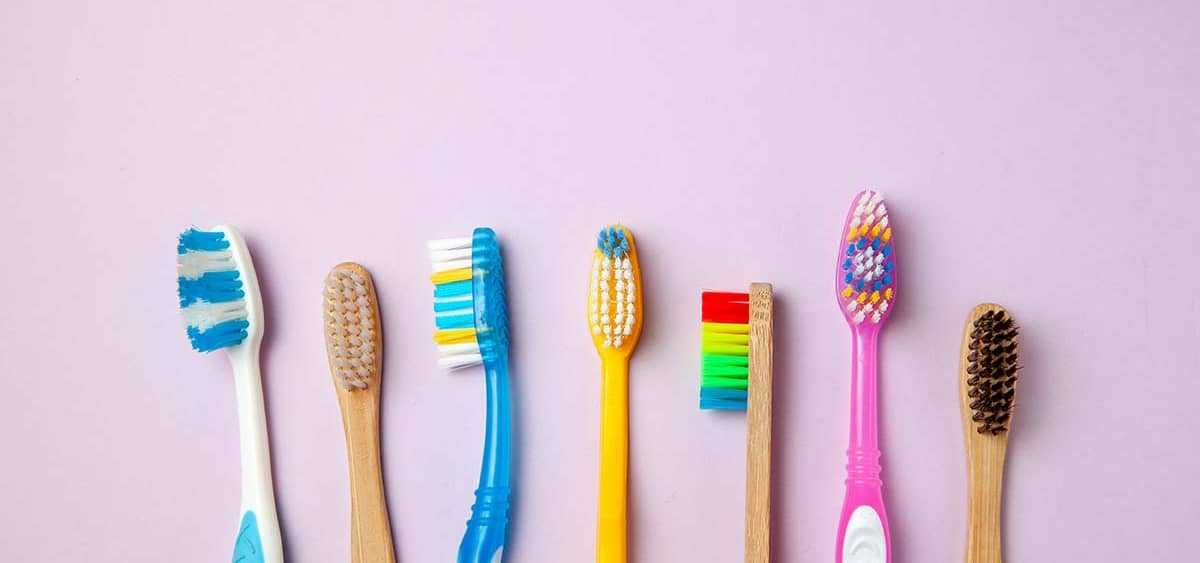
Toothbrush Design: What to Look For
Toothbrush design is also quite important if you want to learn how to select the best toothbrushes for yourself. The design includes the following elements worth noting individually:
- Brush Head – Better if it’s small in size, oval in shape, and measures around 2-2.5 cm.
- Bristles – Nylon material is best, and crucially, the bristle tips should be rounded. Bristle tufts of varying heights and angled in different directions will clean plaque a bit more thoroughly.
- Handle – Should simply be comfortable for your hand. The key is that it’s neither too small nor too large, and non-slip.
- Brush Neck – Better if it’s flexible and even slightly curved, so it sort of anatomically “nestles” into your mouth. This reduces unnecessary pressure on your gums during brushing and makes it easy to clean your teeth without applying force.
Types of Toothbrushes: Complete Classification
Different types of toothbrushes exist because everyone has unique needs—varying gum sensitivity and condition, enamel condition, presence or absence of implants and braces. That’s why toothbrush types differ in firmness, head shape, and overall type (like ultrasonic, electric, or manual brushes).
So which toothbrush is best? Let’s break it down in detail. Here are all the toothbrush types:
- Manual Toothbrushes – The standard, traditional kind. The ones we’re used to brushing with by hand, mechanically speaking. They’re quite effective when used properly and regularly.
- Electric – Also called rotational brushes. Electric toothbrushes have a pulsating, rotating head that removes plaque even better and much faster.
- Ultrasonic – Generate special sound vibrations by operating at high frequencies. Ultrasonic brushes effectively break down that “sticky” bacterial layer even in hard-to-reach places before it turns into tartar. Plus, ultrasonic brushes are suitable for sensitive gums.
- Ionic – Produce a weak electrical charge that essentially repels plaque and bacteria. This way, cleaning is quite effective without heavily scrubbing the enamel.
- Specialized – Designed for special, more thorough care with braces or for hard-to-reach areas (cleaning between teeth, etc.). These specifically include orthodontic, single-tuft, and interdental brushes.
INTERESTING TO KNOW:

A common question patients ask their dentist is: which is better, electric or ultrasonic? Electric is generally considered better. Though ultrasonic brushes also effectively remove plaque from tooth surfaces and hard-to-reach places thanks to ultrasonic vibrations. But electric brushes are better because they’ve been validated by numerous studies. They’re compared—which is better, electric or ultrasonic—because both are automatic (not manual) and have greater deep-cleaning power.
Manual Toothbrushes: Features and Selection Criteria
Let’s talk specifically about manual toothbrushes in more detail. These are the standard ones but still the most commonly used today.
So, manual toothbrushes are classic and cleaned entirely by hand—through mechanical actions. Their advantages include:
- Affordability
- Manual control of pressure on teeth and gums
- No contraindications (you just need to choose “your” firmness)
Possible drawbacks include that manual toothbrushes require proper technique. You need to perform both circular and sweeping motions manually—removing plaque and food particles from your teeth.
Manual brushes work best for people who have good hand coordination and can systematically and thoroughly brush their teeth without pressing too hard and without missing important areas. Basically, almost everyone. The main selection criteria here are bristle firmness (for example, soft or medium) as well as head size and bristles (synthetic or natural).
Electric Toothbrush: Advantages and Features
Electric toothbrushes also deserve special attention since they remove plaque and bacteria even better and more deeply. Their operating principle is rotational motion—meaning the toothbrush head makes pulsating and rotating movements to clean teeth. This makes them extremely effective at removing plaque. Additionally, their advantages include:
- Ease of use – requires less hand effort
- Genuinely deeper cleaning, especially in areas that are hard to reach with a regular brush
- Variety of operating modes – for different needs (polishing enamel, sensitive teeth, etc.)
Electric toothbrushes work best for those who either want maximum cleaning, wear braces, or have limited hand mobility. Their operational specifics include requiring regular replacement of the brush head—approximately every 3 months. This way, incidentally, they can be used by the whole family by simply changing heads—each person uses their own when brushing. Also, depending on the model, electric toothbrushes need constant recharging or battery replacement. Interestingly, electric brush oscillation frequency typically ranges from 8,000 to 40,000 per minute.
Let’s explain in more detail how to choose an electric toothbrush.
How to Choose an Electric Toothbrush: Complete Checklist
According to dentist recommendations, electric toothbrushes are the option for which brush is better for cleaning teeth if you have orthodontic appliances or a tendency toward greater plaque formation. But here, you really need to understand how to choose this type of toothbrush correctly—according to your individual requirements.
So, here’s a complete checklist for how to choose an electric toothbrush and which criteria to consider:
Power Source – rechargeable battery or replaceable batteries. Electric toothbrushes with built-in rechargeable batteries that charge from the mains are more economical. Batteries, on the other hand, make the brush more portable, for example, when traveling.
Removable or Fixed Head – they’re usually removable, and you should choose ones with removable heads since it’s a hygiene issue (such heads should be replaced every 3 months). This is also cheaper than frequently replacing an entire electric toothbrush with a fixed head.
Number of Operating Modes – choose based on your needs; generally, modes can include standard daily cleaning, sensitive teeth, gum massage, better whitening, etc.
Cleaning Timer – needed to control the recommended time for effective brushing, which is no less than 2 minutes, ideally even 3.
Pressure Sensor – needed to protect gums and enamel from excessive pressure during brushing.
Head Shape and Size – important that it’s round or oval. Electric toothbrushes with this head shape provide better access to hard-to-reach areas.
Price Range – this is also an important criterion for many patients when choosing an electric toothbrush. A good price-to-quality ratio is important. Generally, focus on the brush’s convenience, basic functions, and brand reliability.
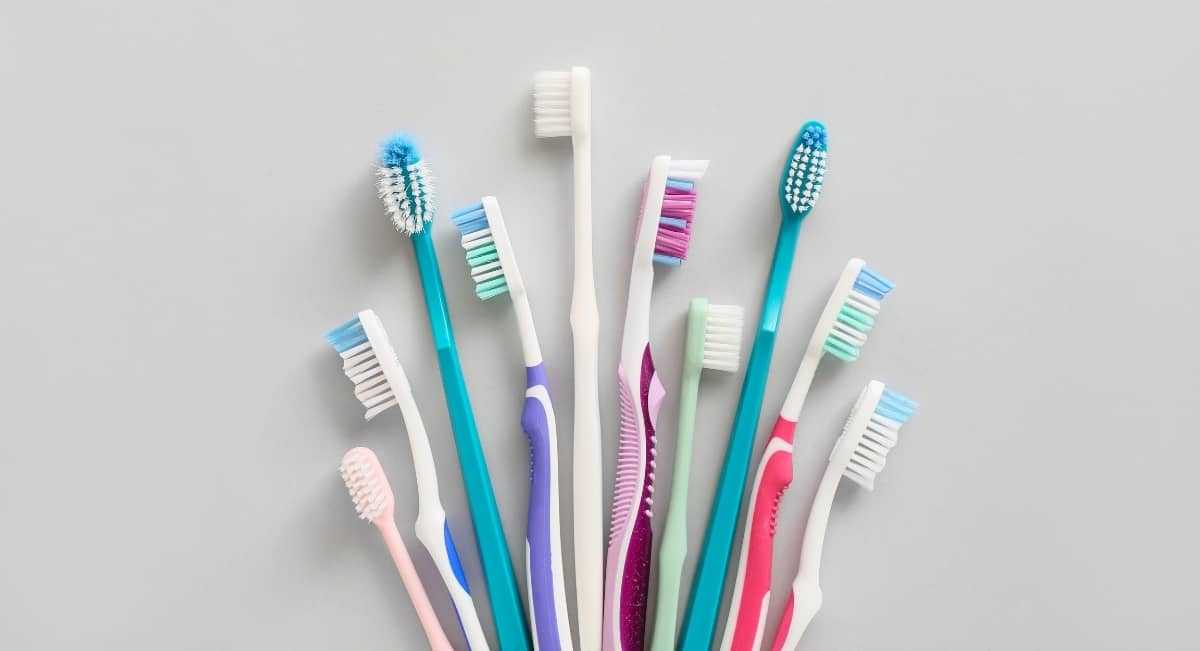
Electric Toothbrush for Braces: Selection Features
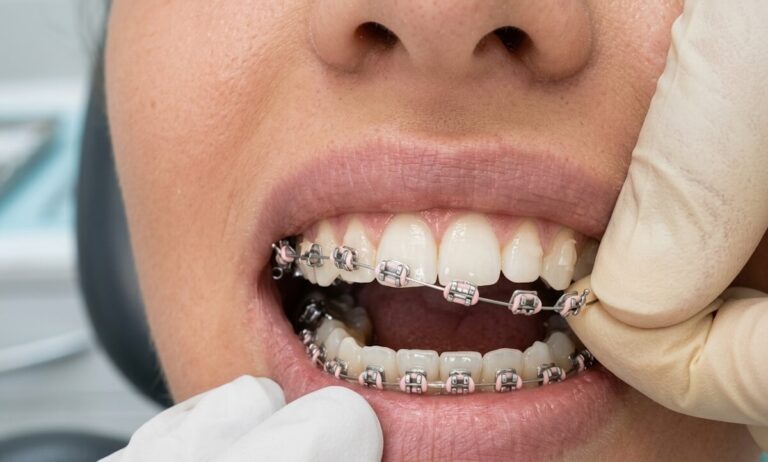
An electric toothbrush with braces is necessary and important. Let’s specifically discuss the selection features when you need an electric toothbrush for braces. After all, wearing such orthodontic appliances requires even more thorough oral and dental hygiene. A regular brush, unfortunately, can’t always handle this—especially in areas between brackets and wires.
So an electric toothbrush for braces involves these selection features:
Special Orthodontic Heads – better to use ones with V-shaped bristles.
Orthodontic Appliance Mode – choose a gentler mode or one for sensitive teeth to avoid traumatizing your gums. The brush will still clean all areas between braces well.
The tooth-brushing technique with braces should position the brush at a 45° angle to your teeth. Pay special attention to areas around brackets and under/above the wire.
Natural vs. Synthetic Bristles: Debunking Myths
When considering which toothbrushes are best for effective yet comfortable brushing, bristle material is one criterion—specifically, natural or synthetic. Toothbrushes with natural bristles aren’t recommended today. This is because they’re typically quite porous, which retains moisture and, consequently, bacteria. Additionally, toothbrushes with natural bristles wear out quickly and tend to be harsh, damaging gums far more often than, say, synthetic toothbrushes.
The advantages of synthetic bristles are that they absorb much less moisture and are therefore more hygienic. Moreover, they typically have rounded bristle tips, making dental hygiene safer and non-traumatic.
IMPORTANT:
It’s worth noting that the eco-friendliness of natural bristles is a myth. Toothbrushes with natural bristles don’t last long, accumulate moisture and bacteria faster—so they need replacing sooner. The best toothbrushes according to dentists have synthetic bristles!
Toothbrush for Sensitive Teeth and Gums
There are also specific selection features when you need a toothbrush specifically for sensitive teeth and gums. First and foremost, bristles must be either soft (Soft) or ultra-soft (Ultra Soft). Also, the best toothbrushes for sensitive teeth are those with anatomical head shapes or very gentle vibrations if they’re electric. Essentially, these are separate special brush models specifically designed for sensitivity. By the way, modes for sensitive teeth in electric brushes should only be gentle. Typically, such electric toothbrushes for heightened sensitivity have the label “Sensitive.”
Regarding sensitive teeth, brushing technique is also important. With hyperesthesia (heightened sensitivity), you need to brush with light circular motions without excessive pressure. Brush twice daily for approximately 2 minutes each time.
Accompanying care products for sensitive teeth include special non-abrasive fluoride toothpastes and gentle mouthwashes. Overall, how to choose a toothbrush, paste, or mouthwash specifically for sensitive teeth is best advised by your dentist.
Children’s Toothbrushes: Selection Features
Children’s brushes also have specific selection features, as criteria differ considering they’re initially for baby teeth and then partially for permanent teeth. So, here are the criteria for how to choose a toothbrush by child’s age:
0-2 years – only regular manual toothbrushes with ultra-soft bristles are recommended. The head should be small, even miniature.
3-5 years – manual toothbrushes are also recommended, but you can gradually start trying electric ones (importantly—with a gentle mode and low rotation speed). The brush head should be small so the child is comfortable, and bristles should be soft.
6-12 years – both manual and fully electric brushes are recommended. Head size can be standard, but it’s better to simply ask the child if they’re comfortable brushing with this or that one. Bristle firmness is preferably soft, but medium is acceptable.
The main thing that indicates the best toothbrushes according to dentists is bristle firmness. Specifically for children, it should remain soft or ultra-soft as long as possible because medium firmness can still damage gums—unlike adults, children still struggle to control pressure force when brushing. Doctors also recommend choosing bright brush designs for children to further motivate them to maintain daily hygiene.
How Often You Need to Replace Your Toothbrush
How often you need to change your toothbrush is also important for oral hygiene. Over time, bristles wear out, lose effectiveness, and can no longer properly clean teeth and gums. Additionally, bacteria accumulate in the brush, which can also be harmful to oral health overall.
So, the standard timeframe for how often you need to change your toothbrush is every 3 months. Sometimes toothbrushes have a wear indicator in the form of colored bristles or special strips on the handle. When they change color or fade—that’s a signal it’s time to replace the brush. Fraying bristles or when they start falling out are also definite signs.
Toothbrushes when wearing braces need replacement even sooner—after just 2-4 weeks. This is because friction with wires and brackets causes them to wear out much faster. Additionally, replacing your toothbrush is absolutely necessary after any illness—whether gum or tooth diseases, or even the flu, for example. This is needed to avoid reinfection. As for electric brush heads, they should also be replaced every 3 months or sooner if necessary.
How to Store and Care for Your Toothbrush
Besides knowing which brush is better for cleaning teeth, it’s very important to understand how to store it. This also directly affects cleaning effectiveness and overall oral health.
Here are the rules for how to store and care for your toothbrush:
- Store only bristles-up and in a well-ventilated, open space
- Don’t keep it in a case constantly—toothbrushes accumulate bacteria very quickly this way
- Clean the brush after each use
- Each family member’s toothbrush should be stored separately, not touching others
- Replace the brush after infectious diseases and routinely—every 3 months
By following all these rules, you’ll definitely reduce the risk of bacteria entering your mouth and ensure the safest, most effective dental care.зубами.актерій у ротову порожнину і так забезпечите максимально безпечний, ефективний догляд за зубами.
Written by Dr. Vladyslav Dvornyk, DDS – Prosthodontics and General Dentistry
Make an appointment
You can make an appointment by filling out the application form on the website, as well as using instant messengers:
Make an appointment
You can make an appointment by filling out the application form on the website, as well as using instant messengers:


Make an appointment easily using chatbots:
Also, call the numbers:
Modern dentistry and medical centre "MED-DEO"
Choose a clinic whose location is more convenient for you.
Kyiv, Holosiivska/Demiivska metro station
130 Lobanovskoho Avenue


Working hours:
Mon - Sun: 8:00 AM - 9:00 PM
No days off!
Call the numbers:
How to get to us? Create a route
Create a route
Kyiv, Akademistechko metro station
78A, Irpinska str.


Working hours:
Mon-Sun: 8.00-21.00
Without days off!
Call the numbers:
How to get to us?
Create a route
Create a route
Kyiv, Heroiv Dnipra metro station
32A, Heroiv Dnipra str.
Working hours:
Mon-Sun: 8.00-21.00
Without days off!
Call the numbers:
How to get to us?
Create a route
Create a route
Kyiv, Teatralna metro station
9B, E. Chykalenko (Pushkinska) str.



Working hours:
Mon-Sat: 8.00 - 21.00. Sun: by appointment.
Without days off!
Call the numbers:
How to get to us?
Create a route
Create a route
Відгук від клієнта
0:00
0:00


Your email will not be published on the site.